Gavin Newsom’s ‘fascist’ slur echoes in the streets
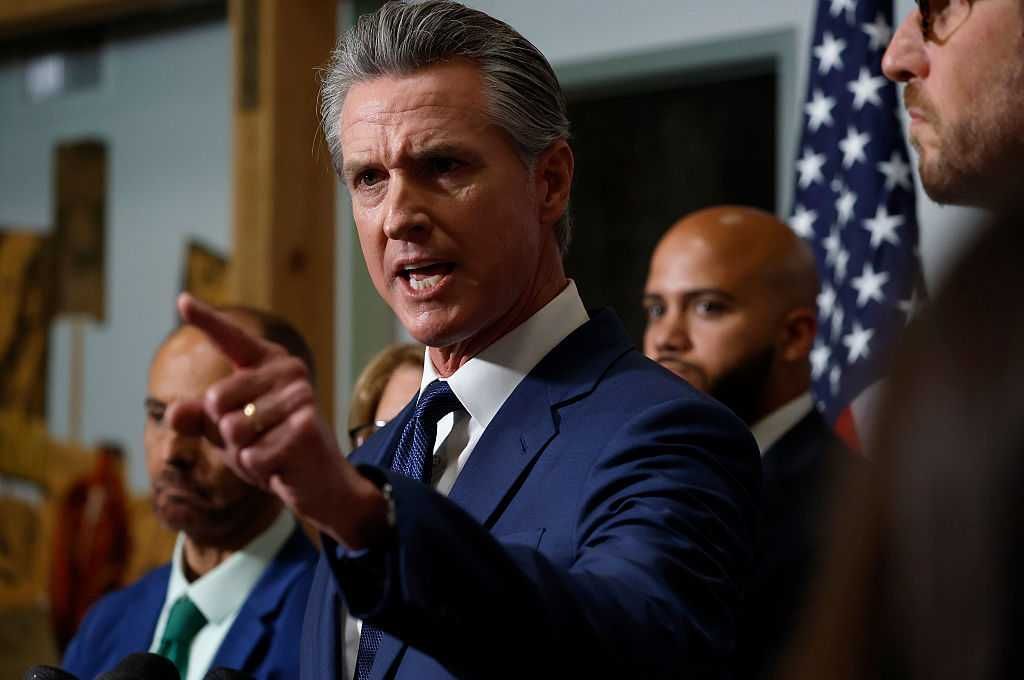


Over the weekend, California Gov. Gavin Newsom (D) called White House adviser Stephen Miller a “FASCIST” — all caps — on X. His official press office account repeated the smear. Hours later, a horrific shooting struck a Latter-day Saints church service in Michigan. The two events were unrelated, but the juxtaposition raised an obvious question: Why inflame the public with reckless language at a moment when violence already runs high?

Meanwhile, Attorney General Pam Bondi unsettled conservatives weeks earlier when she said she would prosecute “hate speech.” After decades of watching universities and the media brand nearly every Christian or conservative position as “hate,” many asked whether Bondi was simply turning the same weapon around. Should the right fight with the left’s tactics, or should it fight with righteousness?

We don’t need to wait for courts. The most powerful judgment comes from ordinary Americans who say, peacefully and firmly: Enough.

Bondi later clarified: She meant only speech that incites violence. That matters. But it also forces a deeper look at what counts as incitement under the First Amendment.

What the Supreme Court says

The leading case is Brandenburg v. Ohio (1969). The Supreme Court ruled that government may not punish “advocacy of the use of force or of law violation” unless the speech is:

  • directed at inciting imminent lawless action,
  • intended to produce that violence, and
  • likely to succeed.

That’s why the classic “fire in a crowded theater” illustration works: If you yell “fire” without cause, and people are trampled, your “speech” helped cause the injuries.

But political and cultural debate is different. The court has given enormous latitude to speech in the public square, even when it is crude or inflammatory.

Where the line blurs

Two other principles complicate matters.

First, libel law: False statements that damage a reputation can lead to civil liability, though public figures face a higher burden (which is why so many crazy National Enquirer stories survive lawsuits).

Second, known risk: If a public figure keeps using rhetoric he has been warned may incite violence, and violence follows, he could face legal exposure.

That’s where Democrats like Newsom invite scrutiny. They lecture the public about “toning down rhetoric,” yet hurl the same charges themselves. At the attempted assassination of Charlie Kirk, one cartridge bore the phrase, “Hey fascist! Catch!” Democrats know this language fuels hatred. They keep using it anyway. At best, it is hypocrisy. At worst, it edges toward the standard they want to impose on conservatives.

The moral dimension

Hypocrisy is ugly, of course, but it isn’t illegal. Nor should it be. The First Amendment protects the right to be foolish, offensive, and wrong. The remedy for bad speech is not government censorship but the judgment of a free people.

Conservatives do not need to silence their opponents. They can simply withdraw support: Stop watching their shows, stop buying their books, stop supporting their advertisers, and stop voting for their candidates. Hypocrites can keep talking into the void.

RELATED: The right message: Justice. The wrong messenger: Pam Bondi.
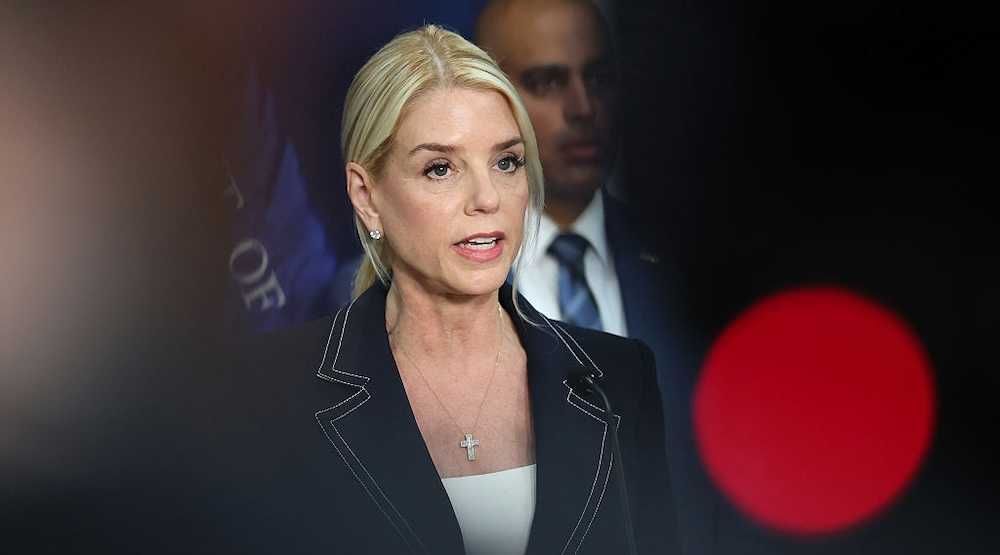
Photo by Michael M. Santiago/Getty Images

And we can model a better way. Instead of trading insults, use arguments. Expose false assumptions and dismantle them in public view. That was Charlie Kirk’s example, and it is the model conservatives need to multiply.

Marxist professors may keep their jobs, but let them lecture to empty classrooms. Late-night hosts may keep sneering, but let them do so without advertisers. That is how a free people governs the public square — by choosing what to reward and what to ignore.

Discernment over censorship

Christians and conservatives should not wait for government to police “hate speech.” That path leads only to disappointment, or worse, to censorship of our own beliefs when power changes hands.

Instead, take practical steps:

  • Teach young people how to spot manipulative rhetoric and defeat it with arguments.
  • Withdraw money, time, and attention from those who abuse free speech.
  • Support institutions that foster open debate rather than silencing it.

If Democrats someday cross the Brandenburg line and face legal consequences, so much the better. But we don’t need to wait for courts. The most powerful judgment comes from ordinary Americans who say, peacefully and firmly: Enough.
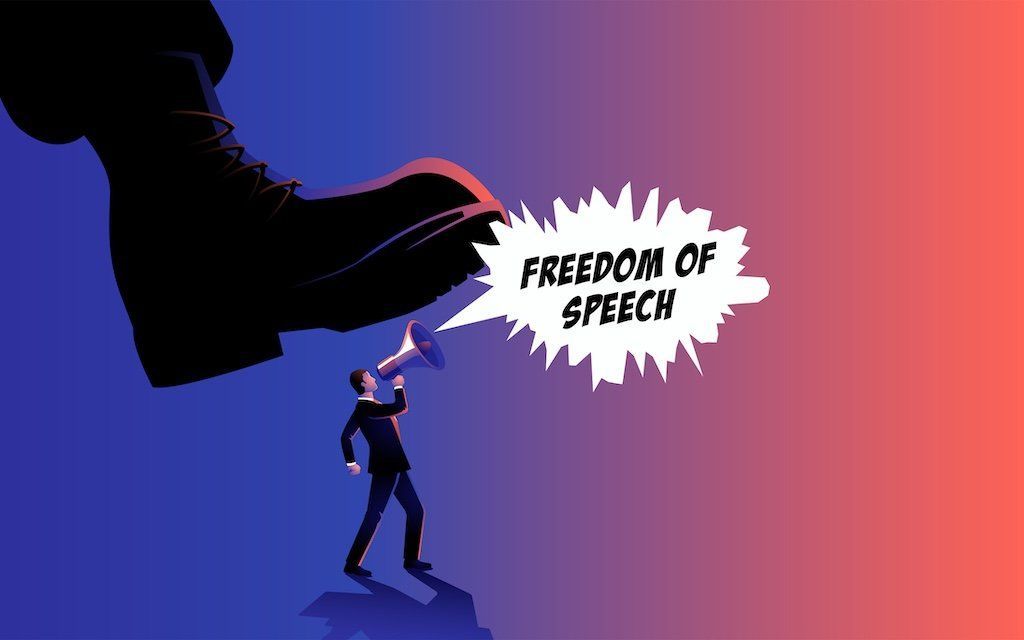
We say we want free speech — until we hear something we hate


The First Amendment is clear: “Congress shall make no law … abridging the freedom of speech.” No qualifiers. No exceptions. Just liberty.

Forged in rebellion, the First Amendment protects the unsavory as much as the noble. Yet Americans in 2025 — left, right, and center — still can’t stomach it. We’re too emotional, too fragile, and too quick to clutch pearls or pitchforks when words sting.

Absolute free speech demands that we ditch the training wheels and face the chaos.

Historically, liberals owned the free speech mantle. Think of the ’60s counterculture, railing against establishment censors. However, that legacy began to crumble when Tipper Gore pushed for “Parental Advisory” stickers, and it outright shattered during the 2020 election and COVID-19 pandemic.

The left became the “script enforcers.” Dissenters questioning lockdowns or vaccine effectiveness were branded “misinformation” spreaders and booted from Twitter and Facebook. Big Tech, egged on by progressive lawmakers, didn’t just moderate — it silenced. The party of free expression revealed its censorious streak, proving that power trumps principle every time.

Conservatives took up the free speech mantle — so they say. Elon Musk’s 2022 purchase of Twitter promised a free speech renaissance. He called it a platform for unfiltered truth — a digital town square — and it felt like that for a while. Users could breathe easier, tossing out hot takes without instant banishment. But the honeymoon’s over. X still throttles visibility on certain topics: any post with the word “trannies,” questioning foreign aid to Israel, or disputing the timing of a push for more H-1B visas, to name a few.

Even the champions of “absolute free speech” have limits they won’t admit.

The First Amendment doesn’t care about your feelings — or mine. That’s the hard truth. It protects the speech we all hate — slurs, rants, provocations. The Supreme Court has carved out narrow exceptions: You can’t defame with reckless lies (New York Times v. Sullivan, 1964) or incite imminent violence (Brandenburg v. Ohio, 1969).

However, today's content getting axed — even on so-called “free speech bastions” like X — rarely crosses those lines. It’s just “uncomfortable.”

“Hate speech,” a term so elastic that it’s meaningless, gets slapped on anything from locker-room trash talk to policy critiques. Thankfully, the Constitution doesn’t bend for hurt feelings. It’s absolute until a court says otherwise — and courts have historically leaned hard toward liberty.

Take Cohen v. California (1971). A guy wore a jacket saying “F**k the Draft” into a courthouse. Though his jacket was certainly offensive, the Supreme Court ruled that it was protected speech, noting that “one man’s vulgarity is another’s lyric.”

Similarly, in Snyder v. Phelps (2011), the Supreme Court ruled 8-1 that Westboro Baptist protesters, who picketed soldiers’ funerals with vile signs, were protected under the First Amendment. The pattern is clear: The framers of the Constitution established a system in which words can be expressed freely, and judges sort the mess later — not moderators, not mobs, not you.

So why can’t we handle free speech? Liberals want safe spaces; conservatives want certain topics off-limits. During COVID-19, the left cried “public health” to justify silencing skeptics. Now, some on the right clutch their chests over critiques of the American Israel Public Affairs Committee influence or aid to Israel — topics that deserve debate, not gag orders.

Both sides claim they’re protecting society, but they’re really protecting their feelings. Absolute free speech demands that we ditch the training wheels and face the chaos. Americans on both sides, however, keep reaching for the mute button.

The X experiment proves it. Musk handed us the keys to a more unrestrained platform, but users — left and right — still howl when they see something they hate. Visibility limits persist, not because Musk is a fraud but because the consumer base demands it.

We’re not a society built for unfiltered truth; we’re too hooked on comfort. The First Amendment promises a brawl of ideas. Until we grow thicker skin, we’ll keep begging someone — government, tech lords, or whoever — to play referee.

Absolute free speech isn’t a fantasy; it’s the law. Courts have defended it for decades, but we fail to actually live it. Conservatives might lead the charge, but even they flinch at speech they hate.