Career criminal, 32, allegedly beats 76-year-old man to death at Chicago bus stop. But he's reportedly just getting started.
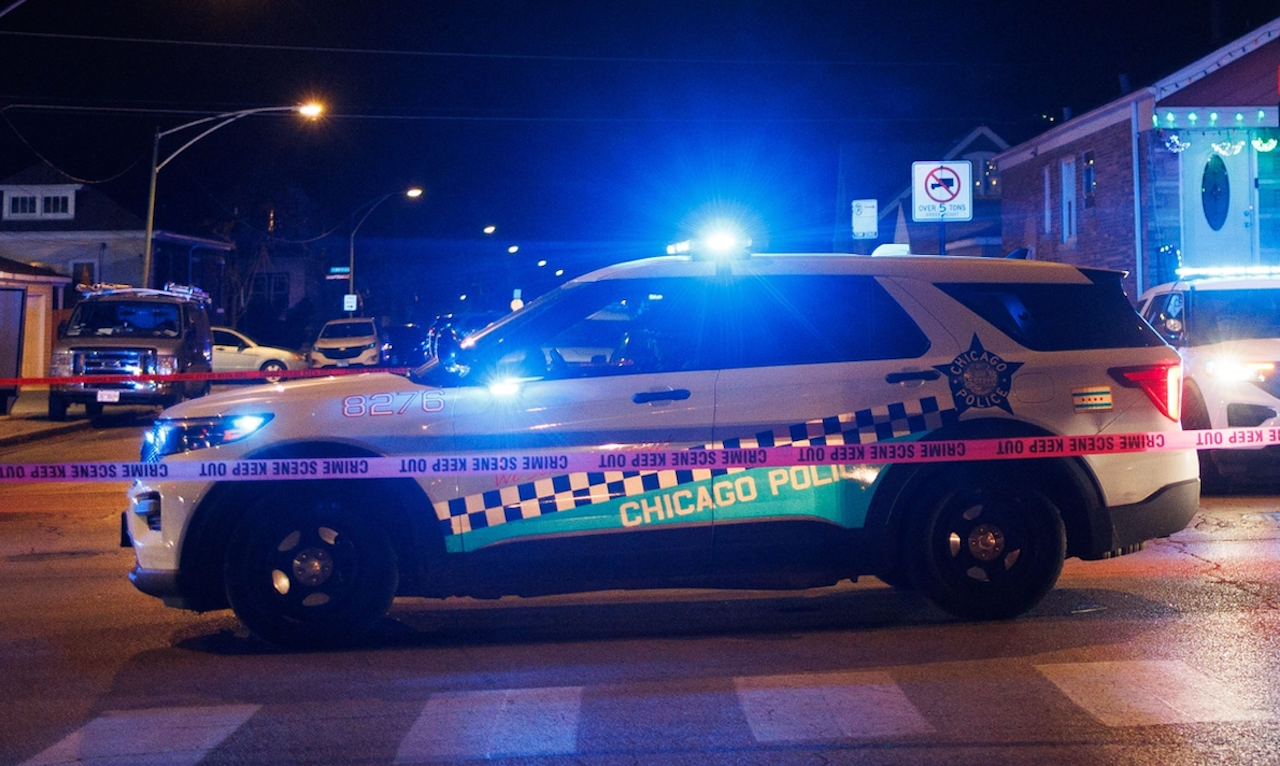


A 32-year-old career criminal allegedly beat to death a 76-year-old man at a Chicago bus stop Monday night, WLS-TV reported.

But his night of crime reportedly was only beginning.

The station noted that he has a lengthy criminal record spanning nearly two decades.

Surveillance video shows two people standing at a bus stop near 95th and Halsted Streets on the city's south side, the station said.

WLS noted that the silent clip shows the 76-year-old man hitting the 32-year-old suspect, but it's unclear what led to that altercation. However, the 32-year-old retaliates, punching the 76-year-old and shoving him to the ground, the station said.

The station added that it paused the video at that point because what follows "is too disturbing," noting that the 32-year-old goes on to "beat and kick the victim multiple times, before eventually walking away."

RELATED: Chicago thug accused of randomly punching mother of 11 in face, knocking her out on downtown street — and White House reacts

WLS said Chicago police responded to the area around 9:15 p.m., found the 76-year-old victim on the ground with apparent trauma to the head, and took him to a hospital, where he later died.

With that — according to a police report the station said it obtained — the same suspect carjacked an SUV from a nearby McDonald's.

A 60-year-old grandmother told WLS she was in the restaurant when the suspect entered her vehicle while her grandchildren — a 3-year-old girl and a 14-year-old boy — were in the backseat. The station said the suspect threatened to shoot the children and ordered them out of the SUV.

WLS, citing the police report, said the suspect took off in the green Kia Telluride. However, the SUV's owner told the station she tracked the vehicle's location through the girl's iPad still inside it.

Soon the suspect crashed the SUV in Schererville, Indiana, and police arrested the driver, the station said. Schererville is about 35 minutes southeast of the initial crime scene on the south side of Chicago.

RELATED: 54-year-old repeat offender accused of fatally stabbing woman, 25, after first spitting on her in Chicago

WLS said it's not naming the suspect because he hasn't yet been charged with a crime in the case, but the station noted that he has a lengthy criminal record spanning nearly two decades.

More from WLS:

A 2019 case in Cook County charges the man with robbery and aggravated battery.

Court documents show that prosecutors say he repeatedly hit a man and then stole his bike in south suburban Glenwood.

He also pleaded guilty and served jail time for a 2015 robbery in Matteson and was charged with resisting arrest in 2010.

Like Blaze News? Bypass the censors, sign up for our newsletters, and get stories like this direct to your inbox. Sign up here!
Trump to patrol DC streets alongside law enforcement amid crime crackdown


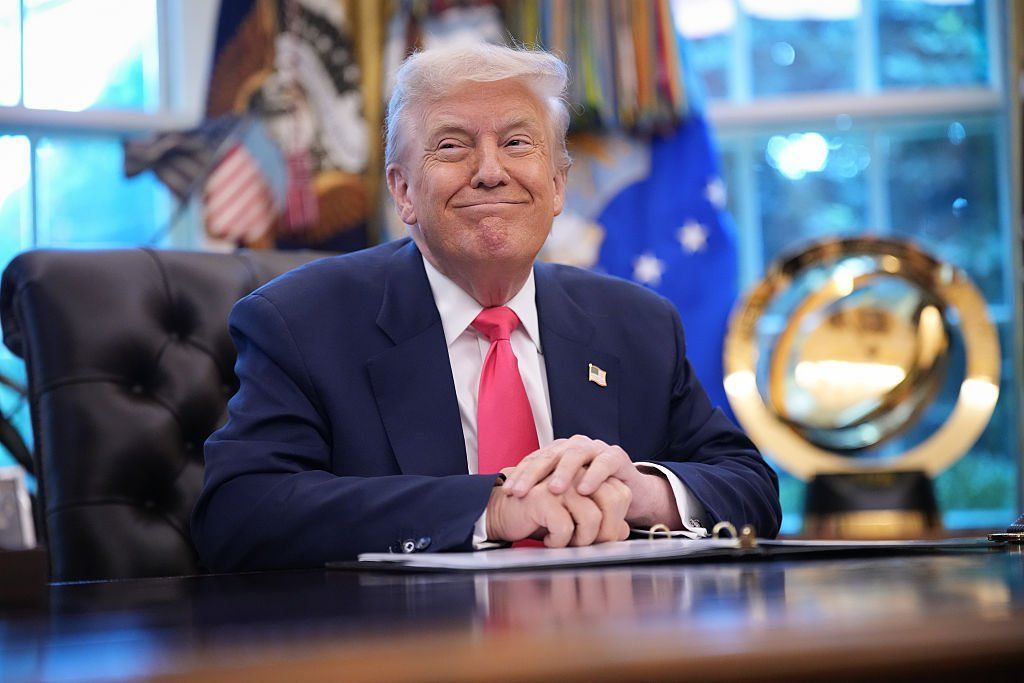
President Donald Trump is taking matters into his own hands amid efforts to clean up the streets of the nation's capital.

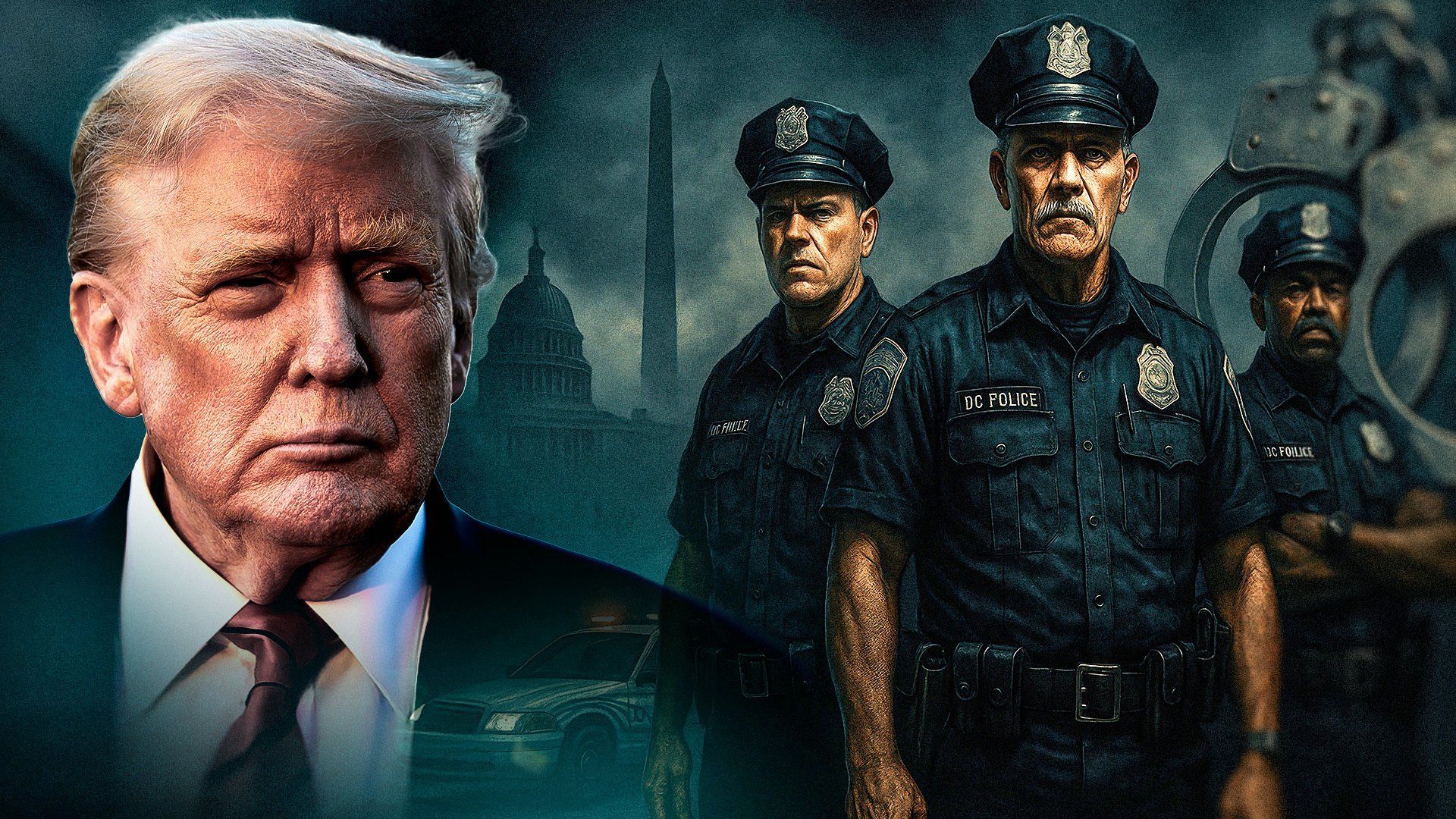
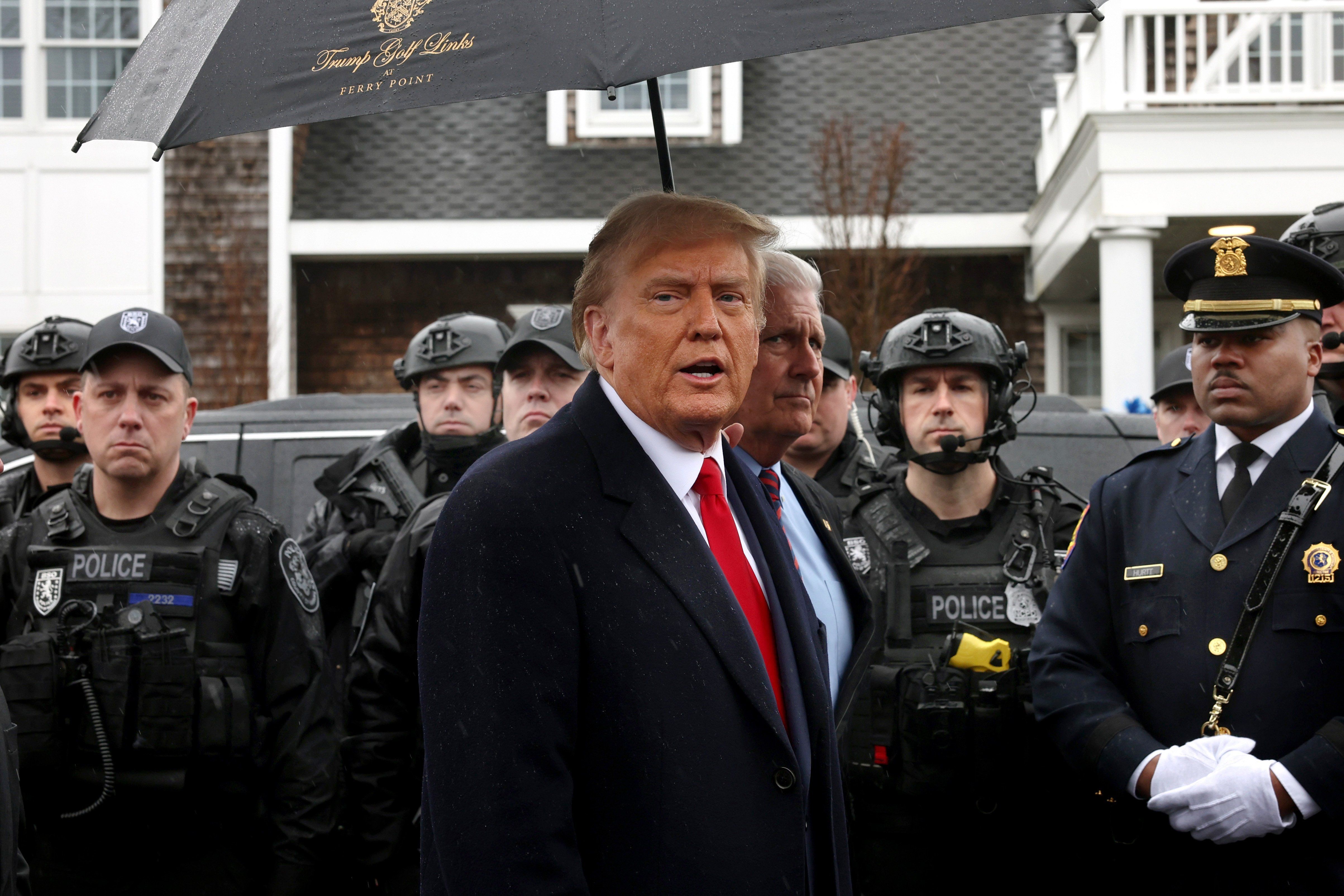
Trump said he will be patrolling Washington, D.C., Thursday night alongside law enforcement to get a firsthand look at the state of crime in the city. Trump's patrol comes as he federalized the Metropolitan Police Department and deployed the National Guard earlier in the month to rein in violent crime in D.C.

'Within days of Trump's policies going into effect, crime rates plummeted across the city.'

“I’m going to be going out tonight, I think, with the police and with the military, of course," Trump told Todd Starnes Thursday. "So we’re going to do a job. The National Guard is great. They’ve done a fantastic job.”

RELATED: Vance unloads on safety-hating protesters in DC, punches through liberal media rhetoric

— (@)

In 2024, D.C. experienced the fourth-highest homicide rate in the country, at 27.3 per 100,000 residents, which is nearly six times higher than New York City. The most recent figures are also a sharp increase from just over a decade ago, when the homicide rate was 13.9 per 100,000 residents in 2012.

The increase in homicides is part of a greater trend showing a rise in violent crime in D.C. Just last year, there were 29,348 crimes reported in D.C., including 3,469 violent offenses, 1,026 assaults with a dangerous weapon, 2,113 robberies, and 5,139 motor vehicle thefts.

But within days of Trump's policies going into effect, crime rates plummeted across the city.

RELATED: President Trump's DC crime crackdown is getting results

— (@)

Recent reports show that D.C. has officially gone a whole week without a single homicide. Carjackings have also decreased by 83%, robberies have gone down 46%, car thefts have gone down 21%, and violent crime decreased by 22%.

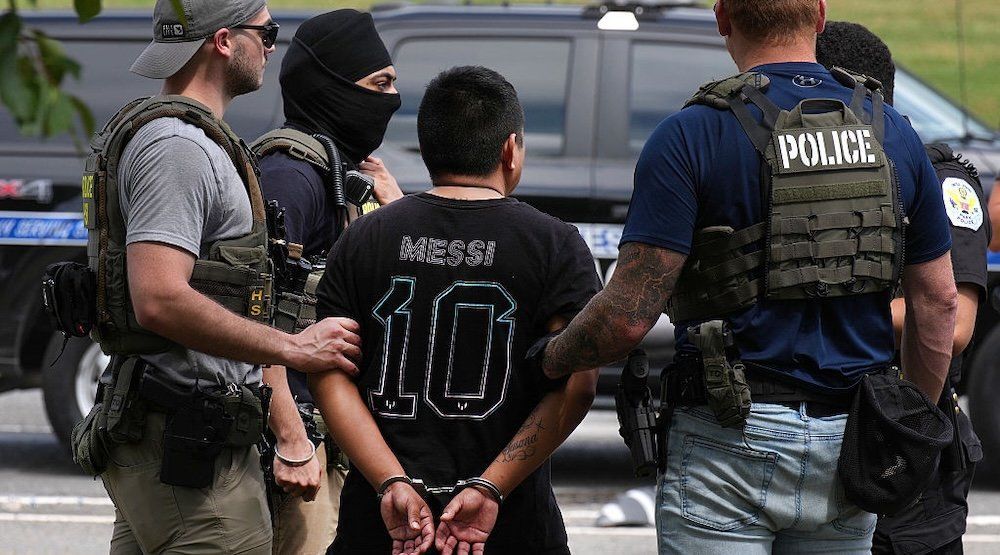
As of Thursday, White House officials said there had been more than 630 arrests made since Trump took action on August 7. Of those arrests, 251 were illegal immigrants and three were known gang members.

"Until 4 days ago, Washington, D.C., was the most unsafe 'city' in the United States, and perhaps the World," Trump said in a Truth Social post Monday. "Now, in just a short period of time, it is perhaps the safest, and getting better every single hour! People are flocking to D.C. again, and soon, the beautification will begin!"

Like Blaze News? Bypass the censors, sign up for our newsletters, and get stories like this direct to your inbox. Sign up here!
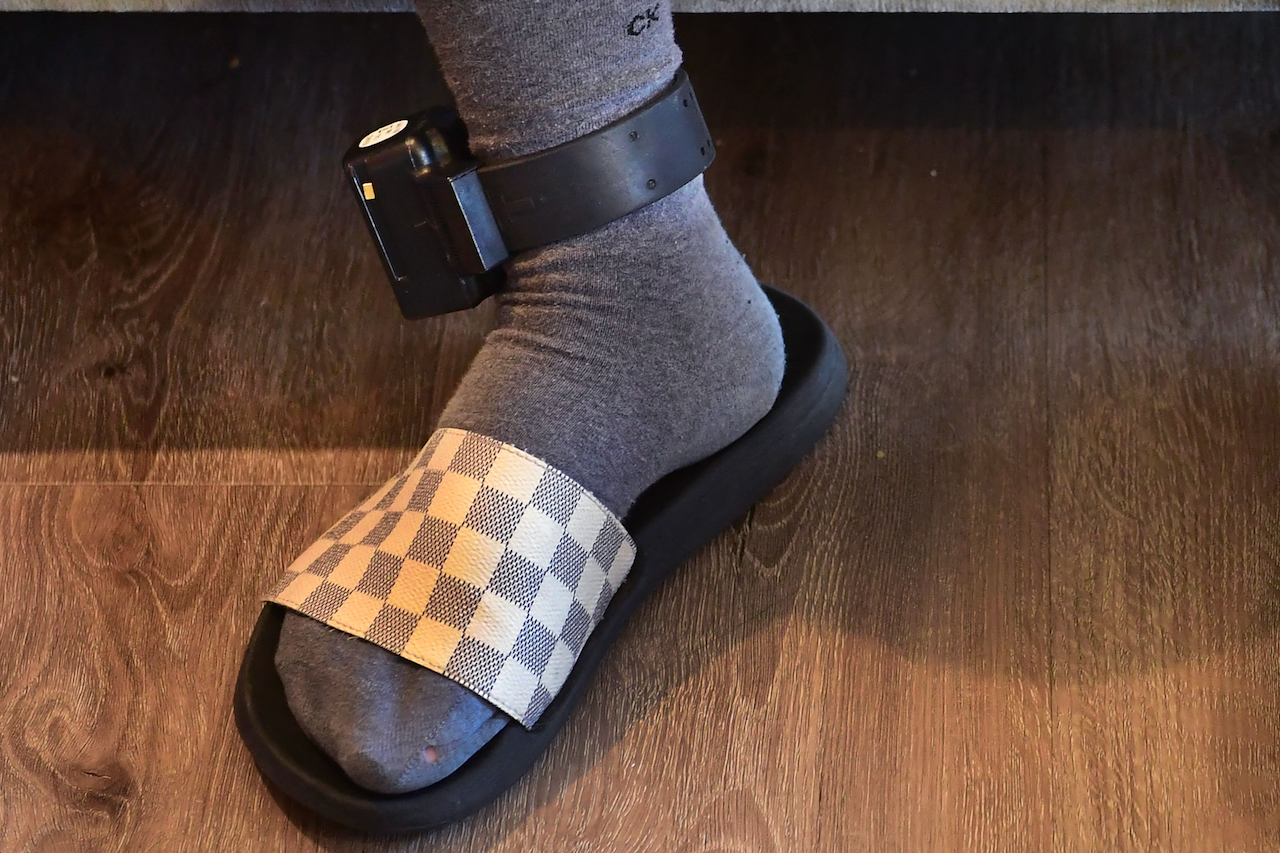
13-year-old with 18 felony arrests under his belt and a GPS monitor on his ankle charged in violent Baltimore crime spree


A 13-year-old male who already had 18 felony arrests on his record recently was charged in connection with a spree of armed carjackings and robberies, WBFF-TV reported, citing Baltimore Police.

Around 6:44 a.m. July 26, officers responded to an attempted carjacking, the station said. The victim reported that in the 2300 block of Guilford Street, two male juveniles exited their car and ran toward her vehicle, WBFF said. When the victim re-entered her car, the suspects entered it, too, and struck her multiple times with an unknown black object, the station said. The victim managed to reverse her car, after which the suspects fled the scene, police told WBFF.

'Bring in the troops!'

Almost 24 hours later — around 5:31 a.m. July 27 — officers were called to the scene of a carjacking in the 100 block of East Lanvale Street, the station said. The victim said a vehicle blocked her path, and three suspects exited the vehicle and demanded her keys, wallet, and phone, WBFF said. The victim complied, and the suspects drove away in her vehicle, followed by the car they drove to the scene, the station said, citing officials.

Around 8:25 p.m. July 27, an armed robbery victim told police that around 5 a.m. earlier that day while heading to a store in the 200 block of East 24th Street, three males with a handgun approached her, "announced a robbery," and took her purse, which contained money and house keys, WBFF reported.

The station said investigators on July 28 tracked the suspects' vehicle using its tag and located it — along with the stolen car — in the 500 block of Highland Avenue.

Police identified one of the suspects as a 13-year-old male in question since his ankle monitor GPS placed him at the scene of each crime, WBFF reported.

The 13-year-old was arrested and taken to juvenile booking, where he was charged with carjacking, robbery, assault, and several other offenses, officials told the station.

"The juvenile has 18 previous felony arrests in Baltimore City," police wrote on their official Facebook page, according to WMAR-TV. "The investigation is still ongoing to identify the other individuals involved."

RELATED: Bus rider gets upset at fellow passenger for being impolite, soon shoots him to death, authorities say. Jury returns verdict.

Former Baltimore City Police Deputy Commissioner Jason Johnson told WBFF in a follow-up story that young repeat offenders are a growing problem: "The state maintains juvenile detention facilities for a reason. And this is a poster child literally for the type of person that needs to be detained."

Effective July 3, acting Department of Juvenile Services Secretary Betsy Fox Tolentino launched a new policy requiring all teens arrested for violent felonies while already wearing ankle monitors to be automatically detained until their next court dates, WBFF said in a third story.

RELATED: Armed 17-year-old carjacker rolls the dice, promptly meets his match when victim pulls his own gun and opens fire

But it's unclear whether that policy was applied to the 13-year-old in question, the station said, adding that a DJS spokesperson said state law prevents the agency from discussing specific cases.

Mark Crosby — a pro-life Baltimore resident who was brutally beaten up in 2023 in front of a Planned Parenthood in the city, only for the culprit to walk away without any jail time — gave Blaze News a succinct reaction to the news of the 13-year-old male with the already lengthy rap sheet charged in connection with the local crime spree: "Bring in the troops!"

Like Blaze News? Bypass the censors, sign up for our newsletters, and get stories like this direct to your inbox. Sign up here!
The DC nobody talks about — and Trump finally did


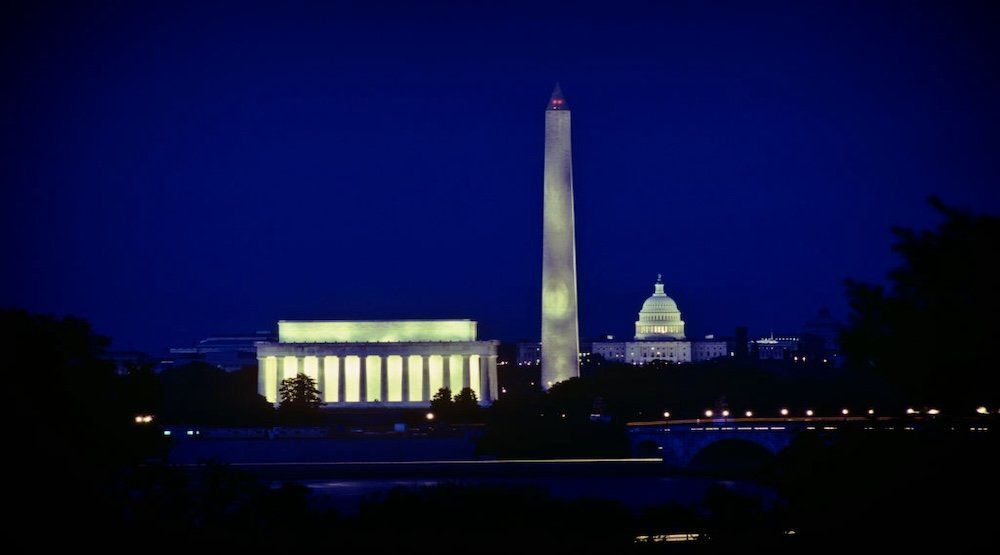
President Donald Trump’s emergency declaration — placing the D.C. police under federal control — cited a now-famous stat: Washington, D.C., has higher violent crime, murder, and robbery rates than all 50 states.

Yes, even higher than my home city of Los Angeles.

DC is bigger than the Mall, and outside the quaint Capitol Hill and Eastern Market townhouses, the city sings a much different tune.

The order also noted that the city’s homicide rate — 27.54 per 100,000 residents — surpasses that of Havana, Cuba, and Islamabad, Pakistan.

Left-wing media immediately scoffed. They downplayed the numbers, pointing to D.C.’s “declining violent crime” stats — conveniently reported right after city leaders reclassified crimes like felony assault and carjacking as non-violent offenses.

It’s a neat trick to save face at the expense of victims.

In Georgetown, Woodley Park, and Chevy Chase, the chaos hides well. But walk through Columbia Heights or Dupont Circle and men strung out on drugs sprawl across the sidewalks. At Union Station, homeless people bathe in the historic site’s iconic fountains, just a few blocks from the Capitol.

“All cities have a homeless problem,” they say. Sure. But not all cities are the capital of the free world.

D.C. is bigger than the Mall, and outside the quaint Capitol Hill and Eastern Market townhouses, the city sings a much different tune.

A tale of two DCs

Take Anacostia.

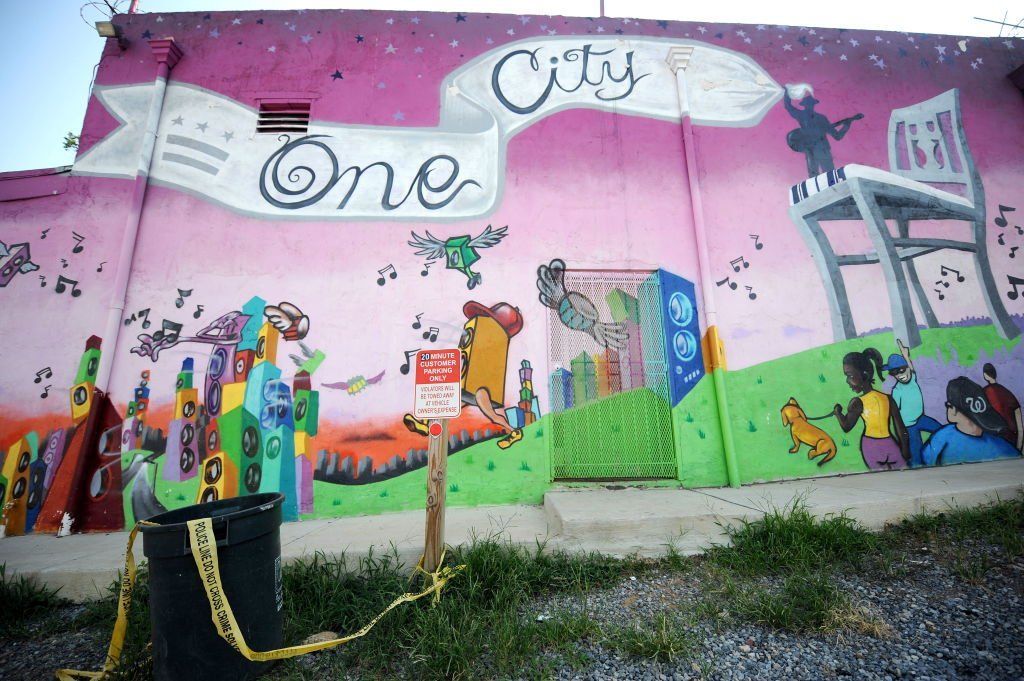
This historically black neighborhood in Southeast D.C. has been ravaged by decades of violent crime and neglect in the overwhelmingly Democratic city. Today, it holds an “F” public safety grade and ranks in the seventh percentile for safety nationwide. The neighborhood sees 12.3 violent crimes per 1,000 residents annually, with assault topping the list, followed by robbery, rape, and murder.

As D.C.'s cost of living explodes, many young residents — like my friends — are pushed into cheaper, more dangerous areas. They often choose Anacostia.

I’ve stayed with them several times. It’s the kind of place where you don’t stop at a red light. Homeless men stagger toward your car. Groups of young men tail you from stop sign to stop sign. If you're catching an early flight, you’ll see prostitutes walking home from the night before.

Residents of this once-vibrant neighborhood mourn what it has become. Times were never easy, but now crime has made it unlivable.

One neighborhood, a larger pattern

Anacostia isn’t an outlier. It’s the blueprint.

It’s the story of every community that doesn’t fit the left’s narrative and so gets ignored. As more staffers and young professionals move into these neighborhoods, perhaps they’ll finally draw some media coverage. But reform shouldn’t wait until political aides feel unsafe.

D.C. was meant to be the crown jewel of American cities. In many ways, it still is. But beauty doesn’t excuse such damning crime statistics.

Unchecked crime in forgotten neighborhoods is spilling into tourist hot spots and government grounds. Elites can’t ignore it any more.

RELATED: The capital of the free world cannot be lawless

Photo by ClassicStock/Getty Images

President Trump’s order is delivering what Anacostia residents — and so many others — should have received years ago: law, order, and the simple freedom to walk outside without fear.

That’s not too much to ask. That’s the bare minimum.

It’s a promise every American deserves.

So thank you, President Trump, for doing what should have been done long ago. I hope D.C. is just the beginning. Do L.A. next.

Trump’s DC take-back will end the BLM fantasy for good


When President Trump asserts federal control over Washington, D.C., half measures won’t do. To succeed, he needs to go all the way — and his plan to extend the federal presence in the district is a good start.

The 1973 Home Rule Act allows a president to reassert control over the Metropolitan Police Department for 30 days. Extending beyond that would likely require a congressional resolution or invoking emergency powers, either of which would trigger a Capitol Hill fight. Democrats’ push for D.C. statehood — and two guaranteed Senate seats — depends on convincing Americans that the district can govern itself. It can’t. The city’s experiment in representative democracy has failed as spectacularly as many regimes in the Middle East.

Federal control must apply the broken-windows model: Enforce the full criminal code to prevent larger crimes before they happen.

The Constitution’s Article I, Section 8, Clause 17 gives Congress exclusive legislative authority over the nation’s capital. Home rule was the deviation, not the norm, from decades of relatively peaceful federal stewardship. This isn’t a “takeover” so much as a “take-back” — like taking away the car keys from a teenager who used the family sedan to run drugs and commit drive-by shootings.

Home rule should have ended long ago. One obvious moment came in 1990, when Mayor Marion Barry (D) was caught smoking crack cocaine in an FBI sting. He infamously blamed his ex-girlfriend, Rasheeda Moore — an FBI informant — muttering to the cameras, “The bitch set me up.” That episode still looms large in the public memory, an emblem of the city’s dysfunction.

Decades of unchecked crime have made Washington, D.C., a national embarrassment. If it were a state, it would have the nation’s highest homicide rate. Carjackings — nearly 200 reported so far this year — are a prime example. More than half are committed by juveniles. A review of the D.C. Police Department’s own X feed shows that suspects overwhelmingly are black. This pattern holds across most violent crime categories, though officials avoid publishing full racial breakdowns in the name of political correctness.

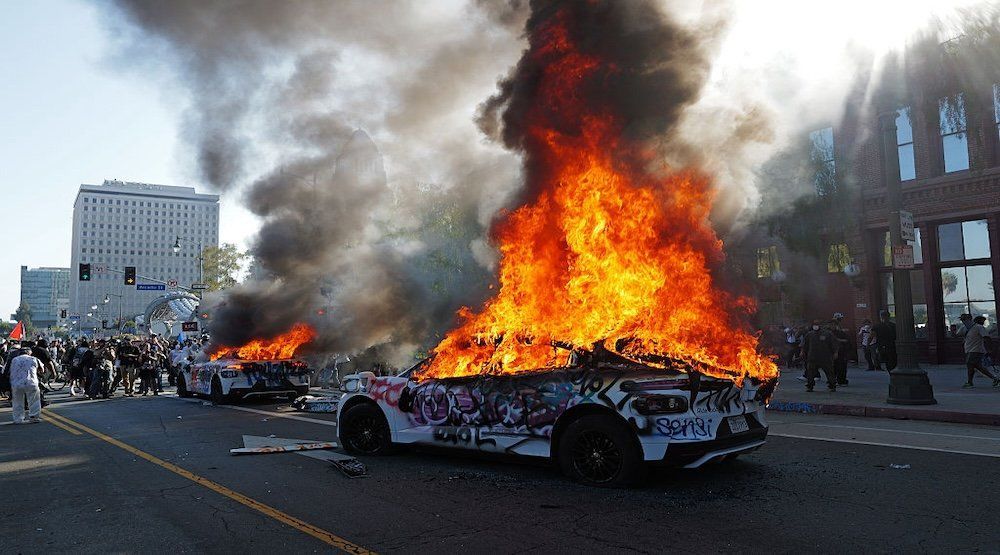
That’s the racial dynamic at the heart of the Black Lives Matter policing debate, a fight the left has framed on two assumptions: first, that police and “systemic racism” are solely responsible for urban crime; second, that the solution is to stop enforcing the law in minority communities. These ideas drove policy after the 2020 riots, and the results have been disastrous.

RELATED: Democrats wanted a makeover. They got Marxism and Molotov cocktails.

Photo by Nick Ut/Getty Images

Trump now has the chance to prove the opposite — that law enforcement can restore baseline safety and quality-of-life standards in urban America. A show of force alone won’t cut it. Federal control must apply the broken-windows model: Enforce the full criminal code, from violent felonies down to quality-of-life offenses, to prevent larger crimes before they happen.

The early signs are promising. Federal and MPD officers have set up vehicle checkpoints targeting illegal aliens, cleared homeless encampments, and increased patrols citywide. These actions should expand to cover the everyday infractions that feed D.C.’s climate of lawlessness — disorderly conduct, curfew violations, truancy, turnstile-jumping, littering, jaywalking, reckless driving, loitering. Residents know that these “small” crimes erode public order and stoke constant tension.

Once the federal government flips that culture, the tone of the city will change. Crime will fall. Visitors will return. And President Trump will have an unassailable case that restoring law and order in America’s cities is possible, desirable, and effective — with Washington, D.C., as the model for generations to come.

Trump to DC: Crime is a choice


President Trump announced Monday that he will federalize control of law enforcement in Washington, D.C. The move follows his threat to act after a brutal attack on a DOGE staffer who tried to defend a woman during a carjacking. National Guard troops will supplement D.C. Metro Police in an effort to quell violent crime. Americans are tired of excuses for why their cities feel dirty and unsafe when we already know how to fix them. Crime is a policy choice, and Trump has taken decisive action with a promise to restore law and order to the nation’s capital.

The United States is the most powerful nation on earth, and Washington is its imperial capital. History shows the state of the capital often mirrors the health of the civilization. The comparison is not flattering. In Japan or Singapore, a woman can walk alone at night without fear. In Washington, ordinary people are routinely harassed, assaulted, and robbed. Everyone knows why this disparity exists and how to solve it, but political correctness has made the truth unspeakable.

To succeed, Trump must ignore the inevitable accusations of racism and authoritarianism and focus on results.

Ideally, crime declines when a virtuous population maintains strong cultural norms and self-control. When virtue isn’t enough, the state must deliver swift and certain justice. If laws go unenforced, honest people quickly learn they are fools for obeying them, while marginal characters drift toward crime. Arrests must be followed by real penalties. As Rudy Giuliani proved in New York with broken-windows policing, consistent enforcement of even minor laws dismantles a culture of permissibility and encourages respect for the rules.

If we know regular enforcement and strong penalties work, why do Democrats choose the opposite in the cities they run?

Their answer always returns to racism. Crime data shows black Americans commit a disproportionate share of crime. Enforcing the law honestly will result in more black arrests and incarcerations. Neither Democrats nor most Republicans will discuss this fact or ask the black community to confront it. Instead, they declare the system racist by design.

Once the system is branded racist, “criminal justice reform” becomes the only solution. Because the underlying causes go unaddressed, disparities persist. To make the system look less racist, enforcement is scaled back. Heather Mac Donald calls this the “Ferguson effect”: Police who fear becoming national pariahs simply stop policing black neighborhoods. Law enforcement retreats from the areas where crime is highest. Officers are told to overlook minor crimes to lower minority arrest rates. Prosecutors cut deals, and early release programs proliferate to improve incarceration statistics. This is exactly the formula for more crime and less safety.

As a former crime reporter, I’ve had candid conversations with officers about this. Police know where most crime happens and who commits it, but politics make addressing it a nightmare. Officers say they sometimes ignore domestic violence or burglary calls in certain neighborhoods. They want to go home to their families, not become nationally infamous for answering the “wrong” call. The number of incarcerated black Americans may fall, but deaths from traffic accidents to homicides rise. Policies enacted “for” the black community make life more dangerous for them — and for everyone else.

RELATED: DC’s crime problem is much worse than you think

When asked about the chain of command under Trump’s initiative, D.C. Police Chief Pamela Smith, a black woman, replied, “What does that mean?” Not reassuring. It suggests that in many cities, police chiefs are chosen less for competence than for their DEI value to activists. If the officials charged with maintaining public order under the dictates of gay race communism cannot grasp basic law enforcement concepts, they will fail.

Trump has taken on a complicated challenge. Restoring order may be straightforward in theory, but the politics are treacherous. To succeed, he must ignore the inevitable accusations of racism and authoritarianism and focus on results. In an era when most politicians flee responsibility, Trump is embracing it. If he succeeds, he will restore safety and dignity to the capital and create a model that could shame other cities into action.

Some compare Trump’s move to Nayib Bukele’s crackdown in El Salvador. The most important lesson from that comparison is that success speaks for itself. If Trump’s takeover produces a radically safer capital, Americans will demand the same in their own cities.

Trump’s crime plan can’t repeat his first-term mistake


President Trump is right: It’s a disgrace that violent criminals and gangs roam freely through the nation’s capital — even in neighborhoods housing top government officials. Federalizing control over D.C. law enforcement and deploying the National Guard makes sense. But the deeper rot isn’t a lack of police presence. It’s the collapse of deterrence through weak sentencing and a revolving door for repeat offenders, especially juveniles.

If Trump truly wants to make Washington safe — and follow El Salvador’s tough-on-crime model — he must break from the “criminal justice reform” movement he once embraced. Those same policies have turned D.C. into a carjacker’s paradise.

The bipartisan experiment with leniency has failed. The bipartisan demand for safety is loud and clear.

No cherry-picked statistics can hide the reality: Lawmakers, staffers, and high-ranking officials fear walking around parts of the city, including Capitol Hill, even during the day. The recent attack on DOGE official Edward Coristine by a pack of 10 juveniles attempting to steal a woman’s car says everything. In 2023, D.C.’s carjacking rate hit 142.8 per 100,000 people, up 565% since 2019. Juveniles committed 63% of those crimes, with guns involved in more than three-quarters of cases.

The crime wave wasn’t random. In 2018, the D.C. Council passed the Youth Rehabilitation Act Amendment, allowing most offenders under 25 to get reduced sentences and sealed records. Repeat armed carjackers face little risk of long-term prison time. Even FBI agents have been victims. Mayor Muriel Bowser admitted some juvenile carjackers have six or seven priors — and still walk free.

Other “reform” laws stacked the deck. The Incarceration Reduction Amendment Act allowed resentencing for crimes committed before age 18. The Second Look Amendment of 2020 expanded that leniency to criminals sentenced before the age of 25 — prime time for violent crime. These measures all but erased the deterrent effect of sentencing.

And this isn’t just a problem for left-wing dystopian cities and states. Republican lawmakers in red states have pushed softer juvenile laws, too. Florida Gov. Ron DeSantis (R) had to veto several leniency bills. He remains one of the few willing to confront the bipartisan jailbreak agenda.

Over the past decade, leaders in both parties have embraced the “decarceration” canard. They’ve reduced sentences, ignored parole violations, and wiped criminal records — all in the name of shrinking prison populations.

The result? Predictable chaos.

RELATED: The capital of the free world cannot be lawless

TheaDesign via iStock/Getty Images

President Reagan’s Task Force on Victims of Crime saw it coming four decades ago: “Juveniles too often are not held accountable for their conduct, and the system perpetuates this lack of accountability.”

Trump himself backed the First Step Act, which released dangerous offenders early. One of them — Glynn Neal, with a long record of violent crime — walked free just one day before stabbing a staffer for Sen. Rand Paul (R-Ky).

Troops on the street can help. But this is more than a policing problem — it’s a policy problem. Trump’s second term should reject the leniency consensus and restore deterrence, starting with nullifying D.C.’s soft-on-crime laws.

If he wants to win the public’s trust on crime, he must trade “criminal justice reform” for criminal justice enforcement. The bipartisan experiment with leniency has failed. The bipartisan demand for safety is loud and clear.

Washington, D.C., Feels Neither Safe Nor Clean Because It’s Not

When your daily life in a city is marked by a series of fearsome conversations, signs of squalor, and dangerous encounters, no rational person can call it safe.

Carjacker abandons infant on sidewalk — but Good Samaritan having a frustrating day ends up in the perfect spot to help


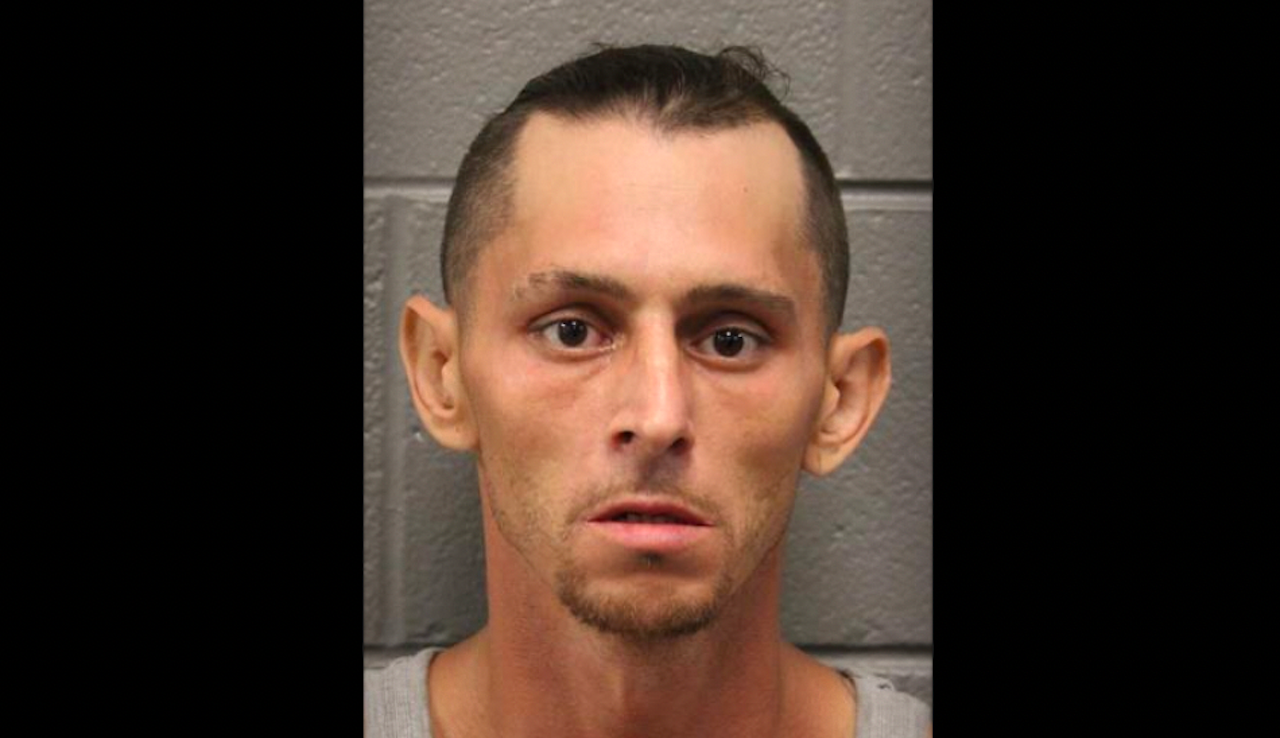
A real-life nightmare took place July 3 in Chicago when authorities said a 15-time convicted felon named Jeremy Ochoa carjacked an SUV, allegedly dragged the female motorist, and drove off with the victim's 7-month-old daughter still strapped inside the vehicle, CWB Chicago reported.

RELATED: 'Get the hell off of her right now!' Gutsy Good Samaritan, 66, tackles carjacker, saves woman — and things get even wilder

Jeremy Ochoa. Image source: Chicago Police Department
Police tracked the stolen 2011 GMC Acadia using license plate reader alerts and pings from a cell phone that had been left inside the vehicle, the outlet said, adding that cops eventually found the SUV several miles southeast of the scene of the carjacking. But the vehicle was unoccupied.

'I just kept praying.'

So where was the baby?

That same day, Earl Abernathy was sitting in traffic on his way to work, WBBM-TV said. Plus, he was dealing with non-operational air conditioning in his car as temperatures hit the 90s — so he was forced to keep his windows down, WBBM said.

Amid those frustrations, along with getting an earful of all the street noise amid Chicago's unforgiving summer heat, an unnerving sound caught Abernathy's ear.

It was a baby crying.

Abernathy told WBBM he put his hazard lights on, got out of his vehicle, and ran over to the infant, who was all alone in a car seat.

Prosecutors told CWB Chicago that the baby was found "abandoned on the sidewalk."

Police said Ochoa — the accused carjacker — had gotten rid of the baby who had been strapped in the stolen SUV and left her in front of St. Francis of Assisi Catholic Church in the 800 block of West Roosevelt Road, which is about four miles from the BP gas station where the carjacking went down, WBBM noted.

After coming to the infant's rescue, Abernathy called 911 and even went on Facebook Live to see if anyone could identify her, WBBM said.

"I just feel like that's what a normal person would do," Abernathy added to WBBM. "I just felt like it was just a bogus situation. Everybody I saw was riding past."

As you might expect, the little girl's family was heavy on the hunt for her.

"We were panicking. We panicked," the baby's grandmother, Karen Fuller, later told WBBM. "We didn't know, and I just kept praying."

Fuller added to WBBM that she's grateful that Abernathy got out of his car to help her 7-month-old granddaughter, who was soon reunited with family, was unharmed, and has been doing well.

"I was so happy," Fuller noted to WBBM. "I went to his page, and I thanked him so many times."

Abernathy told WBBM he wouldn't hesitate to do it all over again: "Of course, any time. It could have ended differently. I'm just glad it ended the way it ended."

RELATED: Blaze News original: 10 instances when everyday people stood up to violent carjackers and thwarted their plans

As for Ochoa, CWB Chicago said he was arrested just before noon — less than two hours after the carjacking — and was charged with aggravated vehicular hijacking of a vehicle with a passenger under 16 and aggravated kidnapping of a child. Cook County Jail information accessed Friday morning indicates the 39-year-old's next court date is July 29.

Observers very well may say Abernathy — the Good Samaritan in this otherwise nightmarish situation — may not have been able to help in the place and time he did had he not been stuck in traffic and forced to endure blistering heat with his windows down, given his lack of A/C. Indeed, it might be said that his frustrating circumstances seem to have come together to allow a heroic outcome — in front of a church, no less.

Steve Deace — BlazeTV host of the “Steve Deace Show” and a columnist for Blaze News — had the following to say about the turn of events.

"This heroic story is like a metaphor for the era — and what it is lacking," Deace told Blaze News. "An actual man took action that saved innocent life, and he was compelled to by inconvenience. We have too few men, too many conveniences."

Like Blaze News? Bypass the censors, sign up for our newsletters, and get stories like this direct to your inbox. Sign up here!

Watch: Pistol-whipping carjacker picks wrong car — and has instant regrets when pastor gives him shock of his life


New video shows a teen attempting an armed carjacking in crime-ridden Baltimore, but the intended victim — a prominent pastor — fought back and turned the tables on the crook.

Rev. Kenneth Moales Jr. — pastor of Cathedral of the Holy Spirit in Bridgeport, Connecticut — was in Baltimore for a funeral in late June.

'I knew my life was at stake.'

Moales parked his car outside a seafood restaurant in the city's Upper Fells Point neighborhood just before 9 p.m. June 29, WBAL-TV reported.

A teen wearing a ski mask approached Moales' vehicle while the pastor was still inside it, the station said, adding that the teenager allegedly asked the pastor for help regarding his dead cell phone.

The teen — armed with a gun — ordered the pastor to exit his vehicle, WBAL said.

"When I looked at him, I knew like something about this wasn't right. I was looking to kind of drive away, and he immediately pulls up his ski mask," Moales told WBFF-TV. "Puts it up over his face, whips out the Glock, points it at the car, like, 'Get out the car.'"

Moales added to WJZ-TV, "He's placed materialism over my life, and unfortunate[ly] for him, he picked the wrong car."

The pastor made a split-second decision to fight back against the young carjacker.

"I immediately got into a fight. So I just punched him in the face. I reach out for the gun," Moales recalled to WBFF.

Surveillance video shows Moales tackling the teen and slamming him on the wet pavement for approximately 20 seconds.

Moales also told WBFF, "I really believe I was fighting for my life and, more importantly, trying to get home to my wife and children."

Citing charging documents, WBAL reported that the carjacker pistol-whipped the pastor in the head.

RELATED: Watch a California family unleash a paintball barrage to thwart thieves from stealing catalytic converters from cars in their driveway

During the melee, Moales recounted to WJZ that he was able to wrestle the gun away from the teenager.

What's more, the pastor offered the teen an opportunity to get away.

Moales recalled to WBFF, "I realize how young he is, and that's when I tell him, 'Hey, I'm a pastor. Relax, calm down. I'm a pastor. I'm not going to press charges. You know, I'm going to let you go, but you’ve got to get out of here.'"

However, the carjacker didn't accept the offer — and proceeded to steal the pastor's vehicle.

"I told him, 'I'm a father, a husband, and a pastor, and you can just go now, and I won't press charges,'" Moales recounted to WVIT-TV. "But even after all of that — after I had let him go and given him a chance to not face charges — he still drove off in my car."

He added to WBFF, "You would think once I let him know I was a pastor that there would be, in one way or another, some level of remorse, and there was neither, none at all. He [couldn't] care less. And that’s what’s left me hurt — I’m not going to say broken — [but] hurt, concerned, and knowing what my new mission is."

The pastor suffered non-life-threatening injuries, according to a statement from his congregation.

WJZ reported that within hours of the carjacking, officers with the Baltimore Police Department located the pastor's vehicle with three suspects inside — ages 15, 16, and 19.

All three teenagers were arrested and charged with auto theft, WBAL said.

The two minors were not identified because they are underage, but WBAL identified the 19-year-old suspect as Mehkai Tindal, according to charging documents. It isn't clear which of the three attacked Moales.

RELATED: Alabama churchgoer in his 70s hailed as a hero for bludgeoning, apprehending gunman in deadly church shooting

The harrowing experience provided the pastor with an eye-opening perspective — and a new mission.

Moales told WVIT, "I have forgiven the young man — but this violent crime just shows me that I need to work even harder to help young people right here in Bridgeport, because a lot of these kids are hopeless and this problem is not unique to Baltimore."

The pastor added to WBFF, "If we don't commit to educating this generation in a significant way, what happened to me is just a beginning. If they'll, if they'll pistol-whip a pastor, you about know what they'll do to my members."

Moales noted to WBAL, "My prayer today is, 'God, thank you for covering me. Thank you for my life.'"

Like Blaze News? Bypass the censors, sign up for our newsletters, and get stories like this direct to your inbox. Sign up here!