Gavin Newsom’s ‘fascist’ slur echoes in the streets



Over the weekend, California Gov. Gavin Newsom (D) called White House adviser Stephen Miller a “FASCIST” — all caps — on X. His official press office account repeated the smear. Hours later, a horrific shooting struck a Latter-day Saints church service in Michigan. The two events were unrelated, but the juxtaposition raised an obvious question: Why inflame the public with reckless language at a moment when violence already runs high?

Meanwhile, Attorney General Pam Bondi unsettled conservatives weeks earlier when she said she would prosecute “hate speech.” After decades of watching universities and the media brand nearly every Christian or conservative position as “hate,” many asked whether Bondi was simply turning the same weapon around. Should the right fight with the left’s tactics, or should it fight with righteousness?

We don’t need to wait for courts. The most powerful judgment comes from ordinary Americans who say, peacefully and firmly: Enough.

Bondi later clarified: She meant only speech that incites violence. That matters. But it also forces a deeper look at what counts as incitement under the First Amendment.

What the Supreme Court says

The leading case is Brandenburg v. Ohio (1969). The Supreme Court ruled that government may not punish “advocacy of the use of force or of law violation” unless the speech is:

  • directed at inciting imminent lawless action,
  • intended to produce that violence, and
  • likely to succeed.

That’s why the classic “fire in a crowded theater” illustration works: If you yell “fire” without cause, and people are trampled, your “speech” helped cause the injuries.

But political and cultural debate is different. The court has given enormous latitude to speech in the public square, even when it is crude or inflammatory.

Where the line blurs

Two other principles complicate matters.

First, libel law: False statements that damage a reputation can lead to civil liability, though public figures face a higher burden (which is why so many crazy National Enquirer stories survive lawsuits).

Second, known risk: If a public figure keeps using rhetoric he has been warned may incite violence, and violence follows, he could face legal exposure.

That’s where Democrats like Newsom invite scrutiny. They lecture the public about “toning down rhetoric,” yet hurl the same charges themselves. At the attempted assassination of Charlie Kirk, one cartridge bore the phrase, “Hey fascist! Catch!” Democrats know this language fuels hatred. They keep using it anyway. At best, it is hypocrisy. At worst, it edges toward the standard they want to impose on conservatives.

The moral dimension

Hypocrisy is ugly, of course, but it isn’t illegal. Nor should it be. The First Amendment protects the right to be foolish, offensive, and wrong. The remedy for bad speech is not government censorship but the judgment of a free people.

Conservatives do not need to silence their opponents. They can simply withdraw support: Stop watching their shows, stop buying their books, stop supporting their advertisers, and stop voting for their candidates. Hypocrites can keep talking into the void.

RELATED: The right message: Justice. The wrong messenger: Pam Bondi.
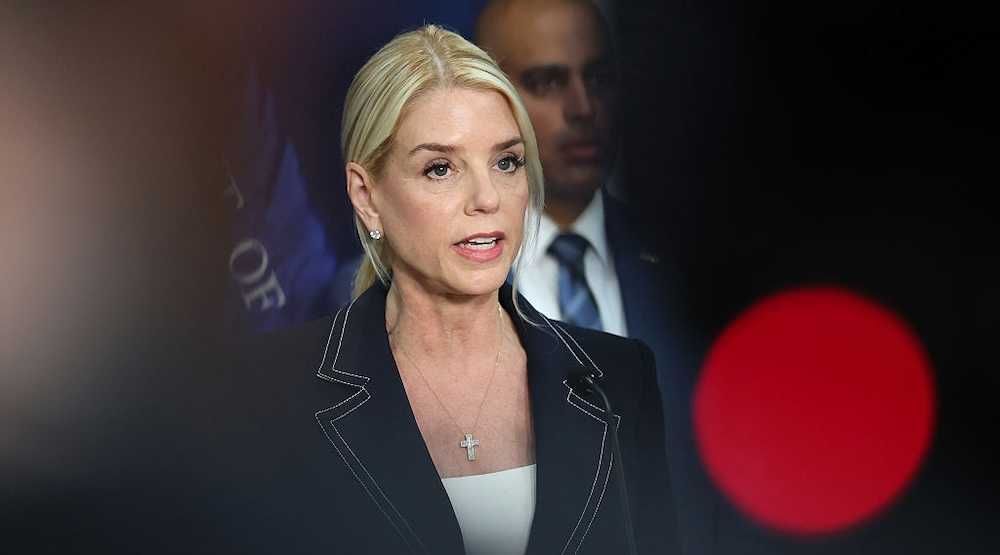
Photo by Michael M. Santiago/Getty Images

And we can model a better way. Instead of trading insults, use arguments. Expose false assumptions and dismantle them in public view. That was Charlie Kirk’s example, and it is the model conservatives need to multiply.

Marxist professors may keep their jobs, but let them lecture to empty classrooms. Late-night hosts may keep sneering, but let them do so without advertisers. That is how a free people governs the public square — by choosing what to reward and what to ignore.

Discernment over censorship

Christians and conservatives should not wait for government to police “hate speech.” That path leads only to disappointment, or worse, to censorship of our own beliefs when power changes hands.

Instead, take practical steps:

  • Teach young people how to spot manipulative rhetoric and defeat it with arguments.
  • Withdraw money, time, and attention from those who abuse free speech.
  • Support institutions that foster open debate rather than silencing it.

If Democrats someday cross the Brandenburg line and face legal consequences, so much the better. But we don’t need to wait for courts. The most powerful judgment comes from ordinary Americans who say, peacefully and firmly: Enough.
The next Christian revolution won’t be livestreamed on TikTok


Ronald Reagan famously cited the Roman maxim, “If it was not for the elders correcting the mistakes of the young, there would be no state.” That wisdom rings hollow when you’re on the mistake-making side.

Generation Z hasn’t exactly earned a reputation for excellence. As we wrote this, professional activist Greta Thunberg was in Paris, pausing her carbon-shaming campaign to weigh in on the war against Hamas. Here at home, Gen Z Democratic influencer Olivia Julianna is trying to rebrand her party’s image among young men by championing abortion access and highlighting its supposedly deep, hidden love for groups like Black Lives Matter.

Being ‘Christian first, conservative second’ isn’t political surrender. It’s the basis for cultural authority.

That barely scratches the surface.

A quick scroll through X reveals countless under-30 users with enormous followings and the “influencer” label — despite having little real influence. Their mistakes aren’t just frequent. They’re embarrassing.

So what’s a Christian Zoomer supposed to do?

The extreme of ‘influencerdom’

At a high level, the answer is simple: Build systems that reflect Christian values, and challenge the ones that don’t. But real influence won’t come by copying the warped incentives pushed by our generation’s loudest voices.

The skills needed to go viral online rarely match the skills needed to drive real-world change. In fact, they often clash. Posting about the dangers of corporate diversity, equity, and inclusion is one thing; using influence to force lasting change in corporate policy is something else entirely. Both matter — but they aren’t the same.

The other extreme: Apathy

But political “influencerdom” isn’t the only problem. Gen Z also suffers from a serious apathy problem. Between the aftershocks of the COVID economy and apocalyptic climate narratives — why bother thinking seriously about policy if the sun’s going to explode in 10 years? — Zoomers have earned a reputation as, in the Wall Street Journal’s words, “America’s Most Disillusioned Voters.

We’ll show up to vote — maybe. But posting on Instagram takes less effort, so we’ll do that instead. One analysis summarized the challenge this way: “Campaigns must focus on converting robust online advocacy into real-world voter turnout.” That’s the kind of strategy you get when no one really cares.

RELATED: Church is cool again — and Gen Z men are leading the way

Shuang Paul Wang via iStock/Getty Images

A Christian Zoomer response

As Christians, our duty is the opposite of apathy. We’re called to care. Rejecting our generation’s default indifference is just the beginning. “Christ is King” isn’t a license to coast — it’s the foundation for action.

Here are some practical ways Christian Zoomers can avoid the traps of both performative activism and total disengagement.

Seek wisdom from the right sources. Don’t look to influencers for answers. The people most worth learning from probably don’t have a million followers on X. Avoid the echo chamber of “onlineness.” Instead, find expertise from unglamorous sources: people with “lived experience,” technical know-how, and hard-earned wisdom.

Join a local church. Every Christian needs the weekly rhythm of worship, sound teaching, and community. But for young believers navigating a secular world, the church is especially vital. Find a congregation that preaches the gospel clearly and offers intergenerational support. This isn’t about socializing — it’s about growing in conviction and courage through regular contact with people who live by “Christ first, culture second.”

Vote locally. You don’t have to be a political junkie, but you should know what’s happening in your county. Local and state policies affect your daily life far more than most federal debates. National politics is often a circus; local politics is where things actually get done. Caring about what happens five miles from home is a Christian habit worth cultivating.

Think before you post. Virtue-signaling comes in all forms — left, right, and “based.” Whether it’s a black square or the latest meme, pause before jumping in. Ask: “Am I actually doing something about this issue in my community?” If the answer is yes, then post away. If not, maybe start with action before broadcasting your opinion.

Keep a few friends who disagree with you. Yes, surround yourself with faithful Christians — but don’t retreat into an ideological bunker. Having friends with different views helps you resist tribalism. You may not see eye to eye on politics, but they probably aren’t your enemies. Humanizing your opponents is a discipline, one that fights against the hyperfixation and outrage that dominate our age.

Serve somewhere. Whether you care about the unborn, the incarcerated, or victims of trafficking, find a local organization doing the work — and show up. It’s easy to have strong opinions about cultural decay. It’s much harder to give your time. But service grounds us. It reminds us of God’s blessings and our call to be His hands and feet.

Our generation veers between two extremes: obsessive political engagement and total apathy. Both reflect a flawed attempt to wring meaning from a system designed only to support human flourishing — not define it. And both fail.

The politically apathetic pride themselves on floating above the fray, looking down on those who care enough to engage. The hyper-engaged believe their passion sets them apart — morally superior to the so-called “normies” who sleepwalk through civic life.

Both attitudes are wrong.

If we, the rising generation of Christians, want to engage the culture meaningfully, we must refuse to measure our success — or define our mission — by worldly standards.

Being “Christian first, conservative second” isn’t political surrender. It’s the basis for cultural authority. It doesn’t excuse disengagement. It demands engagement.

We act because we believe every person bears the image of God. That truth drives our pursuit of justice, mercy, and truth. Our theology shapes our politics, not the other way around.

And if pagan, anti-Christian values fall in the process? So much the better!

The MAGA divide over Israel is a test of maturity


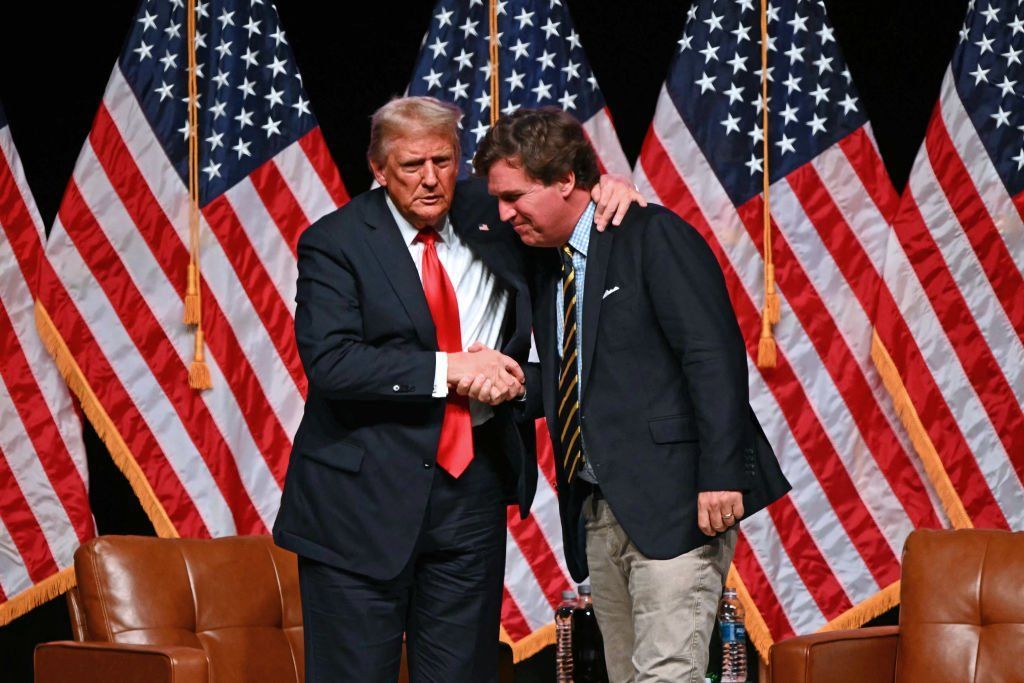
The recent clash between Tucker Carlson and Sen. Ted Cruz (R-Texas) over the Israel-Iran conflict isn’t just a Twitter skirmish. It’s a proxy battle highlighting a deeper divide within the MAGA movement. That divide cuts to the heart of competing worldviews, and I’ve spent much of this week on my show trying to make sense of it through a biblical lens.

This internal debate isn’t a problem. In fact, it’s a strength. You’ll see it across Blaze Media on a wide variety of questions. Glenn Beck champions critical thinking and challenging assumptions. We don’t all walk in lockstep — nor should we. On this issue alone, you’ll hear wildly different takes across the network. That diversity makes us better.

We live in a time that punishes discernment. Critical thinking doesn’t just get ignored — it gets attacked. And yet I’ve never seen so many people hungry for truth.

We’re also better off when we allow that debate to happen within ourselves.

When I first became a Christian, I devoured everything I could find about church history and theology. I loved Augustine. Then I read Calvin and agreed with him — even where he contradicted Augustine. Then I read Luther, who opposed both of them — and I agreed with him, too. What now?

That tension never goes away. Pick up a Tim Keller book, and the same thing happens. If he wrote it before 2005, it’s probably excellent. If he wrote it after, it probably isn’t. So is Keller good or bad? Right or wrong?

I care about truth more than just about anyone I know. But early in my journey, I learned a hard lesson — delivered, oddly enough, by one of my favorite childhood films “WarGames”: “The only winning move is not to play.”

So do I have to pick Tucker or Cruz? Do I have to vote someone off the island?

Nope. If someone’s right in the moment, I’m with them. If they’re wrong — even if they were right 10 times before — I’m not. It’s not personal. It’s principled. That’s the only way I’ve found to avoid losing my mind, becoming a tribalist, or slipping into flat-out idolatry.

We live in a time that punishes discernment. Critical thinking doesn’t just get ignored — it gets attacked. And yet, I’ve never seen so many people hungry for truth.

That hunger forces us to work with unlikely allies.

Take Naomi Wolf. For three decades, she belonged to a political world I deeply opposed. She worked for the Clintons and trafficked in feminist nonsense. But during COVID, when the lies were thickest, she told the truth. She fought the right fight, at the right time, on the right side. That mattered more than her résumé. That’s what discernment looks like. Personality cults don’t interest me.

RELATED: Which will it be, America? God, greed — or the grave?

KvitaJan via iStock/Getty Images

Same with Donald Trump. In 2015, his campaign tried everything to hire me. I almost said yes. But then I did everything I could to stop him from winning. Yet the morning after his victory, I said something on my show that might be the most important thing I’ve ever said on-air: “The country has spoken. NeverTrump is dead and never coming back.”

I wanted what was best for the country. And at that moment, that meant helping Trump succeed. How could I help?

You won’t think that way if you’re obsessed with defending your narrative at all costs — especially if that narrative floats untethered from the Word of God.

You won’t love your neighbor. You’ll straw-man your opponents. You’ll never consider the possibility you’re wrong.

Look around. Just days ago, Israel versus Iran wasn’t on our radar. Now, people have already retreated to their corners and locked in their positions — on a conflict that could reshape the lives of millions.

Maybe we should stop. Breathe. Listen.

Maybe, before we harden into another round of generational mistakes, we should consult God — and one another.

Let’s reason together. It’s not weakness. It’s wisdom. And we need more of it.