Rural health is the next MAHA frontier


As a Virginia farmer, I have spent years fighting regulatory overreach and corporate consolidation that hollow out rural America.

So when Rep. Anna Paulina Luna (R-Fla.) recently led the effort to remove a pesticide-liability shield from the House farm bill, rural families had reason to cheer.

If we are serious about children’s health in rural America, we should examine whether newer technologies can reduce toxic exposures.

The provision would have given pesticide manufacturers such as Bayer broad protection from “failure to warn” lawsuits brought by Americans who allege glyphosate caused their cancer. It also would have limited the ability of states and local communities to establish no-spray zones near schools and weakened protections for waterways.

In other words, it was top-down federal overreach and a corporate handout disguised as “regulatory uniformity.” It had no place in legislation meant to serve farmers and rural families.

Luna’s amendment passed 280-142, with more than 70 House Republicans joining all but six Democrats.

Republicans such as Luna deserve credit for refusing to grant blanket immunity to corporations at the expense of American families. They also showed that Make America Healthy Again can become a governing philosophy — one that puts children, families, and farmers ahead of well-connected industries.

More than three years after Robert F. Kennedy Jr. announced his presidential campaign and later joined forces with President Donald Trump, the MAHA movement continues to secure policy victories with consequences that families may feel for decades.

The pesticide fight is only one part of a much larger question. Once policymakers begin examining preventable chemical exposures, the issue does not stop at the edge of the field.

Former Rep. Renee Ellmers (R-N.C.), a nurse and Tea Party leader, has noted that many of the same rural children whose schools and waterways Luna’s amendment would protect also spend hours each week riding older diesel school buses. Exposure to diesel exhaust has been linked to pediatric asthma, ADHD, and other health and developmental concerns.

If we are serious about children’s health in rural America, we should examine whether newer technologies can reduce those exposures.

That does not mean Washington should dictate transportation choices to rural districts. It means farmers and small-town families should have a seat at the table and access to resources when cleaner options, including electric school buses, become practical.

RELATED: Big Pharma’s miracle drugs have a nasty side effect

Bagira22/Getty Images

The American Lung Association projects more than $43,000 in health savings per electric bus through reductions in asthma attacks and respiratory illness. Electric buses are also substantially quieter than diesel models, which could benefit students with autism or sensory sensitivities.

Each community should weigh the costs and benefits for itself. But the issue deserves serious local consideration.

Rural water quality deserves the same attention.

A recent national analysis found that more than one in five Americans receive drinking water from systems with elevated nitrate levels associated with cancer and birth defects. Many of the hardest-hit communities are in agricultural regions.

Researchers and public health advocates have also raised concerns about PFAS “forever chemicals” contaminating farmland and groundwater, sometimes forcing farming operations to shut down.

Farmers understand better than anyone that stewardship has consequences. The land, water, and infrastructure we pass to the next generation will shape rural health long after today’s political battles are forgotten.

Reducing unnecessary exposures and modernizing aging infrastructure where it makes sense are practical, pro-family goals that fit squarely within the MAHA vision.

Luna and her colleagues showed that Congress can still deliver for rural American families when lawmakers put them ahead of corporate interests.

They should keep going.

‘It’s very sinister’: Eva Vlaardingerbroek BANNED from the UK for dissent


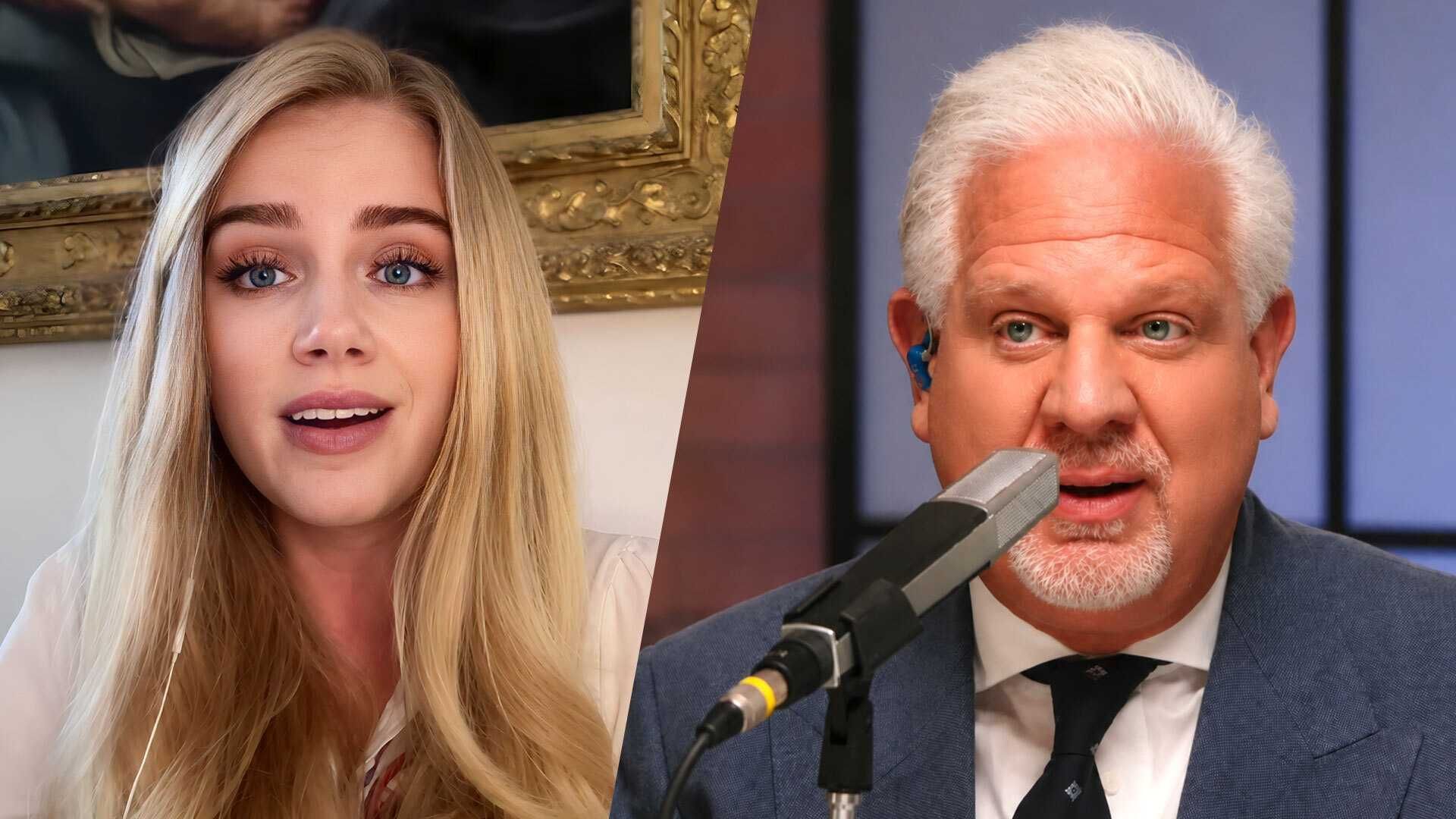
Dutch commentator Eva Vlaardingerbroek is well known for her criticism of Keir Starmer and mass immigration policies, which has resulted in the U.K. allegedly revoking her travel authorization.

“I just don’t see the inner hidden Nazi that everybody, I guess, in Parliament, in Europe, feels you are,” Blaze Media co-founder Glenn Beck tells Vlaardingerbroek.

“I actually got banned back in January already. I received an email out of the blue,” she explains.

“I posted a tweet calling Keir Starmer an evil, despicable man just three days prior to receiving that email, and I had been on the phone with Tommy Robinson privately confirming that I would be speaking at that rally,” she says.


“When we’re talking about the many, many attacks on free speech here in Europe … I received a message from Apple a year ago saying that my phone was under mercenary spyware attack. Meaning someone’s listening to me all of the time,” she continues.

“I can only speculate, but I wouldn’t be surprised if someone thought, ‘Hmm, the fact that she’s calling out Starmer for what he is … and that she’s planning to go and speak again at that rally, and it was such a success last time, we want to avoid that from happening again,’” she tells Glenn.

“And now they’re banning basically everyone who was coming from abroad to speak at that rally,” she adds.

Glenn points out that they have also “pushed aside all of the working class, the farmers” and “destroyed the factories.”

“They’ve destroyed these communities. Now they’ve moved in people that just don’t seem to want to be English. They don’t want the culture. They want their own culture. … And, you know, Sharia law in particular is incompatible with the Western culture. It cannot happen or coexist,” he tells Vlaardingerbroek.

“And the list of countries where they’ve tried it shows it fails every single time. I’m trying to figure out where these elites think they’re going to end up. I mean, how do they even begin to think this is going to work for their country? What is their plan?” he asks.

“I think it’s very sinister,” Vlaardingerbroek answers, pointing out that those who are speaking out against immigration and the attack on free speech are growing in numbers.

“And he clearly fears that,” she says of Starmer. “So that’s what I think this comes down to. They want to suppress that at all costs.”

Want more from Glenn Beck?

To enjoy more of Glenn’s masterful storytelling, thought-provoking analysis, and uncanny ability to make sense of the chaos, subscribe to BlazeTV — the largest multi-platform network of voices who love America, defend the Constitution, and live the American dream.

‘The storm is here’: Glenn Beck delivers urgent plan to prepare for the coming food supply crisis


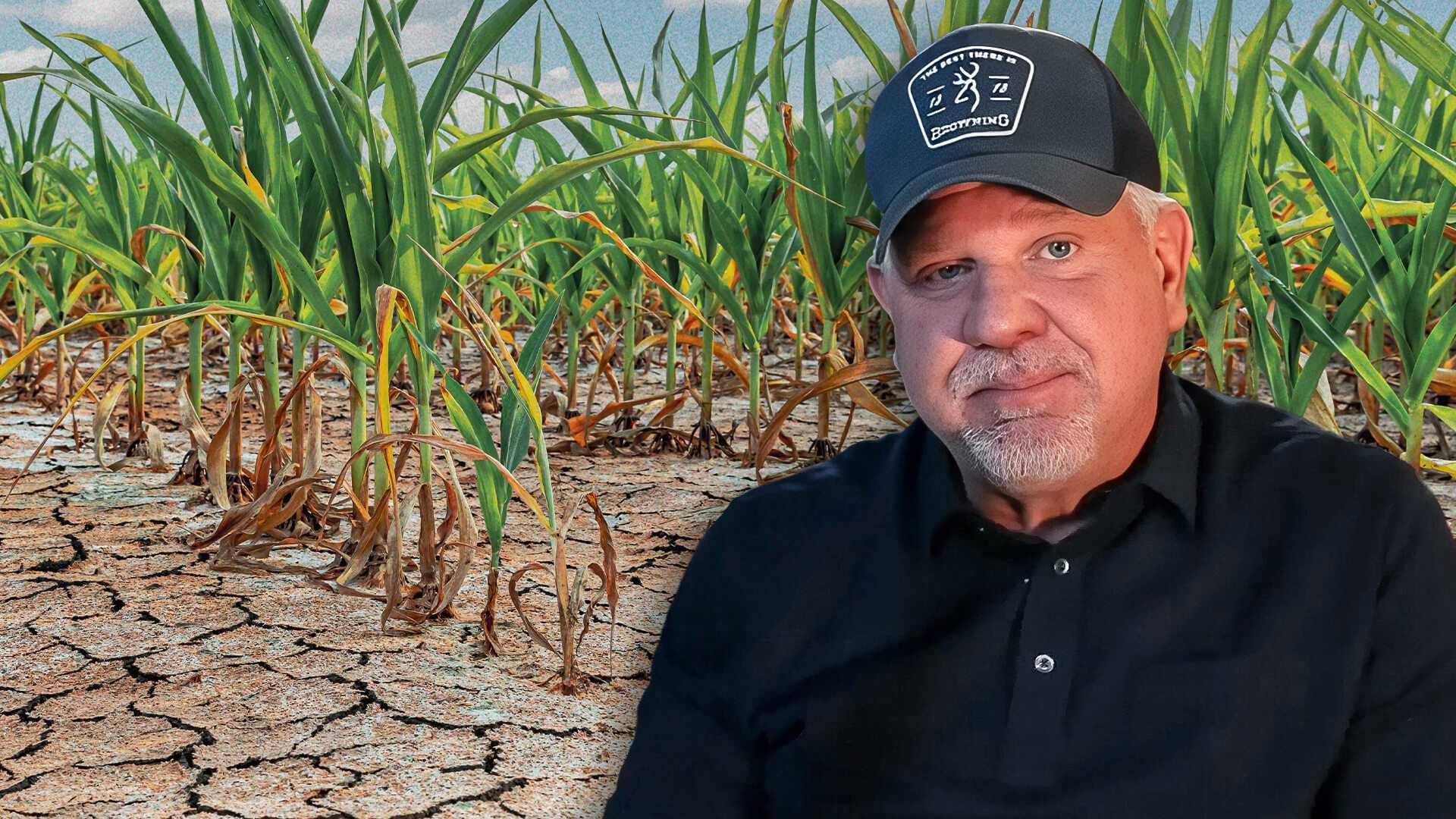
A “monster drought” is currently affecting more than 61% of the lower 48 U.S. states — the highest level for this time of year since 2000 — with nearly all of the Southeast and two-thirds of the West parched. Concerns over wildfires, water supplies, food prices, and even shortages are mounting quickly.

Glenn Beck pulls no punches about the severity of this drought: “The South is baked. Sugar cane, rice, peanuts, fruit trees [are] choking under severe, extreme, and even exceptional drought. Out in the plains (that's our bread basket), winter wheat is sitting in dust; it can't germinate because it doesn't have the water. In the West, the mountain snow pack is vanishing before our eyes.”

Our farmers, he warns, are “barely hanging on,” and that burden will soon impact us.

“Food costs are going up and not a little — a lot. Beef, grains, produce, everything that comes from the fields all across our fruited plain. It's going to cost more at the grocery store, and it's coming sooner and faster than most people want to even admit,” says Glenn.

He urges his audience to start by fasting and praying.

“I'm asking you to fast and pray for rain all across the country. I'm asking you to fast and pray for our farmers because our farmers are under extreme stress. ... They are probably the most important cog in the chain of this machinery,” he says.

The second thing Glenn implores his audience to do is “stop depending on this system.”

“It is really important that you become as food independent as possible. If you don't have food storage, you should. If you have a scrap of yard, plant a garden this spring — tomatoes, beans, potatoes, greens, anything you can grow. Anything,” he pleads.

Whether it’s starting a “neighborhood garden,” learning how to “preserve” different foods, or “[stocking] a little extra when you can,” the time to prepare is now.

“This isn't just about rain or fertilizer prices, market prices. ... We are in a spiritual war, and I'm telling you, the very gates of hell will come against us in the days ahead,” Glenn warns.

Our current state of disunity, he cautions, will only make matters worse.

Glenn begs his audience to seek unity: “This too shall pass, but it will pass a whole lot easier if we stop pulling in different directions and start sticking together; if we stop hating one another and start helping one another; if we start to get to know our neighbors and say, ‘Look, I don't care how you vote, man, but have you seen the price of food?"’

“Plant your seeds in the ground, and plant seeds of love in your heart and in your faith, and get ready because the storm is here.”

To hear more, watch the video above.

Want more from Glenn Beck?

To enjoy more of Glenn’s masterful storytelling, thought-provoking analysis, and uncanny ability to make sense of the chaos, subscribe to BlazeTV — the largest multi-platform network of voices who love America, defend the Constitution, and live the American dream.

The Iran War Threatens To Pull The Plug On American Farming’s Life Support

America’s energy-dependent food supply is highly vulnerable to a global spike in oil prices and to many other potential disruptions.
This new laser farming technique could free us from pesticides — forever


Farming with lasers will make you healthier — here's how.

An attachment, powered by artificial intelligence, could save farmers from a seemingly ever-present headache, while producing a higher yield than ever before.

'[This] is now the cheapest way to control weeds in the vegetable fields.'

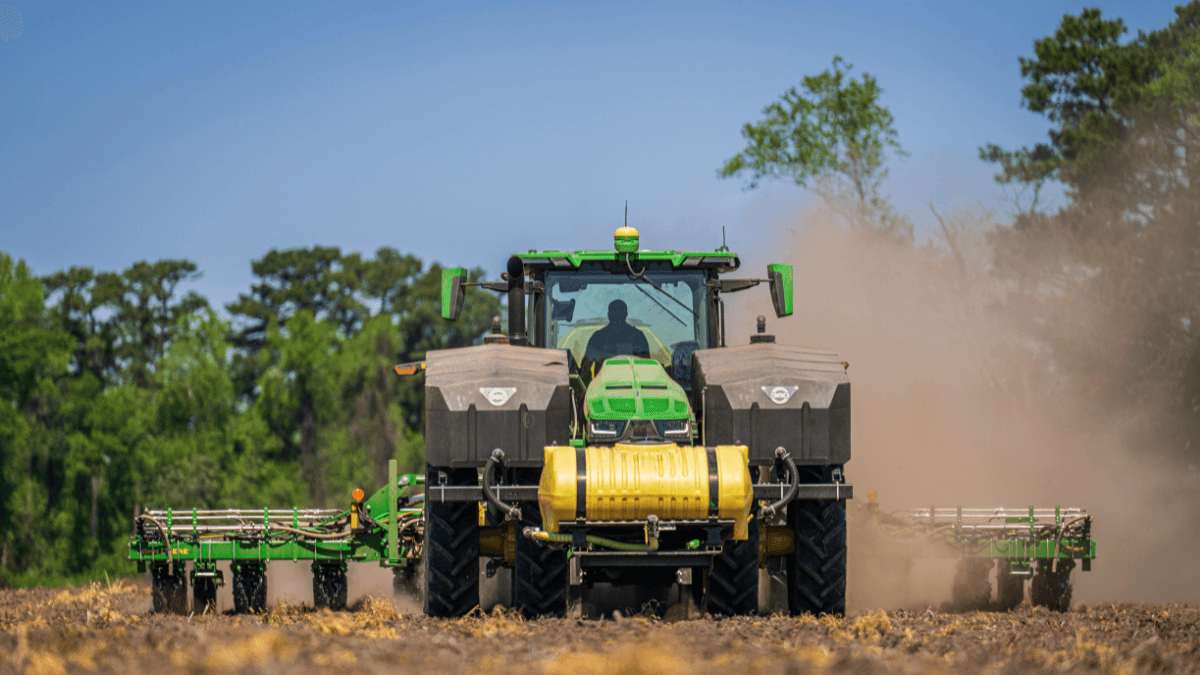
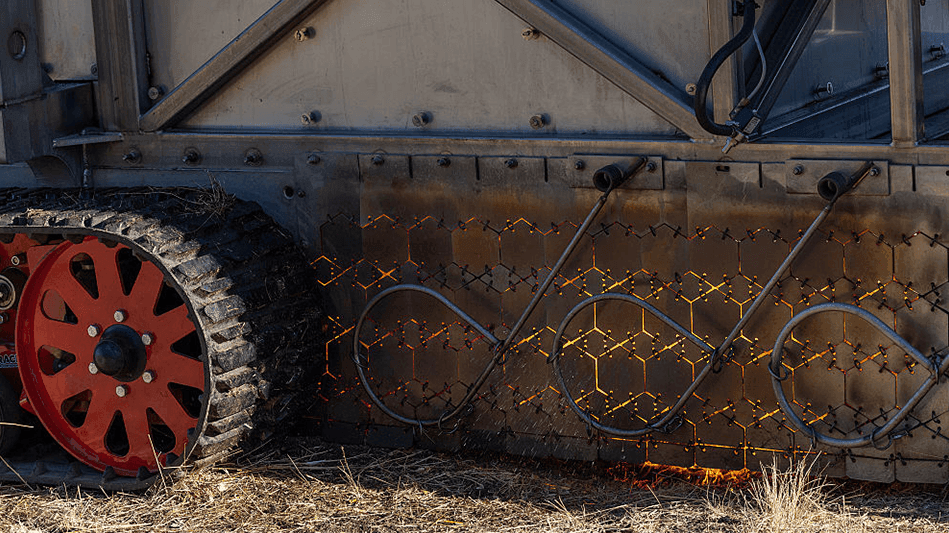
This laser farming technique uses powerful 240-watt lasers, high-resolution cameras, Nvidia processors, and nearly two dozen simple LED lights.

The operation is called "laser weeding," and it comes from company Carbon Robotics, which has developed technology to destroy weeds with lasers while keeping crops intact, seemingly eliminating the need for pesticides that contain harmful chemicals.

"Optimal thermal energy destroys the meristem, stopping regrowth and returning weeds to organic biomass," the company says on its website.

The machine looks almost like a UFO when in action, with lights flashing and little puffs of smoke coming off the ground. The "LaserWeeder" is slowly pulled over the crops and targets weeds — using AI programming to identify them — and takes them out with a laser.

RELATED: Ultra-processed food manufacturers ran the Big Tobacco playbook to addict consumers: Study

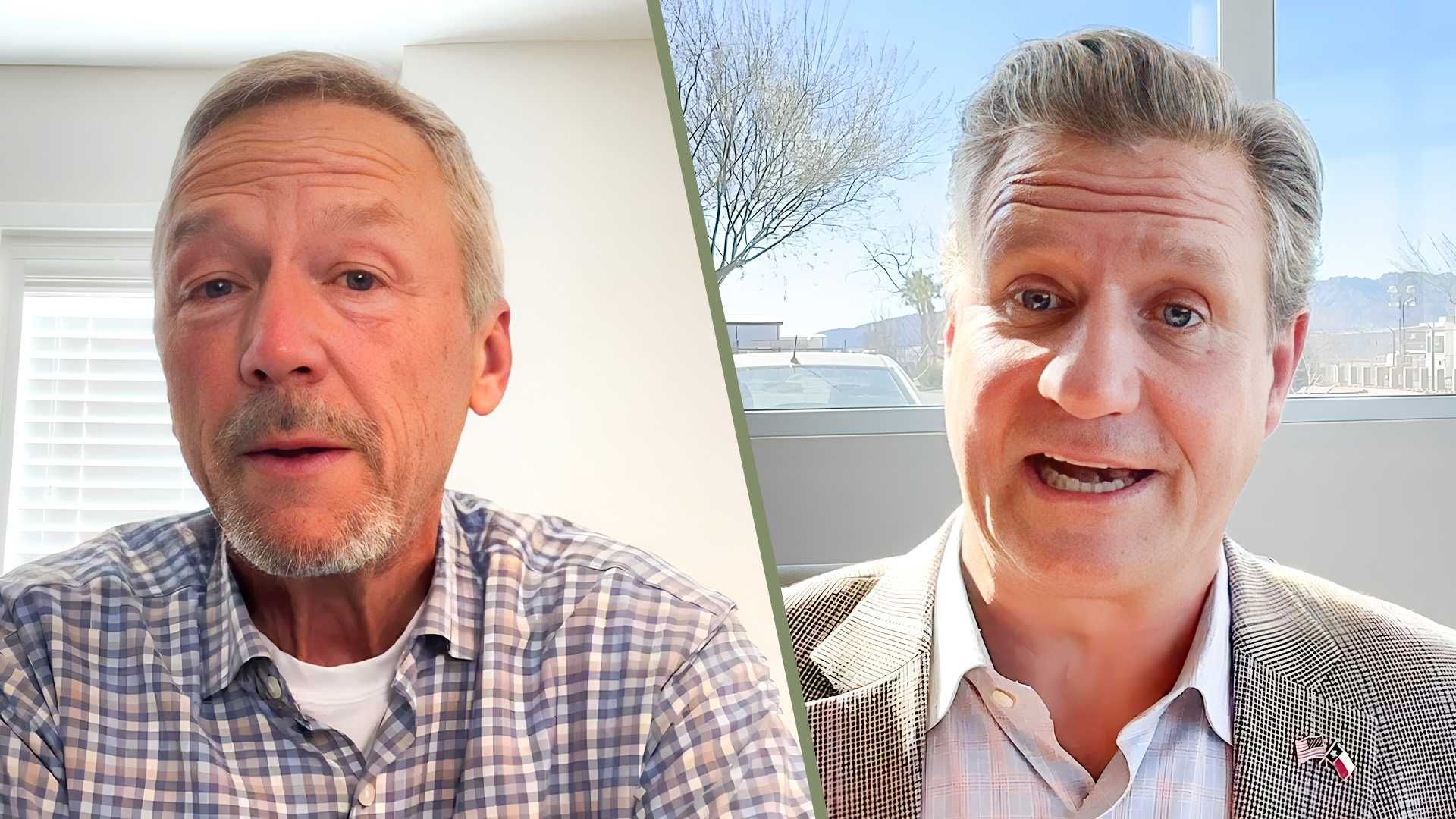
United States Secretary of Health and Human Services Robert F. Kennedy Jr. recently promoted the technique on "The Joe Rogan Experience," telling the host that one farmer he interviewed in Texas had dropped her costs from $1,500 per acre (to pay for pesticides and labor) to $300 per acre.

"It's a million-dollar machine, which sounds like a lot, but you got 8,000 acres and you're paying $1,500 an acre per growing season," Kennedy explained.

"[This] is now the cheapest way to control weeds in the vegetable fields. ... It kills the weeds at every stage of their life," he continued. "It identifies their species and kills them instantly, all the way down through their root system by exploding them with this laser."

Kennedy went further and said for farmers who are using the machine, they've seen a "30% increase in productivity" on the farm.

"It's a million-dollar machine, but it pays back," he reiterated.

RELATED: The media’s ‘confusion’ over RFK Jr.’s diet guidelines is either fake — or just stupid

Rogan asked a few simple questions about the machinery, including whether it would impact food and if it could be used for bugs.

The answers to those questions were "no" and "yes," respectively.

"They can do it for bugs too. ... They identify them and zap them," Kennedy claimed, while adding there is no "impact" on the food.

According to Carbon Robotics, the machinery lowers weed control costs by 80% per year and kills 99% of weeds that grow around carrots, herbs, onions, and leafy greens.

Like Blaze News? Bypass the censors, sign up for our newsletters, and get stories like this direct to your inbox. Sign up here!

Texas is losing farms — and Nate Sheets plans to save them


Nate Sheets is not only a fifth-generation Texan, entrepreneur, and founder of Nature Nate’s Honey, but he’s now the Texas agriculture commissioner — and he has big plans for Texas.

Sheets ran on supporting local Texas farmers, protecting local agriculture, and improving the quality of the food we eat.

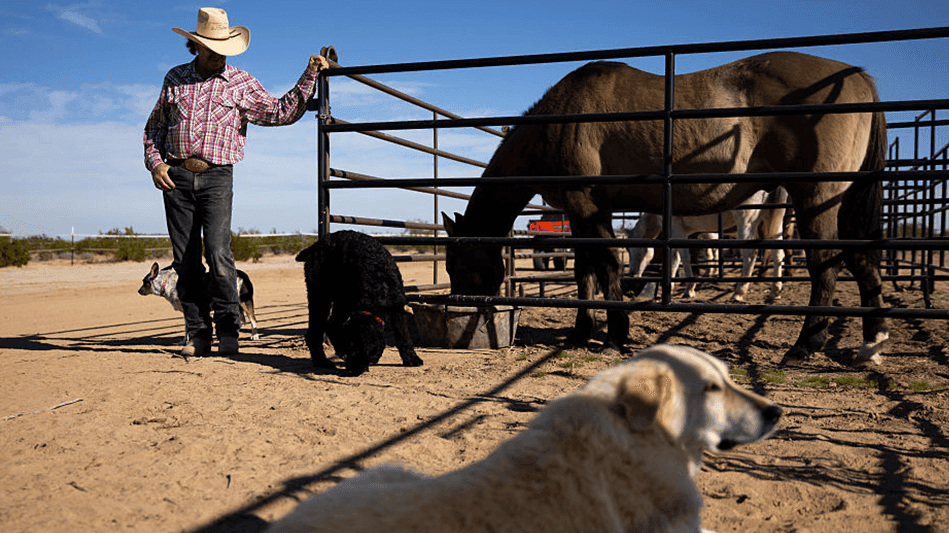
“I’m running to be Texas agriculture commissioner because we’re losing agriculture like never before and we have a pandemic of health crisis related to the food that we’re eating in America,” Sheets told BlazeTV host Allie Beth Stuckey’s father, Ron Simmons, on “Relatable.”


“I’ve been endorsed by Governor Greg Abbott. I want to make agriculture great again. And we're going to get out there and help farmers and ranchers. We lost 68 farms this week, and we don’t have to continue to do that,” he explained.

And Simmons believes Sheets has it in him to do just that, noting that on each jar of honey, Sheets used to have his cellphone number, which he would answer in the middle of the night.

Now, Sheets keeps a Bible verse on each jar of honey.

“He followed in the footsteps of those businessmen, like the Greens with Hobby Lobby, that not only … talk the talk, but walk the walk in their business world to help build the kingdom," Simmons explains.

“He’s committed to trying to help Texas live a healthier life,” he says, “and the Department of Agriculture in Texas is a big part of doing that.”

Want more from Allie Beth Stuckey?

To enjoy more of Allie’s upbeat and in-depth coverage of culture, news, and theology from a Christian, conservative perspective, subscribe to BlazeTV — the largest multi-platform network of voices who love America, defend the Constitution, and live the American dream.

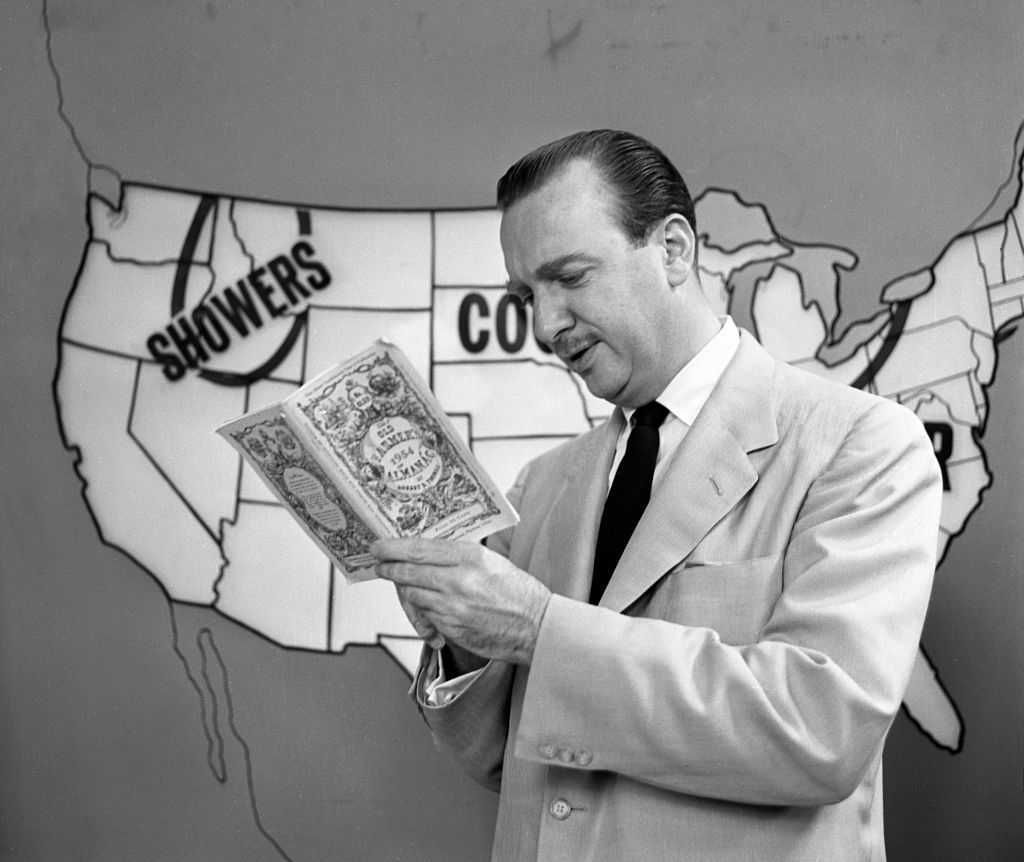
Farmers' Almanac rescued from extinction, keeping 200-year tradition alive: 'It felt wrong'


A family-owned winter sports company is stepping in to save a critical piece of Americana.

Based in Maine, the 208-year-old publication had seemingly released its final edition in November, after offering weather predictions and gardening advice for more than two centuries.

'It felt wrong to stand by while an irreplaceable piece of our national heritage disappeared.'

The company wrote a heartfelt goodbye on its website toward the end of the year, saying that the 2026 Farmers' Almanac would be its final release.

"Though the Almanac will no longer be available in print or online, it lives on within you," editors Sandi Duncan and Peter Geiger wrote.

Fading fast

While the team did not give a specific reason for the closure in their post, CBS News reported that the publishers cited growing financial challenges involved with producing and distributing in today's "chaotic media environment."

As the almanac was starting to fade from public memory, publisher Tim Konrad stepped in.

Konrad founded family-owned media company Unofficial Networks, which focuses on content related to skiing, snowboarding, national parks, mountain adventures, and outdoor exploration.

"I saw the announcement that one of America's most enduring publications was set to close, and it felt wrong to stand by while an irreplaceable piece of our national heritage disappeared," Konrad said in a press release on the almanac's website.

RELATED: Trump gives American farmers $12 billion boost to overcome inflation, trade wars

Photo by CBS via Getty Images

'Living link'

Describing the publication as an important piece of American history, Konrad said it is "more than just a book — it's a living link to generations of knowledge and curiosity about the natural world."

In addition to a photo alongside Geiger, the entrepreneur said he has been working closely with the team to preserve its most beloved content, like its long-range weather forecasts, humor, and the publication's "distinctive voice."

Geiger praised the transition and exclaimed, "An American tradition continues!"

The editor went on to say that the values and wisdom of the almanac have been protected and nurtured for 200 years, and he is grateful to have found the "right next custodian in Tim Konrad."

Geiger added, "I am also confident he will honor its heritage and carry it forward for generations to come."

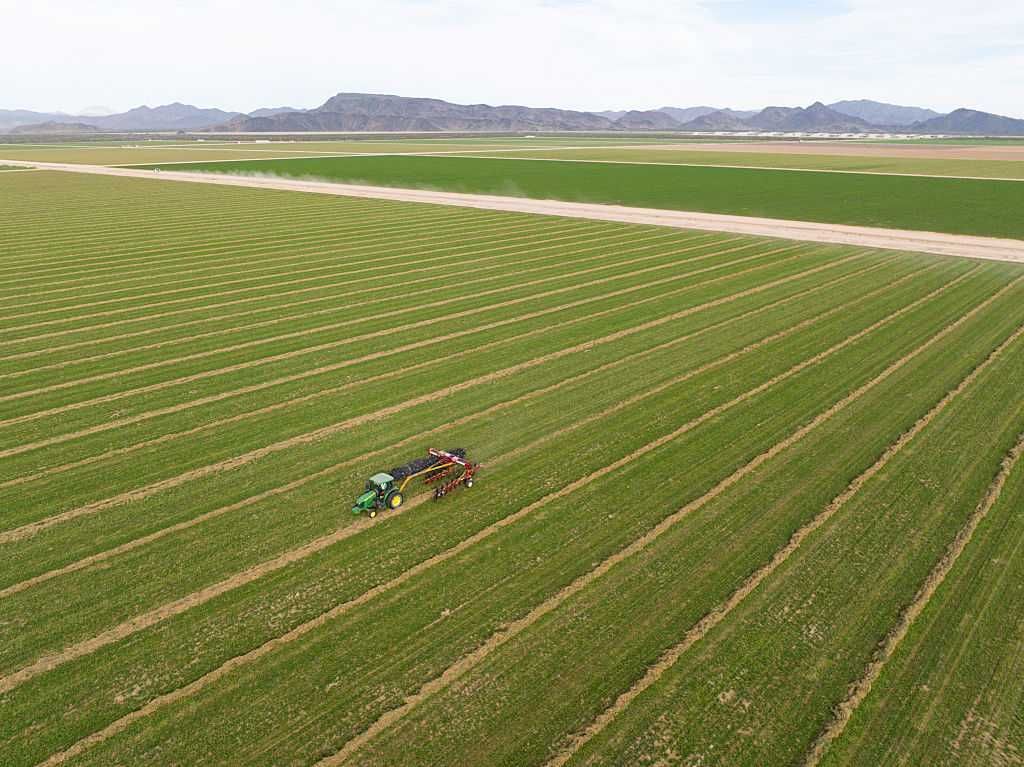
RELATED: Forget Greenland — we’re losing the real green land that feeds America

Photo by Kayla Bartkowski / Los Angeles Times via Getty Images

New harvest

The Farmers' Almanac — not to be confused with rival publication The Old Farmer's Almanac — was founded in 1818 by poet and astronomer David Young and publisher Jacob Mann. It will continue to be accessible online, with plans to revive the annual print edition in future volumes.

Unofficial Networks has built a strong brand and following in its own genre, garnering over 250,000 subscribers on its YouTube channel. The channel features first-hand footage of avalanches along with skiing content.

Like Blaze News? Bypass the censors, sign up for our newsletters, and get stories like this direct to your inbox. Sign up here!

Al Gore Wants To Pay Farmers To Grow Less Food To Fight Climate Change

'The incentives have been to produce as much as possible as quickly as possible'

Trump gives American farmers $12 billion boost to overcome inflation, trade wars


President Donald Trump will unveil a significant investment in America’s agricultural industry, the White House confirmed on Monday.

Trump will be joined by Treasury Secretary Scott Bessent, Agriculture Secretary Brooke Rollins, and members of Congress at a roundtable event on Monday to announce $12 billion in economic assistance to United States farmers.

'Our farmers ... will have the support they need to bridge the gap between Biden’s failures and the president’s successful policies taking effect.'

The U.S. Department of Agriculture’s new Farmer Bridge Assistance program will receive up to $11 billion of the funds to provide one-time bridge payments to farmers of row crops, which include corn, soybeans, wheat, rice, and cotton. These farmers have been impacted by market disruptions, including years of foreign trade actions and high inflation, a White House official noted.

The remaining $1 billion will be allocated toward crops not included in the FBA program, such as fruits, vegetables, and other specialty crops. However, the details of those allocations are still being evaluated based on market conditions.

At the earliest, farmers are reportedly set to begin receiving the funds in February.

A White House official stated that the program aims to provide farmers with certainty as they plan their crops for next year.

RELATED: Trump scores win for American farmers as China commits to ‘massive’ soybean purchases

President Donald Trump, Agriculture Secretary Brooke Rollins. Photo by Mark Wilson/Getty Images

“Farmers suffered for years under Joe Biden, who increased the United States’ trade deficit to over $1.2 trillion, raised input costs, pushed woke DEI agricultural policies, and more,” White House spokesperson Anna Kelly said in a statement provided to Blaze News.

"In contrast, President Trump is helping our agriculture industry by negotiating new trade deals to open new export markets for our farmers and boosting the farm safety net for the first time in a decade," Kelly continued. "Today’s announcement reflects the president’s commitment to helping our farmers, who will have the support they need to bridge the gap between Biden’s failures and the president’s successful policies taking effect."

RELATED: Trump 'shuts off' deadly fentanyl pipeline by securing 'historic' deal with China: Patel

Photo by Scott Olson/Getty Images

China, the world’s largest soybean buyer, briefly boycotted American soybean farmers amid the ongoing trade war. In October, China agreed to resume purchases. Trump previously stated that China had plans to buy “tremendous amounts of soybeans and other farm products immediately.”

Last week, Rollins applauded Trump for reducing red tape for farmers.

“President Trump is cutting burdensome regulations and strengthening the farm safety net to ensure the future viability of American agriculture,” Rollins said. “Across the Trump administration, we are removing burdensome regulations that were strangling small businesses. For every new regulation, President Trump has eliminated a remarkable 48 — lifting a weighted blanket from the American economy.”

Like Blaze News? Bypass the censors, sign up for our newsletters, and get stories like this direct to your inbox. Sign up here!