A blasphemy-light bill arrives in Virginia — and the ACLU clams up


Zohran Mamdani has wasted no time turning religious language into shocking political branding. This month, he invoked Muhammad while defending Democrats’ mass-migration posture. He also became the first New York City mayor to skip the installation of a Catholic archbishop.

Public officials can practice any faith. They can speak openly about it. The line gets crossed when government starts treating one religion as a protected political category — especially through the criminal code.

To overthrow liberal democracy, the far left needs Islam’s numbers, while Islam needs the far left’s organization.

That line is about to be obliterated in Virginia.

A Bangladesh-born Democrat state senator, Saddam Azlan Salim, introduced SB624, a bill aimed at writing a formal definition of “Islamophobia” into Virginia’s assault and battery laws. The bill would single out Islam for special treatment. No other religion would receive the same statutory carve-out.

The bill defines Islamophobia as “malicious prejudice or hatred directed toward Islam or Muslims.” The definition applies “regardless of whether the victim is actually a practitioner of Islam, provided that the perpetrator targeted such victim based on a perceived adherence to such faith.”

Is it Islamophobic to walk a dog or eat bacon or spread the gospel in the presence of a devout Muslim? If not, why not? And do we really want to test it?

People use Islamophobia as a cudgel to silence legitimate criticism of doctrine, immigration policy, and jihadism at home and abroad. A vague, politically loaded term does not belong in criminal law. It invites selective enforcement. It chills speech. It hands politicians a ready-made pretext to jail dissenters.

Call it what it is: one more step toward a blasphemy-style speech regime, enforced by the state.

In a world in which leftists — and even some conservatives — believe “hate speech isn’t free speech,” Salim’s bill should set off alarm bells for any civil liberties group that claims to defend the freedom of speech and the free exercise of religion.

And yet the American Civil Liberties Union has remained resolutely silent.

The ACLU’s “Religious Liberty” page claims it exists “to safeguard the First Amendment’s guarantee of religious liberty by ensuring that laws and governmental practices neither promote religion nor interfere with its free exercise.”

Given that Islam commands the erasureany kind of secular and sectarian division, you’d think the ACLU’s rabid dogs would be on guard against its encroachment.

Instead, the ACLU maintains a page dedicated to opposing “anti-Muslim discrimination,” while boasting of its opposition to a Jewish charter school in Oklahoma.

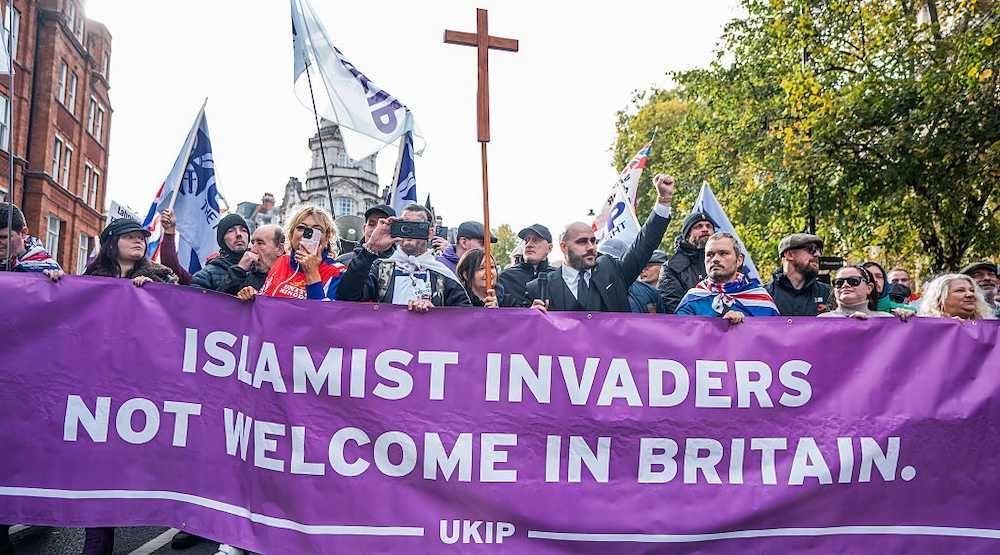
RELATED: Free speech in Britain is worse than you think

Photo by Lab Ky Mo/SOPA Images/LightRocket via Getty Images

The “red-green alliance” between domestic communists and Muslim invaders is the greatest threat currently facing Western countries today.

In a talk at Oxford University’s Student Union, Peter Thiel laid out the stark choice between the West continuing to flounder under the illusion that clean energy policies would drive global prosperity and the Islamic worldview, which prioritizes domination.

To overthrow liberal democracy, the far left needs Islam’s numbers, while Islam needs the far left’s organization. They have a common enemy — conservatives defending the countries their ancestors built for them — but without that enemy, these groups should actually despise each other.

The same day Mamdani invoked the name of the warlord Muhammad in the cause of open borders, the ACLU’s Instagram page shared a post about how hard it is to be “a queer teen in Idaho!” (Strangely enough, no mention about how hard it is to be a queer teen in any of the more than 50 countries that have been enslaved by Islam.)

This year we will mark the 10th anniversary of the Pulse Night Club shooting, when Omar Mateen — a Muslim Democrat — murdered 49 gay people and wounded 50 more. But in the ACLU’s response, the organization refused to mention Mateen’s name and indeed warned that his massacre of sexual minorities fit a “more politically convenient narrative fed by anti-Muslim fear and hate.”

What a reassuring thing to say to all the affected families in Orlando!

The ACLU is not an organization that subscribes to any kind of moral code. At best, it is a drive-by lawsuit factory. At worst, it is a legal arm of terrorists that openly welcomes foreign donations, which undermines American sovereignty. All the ACLU cares about is power — which, come to think of it, is something the group truly has in common with jihadists.

Mobs don’t get a veto over worship


America has always protected lawful protest. It has never protected persecution. Some communities now blur that line on purpose, and anyone who cares about civil rights, religious freedom, or the rule of law should be alarmed.

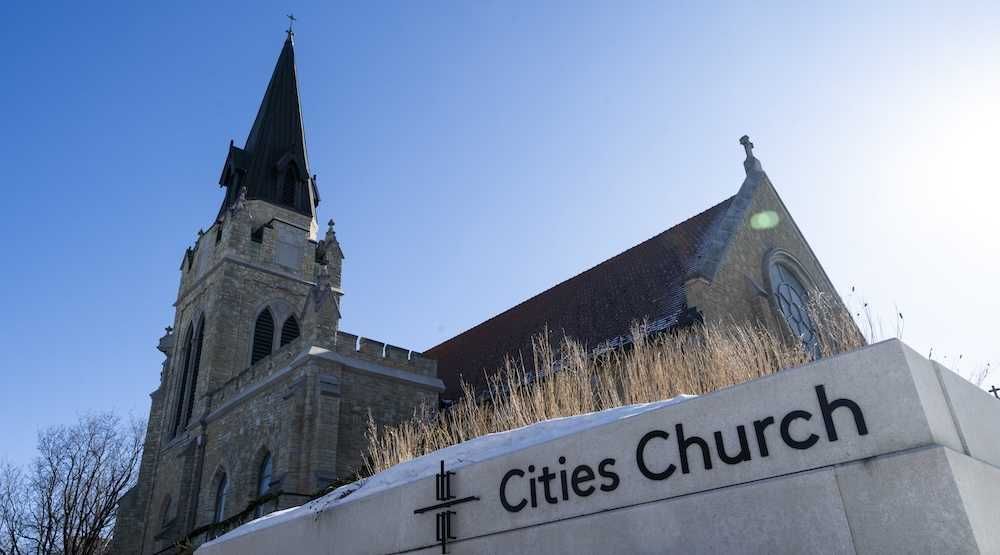
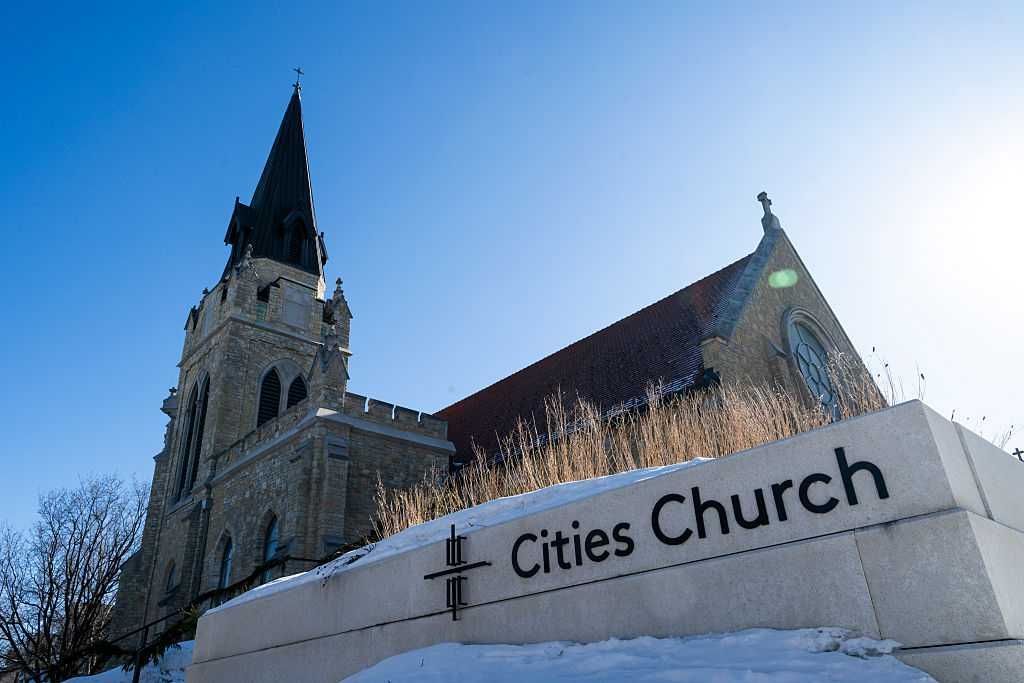
Most recently, agitators stormed Cities Church in Saint Paul, near Minneapolis, during a worship service to protest U.S. Immigration and Customs Enforcement raids around the Twin Cities. Federal authorities, including the Department of Justice, are investigating the incident under civil rights laws that protect religious exercise at places of worship. Several people, including journalists present, have been arrested or charged in connection with the disruption.

You don’t need to agree with the worshippers in Minnesota or California to defend their rights. Civil liberties mean nothing if they apply only to causes we like.

This wasn’t an isolated incident. Peaceful worshippers have faced unlawful harassment before.

Last year, in March and September, Christian and Jewish worshippers in Southern California gathered peacefully to pray, sing, and express deeply held religious beliefs about Israel and the Jewish people. They came to worship. A coordinated campaign of intimidation met them instead: blocked entrances, screaming mobs, bullhorns blaring sirens, graphic signs aimed at children, physical assaults, and targeted harassment designed to make worship impossible.

First Liberty Institute filed a detailed federal complaint describing how the disruptors planned and coordinated these attacks and then celebrated them afterward. They registered for church events under fake names, infiltrated the Mission Church, screamed accusations of “genocide” and “Nazism” at Jewish and Christian worshippers, and resisted removal. Outside, others blocked exits and forced families — including children and seniors — to run a narrow gauntlet just to reach their cars.

At another interfaith service, agitators surrounded vehicles, jumped on worshippers’ hoods, laid dolls in driveways while calling Jewish guests “baby-killers,” and blared sirens for hours to drown out prayer and preaching.

That conduct is flatly illegal. It is also a transparent attempt to cloak intimidation in the First Amendment.

The First Amendment does not authorize people to physically interfere with worship, intimidate attendees, or use force and coercion to silence beliefs they despise. Congress recognized that principle when it passed the Freedom of Access to Clinic Entrances Act. Sen. Orrin Hatch (R-Utah) made sure the law would protect religious exercise at places of worship from exactly this kind of obstruction. When mobs block entrances, assault worshippers, or deliberately prevent services from being heard, they break the law.

RELATED: When worship is interrupted, neutrality is no longer an option

Photo by Stephen Maturen/Getty Images

These incidents also reveal something darker: the targets and the motive.

The worshippers were Christians and Jews united by shared religious convictions about Israel. For Jewish attendees, support for Israel is not a political slogan; it is woven into faith, daily prayer, and identity. For Christian congregations, support for the Jewish people flows from sincerely held theological beliefs. Targeting those beliefs through harassment and violence is religious discrimination.

History shows where this road can lead. When officials tolerate intimidation against one disfavored group, it spreads. Our complaint documents a surge in anti-Semitic attacks nationwide since Oct. 7, 2023, along with a widening hostility toward anyone who publicly stands in solidarity with Jews. Persecution works the same way every time: isolate the target, then punish anyone who refuses to abandon the target.

The aftermath should chill every American. The complaint alleges that organizers vowed to continue, posted videos on public Code Pink channels boasting about their actions, and shared images of worshippers online to expose them to further harassment. Churches canceled events. Interfaith groups struggled to find safe venues. Ordinary people began to fear worship in their own communities.

The Free Exercise Clause means little if mobs can intimidate Americans into silence inside their own sanctuaries.

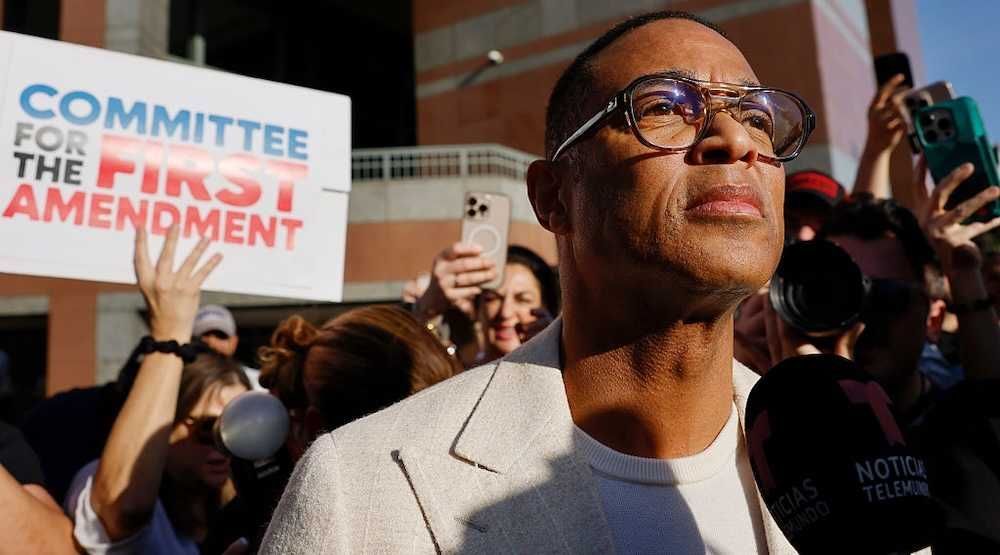
RELATED: A protest doesn’t become lawful because Don Lemon livestreams it

Photo by Mario Tama/Getty Images

On Monday, victims of this harassment will testify before President Trump’s Religious Liberty Commission. The commission plans to issue a detailed plan to protect religious liberty in coordination with the 250th anniversary of the Declaration of Independence.

You don’t need to agree with the worshippers in Minnesota or California to defend their rights. Civil liberties mean nothing if they apply only to causes we like. The moment we excuse intimidation because we sympathize with a protest’s message, we abandon equal freedom under the law.

Courts now have an opportunity — and an obligation — to draw a firm line. Peaceful protest belongs at a respectful distance, not inside sanctuaries. Reasonable debate belongs in the public square, not enforced through threats, coercion, and attempts at injury. If mobs get to decide who may worship freely, no one is safe.

Don Lemon’s First Amendment claim would excuse any criminal stunt


Fake constitutionalism is increasingly becoming a problem in America. There is a marked tendency among public officials, political commentators, and media figures to invoke bogus constitutional principles or bogus interpretations of genuine constitutional principles. They do this mainly to shift blame to their political opponents or to shield the otherwise unacceptable behavior of their political allies.

Fake constitutionalism undermines constitutional government by spreading misconceptions about what our Constitution means.

The First Amendment certainly protects a reporter’s right to publish information. But it does not protect unlawful activity in pursuit of information.

Regrettably the First Amendment has become one of the most fruitful areas in which fake constitutionalism thrives. It is now commonplace for Americans — even constitutional lawyers — to make inflated claims about the protections afforded by the First Amendment, extending its scope far beyond the safeguards America’s founders had in mind when they debated and wrote this essential provision of our Constitution.

The most recent case in point is the misplaced outrage over the supposed violations of the First Amendment involved in the arrest of Don Lemon.

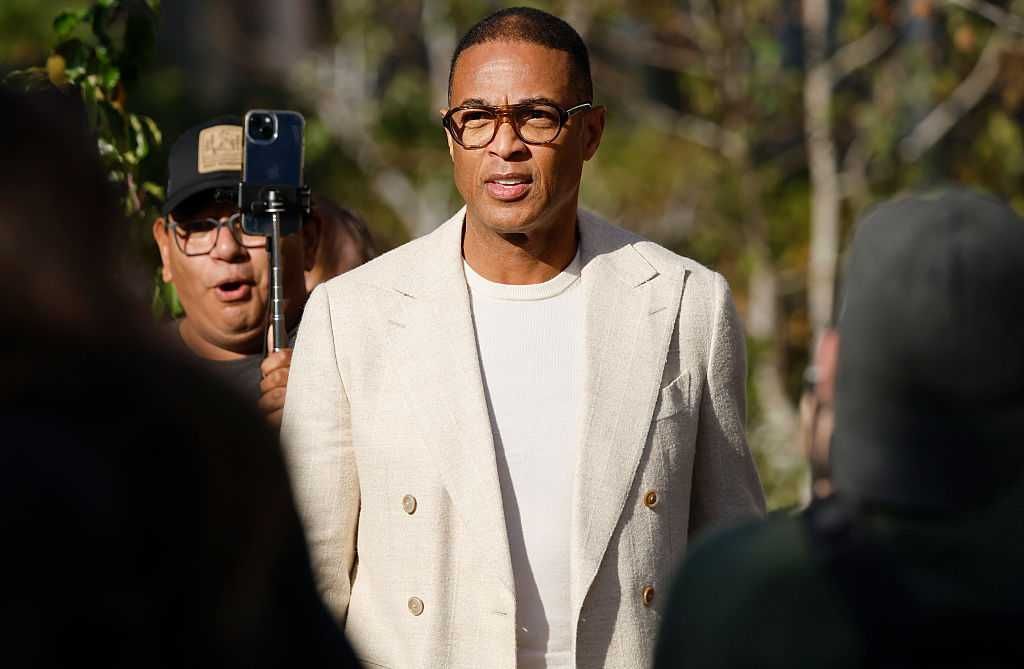
Lemon, formerly of CNN, was taken into custody on Jan. 30 for his part in disrupting a service at Cities Church in St. Paul, Minnesota. Lemon accompanied and filmed protesters who stormed the service to express their disapproval of Immigration and Customs Enforcement operations in Minneapolis. (An elder of the church is reportedly an ICE agent.) The Department of Justice has charged a number of the disruptors, including Lemon, with violating the FACE Act and conspiracy to deprive others of their civil rights — in this case, their right to gather and worship God in peace in their own church.

In his statement to the media, Lemon’s lawyer, Abbe Lowell, characterized his client’s arrest and the filing of federal charges against Lemon as an “unprecedented attack on the First Amendment.”

“Don has been a journalist for 30 years,” Lowell continued, “and his constitutionally protected work in Minneapolis was no different than what he has always done. The First Amendment exists to protect journalists whose role it is to shine light on the truth and hold those in power accountable.” Arguments to this effect have also been made by countless journalists and commentators incensed by the idea that a journalist might be held to account for his unlawful behavior.

Contrary to Lowell, the First Amendment does not afford any protection to journalism as an activity or to journalists as a class. Instead it protects certain more narrowly defined activities, namely speech and publication. This is evident from the language the framers of the amendment chose to express their meaning: “Congress shall make no law ... abridging the freedom of speech, or of the press.”

RELATED: Unsealed indictment against Don Lemon cites his own comments on livestream from ‘takeover’ at church

Photo by Arturo Holmes/Getty Images

The scope of the First Amendment’s protection is also indicated by the early controversies over its meaning, most notably the debates over the Sedition Act of 1798. Celebrated American statesmen and jurists like Thomas Jefferson and James Madison condemned the act, while others of equal stature, such as Alexander Hamilton and Supreme Court Justice James Iredell, defended it.

The argument concerned the extent to which the government could punish certain kinds of publications. No one at the time, however, suggested that the First Amendment protected otherwise unlawful acts done in the pursuit of publishing information.

The narrow — and reasonable — original understanding of the First Amendment is also evident in the works of the great early American legal commentators such as Justice Joseph Story. In his celebrated “Commentaries on the Constitution of the United States,” Story wrote:

It is plain ... that the language of [the First Amendment] imports no more, than that every man shall have a right to speak, write, and print his opinions upon any subject whatever, without any prior restraint, so always, that he does not injure any other person in his rights, person, or property, or reputation; and so always, that he does not thereby disturb the public peace.

As Story’s remarks make clear, even the right to speak and publish is limited by certain principles necessary to a just public order and the protection of other essential rights. Even more to the present purpose is Story’s argument that the First Amendment protects only the right to speak and publish — that is, rights that belong to every man, not just to journalists.

Rejecting this traditional understanding of the First Amendment and accepting the Abbe Lowell version would lead to ridiculous and unacceptable consequences. It would mean that professional journalists must be treated as a privileged class and must be allowed to break the law in the pursuit of a story.

But practically nobody thinks this should be the case, and it is certainly not how the law operates in its ordinary course.

If a reporter is speeding at 100 miles per hour through a town to get to the scene of an important story, he will be stopped by the police and charged with violating the speed limit and reckless driving. If this reporter were to cause an accident and kill someone, he would be charged with negligent homicide or manslaughter — and the fact that he committed the crime in connection with his desire to engage in activities that the First Amendment protects would be totally irrelevant to his defense.

The First Amendment certainly protects a reporter’s right to publish information. It does not, however, protect unlawful activity undertaken in pursuit of information, which is often protected by principles of privacy and ownership recognized in law.

Lemon and the protesters are guilty of the same misconduct, and the First Amendment is of no help to either.

It is undoubtedly a news event when a potential candidate for public office meets with advisers at his home to decide whether to launch a campaign. But this would not give someone like Don Lemon the right to barge into the home over the objections of those who live there and “cover” the event. He would be guilty of trespassing or home invasion and liable to legal punishment.

This example points to the inadequacy of the arguments made by those who have condemned the disruption of the church service but claimed that Lemon, as a journalist, should not be among those charged.

Such defenders seem to think that the other disruptors did something unlawful but that Lemon was merely there to report on the event. But his relevant actions were the same as those of the others involved. They came into the church uninvited during a service at which the worshipers had been peacefully conducting their own business — and in fact exercising a constitutional right clearly stated in the First Amendment. This disruption, of which Lemon was a part, prevented the congregants from carrying on the activities they had a right to pursue.

Charging the other protesters but not Lemon would treat him as a member of a privileged class that has a right to break the law.

This would introduce an unacceptable incoherence into our constitutional law. To the extent that the protesters wanted to make a political point, they also held views protected by the First Amendment. They erred, however, in choosing an unlawful method by which to make their complaints heard — just as Lemon erred in the method by which he tried to get his story.

Lemon and the protesters are guilty of the same misconduct, and the First Amendment is of no help to either.

Suppose a case in which the legal and constitutional issues are the same, but the actors’ political identities are different. Suppose, for example, a chapter of the Ku Klux Klan, outraged by federal civil rights enforcement, decides to disrupt the service at a predominantly African-American church, of which a federal civil rights lawyer is a member.

Suppose further that the Klan brings along a sympathetic reporter and storms the church, shouting insults, while the reporter films the whole shameful episode. Would any decent American think this action was a legitimate form of First Amendment-protected “protest”? Or that the reporter who tagged along should be immune to the charges that would properly be filed against the other participants?

Of course not.

RELATED: When worship is interrupted, neutrality is no longer an option

Photo by Stephen Maturen/Getty Images

Recall further Justice Story’s observation that the First Amendment’s protection of the right to speak and publish belongs to “every man.” This is a key principle affirmed by the Supreme Court in modern times. The great liberal Justice William Brennan, on more than one occasion, remarked that the First Amendment protects all Americans equally, not just the members of the professional, credentialed press. A blogger or a concerned citizen who circulates a newsletter has all the same First Amendment rights as someone who works for the New York Times or CNN.

This point is essential to further clarifying the unacceptable consequences that would result if we accepted the First Amendment defense of Don Lemon’s role in the Minnesota church disruption.

Because the amendment protects all Americans, and not only professional journalists, defending Lemon’s conduct as an activity protected by the First Amendment would mean that everybody could break the law and then claim to be engaged in “reporting.” Any concerned citizen with a recording device or a pad of paper could walk into a neighbor’s home, a local church, or, for that matter, the offices of CNN and then claim First Amendment immunity for disrupting the lives of other Americans pursuing legitimate activities.

No sensible person would embrace such a chaotic standard, which is certainly not required by the First Amendment.

Justice Story observed in his account of the First Amendment that “the exercise of a right is essentially different from an abuse of it. The one is no legitimate inference from the other.”

Story continued, “Common sense here promulgates the broad doctrine: so exercise your freedom, as not to infringe the rights of others, or the public peace and safety.” This is the way the founders thought about the rights they enshrined in the Constitution, and it is the only way to think about them that is consistent with a decent public order in which the rights of all are safe.

Editor’s note: A version of this article appeared originally at the American Mind.
Amy Coney Barrett’s recusal leaves religious liberty twisting in the wind


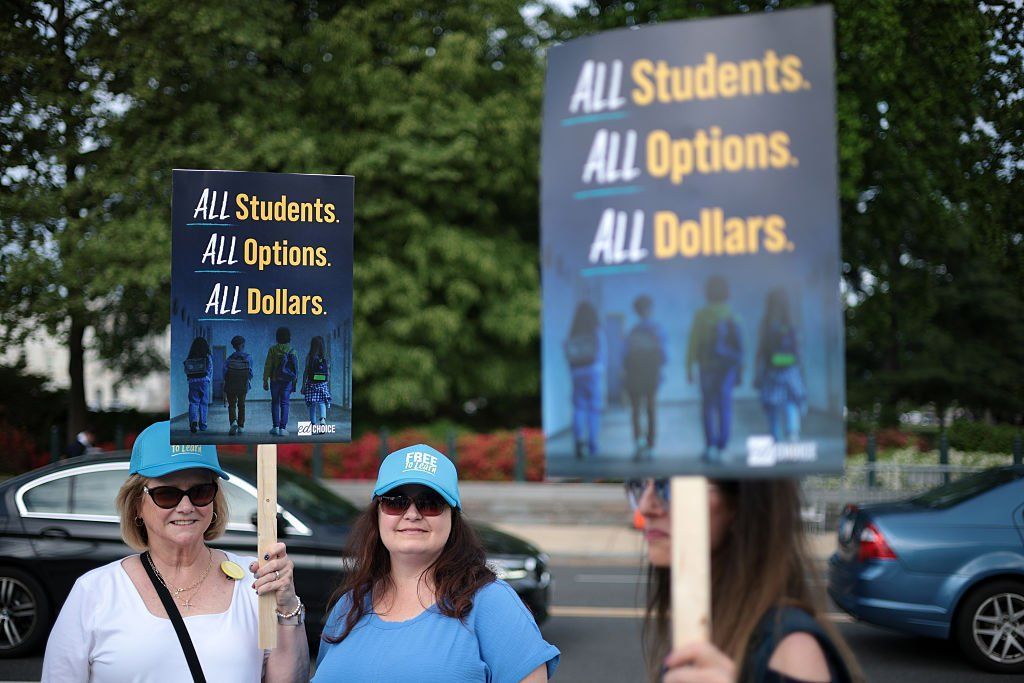
The U.S. Supreme Court’s 4-4 deadlock last week left intact the Oklahoma Supreme Court’s ruling against St. Isidore of Seville Catholic Virtual School — a failure of constitutional courage and a setback for educational freedom.

The tie lets stand a decision that discriminates against faith-based institutions by denying them the same public charter school opportunities extended to secular organizations. It rests on a misguided reading of the First Amendment’s Establishment Clause and ignores the protections guaranteed by the Free Exercise clause.

Families deserve more than crumbling bureaucracies and ideological indoctrination. They need real alternatives — the kind private and parochial schools have offered for generations.

Plaintiffs, including the Oklahoma Statewide Charter School Board, made a compelling case: Excluding St. Isidore solely because of its Catholic identity violates the Constitution.

In Carson v. Makin (2022), the Supreme Court ruled that states cannot deny religious organizations access to public benefits otherwise available to all. Charter schools, while publicly funded, operate independently and serve as laboratories of innovation. St. Isidore committed to meeting Oklahoma’s curriculum standards and serving any student who applied. Its disqualification stemmed from one reason alone: its religious mission.

That’s religious discrimination, plain and simple.

The Oklahoma Supreme Court misread the Establishment Clause, and the U.S. Supreme Court failed to correct the error. The clause doesn’t forbid religious organizations to participate in public programs. It forbids the state to establish an official religion — not from offering families the freedom to choose a Catholic education within a public framework.

St. Isidore wouldn’t force anyone to adhere to Catholic doctrine. It would simply give parents another option — one grounded in a Judeo-Christian worldview and committed to academic excellence. Banning that option undermines pluralism and silences voices that have historically delivered high standards and moral clarity in American education.

Meanwhile, public education in the United States teeters toward collapse. Students trail their peers globally. In some districts, basic literacy remains out of reach. Families deserve more than crumbling bureaucracies and ideological indoctrination. They need real alternatives — the kind private and parochial schools have offered for generations.

Faith-based schools routinely outperform their government-run counterparts. Instead of blocking them from public charter programs, states should welcome their success and harness their model. Innovation doesn’t threaten the system. It might save it.

Oklahoma Attorney General Gentner Drummond, despite claiming to be a Republican, sided with liberal secularists in opposing St. Isidore. His legal brief warned of “chaos” and raised alarm over hypothetical funding for “radical Islamic schools” — a tired slippery-slope argument that ignores the core issue of equal treatment under the law.

RELATED: This red-state attorney general has declared war on the First Amendment

Bill Clark/CQ-Roll Call Inc. via Getty Images

Drummond abandoned conservative principles like school choice and religious liberty. Instead, he backed those who place rigid interpretations of church-state separation above fairness. His stance helped fuel the Supreme Court’s deadlock and undercut Oklahoma families seeking diverse educational options.

The Supreme Court’s failure to resolve this question, due in part to Justice Amy Coney Barrett’s recusal, leaves a constitutional gray area: Can states bar religious organizations from public programs that remain open to everyone else?

Parents deserve the right to choose schools that reflect their values — whether religious or secular. By excluding St. Isidore, the state has effectively declared that faith-based institutions are second-class citizens. That’s not just bad policy. It’s a dangerous precedent in a nation founded on religious liberty.

The founders never intended to wall off religion from public life. They saw the Christian faith and Judeo-Christian values as cornerstones of strong, free societies. Most early American schools were church-run. Today, the pendulum has swung too far to the left. Progressive bureaucrats attack the very moral foundations that made America successful in the first place.

If we want to make America great again, we need to reclaim those values and push back against the cultural nonsense that sidelines faith.

If we want to reverse the decline of American education, we need more choices — not fewer. This fight isn’t over. Oklahoma will keep defending parental rights and religious freedom. The St. Isidore case remains unfinished business — and we intend to finish it. Faith-based schools must have the freedom to educate our children without unconstitutional restrictions.

Leftist Lawyers Try To Protect Killing The Unborn By Calling It A Religion

Abortion lawyers are launching less conventional attacks, including that pro-life laws violate the right to freely exercise religion.

Supreme Court Strikes Down Maine’s Unconstitutional Tuition Program For Excluding Faith-Based Schools

The Supreme Court found that Maine’s decision to exclude religious schools from its tuition assistance program violates the First Amendment.

Supreme Court Strikes Down Maine’s Unconstitutional Tuition Program For Excluding Faith-Based Schools

The Supreme Court found that Maine’s decision to exclude religious schools from its tuition assistance program violates the First Amendment.

SCOTUS Blocks Cuomo’s COVID Restrictions On Church Attendance In New York

The Supreme Court determined that the exorbitant restrictions on church attendence were in violation of the First Amendment's protection of Free Expression.