From helping hand to five-finger discount

America’s debate over poverty has undergone a remarkable and troubling transformation. Two centuries ago, the central challenge was persuading needy people to accept public assistance. Today, the challenge is preventing people from fraudulently claiming benefits to which they were never entitled.
That trajectory tells us something profound about the nation’s changing moral culture.
What had once been viewed as a last resort gradually came to be seen as an entitlement detached from personal responsibility.
Alexis de Tocqueville noticed something remarkable when he traveled through America in the early 1830s. Unlike Europe, where poverty often produced permanent dependence upon the state or aristocratic patrons, Americans possessed an almost universal determination to remain independent. They formed voluntary associations to care for neighbors in distress, but they regarded prolonged dependence as inconsistent with the character of a free citizen.
That observation reflected a broader understanding shared by the American founders and the generation that followed them.
Every state maintained some provision for public relief, but it was deliberately limited and administered locally. It existed for those genuinely incapable of caring for themselves — the disabled, widows, orphans, and others facing extraordinary hardship. Families, churches, fraternal organizations, and private charities bore the primary responsibility for helping the poor.
Public charity carried a social stigma — not because Americans lacked compassion, but because they believed that independence was itself a form of human dignity.
Justice Joseph Story explained that republican government depended upon a virtuous and independent citizenry. The ideal citizen governed himself before participating in governing others. Economic independence fostered political independence; citizens who could support themselves were less susceptible to manipulation by those dispensing favors or public largesse.
One of the striking features of early America is not that assistance was unavailable, but that many people who qualified for relief were reluctant to seek it.
Contemporary accounts from several states — including New Jersey — describe respectable men and women enduring extraordinary hardship before accepting public charity. To modern ears, such reluctance may seem irrational. To them, it was a matter of preserving self-respect.
That moral instinct — that accepting public assistance should be exceptional rather than ordinary — formed an essential part of the American understanding of citizenship until the 20th century.
The first cracks in that understanding appeared during the Progressive Era and deepened during the New Deal. Faced with industrialization, urban poverty, and the Great Depression, Americans increasingly looked to government to perform functions that earlier generations had entrusted to institutions outside the government.
Much of that expansion responded to genuine crises, and programs such as Social Security reflected the extraordinary circumstances of their time.
Even so, the nation’s underlying philosophy was beginning to change. Government was no longer viewed simply as a safety net for those unable to care for themselves; it increasingly became expected to solve all social and economic problems.
The shift was gradual and often justified by necessity. But it subtly weakened the older assumption that public assistance should remain exceptional, temporary, and closely tied to preserving personal independence.
RELATED: 1776, not 1608: What the Supreme Court got wrong on birthright citizenship
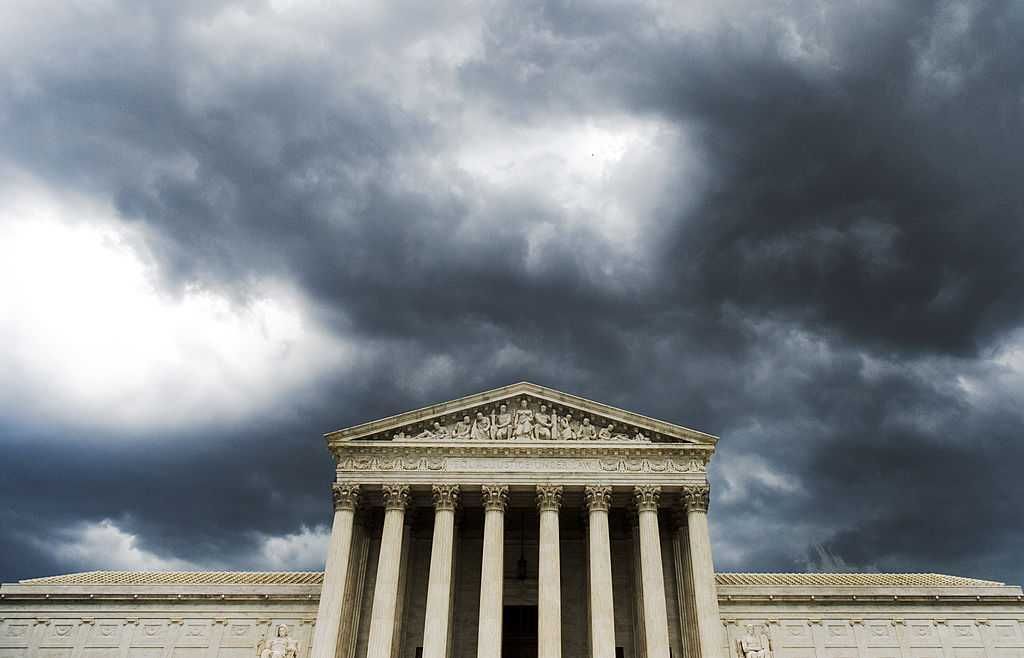
Then came the Great Society, which transformed that gradual evolution into a new governing philosophy.
It was no longer enough for government to provide a backstop against destitution. Washington now assumed responsibility for eliminating poverty itself, dramatically expanding both the scope of public assistance and the expectation that government would provide it.
Lyndon Johnson’s anti-poverty initiatives promised not merely to relieve poverty, but to eradicate it. The federal government assumed responsibilities that had traditionally rested with families, churches, private charities, and local communities. Welfare increasingly became not an emergency measure but a permanent feature of American life.
Though the Great Society’s architects believed they were expanding compassion, they failed to appreciate that they were also reshaping character. As benefits expanded and eligibility became more complex, government increasingly rewarded dependency rather than independence. Bureaucracies grew. Incentives shifted. Entire industries arose to help people maximize government benefits rather than minimize their reliance upon them.
Most importantly, the moral understanding surrounding public assistance changed.
What had once been viewed as a last resort gradually came to be seen as an entitlement detached from personal responsibility. The question shifted from “Do I truly need help?” to “What benefits can I qualify for?”
Today, we appear to have entered yet another stage.
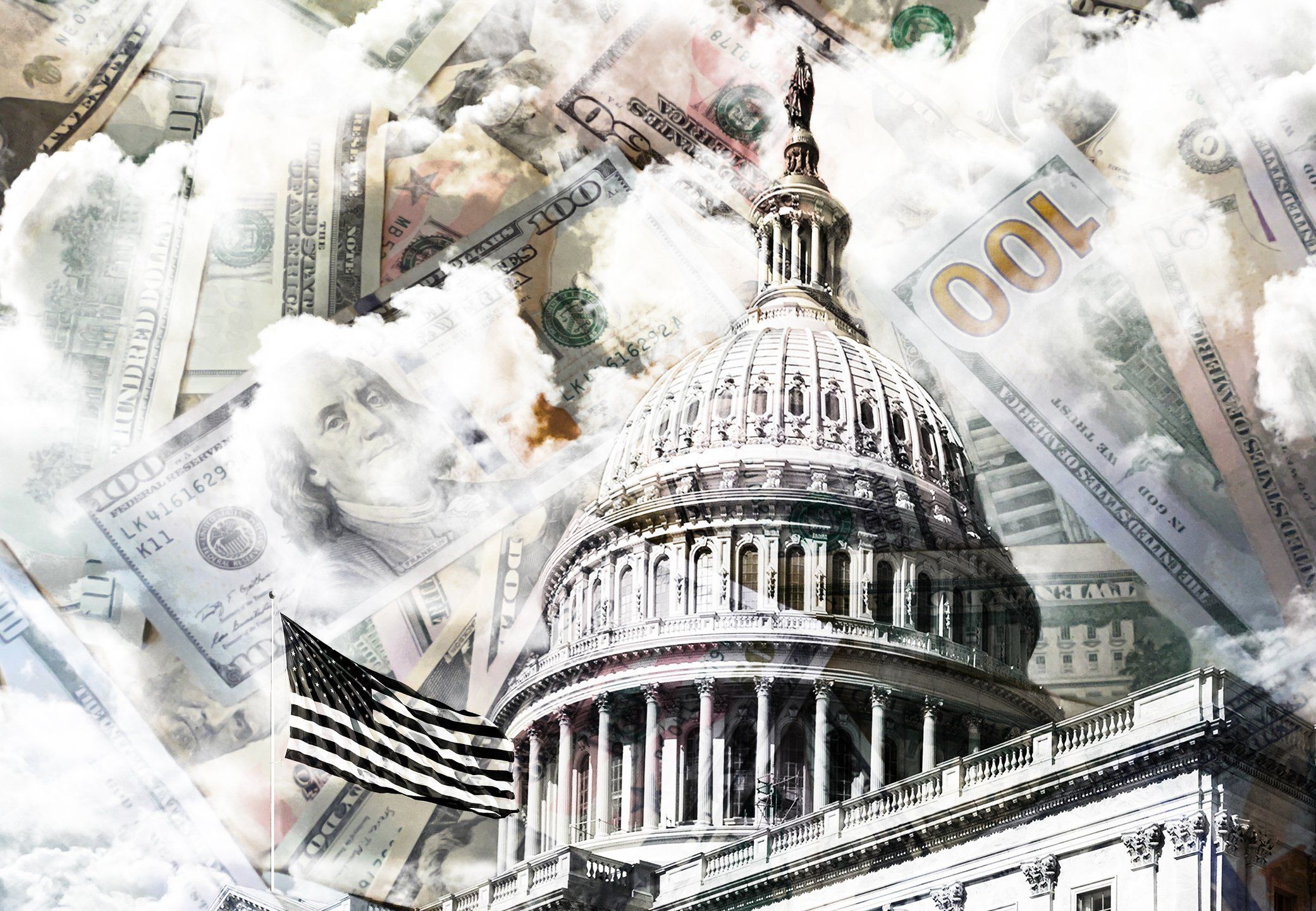
The headlines are filled not merely with dependency, but with outright theft. Fraudulent unemployment claims. Identity theft used to obtain government benefits. Organized criminal enterprises exploiting Medicare and Medicaid. Billions of dollars in pandemic relief stolen through fake applications and fictitious businesses. International criminal organizations siphoning taxpayer dollars from programs intended to help struggling Americans.
In state after state, investigators have uncovered elaborate schemes involving food assistance, housing subsidies, disability payments, and health care reimbursements.
That is not to say that every welfare recipient is dishonest or even dependent. The overwhelming majority of Americans who receive public assistance are law-abiding citizens, many facing genuine hardship. But a system that steadily weakens the connection between work and reward inevitably creates opportunities — and temptations — for abuse.
RELATED: Will America need a Caesar?

Once government benefits come to be viewed less as charity for the truly needy than as a pot of money available for the taking, the moral barrier separating dependence from outright fraud begins to erode.
No society can long endure when the distinction between earning and taking begins to disappear. The welfare state ultimately depends upon trust: trust that recipients are honest, that taxpayers will continue to support programs for those in genuine need, and that government will faithfully safeguard the public treasury. Rampant fraud destroys each of those assumptions.
The greatest victims are often the truly needy. Every dollar stolen by fraudsters is a dollar unavailable to a disabled veteran, a struggling single mother, or an elderly widow living on a fixed income. Every scandal further erodes public confidence in programs that exist for legitimate purposes.
Reforming welfare therefore requires more than better auditing, modernized computer systems, or tougher prosecutors, although all of those are necessary. It requires recovering an older understanding of citizenship.
The founders recognized something that modern policymakers have too often forgotten: Independence is a political virtue. Citizens capable of supporting themselves are more capable of governing themselves. A republic cannot flourish if large portions of the population come to regard government not as the protector of liberty, but as the primary provider of livelihood.
America’s success has historically rested primarily on the character of its people, not on government programs.
Our national journey — from dignity to welfare dependence to thievery — was not inevitable, and it is not irreversible. The same nation that once prized independence above comfort can recover that ethic.
But doing so will require us to remember what earlier generations instinctively understood: There is a profound difference between helping a neighbor in genuine need and constructing a system that slowly erodes the very virtues upon which a free people depend.
Compassion remains indispensable. But so do dignity, self-reliance, and personal responsibility. Lose those, and we will discover that the greatest poverty afflicting America is no longer material. It is moral.
Editor’s note: This article appeared originally at the American Mind.
 Sarah Rice/Bloomberg via Getty Images
 www.theblaze.com
 www.theblaze.com
 thefederalist.com
 www.theblaze.com
 www.theblaze.com