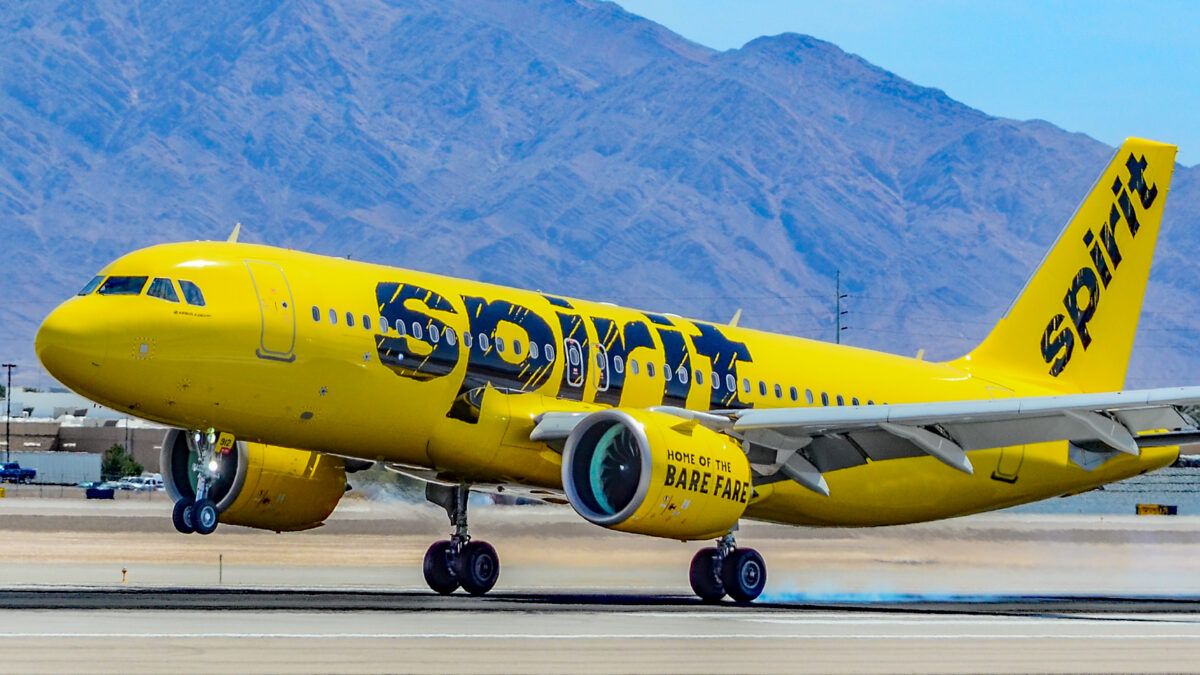
Socialist antitrust activists killed Spirit Airlines — and learned nothing


It is a bad time to fly. Willie Walsh, head of the International Air Transport Association, drove home the point this week when he warned that “war-related disruptions in the Middle East and rising fuel costs have shifted the outlook for airlines to the worse.”

Walsh pointed to the recent closure of Spirit Airlines, America’s most iconic budget carrier, and warned that more airlines could suffer the same fate if current trends continue. That means fewer choices for fliers and higher prices at the airport.

Before Democrats demand that courts second-guess another antitrust settlement, they should reckon with the consequences of the last one they cheered.

But blaming the state of air travel solely on the Iran war is far too convenient. Airlines are also struggling because overzealous regulators and left-wing antitrust activists decided they knew better than the market.

Three years ago, Spirit had a plan to survive. It struck a merger agreement with JetBlue, another economy carrier, to create a new, globally scaled affordable airline. The Justice Department joined six states and the District of Columbia to file an antitrust lawsuit blocking the deal.

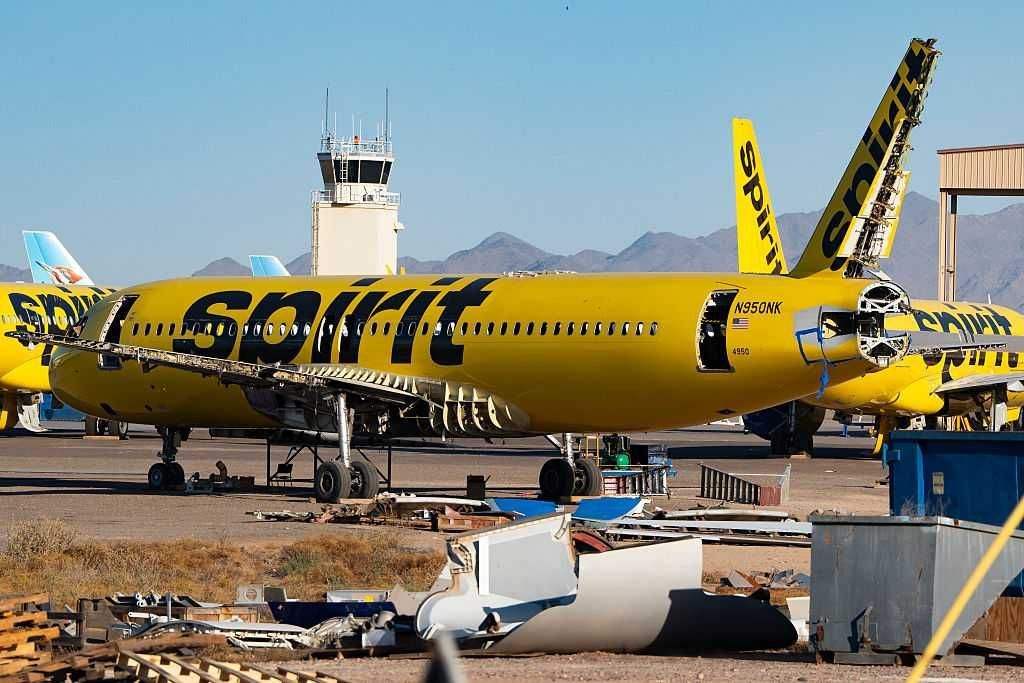
In early 2024, a federal judge sided with the Biden administration and blocked the merger. Biden officials and congressional Democrats cheered. Without JetBlue’s capital, Spirit’s struggles mounted. The airline filed for bankruptcy and earlier this year shut its doors.

Now many of the same officials who applauded the court order that killed Spirit are trying to shift blame to President Trump. The American people should not buy it, especially given what those same Biden officials said at the time.

Then-Attorney General Merrick Garland called the judge’s ruling “a victory for tens of millions of travelers who would have faced higher fares and fewer choices had the proposed merger between JetBlue and Spirit been allowed to move forward.”

Senator Elizabeth Warren (D-Mass.) took to X to declare, “I’ve warned for months that a @JetBlue-@SpiritAirlines merger would have led to fewer flights and higher fares. @JusticeATR and @USDOT were right to stand up for consumers and fight against runaway airline consolidation. This is a Biden win for flyers!”

Pete Buttigieg, Biden’s transportation secretary, openly bragged about siding with the Justice Department and helping prevent the merger in the name of protecting “low fares” and “competition.”

The reality looks very different now.

Spirit’s shutdown was the first complete closure of a major U.S. carrier in 25 years. It was caused directly by the same actions the Biden administration once boasted about.

Travelers lost a low-cost option. Spirit’s more than 11,000 employees saw their lives upended. And Spirit’s disappearance will deepen the coming travel recession. The airline placed downward pressure on fares for years. Without it, prices are rising.

RELATED: Dear airlines, please stop pitching your credit cards at 33,000 feet
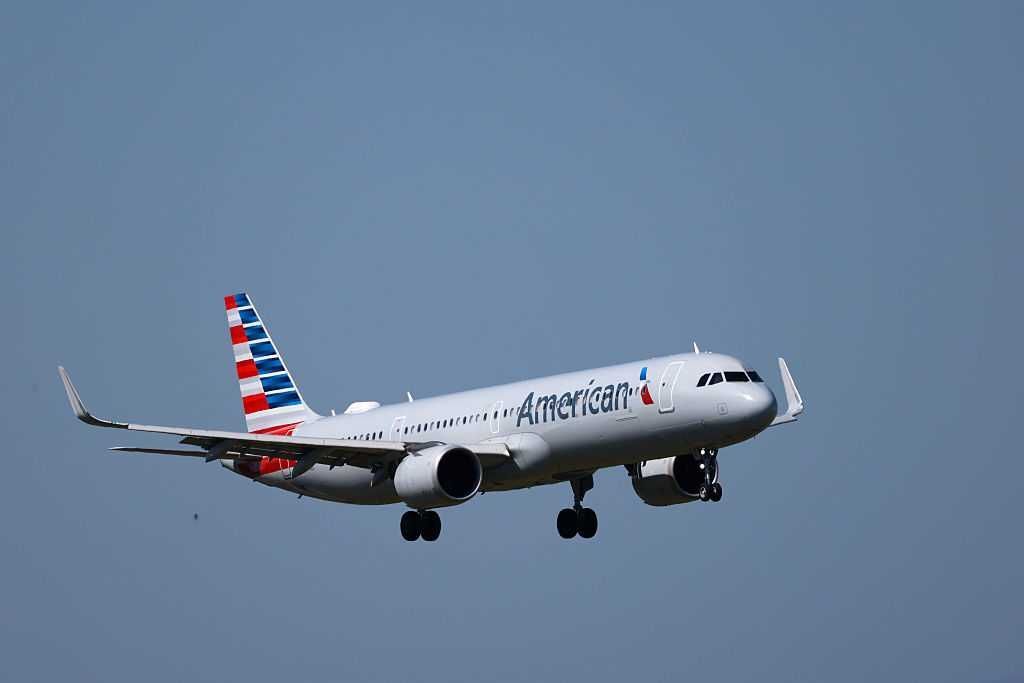
Kevin Carter/Getty Images

Travelers now face fewer choices at the airport. The remaining choices tend to be pricier, more consolidated carriers that no doubt welcomed Spirit’s demise.

One might hope antitrust enforcers would learn the obvious lesson: Bigger does not always mean worse. Sometimes mergers preserve competition. Sometimes they lower out-of-pocket costs for consumers. Sometimes blocking a merger kills the very competitor regulators claim to protect.

Unfortunately, many Democrats refuse to accept that reality.

Some of the same members of Congress and state attorneys general who supported blocking the Spirit-JetBlue merger now want courts to use the Tunney Act to second-guess other Trump administration antitrust decisions. The Tunney Act gives courts a limited role in reviewing antitrust settlements negotiated by the Justice Department. Democrats now want judges to stretch that role and challenge straightforward Trump settlements, including one merger backed by the intelligence community on national security grounds.

Historically, courts have deferred to the executive branch’s enforcement decisions. Democrats now want judges to intervene because they do not like the Trump administration’s policy choices.

Perhaps they should look in the mirror first.

Competition policy should protect consumers. It should not exist to punish private commerce, indulge ideological hostility to business, or let socialist antitrust activists pretend they can manage markets better than the people actually operating in them.

Spirit Airlines offers a painful lesson. The Biden administration, Elizabeth Warren, and other antitrust crusaders celebrated the decision that prevented Spirit from joining forces with JetBlue. Today, Spirit is gone, more than 11,000 workers have paid the price, and travelers have fewer choices at the airport.

Before Democrats demand that courts second-guess another antitrust settlement, they should reckon with the consequences of the last one they cheered.
Dear airlines, please stop pitching your credit cards at 33,000 feet


I have never considered flying to be a luxurious experience, and this trip was no exception. I don’t think I’m speaking out of turn when I say that all I or anyone else on the flight from Dallas to Detroit on Christmas morning wanted was for it to be over as quickly as possible.

I had waited in the inevitable jetbridge backlog, found my seat, dutifully ignored the safety briefing, and was ready to see if I could manage an hour or so of sleep. As the plane reached cruising altitude, I — having momentarily gained the upper hand in the case of Pestritto v. airline seat — began to slip into a light doze.

In the back of my mind, I knew it was coming, but that didn't make it any more bearable. The crackle of the PA system, the monotone, forced cheerfulness of the flight attendant as he delivered the fateful words: “We’d like to take this chance to tell you about a special promotion being offered on this flight.”

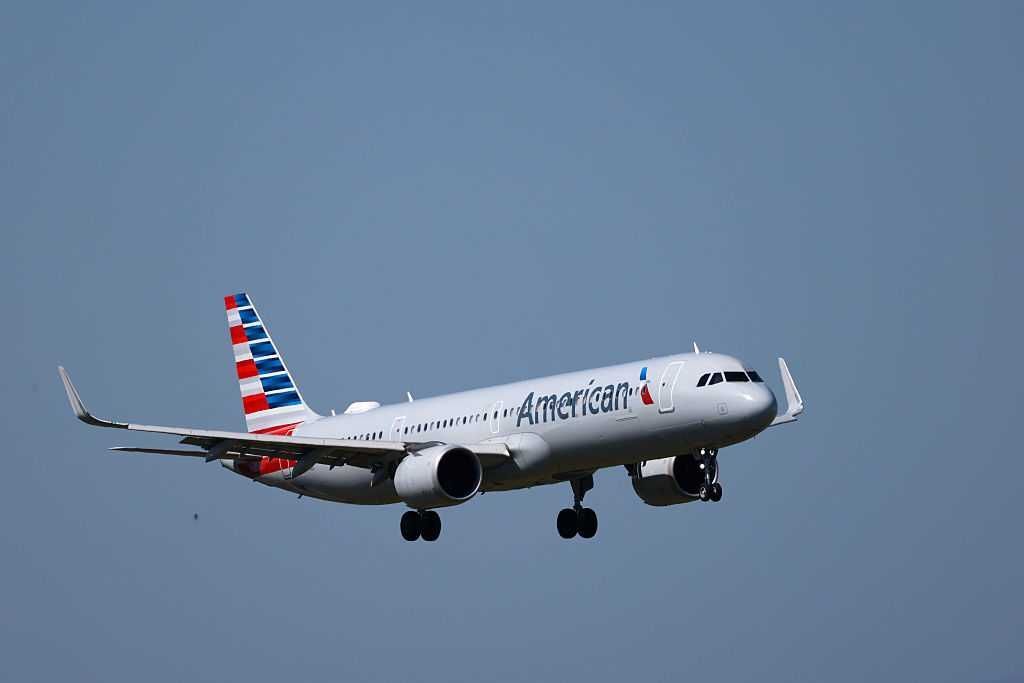
For a brief instant, some small part of me considered pulling the emergency door handle. Surely the icy blast of air at 33,000 feet couldn’t be any worse than enduring the dreaded American Airlines credit card pitch.

When I arrive at the airport, I am prepared to suffer.

After this brief instant of nihilism, the better angels of my nature prevailed, and I contented myself with a silent sigh, listening to the pitch as I meditated on the script’s use of the passive voice. As if the airline were saying, “This promotion is being pitched without your consent. By whom? No idea. We would certainly never inflict such an indignity upon our paying customers.”

Let me take a moment to make my position clear. I understand that air travel is an unpleasant experience. Anyone who has taken a flight more than once in his life almost certainly understands this fact.

I have shrugged my shoulders for two hours straight in a middle seat. I have sat on the tarmac for longer than I thought possible. I have nearly missed my flight because it took four TSA officers to handle the bomb threat posed by the pink sippy cup belonging to the toddler in front of me.

All that to say: When I arrive at the airport, I am prepared to suffer.

However, air travel and I used to have an agreement. Once I made it through the ritual humiliation of the airport process and actually got to my seat on the plane, I was left more or less alone to endure the next few hours as best I could.

I grew up making two-day road trips in a Suburban with my parents and seven siblings, so I consider myself something of an expert at enduring hours of cramped travel conditions. The trick is just sort of retreating within yourself, ignoring your surroundings, and letting the dull misery of the situation become a sort of vague background noise.

This strategy is why I support Delta’s recent decision to end in-flight refreshments on trips of less than 350 miles. Unless the flight is long enough to warrant it, I don’t want my restless slumber disturbed by a voice asking if I want apple juice like it’s lunchtime at the day care or, if I’m the hapless occupant of an aisle seat, my elbow socket being rearranged by the passage of the snack cart.

I want it to just be me, my popping ears, and my very sore rear end until such time as we touch down and I can begin the "Mad Max: Fury Road" experience of trying to get off the plane.

I should have known, though, that modernity is never content to rest on its laurels. Like a roaring lion, it goes about constantly seeking whom it might devour — if by “devour” we mean “deprive of both money and will to live.” Since most airline passengers are neither sober nor watchful, the airlines are as good a place for devouring as any.

RELATED: Artemis II proves America still knows how to reach for the heavens

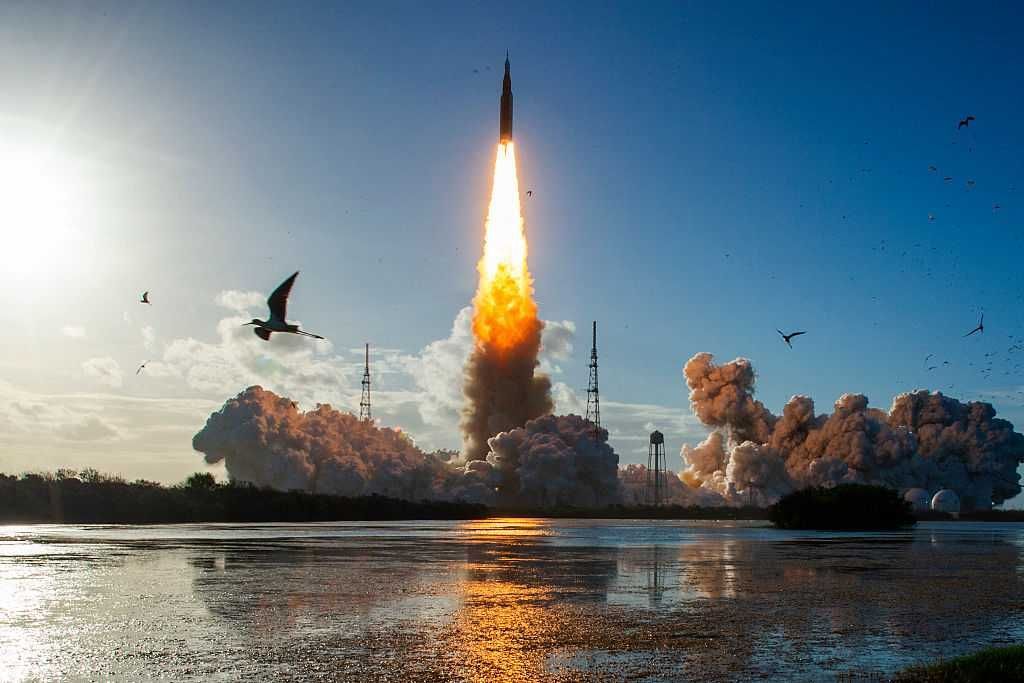
Jim WATSON/AFP/Getty Images

American Airlines is not alone in its quest to eliminate any and all in-flight respite. I have sat through what can only be described as lottery drawings on Spirit Airlines (may she rest in peace), heard random promotions for goodness knows what on Frontier, and been pitched on the same Delta credit card I had in my wallet at the time.

I understand, to a certain degree, why the airlines see fit to inflict these announcements on their passengers. If you look into it, you’ll find that most airlines today are basically just “banks that happen to fly planes.” They actually lose money on the flying part of the operation, which probably has something to do with the incessant attempts to bring customers over to the profitable side of the business.

The details of airline loyalty programs and how they have changed the industry is a story for another time. My concern is twofold.

First: How long can I endure these incessant credit card pitches before I commit self-harm or — far worse — break down and get one of them?

Second: What’s to stop this most heinous of sales methods from spreading to other forms of transportation? How long will it be before I have to endure automated pitches for the Honda GroundMiles Card whenever I stop at a red light?

I don’t expect much when I travel. Whether I’m sitting in Dallas traffic or at cruising altitude over Oklahoma, my greatest desire at this point is to endure the agony unassisted by the vicissitudes of corporate marketing.

No, The Trump Administration Shouldn’t Bail Out Spirit Airlines

The president’s talk of a potential $500 million bailout for Spirit Airlines would deflate conservatives’ spirit at a critical juncture.
Trump can secure a big win for air travel


The Trump administration has reworked the $42 billion Broadband Equity, Access, and Deployment program with an eye toward greater efficiency and less top-down regulation. As a result, states are projected to come in roughly $21 billion under budget on broadband deployment. The National Telecommunications and Information Administration is actively soliciting ideas for how those funds should be used.

If the administration wants an easy political win and a solution to a real problem, the funds should be used to radically modernize our air traffic control systems.

Roughly 80% of FAA infrastructure is considered obsolete or unsustainable.

Policymakers should seize the moment and invest in something the country desperately needs — something that would deliver real, tangible benefits to the flying public and the broader economy.

The FAA’s own administrator, Bryan Bedford, has been blunt: Roughly 80% of FAA infrastructure is considered obsolete or unsustainable. Controllers are still using paper flight strips and radar systems that date to the Vietnam War era.

The $5 billion Congress appropriates annually for ATC operations sounds substantial until you learn that 85% to 90% of it goes to sustaining legacy systems — patching roofs, repairing elevators, and keeping aging equipment limping along.

Congress did take a meaningful step last year, allocating $12.5 billion in the reconciliation bill toward ATC modernization. Fiber optics are beginning to replace copper wire. Radar upgrades are being compressed from a 20-year timeline into a few years.

The early results are encouraging. But by official FAA estimates, an additional $19 billion is needed to fully complete the job — to build a genuinely modern, integrated national airspace system rather than an expensive patch on a broken one.

This is where BEAD’s leftover $21 billion could make a real impact.

Senator Ted Cruz (R-Texas), who chairs the Senate Commerce Committee and has long championed both infrastructure investment and Texas’ status as one of the nation’s busiest aviation hubs, is well positioned to recognize the strategic alignment here.

Texas is home to two of the nation’s largest airports — Dallas Fort Worth and Houston Bush Intercontinental — and its economy runs on the efficient movement of people and commerce. ATC modernization would be a huge benefit for Texans.

The legal question of whether this use fits within the BEAD statute’s framework is one that the NTIA will need to address carefully. The statute is written broadly enough to accommodate creative interpretation, and the administration has already demonstrated it is willing to read BEAD’s parameters with fresh eyes.

A next-generation ATC system — replacing copper with fiber, analog with digital, fragmented local computers with integrated national architecture — looks a great deal like the kind of advanced communications infrastructure BEAD was designed to fund.

RELATED: Trump is keeping his word on health care costs

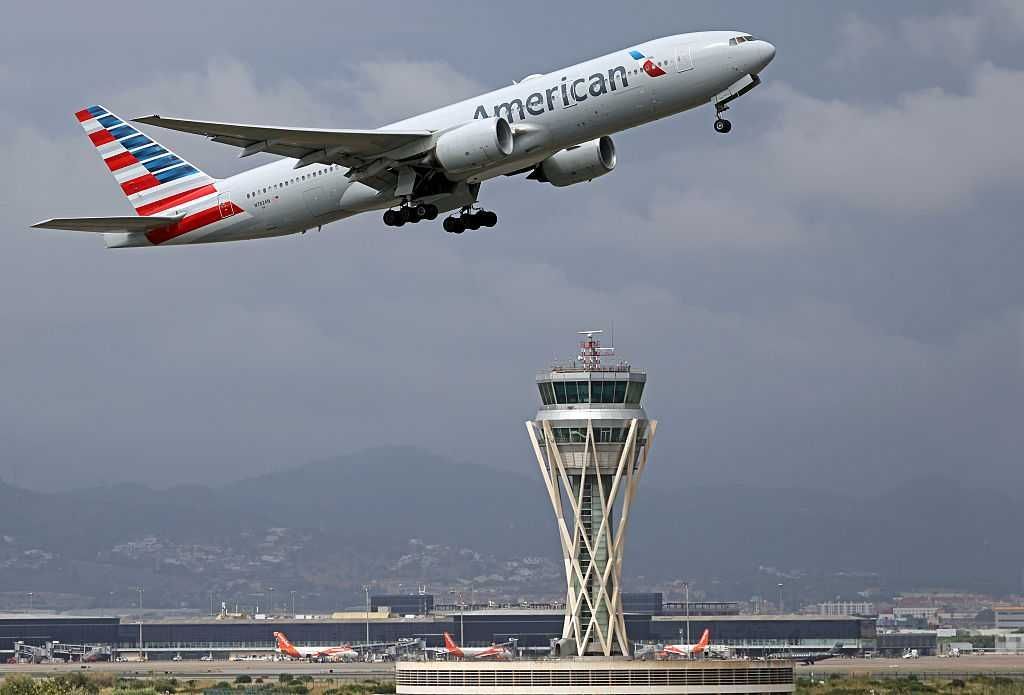
Win McNamee/Getty Images

Ironically, it’s easier to make the case that the federal government should be ensuring airline safety than subsidizing broadband deployment.

The BEAD funding was part of the massive infrastructure legislation, and our airline infrastructure is in dire need of investment. And unlike many government spending programs, ATC modernization has a defined scope and measurable milestones. This is not a slush fund — it’s a known project with a known price tag.

The alternative uses being floated for BEAD’s unused funds range from the reasonable to the fanciful: broadband adoption programs, rural mobile coverage, returning funds to the Treasury, and various state-level wish lists.

Some of those ideas have merit. But none of them represent the kind of once-in-a-generation infrastructure opportunity that a modern ATC system would deliver — one that improves safety for millions of air travelers daily, reduces delays that cost the economy billions annually, and positions the United States to lead in the airspace of the future.

The Trump administration’s 2027 budget request is going to include millions of dollars in additional ATC funding, but the BEAD funds are already there, waiting to be invested. That’s the beauty of budget reform — eliminating waste and finding savings can free up funds for other critical public needs.

The TSA showdown reveals a brutal truth about our politics


America’s newest political battlefield runs through one of the most miserable places in the country: the airport.

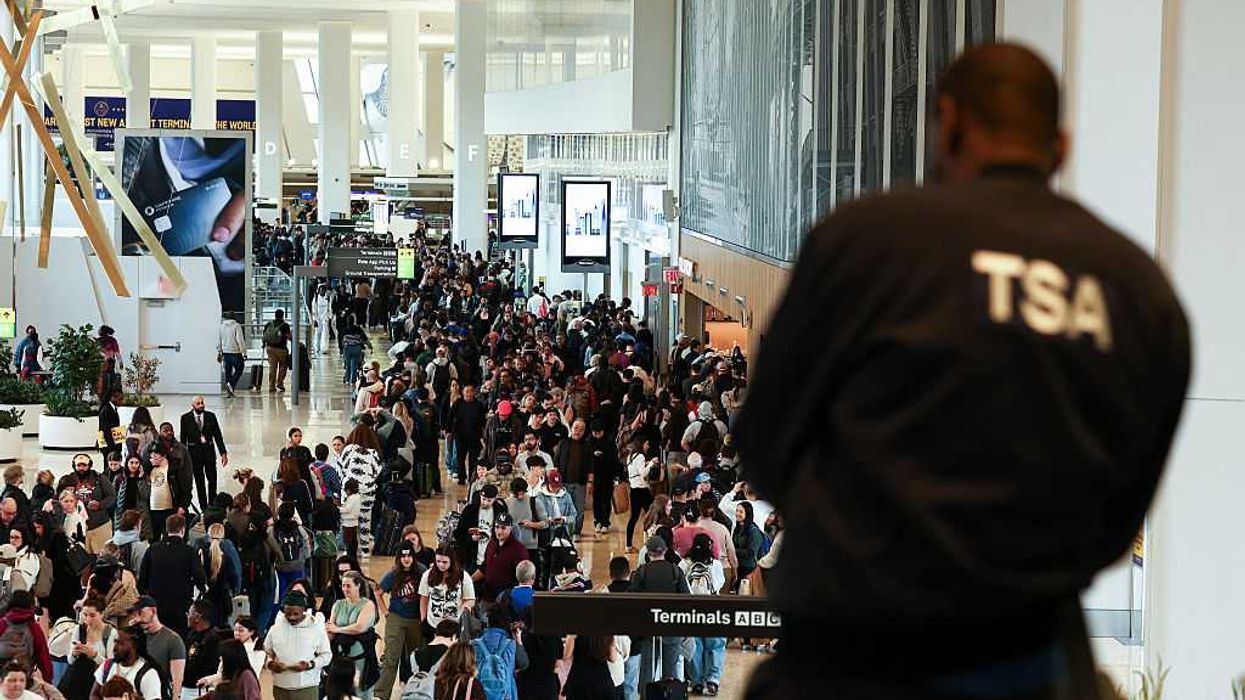
Democrats have held up funding for the Department of Homeland Security amid their ongoing war over ICE, and after a month without pay, TSA employees have started refusing to come to work. The result has been crippling delays at major airports, with waits stretching four hours or more and turning an already degraded flying experience into something closer to a public humiliation ritual.

The GOP theoretically holds the levers of power, but in practice it remains terrified of disturbing the status quo.

The brutal truth is that one political party is willing to disrupt travel across the country to protect illegal immigrants and preserve a future voter pipeline. Even after assassination attempts, lawfare against political opponents, and an open push for demographic replacement, conservatives still hesitate to admit that our political battles have become existential.

In theory, the United States remains the wealthiest and most powerful nation on earth. In practice, basic air travel now is a dysfunctional disaster. Seats are cramped, service is miserable, fellow passengers are often feral, and airlines charge extra for every scrap of convenience in the hope of squeezing one last dollar from exhausted travelers.

For a while, the indignity at least purchased speed. Flying still got you from one place to another faster than anything else. But incompetence, cost-cutting, and crumbling infrastructure have made significant delays routine. Travelers now regularly build an extra day into both ends of a trip because same-day arrival has become an increasingly reckless assumption.

Adding four-hour TSA lines to that ordeal is more than just another inconvenience. It’s simply insulting.

To his credit, President Trump has moved ICE officers into airports to assist with screening. It is less satisfying than watching those officers execute deportation raids, but early signs suggest the move has worked. Atlanta reportedly went from nearly five hours of screening delays to roughly five minutes. ICE officers appear to be in good spirits, and the agency itself seems to be recovering some badly needed public goodwill. Tom Homan has even said ICE agents will continue deportation operations while helping with TSA duties. It is not an ideal arrangement, but Trump has once again found a way to turn executive action into a political win.

RELATED: The right’s only way out of podcast chaos is radical honesty

Blaze Media Illustration

Still, the TSA mess raises a larger strategic question, one that extends well beyond airports.

During the COVID lockdowns, public schools across the country shut their doors. Conservatives had spent years correctly describing government education as a progressive propaganda machine and a patronage network for Democratic clients. Yet when the system buckled, the right did not use the opening to challenge the legitimacy of the whole structure. Republicans begged for schools to reopen as quickly as possible. Faced with a rare chance to dismantle an atrocious institution, conservatives instead demanded a “return to normal.” But normal was already a disaster.

The same pattern now applies to the TSA.

The agency did not even exist before 2001, and it has performed badly almost from the start. Most contraband still gets through screening. The TSA has not stopped a single terrorist attack. Like the public school system, it functions largely as a jobs program for Democrat clients while draining billions from taxpayers and making ordinary life demonstrably worse.

Republicans still act as though enduring a few nasty New York Times editorials is too high a price to pay to save the country.

Rather than using this crisis to argue for dismantling the TSA, Republicans have rushed to prove that it is indispensable. The short-term political benefit is obvious enough. No administration wants to own airport chaos. But every such rescue reinforces a deeper assumption shared by both parties: Any government program, once created, becomes permanent. No one is going to vote himself into a smaller state. The incentives do not allow it. America is far more likely to watch the regime collapse than to see it willingly scale itself back.

That failure of imagination points to a larger problem.

Republicans control both chambers of Congress and the presidency while holding a friendly Supreme Court, yet they still appear terrified to govern. Only Trump, in his early burst of executive orders, showed much appetite for using the moment. Even that momentum slowed once the administration ran into the courts and Congress refused to codify any serious part of the MAGA agenda. The GOP theoretically holds the levers of power, but in practice it remains terrified of disturbing the status quo.

RELATED: The taboo conservatives refuse to confront

Blaze Media Illustration

Democrats behave very differently. Even from a minority position, they are willing to shut down travel across the country for the explicit purpose of keeping illegal immigrants here. Members of the Democratic Party understand that their coalition depends on dissolving the old American nation and distributing its assets to clients in exchange for votes. That agenda is not particularly popular with the historic American population, but it is attractive to new arrivals who did not build the country and feel no inherited obligation toward it.

To remain electorally viable, Democrats need an ever-expanding pool of imported voters dependent on public wealth transfers to cancel out the votes of the native population. If they can replace enough of the country, they can govern it indefinitely. Progressives celebrate that possibility whenever they are not dismissing it as a conspiracy theory.

If one party is willing to grind national air travel to a halt to preserve its electoral advantage while the other will not pass basic legislation for fear of offending someone, the country has a big problem. Trump has pressed Congress to pass the SAVE America Act to strengthen election integrity and give Republicans a tactical advantage, yet the GOP continues to drag its feet. One party behaves as if politics actually matters. The other behaves as if politics is an embarrassing chore.

Democrats are willing to hold the nation hostage in airport security lines to secure victory. Republicans still act as though enduring a few nasty New York Times editorials is too high a price to pay to save the country. A movement that fears bad press more than national dispossession has surrendered the habits of self-government and forgotten what political power is for.

Delta revokes major travel perk for Congress amid ongoing DHS shutdown


Delta Air Lines is apparently pressuring members of Congress to restore funding to Transportation Security Administration agents amid the ongoing Department of Homeland Security shutdown.

The decision by Democratic lawmakers to withhold funding for DHS has resulted in lengthy airport security lines, particularly in Atlanta, which is home to Delta's headquarters. Hartsfield-Jackson Atlanta International Airport, one of the world's busiest airports, has advised air travelers to arrive at least four hours before their scheduled flights.

'It's ridiculous to see them being used as political chips.'

Meanwhile, the callout rate for the airport's TSA agents reached 41.5% on Sunday, according to the DHS.

TSA agents have not received their full paychecks since Feb. 14. They received partial paychecks on Feb. 28, missed their next pay period on March 13, and are set to miss their second full paychecks on March 27.

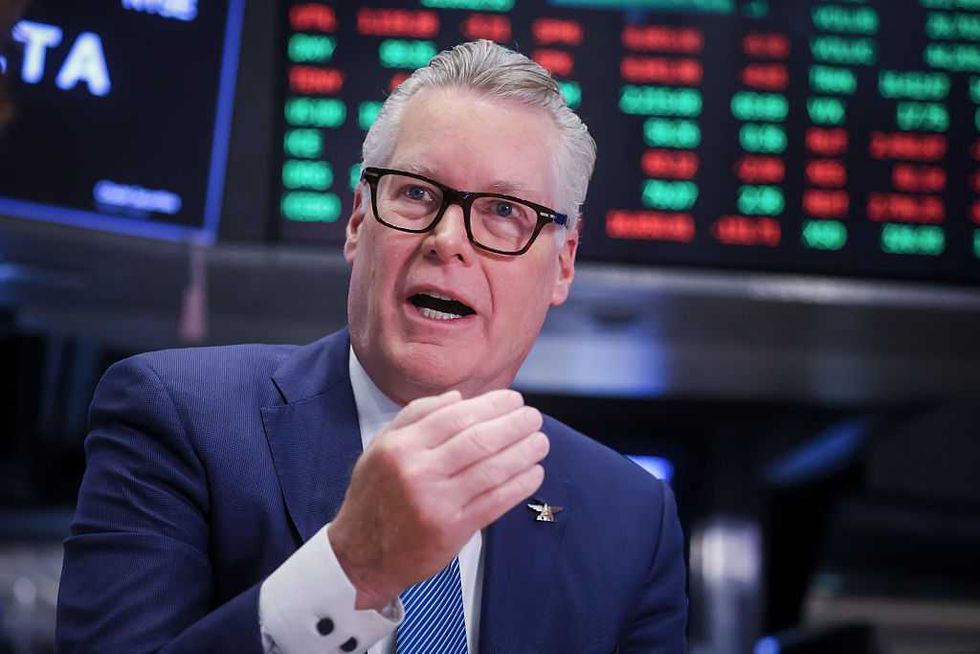
Delta Air Lines CEO Ed Bastian called the situation "inexcusable" during a March 17 interview with CNBC.

"It's inexcusable that our security agents, our frontline agents, that are central to what we do, are not being paid. And it's ridiculous to see them being used as political chips," Bastian stated. "So yeah, we're outraged."

"If there's a call to action here, and I think over 90% of the American public support those people getting paid, ask our folks right here in Washington to do their job. Get our people paid. They can do it," Bastian added.

RELATED: Trump adds new condition to ICE airport plan in DHS shutdown fight

Ed Bastian. Photographer: Michael Nagle/Bloomberg via Getty Images
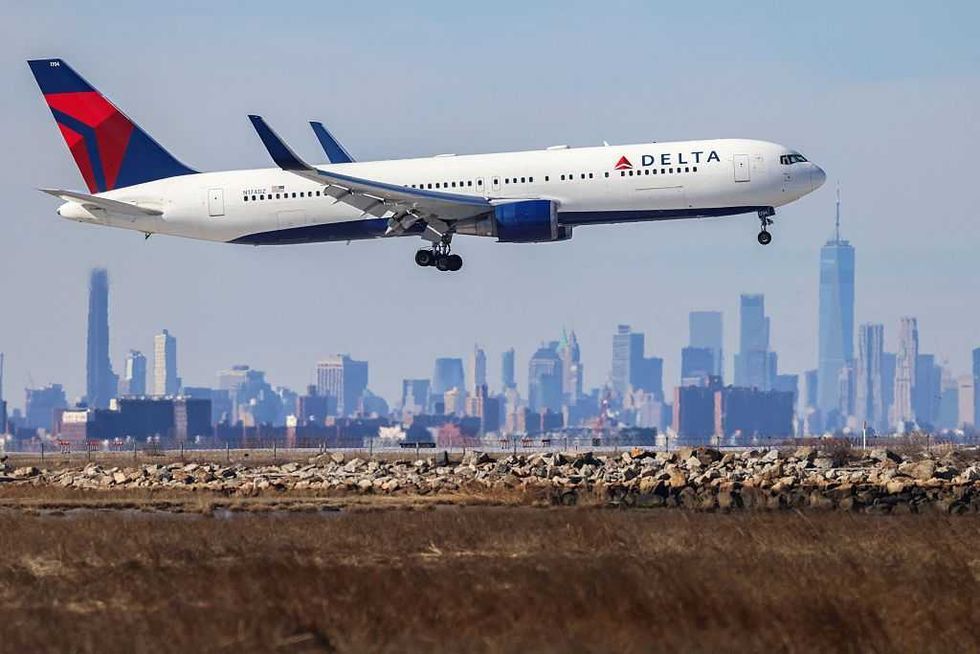
Delta appears to be pressuring Congress members to act by suspending a special benefit typically granted to them.

The airline announced that it has halted its dedicated flight assistance service for Capitol Hill legislators, the Atlanta Journal-Constitution first reported.

"Due to the impact on resources from the longstanding government shutdown, Delta will temporarily suspend specialty services to members of Congress flying Delta," a statement from the company reads, according to the AJC. "Next to safety, Delta's No. 1 priority is taking care of our people and customers, which has become increasingly difficult in the current environment."

Members of Congress will be treated like all Delta travelers, according to their SkyMiles status, a spokesperson told the news outlet.

RELATED: 'Absolute insanity': Democrats' DHS shutdown has travelers lining up outside Atlanta airport

Photo by Charly TRIBALLEAU / AFP via Getty Images
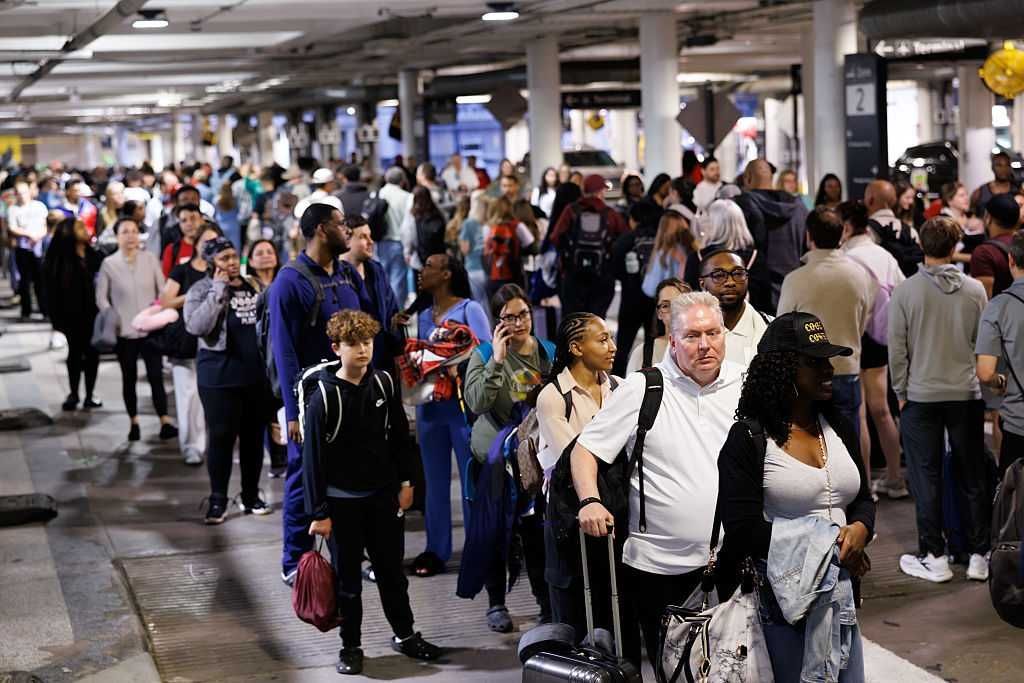
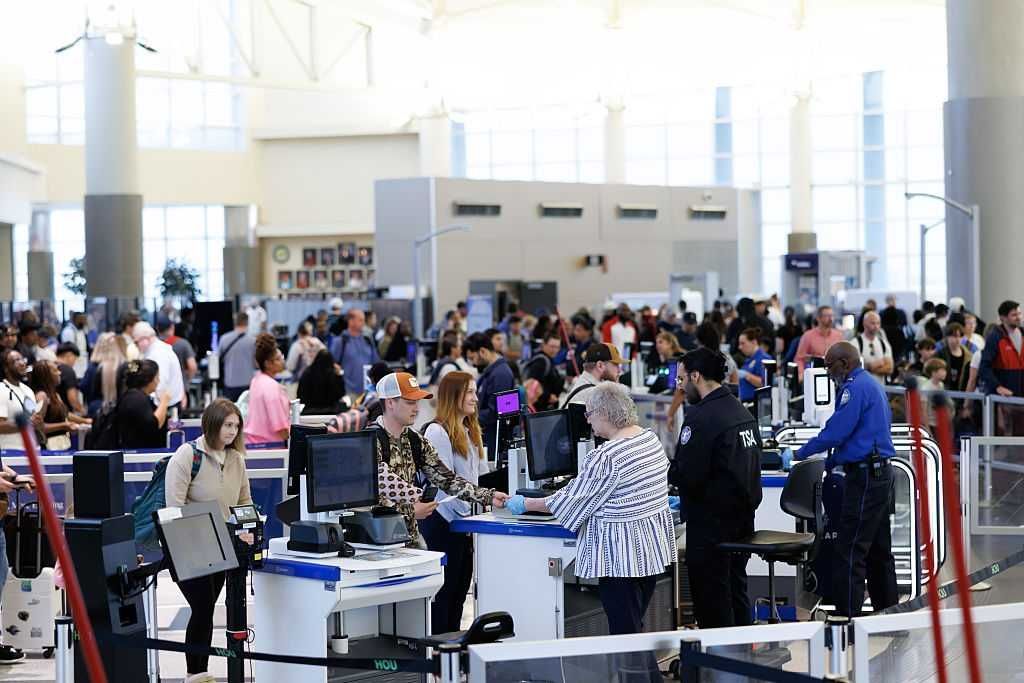
Last week, Bastian joined nine other aviation CEOs in an open letter to Congress, stressing the importance of paying TSA agents. Leaders of American Airlines, Southwest Airlines, and United Airlines also signed the letter.

"Americans — who live in your districts and home states — are tired of long lines at airports, travel delays and flight cancellations caused by shutdown after shutdown," the letter reads. "Yet, once again air travel is the political football amid another government shutdown."

"First, leaders should immediately come together to reach an agreement to fund the Department of Homeland Security," it continues. "Then they need to act so this problem never happens again."

Like Blaze News? Bypass the censors, sign up for our newsletters, and get stories like this direct to your inbox. Sign up here!

Spring break blues: DHS highlights outrageous airport conditions amid Democrat shutdown


Since last month, the Department of Homeland Security has been hamstrung by a Democrat-led government shutdown singling the agency out. Now, citizens — and especially air travelers — are paying the price due to a lack of department funding.

Security lines at airports across the nation have reportedly been "out the door" in some instances in the past couple of days, as DHS highlighted on Sunday.

'The best advice we can share with travelers is simple: plan ahead, arrive early and stay in communication with your airline.'

DHS wrote on X: "SECURITY LINES OUT THE DOOR. Americans are now missing their flights because of the Democrats [sic] shutdown of DHS. Their political stunt is forcing patriotic TSA officers to work without pay — leading to financial hardship, absences, and crippling staffing shortages. Enough is enough: Democrats must fund DHS NOW."

TSA seconded the post: "Enough is enough. The Democrat shutdown of DHS must end!"

RELATED: 'It's about time': Passengers who refuse to use headphones may be kicked off this airline

Photographer: Mark Felix/Bloomberg via Getty Images
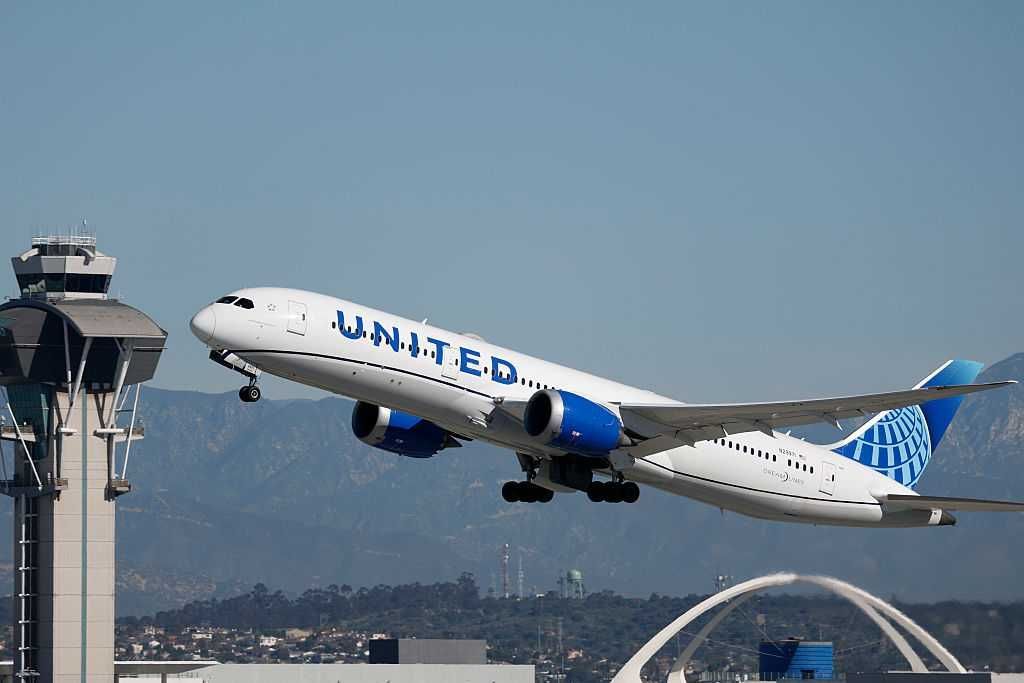
Airports across the country have warned passengers to arrive at the airport several hours ahead of their scheduled flight.

For example, Louis Armstrong New Orleans Airport posted an update on Monday morning telling passengers to plan to arrive three hours before their flight, adding that TSA security lines could take up to two hours to get through.

Likewise, Houston's William P. Hobby Airport cautioned passengers to arrive "4-5 hours before their flight to allow extra time for TSA screening."

The warning added that TSA wait time "may exceed 180 minutes."

Jim Szczesniak, director of aviation for the City of Houston's Department of Aviation, estimated that area airports are expecting 2.2 million travelers during the busy spring break season. The increased numbers of travelers paired with the decreased staff numbers at TSA because of the government shutdown have caused dramatic delays.

"The best advice we can share with travelers is simple: plan ahead, arrive early and stay in communication with your airline," reads a statement from Szczesniak.

Press secretary Karoline Leavitt posted a White House article Monday morning showcasing the frustrations of federal workers and travelers alike at various airports. The article also mentioned that over 100,000 DHS employees are working without pay.

Phoenix TSA worker Jovan Petkovich told Fox: "We're fed up. We've had enough. This is the third shutdown in a matter of six months. ... How many delays is it? How many flight attendants are being impacted?"

The White House's Rapid Response 47 account added to Petkovich's statement, saying, "Democrats need to fund [DHS] and stop playing politics with people's livelihoods."

Like Blaze News? Bypass the censors, sign up for our newsletters, and get stories like this direct to your inbox. Sign up here!

'It's about time': Passengers who refuse to use headphones may be kicked off this airline


Airline etiquette has been on the decline for years, and people have doubted that air travel could ever again be a pleasant experience. However, a large airline has updated its policies, and many say that change could be a good start.

United Airlines updated its contract of carriage document late last month to include a section about audio and video content that will ensure a more peaceful — and quieter — travel experience.

'I think we need to pack our manners whenever we go on an airplane, whenever we travel.'

United Airlines now notes in its "Refusal of Transport" section that the airline may refuse transport or permanently ban passengers who refuse to wear headphones while listening to audio and video content on a plane.

“We’ve always encouraged customers to use headphones when listening to audio content — and our Wi-Fi rules already remind customers to use headphones,” United spokesman Josh Freed said in an email to the Washington Post.

RELATED: Private jet linked to 'top anti-ICE / anti-Trump' lawyers crashes, resulting in 6 fatalities

“It seemed like a good time to make that even clearer by adding it to the contract of carriage," Freed added.

When asked about the new policy, Florida-based etiquette expert Jacqueline Whitmore said, "It's about time."

"I think we need to pack our manners whenever we go on an airplane, whenever we travel. And the violators of this, ironically, are parents — parents who don't put earbuds in their children's ears or headsets" on them.

Like Blaze News? Bypass the censors, sign up for our newsletters, and get stories like this direct to your inbox. Sign up here!

Democrats Can’t Seriously Believe ID Requirements Are Civil Rights Violations

Democrats do not want the specious nature of their charge of racism to be revealed, let alone adjudicated.