Why tariffs beat treaties in a world that cheats
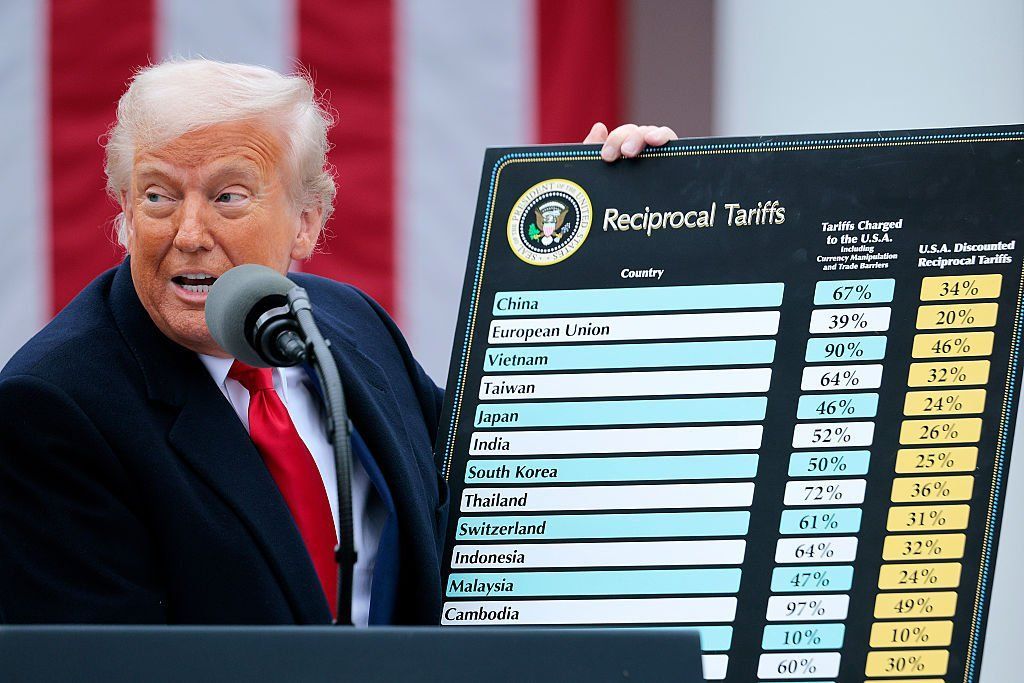


President Trump’s tariffs are set to snap back to the “reciprocal” rates on Wednesday — unless foreign countries can cut deals. So far, the only major players to reach agreements in principle are the United Kingdom and, ironically, China.

Others aren’t so lucky. The European Union, Japan, and India all risk facing a sharp increase in tariffs. Each claims to support free trade. India has even offered a so-called zero-for-zero deal. Vietnam offered similar terms.

Free trade is a myth. Tariffs are reality. The Trump administration should raise them proudly and without apology.

The Trump administration should be skeptical. These deals sound good in theory, but so does communism. In practice, “true” free trade — like true communism — has never existed. It’s impossible. The world’s legal systems, business norms, and levels of development differ too much.

Economists may still chase unicorns. But the Trump administration should focus on tilting the board in our favor — because someone else always will.

Free trade is a mirage

Start with the basics: Different countries are different. Their economies aren’t equal, their wages aren’t comparable, and their regulations certainly aren’t aligned.

Wages may be the most obvious example. In 2024, the median annual income for Americans was around $44,000. In India, the median annual income was just $2,400. That means American labor costs nearly 20 times more. And since labor accounts for roughly a third of all production costs, the math practically begs U.S. companies to offshore work to India.

RELATED: Trump’s tariffs take a flamethrower to the free trade lie
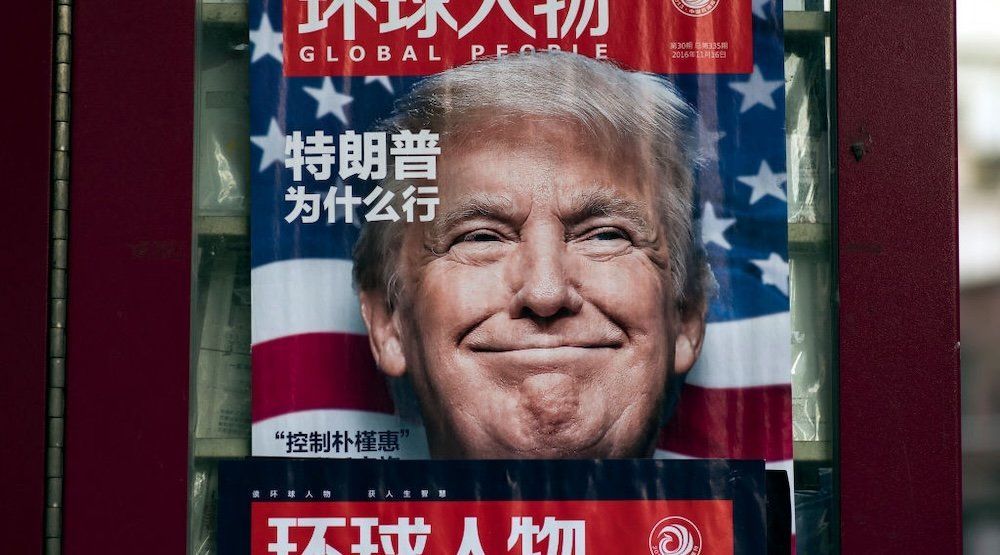
Photo by JOHANNES EISELE/AFP via Getty Images

It’s China in 2001 all over again.

Back then, the average U.S. wage was about $30,000. China’s? Just $1,100. When China joined the World Trade Organization, American manufacturers fled en masse. Since 2001, more than 60,000 factories have disappeared — and with them, 5 million jobs.

The result: decimated towns, stagnant wages, and hollowed-out industrial capacity. And don’t blame robots or automation. This was policy-driven — an elite obsession with free trade that delivered real pain to working Americans.
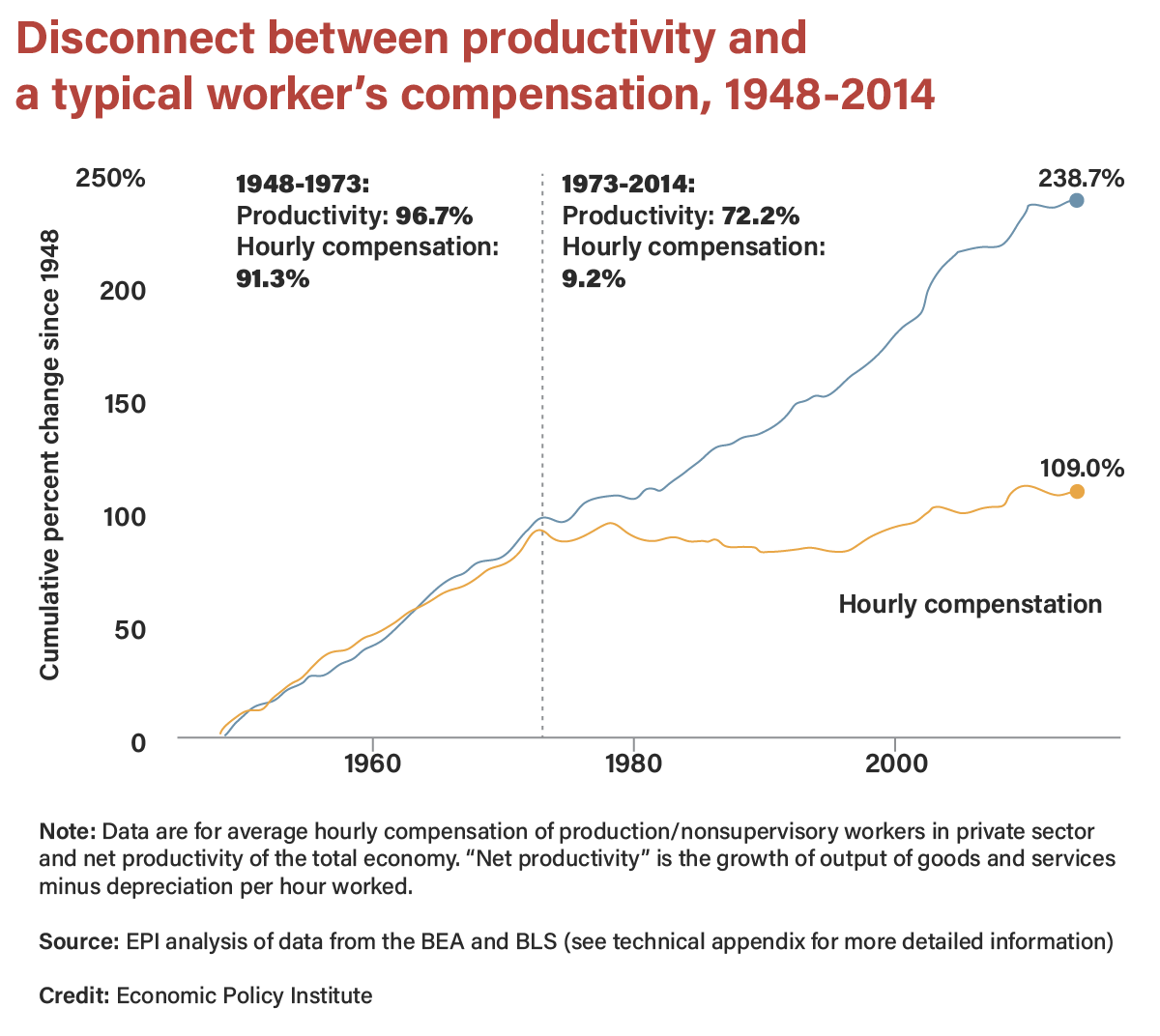
We’ve run trade deficits every single year since 1974. The inflation-adjusted total? Roughly $25 trillion. And while U.S. workers produce more value than ever, their wages haven’t kept up. They’ve been undercut by cheap foreign labor for decades.

Equal partners? Think again

What if the other country is rich? Can free trade work between economic peers?

Not necessarily. Even when GDP levels match, hidden differences remain. Take regulation. America enforces labor standards, environmental protections, and workplace safety rules. All of those raise production costs — but for good reason. American-made goods reflect those costs in their price tags.

Meanwhile, competitors like China or Mexico cut corners. They dump waste, abuse workers, and sidestep accountability. The result? Cheaper products — on paper. But those costs don’t vanish. They just get pushed onto others: polluted oceans, exploited laborers, sicker consumers.

This is why the sticker price on a foreign good doesn’t reflect its true cost. The price is a lie. Cheapness is often just corner-cutting with a smile.

National strength means self-reliance

Rather than debating whether free trade is possible, we should ask whether it’s good for America.

Should we outsource core industries to foreign nations with no loyalty to us? Should we depend on countries like China for our pharmaceuticals, our electronics, or even our food?

The founders didn’t think so. The Tariff Act of 1789 wasn’t about boosting exports — it was about building an independent industrial base. A sovereign nation doesn’t beg for favors. It builds.

We aren’t just an economy. We are a people — a nation united by heritage, language, faith, and trust. That matters more than quarterly profits.

Free trade is a myth. Tariffs are reality. The Trump administration should raise them proudly — and make no apologies for putting America first.
Trump’s tough-love tariffs: Pain now, prosperity later


The latest economic numbers don’t look good. The inflation rate, which had inched down in the last two months, started to rise again. Moreover, stock prices continue their downward trend as the market faces ongoing uncertainty and volatility. And then there are tariffs.

The short-term impact of tariffs may be painful. If the 25% tariffs stick, your favorite European cars will be more expensive — as will all Canadian goods and possibly many Mexican goods. Nearly all American-made cars contain components manufactured elsewhere, meaning their prices will rise too.

Americans will see a vast increase in their standard of living.

A tariff is just like a tax: It increases the cost of producing a product and, therefore, its price. The key question is how much of that increase will be passed on to consumers through higher prices and how much the producer will need to absorb. That largely depends on how much consumers want the product and whether they can easily find alternatives.

The consumer will bear most of the tariffs' cost for essential products. For products where consumers say, “I like the product if the price is right,” they will pay a smaller portion. Either way, the price of imported products in the United States will rise.

That’s the short term. In the long term, Americans will see a vast increase in their standard of living — the most critical outcome of economic policy.

Short-term pain, long-term gain

Since January 2021, prices have increased rapidly. However, personal income has not kept pace, meaning households have been forced to buy less and opt for lower-quality goods, leading to a decline in their standard of living. Over the past 50 months, this steady decline has worn on the average American.

This needs to stop. Right away.

The United States must restore domestic manufacturing, especially for critical goods like steel, aluminum, and medical devices. These products are often made overseas simply because it costs less.

Americans have long believed they should buy goods wherever they are cheapest. But that mindset has caused serious economic harm.

Each year, about $1.2 trillion leaves the country through imports. That wouldn’t pose a problem if U.S. exports matched that amount. Instead, exports total less than $400 billion annually, creating a trade deficit of more than $800 billion.

Only two solutions exist: import less or export more.

Removing high tariffs and quotas on American-made products would give U.S. manufacturers better access to foreign markets. More exports could help close the trade gap.

That’s Trump’s preferred approach — open global markets to American producers. If U.S. companies can shrink the $800 billion deficit, free and fair trade will benefit everyone.

If that approach doesn’t work, then the U.S. must import less, leading to the second long-term gain.

For decades, U.S. manufacturers moved production overseas to meet consumer demand for lower prices. As a result, the country lost much of its industrial base.

In some cases, producing goods abroad makes economic sense. But the United States must bring back a strong commitment to "Made in America" products.

The only way to make that happen is to lower the relative cost of American-made goods. Tariffs can help by raising the price of foreign imports, making U.S. products more competitive at home.

Buckle up!

This shift will lead to a massive increase in U.S. manufacturing, creating more opportunities for American workers. In turn, this increase in U.S. manufacturing will lead to higher wages, stable prices, and a higher standard of living. Americans will be proud to say “Made in America” is best.

But in the short term, it will lead to more inflation.

Trump’s plan to combat inflation includes increasing domestic energy production, lowering energy prices and reducing overall inflation. Energy directly accounts for about 7% of the Consumer Price Index and indirectly nearly 30% of it. Though this will buffer some of the effects of inflation, it won’t absorb all of it, and we have to buckle up for some tougher times before we reap the rewards.

However, though we will have some short-term pain, the long-term gain will be well worth it.

Doctors push for cheaper cancer cures, but Big Pharma stands firm


Since Richard Nixon declared war on cancer in 1971, the National Cancer Institute has spent nearly $160 billion on research and treatment for this deadly disease. In addition to this, the convoluted Medicare, Medicaid, and insurance systems collectively pay out hundreds of billions annually for the same treatments, perpetuating the status quo.

Despite spending far more than any other country, we are not seeing better results. Cancer rates are skyrocketing, including among young adults. With promising, cheaper alternatives available, why aren’t major medical journals and the government giving them the attention they deserve? Maybe the question answers itself.

Deep down, we all understand why chronic illnesses seem to be rising alongside the use of costly treatments that don’t offer long-term solutions.

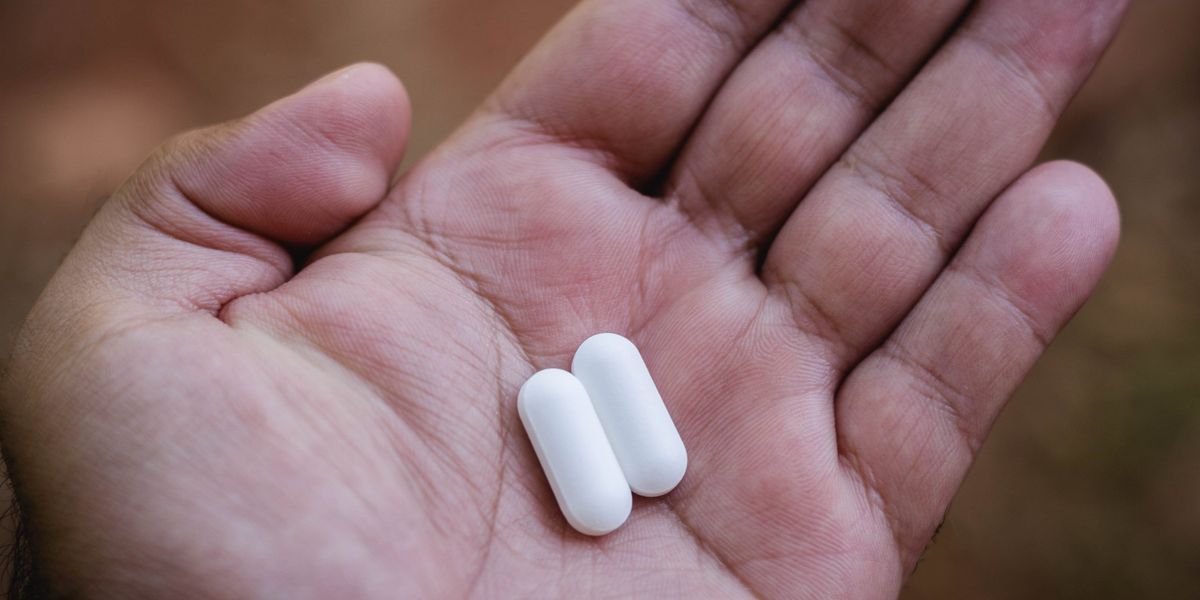
A handful of heroic doctors who led the way on innovative COVID treatments have now published a peer-reviewed paper proposing a promising protocol for aggressive cancers. This protocol, published in the Journal of Orthomolecular Medicine, combines several antiparasitic drugs that are much safer and cheaper than typical cancer treatments: ivermectin, fenbendazole, and mebendazole.

These same antiparasitic agents, which showed promise against COVID, also seem effective against many cancers by targeting the mitochondrial-stem cell connection, believed to be a key factor in the aggressive growth of cancer.

Dr. William Makis, a Canadian oncologist and one of the lead authors, announced the publication on social media earlier this month.

“The future of cancer treatment starts NOW,” Makis excitedly shared on behalf of the 15 authors from six countries. “My thanks to lead authors Ilyes Baghli and Pierrick Martinez for their incredibly inspired work, FLCCC’s Dr. Paul Marik for his extensive research on repurposed drugs, and every co-author who worked hard to bring this paper to life.”

While obviously everyone undergoing cancer treatment must do their own research and speak to medical professionals they trust, here is the core of the Makis-Marik protocol in the paper:

Ivermectin

Low-grade cancers:
Dose of 0.5 mg/kg, 3x per week (Guzzo, et al., 2002).

Intermediate-grade cancers:
Dose of 1 mg/kg, 3x per week (Guzzo, et al., 2002).

High-grade cancers:
Dose from 1 mg/kg/day (de Castro, et al., 2020) to 2 mg/kg/day (Guzzo, et al., 2002).

All these doses have been established as tolerable for humans (Guzzo, et al., 2002).

Benzimidazoles and DON

Low-grade cancers:
Mebendazole: Dose of 200 mg/day (Dobrosotskaya, et al., 2011).

Intermediate-grade cancers:
Mebendazole: Dose of 400 mg/day (Chai, et al., 2021).

High-grade cancers:
Mebendazole dose of 1,500 mg/day (Son, et al., 2020) or fenbendazole dose of 1,000 mg 3x per week (Chiang, et al., 2021).

The protocol recommends these drugs alongside intravenous vitamin C, high-dose vitamin D, zinc, a ketogenic diet, fasting, and other lifestyle changes.

Several studies support the use of ivermectin in treating cancer for helping cancer cells to die. It has shown promising results, especially in very deadly cancers like pancreatic cancer. Although the doses for cancer treatment (0.5 to 1 milligram per kilogram of body weight) are higher than those used for COVID, doctors point to studies that show these doses are safe for cancer patients. In one study, patients took one milligram per kilogram daily for 180 days without any harmful side effects.

Mebendazole, along with its animal-use counterpart, fenbendazole, is another antiparasitic drug. It induces apoptosis in cancer cells by blocking microtubule formation and starving their growth by inhibiting glucose metabolism. The doctors mention several studies in which patients went into complete remission after following this regimen for several weeks.

Between 2020 and 2022, 59% of peer reviewers received at least one payment from the pharmaceutical industry.

So why aren’t the government, major pharmaceutical companies, and prestigious medical journals seizing this opportunity? These breakthroughs are often dismissed as being too new or lacking large sample sizes. Fine. Then why not fund a placebo-controlled clinical trial? We’re willing to spend billions on expensive therapies that often have extreme, life-altering side effects. These drugs, by contrast, are much cheaper and cause no harm. If even a 1% chance exists that this protocol could treat more cancers, why has this effort been left to a handful of independent doctors and low-profile medical journals?

The questions, once again, answer themselves. A new research letter, surprisingly published in the Journal of the American Medical Association, revealed that between 2020 and 2022 (during the pandemic), 59% of peer reviewers received at least one payment from the pharmaceutical industry. Among 1,155 supposedly impartial reviewers, the total payments amounted to $1.06 billion — lining their pockets and potentially influencing their research.

Now, consider competing products on the market for various ailments like Parkinson’s, cancer, diabetes, and heart disease. On one side, you have potential treatments from cheap repurposed drugs; on the other, expensive new drugs that ravage the body with side effects but enrich the pharmaceutical industry. These expensive drugs create a cycle of chronic illness, failed treatments, and side effects, each reinforcing the need for more drugs. Given this conflict of interest, which treatment do you think will make it past the gatekeepers in major medical journals?

Deep down, we all understand why chronic illnesses seem to be rising alongside the use of costly treatments that don’t offer long-term solutions. In 2022, Yale researchers analyzed the association between cancer care expenditures and age-standardized cancer mortality rates across 22 wealthy Western countries in 2020. Their findings, published in JAMA, showed that despite America spending $584 per capita on cancer care — more than any other nation and double the median spending of the other 21 countries — “cancer care spending was not associated with age-standardized cancer mortality rates.”

Cancer rates are now skyrocketing in America and other Western countries, including aggressive, hard-to-treat cancers in young adults. From 2019 to 2023, cancers have surged among individuals ages 15-44 in the following categories: uterine cancer (up 37%), colorectal cancer (up 17%), liver cancer (up 8%), and unspecified metastatic cancer (up 14%).

Earlier this year, the American Cancer Society noted that in the late 1990s, colorectal cancer was the fourth-leading cause of cancer deaths among men and women younger than 50. Today, it has become the No. 1 killer of men under 50. In Great Britain, cancer rates hit a record high in 2022, with prostate cancer being the most diagnosed and particularly deadly.

Why aren’t alarm bells sounding in the oncology field, recognizing that current approaches clearly aren’t working?

We don’t yet know how broadly successful an ivermectin/mebendazole-based cancer treatment protocol could be for the general population. The trouble is we may never find out. If such a protocol were to emerge from the gatekeeping medical journals, the very entities funding those journals would stand to lose billions in revenue. That moral hazard is one humanity cannot afford to ignore.