The Culture Wars Didn’t ‘Come For Wikipedia.’ Wikipedia Is Fueling Them With Lies
Congress should consider expanding its investigation of Wikipedia to cover not just the site's antisemitism but its active censorship.Cracker Barrel is facing outrage over the decision to redesign the company's iconic logo and the appearance of the chain's restaurants. It has also surfaced that the beloved national restaurant chain has been aligning with woke organizations for years, according to reports.
As Blaze News reported in June 2023, Cracker Barrel faced boycotts over celebrating Pride Month. Cracker Barrel received backlash for proudly announcing that the restaurant chain with southern comfort food was vowing to push DEI initiatives with an LGBTQ+ alliance.
'Cracker Barrel didn't just lose its logo. It lost its soul.'
The Cracker Barrel Old Country Store previously shared a social media post featuring a photo of a rainbow-colored version of the chain's iconic rocking chair sitting on the porch. The photo had the caption: "We are excited to celebrate Pride Month with our employees and guests. Everyone is always welcome at our table (and our rainbow rocker). Happy Pride!"
The Tennessee-based restaurant touts the company's "Business Resource Groups," which "allow employees to come together with common interests, perspectives, and experiences around topics such as race, ethnicity, gender identity, and other special interests, space to be a community."
Cracker Barrel highlights several special interest groups within the organization, including:
Anti-DEI crusader Robby Starbuck revealed Cracker Barrel's ties with left-leaning organizations.
Starbuck claimed that Cracker Barrel had sponsored Human Rights Campaign events for 10 years.
Starbuck wrote on the X social media platform, "They even brought an HRC representative to their Tennessee HQ to do a pronoun and transgenderism training."
The Human Rights Campaign is described as being the "nation’s largest LGBT-interest activist organization" and having a "leading role in Democratic Party politics and left-leaning activism" by InfluenceWatch — an organization that provides "accurate descriptions of all of the various influencers of public policy issues."
"Cracker Barrel worked with a group called Conexión Américas as part of their DEI efforts," Starbuck asserted. "This group helps illegal immigrants, providing them with lawyers, and the executive director opposes President Trump’s deportations."
Starbuck continued, "Cracker Barrel sponsored the Out & Equal LGBTQ Workplace Advocate Conference and presented a workshop on how Cracker Barrel has made progress supporting LGBTQ+ causes."
Starbuck noted that Cracker Barrel won the 2018 award for top LGBT employee resource group from Out & Equal.
Starbuck accused the Southern-style restaurant chain of creating a "special 'diverse' suppliers program focused on increasing 'diversity' among suppliers."
Starbuck highlighted that Cracker Barrel partnered with Nashville Pride and River City Pride.
Blaze News previously reported that the company hired three marketing agencies to "help with its redesign as part of a $700 million larger transformation plan."
Blaze Media co-founder Glenn Beck stated, "Cracker Barrel CEO Julie Felss Masino said on Good Morning America this week that people are thrilled about the [restaurant's] rebrand. I think she's lying."
"Woke ideology has changed our country in countless ways, some of which we may never get back. But Cracker Barrel has always represented the one thing I think so many Americans currently crave: NOSTALGIA," Beck added. "You go to Cracker Barrel for the rocking chairs outside, the meals that taste like grandma's home cooking, and the simple game of Chinese checkers on the table."
"'Rebrand' all of that to something more modern, something more inclusive, and something that erases those feelings, and you're 'rebranding' the SOLE reason why anyone goes there to begin with," Beck concluded.
Blaze Media contributor Carol Roth said, "Cracker Barrel's stock is down double digits over investors['] concerns that its new rebrand, including changing its logo and remodeling its dining rooms, will alienate loyal customers. This is just the latest example in a long list of companies who don’t understand their core, loyal customers."
A post on X with more than 28,000 likes stated, "Cracker Barrel didn’t just lose its logo. It lost its soul."
A spokesperson for Cracker Barrel told Fox News, "Our values haven't changed, and the heart and soul of Cracker Barrel haven’t changed."
"And Uncle Herschel remains front and center in our restaurants and on our menu," the spokesperson said of the face of the restaurant chain. "He is the face of ‘the Herschel Way,’ the foundation of how our 70,000-plus employees provide the country hospitality for which we are known."
"Cracker Barrel has been a destination for comfort and community for more than half a century, and this fifth evolution of the brand’s logo, which works across digital platforms as well as billboards and roadside signs, is a call-back to the original and rooted even more in the iconic barrel shape and word mark that started it all back in 1969," Cracker Barrel said.
Cracker Barrel said it "has not participated in the Human Rights Campaign Index or had any affiliation with HRC in several years."
Cracker Barrel did not immediately respond to a request for comment by Blaze News.
Recent boycotts relating to the current culture wars have been directed at Bud Light, Target, and Chick-fil-A.
Like Blaze News? Bypass the censors, sign up for our newsletters, and get stories like this direct to your inbox. Sign up here!
Los Angeles megachurches often resemble their Hollywood neighbors — grand stage sets with top-tier lighting and sound, carefully produced services complete with scripts, soundtracks, and a live audience. They usually plant themselves in the “nice parts of town” — Hollywood Hills, Santa Monica, Pasadena. Perfect if you’re after a Sunday pep talk and a little feel-good music to carry you through the week.
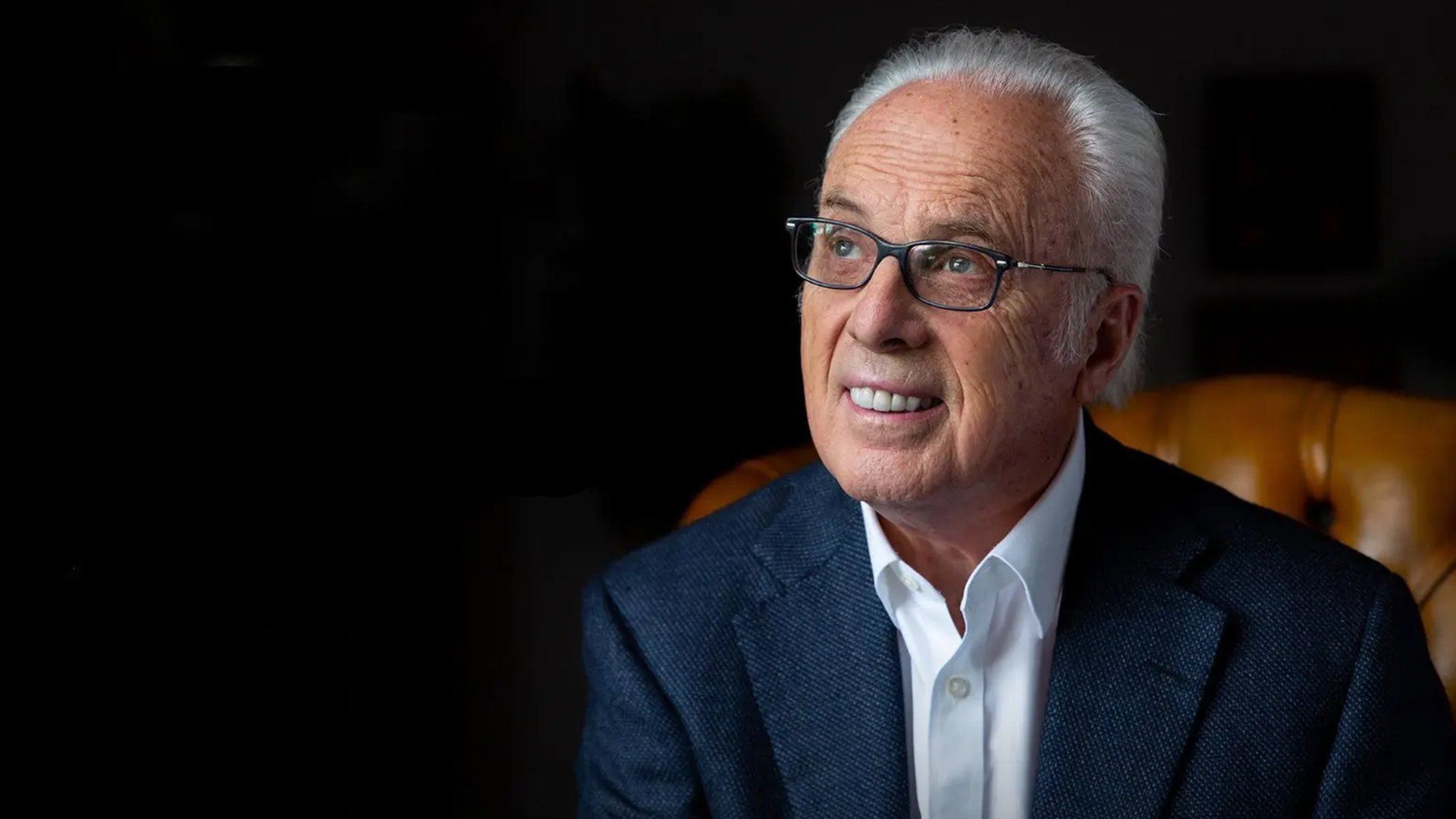
But that was never Grace Community Church with John MacArthur at the pulpit.
MacArthur never chased applause or tailored sermons to flatter the mood of the age.
Unlike many pastors leading congregations of similar size, MacArthur, who died Monday at the age of 86, didn’t preach to people hoping to make them “feel better” about themselves. He preached to dying souls, convinced he held the only message that could save them: the gospel — the real, unvarnished gospel of Scripture.
“Being a pastor means you’re a truth-teller,” MacArthur once said. And the truths proclaimed from his pulpit often rubbed people the wrong way, both inside and outside evangelical circles. Statements like, “The whole purpose of the Christian message is to confront the sinner’s sin so you can call the sinner to repentance and forgiveness,” or, “The true gospel is a call to self-denial. It is not a call to self-fulfillment,” clash with a world that prizes non-judgment, self-indulgence, and endless comfort.
But for those who’ve discovered how hollow those things truly are, MacArthur’s words struck hard — painfully, yet like cool water on the cracked lips of a wanderer lost too long in the desert.
He stood nearly alone in the upper echelon of church notoriety, refusing to bend on the bedrock truths of the Christian faith for the sake of publicity, celebrity congregants, TV slots, or social praise.
MacArthur cared about one thing: reaching lost souls with the only message that could rescue them. It either turned you away like an offensive painting or drew you in, like peering into a dense, bristling forest from the window of a climate-controlled, sterile cell.
My family was among those drawn in.
It took us years to find a church home after moving from rural Virginia to Southern California. Until we settled into a small local congregation in northwest L.A., we often trekked to Sun Valley for one reason: the teaching at Grace Community Church. My parents had listened to MacArthur’s sermons for years back east. Amid the chaos of starting over out west, they knew they could rely on him for a feast of biblical preaching — the kind that made the gospel, not man, the focus.
As a kid, I never noticed much about Grace’s neighborhood. My 10-year-old eyes skipped past the barred windows, the tiny houses jammed with large families, the rows of homeless encampments along Wilshire Boulevard. Only when I returned as an adult did I grasp just how far Grace was from Beverly Hills. This was the hood. And Grace Community Church didn’t just happen to be there — they chose it.
Across the street stood Wat Thai, a historic Buddhist temple serving Sun Valley’s Thai, Vietnamese, and Cambodian communities. Just down the road, the Hilal Islamic Center ministered to the area’s Muslim residents.
The church building itself preached its own sermon. Unlike so many of L.A.’s glittering megachurches, Grace displayed a simple cross, adorned only with a wreath at Christmas. No fog machines, no laser shows — just a traditional choir and orchestra. Even after we found our local church more than an hour away, we never missed Grace’s Christmas concert. Just Google it, and you will get a glimpse into how special the church’s worship is.
Grace’s surroundings and the sanctuary delivered the same message: The gospel doesn’t belong to a single ethnicity, culture, or political camp. It doesn’t need to be repackaged or softened to reach the world. It simply needs to be proclaimed, boldly and without apology.
And that’s exactly what John MacArthur devoted his life to doing.
He never ducked controversy when conviction demanded courage. During the COVID lockdowns, when Los Angeles banned in-person worship, MacArthur stood behind his pulpit and delivered his landmark sermon “Christ, Not Caesar, Is Head of the Church,” in which he boldly declared, “We cannot and will not acquiesce to a government-imposed moratorium on our weekly congregational worship or other regular corporate gatherings. Compliance would be disobedience to our Lord’s clear commands.”
That Sunday, I sat in the congregation. For the first time in more than a year, after countless Zoom services, I worshiped shoulder to shoulder with fellow believers as the choir and orchestra swelled. Tears filled nearly every eye in the room. It was a moment I’ll carry forever — the last time I heard, and now will ever hear, John MacArthur preach in person.
RELATED: John MacArthur refused to compromise. Gavin Newsom learned the hard way.

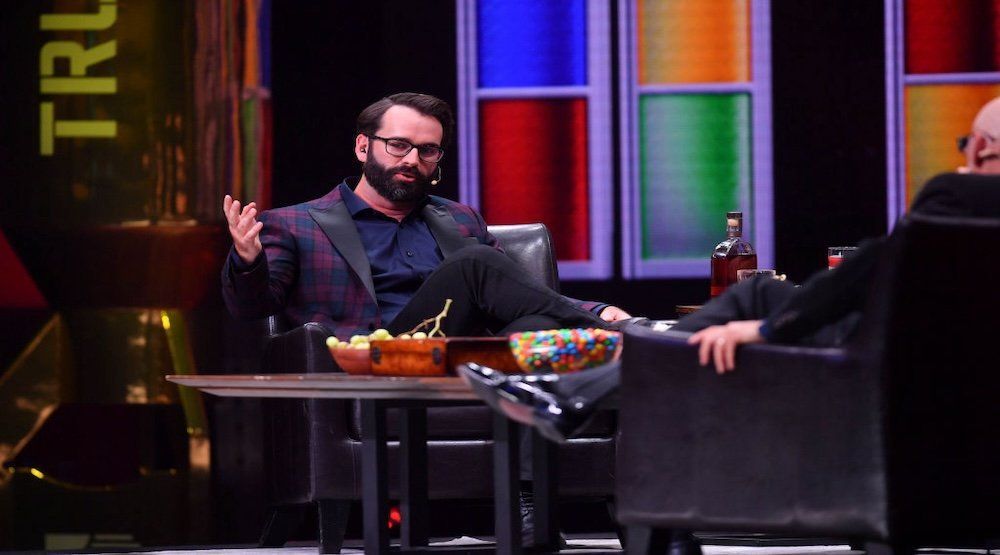
MacArthur’s ministry outlasted the snares that took down so many other pastors with similar reach. He never chased applause or tailored sermons to flatter the mood of the age. Yet he could speak just as powerfully on Ben Shapiro’s stage as he did on Larry King’s. That’s because he never shifted his conviction. The gospel he preached to a conservative Orthodox Jew was the same gospel he preached to liberal Hollywood skeptics and suburban churchgoers.
Long after the lights fade on L.A.’s big productions, the legacy of that quiet, sturdy pulpit in Sun Valley will endure. It reached me. It reached countless others. It stands as proof that when you preach Christ — not entertainment, not cultural trends, not political hobbyhorses — the gospel still does exactly what God promises it will do: save sinners and transform lives.
We lost a giant of the faith this week. Just as we’ve grieved R.C. Sproul, Tim Keller, and other pillars over the past decade, the church will deeply miss John MacArthur’s steady, trustworthy voice. Being an uncompromising Christian is only growing more difficult in today’s climate, even in the so-called Christianized West. MacArthur’s passing widens the void left by those who went before him, and younger voices who might fill it seem few and far between.
I hope I’m proven wrong. I hope many pastors rise with the same fearless conviction. If they do, they likely owe that spirit in part to the influence MacArthur had on believers across decades of faithful service to the Lord and his church.
Thank you, Pastor MacArthur, for ministering to the hearts, minds, and souls of countless people — including my family. Thank you for urging us to cultivate awe for the beauty of Scripture, reverence for the holiness of God, and a deep love for our Savior, Jesus Christ. May you rejoice now in His presence, after a life faithfully stewarded for His glory.
A couple I know well has a Millennial daughter. I’ll call her “Marsha.” For years, she claimed to suffer from a severe case of self-diagnosed gluten intolerance. That fad eventually passed, though Celiac disease is real, and it appears to be on the rise. Nevertheless, Marsha recovered and went back to eating pasta and bread without any problems.
But she and her children have since fallen into a far more dangerous trend.
The transgender fad will fade away. But unlike the gluten fad, innocents are being disfigured for life and denied the pleasures of a normal adulthood — all in service to a runaway social experiment.
Her tween daughter now lives as a trans-identifying boy. And Marsha regularly dresses her preschool-aged son in little girls’ clothes.
These aren’t isolated choices. Marsha has once again been swept up in a social contagion — a phenomenon especially common among her age group. The gluten craze ended with little more than inconvenience. But the transgender trend leads to lasting harm. It encourages confusion, medicalization, and, in many cases, the sterilization of children.
At the height of her gluten obsession, Marsha treated every meal as a kind of dietary emergency. At restaurants, she would lecture the waitstaff about keeping all traces of bread and pasta away from her plate. If a dinner roll appeared by mistake, she wouldn’t just set it aside — she’d demand a completely new entrée, claiming the first had been “contaminated.”
She spoke and acted as if gluten carried radioactive properties. Today, her delusions have grown worse.
Marsha now believes her daughter is her son — and more tragically, she has convinced the child of the same. This is not just a personal fixation. It’s a mind virus, and it’s spreading. And it’s doing real, irreversible damage.
Elite academic and scientific institutions, now fully aligned with the political left, refuse to entertain any discussion of “rapid onset gender dysphoria” or its potential as a social contagion. Scientific American openly celebrates efforts to silence dissent. The American Psychological Association, joined by 61 other organizations, condemned any researcher who dares suggest that rapid onset transgender identification is real or that it’s affecting children.
When studies present data showing that “transitioning” may harm children’s health, the scientific establishment doesn’t engage with the findings. It demands retractions.
Compare this to the response a few decades ago, when anorexia and bulimia surged among young women. At the time, scholars rightly identified the trend as a social contagion. No sane person would have suggested that someone could be “assigned anorexic at birth.” And no ethical observer would have urged friends or family to support anorexic behavior by celebrating starvation as self-expression. That would have been seen not as compassion but as cruelty — and possibly a sign of mental illness in its own right.
Marsha’s pattern — first falling for the gluten fad, then embracing transgender ideology — shows why this trend deserves the same scrutiny. The signs point to another social contagion. Only this time, the cost is higher.
RELATED: Matt Walsh’s crusade pays off: SCOTUS protects Tennessee kids from gender mutilation

Marsha’s parents seek to maintain a presence in their grandchildren’s lives. They want to help those children keep a foothold in reality while monitoring that no permanent damage is being done to their grandchildren. Puberty blockers and sex-change operations on minors are illegal in the state where Marsha and her children live. Many people are praying that Marsha’s current obsession won’t result in irreversible, lifetime bodily harm to her children.
Many describe the transgender craze as a “woke mind virus” for good reason. It targets people like Marsha — white, straight, and desperate for meaning in a culture that elevates victimhood.
In an era where claiming oppression earns social status, Marsha fits nowhere. So she compensates. Over the years, she has loudly backed every progressive cause that allows a straight, white savior to feel virtuous: gay rights, Black Lives Matter, and whatever comes next.
But the need to feel oppressed is powerful. During the 2020 race riots, Marsha took to social media to tell her followers she felt “shaken” and “scared.” She claimed someone had stolen a BLM flag from her front porch in the dead of night. According to Marsha, her home security camera caught the grainy image of a figure — white, male, roughly 6', wearing a mask and baseball cap. By sheer coincidence, her compliant husband also happens to be white, male, roughly 6', and never puts up a fuss.
Now, with a “transgender” child, Marsha has finally secured what eluded her: a place near the top of the victimhood hierarchy. She eventually recognized that rainbow-flag-waving white allies had become punchlines in the very activist circles they tried to impress. But a trans child? That’s a ticket to credibility — admittance to the club, with VIP status.
Unlike gluten hysteria, the transgender fad won’t end with harmless dietary quirks. It leaves children scarred, sterilized, and denied the ordinary joys of adulthood. Marsha may see herself as a kind of brave victim. But she’s a willing carrier of a destructive social contagion — and her children will suffer the lasting damage.
LGBTQ Pride festivals across the United States are facing major shortfalls in corporate funding this year following several successful conservative boycotts in recent years.
According to a new report from Bloomberg, LGBTQ leaders noted that the withdrawal of several corporate sponsors from this year's Pride Month festivities is "unprecedented."
'Conservative scrutiny is really the top driver of change.'
LGBTQ leaders have warned that Pride parades and festivals face severe funding gaps because corporate sponsorships are drying up.
San Francisco Pride Executive Director Suzanne Ford told Bloomberg, "Will we be able to keep the doors open? You know, that's what I'm most concerned about now."
Ford added, "We’ve all seen the culture wars playing out as far as how corporations respond, and I think this is part and parcel of that movement."
The San Francisco Pride celebration, which is scheduled for late June, is facing a $200,000 funding shortfall following the withdrawal of sponsors including Comcast, Anheuser-Busch, Benefit Cosmetics, and liquor giant Diageo.
With about a month before Pride Month, Twin Cities Pride faces an approximate $200,000 shortfall. The LGBTQ organization noted that it would use crowdfunding to try to compensate for Target ceasing its sponsorship of the event.
Pride St. Louis, which lost Anheuser-Busch as a sponsor, is confronted by a $150,000 budget shortfall.
Denver Pride revealed that returning sponsors have cut contributions by an average of 62%, leaving a $230,000 funding deficit.
According to Bloomberg, Dollar General Corp. and Nissan Motor Co. decided not to sponsor the June Pride event in Nashville, Tennessee.
“We are currently reviewing allmarketing and sales spending,” a Nissan spokesperson told Bloomberg.
CNBC reported that Seattle Pride and New York City Pride both face $350,000 deficits.
Ryan Bos, Capital Pride Alliance’s executive director, told CNBC, "The sad thing is corporations have long been the first to step into our corner. The fact that some are questioning their commitment now during this uncertain time is very disheartening, hurtful, and frustrating for many.”
Home improvement retailer Lowe's reportedly stopped sponsoring the Charlotte Pride festival after providing funding the previous nine years.
St. Pete Pride in Florida noted that it would focus more on community donations instead of corporate sponsors after only hitting 55% of its fundraising goal as of late March, compared with the typical 80% to 90% at this time of year.
“We are the people. This is about people power and being able to use your dollar to advocate,” said Byron Green-Calisch, president of St. Pete Pride.
Nearly two-fifths of corporations plan on rolling back engagement for LGBTQ Pride Month this June.
Some LGBTQ activists are insisting that corporations continue to funnel money to Pride festivities.
“We spend our money as a community in these corporations, and I want them to give back,” demanded Andi Otto, executive director of Twin Cities Pride. “They should give back.”
According to a recent survey of 49 executives from Fortune 1000 companies by Gravity Research, nearly two-fifths of corporations plan on rolling back engagement for LGBTQ Pride Month this June. In last year's survey, only 9% of companies told Gravity Research they would alter their Pride Month engagement plans.
Forbes reported, "Of the 39% of companies who said they would reduce Pride Month engagement this year, 43% said they would reduce external shows of support, which includes having a visual presence at or financially sponsoring Pride marches, offering a Pride merchandise line, updating social media branding, and partnering with influencers for Pride-themed sponsorships."
Many of the executives who said they were scaling back Pride sponsorships noted they were retreating because of possible conservative boycotts, pressure from President Donald Trump's administration, and the backlash against DEI initiatives.
“Conservative scrutiny is really the top driver of change,” said Luke Hartig, president of Gravity Research.
Hartig noted that some of the companies had already begun pulling back in LGBTQ support as early as 2023.
In April 2023, conservatives started to wage a successful brand boycott after Bud Light partnered with transgender activist Dylan Mulvaney. Bud Light's parent company, Anheuser-Busch, lost millions in market share due to the conservative boycott.
In May 2023, Target lost billions in market value after conservatives boycotted the retail behemoth for rolling out eyebrow-raising LGBTQ Pride products.
Like Blaze News? Bypass the censors, sign up for our newsletters, and get stories like this direct to your inbox. Sign up!
On the topic of masculinity, our current culture is a storm of opinions, claims, and outright dangerous ideas. Many men and women recognize something is off, but we’re often not sure how to respond, and the means by which we oppose the cultural trends can actually end up being counterproductive, making things worse.
Often, we see that the next generation ends up in a pendulum swing from the extreme of the last generation, rather than landing on the truth of the matter.
I myself am an Eastern Orthodox Christian, and I run a coaching practice that blends psychology with the wisdom of early Christian spirituality and modern Orthodox asceticism. An important theme in the Orthodox spiritual lineage is that we cannot look at two errors and find the truth, as is the strategy of the Hegelian dialectic. Seeing two extremes can help us diagnose a problem, but only a direct encounter with the truth itself can give us the solution.
The truth is Christ, and the solution is the cross.
Christ tells us that real happiness comes from loving others, not ourselves.
I went through a phase of exploring different religions and worldviews before becoming an Orthodox Christian. One of the themes that I noticed was fairly universal was the archetypal heroes and villains. Many before me have commented on this phenomenon, such as Joseph Campbell and Jordan Peterson, but I want to hone in on a particular distinction between hero and villain.
What seems to define a hero, even across cultures and worldviews, is that they are sacrificial. We value a character who thinks of others and of their well-being and who sacrifices and even dies for other people. At the same time, we value them being secure in themselves, that they are not being “nice” in order to get something or to protect themselves but that they freely choose to give on behalf of others.
On the other hand, what unites villains is their selfishness. Their top priority is their own power, pleasure, and status. Even when they collaborate with others, their only intention is to use them. Even when they say, “I love you,” it is more about loving the way the person makes them feel. Villains are the pinnacle of objectification, seeing everything around them only in terms of their own desires.
Interestingly, the villain model is very much driven by an evolutionary idea of “survival of the fittest," yet even the most staunch atheist despises being around someone who actually thinks like this.
Men are often drawn to the archetypes of the hero and the warrior.
Humanity is built to live self-sacrificially like this because we are made in the image of the self-sacrificial God. We are told in scripture that “God demonstrates his own love for us in this: While we were still sinners, Christ died for us" (Romans 5:8). Christ is clear throughout the Gospels that if you only love those who love you, you are no different than anyone else.
What is key is that we love when we don’t get something back — that we give without receiving. Much of the gospel is the revelation of our hearts being extremely transactional like the money lenders in the Temple, instead of giving unconditionally like Christ. It is from such a divine heart that he could be abused, tortured, betrayed, spat upon, and more, and yet sincerely pray, “Forgive them Father, they know not what they do” (Luke 23:34).
Even without appealing to Christianity, we know that the little old ladies who cook for their communities are deeply loved and pass away surrounded by loved ones, whereas those who think only of themselves drive others away.
Christ tells us that real happiness comes from loving others, not ourselves (and it is arguable that loving yourself is an oxymoron, antithetical to the person-to-person nature of love expressed in the Trinity).
The man who runs away from his friends in danger leaves us with a deep pit in our stomachs.
In our quest to understand how to be fulfilled as men, it is important to see that there is a universal answer: to take up our crosses.
Men who rush onto the battlefield, especially to help a fallen comrade, win our hearts. Men who do not get defensive at criticism but can sincerely consider it and admit they are wrong make us feel safer to be ourselves. Men willing even to look like an idiot or to be humiliated, when it helps someone else, end up fathers who produce the most stable children. Over and over, the stable man who gives from inner stability becomes a rock and foundation for his family, his society, and for humanity.
In contrast to this man are two extremes: the outward coward and the inward coward. The outward coward, rather than being kind, becomes “nice” and puts his effort into not making waves. He makes sacrifices, but they are for himself. The inner coward, on the other hand, projects an image of strength and sacrifice, but inwardly it is all about himself. He is usually revealed to be a selfish boy when his inner cowardice is exposed, usually through some kind of humiliation. Deep down, the inner coward deeply fears being exposed. There is, then, a tendency for this type of man to be very narcissistic.
Unfortunately, both of these cowardly men tend to place the blame on the other. The “nice” man tends to blame unkindness on the “strong” man, and likewise the “strong” man blames the weakness of the “nice guys.” Often times, their criticisms of the other are spot on. However, neither of these boyish men can actually solve the problems they complain about, and in fact they even enable each other.
Not only that, but they reveal they don’t understand what manliness truly is at all. They skip the true root of manliness, which is a heart ready to sacrifice, and instead they choose what they personally like or find comfortable.
Deep down, most of us know this isn’t manly or strong at all, that such men break in humiliating ways, and yet we still engage in this behavior instead of seeking a real solution. We watch these archetypes play out over and over in movies and books, with politicians and celebrities, and in our friendships. We feel pity for men whose weaknesses and mistakes (which we often resonate with) keep them from providing for others. The man who runs away from his friends in danger leaves us with a deep pit in our stomachs.
Christ came down to us while we were sinners, where we were at, in the human form that we could understand, and this is the purpose of his Incarnation — to be united with us.
So if true manliness comes from sacrifice, if true masculinity is to live for others, how can we live this out?
First, anything that is difficult for us, anything we don’t like, we should see as a challenge and embrace it. When we see a man overpowered in a film, we feel bad for him. There is something sad about a helpless man, even when it's understandable. Yet, how often does one comment set us off, or how often are we terrified of what people think of us? Isn’t it more embarrassing to be easily overwhelmed by harmless words than a physical attack?
On the other hand, a man who is unfazed but maintains love, he is the safest refuge anyone could ask for. Orthodox Christian spirituality encourages us in all trials to immediately thank God for trials because they help us let go of our selfish egotism, and I have seen many weak men (including myself) grow tremendously from this practice. “All things work together for the good of those who love Him” (Romans 8:28).
Second, resist the urge to blame others. As soon as Adam and Eve ate the forbidden fruit in the garden, the first thing Adam did was blame God and blame Eve. Responsibility is masculine, while blaming others is simply cowardice. It doesn’t mean we can’t diagnose a problem in a technical way, but in the end, the emphasis of responsibility for a man who wants to make a difference is himself. If we are not willing to take on responsibility, we have to ask if we truly want to make things better or simply want to make excuses and justify ourselves. Orthodox spirituality encourages us not to justify ourselves or make excuses, instead leaving such things up to God. Our job is simply to move forward, becoming better men and sacrificing where we have the strength and admitting where we should but cannot. Repentance.
Third, manliness is personal, not a list of rules. Christ came down to us while we were sinners, where we were at, in the human form that we could understand, and this is the purpose of his Incarnation — to be united with us. Likewise, we acquire manliness by associating with truly good men, and we pass on manliness by being good, sacrificial men to the next generation.
Unfortunately, many think about masculinity like the Pharisees, that it is all about rules and image, that if you shoot guns, eat meat, and tell your wife what to do, you become a man. Guns, meat, and headship are fine, but mistaking them for masculinity simply makes us the next contributor to the loss of masculinity in our society.
What we need are images of sacrifice, in our fathers, in our priests and pastors, in our kings and politicians, and most of all in our God!
We must recognize the enemy like a good soldier and be ready to fight him.
The devil loves controlled opposition. Christ’s royal path is straight and narrow, but the devil weaves to the left and right, guiding men to extremes further and further from the path. He could care less what kind of cowardice you have, inner or outward, as long as you live selfishly to validate how he lives, as long as he can give a middle finger to God by pulling us from him.
By engaging in these pendulums, we don’t end up on the straight and narrow, nor do we end up men. Instead, we end up in the weaving chaos of the serpent, his plaything, reacting like a wounded animal to every enemy. “The guilty flee when none pursue” (Proverbs 28:1). We must recognize the enemy like a good soldier and be ready to fight him.
Sometimes fighting him looks like fighting negative thoughts with positive prayers. Sometimes it looks like making stupid faces to make a baby laugh, despite other people thinking we’re an idiot. Sometimes it means letting our wife win an argument, not out of fear but out of mercy. These are all situations that God allows to get our priorities straight as men, but unfortunately, we fall to the temptation of cowardice and end up flailing to defend our image, which always makes us look weak and insecure.
Let us put aside childish things like excuses and blame and be serious about our God-given responsibility as men.
It’s time to stop fighting for masculinity by trying to defend the image or feeling of manliness. Most of us know that buying men’s razors, grilling steaks, shooting guns, and being belligerent aren’t going to make real men or fix our society.
We need to stop judging “according to appearance, but judge with righteous judgment” (John 7:24), because what matters most is the heart. We must have the same priorities as God, who tells us in 1 Samuel 16:7: “The Lord doesn't see things the way you see them. People judge by outward appearance, but the Lord looks at the heart.”
Those who want to use and abuse humanity certainly hate masculinity, but an even deeper war is being waged in the heart. Our society is trying to erase the concept of the heart entirely, turning words like “hate” into external societal functions rather than heart issues.
Let us put aside childish things like excuses and blame and be serious about our God-given responsibility as men. Let us set ourselves singularly on being sacrificial heroes. Let us live our headship as men by the image of Christ, who gave us that headship — a call not to dominate but to love, not only our wives and children, but everyone, especially our enemies.
Headship was never anything less than a cross, crucifixion for the sake of others. Love does not exist where everything is a transaction, and the cross is the cure to this severe illness.
It is time for men to come together as brothers with a single goal: to take up our crosses and mercifully help each other become good men. May Christ our King guide us!

Television used to be the great equalizer — a place where Americans of all colors, creeds, and political persuasions could gather to turn off their brains for a while and zone out.
We may have had fewer choices — in both what we watched and when we watched it — but at least every bit of content (we called them "shows" back then) had more or less the same objective: to entertain us.
That generally meant avoiding the same topics you avoid at the neighborhood barbershop — politics and religion.
So much for that simple pleasure.
Now even the most lowbrow dating show must pass muster with the commissars of woke. Now TV producers fall all over themselves to shoehorn leftist messages about inclusion and choose-your-own-gender ideology into their sitcoms and procedurals and single-camera prestige "dramedies."
It's enough to make a man pick up reading.
But wait — don't touch that Dostoevsky! There are still some TV shows out there for conservatives — i.e., anyone who doesn't run from the room screaming at the slightest hint of traditional beliefs such as the importance of family and the value of personal responsibility.
We've compiled a guide — and it's got everything from heartland dramas and wholesome family-friendly sitcoms to crime thrillers, animated comedies, and programs celebrating small-town America.
Set in rural Montana, "Yellowstone" follows the lives of an influential ranching family.
The show often features a rural-versus-urban bent, as the Dutton family must battle against deep-pocketed coastal elites attempting to take over their precious ranch land. "Yellowstone" highlights the dangers of government overreach, crony capitalism, and corporate interests seeking to acquire or develop land.
The show has conservative themes such as a pro-gun perspective, depicting traditional masculinity and gender roles, preaching self-reliance, valorizing work ethic, land conservation, the importance of individual rights, and preservation of heritage.
Kevin Costner portrays John Dutton, the patriarch of the Dutton family. Despite being an antihero with questionable morals, Dutton wants to preserve his family's legacy, traditions, and way of life.
The show has a prominent trope that progress isn't always progress.
The main character of "Last Man Standing" is Mike Baxter – an outspoken and unapologetic conservative who isn't afraid to air out his right-leaning views on various issues.
Baxter displays a strong work ethic at his job at Outdoor Man — a chain of sporting goods stores.
Baxter is the patriarch of a household with three daughters, and the show advocates for conventional family roles and values. However, Baxter holds traditional values that often put him at odds with the more liberal women in his household — and his son-in-law. Despite political differences, Mike is a family man who comically puts aside his differences and will do anything for his loved ones.
Baxter is played by actor Tim Allen, who is a conservative in real life, which gives his character and the show authenticity.
"Last Man Standing" delves into political issues, including immigration, culture war topics, government regulations, free-market capitalism, voter participation, political campaigns, gun rights, environmental policies, and education.
Though it was the second-most-watched ABC sitcom during the 2016-17 season, ABC canceled "Last Man Standing." Following the cancellation, nearly 440,000 people signed a petition to save the show.
"'Last Man Standing' is one of the only shows on broadcast television, and the only sitcom, that is not constantly shoving liberal ideals down the throats of the viewers. And sadly, that is likely the real reason the show has been canceled," the petition read.
ABC entertainment president Channing Dungey contended that "Last Man Standing" was canceled for "business and scheduling reasons."
"Last Man Standing" was picked up by Fox in 2018 and ran on the network until 2021.
"The Ranch" is a Netflix comedy-drama series that may appeal to conservatives for numerous reasons.
The show is based on the Bennett family, who live on the fictional Iron River Ranch in Garrison, Colorado. The TV show has a coming-home plot of a failed semi-pro football player returning to his hometown to help run the family ranch.
"The Ranch" touches on the economic hardships facing small ranchers and other serious issues facing rural America in general.
The show notes the importance of community, self-reliance, work ethic, gun ownership, patriotism, the beauty of tight-knit small-town life, lessons of redemption, family traditions, and skepticism of liberal policies and political correctness.
"King of the Hill" highlights traditional values while providing laughs to the viewer.
The animated TV series is based in the small fictional town of Arlen, Texas. The show centers around Hank Hill, a middle-class propane salesman with conservative values. Hank is a devoted family man who believes in hard work, personal responsibility, and the importance of community.
He has traditional viewpoints, such as patriotism, loyalty, work ethic, personal responsibility, limited government, traditional gender roles, fiscal conservatism, respect for tradition, community involvement, blue-collar pride, civic duty, and skepticism toward government intervention.
Hill often struggles to understand modern societal trends, which opens up comedic situations where Hank is completely perplexed. Hill often blasts political correctness.
"King of the Hill" was created by Mike Judge, who was also behind "Beavis and Butt-Head" and "Idiocracy."
"Blue Bloods" is a police procedural drama series that spotlights law enforcement and family values.
"Blue Bloods" revolves around the Reagan family — a multi-generational clan of Irish-Catholic law enforcement officers dedicated to serving and protecting New York City.
Frank Reagan is the family's patriarch and the New York City police commissioner. Reagan, played by Tom Selleck, is a wise and respected leader who upholds justice and integrity and often embodies strong conservative ideals.
Frank's eldest son, Danny, is a seasoned detective, family man, and Iraq War veteran. Frank's daughter, Erin, is an assistant district attorney. Frank's youngest son, Jamie, is a Harvard Law School graduate and the family's "golden boy" who becomes a sergeant. Frank's father, Henry, is a retired NYC police commissioner.
"Blue Bloods" stresses tight family unity, intergenerational wisdom, loyalty, faith, law and order, justice, ethics, public service, personal responsibility, critique of the media, and respect for law enforcement.
Many consider "Kevin Can Wait" to be family-friendly entertainment that is geared toward conservatives.
The sitcom stars comedic actor Kevin James as Kevin Gable, a retired police officer and father living in a suburban Long Island with his wife, Donna, and their three children. The show highlights the challenges of balancing blue-collar work and the importance of family life.
The TV show hits on conservative topics such as working-class concerns, being family-centric, traditional gender roles, hard work ethos, pro-law-enforcement, a sense of community, individual responsibility, patriotism, integrity, loyalty, protectiveness, and commitment.
While not overtly political, there have been episodes of "Kevin Can Wait" that have addressed topics such as gun rights, community values, and patriotism.
"South Park" is definitely not a conservative television show. However, "South Park" creators Trey Parker and Matt Stone are equal-opportunity satirists who have never shied away from roasting sacred cows on the left, right, and anything in between.
"South Park" has featured some of the most cutting comedic criticisms of liberals since it debuted in 1997 and regularly challenges progressive orthodoxies. "South Park" has taken on the white savior complex often associated with liberals, satirized woke culture, exposed the dangers of censorship, poked fun at Al Gore's obsession with climate change, lambasted liberal celebrities for their political activism, and highlighted the hypocrisy of Disney's support of liberal politics.
P.C. Principal is the principal at South Park Elementary who is dead set on bringing an extreme politically correct agenda to the school. P.C. Principal was first introduced in the premiere episode of the 19th season, titled "Stunning and Brave": P.C. Principal ironically lampoons liberals regarding language-policing.
"South Park" also hilariously shamed progressives for supporting transgender men playing in women's sports in Season 23's episode titled: "Go Strong Woman, Go."
The show often takes a libertarian stance, emphasizing individual freedom with a healthy skepticism toward authority and government intervention.
"Heartland" is a long-running Canadian series that follows multiple generations of families on their Alberta ranch.
The television series "Heartland" appeals to conservatives due to its focus on depictions of rural lifestyles, close-knit families, overcoming personal challenges, and embracing long-standing traditions.
Throughout the series, family unity and support are reoccurring themes, with storylines often revolving around overcoming personal challenges and maintaining familial relationships.
"Heartland" celebrates rural life and conservative values associated with it, such as hard work, resilience, and self-reliance. The characters have a deep connection to the land and their commitment to preserving their way of life.
Woven into the show are themes of accountability, integrity, loyalty, honesty, and perseverance. There are messages of healing, personal growth, and the importance of a loving home.
The show reinforces conventional family dynamics, and the characters portray traditional gender roles and responsibilities.
"Heartland" is rated for children age 10 and up, according to Common Sense, an independent source that evaluates entertainment for families and schools.
Before Mike Baxter, there was Tim Taylor. Tim Allen's debut sitcom, "Home Improvement" resonates with conservative viewers who appreciate its depiction of typical middle-class suburban American homes, the conventional nuclear family structure, and stereotypical gender dynamics.
As in "Last Man Standing," Allen's character embodies a traditional masculine archetype: He has a passion for tools, cars, sports, and activities typically associated with conventional masculinity. In fact, he hosts a home improvement show called "Tool Time."
Jill is a supportive wife as well as an assertive homemaker and mother. Tim and Jill have three sons: Brad, Randy, and Mark.
The show frequently offers lessons about family, communication, and solving familial disputes.
The Taylor family has a Christian faith. There is also a sense of community, as Tim often seeks advice from his neighbor, Wilson.
"Home Improvement" stresses attributes such as hard work, personal accountability, patriotism, the significance of maintaining a strong moral compass, and the importance of family unity and values. The show celebrates skilled trades, small business ownership, ingenuity, and masculinity.
Allen is a staunch Republican and supporter of former President Donald Trump.
Like Blaze News? Bypass the censors, sign up for our newsletters, and get stories like this direct to your inbox. Sign up here!