The Trump phone is here — and so is the controversy. Is it any good?
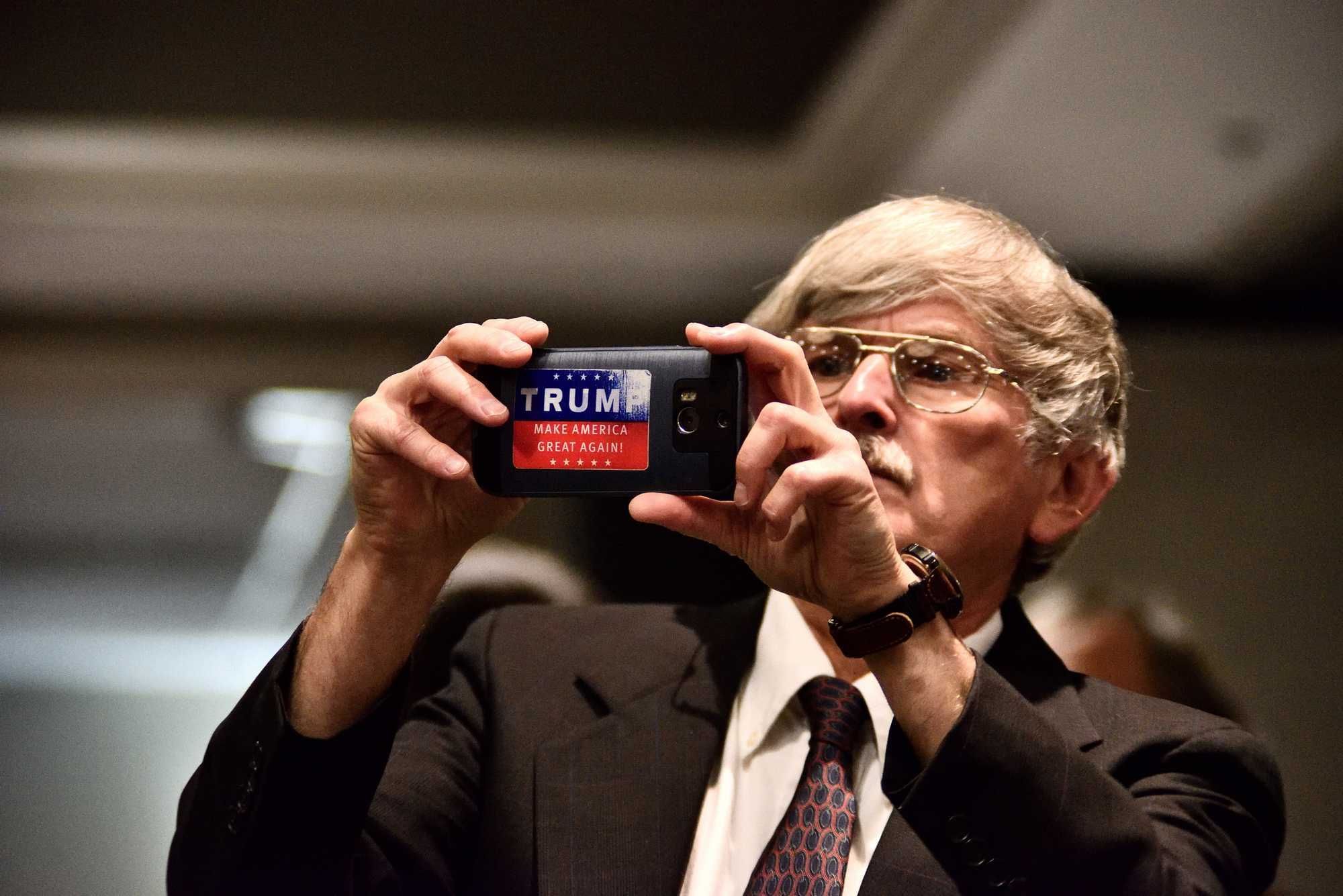


The first Trump-branded phone is officially out in the wild, but not without some controversy. While it may don the name of the 45th/47th president of the United States, the company is actually owned and operated by Donald Trump Jr. and Eric Trump. Still, that didn’t stop the left-wing media from lambasting anything with the “Trump” badge simply for existing. We dig through the muck to uncover the truth about whether this device is any good. And, more importantly, is it made in the USA?

Trump Mobile T1 phone, spec for spec

I should start by saying that Blaze Media wasn’t one of the outlets that received a Trump Mobile T1 phone sample. As much as I would love to have it in my hand, I haven’t had the chance to test it outright. Without a review unit, it’s impossible to judge the build quality, materials, and snappiness of the Android launcher.

The attempt here is commendable.

Still, there are some things we can gather about the phone based on its specs, while the other stuff will have to wait for if/when a device lands on my desk.
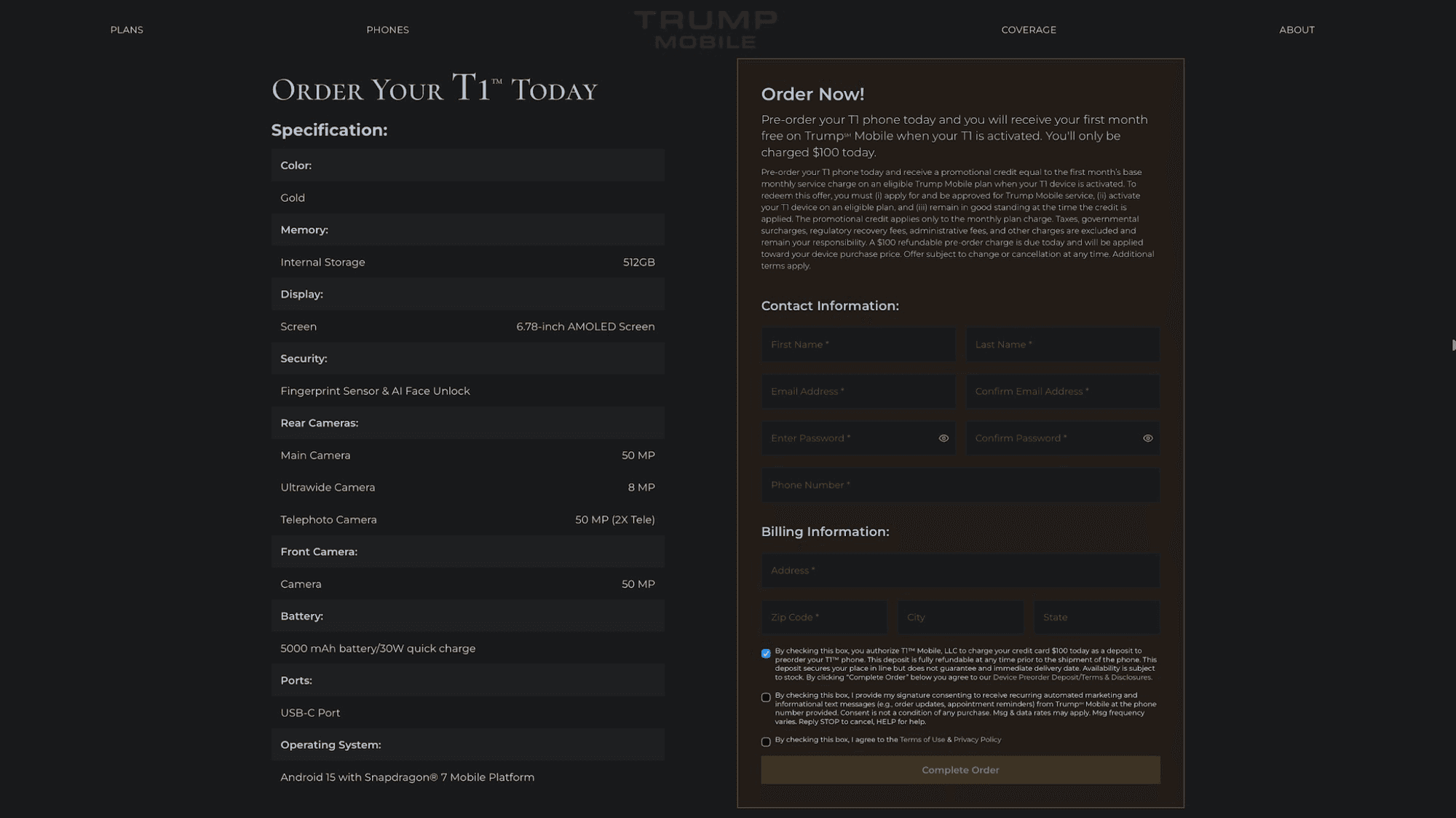
Screenshot by Zach Laidlaw/Trump Mobile T1 phone spec sheet and preorder form

Looking over the spec sheet, there are several notable benefits the Trump Mobile T1 packs under the hood. The 512GB default internal storage option exceeds the industry standard of 128GB and 256GB found in most mid-to-high-end phones on the market, providing plenty of space for apps, photos, videos, music, and more. The battery size is exceptional, matching the milliamps found in this year’s flagship Samsung Galaxy S26 Ultra and just barely undercutting the 5088mAh power pack offered in the iPhone 17 Pro Max. The display size designates the T1 as a larger device, though it is 1.2 inches smaller than the top flagships. It’s also nice to see an AMOLED panel on board with its historically legendary deep blacks and vibrant colors; theoretically, content should look beautiful on the display when it’s powered on.

There are also a couple of sore spots on this phone that can’t be ignored. For starters, the Trump Mobile T1 comes with Android 15 out of the box. With Android 17 primed to launch within months or less, T1 is already behind on the software front. For the processor, Trump Mobile chose a Qualcomm Snapdragon 7 series, a chipset that strictly targets mid-range devices. Unfortunately, there are four generations of the 7 series chip dating back to 2022, and without the proper number on the spec sheet, there’s no confirmation as to which one we have here. That said, based on a revelation you’ll find further down this page, we can safely suspect that the Trump Mobile T1 uses a Snapdragon 7 Gen 3 from 2023, making the T1 concerningly underpowered compared to current-generation smartphones.

The Trump Mobile T1 phone comes in at an attractively low promotional price of just $499. However, based on the aged mid-range chipset and outdated version of Android, there are certainly better, more performant mid-tier devices on the market, namely the Google Pixel 10a for $499, Samsung Galaxy A57 5G for $549.99, and iPhone 17e for $599.

I’m happy to re-evaluate the phone if we receive a review unit. Otherwise, I can’t recommend the T1 on its specs alone.

A scandal, so-called

The left-wing tech media was quick to pounce on both the T1’s shortcomings and Trump supporters for buying in, calling it a low-end phone that was “embarrassing MAGA voters.” Trump Mobile certainly didn’t help the situation, either, as a new scandal emerged just as preorders began to ship.

The company is looking into reports that the personal information of 27,000 T1 preorder customers was leaked online. This data includes users’ names, shipping addresses, and phone numbers — enough to doxx someone if it landed in the wrong hands. According to the Guardian, Trump Mobile confirmed the leak to be real, though the company doesn’t believe at this time that its systems suffered a security breach. Trump Mobile went on to state that “payment card information, banking information, Social Security numbers, call records, text messages, or other highly sensitive financial data” were not compromised.

Is it really made in America?

Specs and scandals aside, let’s go back to President Trump’s original promise to release a phone that was “made in the USA.” This phrase was posted proudly on the Trump Mobile website for months before it changed to “proudly American” last year.

RELATED: Trump phones begin shipping as liberal media melts down: 'You got scammed'
Avishek Das/SOPA Images/LightRocket/Getty Images

That’s not the same thing, of course, but slogans are merely that. What matters most is the brass tacks of it all:

  • For starters, Trump Mobile is an American-made company owned by American businessmen. That’s made in the USA.
  • The Trump Mobile T1 runs on Android, an operating system made by Google right here in Mountain View, California. That’s also made in the USA.
  • The phone is reportedly assembled in Florida. That’s made in the USA too.
  • Unfortunately, many of the phone’s components are made outside the USA, largely due to the manufacturing and trade policies of the 1900s. That’s just the nature of the tech industry at the moment. While Trump is trying to bring more manufacturing jobs to the USA, we don’t have the means yet to fully build a smartphone on American soil.

Three out of four isn’t bad for an “American-made” phone when China, Vietnam, and India usually dominate the phone manufacturing market. The attempt here is commendable.

Here’s where things get dicey.

While the phone may be assembled in the USA, its design is allegedly foreign. Based on the body of the phone and its specs, the T1 may actually be a rebadged HTC U24 Pro, a device that was originally released only in Taiwan and a limited segment of European countries in mid-2024.
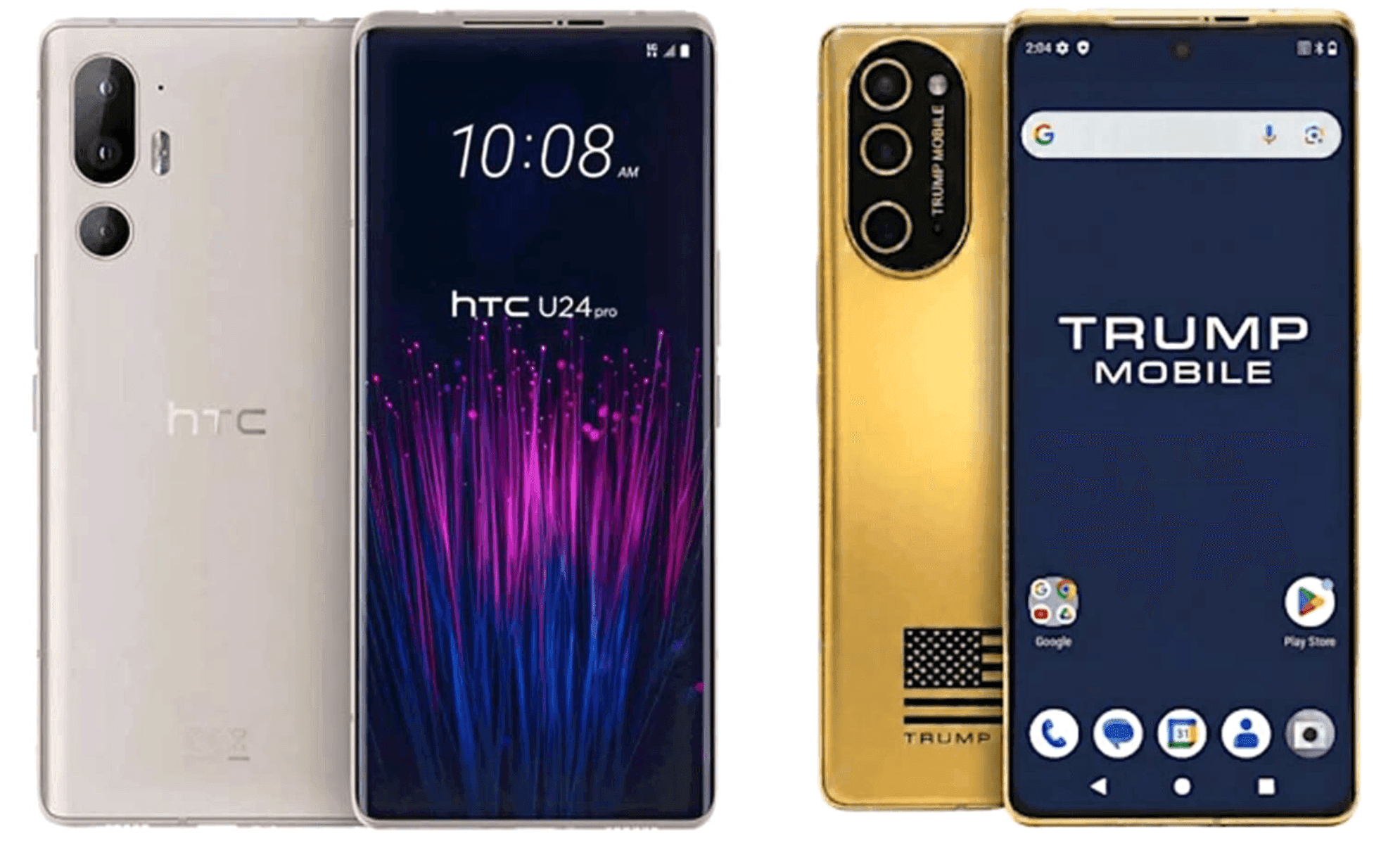
iFixit/HTC U24 Pro, Trump Mobile T1 phone

Looking at the devices side by side, they do share some striking similarities, especially in terms of the front display and top speaker grill. Now, that doesn’t mean the T1 is an HTC U24 Pro. It’s not terribly uncommon for phone OEMs to use similar reference designs for their devices, thus cutting down on R&D to ship a product that’s mostly ready to go sooner rather than later. There are also some notable differences between the device designs, namely the camera bar and flash placement.

Still, it’s one of those things that makes you go, “Huh ...” Is it an HTC? Is it just a case of imitation as the sincerest form of flattery? We may never know.

How to get a Trump Mobile T1 phone

If you’re still interested in checking out the Trump Mobile T1 for yourself, it’s available for preorder now on Trump Mobile at the introductory price of $499. There’s no telling what the final MSRP will be after the preorder period has ended, which could be any day now, so if you want one at the best rate, get it while you can. At the very least, you’ll own an interesting piece of American history.
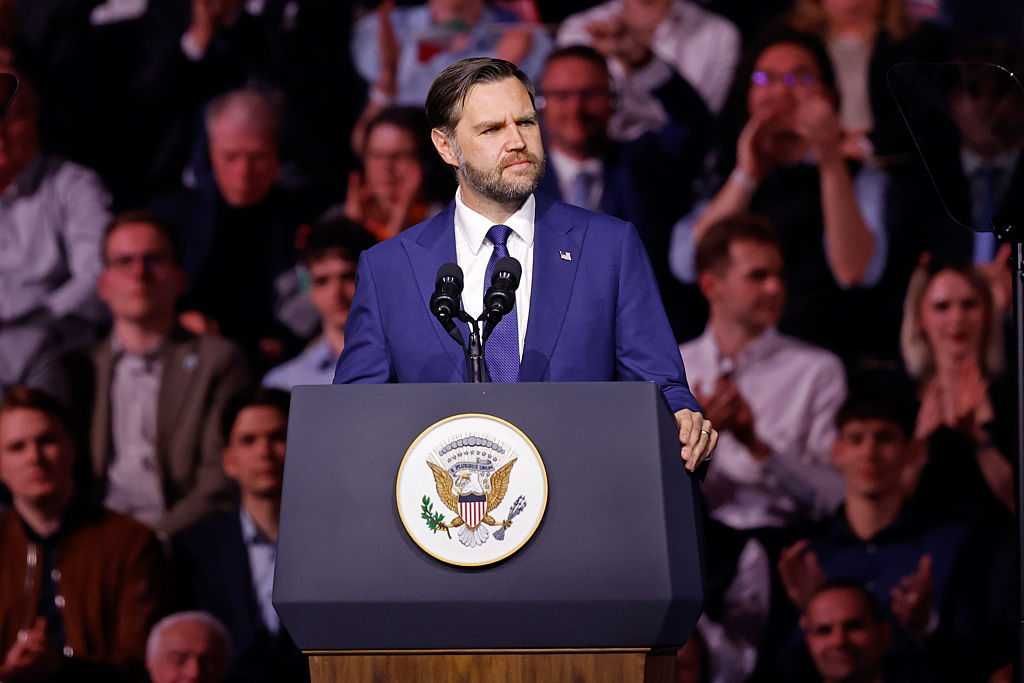
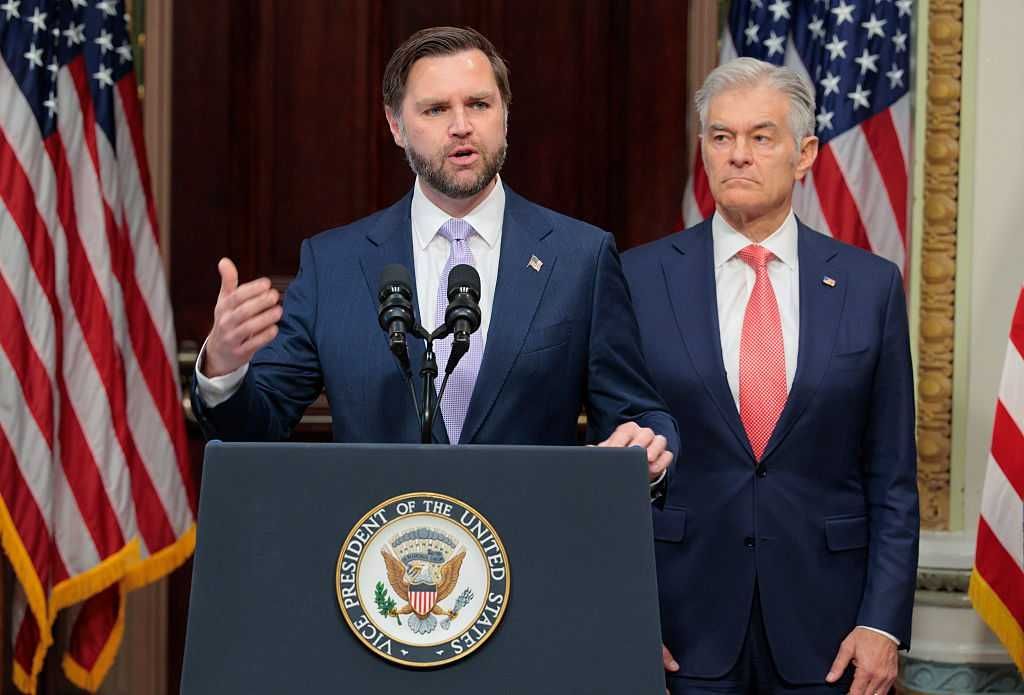
JD Vance might be unstoppable in 2028


Conventional wisdom suggests that the 2028 Republican primary is shaping up to be a chaotic affair. Supposedly, it’s anyone’s game, as Vice President JD Vance is weaker than he appears, while potential adversaries, including Marco Rubio, are gaining an advantage.

This view is untethered from reality. The fact is that the 2028 Republican nomination is Vance’s to lose. The faulty prevailing opinion has calcified for two reasons: a poor reading of history and a deficient understanding of the political landscape.

JD Vance has had one of the fastest rises to the executive branch in modern American political history.

“George H.W. Bush is the only sitting vice president in the last 190 years (since 1836) to be elected president,” an MS Now analyst recently wrote. He is not alone: the “190 years” number has been trotted out by those who contend that Vance stands little chance of winning the presidency in 2028.

On its face, this line of argument should be ignored because comparing the politics of 1840s America to the present is a fool’s errand: The country has changed significantly in that time, as has the party system.

Looking to history

But even if one disregards this, another historical fact emerges: For much of American history, the vice presidency wasn’t “worth a bucket of warm piss,” to borrow an infamous line from Vice President John Nance Garner. It was mostly used to balance a presidential ticket geographically and had little power on its own, as the office was typically a capstone to one’s career rather than a stepping stone to the presidency.

Particularly ambitious politicians instead sought the position of secretary of state, which often acted as the president’s chief adviser. Every commander in chief from Thomas Jefferson through John Quincy Adams served as secretary of state, as did Martin Van Buren, James Buchanan, and a host of individuals who lost the presidency.

Andrew Jackson broke this mold by picking Van Buren, his ideological successor, to be his vice president, as Jackson was specifically seeking to undertake a long-term political revolution. He was the only president to select his second-in-command for such a purpose — that is, until Donald Trump picked JD Vance.

Since Van Buren won the presidency in 1836, only three incumbent vice presidents sought to succeed a two-term president of their own party: Richard Nixon, George H.W. Bush, and Al Gore. Nixon and Gore lost razor-close contests. Al Gore won the popular vote in 2000 and would likely have been president had the infamous butterfly ballot not confused a few thousand voters in liberal Palm Beach County into voting for arch-conservative Pat Buchanan.

Out of the remaining incumbent vice presidents who ran, two did so after one-term presidents suddenly dropped out — Hubert Humphrey after Lyndon Johnson and Kamala Harris after Joe Biden — and were therefore forced to run abbreviated campaigns. The third, John Breckinridge, ran in the four-way 1860 election in which his party was split in two, a situation that’s not analogous to today. The final incumbent vice president, John Adams, ran after George Washington and won, but he did so under an entirely different electoral system.

The tally of incumbent vice presidents running after a two-termer of their same party is two large wins (Van Buren and Bush) and two incredibly narrow losses (Nixon and Gore). The wins tally jumps to three if Adams is included.

This is hardly a reason for Vance to be concerned with history being a hindrance to his hopes of winning the White House. Plus, neither Nixon nor Gore was running as specific ideological inheritors of their respective presidents’ legacies. Gore arguably ran away from Bill Clinton, while Van Buren and Bush were successors — and they both won.

RELATED: The Trump administration is cracking down on fraud

Chip Somodevilla/Getty Images

Ahead of the pack

“It’s anybody’s to win” is a second piece of conventional wisdom stated without evidence. Polling on the GOP 2028 nomination so far reveals an indisputable picture: Vance is dominating his competition. The RealClearPolitics average has him at around 40% — which is 20% ahead of his nearest competitor. A recent Echelon poll had Vance similarly ahead, as have a bevy of others.

Only a recent Atlas poll shows Marco Rubio leading Vance. But there are numerous reasons to question that poll, from the sudden massive swing to Rubio to Alexandria Ocasio-Cortez leading the pack among Democrats.

In the Trump era, political analysts have grown accustomed to one man dominating the Republican Party’s primary contests. But Vance’s dominance two years out is also historically stronger than most previous nominees not named Trump.

In 1986, although George H.W. Bush was leading, he was stuck at 29%, in front of Senator Howard Baker by only 13%. In 1998, his son George W. Bush led with 30%, only 16% ahead of Elizabeth Dole, who had not yet been elected senator. Other than Trump, no Republican has so clearly led the field in the history of modern presidential primary elections — and Vance has done this without a definitive Trump endorsement, which would likely send his numbers even higher.

Then there are Vance’s prospective challengers. Though Secretary of State Marco Rubio often places second, the secretary has repeatedly ruled out running against Vance, saying at one point, “If JD Vance runs for president, he’s going to be our nominee, and I’ll be one of the first people to support him.” The specificity of Rubio’s statements, seen with his and Vance’s repeated expressions of praise for each other, would make any Rubio candidacy extraordinarily difficult.

Running now would destroy Rubio’s relationship with Vance and his wing of the party, and arguably with some in the administration. Rubio would need to explain why he changed his mind on Vance, and he would also likely have to resign from office a year and a half early to campaign. Many outside observers insist that a race between the two is on, but that seems based on a desperation for clicks — or a desperation to stop Vance — rather than on real evidence.

The secretary of state is an extremely effective politician, is careful with his words, and is incredibly experienced. He will make a phenomenal president. But if he wanted to run in 2028, he would not have said what he said.

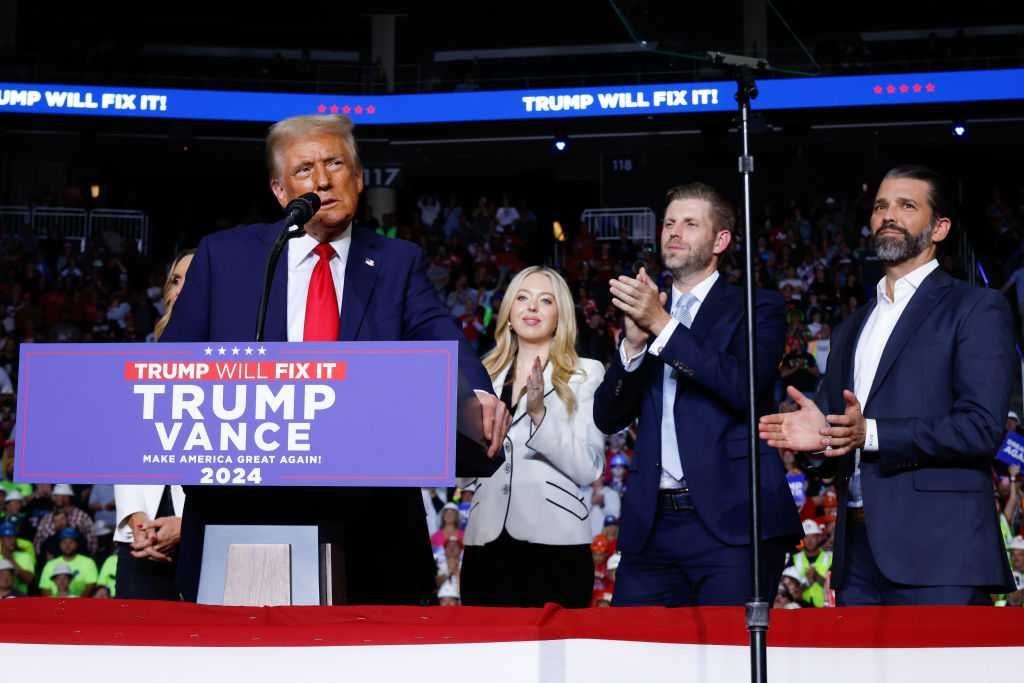
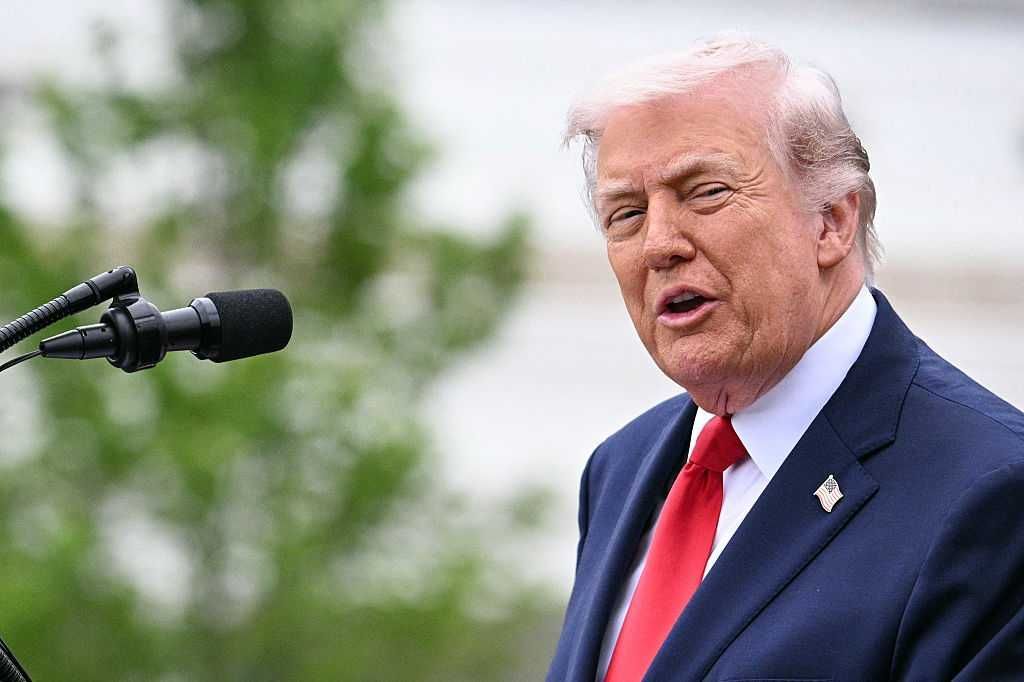
What about the president’s son, Donald Trump Jr.? He also polls rather well, usually placing third but sometimes second. The younger Trump, like Rubio, has been at the center of endless presidential chatter for months. In the past few weeks alone, multiple articles from outlets as diverse as the Los Angeles Times and the American Conservative have talked up a Trump Jr. candidacy.

But there is one person not talking up a Trump Jr. presidential run: Trump Jr. Like Rubio, he has explicitly and repeatedly made clear he will not run against Vance. He has expressed frustration at the constant speculation, at one point angrily castigating a Mediaite article, and following it up with another condemnation of the idea on X.

Other candidates known to voters, such as Florida Governor Ron DeSantis and Texas Senator Ted Cruz, are unlikely to catch fire. If Americans wanted to support them, they would already be polling well.

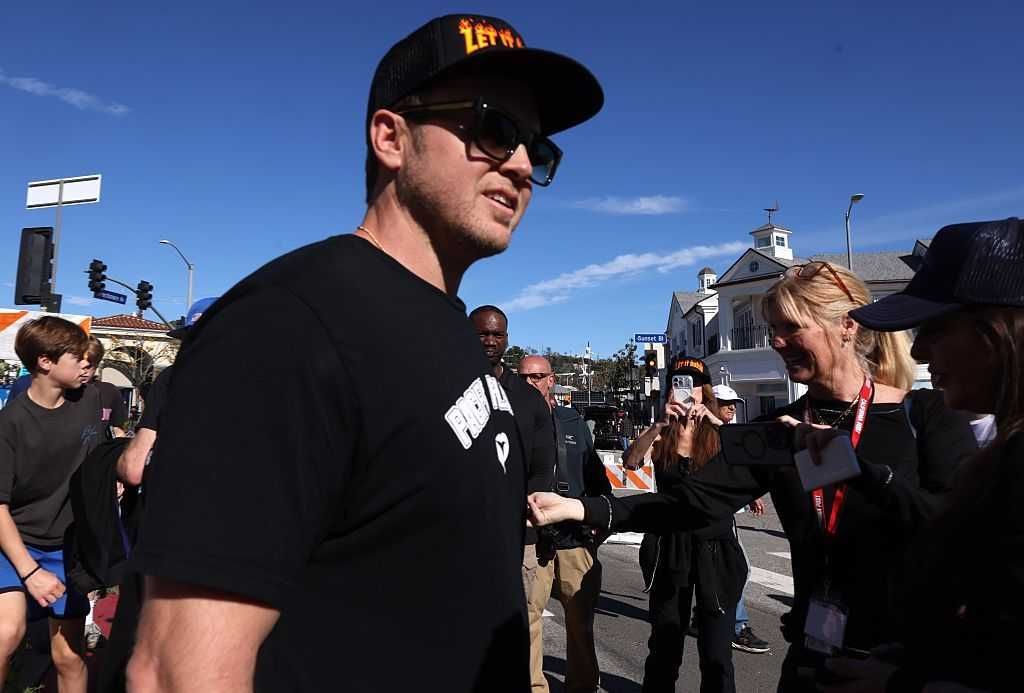
RELATED: Spencer Pratt is showing conservatives how it’s done

Genaro Molina/Los Angeles Times/Getty Images
Staying the course

Of course, there is the possibility that Vance may not run. Those who are desperate for him to stay away from the White House have seized on reporting that Vance would wait to decide to run until after the summer, when his fourth child is born. His desire to wait to make a decision is eminently reasonable; any parent can attest to the change a new child brings, particularly if it is one’s fourth.

But Vance’s statement was also entirely standard. He will be going on a book tour this summer, a perfect soft launch for an unofficial candidacy — unofficial because he would never announce his run before the midterm elections, and there are still two and a half years left in his term.

Until he formally announces, which will likely happen next year, Vance will continue doing what he’s been doing: supporting the president and the administration, fundraising for Republican candidates, and dominating the polls.

It is easy to forget that JD Vance has had one of the fastest rises to the executive branch in modern American political history. Even Barack Obama, who seemed to ascend quickly to the presidency, followed a relatively traditional political path: state senator to senator to president over the course of 12 years. Vance, by contrast, won a U.S. Senate race in 2022 and then the vice presidency only two years later. Now he is the obvious ideological successor to two-termer Donald Trump.

The future is never certain. But in our era of shocking twists, too many have been primed to expect the unexpected. Sometimes reality is obvious: JD Vance is the clear front-runner for the 2028 Republican nomination.

Editor’s note: This article appeared originally in The American Mind.

Vanessa Trump Reveals Breast Cancer Diagnosis

'I am staying focused and hopeful'

Trump drops IRS lawsuit to establish $1.7 billion fund protecting Americans from government weaponization


President Donald Trump has dropped his lawsuit against the Internal Revenue Service on Monday after agreeing to a settlement that requires the Department of Justice to create a fund for government lawfare victims.

Trump, his two eldest sons, and the Trump Organization sued the IRS in January for $10 billion after a former IRS contractor admitted to leaking Trump’s tax documents to left-leaning media outlets.

'The machinery of government should never be weaponized against any American, and it is this department’s intention to make right the wrongs that were previously done while ensuring this never happens again.'

Court filings show that the complaint was dismissed with prejudice.

Trump, his sons, and the Trump Organization will receive a formal apology but no monetary damages.

“They have agreed, in exchange for the creation of this fund, to drop their pending lawsuit with prejudice, and also withdraw two administrative claims including for damages resulting from the unlawful raid of Mar-a-Lago and the Russia-collusion hoax,” the DOJ announced.

As part of the settlement agreement, the attorney general established the $1.776 billion Anti-Weaponization Fund to “provide a systematic process to hear and redress claims of others who suffered weaponization and lawfare.”

RELATED: IRS lacks ‘adequate controls’ to protect sensitive taxpayer info from unauthorized access: IG report

Kayla Bartkowski/Getty Images

The fund, consisting of five members appointed by the AG, will have the authority to issue formal apologies and monetary relief to victims.

One member of the fund will be selected in consultation with congressional leadership, and the president has the authority to remove any member.

RELATED: IRS contractor who leaked tax records of Donald Trump, 'thousands' of others gets prison time

Chip Somodevilla/Getty Images

“The machinery of government should never be weaponized against any American, and it is this department’s intention to make right the wrongs that were previously done while ensuring this never happens again,” acting Attorney General Todd Blanche stated. “As part of this settlement, we are setting up a lawful process for victims of lawfare and weaponization to be heard and seek redress.”

Like Blaze News? Bypass the censors, sign up for our newsletters, and get stories like this direct to your inbox. Sign up here!

Exclusive New Details About Trump’s Presidential Library

We got our first glimpse this week of the plans for Donald Trump's presidential library in Miami. It's going to be a massive tower on prime waterfront real estate. It looks pretty cool and American—unlike former president Barack Obama's concrete monstrosity, which looks like a Soviet-era alien temple.

The post Exclusive New Details About Trump’s Presidential Library appeared first on .

Progressive Media Watchdogs Bash CNN’s Kalshi Partnership

CNN’s new partnership with the prediction market Kalshi has drawn criticism from unlikely sources: Liberal media watchdogs have come out in force to condemn the left-wing cable network’s foray into predictive gambling.

The post Progressive Media Watchdogs Bash CNN’s Kalshi Partnership appeared first on .

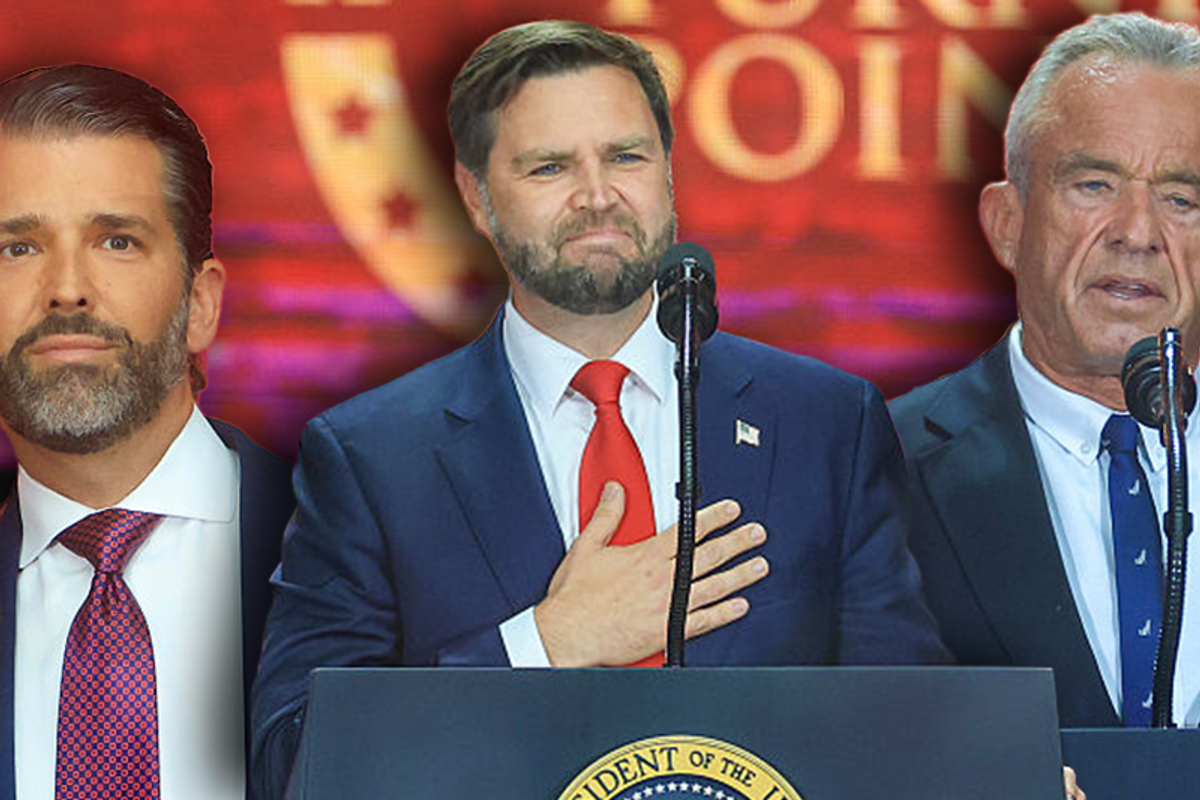
'Charlie brought the truth': Vance, RFK Jr., and Trump Jr. honor Charlie Kirk's fight and passion


A series of monumental speeches were given at Charlie Kirk's memorial in Glendale, Arizona, on Saturday.

Between 100,000 and 300,000 supporters packed State Farm Stadium, Desert Diamond Arena, and the streets in between to honor Kirk's life.

Kirk was murdered on September 10 during a college tour stop in Utah.

'Kindness, courage, and a commitment to open debate.'

The event, titled "Building a Legacy: Remembering Charlie Kirk," lasted over five hours and featured speeches from Director of National Intelligence Tulsi Gabbard, Rep. Anna Paulina Luna (R-Fla.), and Kirk's widow, Erika Kirk.

Before Kirk's wife took the stage, however, other members of the Trump administration gave powerful speeches that were not only kind and heartfelt but encouraging and motivational.

Vice President JD Vance told the audience in Arizona that it was "from this desert Charlie Kirk built a movement," referring to Turning Point USA. He encouraged the organization, and the movement it represents, to keep growing and moving forward.

"Charlie brought the truth," Vance continued, energizing the audience. He explained that Kirk believed young people deserve a voice and a future worth fighting for. This includes a guarantee that America's government provide safe neighborhoods and prosperity to its people, Vance went on.

RELATED: 'I forgive him': Erika Kirk's powerful message to Charlie's alleged assassin

— (@)

The vice president said he admired Kirk's "kindness, courage, and a commitment to open debate," which he described as a vehicle for "bringing the light of truth to dark places."

Similarly, HHS Secretary Robert F. Kennedy Jr. said that one of Kirk's greatest qualities was that he "always gave the biggest microphone to the people who were most passionately aligned against him."

Kennedy sat with his wife, Cheryl Hines, in the audience as the two listened attentively to others speak until it was the secretary's turn.

"[Charlie] thought that conversation was the only way to heal our country. And this was particularly important during a technological age, when we are all hooked into social algorithms that ... amplify our impulses for tribalism and for division. He felt that the only way to overcome that biological impulse was with a spiritual fire and with developing community — and the only way to develop community was through conversation," the secretary added.

RFK Jr. discussed faith and Christianity and spoke passionately about how much Kirk believed in God.

"It's only by surrender to God that God's power can flow into our lives and make us effective human beings," Kennedy said.

RELATED: Charlie Kirk supporters offer prayers and praise as memorial kicks off
— (@)

First son Donald Trump Jr. stressed that Kirk's progress cannot die out and that the passion he poured into TPUSA be carried on with the organization. This, along with the pursuit of the American dream, must manifest through evangelism within the United States, he continued.

"If we're truly going to honor Charlie properly, his loss cannot be the end of the story. His legacy must be that when they took his life, a million more Charlies stepped up to fill the void," Trump Jr. passionately remarked,

"We won't back down. We won't be intimidated."

"Our message of faith, family, and country will not be silenced."

RELATED: Why Charlie Kirk's murder feels personal — even if you never met him

— (@)

Trump Jr.'s words echoed those spoken by many, who all recognized Kirk's wish that the youth of America push forward with a more conservative and Christian set of ideals.

Several speakers, including Trump Jr., described how Kirk started his activism at very young age, as a model for other young conservatives. However, not everyone did an impression of the president, as Trump Jr. did.

"You're getting a little aggressive on social media, Don," Trump Jr. joked in his father's voice. "Relax."

Like Blaze News? Bypass the censors, sign up for our newsletters, and get stories like this direct to your inbox. Sign up here!

Drug middlemen launch attacks against MAGA allies pushing for health care reforms


Pharmacy benefit managers like CVS are going after President Donald Trump's allies who are seeking meaningful health care reforms for their constituents.

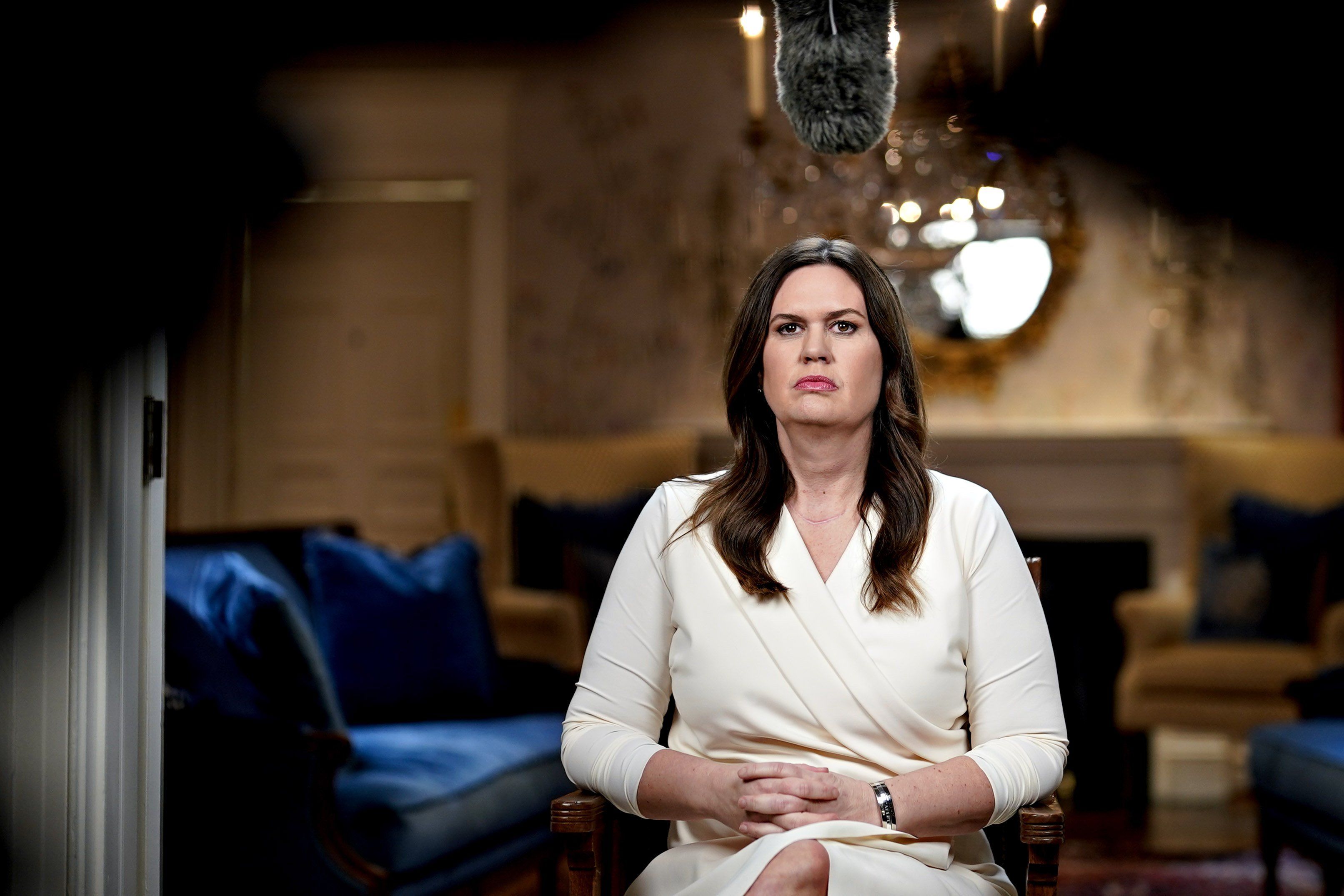
Arkansas Gov. Sarah Huckabee Sanders (R) and Louisiana Gov. Jeff Landry (R) have become the primary target of PBMs, which are threatened by their push to implement reforms in drug costs. Threatened by MAGA allies, PBMs have now escalated these conflicts to legal disputes.

'These massive corporations are attacking our state because we will be the first in the country to hold them accountable.'

RELATED: Who is bankrolling the anti-MAHA movement?

Photo by Andrew Harnik/Getty Images

In April, Huckabee Sanders signed legislation banning PBMs from "engaging in anticompetitive practices" by owning pharmacies. PBMs are tasked with negotiating drug prices between pharmacies and insurance companies, but by buying up pharmacies, they are able to take advantage of the health care system and inflate the cost of pharmaceuticals, pushing competitors out of business, according to Huckabee Sanders' press release.

“For far too long, drug middlemen called PBMs have taken advantage of lax regulations to abuse customers, inflate drug prices, and cut off access to critical medications," Huckabee Sanders said in a statement. “Not any more. These massive corporations are attacking our state because we will be the first in the country to hold them accountable for their anticompetitive actions, but Arkansas has never been afraid to be a conservative leader for America.”

The Pharmaceutical Care Management Association promptly retaliated and filed a lawsuit challenging the legislation, calling it a "fundamentally flawed law" that they say "could shutter pharmacies, restrict access to critical medications for patients and families, increase health care costs, and eliminate jobs."

RELATED: Pharmacy middlemen didn’t break health care — the feds did

Samuel Corum/Sipa/Bloomberg via Getty Images
Landry has become involved in his own legal disputes with PBMs. Landry, alongside Louisiana Attorney General Liz Murrill, filed three separate lawsuits against CVS in June for allegedly interfering with legislation that also would have prevented PBMs from owning and simultaneously operating pharmacies.

"PBMs are not health care providers," Landry said. "They are corporate profiteers inserted into the most intimate part of your life and your health."

Although several of Trump's allies have been targeted by PBMs, criticism of the pharmaceutical industry is generally bipartisan.

Mark Cuban recently called out Democratic Sen. Elizabeth Warren of Massachusetts for claiming that Big Pharma is responsible for high drug costs when, he says, PBMs are the real culprit.

"It's because PBMs corrupt healthcare," Cuban said in a post on X. "Big Pharma wishes they could set their own pricing. They don't. PBMs control formularies and manipulate prices, in exchange for providing pharma access to patients. It's how they maximize rebate revenue. In fact, 3 PBMs NEGOTIATE MORE THAN 90% OF REBATES for commercial insurance plans. That's your area of expertise, and you have done nothing."

Cuban's criticisms promptly earned the unlikely praise of some of the most prominent voices in MAGA world.

"Didn’t think I’d be RTing Mark for a while, but he’s 100% right on this issue," Donald Trump Jr. replied in a post on X.

Like Blaze News? Bypass the censors, sign up for our newsletters, and get stories like this direct to your inbox. Sign up here!

America First goes wireless: Trump Organization makes major product launch announcement


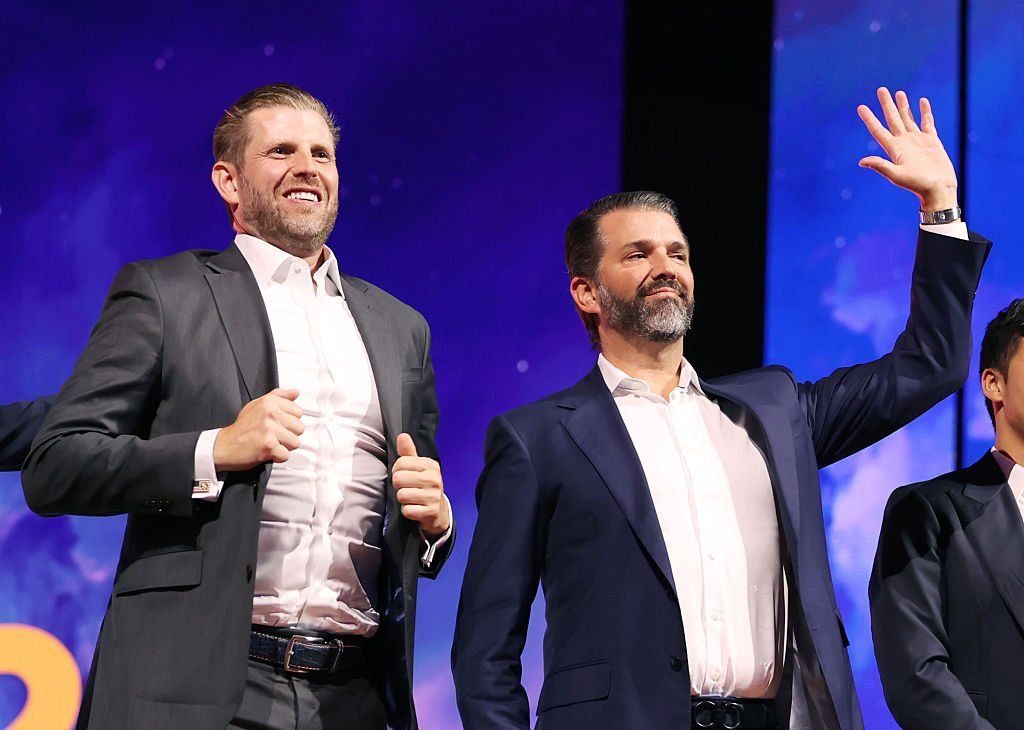
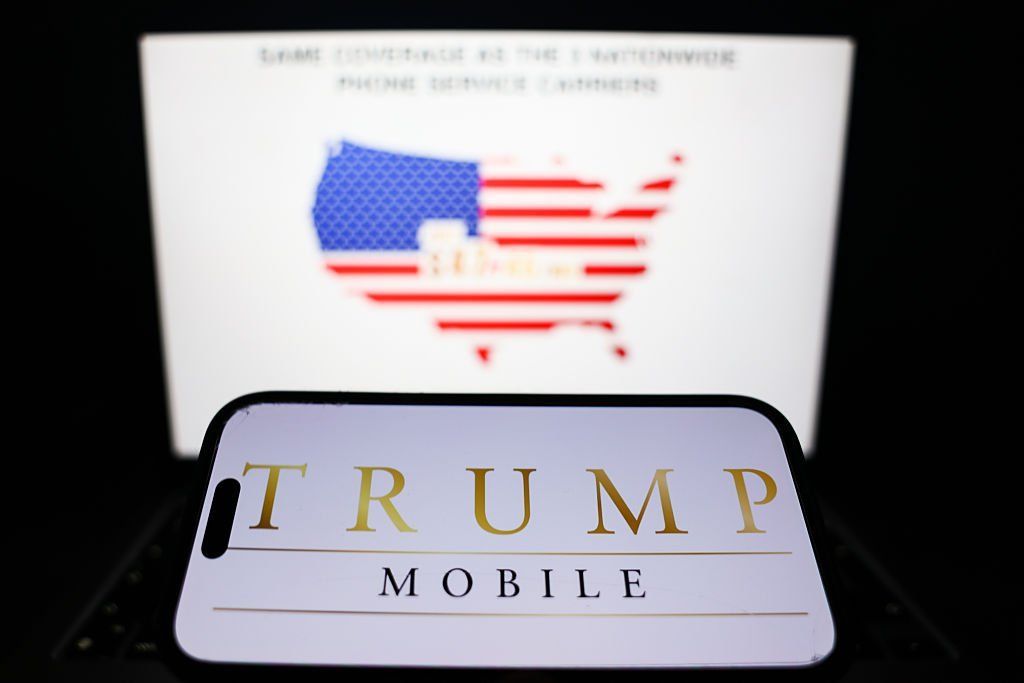
The Trump Organization, which provides services in many sectors of the economy — including real estate development, entertainment, and financial services — is adding a new venture to its growing portfolio. The Trump Organization, run by President Trump's sons Eric and Donald Jr., announced the launch of its very own mobile wireless company, Trump Mobile.

The launch of Trump Mobile comes on the 10-year anniversary of the launch of President Trump's first presidential campaign. They are promising "top-tier connectivity, unbeatable value, and all-American service for our nation's hardest-working people."

'We're building on the movement to put America first, and we will deliver the highest levels of quality and service.'

"Our company is based right here in the United States because we know it’s what our customers want and deserve," Donald Trump Jr. said in an announcement. "We're building on the movement to put America first, and we will deliver the highest levels of quality and service."

The flagship program, the 47 Plan, costs $47.45 per month, a commemorative number for Trump's service as the 45th and 47th president of the United States. It works with all three major carriers in the U.S., making it a reliable option coast to coast. On top of that, the plan offers unlimited talk, text, and data; telehealth services; and free international calling, among many other features.

RELATED: JD Vance pushes America First position on India-Pakistan conflict: 'None of our business'

Photo by Jakub Porzycki/NurPhoto via Getty Images

The service has some additional perks in the spirit of President Trump's American First agenda. "We're especially proud to offer free long-distance calling to our military members and their families — because those serving overseas should always be able to stay connected to the people they love back home," Eric Trump said in his announcement.

Additionally, the announcement includes the launch of a phone to go along with the mobile network: the T1 Phone. The T1 Phone is a "sleek, gold smartphone" manufactured in the United States. It will be available starting in August.

Like Blaze News? Bypass the censors, sign up for our newsletters, and get stories like this direct to your inbox. Sign up here!