The FDA is undermining a culture of life inside and outside the womb
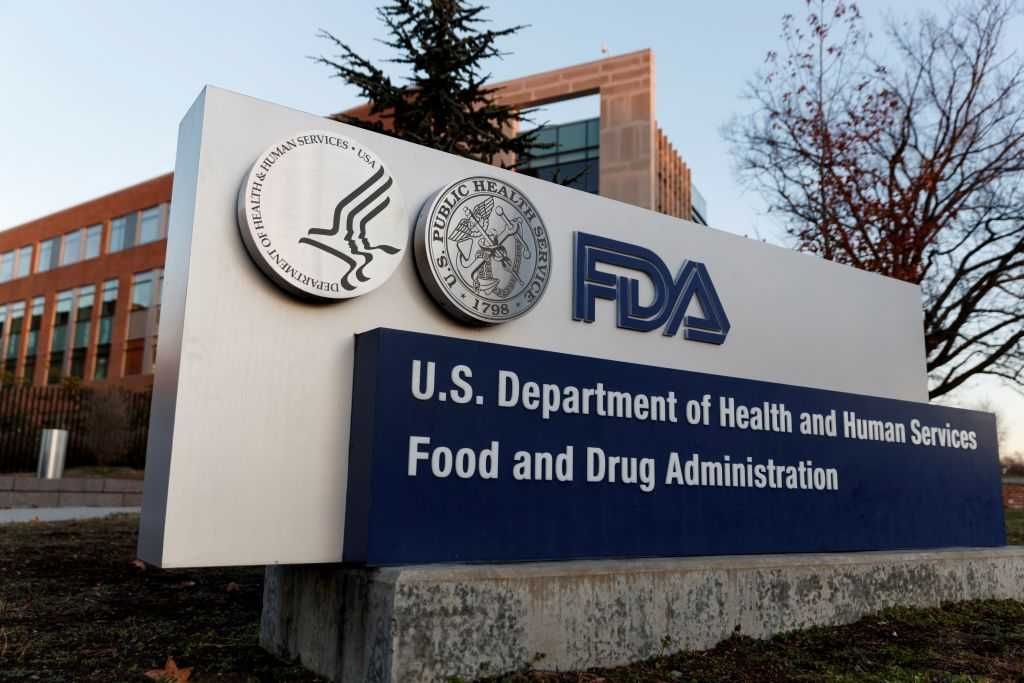
Last Friday during the annual March for Life, President Trump delivered a pledge to the nation: His administration stands for the “infinite worth and God-given dignity of every human life.” Vice President JD Vance's remarks at the rally were just as clear: We must “build up that culture of life” and “cannot be neutral. Our country cannot be indifferent about whether its next generations live or die."
Vance and Trump were primarily talking about the unborn. But their principles clearly include providing the right to life — as well as health and safety — for all citizens, especially the most vulnerable among us.
We have entire policies at the FDA dedicated to making it more difficult for children inside and outside the womb to live the lives they deserve.
Unfortunately, these principles have been undermined by a few key officials at the Food and Drug Administration, and not just for unborn children. Thousands of kids with rare diseases have seen valuable treatments slowed or even halted since last summer, thanks to FDA Commissioner Marty Makary and Chief Medical Officer Vinay Prasad.
As one of the oldest living Americans with spina bifida (I celebrate my 60th birthday this year), I understand the value of providing children with rare and fatal diseases the ability to improve or even extend their lives from a personal, policy, and political perspective. I took that knowledge into the first Trump administration as the commissioner of the Administration on Disability at the Department of Health & Human Services. Today, I’m deeply concerned by what Makary, Prasad, and — at times — Health & Human Services Secretary Robert F. Kennedy Jr. have done to reduce children’s ability to live the full length of their God-given lives.
Those concerns were why I raised the alarm when RFK Jr. was going through his Senate hearings a year ago. He had been openly supportive of abortion on the presidential campaign trail, but I and other concerned pro-life advocates were told that he would have plenty of pro-lifers around him and that people would become policy. They were right: People didbecome policy, but not the way we had hoped. Now, we have entire policies at the FDA dedicated to making it more difficult for children inside and outside the womb to live the lives they deserve.
Last October, the FDA outraged pro-life warriors across the country by approving a cheaper version of mifepristone, one of the most prevalent and notorious abortion drugs on the market. Women can have these drugs dropped off in their mailboxes and have abortions in the “comfort” of their own homes. The pro-abortion Guttmacher Institute estimates there were over 640,000 chemical abortions in 2023 — 63% of the total abortions that year.
In 2026, there will be even more.
That number, troubling enough on its own, understates the problem because it doesn’t account for the injuries these drugs inflict on the women who take them. One devastating fact I have learned in my advocacy for people with disabilities is the particular hazard the abortion pill presents for women who use wheelchairs or otherwise live with limited mobility. Any drug that causes blood clots — and abortion drugs definitely do — will be a deadly danger to people who have limited mobility.
FDA Chief Medical Officer Vinay Prasad is similarly problematic for those who support protecting life. He not only supports legalized abortion, but since his appointment in mid-2025, Prasad has held up the production of drugs and treatments that would make real differences in the lives of kids who suffer from rare diseases like Sanfilippo syndrome and Duchenne muscular dystrophy.
In 2018, Prasad opposed the Trump “right to try” doctrine, through which hundreds of patients have seen amazing results from drugs still in their experimental stages or through off-label usage. That number could be higher if Prasad’s red tape weren’t keeping effective drugs in “pre-approval” limbo.
RELATED: No, President Trump: The sanctity of life is not ‘flexible’

At HHS, the buck stops with RFK Jr. But ultimately in our government, the buck stops at the Oval Office. Trump and Vance recommitted to supporting life on Friday, and that commitment must be consistent throughout the administration. The FDA’s actions against the unborn and children with disabilities and rare diseases threaten to undermine what should be a slam dunk for Trump’s pro-life legacy.
In short, HHS and FDA appointees should be defending life, not quietly undermining it. Vance and Trump can make that happen.


 www.theblaze.com