Corporate giants vs. the family farm: New initiative targets the monopolies pillaging rural America


The American family farm is being systematically wiped out as corporate monopolies are taking over our food supply.

That’s why Joe Maxwell of the Farm Action Fund has launched the bipartisan Rural Independence Initiative — to take on what BlazeTV host Daniel Horowitz calls the pillaging of rural America.

“We just released a paper along with the launch of the Rural Independence Initiative, a bipartisan, cross-partisan organization, the only political organization that’s pro-healthy food, pro-farmer, pro-rural America,” Maxwell tells Horowitz.

“We want candidates that will fight for markets — fair and free markets — healthy food, and economic independence from monopoly control,” he explains, pointing out that he doesn’t care whether they’re Democrats, Republicans, or Independents.


Maxwell says this is because “both parties are working against the people and for corporate monopoly oligarchy control of our economy.”

“And therefore, what we eat, what we can raise, how we’re going to produce it, and then ultimately control of our government,” he adds.

“Exactly, because if you look at the farm bills, which are always overwhelmingly bipartisan, they’re pushed by both parties, the same monopolization of the land, obsessive support for very specific things, very specific crops, often not even for food,” Horowitz agrees.

“So, they’ll say, ‘I’m for rural America, America’s farms, America’s heartland.’ But the reality is, they’re all on the same side. They’re all against us,” he adds.

And while Maxwell is fighting for rural America, what he’s fighting for isn’t special treatment, but fairness.

“A rural worker will make about $24,000 a year less than the average metropolitan worker. ... Rural grandparents will see more of their grandchildren die before the age of 1 than metropolitan grandparents, and rural grandchildren will lose their grandparents three years earlier than metropolitan,” he explains.

“So, the policy has to begin with a lens towards representing people, individual businesses — whether that’s a meat packer or a light manufacturer in rural America or whether that’s the farmer,” he continues. “We have to break the grip that these companies have on these sectors to restore the wealth and the quality of life for rural Americans.”

RFK Jr. Trashes Estrogenic Seed Oils In Trump Endorsement Speech

Kennedy explained Americans are getting sick from a toxic food supply saturated with hyper-processed edibles laden with seed oils.
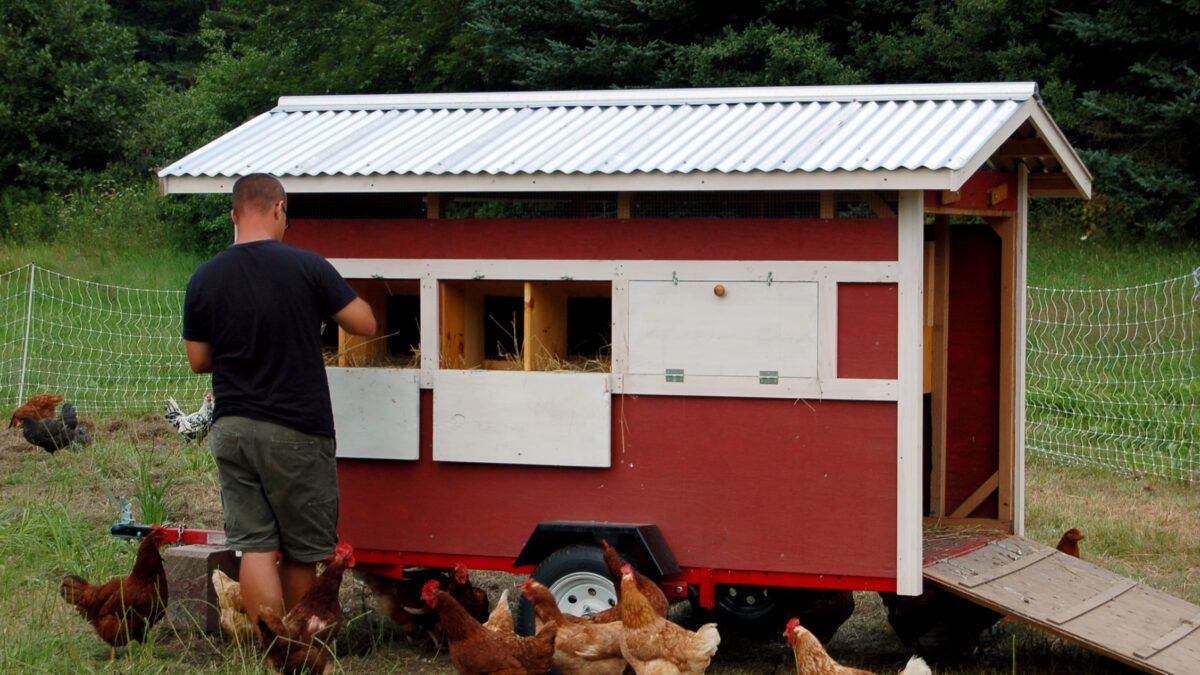
Covid Fearmongering Worked So Well, The Government Is Now Creating A Poultry Panic

As avian flu is making headlines, fears that 'they’re coming for your chickens' are being realized.

Dutch Farmers Revolt Against Globalist Food Control That Leaves People Poorer And Hungrier

Small-scale, local farms dispersed through the countryside are the best antidote to globalism. Buy local.
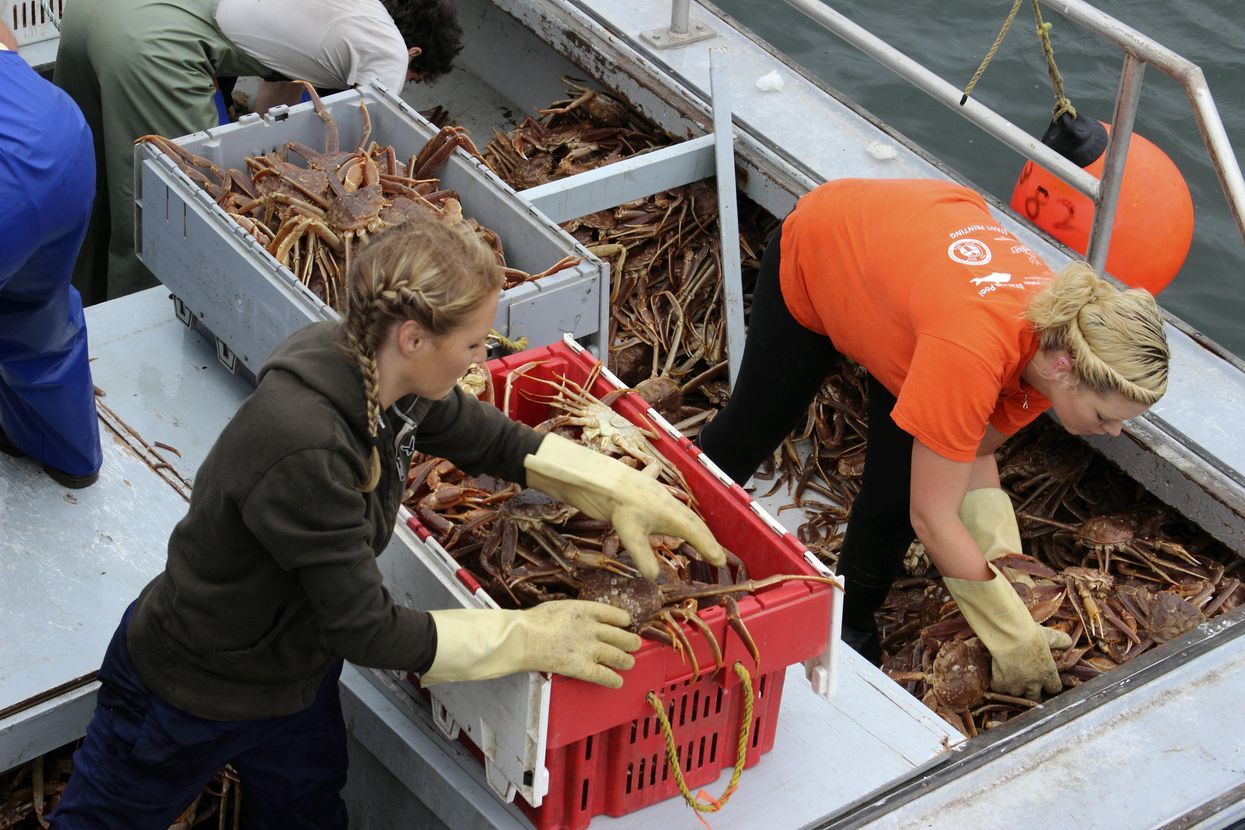
Alaska's snow crab season canceled for the first time ever, officials perplexed by mysterious disappearance of 1 billion crabs


A mysterious disappearance of an estimated 1 billion snow crabs has forced Alaska to cancel the winter snow crab season – the first time in state history.

On Monday, the Alaska Department of Fish and Game (ADF&G) canceled the entire 2022-2023 snow crab season.

The Alaska Department of Fish and Game declared, "The stock is estimated to be below the ADF&G regulatory threshold for opening a fishery. Therefore, Bering Sea snow crab will remain closed for the 2022/23 season."

For the second year in a row, ADF&G officials canceled the Bristol Bay red king crab harvest for the 2022-2023 season.

There has been a sudden and dramatic plunge in crab stocks in the region.

Miranda Westphal – an area management biologist with the Alaska Department of Fish and Game – noted that the conservation organization had seen the "largest pulse of small crab we’d ever seen in the history of the fishery" in 2018.

However, the Alaska Department of Fish and Game told USA Today that there was a whopping 92% decrease in overall snow crab abundance from 2018 to 2021. Last year's snow crab harvest was 5.6 million pounds – the smallest in more than 40 years.

An estimated 1 billion snow crabs have mysteriously disappeared in two years, state officials told CBS News.

Westphal said the 2021 harvest was "the biggest crash we’ve ever seen in snow crab."

"That was really unexpected," she added. "I don’t think anyone saw this coming."

Scientists are bewildered by the sudden disappearance of snow crabs.

The Seattle Times reported, "Scientists are still researching the causes of the snow crab population collapse, which likely include increased predation as well as stresses from the warmer water that caused crabs’ metabolisms to increase and could have led to starvation."

Ben Daly – a researcher with ADF&G – said, "Disease is one possibility."

The cancelation of the snow crab season could cost the state's economy $200 million and could be career-ending for some.

Dean Gribble Sr. – a crab boat captain who has fished for snow crab since the late 1970s – told NBC News, "It's going to be life-changing, if not career-ending, for people. A lot of these guys with families and kids, there’s no option other than getting out. That’s where the hammer is going to fall – on the crew."

The ADF&G said going forward, "Management of Bering Sea snow crab must now focus on conservation and rebuilding, given the condition of the stock."

In 1983, there was a similar crash that wiped out a massive amount of the population of the Alaskan king crabs. At the time, scientists were perplexed by the mysterious disappearance of Alaskan king crab and blamed factors "ranging from parasitic disease to increasing losses to predatory fish species to warmer ocean currents to overfishing."

The canceled snow crab season will contribute to the ever-growing food shortages that have been felt worldwide.

Alaska snow crab harvest canceled for first time ever www.youtube.com

What The Ukraine War Revealed About The World’s Fragile Food Supply Chains

Russia’s war on Ukraine intensified and exacerbated problems in market dynamics, trade flows, and food production in unprecedented ways.