Global warming powered an empire that dwarfed the Vikings
Popular culture loves its image of Norsemen shivering in fur pelts, raiding British monasteries, and braving the icy North Atlantic. Yet while Vikings struggled to survive on the thawing margins of Greenland, a far richer and more formidable maritime power flourished thousands of miles away in the tropical warmth of southern India.
That power was the Chola Empire.
A modern golden age remains within reach — provided we do not cripple ourselves with fear of the very conditions that have so often underwritten human prosperity.
At its height between 985 and 1044 A.D., the Cholas projected force on a scale that made Viking longships look like backyard skirmishers. Their ships were technological marvels — floating fortresses capable of transporting cavalry, infantry, and weeks of provisions across vast distances.
The Cholas mounted a major naval expedition against the Srivijaya Empire, a dominant maritime power based in what is now Indonesia and the Malay Peninsula. This was an amphibious assault conducted thousands of miles from home ports, a logistical achievement comparable to modern naval operations. The Cholas toppled rulers, secured the vital Malacca Strait, and guaranteed safe passage for merchant guilds trading from the Middle East to China.
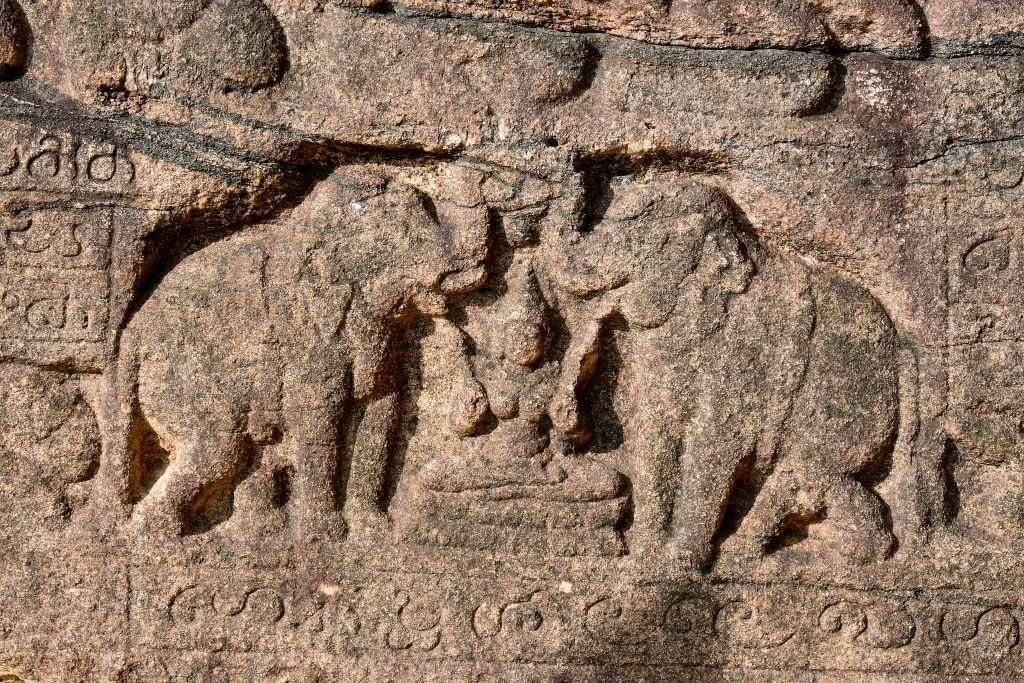
On land, they maintained a standing army that included thousands of war elephants.
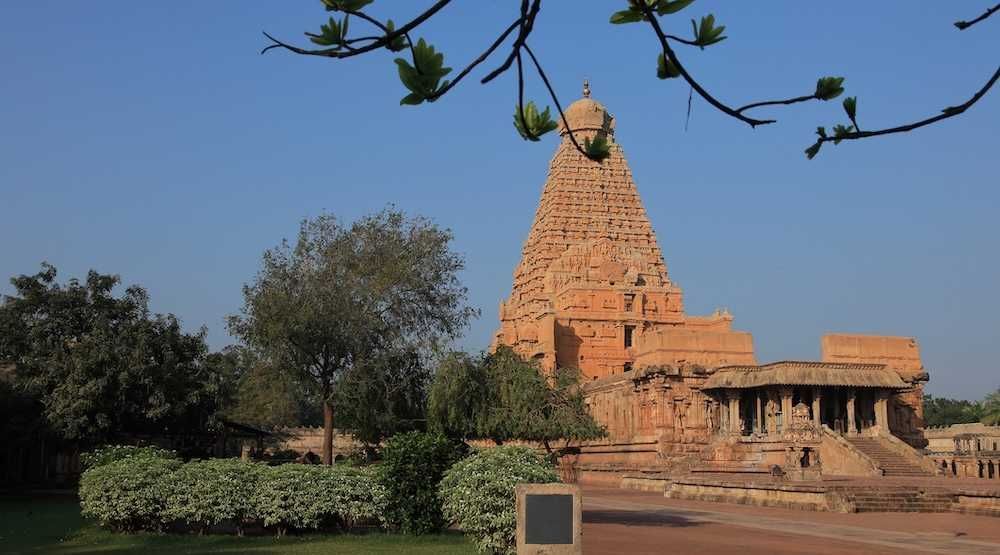
Their wealth also found expression in stone. The Great Living Chola Temples — now recognized as UNESCO World Heritage sites — stretch across southern India and neighboring islands. Built without modern machinery, these monumental structures relied on elephants to haul massive stones from distances of up to 60 miles.
Chola society possessed abundant labor, food, and wealth. The question is why.
What enabled a civilization to generate the immense caloric and economic surplus required to build stone monuments and launch armadas across the Indian Ocean? A large part of the answer lies in climate — specifically, global warming.
The rise of the Chola Empire coincided with the Medieval Warm Period, which lasted roughly from 900 to 1300 A.D. This relationship between warmth and human flourishing is inconvenient for the modern climate-industrial narrative, which treats rising temperatures as an unqualified catastrophe.
Warmth strengthens tropical monsoons, the lifeblood of agrarian economies like the Cholas’. Recent scientific research confirms that fluctuations in the Indian summer monsoon shaped agricultural output and the rise and fall of major dynasties. Indian civilization flourished during the Roman Warm Period, fractured during the Dark Ages Cold Period, and reached new heights under the Cholas during the Medieval Warm Period.
The Chola Empire was sustained by the very kind of warming modern activists describe as an “existential threat.”
RELATED: ‘Green Antoinettes’ live large, preach small
In the Cauvery Delta — the empire’s heartland — this favorable climate transformed the region into the “Rice Bowl of the South.” Three harvests a year became common. Granaries overflowed. Revenues surged.
That surplus freed labor from subsistence farming and redirected it toward imperial ambition. Chola trade guilds thrived, exporting textiles, spices, and grain to the Chinese Song Dynasty — another civilization that prospered during this warm epoch.
Today, we find ourselves in another warming phase, emerging from the depths of the Little Ice Age that ended in the mid-19th century. Global crop yields have repeatedly reached record highs. India has re-emerged as a major grain exporter. The planet is experiencing a measurable “greening” effect as higher atmospheric carbon dioxide levels fertilize plants and warmer temperatures expand cultivable land.
Yet, we are told to feel guilty.
Coal, oil, and natural gas — fuels that protect humanity from the elements and power modern economies — are vilified. Environmental extremists implicitly argue for a colder world, despite the historical record showing that colder periods brought famine, disease, and social collapse.
The Chola Empire stands as a reminder of what human ingenuity can achieve when the climate cooperates. Its ships sailed on prosperity sustained by warmth. Its temples rose from a society rich in calories and confidence. Its civilization commanded respect across continents.
We face a similar opportunity today. A modern golden age remains within reach — provided we do not cripple ourselves with fear of the very conditions that have so often underwritten human prosperity.
 If we judge a political system purely on its promises rather than its actual consequences, why not give feudalism another shot?
 To call the undertones of the film Christian would be an understatement, as it is an explicit story about a warrior for the faith.

 www.theblaze.com
 www.theblaze.com
 www.theblaze.com
 thefederalist.com