Ilhan Omar-Backed New Jersey Democrat Congressional Candidate Reportedly Volunteered For Al-Qaida Affiliate
'...against al Qaeda's true enemy, the United States'
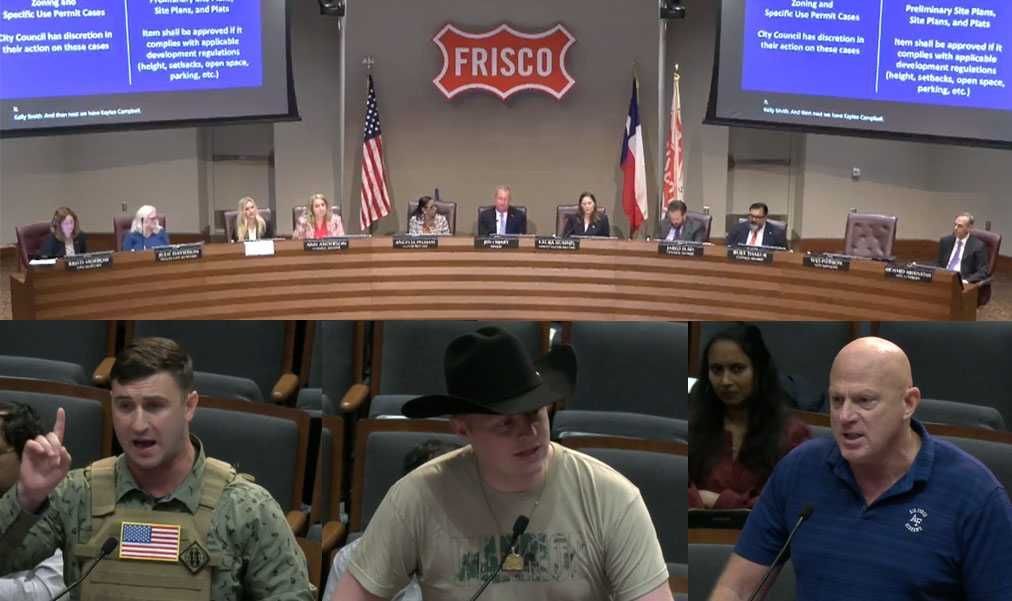
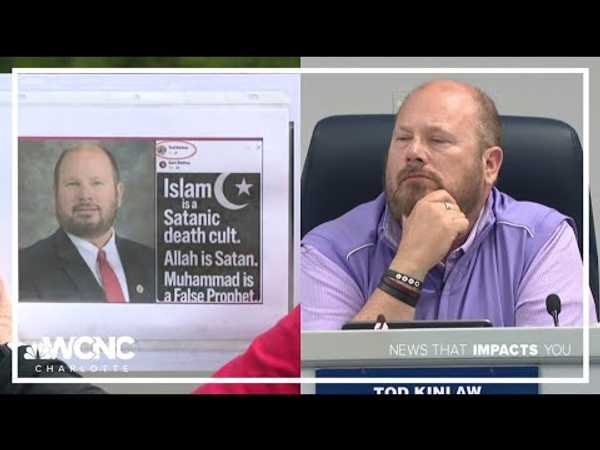
During a tense meeting on Tuesday, conservatives pleaded with the Frisco City Council to halt the construction of a two-story, 43,575 square-foot mosque and torpedo plans to build Hindu and Jain temples in the area.
Texas native Larry Brock, a retired Air Force lieutenant colonel and pardoned J6er, noted that he is well acquainted with the Islamist worldview, in part because he lived under Sharia law for seven years while working for Saudi Arabia. He, like other opponents who raised concerns with the city council, emphasized that such a worldview is at odds with the one that still predominates in the United States.
'I don't want to bring any mosque to Texas ever.'
Brock went farther in his criticism, suggesting that by approving the relevant projects recommended by the city’s planning and zoning commission, city councilors would be putting themselves and the city at risk of unlawfully "aiding and abetting a terrorist organization and providing them material support."
Edward Jacob Lang, a pardoned J6er from Florida wearing a tactical vest, similarly sounded off against Islam and accused the Frisco City Council of "selling out this country" and "inviting the enemy to eat at the table with you."
After Lang railed against the perceived ascendancy of alien cultures in Texas and was escorted out while screaming that he would burn down a mosque if he lived in Texas, Joel Tenney — an Iowa evangelist in a 10-gallon hat — asked what it meant to be Texan and suggested that mosques are representative of a worldview incompatible with America.
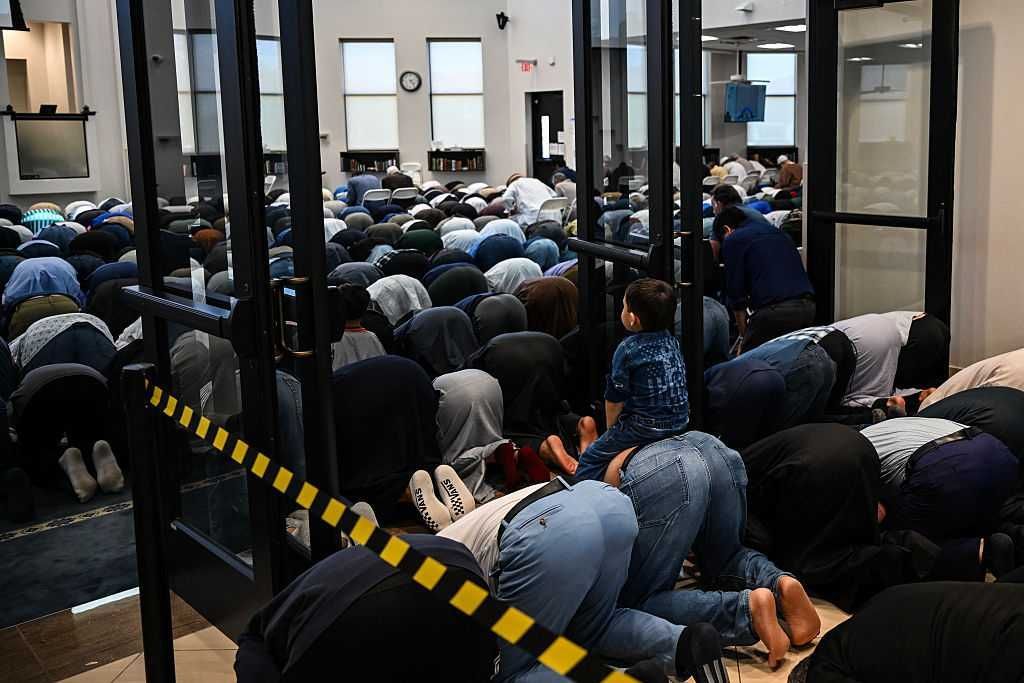
Tenney, an outspoken supporter of President Donald Trump, claimed at the outset that he came from "Texas royalty" — that he apparently not only descended from Sam Houston, the first and third president of the Texas Republic, but from frontiersman Davy Crockett.
The evangelical preacher claimed further that he was "kidnapped and held hostage in 2021 by Islamists in the Middle East while on a missions trip to take care of the Coptic widows and fatherless," apparently referring to the families of the Coptic martyrs beheaded by ISIS in Libya.
After signaling that he had deep roots in the state and good cause to resent Islam, Tenney stated, "I don't want to bring any mosque to Texas ever. We shouldn't have one here. It's incompatible with what it means to be an American."
Tenney, convinced that the construction of mosques and pagan temples would change the "structure and the fabric" of the state, insinuated that the ideal way forward for Muslims in America is conversion and assimilation, citing his Indian sister-in-law's transformation from a Muslim migrant into a Christian, English-speaking, naturalized patriot.
Brandon Burden, the "lead prophet" at Kingdom Life, echoed this sentiment, stressing that Muslims "need to assimilate into the culture and not take it over."
Some speakers pushed back against such criticism during the meeting.
Muslim Frisco resident Yameen Ahmed, for instance, condemned "anti-Muslim rhetoric" and said, "I hear lies that we are terrorists, rapists, and fraudsters. I reject every one of these lies."
Yoga Gudivada, formerly of India, attempted to reassure Frisco residents that the planned Hindu temple would be mutually beneficial, stating that "it will serve the broader Frisco community."
The city councilors chose ultimately not to challenge the zoning commission's recommendations, thereby enabling the mosque and temple projects to advance on sites zoned decades ago for future places of worship.
Frisco Mayor Jeff Cheney said that there was no legal basis to appeal the planning decisions.
"Planning and zoning's role is to execute on the ordinances and policies that the governing body of the city council has put in place. They have done their job here," said Cheney. "The case has met all of the requirements that city council, and city councils before, have put in place and they approved it under an administrative act."
Richard Abernathy, an attorney for the city, said that if the council instead overturned previously decided zoning decisions, it would expose itself to lawsuits, reported the Dallas Morning News.
Like Blaze News? Bypass the censors, sign up for our newsletters, and get stories like this direct to your inbox. Sign up here!
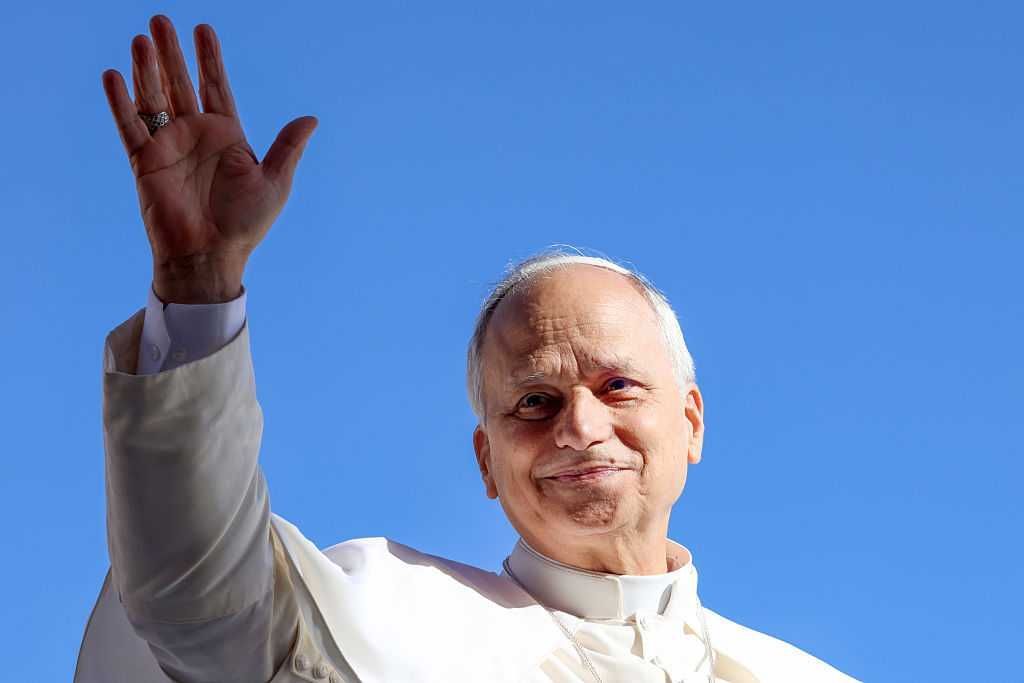
Pope Leo XIV wants Christians and Muslims to focus on what unites them.
That was the clear message of his remarks last week inside a mosque in Algeria. But by highlighting common ground, the pope may be downplaying something just as important: the big and enduring differences — not to mention a long, uneasy history — that continue to shape relations between the two faiths.
Speaking at the Grand Mosque of Algiers on April 13, the pope emphasized mercy, solidarity, and what he called “concrete fraternity.” He urged believers to reject violence, warning that religion without compassion loses sight of human dignity. It was a gracious, carefully calibrated message, one that reflects decades of Catholic outreach to the Muslim world.
Real dialogue, if it is to be more than symbolic, requires more than shared language about peace and dignity. It requires clarity.
But it's only part of the story.
Relations between the papacy and Islam stretch back more than 1,300 years to the era of Pope Donus in the 7th century, when the rapid expansion of Islam transformed the Christian world. What followed was not primarily dialogue, but conflict. Muslim armies swept through formerly Christian lands in North Africa and the Middle East. Europe responded with the Crusades. Constantinople fell. Naval battles like Lepanto became defining moments of civilizational struggle. For much of history, Christianity and Islam encountered each other not in shared spaces of worship, but on opposing sides of war.
That history does not dictate the future, but ignoring it doesn’t lend clarity to the present.
The Catholic Church’s modern approach to Islam largely dates to the Second Vatican Council in the 1960s. Its declaration, Nostra Aetate, marked a turning point, stating that the Church “has a high regard for the Muslims,” who worship the one, merciful God. It called for both sides to move beyond past hostilities and work together for justice and peace.
The Catechism of the Catholic Church builds on that framework. It teaches that Muslims, “together with us, adore the one, merciful God” and are included in God’s plan of salvation. That’s pretty remarkable language, especially when viewed against centuries of conflict. They reflect the Vatican’s deliberate effort to emphasize common ground and reduce religious hostility.
But they do not erase fundamental differences.
Islam rejects the Christian understanding of God as Trinity, denies the divinity of Jesus, and does not accept the central claim of salvation through the cross and resurrection. These are not minor disagreements. They go to the heart of what each religion believes about God and humanity’s relationship to Him. Any serious discussion of Christian-Muslim relations must grapple with that reality.
Previous popes have approached this tension in different ways.
Pope St. John Paul II became the first pope in history to enter a mosque when he visited the Great Mosque of Damascus on May 6, 2001 — a groundbreaking moment in interfaith relations just months before 9/11. That same year, he sparked controversy by kissing the Koran. Supporters saw it as a sign of deep respect. Critics saw it as a confusing gesture that seemed to honor a text at odds with core Christian beliefs. Either way, it highlighted the risks that come with symbolic outreach.
Pope Benedict XVI took a more cautious approach. While committed to dialogue, he stressed that it must be grounded in truth and reason, not just goodwill. He argued that peace requires honesty about differences, including disagreements over religious freedom, an issue that remains unresolved in parts of the Muslim world where Christians face legal or social restrictions.
Pope Leo’s remarks in Algeria clearly point to the Vatican’s emphasis on unity. There is nothing inherently wrong with that. In a fractured world, a call for peace and mutual respect is not only understandable, but it’s also necessary.
There is, however, a difference between emphasizing shared values and presenting an incomplete picture.
Leo spoke movingly about fraternity but said little about the theological differences that define Christianity and Islam. He called for peace but did not address the question of reciprocity — whether Christians are afforded the same freedoms in Muslim-majority countries that Muslims enjoy in the West. He highlighted what unites while leaving largely unspoken what divides.
That move may be diplomatically prudent. It may even be pastorally appropriate in a mosque setting.
But for a global audience, it risks creating the impression that the differences are smaller, or less significant, than they really are.
Real dialogue, if it is to be more than symbolic, requires more than shared language about peace and dignity. It requires clarity. It requires acknowledging that agreement on some moral principles does not erase profound disagreements about truth. And it requires confronting difficult realities, including the uneven state of religious freedom worldwide.
The Catholic Church’s own teaching reflects this balance. It calls for respect toward Muslims, rejects hatred and violence, and encourages cooperation where possible. But it also insists on the uniqueness of Christ and the truth of the gospel. Those elements are not in conflict.
The challenge is maintaining that balance in practice.
Pope Leo XIV’s visit to an Algerian mosque was a powerful symbol of goodwill. It showed a church willing to engage, to listen, and to seek peace across religious boundaries. But symbols, however compelling, are not the whole story.
If interfaith dialogue is to have real substance, it must be rooted not only in what is shared, but also in what is true — and in a clear-eyed understanding of history, theology, and the world as it is.
That is the harder message. It is also a far more necessary one.
The ongoing war between Israel, the United States, and Iran has Christians, Jews, and Muslims all asking the same question: Are we witnessing the end of days?
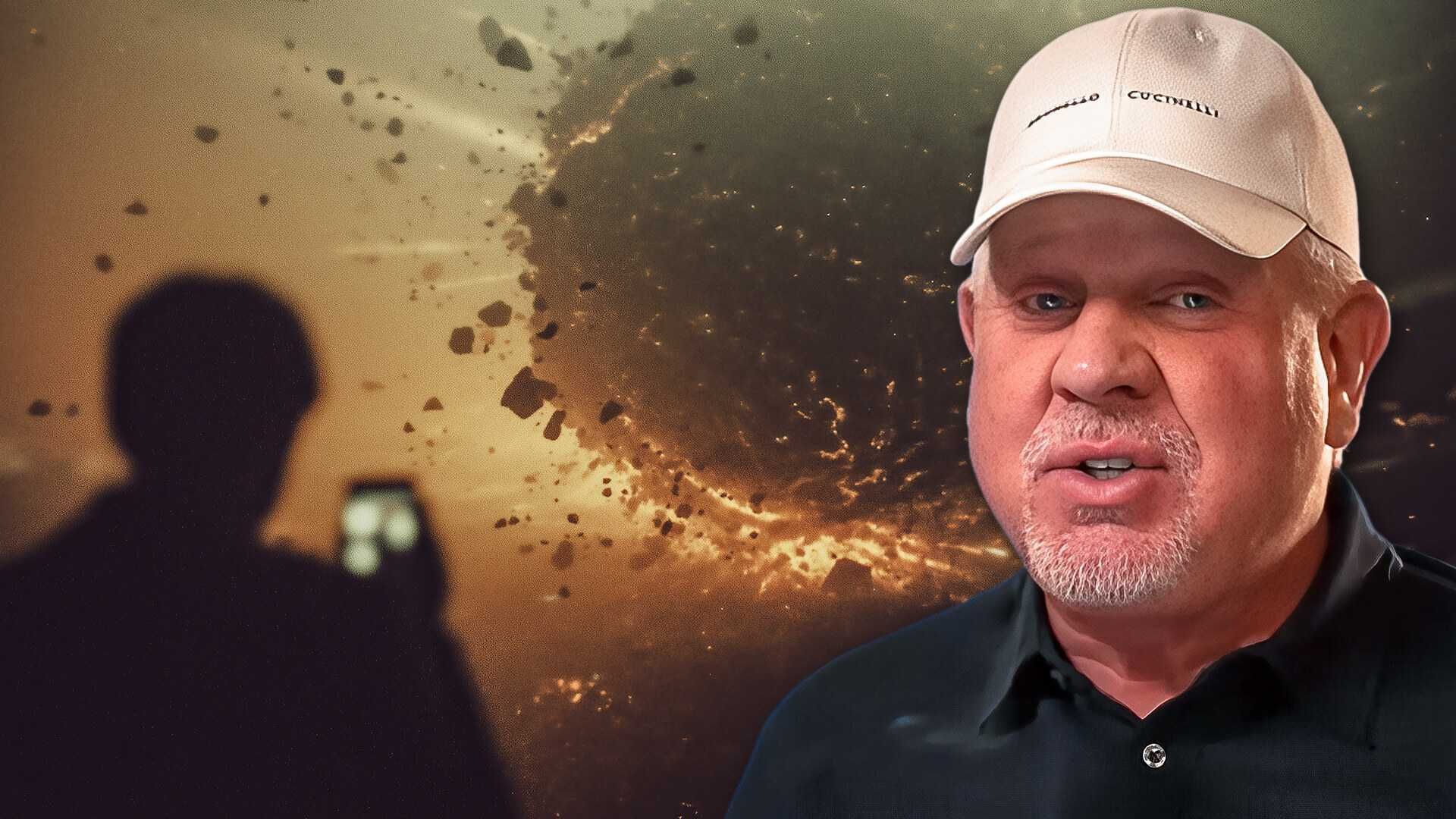
“There is a description of these times at the end of the Bible. It's ‘wars and rumors of wars,”’ says Glenn Beck, “and that's the way everything kind of feels right now.”
Christians, he explains, witness the “upheaval, apostasy, calamity, [and] moral collapse” and wonder if Jesus is getting ready to return; Jews see “Israel restored in their land, surrounded by enemies” and anticipate the coming of their promised Messiah; Muslims “hear this language of oppression and chaos and deception and war and ask whether is Trump the Dajjal” — the evil one who will hasten the Mahdi’s return.
“What’s happening here?” Glenn asks.
“The world's great faiths are not suddenly agreeing on every doctrine. They're doing something more haunting than that. They are all staring at the same storm — each from a different tower.”
And yet at the same time, we live in an age of distraction.
“We are all distracted by notifications. We are hypnotized by politics. We are consumed by work. We're buried in debt. We're entertained to death. We're arguing about personalities while the foundations of the world shake beneath our feet,” says Glenn.
“The deepest question,” he says, “is not whether this is the end of days. The deepest question is: If it were the end of days, would we even notice?”
Glenn fears that the majority of people are “too busy scrolling, too busy branding [themselves], too busy chasing comfort, too busy treating the soul like an afterthought” to even notice the potential stakes of what’s going on around us.
“I've been thinking about this a lot over the last few weeks, and it is important that you hear me,” he says.
“If there's even a possibility that this is such a time, then our conversations are absurd. We should be talking less about who won the clip-of-the-day war and more about whether we are right with our maker; less about endless outrage machine and more about repentance and forgiveness and courage and discipline and empathy and mercy.”
Glenn acknowledges that over the past 30 years of his media career, he has been “looking ahead,” “connecting dots,” “seeing patterns,” and making predictions about what’s on the horizon. Some of these hypotheses were “not right,” he confesses, but others have been scarily accurate.
From 9/11 and the 2008 financial crisis to the peculiar alliance of Islamists, Marxists, and anarchists to “topple the Western world” and the AI takeover, Glenn has hit the nail on the head with many of his predictions.
He credits this prescience largely to the Holy Spirit.
“I don't take credit for the moments that turned out right because I know they were not engineered or reasoned out by me,” he says.
Right now, in light of the chaos in the Middle East and the moral decay all around us, Glenn has another message he believes was given to him “fully formed” with “a weight and a clarity and an urgency” that can only be spiritual.
“Time matters right now in a way that is hard to explain with any kind of chart or data. The world is not falling apart randomly,” he says.
A time is coming, he warns, that will be marked by intense hardship and deep confusion. “If you're not grounded in something deeper than what's happening right now, you can and will get lost,” he says.
The good news is that no matter how “difficult the road becomes, the story doesn't end in darkness.”
“There is something on the other side that is glorious and worth enduring for something better than what anyone has ever known, but getting there requires preparation — not just in what you store or plan, but in who you are,” says Glenn.
“We have to double our work on telling the truth, leaving your sins, loving your children fiercely, like they're the only thing that matters. Honor your vows. Pray like heaven is real. Read the ancient words again. Stand down from hatred. Step away from the lie that politics will save only what repentance can save,” he pleads.
To hear more, watch the video above.
To enjoy more of Glenn’s masterful storytelling, thought-provoking analysis, and uncanny ability to make sense of the chaos, subscribe to BlazeTV — the largest multi-platform network of voices who love America, defend the Constitution, and live the American dream.
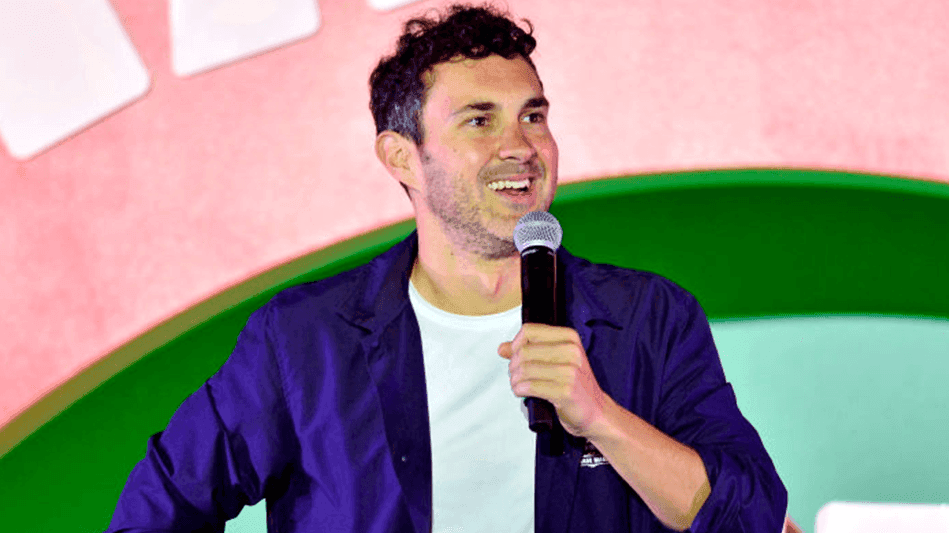
Stand-up comedian Mark Normand believes in making fun of everyone, equally.
When asked about his latest Netflix special, Normand said he wanted to be "inclusive," meaning he wanted to make fun of people from all walks of life.
'I want you to admit on this call that they're a dangerous people.'
Normand told podcaster Shannon Sharpe recently that he gave "equal opportunity" mockery to every group, including "trans, Mexican, black, gay, Muslim, everyone."
It was one of those specific groups that executives confronted Normand about and wanted it removed from his hour-long set. The comic revealed a phone call he received from top brass recently, and while most would assume he was referring to Netflix — given that his "None Too Pleased" special was just released on the platform — a Normand voiceover told audiences multiple times it was actually Hulu he had the conversation with.
On the podcast "Tuesdays with Stories," the New Orleans native recalled, "About a week ago or two weeks ago, they said, 'Send us a couple jokes you like. We'll chop them up and use that as promo on social media.'"
A week later, representatives allegedly asked the comedian to have a conference call, which he was not looking forward to because it's "18 Jews on there with a speakerphone and my Jews," Normand joked with co-host Joe List.
"They go, 'Yeah, we got some bad news there. We reviewed the special again. We'd like to take out the Muslim joke.'"
Normand explained that staff told him that the last time "a comic did a Muslim joke," they got bomb and death threats. But the 42-year-old said he refused to take it out.
RELATED: Comic's hellish Ellen DeGeneres gig: How one word made her blow her top
"I like the joke. It kills. It's a hot joke," Normand said, adding, "And you know, no one touches 'Muzz,'" referring to Muslims.
The comic said he fought for his joke, telling the platform, "You approved it. Now you're going back."
The platform allegedly then focused its battle on not removing the joke from the special itself but rather getting Normand to agree that it would not appear in social media promotions. The platform apparently believed social media was where most of the turmoil and backlash spawns from, not from people actually watching the special.
In response, Normand then gave the reps an ultimatum:
"OK. I don't love it, but OK. I will take it off on one condition," he recalled saying. Normand then said he told those on the call that he would only approve the social media plan if they admitted Muslims are dangerous.
"I want you to admit on this call that they're a dangerous people. And they were like, 'What? No. What, are you crazy?' And I'm like, 'You got to admit it, or I'm keeping it, or I'm posting it.'"
Normand said he could hear the commotion through the phone, until he was eventually told they would not adhere to his request, chiefly because it's "offensive."
That's when Normand called out the studio's hypocrisy.
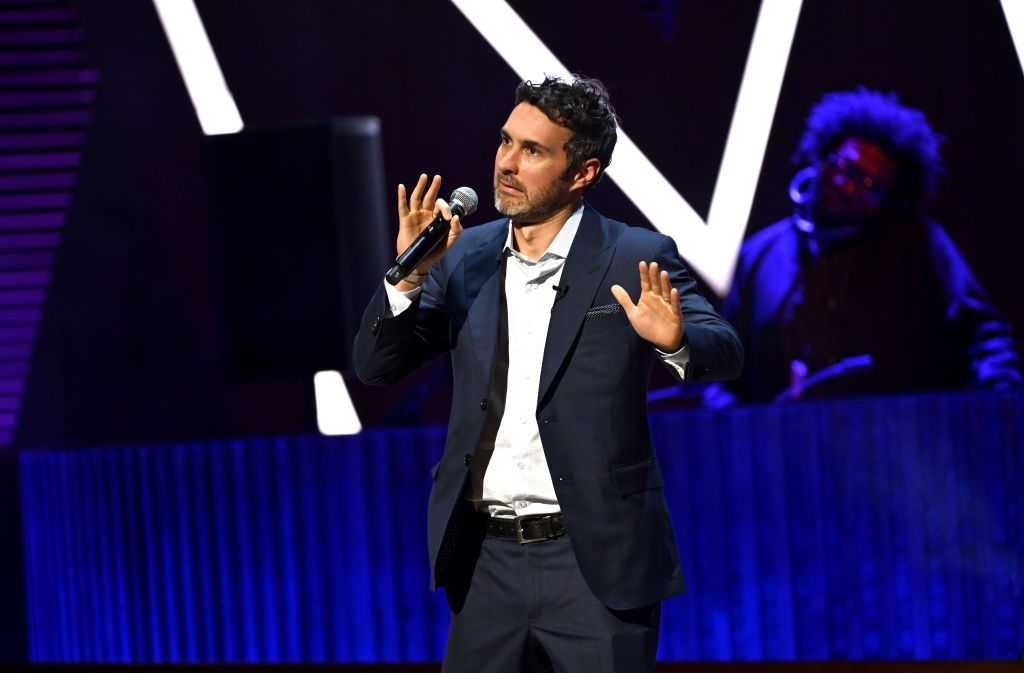
"That's what the call is!" Normand remembered. "You're calling about this, and I just need you to say it out loud."
Remembering his phone call had Normand up in arms on the recent podcast, as he mocked the executive class for "signaling" about their beliefs but not standing behind them.
"You can say, 'Hey, I love this group.' But then you don't live near them. You know, we're all talk. We're all signaling. We're all virtuous, but you don't actually act that way."
"So they admitted it," Normand said to his surprise; and while he did reveal he was "half joking" when he made his request, the comedian had a good time getting "a group of HR homos" to say, "All right, they're dangerous. We'll see you later," before hanging up the phone.
As for which platform Normand spoke to, Netflix did not respond to a request for clarification; Hulu did not reply either. Normand seemingly had one special on the latter platform, "Out to Lunch" (2020), but it appears to no longer be available.
Like Blaze News? Bypass the censors, sign up for our newsletters, and get stories like this direct to your inbox. Sign up here!
On November 5, 2009, U.S. Army major and psychiatrist Nidal Hasan fatally shot 13 people on military base Fort Hood and wounded more than 30 others. The mass shooting goes down as the deadliest on an American military base and one of the deadliest terrorist attacks on American soil since September 11.
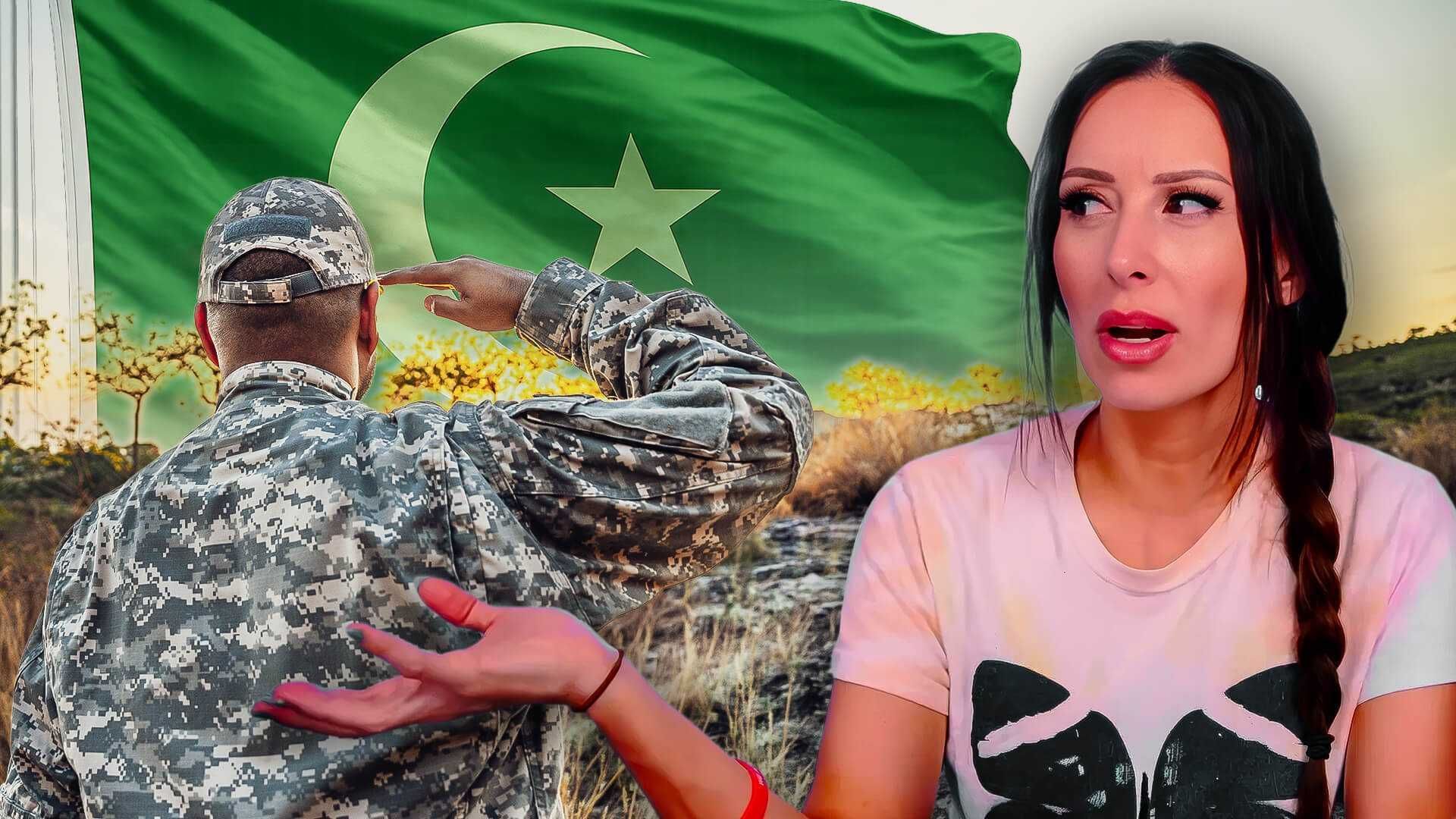
Now, that same Texas military base once targeted by Islamic terror is celebrating Islam — and BlazeTV host Sara Gonzales can’t believe it.
“The Fort Hood Religious Support Office and Fort Hood Muslim Community warmly invite all to an evening of fellowship, reflection and community as we break the fast together during the month of Ramadan,” a social media post reads, before explaining the religious tradition more in depth.
“I actually love that it says, ‘The annual observance of Ramadan is one of the Five Pillars of Islam.’ Islam, the thing that’s incompatible with our way of life, with Western civilization, with this country,” Gonzales comments on “Sara Gonzales Unfiltered.”
“So, here’s the question I have, OK? Tell me this. If a Muslim is supposed to be faithful to Islam and Islam calls its followers to destroy those who do not follow Allah, ... how can a Muslim be in the U.S. military?” she asks.
“The only excuse, the only reason that I could figure is those of you who might say, ‘Well, there are some peaceful Muslims. Well, there are some nice Muslims. Not all Muslims mean us harm,’” she says. “I would say it stands to reason that the only Muslims who would be capable and not dangerous to serve in our military would be bad at their religion, right?”
“This is a humiliation ritual at this point,” she continues. “And I’m not saying that I have all the answers, again, but I would like to pose the question: Does this seem like a disaster waiting to happen to anyone else?”
To enjoy more of Sara's no-holds-barred takes on news and culture, subscribe to BlazeTV — the largest multi-platform network of voices who love America, defend the Constitution, and live the American dream.
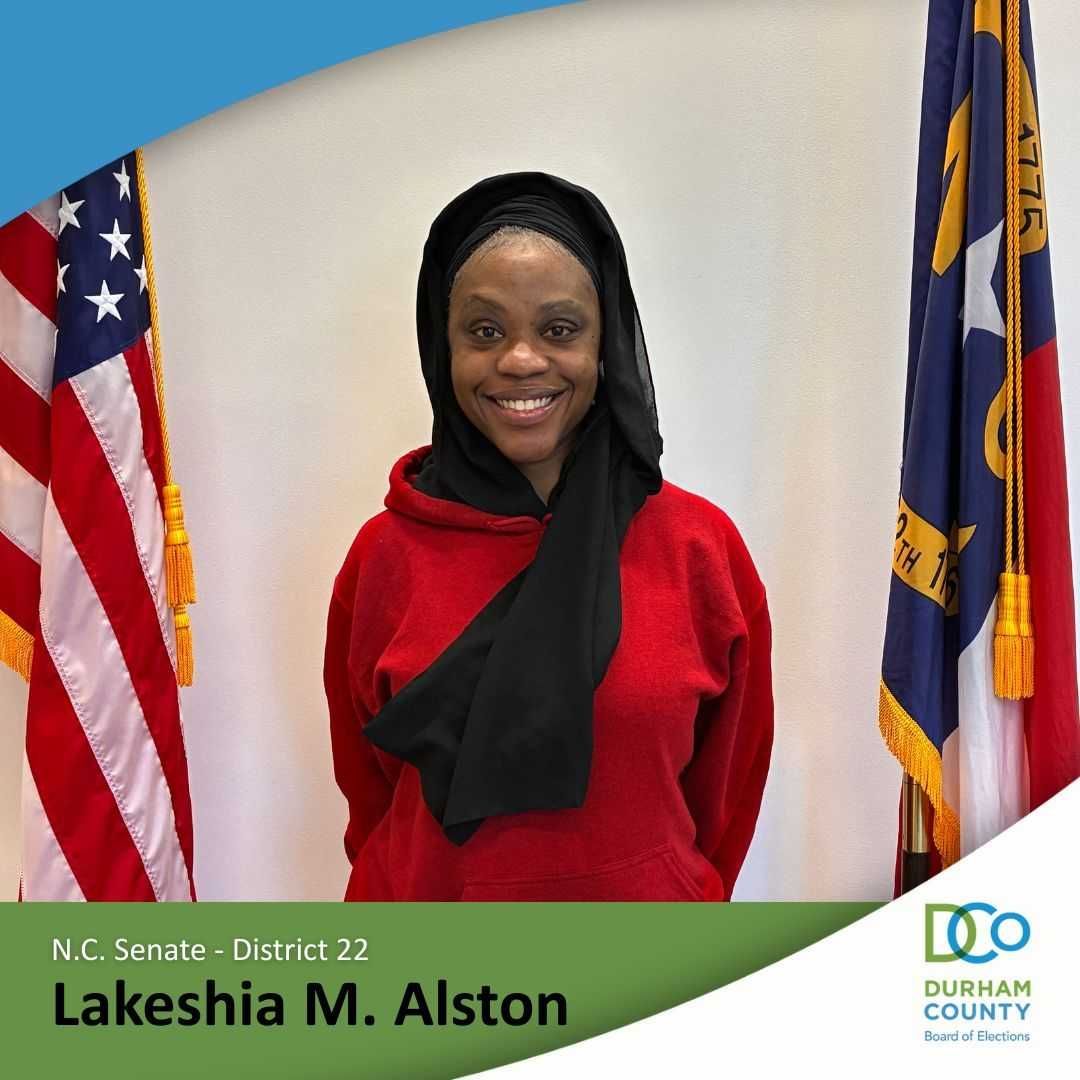
A North Carolina woman used the sign-off "Transforming the Masses" when responding to questions about her candidacy.
LaKeshia Mashonda Ruddi Alston was the lone Republican candidate for North Carolina state Senate District 22 and will face Democrat Sophia Chitlik in the midterms in November.
'[W]hen I was a child, I thought as a child.'
Alston ran unopposed and shocked readers by posing for her board of elections photo wearing a niqab-style head cover, revealing only her eyes. The headdress is typically part of an Islamic garb for women. However, the Facebook account for the Durham County Board of Elections posted a second photo that showed her face, saying that Alston requested an additional photo.
Despite running as a Republican, Alston has reportedly voted for Democrat candidates in the past, twice in 2012 and once in 2024. She told the Daily Caller News Foundation that her party switch came as she matured.
"[W]hen I was a child, I thought as a child, but as I matured. I'm converted as a Republican. In order to form a more Perfect Union," Alston said in an email.
The outlet noted that Alston signed her email with the phrase "Transforming the Masses."
RELATED: Former MLB star wins GOP primary to replace Chip Roy in Texas
With a population of about 200,000 as of 2020, the district has been dominated by Democrats for more than a decade. This started with Democrat Mike Woodard winning in 2012 by more than 30 points. He remained in office until he was unseated by fellow Democrat Chitlik in the 2024 primary. Chitlik won the general election by almost 72 points over a Libertarian opponent that year.
Although Republicans had previously controlled the district, a redistricting in 2011 changed the map to include the more Democrat-leaning Durham County.
Durham County has voted for Democrats all but twice in presidential elections as far as history can tell, dating back to 1920, when the county voted for Democrat Governor of Ohio James M. Cox.
In 1928, the county voted for Republican President Herbert Hoover, then in 1972 for Republican President Richard Nixon. The county has not voted red since and last supported Vice President Kamala Harris with over 144,000 votes, giving President Donald Trump just under 33,000 votes.
RELATED: Trump to intervene in Texas' Senate race, anoint his preferred candidate
Readers on Facebook were not shy about letting their opinions be heard in reaction to Alston's photos, with one calling the candidate a "devil in disguise."
A woman named Ronda said that "changing parties seems to be the trend" in North Carolina, while Shana pointed out that the candidate is a "'Republican' who has been voting Democrat since 2008."
Elizabeth added, "Any face cover should be banned," and 23 people agreed with her sentiment.
Like Blaze News? Bypass the censors, sign up for our newsletters, and get stories like this direct to your inbox. Sign up here!
 Islam is not a decorative addition to the progressive cause; it is on the verge of becoming its animating spirit.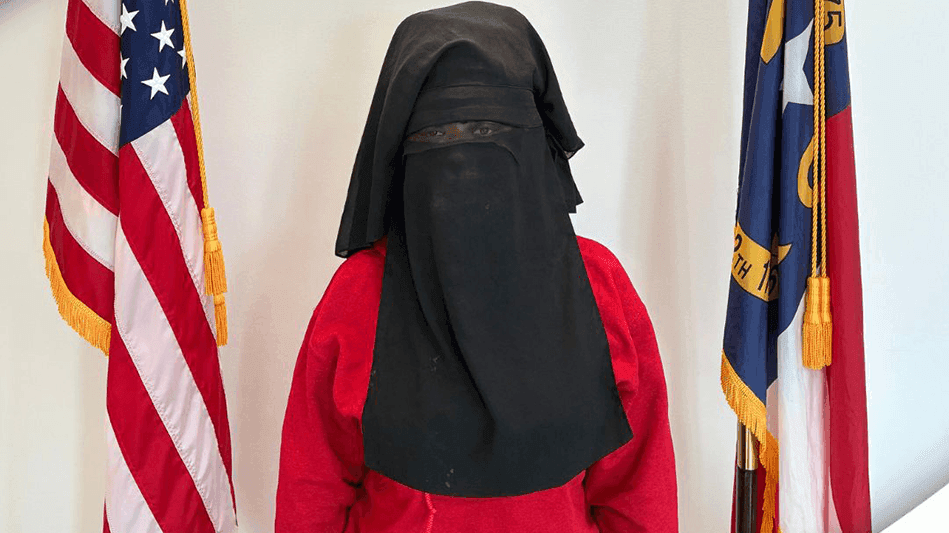
 www.theblaze.com
 thefederalist.com
 www.theblaze.com
 www.theblaze.com
 thefederalist.com