China is arming itself with minerals America refuses to mine
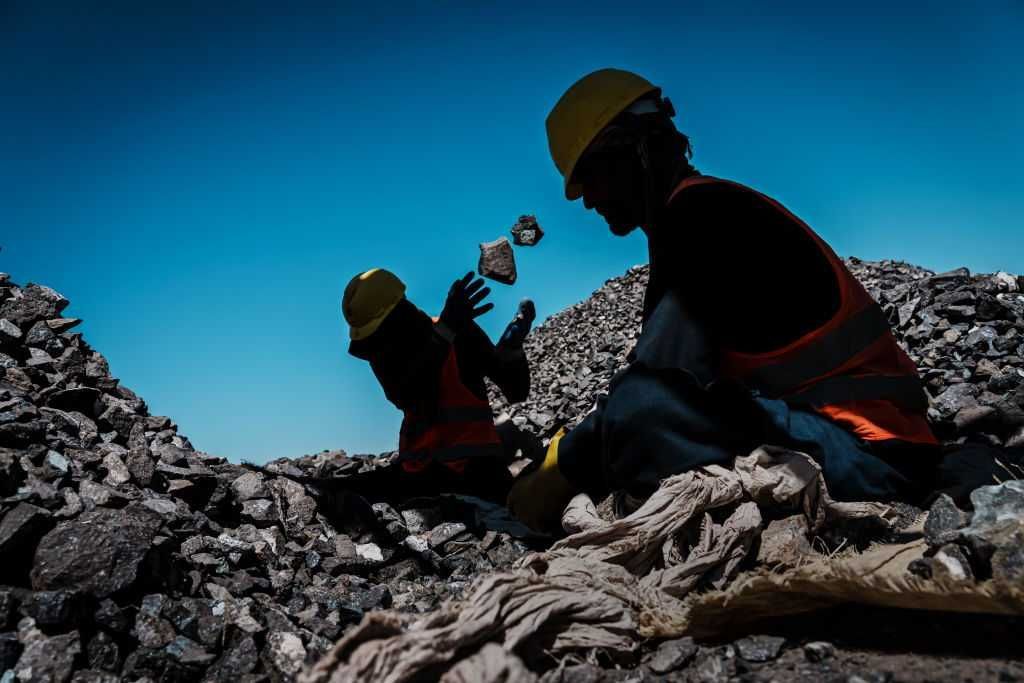
The global energy system is buckling under the weight of its own contradictions. Electricity demand keeps rising, yet policymakers insist that renewables alone can carry the load. Artificial intelligence, electric vehicles, and a wave of reindustrialization are driving consumption far faster than today’s grid can support. Nowhere is that tension more visible than in the United States, where soaring demand collides with aging infrastructure and unrealistic clean-energy mandates.
America stands at a crossroads. One path deepens dependence on foreign supply chains dominated by China. The other rebuilds domestic energy strength, restores industrial capacity, and creates high-wage jobs. The question isn’t whether a green transition will happen — it is who will own the minerals, the infrastructure, and the economic power behind it.
Energy dominance is not a slogan. It is the practical foundation of American greatness.
Electricity demand jumped nearly 4% in 2024, almost double the decade’s average. Data centers, electrified transport, and manufacturing growth are reshaping the energy landscape. The International Energy Agency projects global data-center power use will more than double by 2030, approaching 1,000 terawatt-hours. In the U.S., these facilities alone could soon account for 10% of national consumption.
Without major investment in reliable, affordable energy, this surge will strain the grid and weaken American competitiveness.
We have already seen the danger of relying on foreign suppliers. While Western governments debated climate rhetoric, China quietly secured control over the minerals the modern economy runs on — lithium, nickel, cobalt, graphite, and rare-earths. Beijing now refines more than 70% of the global supply.
These materials aren’t optional. They are the foundation of EV batteries, grid storage, wind turbines, solar panels, and the defense systems that protect U.S. interests. Allowing China to dominate them puts both the economy and national security in a vulnerable position.
President Trump recognized that threat early. His energy-dominance agenda expanded domestic production, cut regulatory barriers, and revived investment in mining and industrial infrastructure. That legacy now forms the basis for a renewed push to bring extraction, processing, and refining back to U.S. soil.
The economic impact is substantial. Every new lithium mine, copper refinery, or processing plant means high-wage jobs, stronger rural communities, and a revived manufacturing base.
Private enterprise is already moving faster than any government program. BGN International — one of the world’s most dynamic energy and commodities firms — has expanded its American operations in liquefied natural gas and liquefied petroleum gas, the fuels that underpin grid reliability. BGN is also moving aggressively into critical minerals, supplying copper, aluminum, and rare-earth elements essential for the grid, clean-energy systems, and the emerging AI economy.
By linking American producers to global demand, BGN strengthens domestic supply chains and ensures that the value stays in the United States.
Meanwhile, Energy Transfer continues to expand its network of pipelines and terminals that move oil, natural gas, and the feedstocks needed for mineral processing and clean-tech manufacturing. Together, companies like Energy Transfer and BGN form the quiet engine of America’s comeback — building the infrastructure that powers the future, from LNG terminals to mineral-supply hubs in the Midwest.
This is what a real energy transition looks like: not offshoring, not dependence, but American innovation paired with American resources and American workers. The shift to cleaner energy can either hollow out the country or rebuild it. The difference lies in where we source, refine, and transport the materials that make it possible.
RELATED: ‘Reminiscent of the Manhattan Project’: Trump administration launches massive next-gen AI program
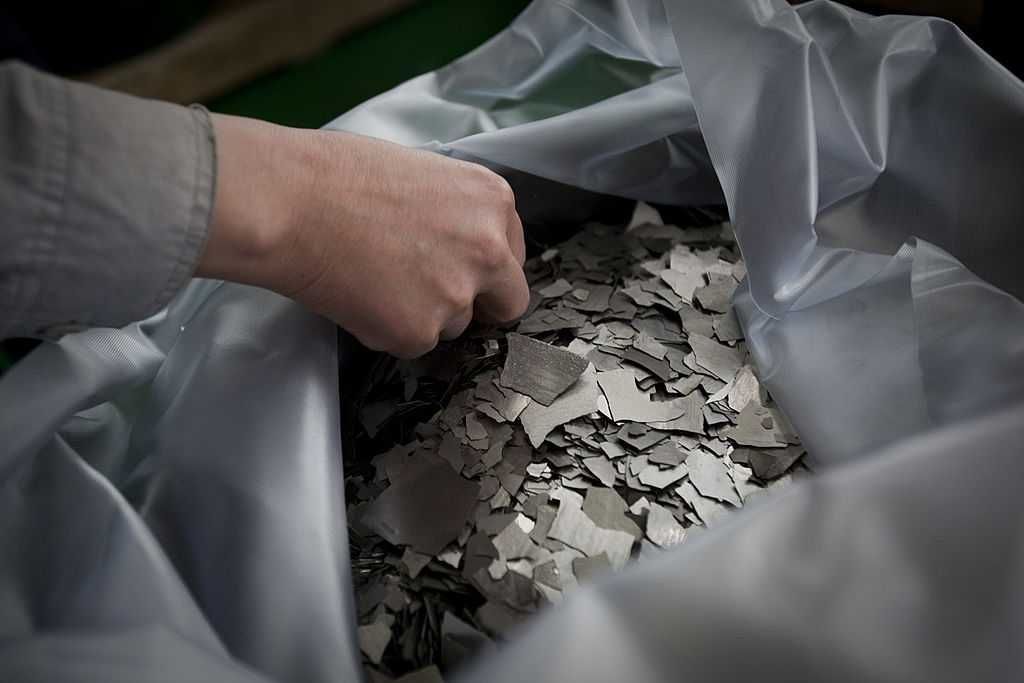
Every ton of copper or rare-earth minerals refined at home is another step toward energy security — and another paycheck for an American worker.
America’s shale reserves, its underdeveloped mineral deposits, and its unmatched private-sector capacity give it every advantage in this new industrial age. What the country needs is leadership that understands the link between energy independence, manufacturing strength, and national power.
By investing in the fuels, minerals, and infrastructure that keep the lights on and the factories running, the United States can secure both its prosperity and its freedom.
Energy dominance is not a slogan. It is the practical foundation of American greatness. The world is entering an era in which whoever controls energy and critical-mineral supply chains controls the global economy. By unleashing its entrepreneurs and trusting its workers, America can lead that era on its own terms.
The next American century will not be powered by dependence or bureaucratic mandates but by free enterprise, industrial competence, and the spirit of self-reliance. Critical minerals and energy independence are not merely economic issues. They are matters of national pride, national security, and American leadership.
 The 'Twin Metals Project' would have tapped the Duluth Complex, where 95 percent of U.S. nickel reserves and 88 percent of U.S. cobalt reserves remain underground.
 The Department of the Interior is stonewalling a records request for documents related to a critical minerals project.
 www.theblaze.com
 www.theblaze.com