Why I observe the Sabbath — and you should too
Every Friday evening, our house goes offline. My wife and I close our laptops, silence our phones, and step away from the world for about 24 hours.
We don’t watch any movies, don’t listen to any music, don’t drive anywhere in the car, and don’t buy anything at the store. Our kids may not be as plugged in as my wife or I am, but they too retreat from the world outside our family.
I remember what actually matters. I feel less angry, less anxious, and less consumed by things beyond my control.
We do this every week because we observe the Jewish Sabbath, which begins just before sundown on Friday night and ends just after sunset on Saturday.
Pressing pause
The truth is not many people observe the Sabbath like we do. Of course, all traditionally inclined Jews observe in our same way, but there aren’t that many traditionally observant Jews in the world. In terms of world population, the number of people who take a 24-hour break from the internet every single week on the Sabbath is rather small.
That number should be larger. I say that not because I think more people should be religious in the same way we are; in my view, everyone has their own faith, and it’s not my place to tell people what to believe. But I do think people should observe some sort of Sabbath because it’s good for you.
I'm not the first to suggest that both gentiles and Jews could benefit from this ancient tradition. The late Charlie Kirk observed the Sabbath much like we do. At the time of his assassination, he was preparing to launch a book on the personal benefits of stepping away from the world every Friday evening.
Creative control
I can personally vouch for all the benefits the Sabbath brings. Getting away from the internet for a solid 24 hours every single week keeps me sane. Really, I’m not exaggerating. I would lose my mind without it. I don’t know how I would handle being plugged in 24/7 — 24/6 I can do, but no more than that.
To be honest, I feel myself starting to get sick of X, Instagram, news, and everything else searchable by Friday afternoon. I feel myself starting to get physically ill and more angry than I ought to be as the hours wind down before the weekend.
After six days of online living, I start to feel like a rubber band about to snap. Too many competing signals crowd my brain, making it impossible to think clearly. By the time the sun begins to set, I hate the internet so much that I just want to unplug from everything.
So that’s what I do.
And why not? Even God — the original Sabbath-keeper — needed a break after creating the world:
And on the seventh day God ended His work which He had done, and He rested on the seventh day from all His work which He had done. Then God blessed the seventh day and sanctified it, because in it He rested from all His work which God had created and made (Genesis 2:2-3, NKJV).
And He didn't have social media.
Stranger danger
Never before in history have human beings had such constant access to the wider world. We can read news from every corner of the globe, peer into places our ancestors never knew existed, and absorb information about people we don’t know and never will. We can even enjoy the strange, modern pleasure of being insulted by random strangers online who, for reasons known only to them, have decided they hate us.
These are all recent developments — and they come with modern, often negative consequences.
Our ancestors never lived in a world like this. And it is, frankly, a wild one. It has a way of convincing us that trivial things matter more than they do, of distracting us from what truly matters. It pulls our attention away from our families and from God and pushes it instead toward a constant stream of strangers, gossip, and noise. It wears on you. It drives you a little crazy.
I think we’re seeing the effects of that now. A world permanently plugged into the internet is a world slowly losing its bearings. People become meaner, more confused, more absorbed in distant controversies and less attentive to the people right in front of them. They become less themselves and more like the mob — less human, in a subtle but troubling way. The always-online state has made us coarser, and we are worse for it.
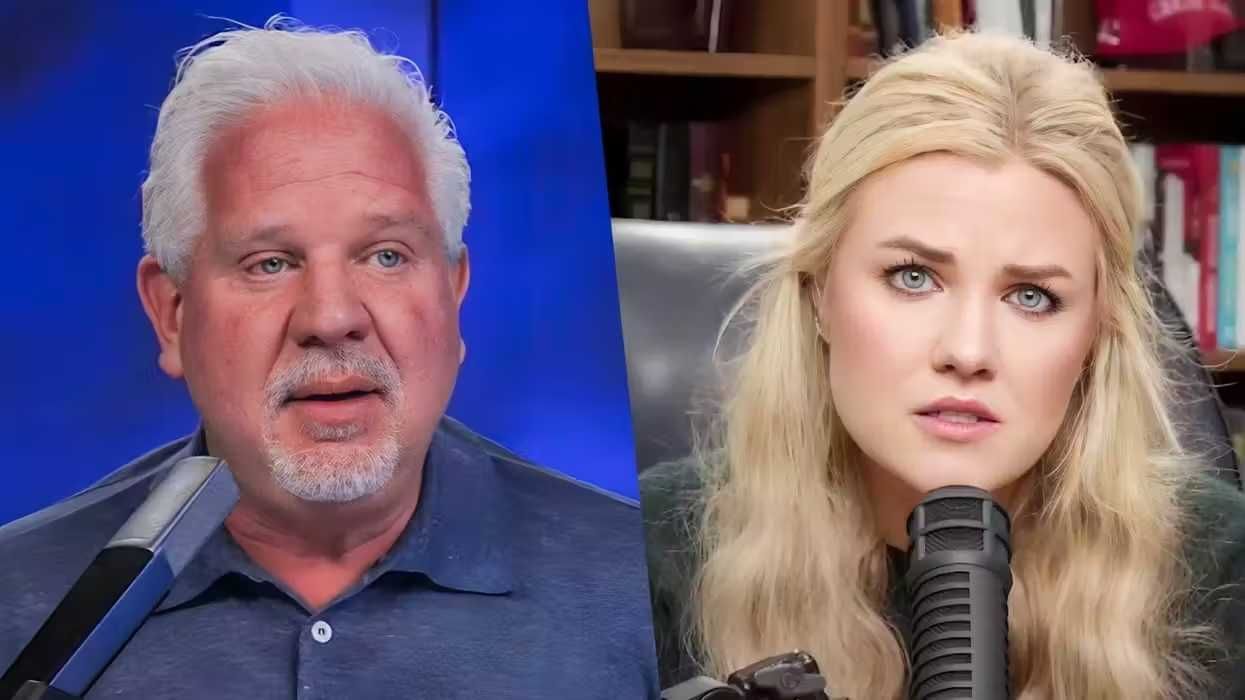
RELATED: Erika Kirk joins Glenn Beck to discuss Charlie’s legacy and his book on honoring the Sabbath
Keeping quiet
Every week when I unplug, I arrive at the same realizations. They usually come sometime around Saturday afternoon. I remember what actually matters. I feel less angry, less anxious, and less consumed by things beyond my control. I feel more like myself. My mind is clearer. My heart is gentler. I am, quite simply, more at peace.
I wish I could remember all of this without the Sabbath. But I can’t. I’m not perfect — far from it. And maybe, just maybe, God knew something about the people He created when He gave us a day of rest.
I step away from the internet and the world of work every Friday night. I don’t think you have to do it exactly the way I do — or even on the same day — for it to matter. Maybe for you it’s Saturday night to Sunday night. Maybe it’s all day Sunday until Monday morning. Whatever works for you is fine.
I only know what works for me: turning off my phone every Friday evening, watching my wife and daughter light the Shabbat candles, sharing a meal together, not checking the news, and spending 24 hours in a small, quiet cocoon — safe, for a time, from a chaotic world.
Erika Kirk joins Glenn Beck to discuss Charlie’s legacy and his book on honoring the Sabbath
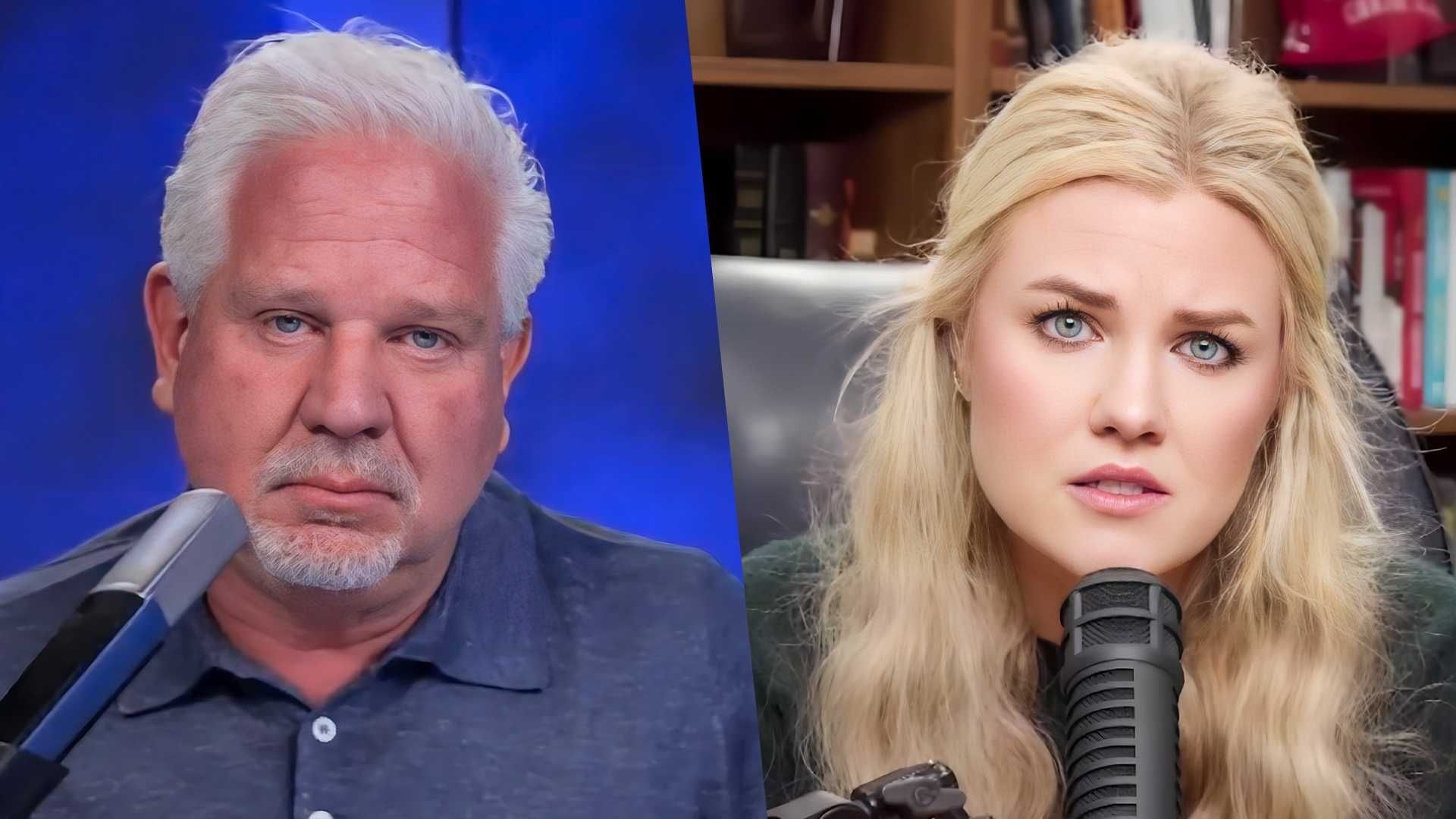
Erika Kirk, the widow of Turning Point USA founder Charlie Kirk, joined “The Glenn Beck Program” on Thursday morning. She discussed her late husband’s legacy and the release of his new and final book, which emphasizes the significance of honoring the Sabbath.
“My husband’s legacy is not about his murder. My husband’s legacy is what he left behind,” Erika Kirk told Blaze Media co-founder Glenn Beck.
— (@)
“[Charlie Kirk] writes about the Sabbath and honoring the Sabbath,” Beck stated. “And I have to tell you, if I didn’t honor the Sabbath, I would have been dead a long time ago. ... There’s just not enough hours in the day to do everything. If I didn’t shut down and concentrate on God and my family for one day — total shutdown — I wouldn’t have made it.”
Erika Kirk mentioned that her late husband would say that honoring the Sabbath is the only commandment in which those who break it miss out on the blessing, not God.
'You don’t know how long you’ll be here. But you know that you have time, and you are in control of your time.'
“We live in a day and age where people are trying to separate the Old Testament from the New Testament. You cannot pick and choose portions of the Bible,” Erika Kirk said.
She explained that even though her husband’s schedule demanded long hours, he prioritized a day of rest.

“You have a decision to make. Are you going to blow through your adrenals, spike up your cortisol levels forever, and just try to wear it as a badge of honor, like, 'I’ll sleep when I’m dead'?” Erika Kirk said. “You don’t know how long you’ll be here. But you know that you have time, and you are in control of your time. And you are in control of how you use your time.”
Erika Kirk argued that Christians who claim to be too busy for a break are violating a commandment.
RELATED: Joe Rogan says reaction to Kirk assassination shows the US is close to civil war
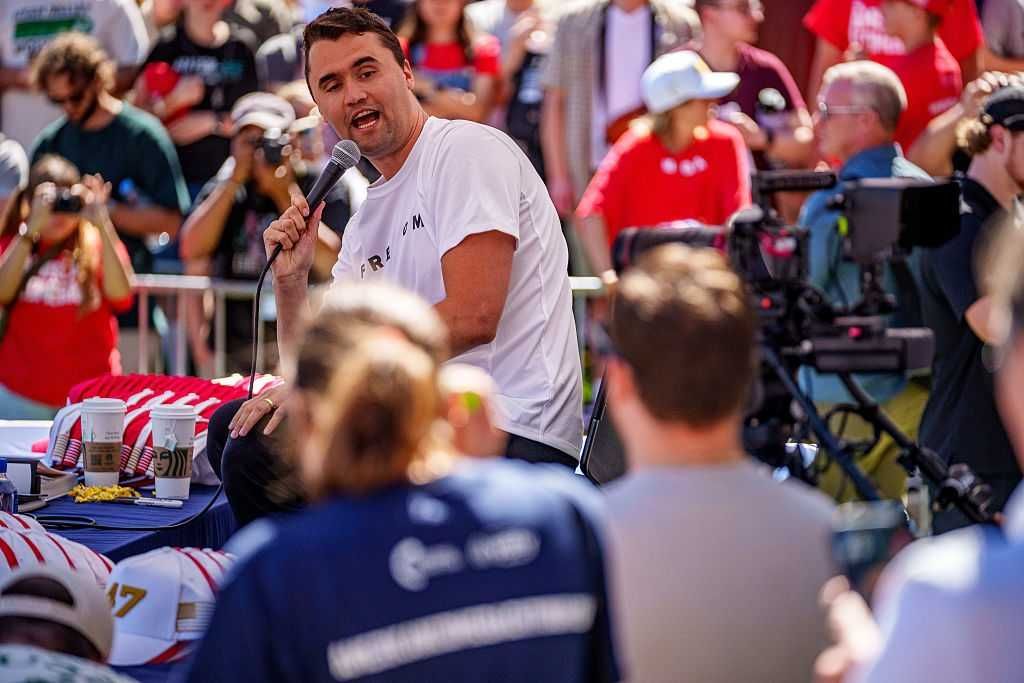
“You are involving idols in your life. You’re putting other gods before the one true God,” she remarked.
“If you can’t get a full 24 hours in, work it in through your week. Maybe you just sunset your device from 5:00 p.m. up until the next morning,” she continued.
“There’s a way for you to be able to do this and not put pressure on yourself, where you’re letting yourself down.”
Like Blaze News? Bypass the censors, sign up for our newsletters, and get stories like this direct to your inbox. Sign up here!
Despite Mail Carrier’s Supreme Court Win, US Postal Service Still Fights Religious Accommodation
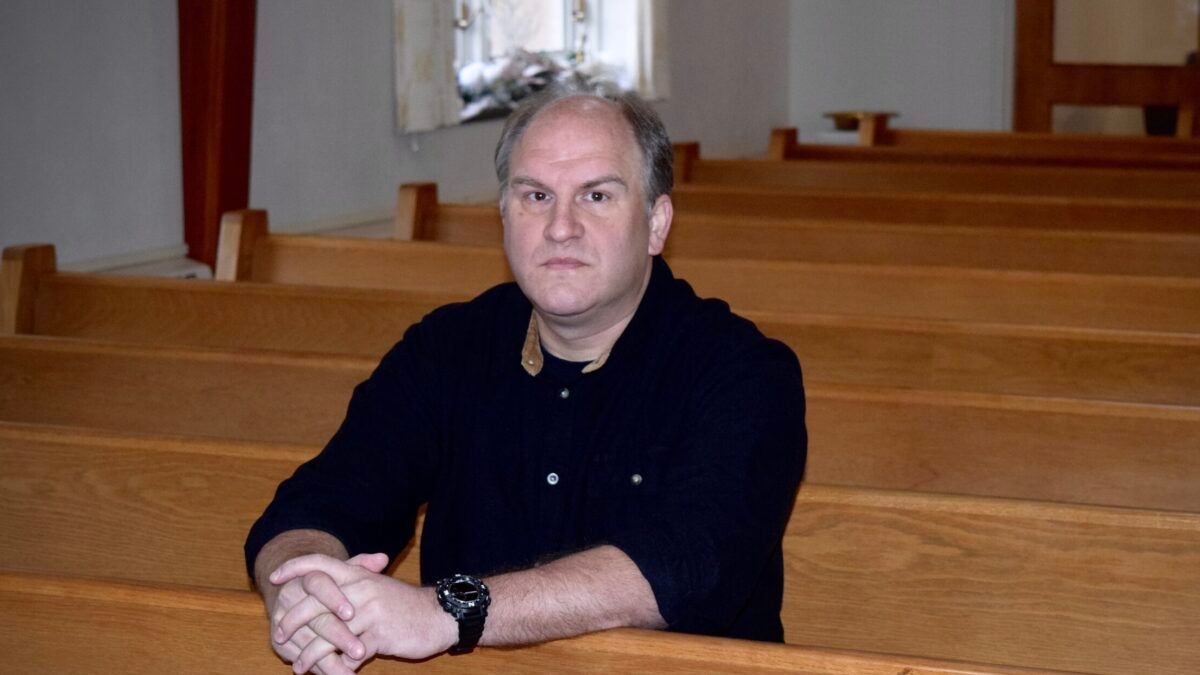 'It’s about putting God first. That's my personal conviction,' Groff said. 'I'm not going to sacrifice that to deliver Amazon packages.'
Hate crime, terrorism charges filed in case of Orthodox Jewish man shot while on his way to synagogue in Chicago

Hate crime and terrorism charges have been filed in the case of an Orthodox Jewish man who was shot while on his way to synagogue in Chicago last weekend.
The new felony charges against the suspect — Sidi Mohamed Abdallahi, 22 — were announced Thursday and stem from what police are now calling a "targeted" attack, WMAQ-TV reported.
'We did not secure these charges because of public pressure or because of media attention.'
Police Supt. Larry Snelling said detectives found "digital evidence" on Abdallahi's phone that "indicated he planned the shooting and specifically targeted people of Jewish faith," the station said.
Cook County State's Attorney Kim Foxx added that the attacker "sought out this particular community, sought out this particular faith," WMAQ noted.
After Saturday morning's shooting, prominent members of Chicago's Jewish community were outraged that hate crime charges weren't brought against Abdallahi, particularly because the shooting victim reportedly was wearing a kippah — the Jewish skullcap — when he was attacked.
City Alderman Debra Silverstein — who attends the same synagogue as the shooting victim — earlier this week said in a message to constituents that she was "very disappointed" that hate crime charges had not been filed despite "evidence that seems to suggest an anti-Semitic motive for the shooting."
The Jewish United Fund, an advocacy group, said Chicago police indicated during a Monday meeting with the group that Abdallahi shouted "Allahu Akbar" during a shoot-out with cops that occurred about a half-hour after the Orthodox Jewish man was shot.
WMAQ reported in a separate story that the JUF said police who met with its members indicated Abdallahi shouted the well-known Muslim declaration while firing at officers, which led to a concern that hate played a role in the incident. However, WMAQ said police haven't confirmed those details to the station.
In addition, Abdallahi reportedly is an illegal immigrant from Mauritania — a majority-Muslim country in northwest Africa. Fox News, citing four law enforcement sources, said he was released into the United States after being captured in Border Patrol’s San Diego Sector in March 2023.
Fox News noted that the Department of Homeland Security considers illegal immigrants from Mauritania as "special interest aliens" due to security concerns and that they're supposed to receive additional DHS vetting.
More from the cable network:
Immigration and Customs Enforcement (ICE) had initially told Fox News Digital that it had no interaction with him. Law enforcement sources say that there is detainer request on Abdallahi — a request that he is transferred to ICE custody in the event of his release — but that "sanctuary" policies in Cook County, Illinois, prohibit local authorities from cooperating with it.
Previously Snelling said there wasn't enough evidence to charge Abdallahi with a hate crime.
"We do investigations [that are] based on facts that we gather into evidence in order to present charges," Snelling said earlier this week, according to WMAQ. "Until we have those facts, we will not announce charges. It's about what we can prove at the time based on the facts."
After Snelling announced the hate crime and terrorism charges Thursday, WMAQ noted that he insisted "we did not secure these charges because of public pressure or because of media attention. We will never go out in public, make statements, allegations, accusations or attempt to bring charges without any proof of what we're attempting to charge someone for. Gathering evidence and facts takes time, and we have to do it in a timely fashion so that we don't impede the possibility of getting charges. ... We will never do things just on belief. We need proof."
Snelling told WMAQ that Abdallahi remains hospitalized and detectives haven't been able to interview him, which has made it difficult to determine a motive.
Abdallahi's court appearance earlier this week was postponed due to his hospitalization, WMAQ said. His next scheduled court date is Nov. 7, officials told the station, adding that a public defender has been assigned to him.
Police said that evidence indicates the gunman was "working alone" and they don't believe there are any additional suspects, WMAQ added.
What's the background?
Chicago police said Abdallahi was identified as the offender who shot the 39-year-old man in the 2600 block of West Farwell Avenue around 9:30 a.m. Saturday. At a Monday news conference, Snelling said the suspect shot the victim "in the shoulder without saying a word," according to NBC News, which added that the victim was treated in a hospital and discharged Saturday afternoon.
Police said about 30 minutes after the first shooting, Abdallahi fired at responding officers and paramedics multiple times from various locations. Police said officers returned fire, striking the offender, who was placed into custody, taken to an area hospital, and charged. Police said a weapon was recovered at the scene. Police said no officers or fire department members were injured. The suspect was in critical condition, investigators told WGN-TV.
Abdallahi was charged with six counts of first-degree attempted murder, seven counts of aggravated discharge of a firearm upon a police officer/firefighter, and one count of aggravated battery/discharge of a firearm, all of which are felonies, police said.
You can view video here apparently showing part of the suspect's second wave of gunfire, and he hollers something at the 43-second mark after firing a shot. While that same moment is included in WLS-TV's video report at the 13-second mark, the station cuts the audio just before the suspect's outburst.
The Civilian Office of Police Accountability said an investigation into the incident captured the scene on body cameras, WMAQ noted, adding that the video is expected to be released within 60 days of the shooting.
You can view a video report here about the newly added hate crime and terrorism charges against Abdallahi.
Like Blaze News? Bypass the censors, sign up for our newsletters, and get stories like this direct to your inbox. Sign up here!
No One Should Be Forced To Choose Between His Faith And His Paycheck
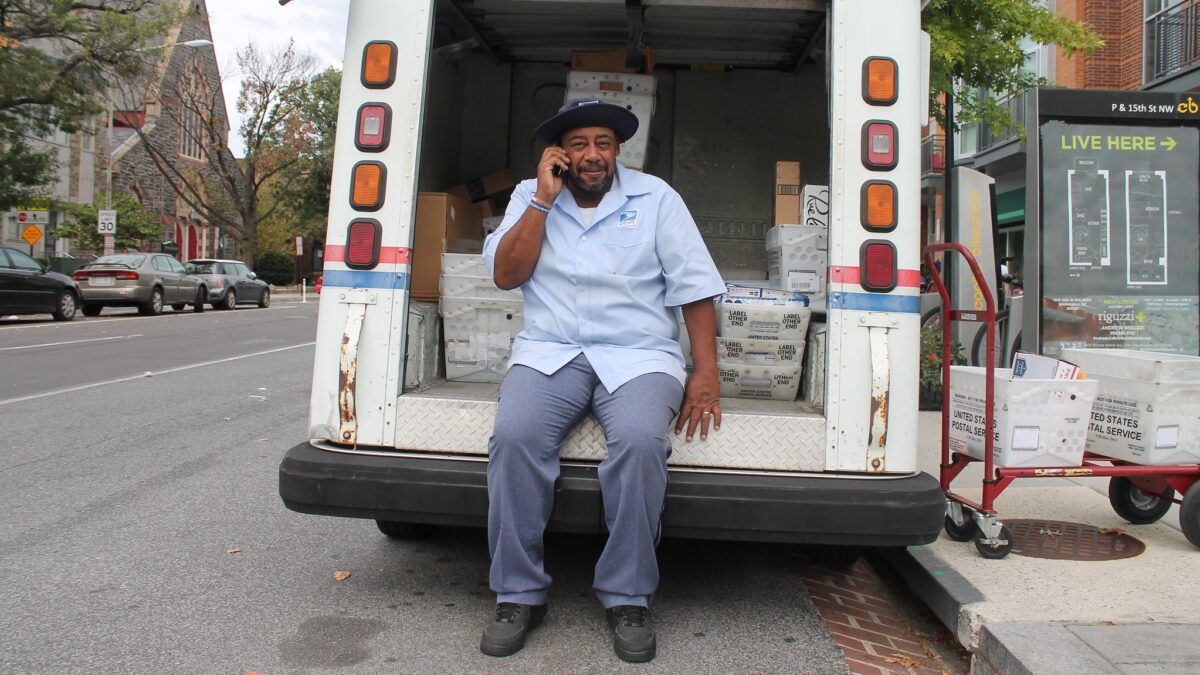 Without action by the Supreme Court, employers will continue to feel safe denying religious accommodation requests.
 www.theblaze.com
 thefederalist.com
 www.theblaze.com