GM slams brakes on electric trucks as reality crashes the EV party
For years, Americans have been told the future of driving is settled. Electric vehicles would take over, gas engines would fade away, and anyone questioning the timeline was “anti-progress.” That narrative just took a direct hit, and it came from General Motors.
GM isn’t tweaking its EV strategy. It’s hitting pause, hard.
Charging times still don’t compete with a five-minute fill-up at a gas station.
The company has indefinitely delayed the next-generation refresh of its electric trucks and SUVs. No new deadline. No confident road map. Just a quiet admission that the plan isn’t working the way Washington, or the automakers themselves, promised.
Translation: The market isn’t cooperating.
Truck stop
After pouring billions into electrification, GM is now sitting on $7.6 billion in EV-related losses from 2025 alone, including a massive write-down tied to scrapped production plans and battery commitments. At the same time, EV sales dropped 43% in the fourth quarter after government incentives dried up. Turns out, when the subsidies disappear, so does a big chunk of the demand.
And while EV inventory piles up, GM is doing something far less glamorous but far more telling: It’s going all in on gas-powered trucks. Silverado. Sierra. The vehicles politicians love to demonize are the same ones keeping the lights on.
Because that’s what Americans are actually buying.
This is the part policymakers don’t want to admit. You can regulate, subsidize, and mandate all you want, but you cannot force consumers to embrace a product that doesn’t meet their needs.
Electric trucks still come with trade-offs that matter in the real world, not in a press release. They’re expensive. Range drops when you tow. Charging infrastructure is inconsistent at best, nonexistent at worst, especially outside major metro areas. And charging times still don’t compete with a five-minute fill-up at a gas station.
And now the bill for ignoring that reality is coming due.
RELATED: Stellantis just blew $26 billion on bad EV bet

Hero to Zero
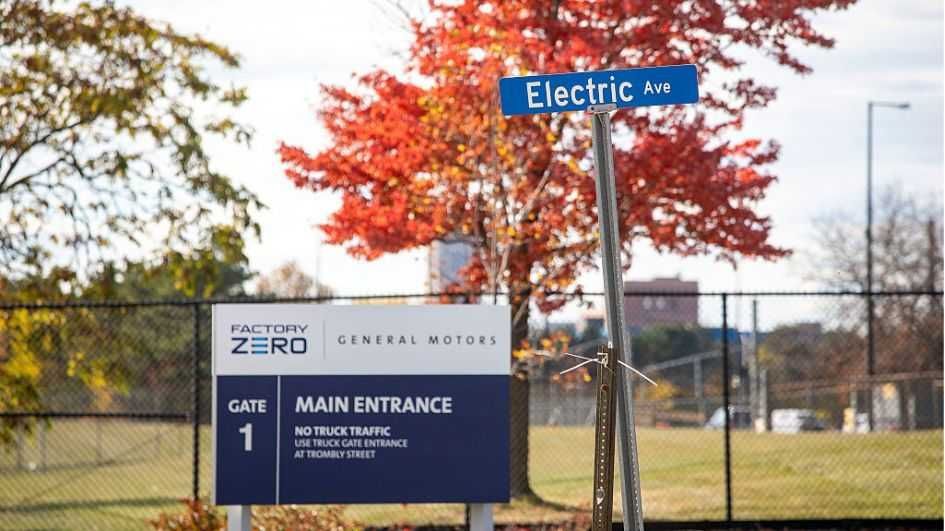
GM’s flagship EV facility, Factory Zero, has already seen shutdowns and workforce cuts. Production volumes for high-profile electric models remain underwhelming. And instead of ramping up, GM is scaling back, delaying programs that were once central to its “all-electric future.”
Let’s call this what it is, a strategic retreat.
Not because EV technology is useless. Not because innovation has stalled. But because the timeline was never grounded in how people actually live, drive, and spend their money.
For years, the auto industry was pushed into a corner to build EVs at scale or face regulatory consequences. So they did. They spent. They bet big.
But consumers didn’t get the memo.
Now, the same companies that were racing to meet political deadlines are pivoting back to profitability, back to demand, and back to common sense.
And here’s the uncomfortable truth for the architects of this agenda: Affordability matters more than ideology.
Money talks
When EVs cost more, when infrastructure lags behind, and when performance doesn’t match expectations, consumers don’t “adapt.” They wait. They keep their current vehicles longer. Or they buy what works, which right now is still overwhelmingly internal combustion.
GM’s move isn’t an isolated event. It’s part of a broader industry correction that’s been building for months. Automakers are quietly scaling back, delaying investments, and reassessing timelines that were never realistic to begin with.
The electric future isn’t canceled. But it’s no longer on a government-imposed fast track. It’s being dragged back to reality, where consumers, not regulators, decide what succeeds.
And right now, the verdict is clear. If EVs want to succeed, they better start putting buyers in the driver's seat.
 Buying high-end SUVs rather than low-end cars transforms these vehicles into luxuries, not necessities.
 thefederalist.com
 www.theblaze.com