Trump demands construction of Biden-canceled Keystone XL Pipeline — but confidence to build may require big changes
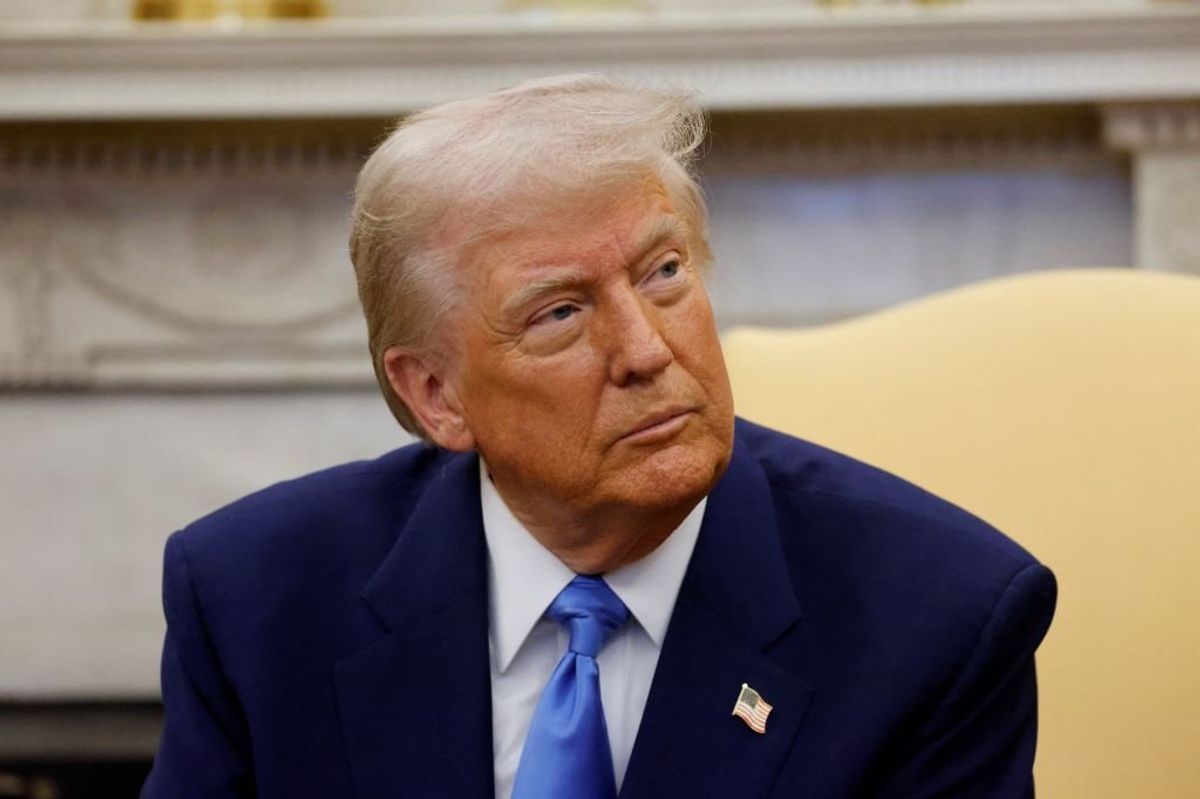
President Donald Trump suggested Monday evening that he wants the Keystone XL Pipeline, which former Presidents Barack Obama and Joe Biden both sought to kill, built "NOW!"
"Our Country's doing really well, and today, I was just thinking, that the company building the Keystone XL Pipeline that was viciously jettisoned by the incompetent Biden Administration should come back to America, and get it built — NOW!" Trump wrote on Truth Social, roughly a month after telling the World Economic Forum that America does not need Canada's oil or gas.
Trump added, "I know they were treated very badly by Sleepy Joe Biden, but the Trump Administration is very different — Easy approvals, almost immediate start! If not them, perhaps another Pipeline Company. We want the Keystone XL Pipeline built!"
Alberta Premier Danielle Smith welcomed the idea, stating, "That project should never have been cancelled. Lower fuel costs for American families is a big win."
The premier of the adjacent prairie province of Saskatchewan, Scott Moe, suggested that the pipeline, unlike the 10% tariff Trump has threatened to place on Canadian exports of crude oil, is a good idea.
"The path to continental energy dominance is to increase non-tariff North American trade," noted Moe. "This includes the construction of new pipelines like Keystone XL."
Daniel Turner, founder and executive director of the energy advocacy organization Power the Future, told Blaze News that Biden's 2021 revocation of TC Energy Corporation's cross-border permission to build the pipeline has so shaken confidence in the American government's willingness and ability to honor deals with the private sector that it will take more than an optimistic social media post to make things happen.
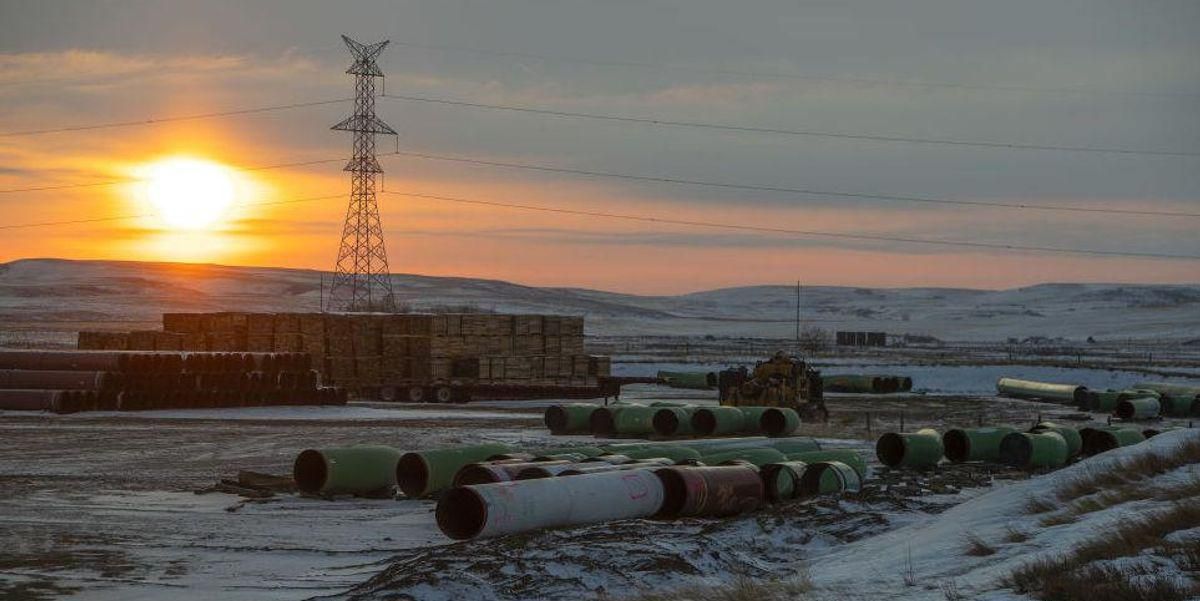
The proposed 1,179-mile Keystone XL Pipeline would have carried Canadian crude oil from the province of Alberta, which has the fourth-largest proven oil reserves in the world, to Steele City, Nebraska, where an existing pipeline would route the profitable resource to refineries on the Gulf Coast of Texas.
The existing Keystone Pipeline System already sends over 590,000 barrels of crude oil daily to refineries in Illinois and Texas. According to the Canadian Encyclopedia, the proposed KXL pipeline would increase the system's capacity to at least 830,000 barrels of oil per day, add several billion dollars to America's GDP, reduce American reliance on production from South American and Middle Eastern countries, and create tens of thousands of jobs.
To the delight of climate alarmists, former President Barack Obama rejected the project in 2015, refusing to grant the cross-border permit needed to proceed. Obama claimed at the time that the pipeline "would not serve the national interests of the United States," even though his own State Department admitted months earlier that the project would create about 42,000 jobs.
'He put the faith and credit of the United States government in question when it comes to these types of projects going forward.'
Canadian Prime Minister Justin Trudeau, also a climate alarmist, did not appear too bent out of shape by the bad news.
While the Trudeau government convivially accepted the costly decree from south of the border, TC Energy launched a $15 billion lawsuit seeking compensation under NAFTA.
Upon taking office in 2017, Trump reversed the Obama administration's decision and gave TC Energy the green light to proceed, stating, "It's a great day for job and energy independence."
TC Energy quickly dropped its lawsuit.
In the two years that followed, development costs exceeded $1.5 billion.
Despite the billions of dollars invested, the guarantee of greater capacity, and the construction of 93 miles of pipeline, President Joe Biden killed the project within hours of taking his oath of office in 2021 — a decision the America First Policy Institute indicated deprived nearly 60,000 people of direct and indirect construction and engineering jobs.
Turner noted in a Tuesday article in the Federalist that the same Democratic politicians and liberal media outfits now bemoaning the Trump administration for firing scores of bureaucrats then celebrated Biden's elimination of tens of thousands of pipeline jobs.
After 12 years of runarounds from Democrats and activist judges stateside, TC Energy finally threw up its hands in June 2021 and officially canceled the project. Alberta later filed for damages, citing the Biden administration's alleged breach of Canadian-U.S. trade agreements.
Turner told Blaze News that Biden "didn't just stop a pipeline. He put the faith and credit of the United States government in question when it comes to these types of projects going forward. I can't blame the operators of Keystone or any other company who doesn't trust the American government now for anything that's going to take more than one presidential term."
There are, however, two possible fixes that could restore private sector companies' confidence, suggested Turner.
"One, they should figure out some sort of bonding mechanism where the government floats a bond for the equivalent construction costs, and they are willing to forfeit the bond if they withdraw their permissions," said Turner. "If you did something like that where the government said, 'Look, we'll sign this contract to set aside or to reimburse you if we change permission,' well now you tie the hands of the future president — you let the government know if they reverse course, there are financial hardships."
Accordingly, if a Democratic president harboring the same climate alarmist sensibilities as Obama and Biden were to take office in 2028, then such a bonding mechanism would protect companies and regional stakeholders from losing billions of dollars in a White House-canceled project as the TC Energy and Alberta had with the KXL.
Turner noted that another potential fix would entail Congress reclaiming the authority the U.S. State Department now wields over pipelines that cross borders.
"Congress can just reclaim that authority and say, 'You know, this is something for the Commerce Committee, something for Senate Committee on Foreign Relations," said Turner. "Congress can put in the legislative fix so that it is the American people, through their legislators, who approve such permits moving forward."
Without such fixes, Turner suggested the risk for companies of sinking billions of dollars into projects that an ideologue could unilaterally annul with the flick of a pen is simply not worth it.
"It's going to take more than just President Trump saying let's start it up again. It's going to take an act of government to guarantee people that this will not happen again," said the energy advocate.
Until then, "It's easier to build a refinery in Dubai or China. It's easier to open up in Venezuela or somewhere else — the North Sea."
Bloomberg reported that South Bow Corp., the oil business spun off from TC Energy, indicated it is not interested in a revival of the project, especially since key permits have expired.
A spokeswoman for the company said the company has "moved on from the Keystone XL project."
Blaze News reached out to the Canadian Association of Petroleum Producers for comment but did not immediately receive a response.
Like Blaze News? Bypass the censors, sign up for our newsletters, and get stories like this direct to your inbox. Sign up here!
 thefederalist.com
 www.theblaze.com