Media, Other Dems Invite More Left-Wing Violence By Making Excuses For Killers They Agree With

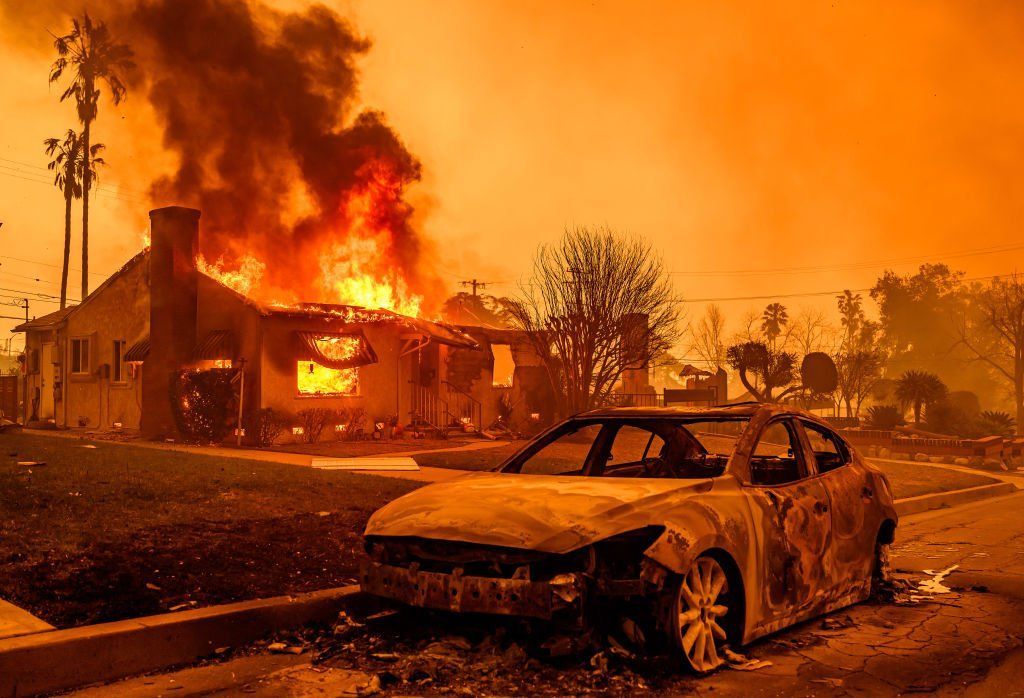
Twelve people were killed while thousands of others were displaced after the Palisades wildfire ripped through Los Angeles County in January of 2025, becoming California’s third-most destructive wildfire in history. Prosecutors now allege the cause wasn’t climate change or bad luck, but radical left-wing ideology. Thirty-year-old Jonathan Rinderknecht was obsessed with alleged United Healthcare CEO […]

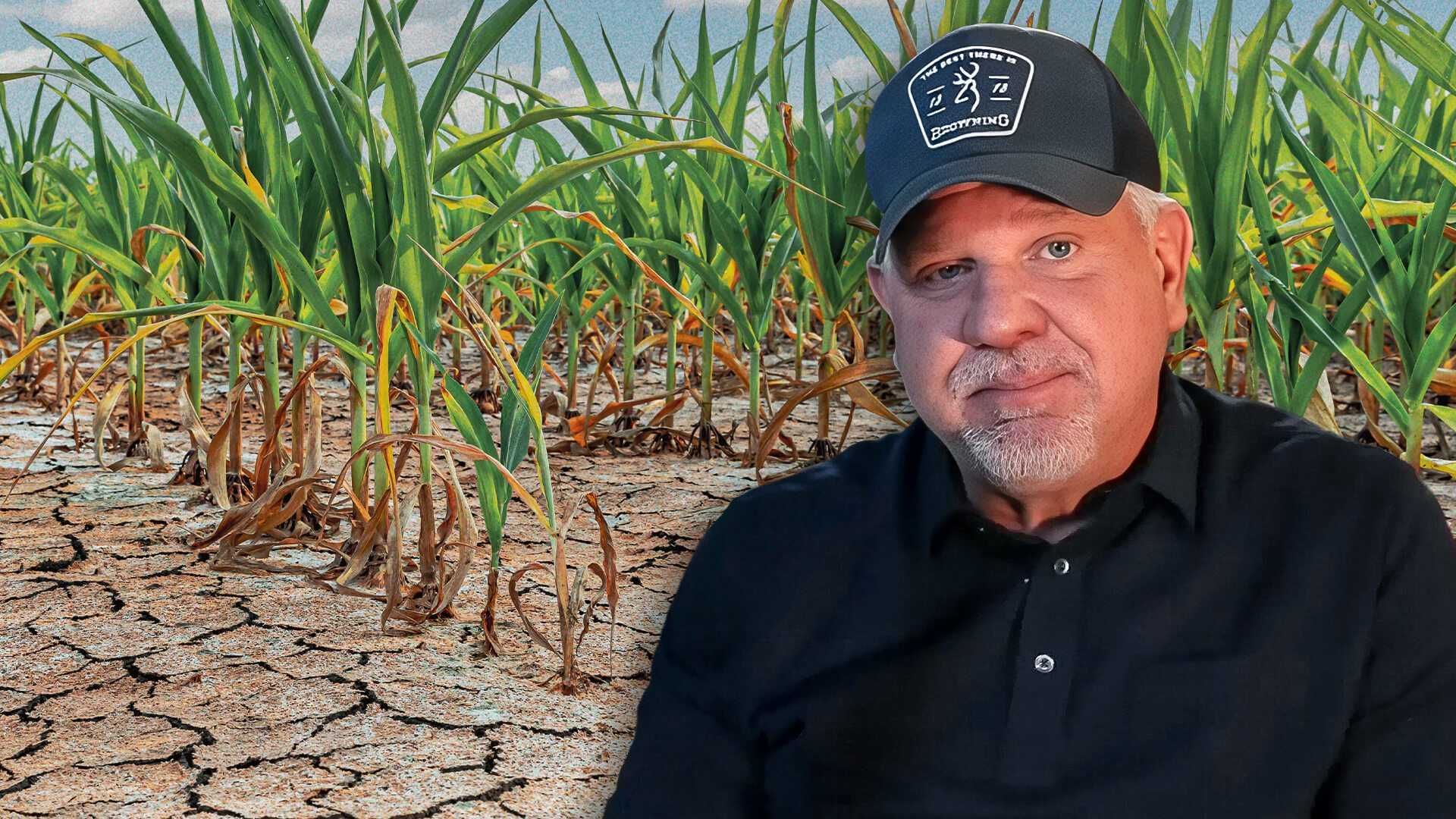
‘The storm is here’: Glenn Beck delivers urgent plan to prepare for the coming food supply crisis


A “monster drought” is currently affecting more than 61% of the lower 48 U.S. states — the highest level for this time of year since 2000 — with nearly all of the Southeast and two-thirds of the West parched. Concerns over wildfires, water supplies, food prices, and even shortages are mounting quickly.

Glenn Beck pulls no punches about the severity of this drought: “The South is baked. Sugar cane, rice, peanuts, fruit trees [are] choking under severe, extreme, and even exceptional drought. Out in the plains (that's our bread basket), winter wheat is sitting in dust; it can't germinate because it doesn't have the water. In the West, the mountain snow pack is vanishing before our eyes.”

Our farmers, he warns, are “barely hanging on,” and that burden will soon impact us.

“Food costs are going up and not a little — a lot. Beef, grains, produce, everything that comes from the fields all across our fruited plain. It's going to cost more at the grocery store, and it's coming sooner and faster than most people want to even admit,” says Glenn.

He urges his audience to start by fasting and praying.

“I'm asking you to fast and pray for rain all across the country. I'm asking you to fast and pray for our farmers because our farmers are under extreme stress. ... They are probably the most important cog in the chain of this machinery,” he says.

The second thing Glenn implores his audience to do is “stop depending on this system.”

“It is really important that you become as food independent as possible. If you don't have food storage, you should. If you have a scrap of yard, plant a garden this spring — tomatoes, beans, potatoes, greens, anything you can grow. Anything,” he pleads.

Whether it’s starting a “neighborhood garden,” learning how to “preserve” different foods, or “[stocking] a little extra when you can,” the time to prepare is now.

“This isn't just about rain or fertilizer prices, market prices. ... We are in a spiritual war, and I'm telling you, the very gates of hell will come against us in the days ahead,” Glenn warns.

Our current state of disunity, he cautions, will only make matters worse.

Glenn begs his audience to seek unity: “This too shall pass, but it will pass a whole lot easier if we stop pulling in different directions and start sticking together; if we stop hating one another and start helping one another; if we start to get to know our neighbors and say, ‘Look, I don't care how you vote, man, but have you seen the price of food?"’

“Plant your seeds in the ground, and plant seeds of love in your heart and in your faith, and get ready because the storm is here.”

To hear more, watch the video above.

Want more from Glenn Beck?

To enjoy more of Glenn’s masterful storytelling, thought-provoking analysis, and uncanny ability to make sense of the chaos, subscribe to BlazeTV — the largest multi-platform network of voices who love America, defend the Constitution, and live the American dream.

‘Sparkle Beach Ken’ Is Too Kind To Gavin Newsom

The California governor correctly figures that if he stays on offense, his own dismal record will be ignored — even if that offense is odd.

Preparedness isn’t paranoia. It’s pattern recognition.


A certain smug comfort belongs to people who have never stood between a riot line and a camera, never smelled accelerant on the wind, never watched their phones lose signal while fire chewed through an entire neighborhood. They talk about “heated rhetoric” and “charged atmospheres” as if danger were theoretical. For women reporters on the ground, it isn’t.

The front line is not a metaphor. It is a place. And it is getting more dangerous by the year.

This is not a gadget story. It is a survival story.

I have covered Antifa riots where the mob knew my name before I reached the sidewalk. I have been screamed at, followed, and threatened by people who publicly denounce violence while privately practicing it. I have watched law enforcement stand down under progressive policies that place the comfort of agitators above the safety of citizens. And I have learned, the hard way, that when cities become unlivable, women pay first.

The left loves to talk about “lived experience.” Here is mine: Democrat governance has made America’s major cities objectively less safe, and being a female independent journalist in them now requires the mindset of a survivalist.

That became brutally clear during the Los Angeles wildfires of 2025.

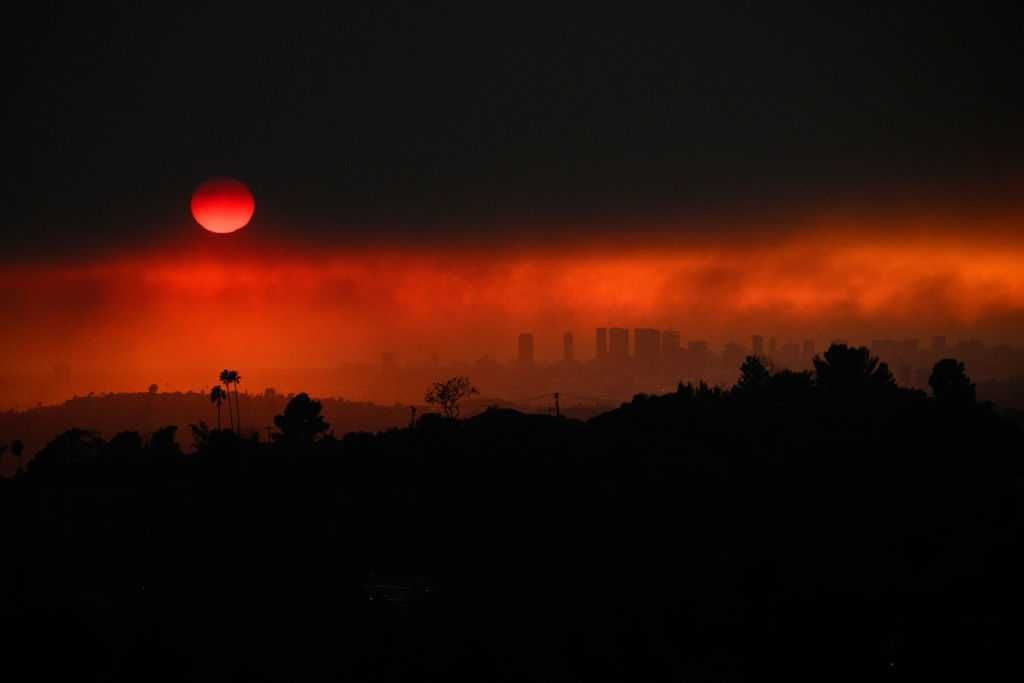
I was there when the sky turned orange and evacuation orders contradicted one another. Cell towers failed. Emergency lines were overwhelmed. Friends and family lost homes — not hypothetically, not statistically, but completely. In that chaos, the only reason I was able to coordinate help, locate people, and call for assistance was a satellite phone. While 911 systems collapsed, that device worked. No signal dependency. No excuses.

That is not a gadget story. It is a survival story.

The same lesson repeats itself elsewhere. In Washington, D.C., shootings now occur in places that once felt immune — near offices, events, and corridors of power. I was at Butler. I have been steps away from moments that could have gone very differently. Anyone insisting that “these things don’t happen here” is either lying or sheltered by privilege.

When whistleblowers reach out to me, they do not do it over casual cell calls. They use secure satellite communications, because they understand something our leaders prefer not to acknowledge: privacy is safety. Satellite phones are resistant to interception, independent of fragile infrastructure, and immune to spam and shutdowns. When people have something dangerous to say, they choose tools that help keep them alive.

This is not paranoia. It is pattern recognition.

People have died hiking because there was no signal. Boaters have vanished because help could not be reached. Hurricanes do not care about ideology. Fires do not check voter registration. Yet one party consistently opposes disaster preparedness, energy independence, and resilient infrastructure — while demanding blind trust in systems that fail precisely when they are needed most.

Preparedness is not extremism. It is common sense.

Redundancy in communication is not political. Neither are solar-powered backups or hardened devices. Nor is concern about electromagnetic vulnerabilities when our lives run through centralized, fragile networks. Thinking ahead does not make you radical. It makes you female in a country that keeps telling women to be brave while stripping away the tools that make bravery survivable.

And yes, it matters who builds those tools.

If I am calling for help, I want American customer service — American voices, American-owned companies. Safety should not come with a foreign accent and a hold button. Trust is part of security.

This is why satellite phones, solar chargers, emergency kits, and hardened cases are no longer niche products. They are rational responses to an increasingly unstable political and physical environment. They are also meaningful gifts — because nothing says you care like giving someone a way to come home alive.

RELATED: A nation without trust is a nation on borrowed time

Photo by Jay L Clendenin/Getty Images

Which brings us to 2026.

Around President Trump, TPUSA events, or Republican members of Congress, the threat environment is asymmetric. The left has normalized political violence while denying it exists. Media figures excuse it. Politicians minimize it. Prosecutors decline to prosecute it. And women journalists who refuse to conform are expected to absorb the consequences quietly.

I won’t.

The question voters should ask heading into the midterms is not which party sounds kinder on cable news. It is which party acknowledges reality — and equips Americans, especially women, to survive it.

One side treats chaos as a political tool. The other treats safety as the foundation of freedom.

I know which one kept me connected when the fires closed in. I know which one refuses to pretend riots are “mostly peaceful.” And I know which one understands that strong borders, strong policing, resilient infrastructure, and personal preparedness are not luxuries in dangerous times.

The front line is expanding. It runs through our cities, our forests, our streets, and our inboxes. Women are already on it — whether policymakers realize it or not.

The only question left is whether America will choose leaders who take our safety seriously or continue sacrificing us to ideology.

Because the danger is real. And pretending otherwise is the most reckless policy of all.
California’s superstate creates waste, not solutions


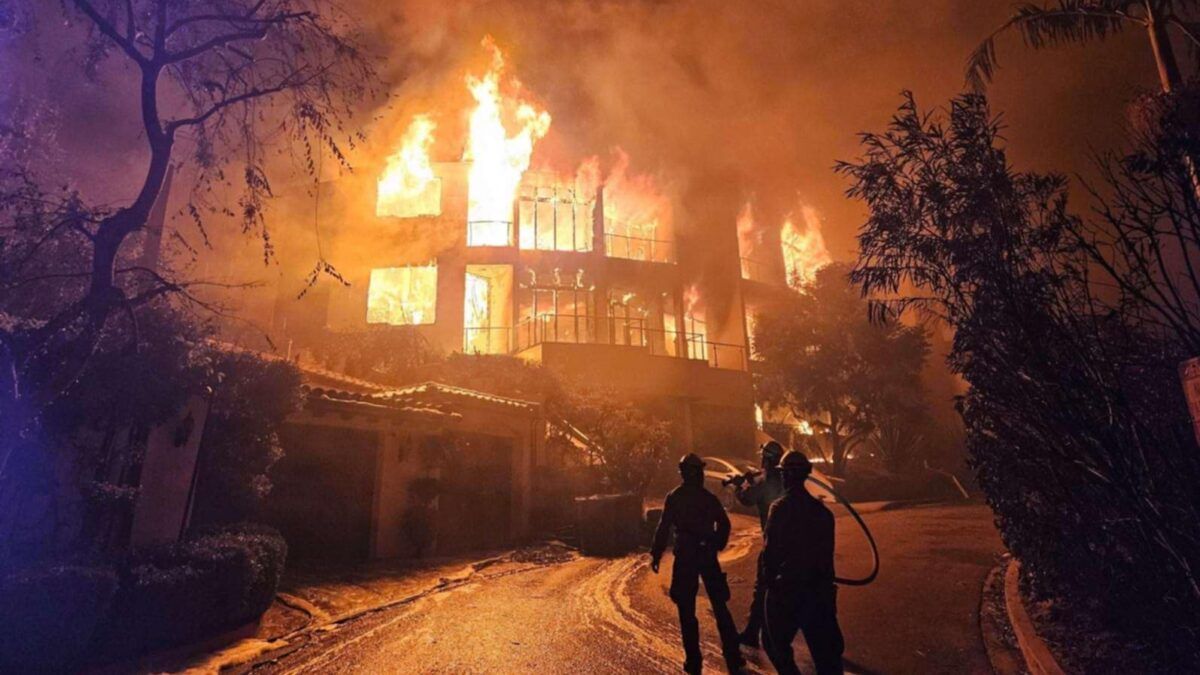
California loves to pretend its problems don’t exist. Power shortages, housing shortages, suffocating regulation, wildfires, polluted waterways, and the nation’s largest homeless population all make the Golden State look less like a paradise and more like a failed state.

Yet, its politicians keep picking fights with Donald Trump while ignoring the rot at home.

Once an issue becomes symbolic in California, solutions no longer matter. Every crisis becomes a stage for politicians to declare themselves protectors of the people.

That’s why Bed Bath & Beyond executive chairman Marcus Lemonis made waves in August. “We will not open retail stores in California,” Lemonis said. “This isn’t about politics — it’s about reality. California’s system makes it nearly impossible for businesses to succeed, and I won’t put our company, our employees, or our customers in that position.”

Unlike the political class, Lemonis acknowledged what business leaders see clearly: The state’s promises don’t match its reality.

California’s theater of waste

Take the Chiquita Canyon Landfill in northwest Los Angeles County. In operation since the early 1970s, it stopped taking trash on Dec. 31, 2024, and formally closed in January. Regulators had blocked expansion a year earlier, citing odor and earthquake risks. Residents and politicians then piled on with lawsuits, claiming health harms and price gouging in new waste contracts.

Now, a federal judge is hinting at a preliminary injunction — against a landfill that’s already closed. The legal circus has little to do with waste management and everything to do with California’s political theater. The real waste that needs to be disposed of is the state’s broken system of governance.

California masks its failures with glossy headlines about “protecting communities” while courts and agencies bankrupt operators with lawsuits. That’s not stewardship. It’s damage control dressed up as virtue.

I’ve worked for decades as an investor with a focus on sustainability. Real stewardship balances safety, markets, and management. When the state cripples businesses caught in its crosshairs, it destroys the very resources needed for remediation. Mining provides a clear example: If regulators bury companies in red tape after they scar mountainsides, no one has the money left to restore the land.

But California prefers to bankrupt operators, create thousands of plaintiffs, and unleash a regulatory swarm. At Chiquita alone, more than 9,000 plaintiffs are attached to multiple lawsuits, and at least 10 agencies — from the EPA to the California Air Resources Board — have swarmed the site. With that many bureaucrats involved, solving problems takes a back seat to turf wars and political maneuvering for credit.

Image over impact

I saw this dynamic firsthand in 2015, when I led takeover attempts of American Apparel, then one of the nation’s largest manufacturers. Regulators in Los Angeles didn’t care about managing waste or energy use. They cared about projecting the right social image. Meanwhile, toxic dyes, chemical runoff, and hazardous waste poured into the basin.

RELATED: DHS has a fiery message for Newsom after he bans masks for ICE: 'We will NOT comply!'

Photo by Justin Sullivan/Getty Images

The pattern repeats. Los Angeles “fixed” diversity in its fire department just before wildfires swept the city. San Francisco “fixed” homelessness just in time for a visit by China’s Xi Jinping. And Gavin Newsom is scrambling to “fix” his reputation by backtracking on Medicaid for illegal immigrants.

Once an issue becomes symbolic in California, solutions no longer matter. Every crisis — from wildfires to homelessness to waste management — becomes a stage for politicians to declare themselves protectors of the people. The real beneficiaries are trial lawyers, regulators, and politicians themselves.

Lemonis is not alone in seeing through the charade. Californians deserve better than endless lawsuits and performative fixes. Until the state values results over theater, it will keep hemorrhaging businesses, people, and trust.

California utility faces federal lawsuits over deadly fires


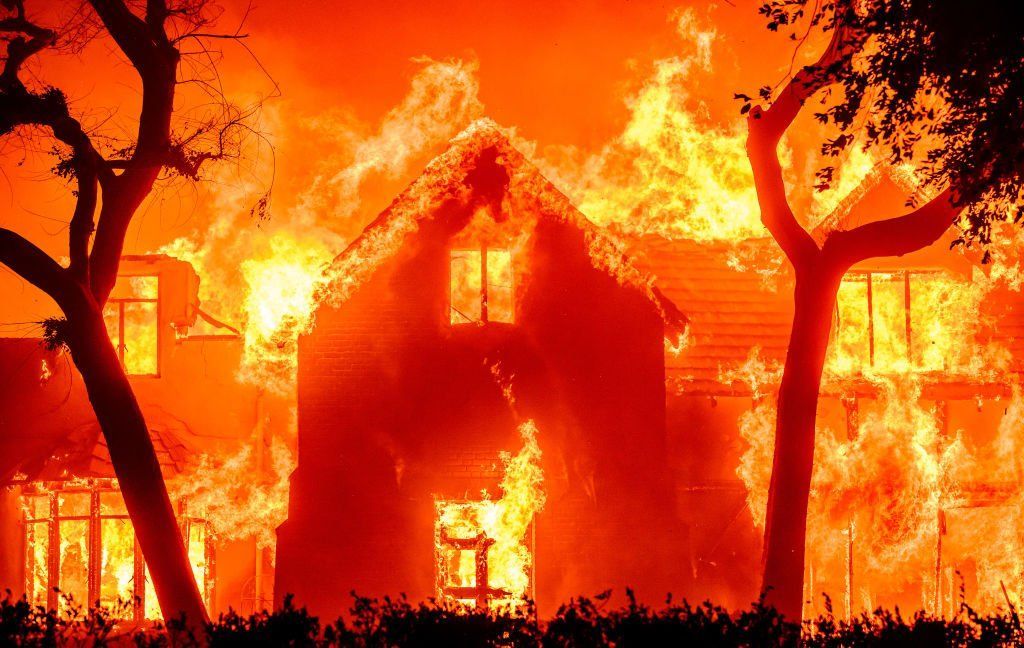
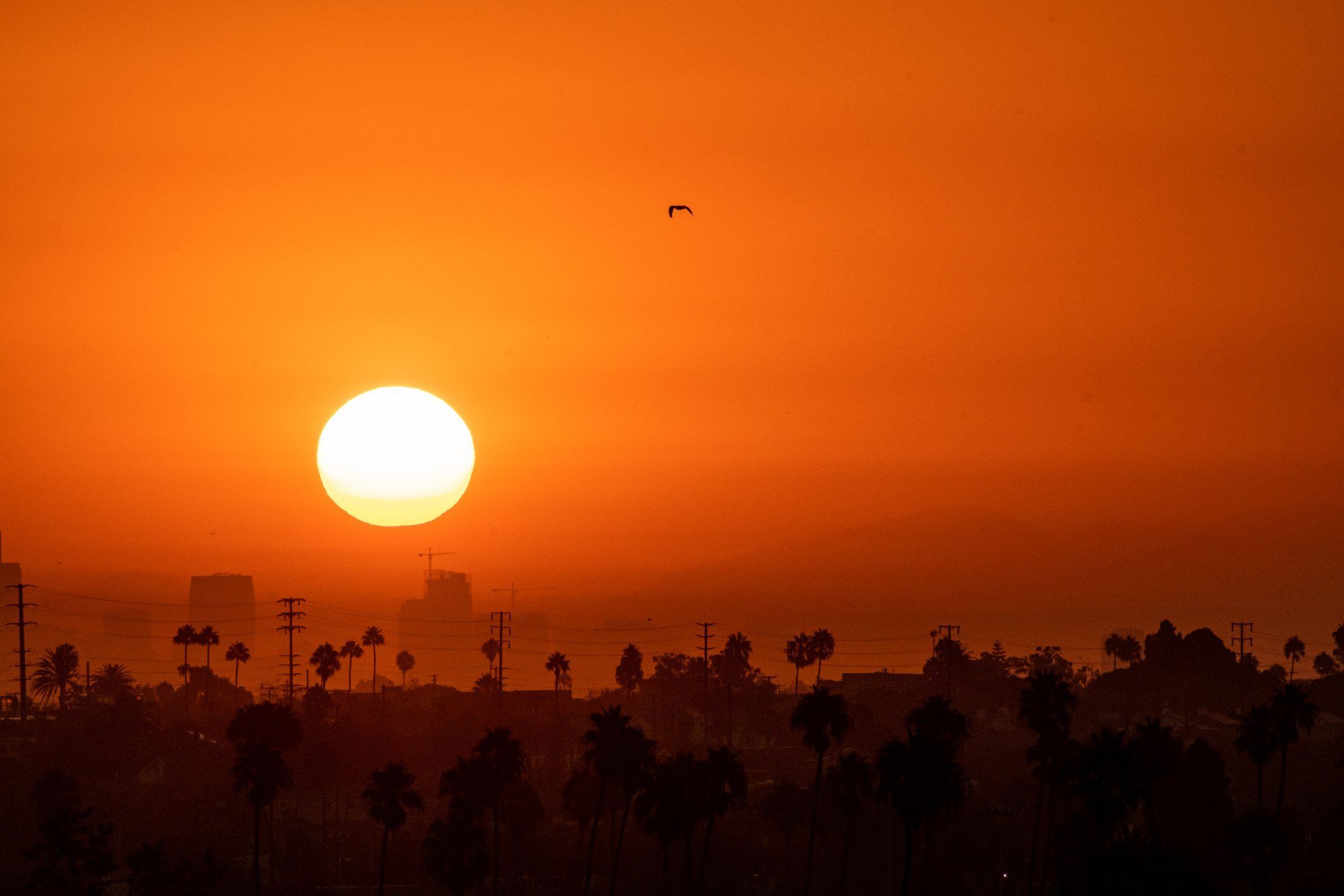
The Department of Justice has charged a California utility with igniting the Eaton Fire in January near Los Angeles, which resulted in the deaths of 19 people and the destruction of thousands of buildings.

The DOJ filed two lawsuits against Southern California Edison, seeking $40 million in damages for the Eaton Fire and an additional $37 million in damages for the Fairview Fire, which occurred near Hemet in 2022.

'These lawsuits do not include Edison's liability for private homes and other private property damage.'

While the results of the official investigation into the Eaton Fire have not yet been announced, it was allegedly sparked by "faulty power infrastructure or by sparks from faulty power infrastructure owned, maintained, and operated" by the California utility, according to the DOJ's complaint.

"The lawsuits filed today allege a troubling pattern of negligence resulting in death, destruction, and tens of millions of federal taxpayer dollars spent to clean up one utility company's mistakes," U.S. Attorney Bill Essayli stated during a news conference on Thursday.

"We believe that the evidence is clear that Edison is at fault, and by their own admissions, no one else is at fault," Essayli said, referring to a July report in which Edison admitted that it was "not aware of evidence pointing to another possible source of ignition."

RELATED: Los Angeles mayor fires LAFD chief who blamed officials' incompetence for disastrous wildfire response

Photo by Justin Sullivan/Getty Images

Essayli stated that his office is "demanding" that the utility and "not its ratepayers" cover the damages.

"Edison must not be allowed to pass along its liability onto hardworking ratepayers," he wrote in a post on social media. "The United States seeks to recover financial losses from fire suppression and damage to National Forest lands. These lawsuits do not include Edison's liability for private homes and other private property damage."

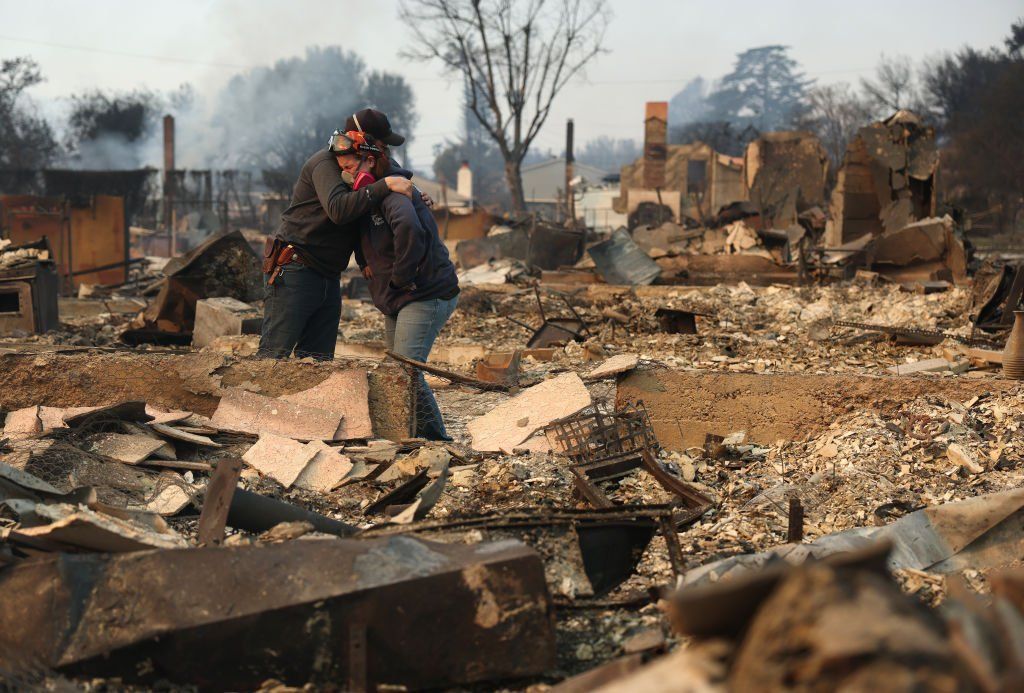
RELATED: EXCLUSIVE Blaze Media footage of Los Angeles reduced to rubble

Photo by JOSH EDELSON/AFP via Getty Images
Jeff Monford, a spokesperson for Edison, told the Associated Press that it is reviewing the lawsuits.

"We continue our work to reduce the likelihood of our equipment starting a wildfire," Monford said. "Southern California Edison is committed to wildfire mitigation through grid hardening, situational awareness, and enhanced operational practices."

Los Angeles County also filed a lawsuit against Edison in March.

Like Blaze News? Bypass the censors, sign up for our newsletters, and get stories like this direct to your inbox. Sign up here!

Karen Bass Just Got Sued By Fire Chief She Canned Over LA Wildfire Response

'Crowley has filed this claim saying that she was retaliated against'

How a viral video exposed the fall — and rise? — of California


Social media often serves as a cultural barometer, providing useful insight into cultural trends and their shifts. Consider a song parody video that recently went viral. “California Freedom” is an AI-generated satirical reimagining of the 1960s classic “California Dreamin’” by the Mamas and the Papas. Remember that one?

The original song painted California as a paradisiacal escape from the drab and dreary East Coast, a dream only a lucky few could call their home: “All the leaves are brown, and the sky is gray. I’ve been for a walk on a winter’s day. I’d be safe and warm if I was in L.A. — California dreamin’, on such a winter’s day.”

California Freedom gets closer every day as locals rise to the challenge and opportunity in front of them.

The song predates the internet era, but its imagery is timeless: golden sunshine, palm trees, beaches, teens in drop-top cars cruising down Sunset Boulevard. It depicted California as a place of effortless joy — life as it ought to be.

— (@)

This is a starkly different California. The scenes are familiar but jarring: riots, wildfires, corrupt officials with clown faces, piles of money from China and other state malefactors. Set to the same tune, the new lyrics deliver a biting contrast:

Our governor’s a clown, so’s the mayor of L.A. Corruption at the top, arrogance on display. Always assumed we would conform — we’re finally awake. California freedom gets closer every day ...

At first glance, this parody video might seem dark and pessimistic, a major fall away from the sunshine of the original. But the opposite is true. The Mamas and the Papas’ version is the one with a sad, nostalgic, depressed message despite its lovely harmonies and lilting flute interlude. The writer is resigned, stuck. He has little agency in his condition. He tells us:

Stopped into a church I passed along the way. Got down on my knees, and I pretended to pray. You know the preacher liked the cold, he knows I’m gonna stay ... if I didn’t tell her I could leave today… California dreamin’ on such a winter’s day ...

The lead singer contributed nothing to the California dream he longed for and felt no control over his own life. Many in his generation shared that attitude. Baby Boomers who came of age in the mid-1960s soaked up messages that told them they were powerless over their future. They grew up and raised children with little resilience, unprepared to face adversity.

These were the kids who never walked alone in the woods or dug up worms by hand. They grew into college students who needed “safe spaces” and coloring books to cope with opposing viewpoints. They are the fragile offspring of a generation that surrendered its agency — and passed along the habit.

RELATED: LA wildfires point to a long list of failures by California authorities

Photo by Mario Tama/Getty Images

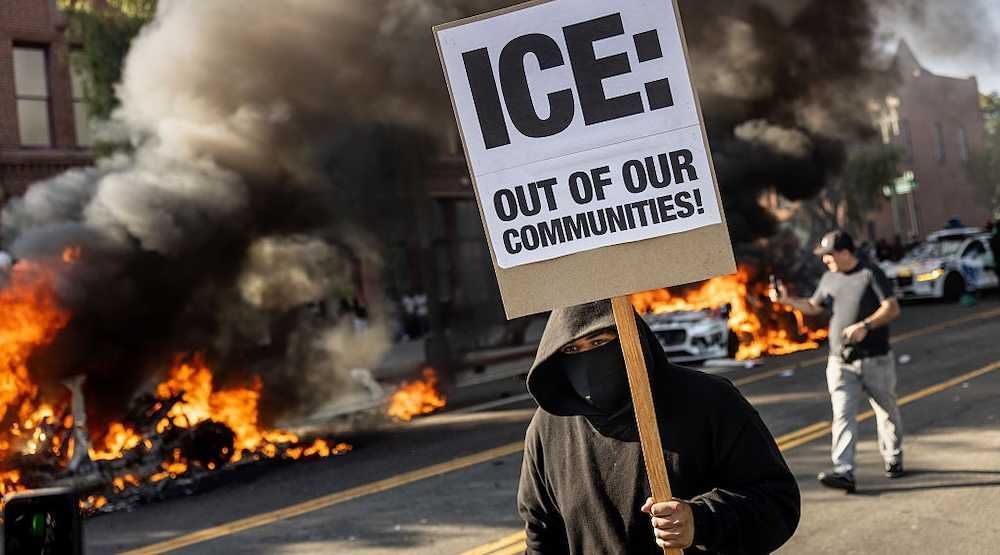
But the “California Freedom” video tells a different story. Early on, the bear from the state flag rears up, growls, and bares its teeth — startling Nancy Pelosi. We see ICE and law enforcement pushing back on rioters. And after a litany of the corrupt and destructive acts of key state leaders, the original song’s flute solo plays once again — but this time, Donald Trump is shown performing it in front of California’s most iconic and breathtaking landscapes.

Trump playing the flute may draw laughs — a wink at his claim of childhood musical talent — but the image carries weight. His administration has moved swiftly and forcefully to restore order where leftist leaders welcomed chaos and destruction. Through initiatives like the Department of Government Efficiency and budgetary reform, Trump has choked off taxpayer funds to activist groups pushing bloated, often corrupt government control over everyday life.

The video places Trump against California’s most iconic landscapes — redwoods, poppy fields, the Golden Gate — transforming a moment of satire into something more. It’s not just a gag. It’s a statement: California’s promise still lives. Freedom, prosperity, and integrity don’t flow from bureaucrats or ideologues. They come from the land itself — and the people who choose to defend it.

The video speaks clearly: We have agency. California doesn’t have to remain broken. Beneath the corruption, arrogance, and engineered collapse lies a chance to rebuild. The bear — California’s symbol — rises, growls, and shows its teeth. And through the noise, the music plays again. Behind the drug camps and trash-choked boulevards, the state’s beauty and strength still hum with life.

This energy, stronger than COVID lockdowns that crushed working people while Gavin Newsom dined at the French Laundry, signals something new. The future is coming — and it looks nothing like the ruins left behind.

I first traveled to the San Francisco Bay Area in the early 1970s to meet my fiancé’s family, and I fell in love immediately with the land and the sea. Later, while living in Silicon Valley, we explored the state whenever possible. In the L.A. area, I walked the ocean paths often.

What happened to California in the decades since grieves me. It’s one reason I refused to retire there.

But now, a new generation offers hope. Young people inspired by Trump are shedding the passive fragility their parents too often embraced and indulged. They’re building a different California — one rooted not in globalist pretensions or bureaucratic arrogance but in the sea, the mountains, and the enduring beauty of the land itself.

California freedom gets closer every day as locals rise to the challenge and seize the opportunity in front of them.