Abortion by mail is putting women in grave danger
U.S. Senator Josh Hawley (R-Mo.) recently asked the Department of Justice to open a criminal investigation into the abortion group Plan C.
According to Hawley’s complaint, Plan C teaches Americans how to obtain chemical abortion drugs in violation of state law and advises users to conceal their activity through privacy-focused browsers, virtual private networks, and encrypted email.
Lawmakers are rewarding an industry that treats the isolation of women as empowerment and the removal of medical oversight as progress.
The complaint raises a larger question: How much risk is the abortion industry willing to impose on women and girls in pursuit of unrestricted access?
Recent cases have shown how easily men can obtain mifepristone online and use it to coerce or drug women. Yet the industry continues pressing to remove safeguards, minimize medical supervision, and treat mail-order abortion as ordinary consumer health care.
Congress, meanwhile, recently allowed taxpayer funding for Planned Parenthood to resume, despite sustained public opposition to federal support for the abortion provider.
That decision is especially troubling after the New York Times reported last year that Planned Parenthood was “in crisis.” The story described understaffed clinics, poor conditions, inadequate care, and botched procedures. Planned Parenthood has offered little public evidence that those problems have been corrected.
The pattern is difficult to ignore. Again and again, the abortion industry’s demand for fewer restrictions comes at the expense of basic standards of safety, medical care, and accountability.
Republican lawmakers should follow Hawley’s lead. Organizations that facilitate illegal access to abortion drugs or help users evade state safeguards should face scrutiny. Congress and the administration should also restore protections abandoned in recent years.
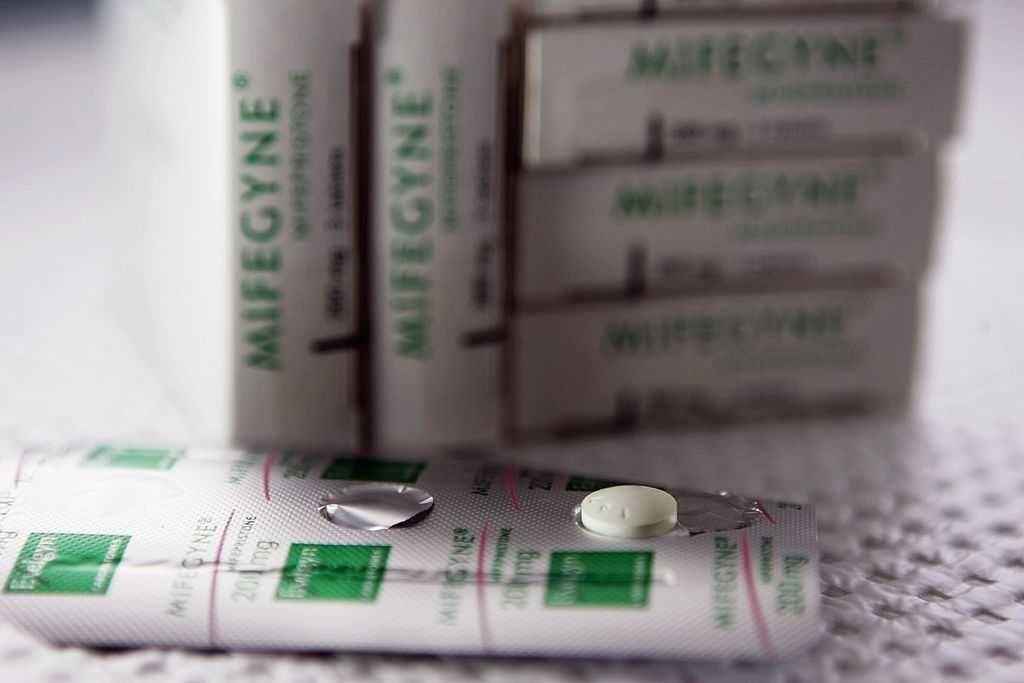
Chemical abortion offers the clearest example of what deregulation has produced.
During the COVID-19 pandemic, the Biden administration removed the long-standing in-person dispensing requirement for mifepristone. Women and girls may now obtain the drug through online providers without first seeing a doctor.
That convenience carries serious risks.
RELATED: ‘Like an Amazon shopping experience’: New investigation uncovers mail-order abortion for teens
Mifepristone can produce dangerous complications when used later in pregnancy or by women with certain medical conditions. It cannot treat an ectopic pregnancy, which may become life-threatening without prompt diagnosis. An online questionnaire cannot perform an ultrasound, conduct a physical examination, or reliably detect coercion.
Many online providers do not require proof that a patient has received an ultrasound or an in-person medical evaluation.
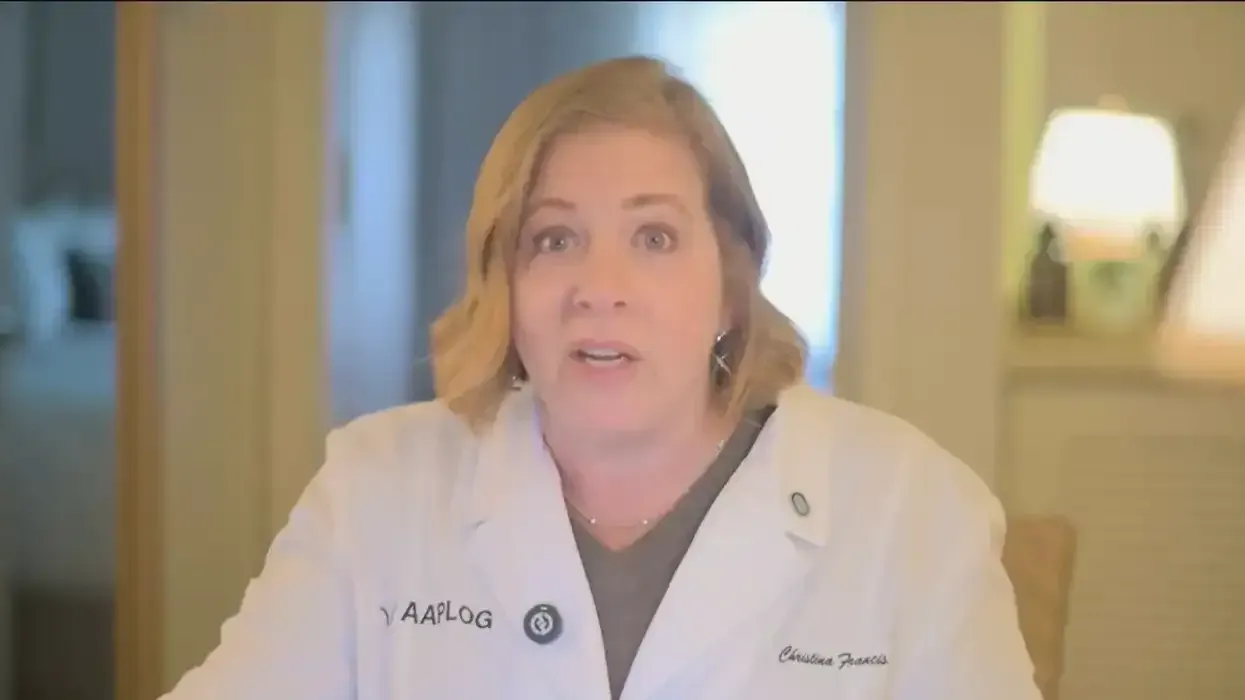
My colleague Dr. Christina Francis, a board-certified obstetrician-gynecologist, recently tested one such system. She told an online abortion provider that she was 13 years old and had a history of ectopic pregnancies, cesarean sections, an intrauterine device, and other serious complications.
Any one of those disclosures should have prompted further screening. Her stated age alone should have raised immediate concerns about abuse, consent, and parental involvement.
Instead, the provider accepted her payment and mailed the drugs.
Women and girls have a right to understand what can go wrong before they are left to experience the consequences alone.
The mail-order system has also enabled horrifying acts of coercion and abuse.
An Army captain was convicted after impregnating a subordinate and giving her mifepristone without her consent. A Texas attorney repeatedly slipped abortion drugs into his wife’s drinks. In Louisiana, a young man used his girlfriend’s information to order mifepristone and then isolated and pressured her into taking it. An Ohio doctor forced the drug down his girlfriend’s throat.
Those are just the cases that became public. How many other women have suffered in silence? How many have lost pregnancies without knowing that a partner drugged them? How many were pressured into abortions while isolated from family, doctors, or anyone positioned to recognize the abuse?
Mail-order abortion removes the very people most likely to detect coercion: physicians, nurses, clinic staff, parents, and trusted family members.
It also leaves women to manage bleeding, pain, fear, and possible medical emergencies without direct supervision.
Research cited by pro-life advocates indicates that many women report feeling pressured into abortions they did not want or that conflicted with their values. Whatever the precise scale, coercion is a real and documented danger. Policies should make it easier to detect, not easier to conceal.
RELATED: Takeaways from the latest Supreme Court abortion intervention
Yet prioritizing access over safety increasingly appears to be a feature rather than a bug of the abortion industry’s model.
Plan C says it seeks to “transform access to abortion in the U.S. by normalizing the self-directed option of abortion pills by mail.” That mission statement emphasizes access and normalization. It says nothing about medical screening, coercion, abuse, or the risks of taking the drugs without an examination.
A website that teaches users to order abortion drugs secretly and evade state laws does not merely serve women seeking abortions. It may also serve abusers looking for a discreet way to obtain drugs they can use against women.
The beneficiaries are obvious: organizations that sell or distribute the pills and men willing to use them as instruments of coercion.
Lawmakers have tolerated this system for too long. They have permitted the weakening of medical safeguards, restored funding to Planned Parenthood, and resisted efforts to require in-person care for chemical abortion.
They are rewarding an industry that treats the isolation of women as empowerment and the removal of medical oversight as progress.
Hawley and a growing coalition of pro-life groups are right to demand accountability.
Congress and the Justice Department should investigate organizations that knowingly help users violate state law. Federal regulators should restore meaningful medical safeguards for mifepristone. Lawmakers should also ensure that minors, abuse victims, and women with dangerous medical conditions are not abandoned to an online form and a package in the mail.
Women and girls deserve better than an abortion system built around secrecy, isolation, and plausible deniability.
 Attorney General nominee Todd Blanche told U.S. senators during his confirmation hearing on Wednesday that the Trump administration’s Department of Justice believes the Biden administration’s radically relaxed rules for obtaining abortion pills “were wrong.” In his exchange with Missouri Sen. Josh Hawley, Blanche explained that the DOJ is “not defending what Biden did, and will […]
 Blanche could resolve the problem immediately by settling the case and agreeing to a court-ordered consent decree. So far, he hasn't done so.
 Researchers noted that gaps in informed consent and post-abortion examination were more apparent in cases of mail-order mifepristone.
 Pro-life nonprofit organization Heartbeat International launched a new tracker last week that lists reported cases of abortion pill poisonings across the United States. So far, the organization has identified 15 states where women have reportedly been tricked into taking abortion drugs without their knowledge or consent. Pregnancy Help News, Heartbeat International’s news website, is hosting […]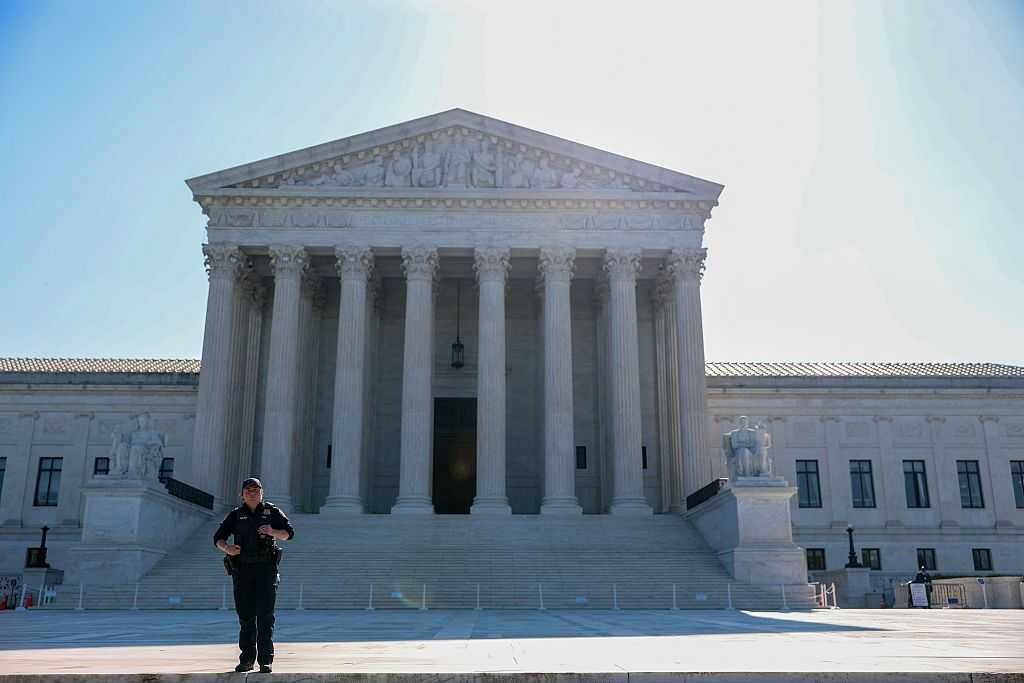
 SUZANNE CORDEIRO/AFP/Getty Images
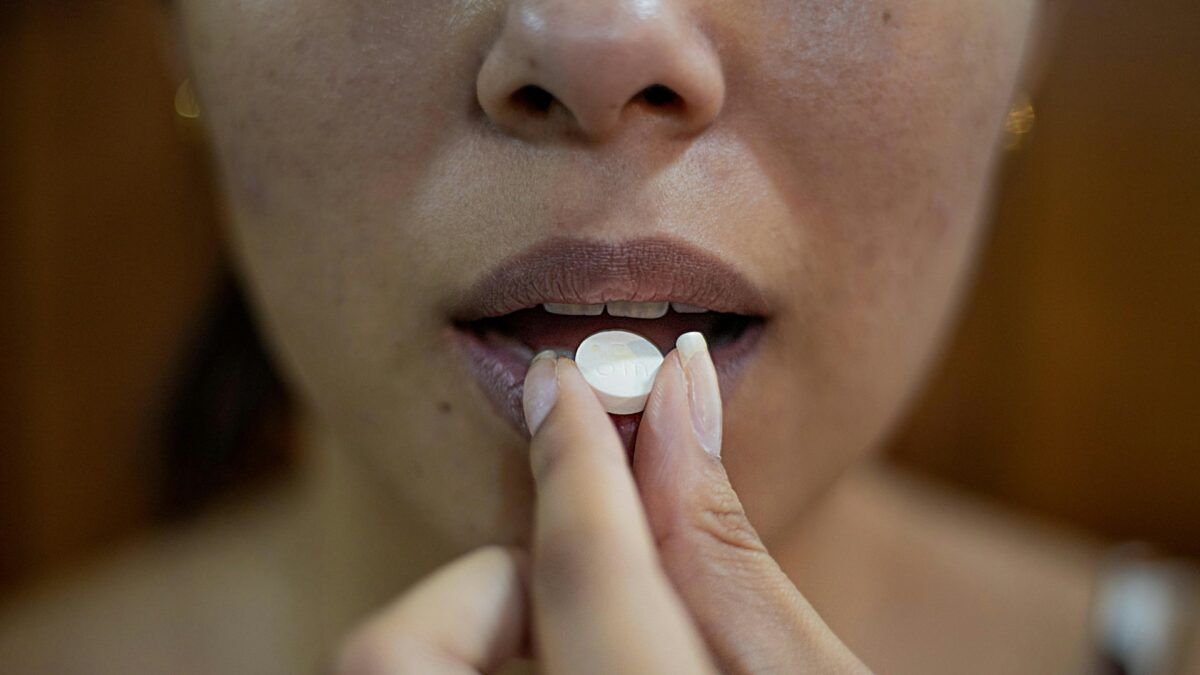 Abortion proponents will argue the JAMA study shows mail-order abortions are 'almost exclusively' perfectly legal. They're not.
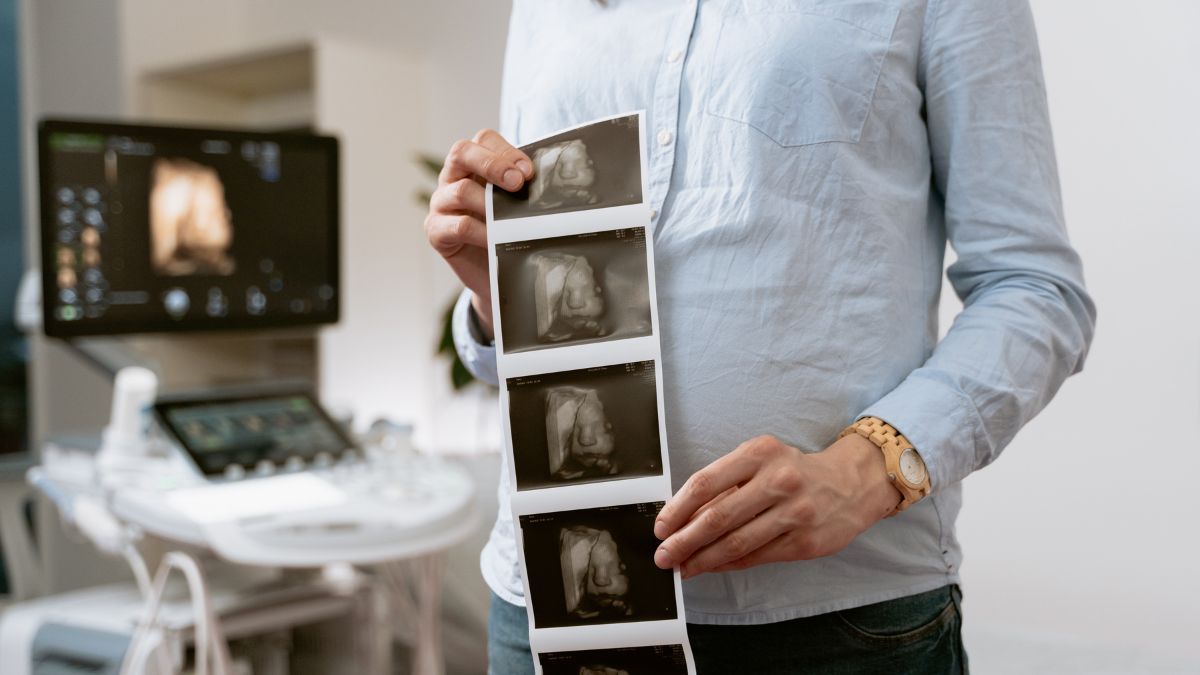 Pew buries the fact that four in 10 Americans agree that ‘human life begins at conception, so an embryo is a person with rights.’
 Today, women like my mom are told to visit a website and order abortion drugs. Other women deserve the same support she received decades ago.
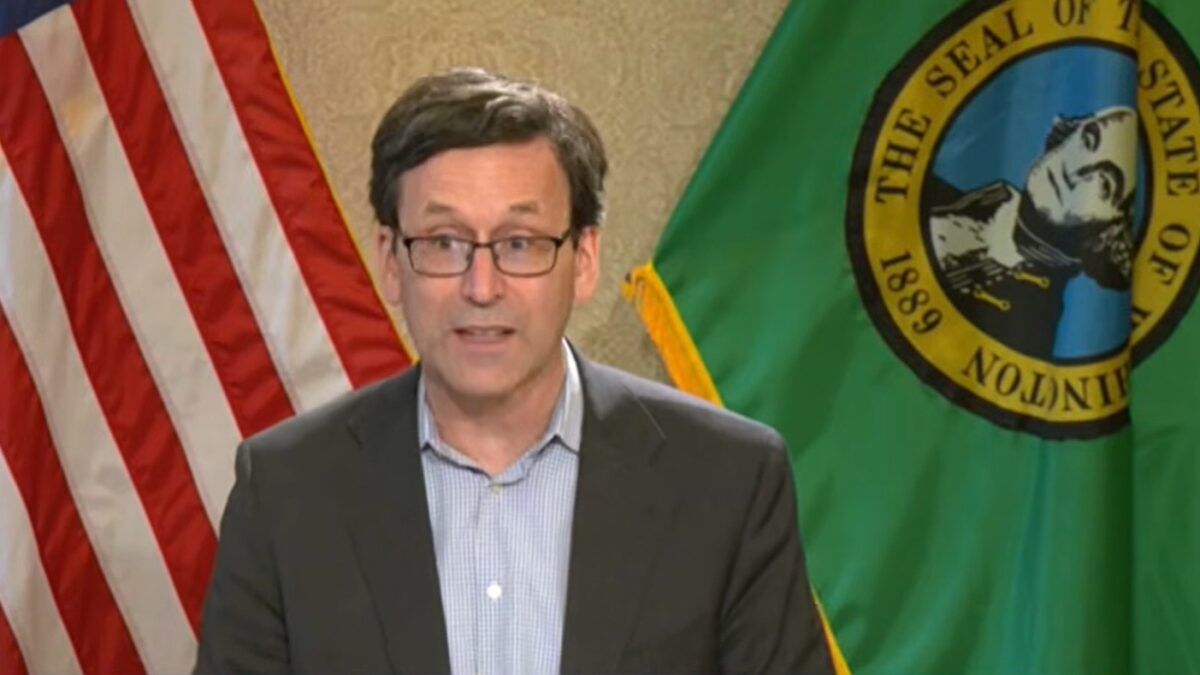 New legislation would turn the Department of Corrections into a full-blown, state-sanctioned drug dealer — the state should reverse course.
 www.theblaze.com
 www.theblaze.com
 thefederalist.com