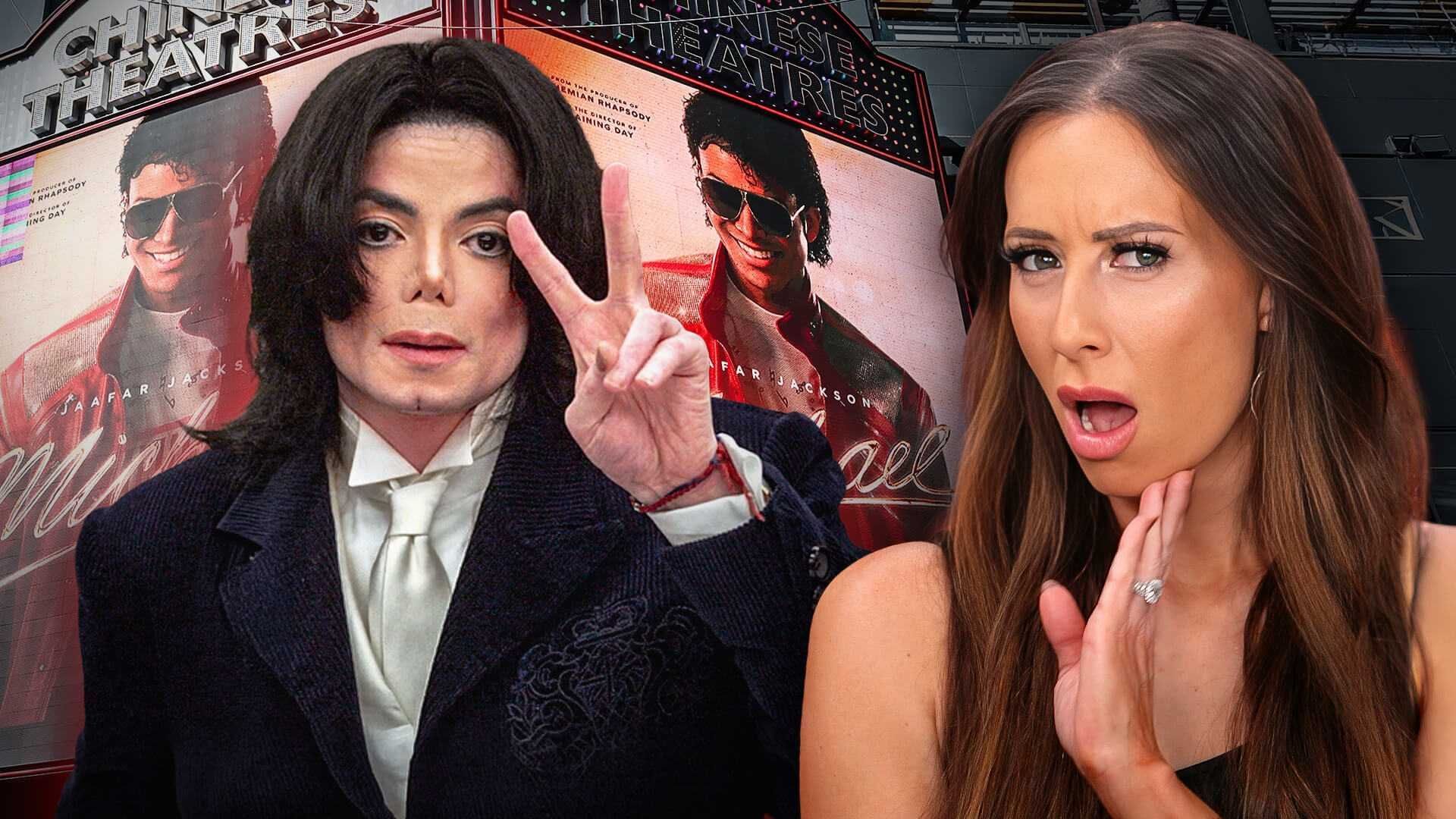
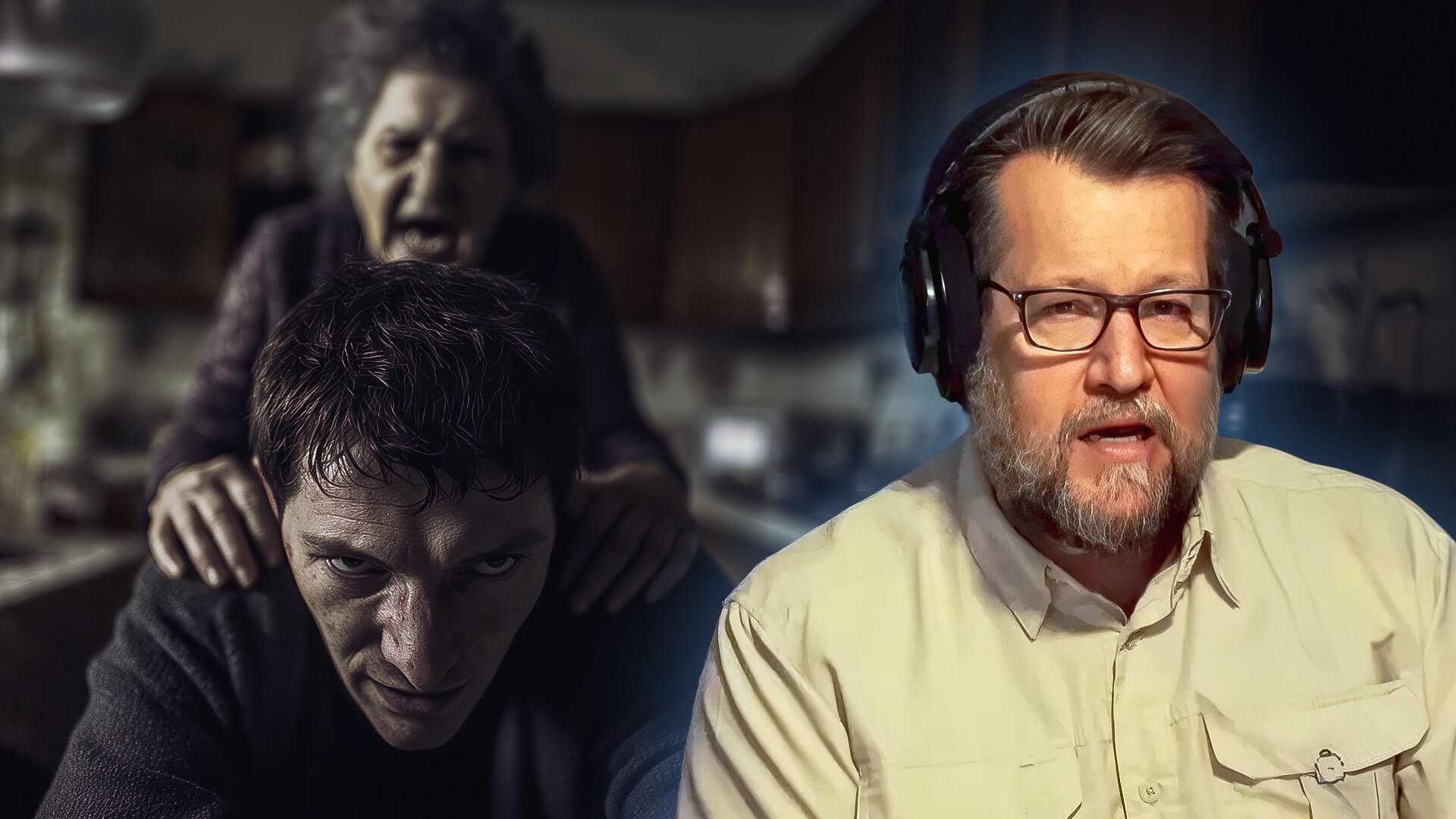
Sara Gonzales calls out left’s hypocrisy over Michael Jackson biopic success


Many leftists pin their hatred of Donald Trump on their unproven claim that he was involved with Jeffrey Epstein — but that isn’t stopping them from supporting an alleged abuser at the box office.

And BlazeTV host Sara Gonzales is tired of the hypocrisy.

“They’re like, ‘Oh my gosh, we hate pedophiles. We are the party against pedophiles, and the Republicans are always protecting pedophiles. If there’s anything we hate, it’s pedophiles,’” Gonzales mocks.

“Actually, that’s historically not been the case. Has not been the case, as documented with all of these Democrats involved with Jeffrey Epstein, but also they have apparently been crawling all over each other to go watch a movie about [an alleged] renowned kiddie diddler,” she continues.

The movie is Antoine Fuqua’s Michael Jackson biopic, which brought in a whopping $218.8 million globally over its opening weekend and became the biggest domestic opening of all time for any biopic.


“Michael Jackson, when it comes to him, technically he was cleared in the legal system in 2005,” Gonzales says, though she isn’t buying it.

And according to a report in People magazine, Gonzales may be on to something.

The report claims that the director of the biopic allegedly made an extra $25 million to remove child sex abuse allegations.

“That’s a lot of money to pay the director and a producer to remove things from the movie if they weren’t true,” Gonzales says, pointing out that it’s not the first time allegations of abuse have been suspiciously squashed.

“You also had the documentary ‘Leaving Neverland,’ which was 2019. And the biggest accusations that came out were highlighted in this. ... But guess what? If you missed it and you want to go back to check it out, you’re not going to be able to see it because the Jackson Estate sued to remove it from the internet, just like they buried it in the movie and got paid off,” she continues. “Are you sensing the trend yet?”

Want more from Sara Gonzales?

To enjoy more of Sara's no-holds-barred takes on news and culture, subscribe to BlazeTV — the largest multi-platform network of voices who love America, defend the Constitution, and live the American dream.

Megachurch pastor ousted following Robert Morris' child sex abuse scandal starts ministry up again


Brady Boyd became the senior pastor of New Life Church in Colorado Springs in 2007 after serving six years as associate senior pastor and elder at the Gateway Church in Southlake, Texas. Elders at the church forced Boyd out last year after it became clear that he had misled his congregation about what he knew about Gateway Church founder Robert Morris' sexual abuse of a child.

Apparently betting on Coloradans to forgive and/or forget, Boyd is launching services nearby.

Background

Cindy Clemishire came forward in 2024 accusing Morris of molesting her when she was a child.

'I am qualified for ministry.'

Morris initially downplayed his interactions with Clemishire as "inappropriate sexual behavior with a young lady" that was limited to "kissing and petting." Clemishire contradicted Morris, suggesting that the pastor starting abusing her when she was 12 years old and continued doing so for roughly five years.

Days after Clemishire's public accusation went viral, the church's elders announced that they had accepted Morris' resignation.

In October, several months after his indictment on child sexual battery charges, Morris pleaded guilty to five felony counts of lewd or indecent acts with a child.

Boyd could not escape the fallout from Morris' sex abuse scandal.

Boyd — who took over as senior pastor at New Life Church in Colorado Springs in 2007 after its former pastor, Ted Haggard, resigned over allegations that he had a sexual relationship with a male prostitute and abused methamphetamine — claimed until 2024 that he was unaware that Clemishire was 12 when Morris started molesting her, the Board of Elders of New Life Church said in a June 22, 2025, statement.

RELATED: WATCH: Talarico self-owns when he warns fascism will 'be wrapped in the flag and carrying the cross'

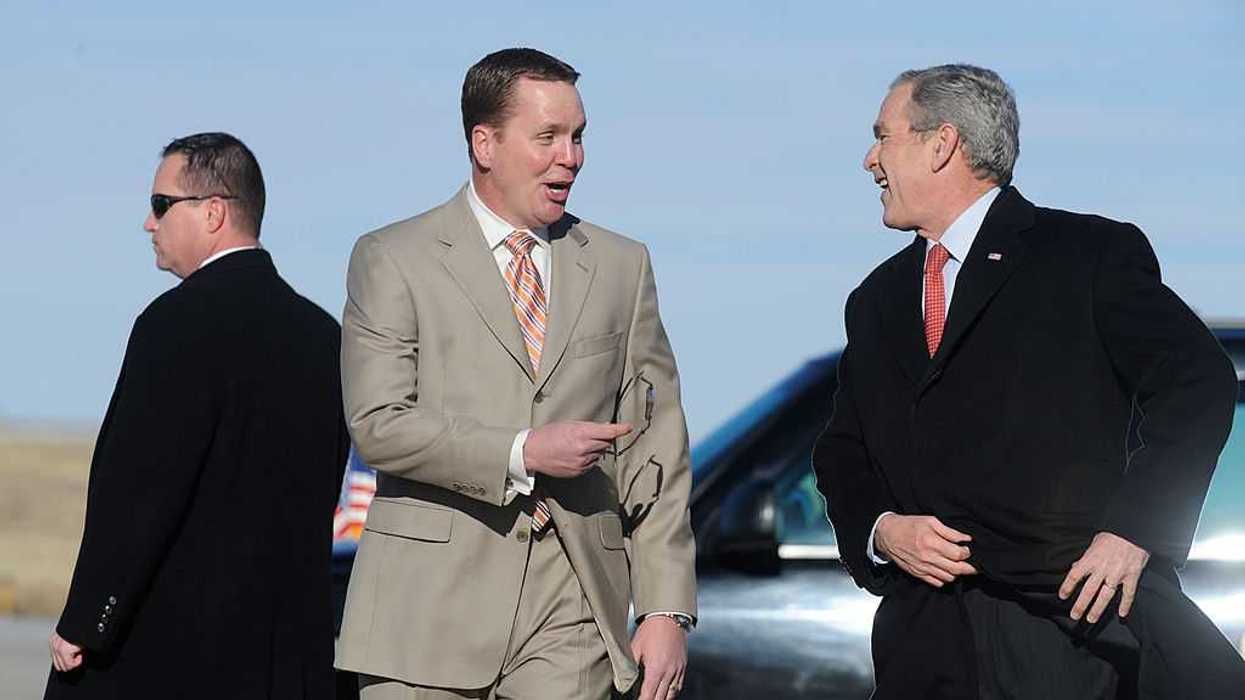
Brady Boyd with former President George W. Bush in 2008. Craig F. Walker/Denver Post/Getty Images

"We believe that to be inaccurate," continued the statement. "Brady also made statements in his public address to the congregation on June 8 that the Board of Elders knows to be inaccurate."

On June 8, Boyd told members of his church that he had no previous knowledge of the allegations against Morris and portrayed himself as a victim of Morris' deception. Court documents suggest, however, that he had some idea of the claims against his associate by late August 2007.

While acknowledging that "Brady had nothing at all to do with Robert Morris' past abuse," the elders claimed Boyd did mislead his flock.

"We believe that trust is the currency of leadership," wrote the Board of Elders. "When Brady recently told our congregation, inaccurately, that he was unaware of certain details regarding Morris’ past abuse, trust was broken, and we, the Board of Elders, asked Brady to resign."

Boyd did not respond to a request for comment from Blaze News.

New life

Within weeks of his resignation, Boyd launched a donation-collecting faith-themed organization called Psalm 68 Ministries, which he said in a July 22, 2025, post would "be operating under the authority of the elders of Trinity Fellowship Church in Amarillo, TX." Months later, he began a weekly sermon podcast.

Trinity Fellowship Church in Amarillo did not respond to a request for comment from Blaze News.

Late last month, Boyd and his wife, Pam, announced in-person services in the same commercial area of northern Colorado Springs.

"We believe we are still called to pastor in Colorado Springs. We received this mandate 18 years ago, and the calling has only grown stronger," said the announcement. "After careful prayer and discussions with trusted counselors and friends, we feel led to start a Wednesday night church service in Colorado Springs that will focus on some simple, but powerful ideas. We’ll pray together, study the Scriptures together, share the Lord’s Table, and enjoy fellowship with each other."

Boyd provided a reminder on March 11, writing, "In one week, we will gather and we cannot wait to see all of you at 6:30 at the Phil Long Music Hall."

When asked whether the new services constitute church services, Boyd told ChurchLeaders, "We are going to worship, study the scriptures, receive communion, and pray. This is not a church plant."

Responding to skepticism about whether he should continue in ministry, Boyd said, "Everyone in my trusted circle of pastors and advisers agrees wholeheartedly that I am qualified for ministry."

Like Blaze News? Bypass the censors, sign up for our newsletters, and get stories like this direct to your inbox. Sign up here!

Trump’s prison order draws a line that reality should have drawn first


When the news broke that President Trump followed through on his promise to bar taxpayer-funded gender surgeries in federal prisons, the coverage quickly pivoted to one question: How will this affect transgender-identifying inmates?

As a former inmate — I served five years at the Central California Women’s Facility in Chowchilla — I kept thinking about the people the headlines keep skipping: the women forced to endure confinement while male inmates encroach on their privacy.

Women in prison deserve the dignity to heal without being sacrificed to an ideology.

After I did my time, I re-entered civil society and founded a nonprofit to help women build sustainable lives after prison. Not long after I got out, women still inside California’s prison system began calling me with alarming reports: Administrators were moving men into women’s prisons.

At first, I couldn’t believe it. No sane person should view placing males in a women’s prison as a “compassionate” policy. It only makes sense if you ignore what prison actually is — or if you want to impose a sinister ideology no matter who gets hurt.

Some of these males claim a female identity because women’s prisons tend to be less violent than men’s prisons. In some cases, they don’t even claim to be women. They claim to be “nonbinary” and gain admission anyway. These men do not always come with minor offenses or nonviolent histories. Some are rapists. Some are child molesters. Some committed brutal, unthinkable crimes.

For years, Bureau of Prisons policies on transgender health care moved forward with little acknowledgment of the harm they impose on incarcerated women. Women like me watched administrators apply sweeping ideological rules to an environment where the stakes involve physical safety, privacy, and survival.

Under the approach that dominated the last several years, officials treated the feelings and demands of men as more important than the safety and dignity of the women forced to live beside them.

Prison has never been, and never will be, a place for “one-size-fits-all” social experiments. Every decision inside a facility affects real human beings in extremely close quarters. Housing assignments, medical decisions, and institutional accommodations cannot follow slogans or pressure campaigns from outside groups. They must prioritize the safety and well-being of the people who live there.

Anyone who has lived inside prison understands how this plays out on the ground. Women cannot leave their cells without permission. They cannot lock their own doors. They cannot choose their cellmates. They shower under supervision, change clothes in shared spaces, and sleep just feet away from strangers. Many entered prison after surviving domestic violence, sexual assault, or trafficking.

Where is the compassion for those women — women trying to rehabilitate while they relive their trauma?

The system has told them, again and again, that their trauma doesn’t matter, their fear doesn’t matter, and their right to privacy doesn’t matter. Instead, officials tell them to prioritize the identity claims of men. Give an inch and the activists will take a mile — especially when you put men with histories of violence against women and children into living arrangements that involve showers, sleeping quarters, and constant proximity.

RELATED: Groomed for violence? The dark world of furries and transgenderism in America’s classrooms

Blaze News Illustration

President Trump’s executive order barring taxpayer-funded gender surgeries in federal prisons signals a shift away from treating prisons like laboratories for social experimentation. The order supports women and supports safety.

For incarcerated women, it means they no longer have to watch men receive treatments and accommodations designed to make them “feel like a woman,” while the women themselves lose basic standards of privacy and dignity the moment they enter custody.

Incarcerated people deserve humane treatment. That includes access to medical care, mental health care, and dignity.

But dignity cannot mean denying reality.

If you’ve lived behind the walls, you know what the outside world often forgets: These policies shape the daily lives of thousands of women. Their chance at rehabilitation suffers when officials force them to live in fear, relive trauma, and navigate needless threats of real violence. Women in prison deserve the dignity to heal without being sacrificed to an ideology.

Are victims of parental abuse exempt from God’s command to honor their mother and father?


God’s command to honor your mother and father comes naturally to some people but can feel extremely difficult — or even impossible — for others, especially if they grew up in an abusive home.

But the fifth commandment isn’t caveated by any exceptions for dishonorable, difficult, or abusive parents. God requires us to honor our parents unconditionally.

For the person who seeks to uphold God’s commandments but comes from an abusive home, what does that look like? Is God requiring them to endlessly endure torment?

On this episode of “Strange Encounters,” BlazeTV host Rick Burgess addresses this difficult scenario.

After Rick published his book “Men Don’t Run in the Rain: A Son’s Reflections on Life, Faith, and an Iconic Father,” he started receiving feedback from people who couldn’t relate to his positive relationship with his father. They came from backgrounds where abuse, cruelty, or severe mental health issues were rampant in the home.

“I cannot keep allowing [my abusive mother] into my life. ... I’m much better off when we do not have a relationship,” one “Strange Encounters” listener wrote in an email to Rick.

“I want to do right by God, so I’d love a little bit of wisdom on how to move on with my life respectively and continue to be right with God,” he added.

Rick, expressing deep sympathy to those who grew up in difficult homes, says that people often mistakenly equate God’s command to honor our parents to a lifelong prison sentence where they are not permitted to distance themselves from the toxicity.

“When the Bible says to honor your mother and father, it does not mean that if your mother and father were bad people or treated you poorly, that you’re just supposed to disregard that or that somehow that’s OK because they’re your mother and father,” he corrects.

Honoring our parents, Rick explains, is less about our parents and more about our own freedom and spiritual health.

“What Scripture is talking about is not how they lived their life. It’s talking about how you, me — their children — how we live our life. It’s calling us to a high standard. It’s calling us to not repeat the mistakes that they made,” he says, encouraging people from toxic homes to “[break] that generational cycle.”

“[Demons] love bitterness, and they love to manipulate you through it. Unresolved anger, this kind of stuff, it’s damaging you. It’s not doing anything to the people you’re upset with,” he continues.

It is entirely possible, Rick argues, to physically and emotionally distance ourselves — maybe even cut off contact altogether — from our parents and still honor them simply by living honorable lives.

“We live our lives in a way that brings honor to them, whether they deserve it or not,” he says.

“I’ve got people even in my own family ... where, honestly, my life and even theirs is a lot healthier if we just don’t interact very much,” Rick admits.

“But what I have done is, I have no bitterness toward this family member. ... I have forgiven for anything that they did that hurt me, and I’ve asked them to forgive me for anything I’ve done that hurt them. But that doesn’t mean that we hang out all the time because it’s just not healthy, and that's OK.”

To those who want to uphold God’s command to honor their parents but feel that distance is the best path, Rick’s advice is simple: “Get rid of the bitterness. ... Get rid of the anger, and offer them complete forgiveness, but you’re under no obligation to continue to be manipulated by people.”

To hear more, watch the full episode above.

Want more from Rick Burgess?

To enjoy more bold talk and big laughs, subscribe to BlazeTV — the largest multi-platform network of voices who love America, defend the Constitution, and live the American dream.

Surrogacy Left These 21 Children Parentless After Alleged Abuse. Until It’s Banned, They Won’t Be The Last

No amount of regulation can fix a system that is predicated on encroaching on a child’s natural right to his biological mother and father.

Pro-Abortion Culture, Not Just Abortion Itself, Is Dangerous And Deadly For Women

The repercussions of radical abortion culture ultimately ripped a teen mom and her baby away from the world.

A 400-year-old prophecy foretold America’s loss of faith — and its revival


While history suggests that religious zeal often follows and quickly fades after events like the assassination of Charlie Kirk, prophetic visions from more than 400 years ago shine a light on our current situation and offer hope for a sustained faith revival.

Through an Ecuadorian nun, Mother Mariana de Jesus Torres, the Virgin Mary — under the title “Our Lady of Good Success” — reputedly foretold with staggering precision the ominous religious landscape of the late 20th and early 21st centuries. However, an immense loss of faith and practice — a mass apostasy — would be followed by a religious restoration.

Mother Mariana’s tale offers wisdom: God has an eternal devotion to us. He is always working, especially when the times are bleakest, and He will triumph.

Born to a Spanish noble family in 1563, Mother Mariana accompanied her religious aunt, Maria, to Quito, Ecuador, at a young age. At 15 years old, Mariana made her vows and joined the Conceptionist Order, of which she would later serve as abbess. Throughout her pious life, she had visions of our Lord, the Virgin Mary, angels, and various saints.

One evening in 1582, while praying before the Blessed Sacrament, Mother Mariana reportedly witnessed a crucified Christ bearing inscriptions related to God’s punishments for the late 20th century due to heresy, blasphemy, and impurity. During the encounter, the Blessed Mother asked the nun — who had been “judged blameless” — whether she would “sacrifice” herself for those sinners, which the nun accepted.

Mother Mariana’s mystic visions spanned decades, and they “tortured” her because of a predicted loss of innocence and modesty by children and women in the decades we are now living in. In these visions, the Virgin Mary consistently expressed her deep sorrow for the “children of these times” — because Satan “will reign” and faith would decay.

She prophesied that heresy would flourish in our times; vocations would be lacking, accompanied by rampant “sexual impropriety”; priests would scandalize the faithful; and the sacraments, particularly the Eucharist, marriage, and extreme unction, would be attacked, robbed of meaning, or forgotten. Many “frivolous souls” would be lost in the mayhem.

Despite the numerous grave warnings, the Blessed Mother also offered consolation and encouragement, telling Mother Mariana about the “merciful love of my Son” for the faithful during this period, prophesying the “happy beginning of the complete restoration.”

To spread devotion, Our Lady of Good Success instructed Mother Mariana to commission a statue, which had been “miraculously completed” by the archangels in January 1611, according to legend.

Mother Mariana died at the age of 72 on January 16, 1635. In the ensuing years, the local diocese approved and promoted the apparitions — which are now a worldwide devotion after awareness accelerated due to the accuracy of the predictions. In 1790, Father Manuel Sousa Pereira catalogued the religious nun’s life in “The Admirable Life of Madre Mariana de Jesus Torres,” and in 1986, the Archdiocese of Quito officially opened her cause for canonization.

The accuracy of the prophecies was borne out by the sexual revolution and anti-traditional posture of the 1960s, millions of children dying from abortion, and the clerical sexual abuse scandal, to name a few. From these spewed a myriad of social pathologies that have plagued not only the Catholic Church’s standing as a moral stalwart, but civilization at large. The proof has been, sadly, evident.

Vocations did collapse — as well as widespread religious practice and prayer. Marriage has declined, along with baptisms and the other sacraments. There has been a glaring lack of knowledge about the Eucharist — the source and summit of Christian life. When the basic tenets of faith are misunderstood or ignored entirely, a mass apostasy is inevitable and has taken place in the West, which has affected all Christian denominations.

Consequences beyond the Church

The decline in American religiosity raises even broader concerns for everyone. Religiously unaffiliated residents are less civically engaged than those active in their faith lives and less charitable in terms of monetary donations. As apostasy spreads, civic associations have likewise closed, providing fewer opportunities for neighbors to commune and engage in society.

It is no coincidence, then, that a bevy of social ills are emerging from the lack of social cohesion since the early 2000s, which Harvard sociologist Robert Putnam recognized in his book, “Bowling Alone.” Since then, Americans have experienced a precipitous rise in anxiety and depression, particularly among younger demographics, leading to a pervasive “happiness crisis.” It is no wonder that people are generally despondent or searching for answers.

Increasingly, we are isolated from God, our neighbors, and ourselves.

A ‘Great Awakening’

But in Christ’s parable of the prodigal son, the titular son returned to his father after hitting rock bottom. After the strife of the 20th and early 21st centuries, is a renewal — or “restoration” as Our Lady of Good Success allegedly proclaimed — a possibility? And did we collectively have to hit our lowest point to come back to our senses and God?

The seeds for a 21st-century “Great Awakening” are not entirely improbable. Within the past year, members of Gen Z have flocked to religion more than previous generations, and the rise in religious “nones” — or the unaffiliated — has slowed. U.S. politicians have urged a “spiritual reawakening” and have expressed a desire to “bring God back” into the public square. The Trump administration established the Religious Liberty Commission to reacquaint Americans with “our Nation’s superb experiment in religious freedom in order to preserve it against emerging threats.”

While challenges remain and thousands of churches are set to close, Kirk’s death could be a spark for a surge in religious practice in a nation that has, for the past few decades, jettisoned faith. After all, an overwhelming majority of Americans still believe in God, so there may be a willing audience.

For the faithful, we not only have encouraging signs of a revival, but promises in Scripture. Christ promises to the apostles, and us, that the “gates of the netherworld shall not prevail” against the church. Ultimately, heaven will win — and hell will lose. In the end, God will restore creation, wiping every tear from our eyes, and establish a new heaven and new earth.

RELATED: Charlie Kirk sparks viral Christian revival: ‘I'm going to go take his seat for him’

Photo by David Ryder/Getty Images

Although the apparitions of Our Lady of Good Success have so far proven true, Mother Mariana’s tale offers wisdom: God has an eternal devotion to us. He is always working, especially when the times are bleakest, and He will triumph.

With the recent increase in religious attendance, clamor for God, and discussion of a spiritual renewal in the weeks following Kirk’s death, perhaps a potential “restoration” of sorts — even if short-lived — may be looming on the near horizon. The data and cultural shift should fill us with hope and strengthen our hearts to welcome the influx of weary and inflamed souls longing for peace, meaning, and God.

Editor’s note: This article was originally published by RealClearReligion and made available via RealClearWire.