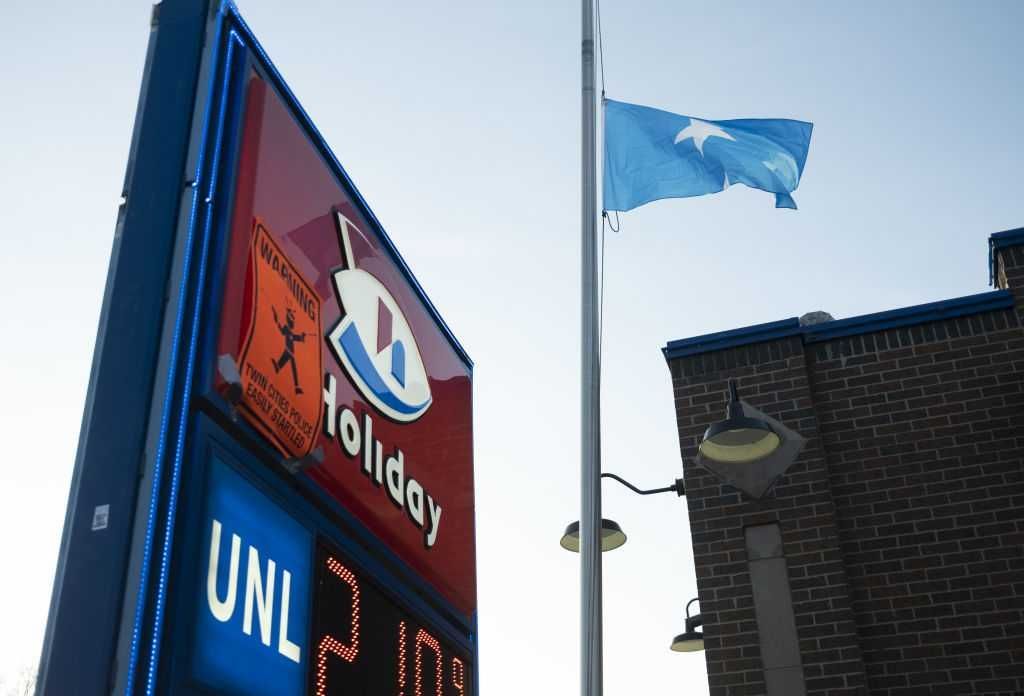
The real villains aren’t in the movies. They’re looting America’s welfare system.


Somali pirates. Dead people “billing” taxpayers. Foreign terror networks thriving on Medicaid scams. Hackers stealing identities to collect benefits.

That lineup sounds like an over-the-top Hollywood heist movie. Americans now read versions of it on the front page.

Americans should treat this caper as a wake-up call. Elected leaders should treat it as an emergency.

Federal prosecutors charged 78 Somali immigrants with allegedly stealing more than $1 billion from taxpayers. National outlets noticed, including the see-no-immigrant-evil New York Times. Prosecutors also say suspected Medicaid fraud in Minnesota may top $9 billion, with new allegations and evidence surfacing by the day.

Hollywood can’t compete with numbers like that. In “Die Hard,” the crooks chased $640 million. Danny Ocean’s crew in “Ocean’s 11” made off with a mere $160 million. Minnesota’s real-life scammers allegedly went after far more, and they exploited programs meant to help the vulnerable.

Americans should treat this caper as a wake-up call. Elected leaders should treat it as an emergency: Prosecute the thieves, close the loopholes, and change the incentives that let fraudsters treat public benefits like an ATM.

For perspective, the fraud under investigation approaches the size of Somalia’s entire government budget and equals roughly 12% of Somalia’s economy, based on recent estimates. Minnesota’s Somali population equals about 0.5% of Somalia’s population and about 2.5% of the Twin Cities metro. Yet prosecutors say a small number of people allegedly moved sums that rival major industries back home.

Worse, investigators say some stolen money went overseas. In the Feeding Our Future case and related investigations, federal prosecutors have alleged that some proceeds flowed to al-Shabaab, a terrorist group the United States has targeted for years. If those allegations hold, taxpayers didn’t just fund fraud. They helped bankroll an enemy.

Minnesota’s scandal also exposes a national contradiction. Washington wages war abroad, welcomes refugees at home, and writes checks through the same federal programs that criminals can exploit — while the national debt nears $39 trillion.

Minnesota’s political class added its own layer of absurdity. Rep. Ilhan Omar (D) built a profitable career calling America racist. Minneapolis Mayor Jacob Frey (D) delivered his re-election victory speech in Somali just days before the scope of these cases made headlines. Symbolic gestures came easy. Basic oversight did not.

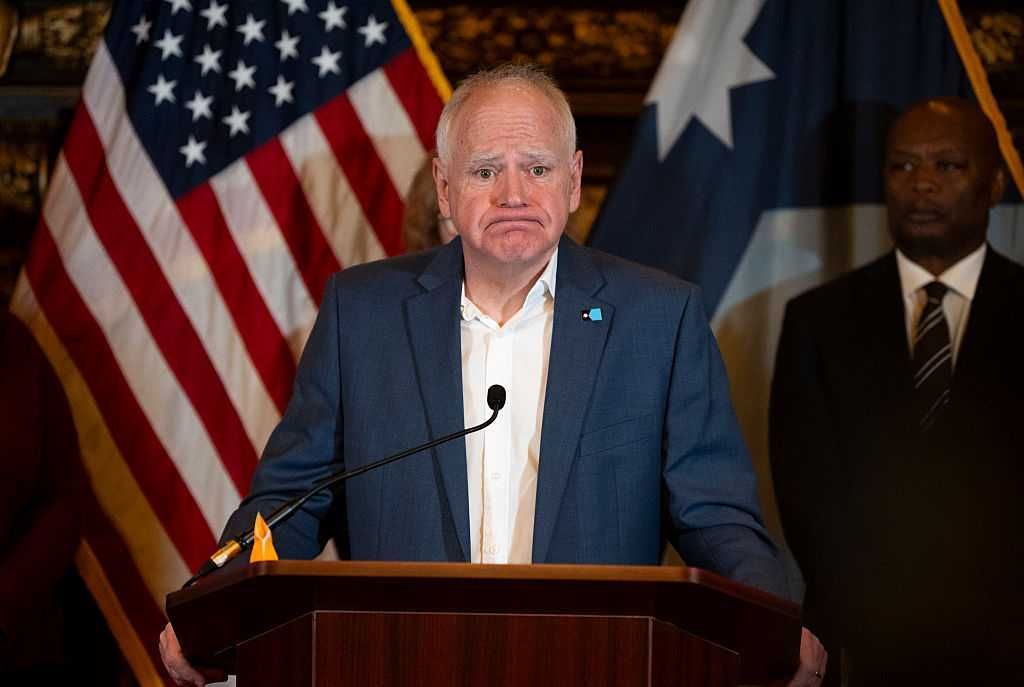
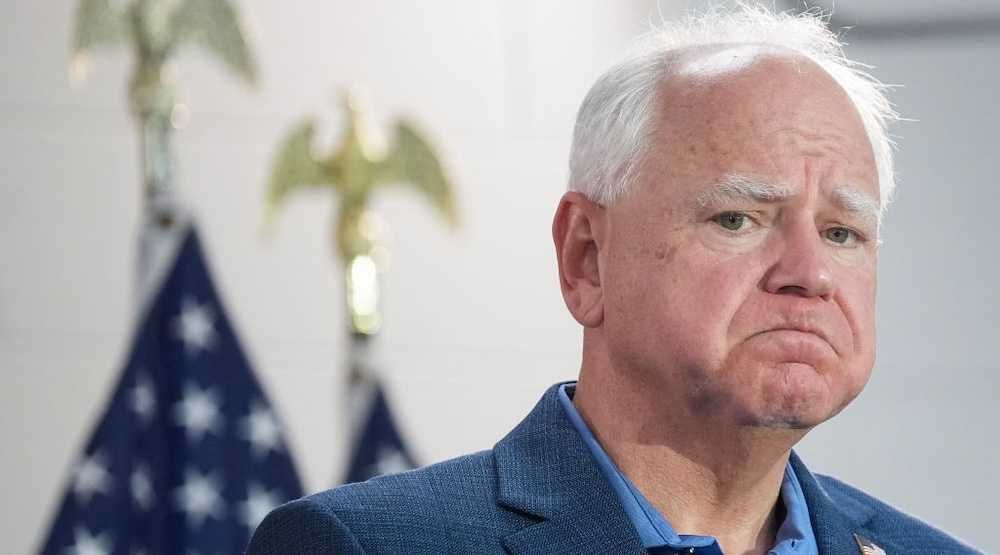
Gov. Tim Walz (D) still owes voters answers. Did incompetence drive this disaster, or did indifference do the work? Homeland Security Secretary Kristi Noem argues both played a role. Reports now suggest state employees blew the whistle years ago about lax controls and sloppy management. Voters heard little of it when elections still hung in the balance.

RELATED: Trump has the chance to end the welfare free-for-all Minnesota exposed
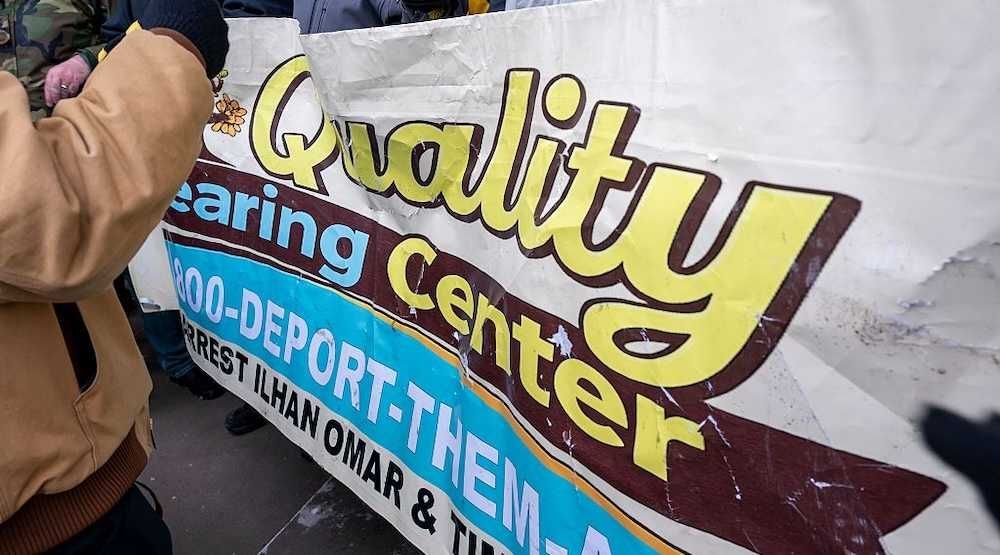
Photo by: Michael Siluk/UCG/Universal Images Group via Getty Images

Walz reportedly knew about major fraud risks as early as 2020. His administration later resumed funding after recipients sued, accusing the state of racism. The Walz administration also handed an “outstanding refugee award” in 2021 to a woman now charged in connection with fraud — facts that undercut today’s alibis.

Federal investigators deserve credit. The Departments of Justice and Treasury have pursued these cases aggressively. House Oversight Chairman James Comer (R-Ky.) has opened another congressional probe. Prosecutions matter, but prevention matters more.

A new law President Trump signed this summer aims to make fraud more difficult to pull off. It requires states to recheck eligibility for able-bodied adults on Medicaid every six months instead of annually. For the first time, it also forces states to absorb more of the cost when they let fraud run rampant.

Those reforms should move quickly from paper to practice. States, red and blue, should implement them immediately. Fraudsters thrive on delay, confusion, and political excuses.

Taxpayer fraud deserves full prosecution. Political leaders who enable it deserve accountability too — whether they turned a blind eye, ignored whistleblowers, or refused to enforce the law. Every state in the Union should move now, or Minnesota’s scandal will spread.
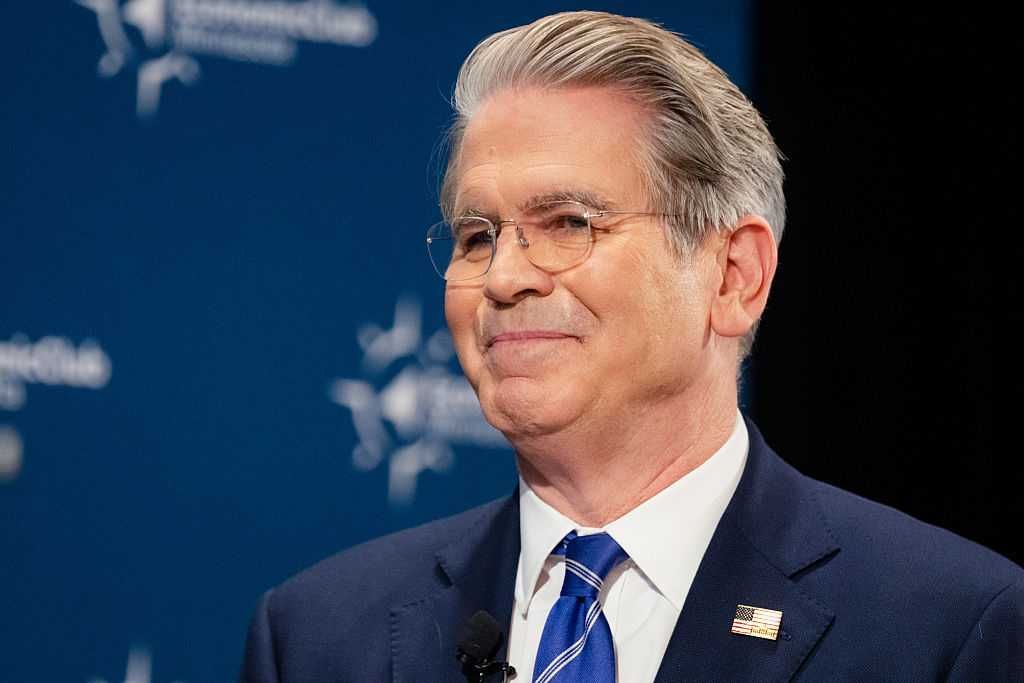
Bessent delivers bad news to Somalis on welfare: No more wire transfers to the homeland


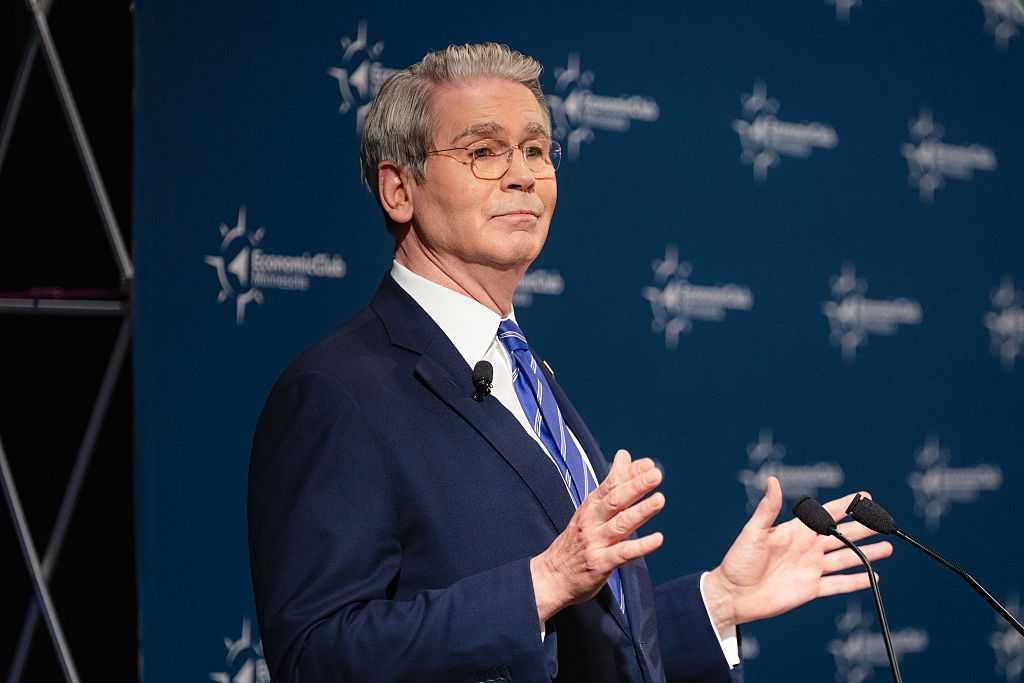
U.S. Secretary of the Treasury Scott Bessent revealed on Thursday that the Trump administration is clamping down on extra-national remittances by individuals exploiting public assistance.

The announcement, which comes on the heels of a series of damning revelations about fraud committed by Somalis in Minnesota, could prove impactful for the crime-ridden Islamic nation of Somalia.

After all, members of the Somali diaspora sent $2.12 billion in remittances home in 2024 alone. The loss of the American portion of this funding stream would not go unnoticed for a failed nation with a GDP in the neighborhood of $12 billion.

'Our generosity has been taken advantage of.'

Bessent, who is also the acting commissioner of the Internal Revenue Service, told Fox News' Laura Ingraham, "We are here to follow the money because that's what Treasury does."

"We did it with the mafia, we have done it with the cartels, and now we are going to do it with these Somali fraudsters," continued Bessent. "Treasury has something called FinCEN, Financial Crimes Enforcement Network, and we are coming in."

Bessent indicated that the agency is launching four investigations into money-service businesses "that we believe may have wired money out of the country — a lot of the ill-gotten, stolen money — over to the Middle East, over to Somalia. We'll see where that's going."

RELATED: Somali terror group cashing in on your tax dollars? Minnesota's child-care fraud whistleblowers warned about a decade ago.

Photographer: Ben Brewer/Bloomberg via Getty Images
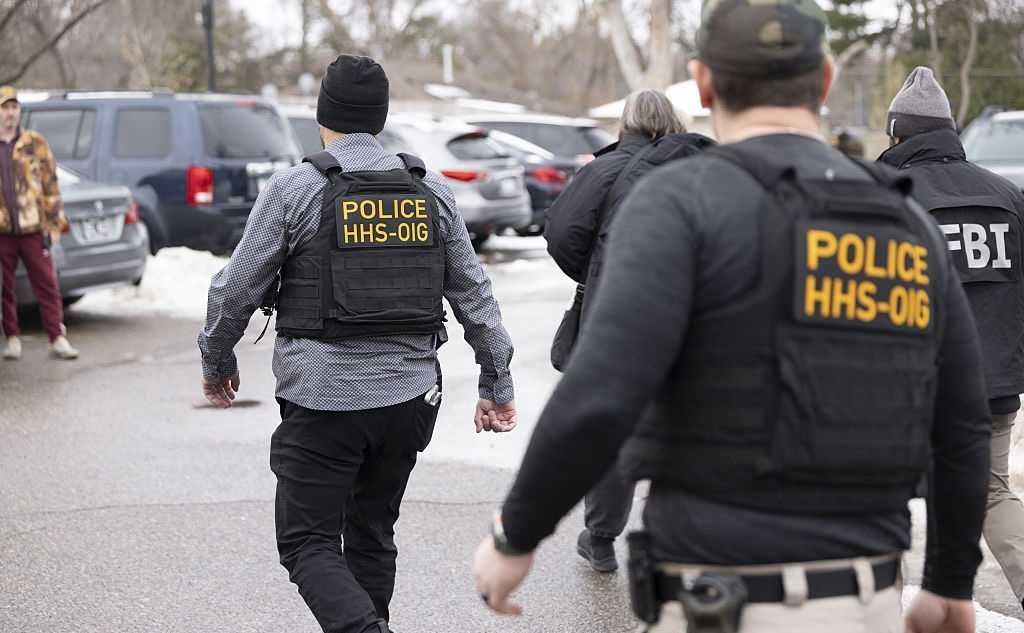
As part of the crackdown, Bessent indicated that FinCEN will be issuing a Geographic Targeting Order, an order that imposes new identification and record-keeping requirements pertaining to transactions within a certain region, and engaging in "enhanced surveillance."

"There's something called a Suspicious Activity Report if a certain amount of money gets wired," added Bessent.

According to guidance released in October by FinCEN, financial institutions are required to "file a SAR if the institution knows, suspects, or has reason to suspect that the transaction or series of transactions are designed to evade [currency transaction reporting] requirements."

After Ingraham suggested the threshold was $10,000, Bessent said, "We're lowering that to $3,000."

In addition to significantly lowering the threshold for a SAR, Bessent said that "from now on, anyone who wires money out from one of these money-service businesses has to check a box saying whether they are on public assistance."

"If you are on public assistance, we are going to start pushing that you cannot wire money out of the country," added Bessent.

"Our generosity has been taken advantage of."

The treasury secretary further suggested that if a so-called asylum seeker is wiring money out of the country, "one of two things must be true: You are getting too much money and your benefits should be cut, or you are part of this conspiracy."

Days before President Donald Trump announced the termination of the Temporary Protected Status designation for Somalia, BlazeTV host Christopher Rufo and investigative reporter Ryan Thorpe detailed the alleged direction of stolen taxpayer funds by Somalis in America to terrorists abroad.

According to the duo's City Journal report, federal counterterrorism sources confirmed "that millions of dollars in stolen funds have been sent back to Somalia, where they ultimately landed in the hands of the terror group Al-Shabaab."

Al-Shabaab is a Somalia-based, Al-Qaeda-linked terrorist organization committed to waging a global jihad.

One confidential source told Rufo and Thorpe that "the largest funder of Al-Shabaab is the Minnesota taxpayer."

Like Blaze News? Bypass the censors, sign up for our newsletters, and get stories like this direct to your inbox. Sign up here!

What investigators still haven’t asked about Minnesota’s fraud


The national spotlight has settled on the industrial-scale fraud uncovered in Minnesota, much of it linked to networks operating within the state’s Somali immigrant community. To date, coverage has focused on how operators allegedly diverted nearly $9 billion in public funds into shell businesses that existed largely to funnel money to friends and family through no-show jobs and inflated contracts.

That story matters. But it may not be the whole story.

Fraud at this scale almost never stands alone. Where investigators uncover massive deception, additional crimes often lie beneath the surface.

Most of the businesses implicated in the scheme presented themselves as child-care centers, autism service providers, and non-emergency medical transport companies. For readers unfamiliar with immigration enforcement, the reaction is straightforward: Criminals stole money intended for society’s most vulnerable.

For those who have spent decades working in immigration law and border security, a different question arises. Why build an end-to-end infrastructure of licensed service providers unless it served additional purposes?

Videos circulating online show many of these facilities sitting empty — unused day-cares, idle transport vans, and vacant offices. That does not prove the businesses were harmless.

In criminal investigations, fraud rarely exists in isolation. One axiom holds that following the money reveals the perpetrators. A second, less discussed rule also applies: Following the money backward often reveals additional crimes.

Illegal immigration provides a perfect example. The initial violation occurs when an alien enters unlawfully or makes false asylum claims. Additional offenses frequently follow: identity theft, illegal employment, fraudulent tax filings, and payments to smugglers to bring in relatives. Organized crime and terrorist groups have used similar layered fraud models for decades. Illicit revenue becomes seed money for broader criminal activity.

Despite the scale of the Minnesota fraud, little public attention has focused on whether these businesses were used for more than financial theft. There appears to be no comprehensive inquiry into whether any of the entities sponsored employment-based visas, concealed smuggled minors, facilitated labor trafficking, or enabled sex trafficking.

None of those allegations has been proven. But the structure of the alleged scheme bears an uncomfortable resemblance to the network of Health and Human Services contractors through which the Biden administration lost track of thousands of unaccompanied alien children.

According to a City Journal investigation, federal counterterrorism sources confirmed that millions of dollars from the Minnesota fraud flowed back to Somalia, where funds ultimately reached al-Shabaab, the al-Qaeda-affiliated terrorist organization. The report described Minnesota taxpayers as the group’s largest single funding source.

RELATED: Minnesota’s fraud scandal exposes a dangerously loose election system

Photo by Andrew Harnik/Getty Images

If accurate, that finding raises a far more serious concern. Terrorist organizations do not stop at cash transfers when operational infrastructure is available. A network of licensed service providers — child-care centers, transportation companies, and health services — offers precisely the kind of cover such groups seek to move people, materials, and money discreetly inside the United States.

The full extent of al-Shabaab’s involvement remains unclear. Covert operations rarely reveal themselves all at once. They are built deliberately, in stages, with long timelines. Minnesota records suggest (and the explosion in Minnesota Democrat Rep. Ilhan Omar’s personal wealth seems to indicate) that much of the large-scale fraud linked to Somali-run entities accelerated over the past decade. That timeline raises the possibility that the scheme was still maturing when investigators uncovered it.

If so, authorities may have disrupted a funding and logistics pipeline before all layers of criminal activity were fully deployed.

One point remains undeniable: Where there’s smoke, there’s fire. Fraud at this scale almost never stands alone. Where investigators uncover massive deception, additional crimes often lie beneath the surface.

Federal authorities should pursue this case to its roots. That means examining every entity, every financial flow, and every operational link — not just to recover stolen funds, but to determine what else those structures were built to conceal.

It’s not ‘racist’ to notice Somali fraud


Last week, my colleague Ryan Thorpe and I broke a story about widespread fraud committed by Somalis in Minnesota. Members of the state’s Somali community allegedly participated in complex schemes related to autism services, food programs, and housing, which prosecutors estimate have stolen billions of taxpayer dollars. Even worse, some of the cash has ended up in the hands of Al-Shabaab, a terrorist organization in Somalia.

The story quickly reached the White House. Within days, President Trump announced that he was revoking Temporary Protected Status for all Somali migrants in Minnesota.

Progressives have suggested that our reporting and the subsequent policy change were “racist.” While many of those indicted in these schemes are Somali, these critics argue, the federal government should not hold Minnesota’s Somali community corporately responsible for the actions of individuals.

Little Mogadishu in Minneapolis has a real problem, and it is about time that our government began facing it.

This criticism is superficially appealing, but it isn’t persuasive on closer inspection.

First, a description of the facts should not be measured as “racist or not racist,” but rather as “true or not true.” And in this case, the truth is that numerous members of a relatively small community participated in a scheme that stole billions in taxpayer funds. This is a legitimate consideration for American immigration policy, which is organized around nation of origin and, for more than 30 years, has favorably treated Somalis relative to other groups. It is more than fair to ask whether that policy has served the national interest. The fraud story suggests that the answer is “no.”

Second, the fact that Somalis are black is incidental. If Norwegian immigrants were perpetrating fraud at the same alleged scale and had the same employment and income statistics as Somalis, it would be perfectly reasonable to make the same criticism and enact the same policy response. It would not be “racist” against Norwegians to do so.

Further, Somalis have enormously high unemployment rates, and federal law enforcement has long considered Minneapolis’ Little Mogadishu neighborhood a hot spot for terrorism recruitment. We should condemn that behavior without regard to skin color.

The underlying question — which, until now, Americans have been loath to address directly — is that of different behaviors and outcomes between different groups. Americans tend to avoid this question, rely on euphemisms, and let these distinctions remain implied rather than spoken aloud. Yet it seems increasingly untenable to maintain this Anglo-American courtesy when the left has spent decades insisting that we conceptualize our national life in terms of group identity.

The reality is that different groups have different cultural characteristics. The national culture of Somalia is different from the national culture of Norway. Somalis and Norwegians therefore tend to think differently, behave differently, and organize themselves differently, which leads to different group outcomes. Norwegians in Minnesota behave similarly to Norwegians in Norway; Somalis in Minnesota behave similarly to Somalis in Somalia. Many cultural patterns from Somalia — particularly clan networks, informal economies, and distrust of state institutions — travel with the diaspora and have shown up in Minnesota as well. In the absence of strong assimilation pressures, the fraud networks aren’t so surprising; they reflect the extension of Somali institutional norms into a new environment with weak enforcement and poorly designed incentives.

The beauty of America is that we had a system that thoughtfully balanced individual and group considerations. We recognized that all men, whatever their background, have a natural right to life, liberty, property, and equal treatment under the law. We also recognized that group averages can be a basis for judgment — especially in immigration, where they can help determine which potential immigrant groups are most suitable and advantageous for America.

RELATED: Chip Roy’s immigration blitz hits the lawless left and the squish right

Photo by Andrew Harnik/Getty Images

These principles are in tension but not in contradiction. As a sociological matter, a policy of equal rights for all individuals will result in unequal outcomes among groups. This is not a sign of injustice per se. It is an inevitability. No two groups are the same, and therefore, no two groups will have the same outcomes in a system of individual liberty and equality.

The firestorm around the Somali fraud story was so intense precisely because it forced this question into the spotlight. For decades, America has given Somali immigrants special privileges through TPS. We have expected Somalis to play by the rules, contribute to the country, and assimilate into the culture. Some individuals have certainly done so, but as the fraud story suggests, many others have not. A rational government would amend its policies accordingly.

We can see the same process playing out in other parts of the world. In the United Kingdom, mass immigration from incompatible cultures is creating a civilizational crisis. Rather than replicate the policies of our sister country, we should accept reality and adopt a more thoughtful policy, which recognizes cultural norms as a reasonable measure of capacity to assimilate and to contribute.

The president should stand firm. Little Mogadishu in Minneapolis has a real problem, and it is about time that our government began facing it.

Editor’s note: This article appeared originally on Substack.

US Troops Photographed in Somalia After Biden Administration Said Withdrawal Occurred

American soldiers posed for photos last week with a Somali leader after the Biden administration said it had withdrawn U.S. forces from the war-torn country.

The post US Troops Photographed in Somalia After Biden Administration Said Withdrawal Occurred appeared first on Washington Free Beacon.

It’s Long Past Time To Get U.S. Troops All The Way Out Of Somalia

Al-Shabaab does not pose a threat to America that cannot be handled more effectively by our global intelligence networks and ability to strike direct threats to our country