Ode to a 1984 Buick Skylark — and to all the other cars of my life


America is a nation of cars.

Those hunks of metal on four rubber tires are our lifelines. They are how we go to work, go home, go out to eat, go on vacation, and go just about everywhere and anywhere. When we are just a few days old, we come home from the hospital in one, and on our way out, we head to the grave in a hearse.

I bought it for $450 from a friend who was moving to New York City. It was cream with a plush, brown interior.

From birth to death; we live in cars.

We love our cars when they work for us, and we hate them when they don’t. We curse them when they break down, when they don’t start, and when they demand $2,750 for a new computer chip just to get running again.

We even mourn them when they break down once and for all — no matter how much grief they've caused us. We become attached to our cars because of course we do. For Americans, they are an inextricable part of life.

1978 Oldsmobile Starfire

And of our history. Cars transport us through space, but also through time — to certain chapters in our lives. A car is a physical reminder of who we were behind that particular wheel.

I remember my first car like we all remember our first car. It’s the first time you are free like an adult even though you are not an adult. You are still very much a stupid kid, but you don’t feel like one in the driver's seat.

Mine was a 1978 Oldsmobile Starfire. It was light blue, and it was my grandpa’s before it was mine. He “sold” it to me for $1. I loved that car. I felt like I was in an old movie when I was driving down the road. I loved looking at it parked. I loved thinking about the fact it was mine. It was so cool, so retro, so rear-wheel drive, so bad in the rain. One morning on the way to school, I drove it off the road and into a ditch, and that was the end of the Starfire.

1993 Plymouth Voyager

My next car was really my parents’ car, and it wasn’t a car; it was a van. They let me use it pretty much whenever I wanted to. It was a white 1993 Plymouth Voyager. The sliding door was full of sand and barely moved. The crank windows weren’t working so great. There was an MP3 player plugged into a tape adapter shoved into the tape deck on the dashboard.

That van is my senior year of high school. I remember driving with my girlfriend to a crappy Chinese restaurant about 40 miles south just for something to do with a pretty girl I liked. We did that a lot. I got two tickets speeding back from her house late at night in that van.

1984 Buick Skylark

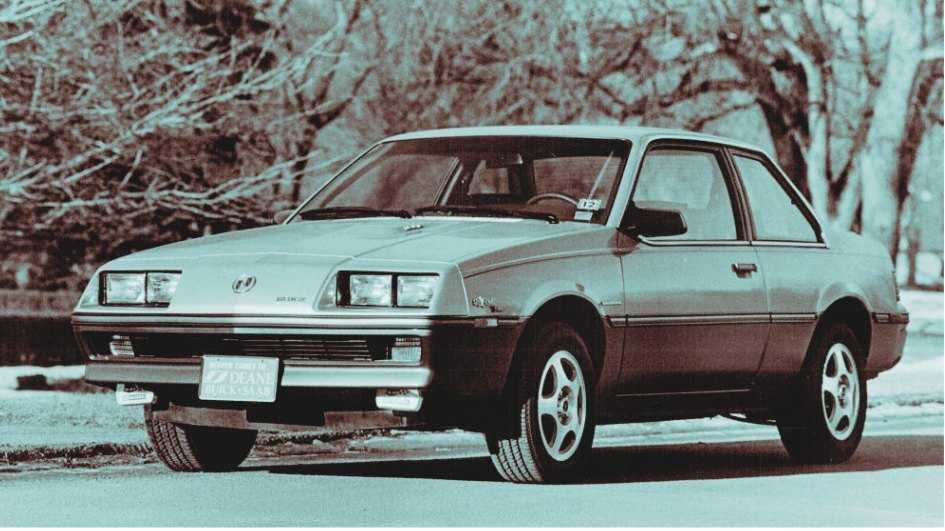
After the Voyager, I drove a 1984 Buick Skylark. I bought it for $450 from a friend who was moving to New York City. It was cream with a plush, brown interior. I don’t even know how many miles it had on it, I just knew that it ran, and it ran good.

I drove that thing all over. Up north, over to Detroit, down to Chicago, out to Wisconsin. It had a cigarette lighter and ashtrays. I remember smoking American Spirits in a yellow pack in that car. Driving with the windows down in the summer and slipping around the road in the winter.

The Skylark was my college car. It was an "old" car then, but now it's ancient: 1984 was 42 years ago. I suppose that makes me ancient too.

Four years after I bought the Skylark, I sold her to my brother for $300 and moved to Chicago. I didn’t have a car for almost a decade. I didn’t need one there, and I didn’t need one when I was overseas.

2007 Volvo XC90

The next car I bought was with that old high school girlfriend, now my wife. Right after we got married, we left the city, and so we bought a 2007 Volvo XC90 with about 120,000 miles on it. It cost us $3,600, which we borrowed from my wife’s grandparents. We paid them back over the next year.

We didn’t have the Volvo for too long; it broke down a couple years later. But it was a beast of a car and the first thing we owned together. Thinking about it now, the XC90 was kind of a symbolic introduction to married life. It wasn’t my car; it was our car.

RELATED: My grandpa’s old desk
Michael Brennan/Getty Images

2009 Volvo S70

After the XC90 was a 2009 Volvo S70. It was a fine car, and it was the car in which our son came home from the hospital. That car was us three. First-time parents, firstborn son. That first year with your first kid is special, and that car was where it happened.

The S70 was a little weird. It wouldn’t start if it was colder than 20 degrees Fahrenheit outside. You would think a car from Sweden would be able to handle the cold, but it couldn't. I had to hook it up to a starter that plugged into the wall and juice the battery for 30 minutes if we needed to start it when it was cold.

Our last trip in that car was our trip to the hospital when my wife was in labor and about to give birth to our daughter. In the middle of the night, I drove my wife and our son through a snowstorm to the hospital. We hit a massive piece of ice flying off a plow, the car eventually overheated, and the S70 died on the side of the road somewhere in Northern Michigan at about 4:30 a.m.

My wife took an ambulance to the hospital, my son and I took a cop car behind her, and the Volvo took a tow truck to the scrapyard.

2017 Honda HR-V

A few days later, we got a Honda HR-V from my wife’s then-92-year-old grandmother. She never drove it, and she didn’t need it, so she gave it to us, and it’s been our car ever since. I don’t know how much longer we will have the HR-V. Maybe 10 years, maybe one year. We’ve got three kids in there now, and it can’t take any more. One day, maybe we will be lucky enough to upgrade to an SUV with another row. We’ll see.

I can already tell how we will remember the HR-V. I already know the chapter it will define for us. We will say it was our first real family car, our car when we added two kids and grew a lot in quite a few ways. Our lives have become much better in that car. We’ve experienced some bad stuff in it but much more good on the whole. We grew, that’s for sure. It’s a good car now, and someday we hope to remember it as a great car.

It sounds funny to mark our time by our cars. But the more I think about it, the more I think it’s as good a way as any to divide up our time here.

Cars: the things that take us wherever we go.
Cracker Barrel CEO praises company's 'Google star rating' while revealing huge financial losses


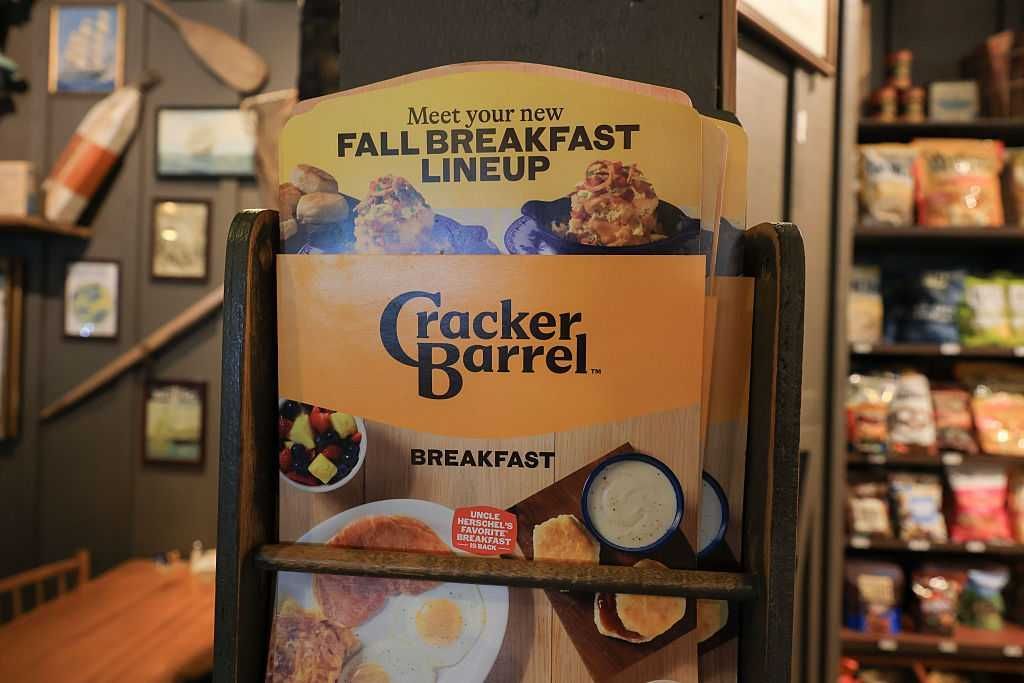
Cracker Barrel just had its quarterly earnings meeting, during which the CEO admitted she does not have "a crystal ball."

Sales have decreased since the 2025 logo and branding change that saw Cracker Barrel deliver the biggest marketing blunder of the year. The shift was so bad that the new branding became a national story, and the board member who pushed for it soon resigned.

'We know we are headed in the right direction.'

Still looking to recover from the disaster, Cracker Barrel put out its second quarter fiscal report for 2026 on Wednesday, and the report showed significant losses for a company of its size.

Total revenue took a hit, decreasing by 7.9% compared to the year before. Restaurant revenue dropped by 7.5%, with management explaining that traffic had declined by more than 10%.

In the earnings call, CEO Julie Masino — who was at the helm when the new store design failed — boasted to investors about the restaurant's Google review rating, one of the few highlights.

"Our Google star rating, which over the long run is strongly correlated with traffic, was 4.28 in Q2," Masino stated, noting that it was a six-year high. "This represents the highest quarterly score since Q2 in fiscal year 2020."

RELATED: Board member behind Cracker Barrel DEI rebranding disaster resigns after pressure — including from Glenn Beck

Photo by Joe Raedle/Getty Images

While Masino said, "I do not have a crystal ball," and that she does not have a "correlation that says when scores improve by X, traffic follows," she was confident that the company's "indicators" still correlate to "growth and improvement."

In addition to the Google reviews, Masino cited increased guest satisfaction scores, lower manager turnover, improved traffic within the quarter, and a "meaningful percentage" of guests returning who did not visit in previous quarters.

"We know we are headed in the right direction, and everybody is working hard to make that a reality," Masino added.

The CEO also boasted about the restaurant's business during Thanksgiving week 2025, which she called "a big week for us."

However, despite bringing in $110 million in sales, which represents between 12% and 13% of total revenue for the quarter, "Thanksgiving traffic was in line with the rest of the month, so it did not crazily outperform or anything like that," Masino admitted.

RELATED: 'I feel like I've been fired by America': Cracker Barrel CEO nearly brought to tears over redesign backlash

"Our disciplined focus on operational excellence is driving significant improvements in several key guest metrics, many of which serve as important leading traffic indicators," Masino said in the company's press release. "We have also taken additional actions to improve financial performance and remain confident that we are well-positioned to regain prior momentum."

In the end, the board of directors still declared a quarterly dividend of $0.25 per share, and the company is still expanding ever so slightly with the opening of two new stores.

Like Blaze News? Bypass the censors, sign up for our newsletters, and get stories like this direct to your inbox. Sign up here!

Farmers' Almanac rescued from extinction, keeping 200-year tradition alive: 'It felt wrong'


A family-owned winter sports company is stepping in to save a critical piece of Americana.

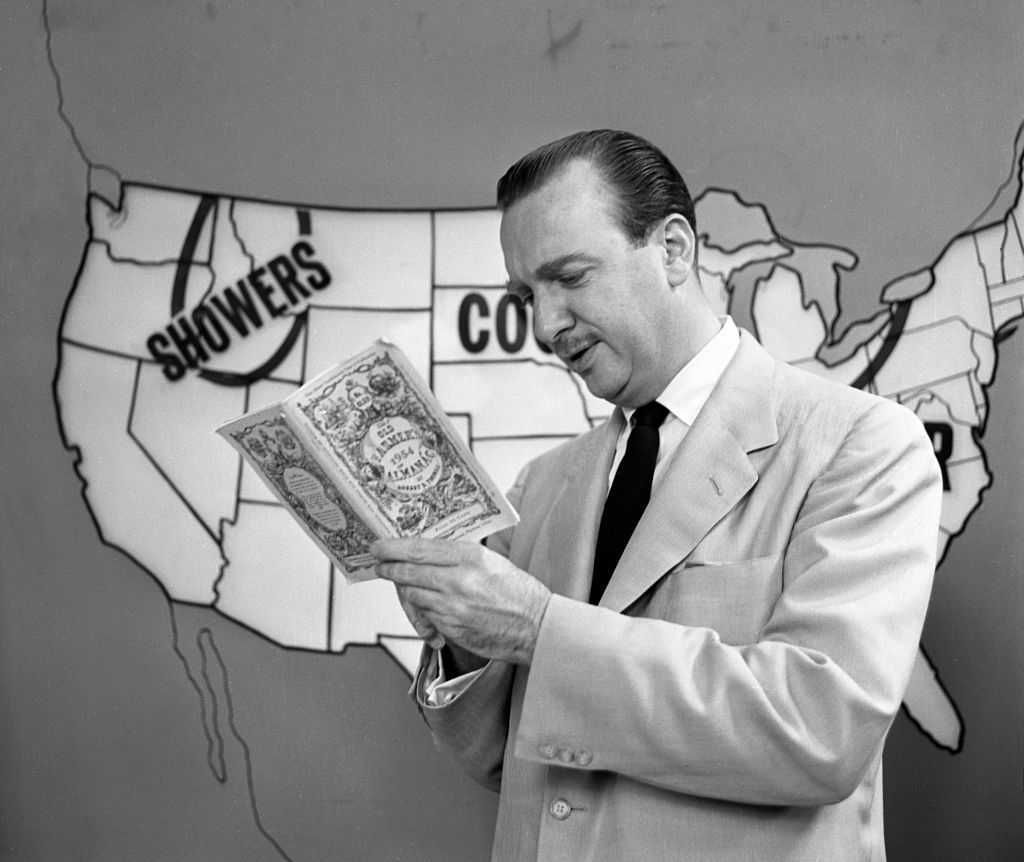
Based in Maine, the 208-year-old publication had seemingly released its final edition in November, after offering weather predictions and gardening advice for more than two centuries.

'It felt wrong to stand by while an irreplaceable piece of our national heritage disappeared.'

The company wrote a heartfelt goodbye on its website toward the end of the year, saying that the 2026 Farmers' Almanac would be its final release.

"Though the Almanac will no longer be available in print or online, it lives on within you," editors Sandi Duncan and Peter Geiger wrote.

Fading fast

While the team did not give a specific reason for the closure in their post, CBS News reported that the publishers cited growing financial challenges involved with producing and distributing in today's "chaotic media environment."

As the almanac was starting to fade from public memory, publisher Tim Konrad stepped in.

Konrad founded family-owned media company Unofficial Networks, which focuses on content related to skiing, snowboarding, national parks, mountain adventures, and outdoor exploration.

"I saw the announcement that one of America's most enduring publications was set to close, and it felt wrong to stand by while an irreplaceable piece of our national heritage disappeared," Konrad said in a press release on the almanac's website.

RELATED: Trump gives American farmers $12 billion boost to overcome inflation, trade wars

Photo by CBS via Getty Images

'Living link'

Describing the publication as an important piece of American history, Konrad said it is "more than just a book — it's a living link to generations of knowledge and curiosity about the natural world."

In addition to a photo alongside Geiger, the entrepreneur said he has been working closely with the team to preserve its most beloved content, like its long-range weather forecasts, humor, and the publication's "distinctive voice."

Geiger praised the transition and exclaimed, "An American tradition continues!"

The editor went on to say that the values and wisdom of the almanac have been protected and nurtured for 200 years, and he is grateful to have found the "right next custodian in Tim Konrad."

Geiger added, "I am also confident he will honor its heritage and carry it forward for generations to come."

RELATED: Forget Greenland — we’re losing the real green land that feeds America

Photo by Kayla Bartkowski / Los Angeles Times via Getty Images
New harvest

The Farmers' Almanac — not to be confused with rival publication The Old Farmer's Almanac — was founded in 1818 by poet and astronomer David Young and publisher Jacob Mann. It will continue to be accessible online, with plans to revive the annual print edition in future volumes.

Unofficial Networks has built a strong brand and following in its own genre, garnering over 250,000 subscribers on its YouTube channel. The channel features first-hand footage of avalanches along with skiing content.

Like Blaze News? Bypass the censors, sign up for our newsletters, and get stories like this direct to your inbox. Sign up here!

Board member behind Cracker Barrel DEI rebranding disaster resigns after pressure — including from Glenn Beck


Cracker Barrel has lost one of its board members responsible for diversity, equity, and inclusion initiatives.

After a marketing disaster involving a change to its iconic logo and unique in-store designs, the company quickly apologized and reverted back to its original look. It has since looked to regain consumer trust and is finally making moves in its boardroom.

'Gilbert helped oversee the formation of our strategic plan.'

Now, an independent director and board member who shouldered at least some of the blame for the rebrand is stepping down.

Cracker Barrel announced Gilbert Dávila's resignation on Thursday morning, following a shareholder vote on the company's board of directors. Shareholders elected nine of the company's 10 recommended director nominees, including CEO Julie Masino, who has taken the brunt of the public bashing for the marketing failure.

Cracker Barrel thanked Dávila for being a valued member of the board during his five years.

The company added, "Over that time, Gilbert helped oversee the formation of our strategic plan and led our Compensation Committee with skill and dedication. We are grateful for his many contributions."

RELATED: Cracker Barrel desperately rewrites 'inclusion' and DEI web page after backlash

Just a couple weeks earlier, two of Cracker Barrel's largest proxy advisory firms, Institutional Shareholder Services and Glass Lewis, were reportedly pressuring shareholders to drop Dávila over his role in the marketing fiasco that tarnished the company's public image.

"Dávila is highlighted in board materials as one of two marketing specialists among the independent directors. He is also a member of a standing board committee whose purview is to assess social and political risks to the company's business,” ISS said, the New York Post reported.

At the same time, the group reportedly said that while removing CEO Masino would create too much chaos, her responsibility for the botched logo "is no less than Dávila's."

Both ISS and Glass Lewis agreed, however, that change was sorely needed at the company, adding that Dávila's marketing expertise was "faulty."

In a recent interview, Blaze Media co-founder Glenn Beck pressed Masino and company senior vice president of store operations Doug Hisel about DEI and other woke marketing strategies, demanding to know: "Had the company embraced DEI as a culture?"

"Don't preach to me on that," he added, speaking for many consumers tired of political messaging from major corporations.

"I'm here to eat your meal. Can we just not have that thrown in our face?"

RELATED: Exclusive interview TOMORROW: Cracker Barrel CEO answers Glenn Beck’s brutal question — 'Why weren’t you fired?'

— (@)

Under Dávila's watch, Cracker Barrel's diversity-laden marketing initiatives had spiraled out of control, with the company webpage dedicated to values frequently changing.

In fact, Cracker Barrel's "culture and belonging" page has shifted gears so many times that internet archivists saved dozens of changes over the last two years alone.

The page had previously been labeled "culture and inclusion" and mentioned terms like "unconscious bias," a form of inadvertent, subliminal racism allegedly exhibited by all.

Back in 2024, the page was called "Diversity, Equity, Inclusion & Belonging" at Cracker Barrel. It celebrated "Diversity in Our Decor," "Diversity in Our Leadership & Development," and even spoke of achievements on the Human Rights Campaign "equality index."

It additionally included mention of company programs like "Be Bold," a mission to develop "black leaders"; the "LGBTQ+ Alliance," which had the purpose of "strengthening Cracker Barrel's relationship to the LGBTQ+ community"; and "HOLA," a program to "promote Hispanic and Latino culture through hiring, developing, and retaining talent within Cracker Barrel."

Like Blaze News? Bypass the censors, sign up for our newsletters, and get stories like this direct to your inbox. Sign up here!

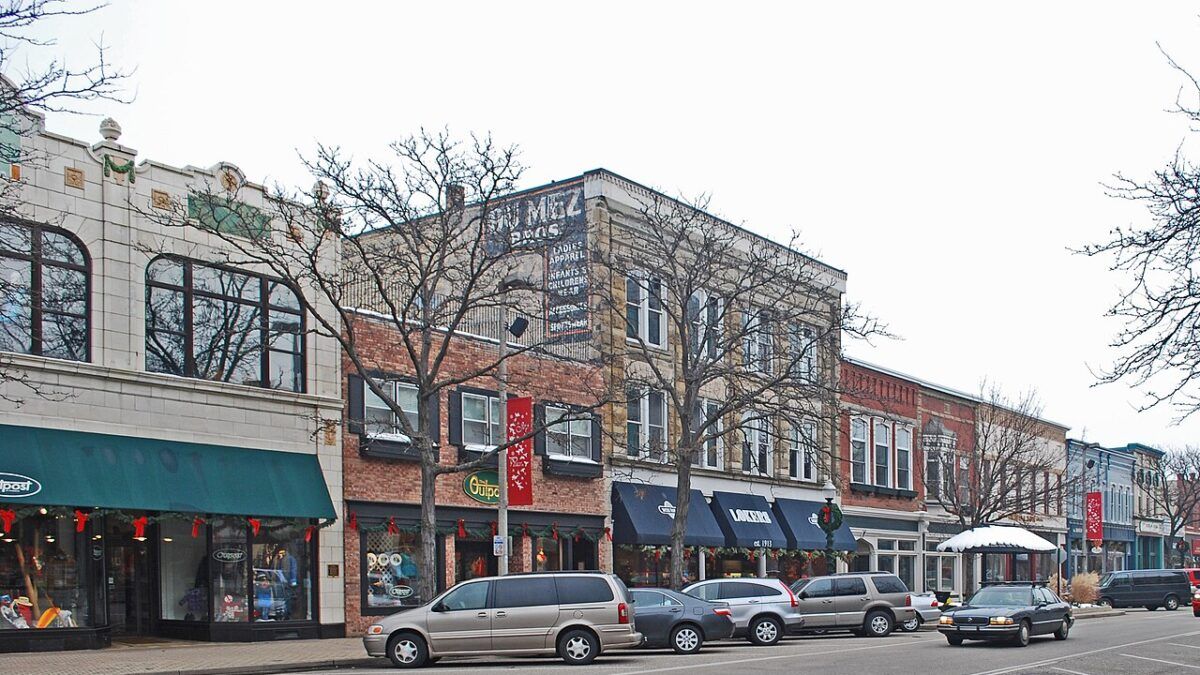
In Small-Town Michigan, True American Values Are As Strong As Ever

The world feels fragile in many ways, but in this small lakeshore town, I am reminded that such work begins at the most local level.
Cracker Barrel desperately rewrites 'inclusion' and DEI web page after backlash


Cracker Barrel has changed its diversity page at least three times this month as it deals with backlash from the redesign.

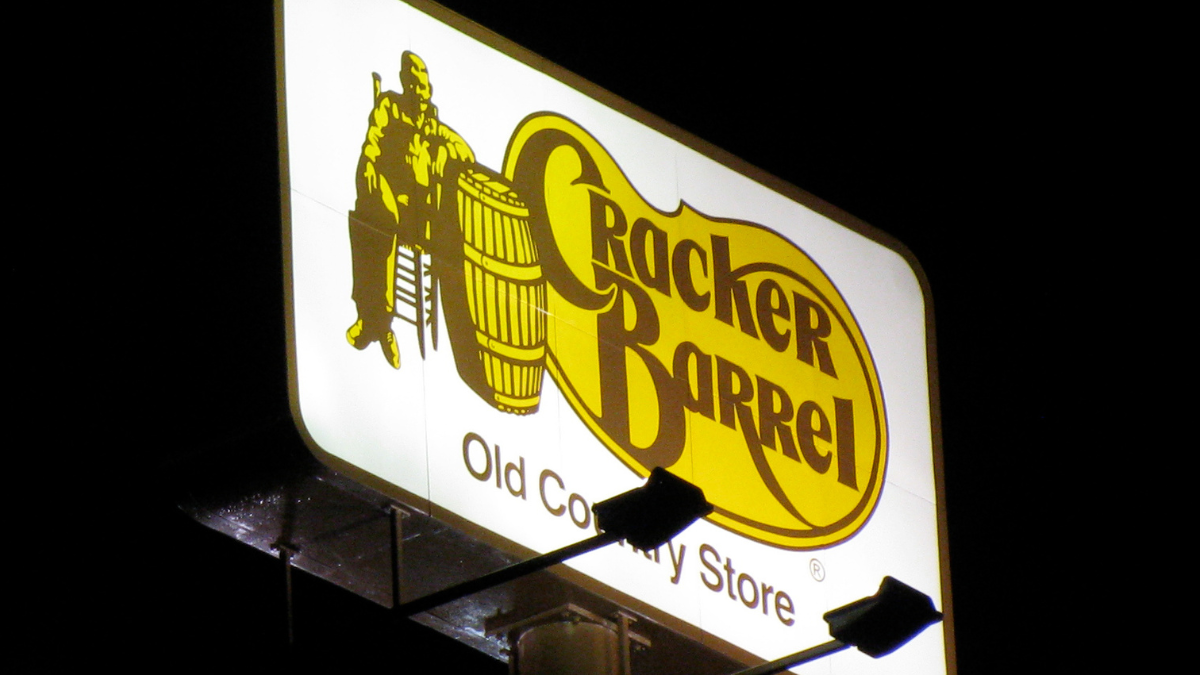
Love for the franchise tanked when customers saw the company had changed its recognizable logo into a shadow of its former self, removing the "old-timer" known as Uncle Herschel sitting on a chair next to a barrel.

'Discrimination, overt or through unconscious bias, has no place at Cracker Barrel Old Country Store.'

Also gone was the barrel itself, along with the text "Old Country Store," leaving just black "Cracker Barrel" text on a yellow background. The new menus, website, and interior design of Cracker Barrel locations also angered consumers, leaving the company to apologize for the errors.

The company does not appear to be returning to the old logo and design, however, and is seemingly digging itself a deeper hole by trying to mask its progressive leanings.

In an attempt to invoke old Uncle Herschel without actually showing him, Cracker Barrel has featured "the Herschel Way" on its web page dedicated to "culture and belonging."

"Our culture of belonging extends to our guests. The Herschel Way is our standard for hospitality," the company wrote. However, the new text represents at least the third change to the page this month as the company deals with the blowback over the past week.

Thanks to internet archives, readers can see what Cracker Barrel's progressive page looked like on August 4, which at that time was labeled "culture and inclusion."

The page included mentions of being "inclusive," while stating, "Discrimination, overt or through unconscious bias, has no place at Cracker Barrel Old Country Store."

Also featured was a photo labeled "Moving Forward Together," showcasing a diverse cast of people, including a man in a wheelchair.

By August 21, the company had updated the page to reflect its new font and style, but it seemingly remained identical otherwise. That was, until the fury of American consumers hit.

RELATED: Cracker Barrel ditches Americana as customers call for boycott over iconic brand change

Photo by Joe Raedle/Getty Images

August 21 was the same day many outlets — including Blaze News — began covering the backlash from Cracker Barrel customers, and by the next day on August 22, the desperate diversity image was removed.

Fast-forward another few days, and Cracker Barrel has remodeled the page to change its wording away from "inclusion" and toward "belonging."

This is not the first time the company has eliminated certain words to cover its messaging, though. Back in July 2024, the same page used the heading "Diversity, Equity, Inclusion & Belonging" at Cracker Barrel. In fact, the previous link still redirects to the new text, further proving the adjustments were made to the same page.

The 2024 page showcased extreme dedication to diversity and race-based initiatives. It celebrated "Diversity in Our Decor," "Diversity in Our Leadership & Development," and even boasted about achievements on the Human Rights Campaign "equality index."

According to investigative reporter Robby Starbuck, the company "sponsored HRC events for 10 years" and even "brought an HRC representative to their Tennessee HQ to do a pronoun and transgenderism training."

Cracker Barrel told Fox News it "has not participated in the Human Rights Campaign Index or had any affiliation with HRC in several years."

RELATED: Cracker Barrel responds with sneaky message after backlash over rebrand

There are almost too many initiatives to name from the 2024 page, but the company bragged about "standing against racial injustice," having "zero tolerance" for gay discrimination, and offering a series of gay and race-driven events.

What has remained consistent throughout the years, though, has been Cracker Barrel's promotion of programs like "Be Bold," a mission to develop "black leaders," and the "LGBTQ+ Alliance," which has the purpose of "strengthening Cracker Barrel's relationship to the LGBTQ+ community."

In addition, HOLA's mission is to "promote Hispanic and Latino culture through hiring, developing, and retaining talent within Cracker Barrel."

The Cracker Barrel spokesperson insisted in comments to Fox News that the company's "values haven't changed, and the heart and soul of Cracker Barrel haven't changed."

"Cracker Barrel has been a destination for comfort and community for more than half a century, and this fifth evolution of the brand's logo, which works across digital platforms as well as billboards and roadside signs, is a callback to the original and rooted even more in the iconic barrel shape and word mark that started it all back in 1969," Cracker Barrel said.

Like Blaze News? Bypass the censors, sign up for our newsletters, and get stories like this direct to your inbox. Sign up here!

Trump: If Cracker Barrel Wants To Survive, It Should Admit Rebrand Was A Total Loser

The Americana culture and decor that defined Cracker Barrel for decades were put at risk with a woke revamp that could cost it customers.
Cracker Barrel responds with sneaky message after backlash over rebrand


Cracker Barrel wants Americans to move forward following intense blowback after the company rebranded its iconic logo and stores.

The beloved franchise was dragged through the mud when customers noticed a change to its recognizable logo, which removed the "old-timer" known as Uncle Herschel sitting on a chair next to a barrel. The brand took it a step further by also removing the barrel itself and erasing the text "Old Country Store."

'Nobody asked for a remodel for modern dining!'

This left the logo as just black "Cracker Barrel" text on a yellow background, zapping the fun and charm out of not only the company website, but more importantly, the interior of its locations.

After millions voiced their disdain with the rebrand, Cracker Barrel formally responded Monday morning, but it may not be what consumers were hoping for.

"If the last few days have shown us anything, it's how deeply people care about Cracker Barrel," the company posted on Facebook.

"You've also shown us that we could've done a better job sharing who we are and who we'll always be," the post continues.

With a "promise" to its guests, the company wrote that it will not be getting rid of its rocking chairs, hearth, peg games, or unique treasures. But the same cannot be said for unique design of the stores or the old logo.

RELATED: Cracker Barrel ditches Americana as customers call for boycott over iconic brand change

Cracker Barrel said it loved seeing how much people care about Uncle Herschel and that it will still include him on the menu, "road signs," and as a feature in the country stores.

"He's not going anywhere — he's family," the company claimed.

Reading between the lines, though, it seems Cracker Barrel is sticking with the new logo and interior design that have received so much criticism. The company message then jumped into menu items, listing off products like country fried steak and pancakes.

"While our logo and remodels may be making headlines, our bigger focus is still right where it belongs ... in the kitchen and on your plate," Cracker Barrel stated.

"We know we won't always get everything right the first time, but we'll keep testing, learning, and listening to our guests and employees," the company added, before invoking the "old-timer" one last time.

"Uncle Herschel wouldn't have it any other way."

RELATED: Cracker Barrel's long history of cozying up to left-leaning organizations exposed: Report

Readers were not fooled, and they let the company know in the comment section.

"If you are leaving him on the menus and road signs then leave him on the logo," Betty wrote.

"Nobody asked for a remodel for modern dining! A lot of folks go to Cracker Barrel for nostalgia!!!!" Facebook user Audra stated.

Real people even asked the brand, "Why take him off your logo?" while others stated they would not be returning to the restaurant.

"You change, I change! I'll change where I eat and shop, and it won't be Cracker Barrel," Randy added.

Only time will tell whether remaining committed to the rebrand will help or hurt the company, but at the same time, the publicity has brought focus to the brand's left-wing activism.

Cracker Barrel had previously boasted about its "culture and inclusion" initiatives that celebrate race- and gender-based programs. While its website has gone through a revamp and changed the terminology to "culture and belonging," it still promotes programs like "Be Bold," a mission to develop "black leaders," and the "LGBTQ+ Alliance."

The purpose of the latter is "strengthening Cracker Barrel's relationship to the LGBTQ+ community."

Like Blaze News? Bypass the censors, sign up for our newsletters, and get stories like this direct to your inbox. Sign up here!

Cracker Barrel Is Dead, And Its Stupid Woke CEO Killed It With Gay Nonsense

Cracker Barrel is done. Woke executives killed it, wrapped the corpse in a rainbow flag, and then made it do a little puppet show in New York City for the entertainment of all their woke little friends.

Sydney Sweeney is rebuilding Americana — one Bronco at a time


Sydney Sweeney, the all-American icon we desperately need in our post-woke wasteland, is repairing classic Americana — one Ford at a time.

Her now-infamous American Eagle jeans ad may have hit the final nail in woke advertising’s coffin. Betting on the classic, winning formula — hot girl, blue jeans, cool car — American Eagle’s campaign with Sweeney paid off — big-time.

After years of gender-fluid, body-positive ads accompanied by ever-plummeting stock prices, American Eagle’s stock jumped 15% the day the campaign launched — bumping its market cap by $400 million.

The Zoomer bombshell is bringing back the wholesome Americana that we’ve lost to the Millennials’ woke crusade against family, beauty, hard work, and wholesome fun.

Sweeney can fix woke advertising. And apparently, she can fix cars, too.

Restoring the ‘all-American girl’

Amid the idle-making, mind-numbing sea of TikTok content, you may stumble across the surprisingly wholesome, grease-stained oasis of Syd’s Garage.

Separate from her main account, Syd’s Garage is a passion project. In partnership with Ford, Sweeney gets under the hood of Broncos and Mustangs, teaching viewers how to jump-start, fix tire pressure, and change air filters — all while wearing denim overalls, covered in sweat and engine grime, beaming with real joy.

I’ll admit, I had my doubts. Was this just another thirst trap for conservative dudes? Was Sweeney pulling a Cindy Crawford — cracking open a Pepsi in a low-cut top next to a cool car for clicks and kickbacks?

I’m happy to say she proved me wrong.

Syd’s Garage is wholesome, it’s all-American, and it actually shows Sweeney knows a thing or two about cars.

You won’t find low-cut tops or booty shorts here — to my relief. Instead, she’s decked out in Dickies jumpsuits, oversized T-shirts, and the occasional baseball cap as she documents the full restoration of her cherry-red 1969 Ford Bronco — lovingly named “Bronco.”

Her account also features her 1965 Mustang, “Brittney,” a sky-blue Fiat 500 beach cruiser called “Jolly,” and most recently, a tank-like Hummer H3 named “Arnold.”

Sweeney doesn’t outsource the work. She takes apart every piece, de-rusts every nook and cranny, changes the spark plugs, installs new transmissions, and, in her words, “cleans, cleans, cleans.”

It’s not flashy. It’s not overly produced. It’s just a girl who is genuinely passionate about cars — and it happens to be Sydney Sweeney. And as if the channel couldn’t get more lovable, Sweeney’s dad and dog are regularly featured.

Keep going, Sweeney

Say what you want about Sweeney, but the Zoomer bombshell is bringing back an iconic feminine American archetype that’s been lost to the Millennials’ woke crusade against family, beauty, hard work, and wholesome fun.

She’s “Rosie the Riveter” putting in some serious elbow grease. She’s the girl next door fixing cars the way her dad taught her. She loves her family, her dog, and off-roading in America’s deserts. And dare I say, the joy she has in overalls while working on her Bronco is even more stunning than her most glamorous red-carpet looks.

More often than not, the internet is a black hole of doom, gloom, clickbait, thirst traps, and trolls. Syd’s Garage is the exception. Maybe it will inspire a few girls to go offline, put on some gloves, and open a hood.