Audit Shows Outlawed DEI Practices Still Embedded In Indiana Public Schools
 The audit reviewed 12 different public school districts across Indiana and uncovered trends of embedded DEI frameworks still within the schools.
For over 50 years, Americans have grown accustomed to the sound of cash-printing machines, generating dollars as if our economy were a Monopoly board. Yet, amid the flood of money, a critical question remains unanswered: What about gold? It’s one of the most important and historically trusted assets in the world, and yet it’s often overlooked in the conversation about our financial future.
Last week, I sent a letter to President Trump urging him to conduct a full audit of our nation’s gold reserves, which have been stored at Fort Knox for nearly 90 years. Given the widespread distrust Americans now have for their government, confirming what’s inside Fort Knox could begin restoring much-needed faith in our monetary system.
Revaluing America’s gold reserves to match the current market price could change everything.
History underscores the importance of auditing our gold reserves. From the late 1800s until the start of World War II, the U.S. dollar operated under the gold standard, meaning its value was directly tied to a fixed quantity of gold held by the government.
In 1944, as the Allies moved toward victory in World War II, the United Nations convened the Bretton Woods Conference in New Hampshire to establish a new global financial system. The conference transformed U.S. monetary policy by making the dollar the world’s reserve currency, allowing countries to exchange dollars for gold at a fixed rate of $35 an ounce. Soon after, under the Marshall Plan, the U.S. shipped vast amounts of gold to Europe to aid its recovery, cementing the dollar’s role as the dominant global currency.
By the 1960s, cracks in the system began to show. The Vietnam War and Lyndon Johnson’s “Great Society” programs drained government coffers, leading to massive spending and excessive dollar printing. The U.S. could no longer maintain the Bretton Woods dollar-to-gold ratio and faced the risk of depleting its gold reserves.
To prevent this, President Richard Nixon took the drastic step in 1971 of severing the dollar’s tie to gold. This officially ended the gold standard, leaving U.S. currency backed by nothing tangible.
This shift created an increasingly unstable financial landscape. Despite that, gold remains a crucial asset in the global financial system — serving as a “fail safe” hedge against inflation and a reliable store of value. Yet for decades, while countries, particularly in Asia, have been amassing gold, the United States has provided little transparency about the status of its own gold reserves.
Major shifts are making waves in the global gold market, and the U.S. needs to be part of that conversation.
Countries around the world are buying gold in record amounts — could it be that the United States is doing the same, perhaps in preparation for a major revaluation of gold to stabilize our currency? Treasury Secretary Scott Bessent recently spoke about “monetizing” the U.S. balance sheet for the American people. Could this include revaluing our gold reserves to better reflect market prices?
The U.S. Treasury’s gold stockpile is currently priced at just $42 an ounce, a value set by law back in 1973. In the real world, gold is worth nearly $3,000 an ounce. What if we revalued America’s gold reserves to match the current market price? That could change everything — maybe even provide a stabilizing force for the dollar, fight inflation, and stop the endless money printing.
But one major roadblock poses a severe risk to gold’s promise: rehypothecation.
Rehypothecation is like borrowing $10,000 from a friend and giving him your motorcycle as collateral and then he uses that same motorcycle to secure his own loan — the practice of using the same asset multiple times as collateral for different debts.
If America’s gold has been used to back multiple loans or obligations, our actual access to gold as a liquid asset might not be as great as we think. That’s why we need a full audit of Fort Knox. The complex hasn’t been fully audited since 1953, and we have no way of knowing how much gold we actually own and how much has been rehypothecated in the global market.
Restoring confidence in our financial system begins with opening the vault and showing the American people what we really have. Moreover, taking stock of our usable gold supply paints an actual picture of the country’s total assets, which is critical if the United States will maintain her role as the leader on the global financial stage — a position that is not guaranteed and can, if it hasn’t already, slip into other hands under our negligence.
Want more from Glenn Beck? Get Glenn's FREE email newsletter with his latest insights, top stories, show prep, and more delivered to your inbox.
The Department of Government Efficiency has managed in just a few weeks to inspire dread among various contributors to and beneficiaries of government waste.
After making its penetrating gaze felt at over a dozen federal agencies, including the U.S. Agency for International Development, the Consumer Financial Protection Bureau, and the Federal Emergency Management Agency, the DOGE set its sights on the Internal Revenue Service.
Sure enough, bureaucrats at the organization that the Obama administration weaponized against conservatives have begun to panic.
Two unnamed sources said to be familiar with the matter told Reuters that one of Elon Musk's top DOGE staffers, Gavin Kliger, arrived at the IRS Thursday to scrutinize the agency's operations. Kliger reportedly met with top executives at the agency who were separately instructed in an email to identify all "non-essential" contracts for termination.
"Consistent with the goals and directives of the Trump administration to eliminate waste, reduce spending, and increase efficiency, GSA [General Services Administration] has taken the first steps in a government-wide initiative to eliminate non-essential consulting contracts," said the email.
According to CNN, Kliger apparently asked for a description of what each business unit in the agency did, what it sought to accomplish in the next 90 days, and what risks it currently faces. Despite the straightforward nature of the DOGE member's questions, Kliger's visit reportedly left IRS staffers on edge.
IRS staffers were apparently not the only ones in Washington, D.C., concerned over the prospect of greater transparency and improved efficiency.
'It's poetic justice.'
Democratic Sen. Ron Wyden of Oregon rushed to concern-monger on X, writing, "My office is hearing that DOGE is now at the IRS. That means Musk's henchmen are in a position to dig through a trove of data about every taxpayer in America. And if your refund is delayed, they could very well be the reason."
When asked about Kliger and other DOGE officials' visit to the IRS, President Donald Trump told reporters, "They're doing a hell of a job. It's an amazing job they're doing."
"Their force is building. I call it the force of super-geniuses," said Trump. "They go up and they talk to some of the people about certain deals, and the people get all tongue-tied. They can't talk because these people get it. They're very smart people."
Trump suggested that he does not plan to shutter the IRS but noted that the agency "will be looked at like everybody else."
Christian Whiton, a senior adviser in the first Trump administration, told Sky News, "It's poetic justice for the IRS to be facing scrutiny since they scrutinize the rest of us."
Like Blaze News? Bypass the censors, sign up for our newsletters, and get stories like this direct to your inbox. Sign up here!
Former Democrat turned independent Sen. Bernie Sanders of Vermont publicly endorsed the Department of Government Efficiency, a new agency in the upcoming administration aimed at reducing the bloated bureaucracy.
President-elect Donald Trump announced that tech mogul Elon Musk will be at the helm of the department alongside former Republican presidential candidate Vivek Ramaswamy. While the department received a lot of expected praise from conservatives, Sanders also came out in support of DOGE.
'Republican politicians have dreamed about the objectives of "DOGE" for a very long time.'
"Elon Musk is right," Sanders said in a Sunday post on X. "The Pentagon, with a budget of $886 billion, just failed its 7th audit in a row. It’s lost track of billions."
"Last year, only 13 senators voted against the Military Industrial Complex and a defense budget full of waste and fraud," Sanders continued. "That must change."
Trump announced on November 12, just one week after his landslide victory, that Musk and Ramaswamy would be leading the department.
"Together, these two wonderful Americans will pave the way for my Administration to dismantle Government Bureaucracy, slash excess regulations, cut wasteful expenditures, and restructure Federal Agencies - Essential to the 'Save America' Movement," Trump said in a statement on November 12.
"It will become, potentially, 'The Manhattan Project' of our time," Trump continued. "Republican politicians have dreamed about the objectives of 'DOGE' for a very long time. To drive this kind of drastic change, the Department of Government Efficiency will provide advice and guidance from outside of Government, and will partner with the White House and Office of Management & Budget to drive large scale structural reform, and create an entrepreneurial approach to Government never seen before."
Trump also detailed that the department will exist only through July 4, 2026, the 250th anniversary of the Declaration of Independence.
Like Blaze News? Bypass the censors, sign up for our newsletters, and get stories like this direct to your inbox. Sign up here!
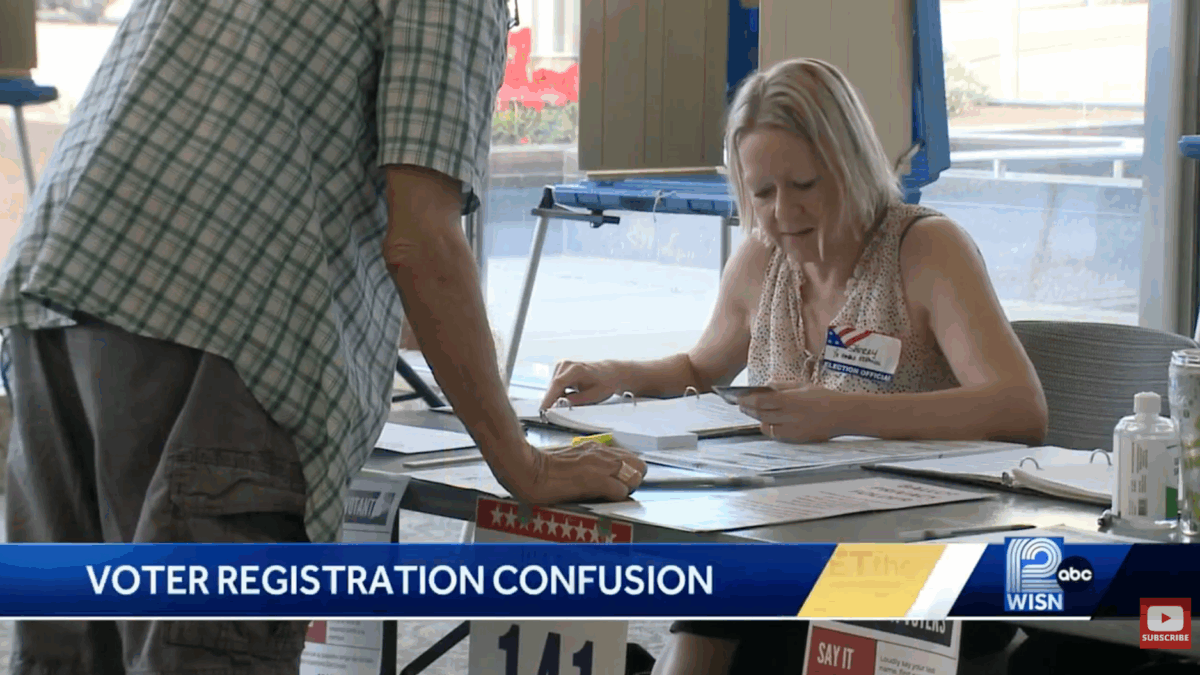 More than 30 election offices failed to inactivate suspect registrants after the state's nationally-watched Supreme Court election.
 A new WILL report offers Wisconsin officials a blueprint on how to ensure only U.S. citizens are voting in elections.
 Auditors found one in 35 voters didn’t have proof of citizenship — then looked the other way.
 The Pentagon doesn’t appear to have a battle plan to turn around seven straight years of audit failures.
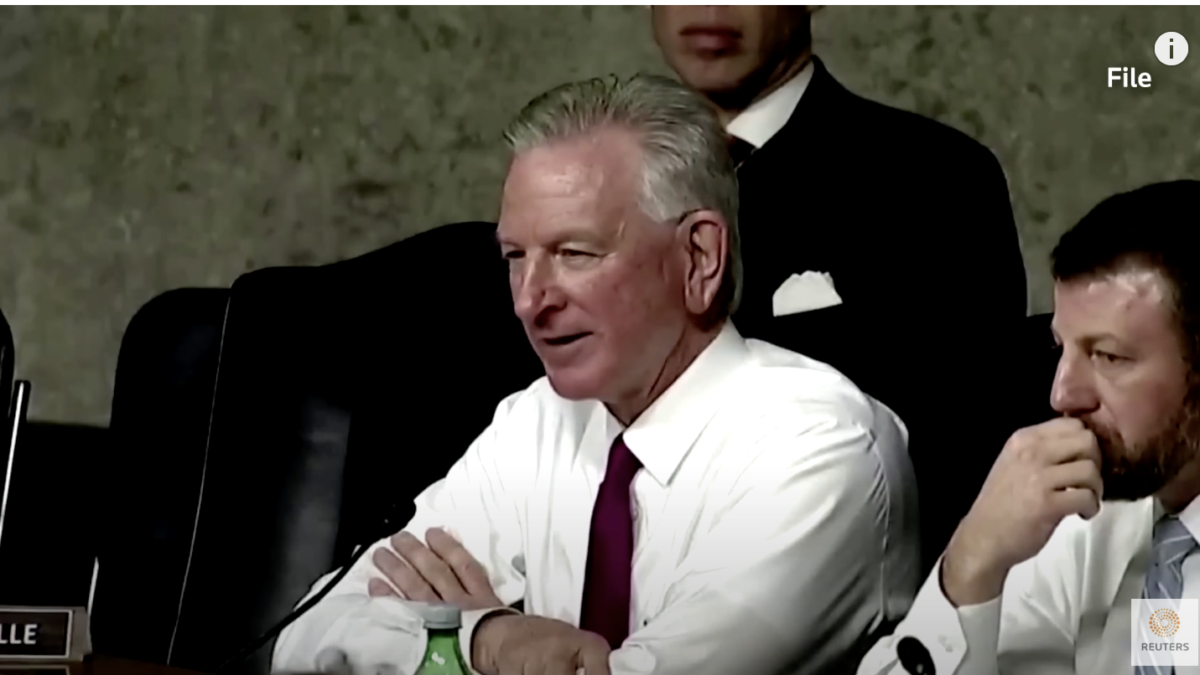 The Alabama senator, who took Swamp heat for protesting Biden Pentagon's abortion subsidies, says it's time to turn Trump order into law.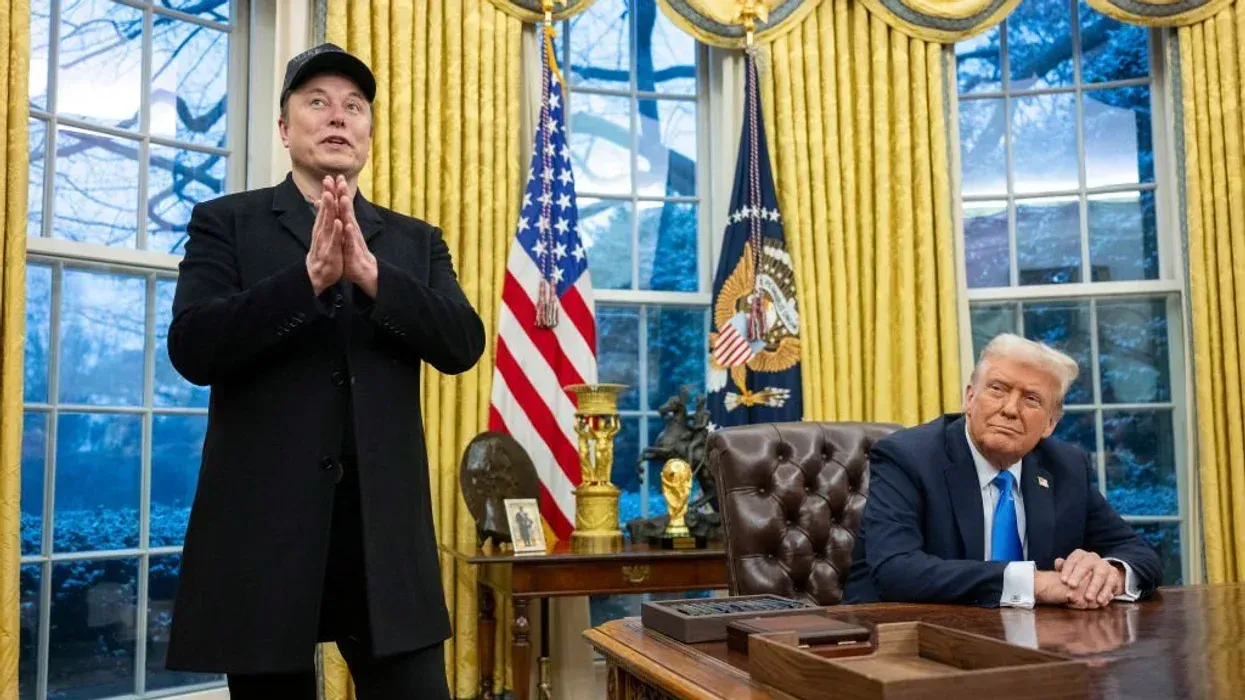
 As Democrats and the media continue to grip their groins in agony over Elon Musk and his DOGE team’s audit of the federal government, it’s fun to hear them all periodically pause to offer some variation of, “Everyone wants to end wasteful spending, but…” That’s the surest indicator that a person has absolutely no interest […]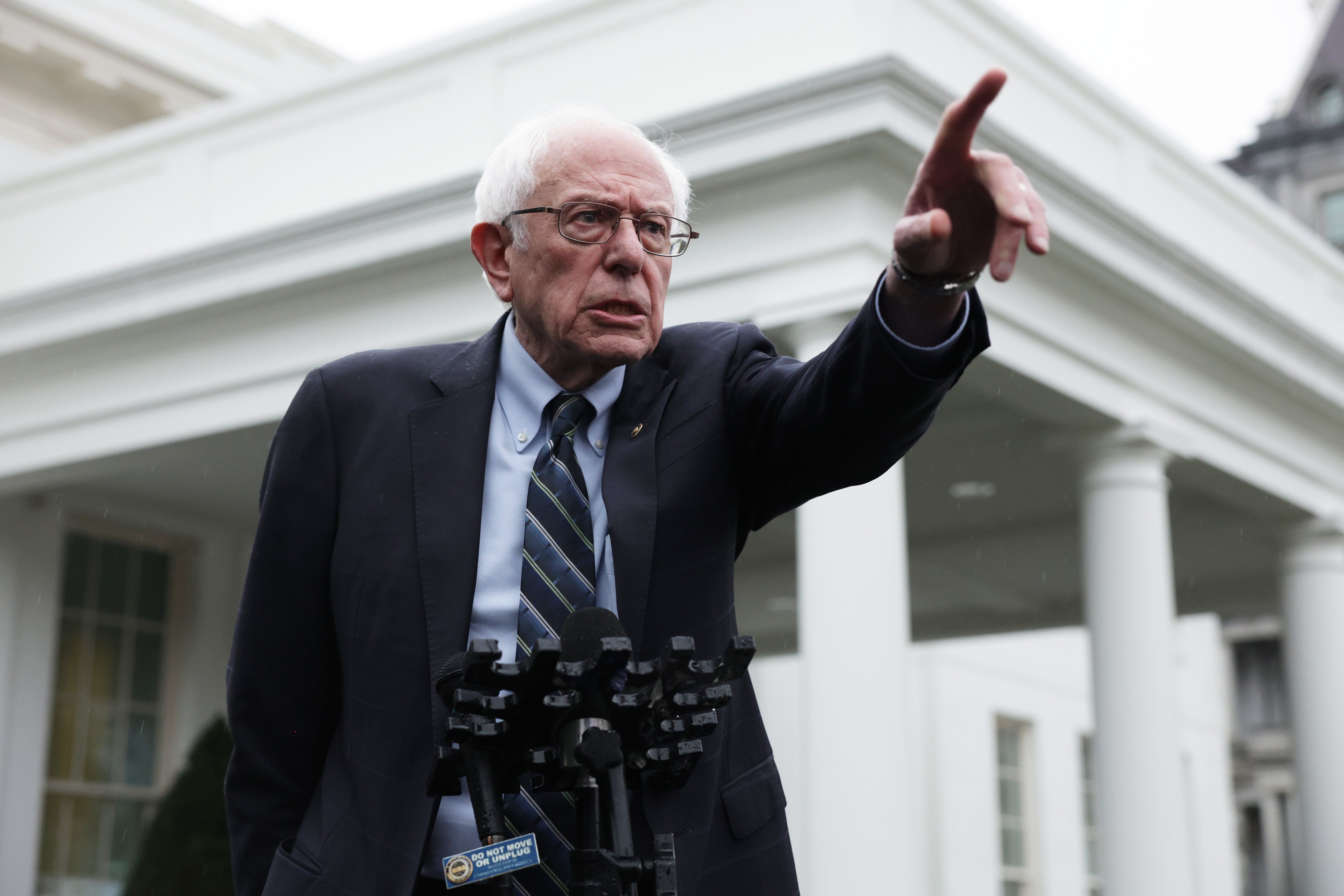
 www.theblaze.com
 www.theblaze.com
 www.theblaze.com
 thefederalist.com