Lindsey Graham blocks House effort to scrap his $500,000+ Arctic Frost payday


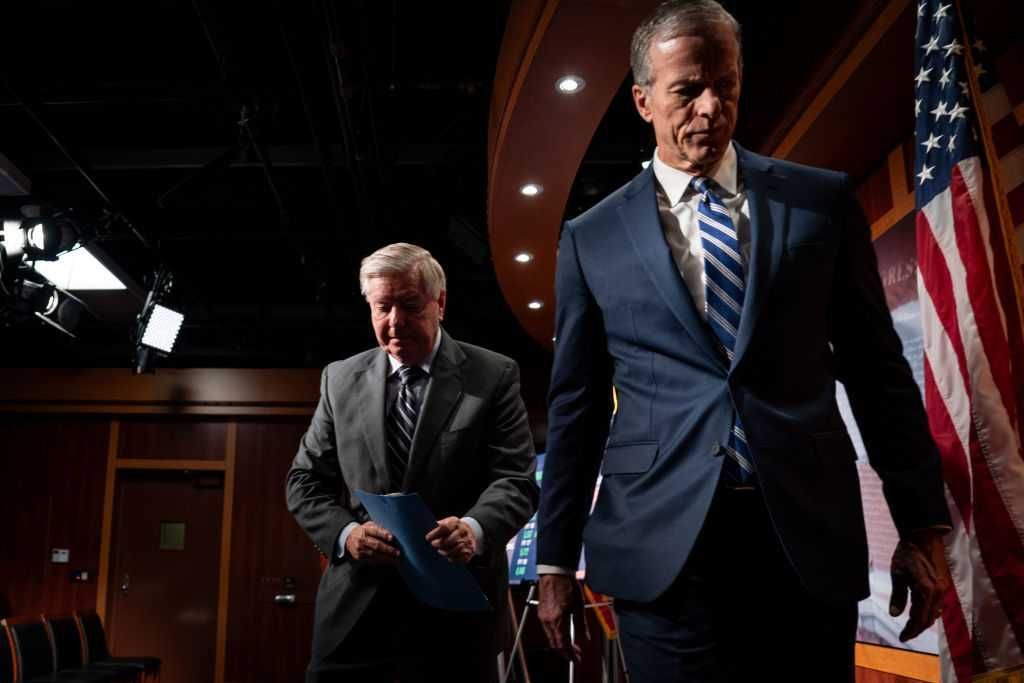
Before Republican lawmakers passed their funding bill to reopen the government last week, Senate Majority Leader John Thune (R-S.D.) slipped in a provision that paved the way for senators — and only senators — targeted by the Biden FBI's Arctic Frost operation to squeeze the government for taxpayer cash.

Lawmakers in the House, some of whom were also victims of the previous administration's lawfare, unanimously rejected the provision, taking steps to repeal it earlier this week.

'What did I do wrong?'

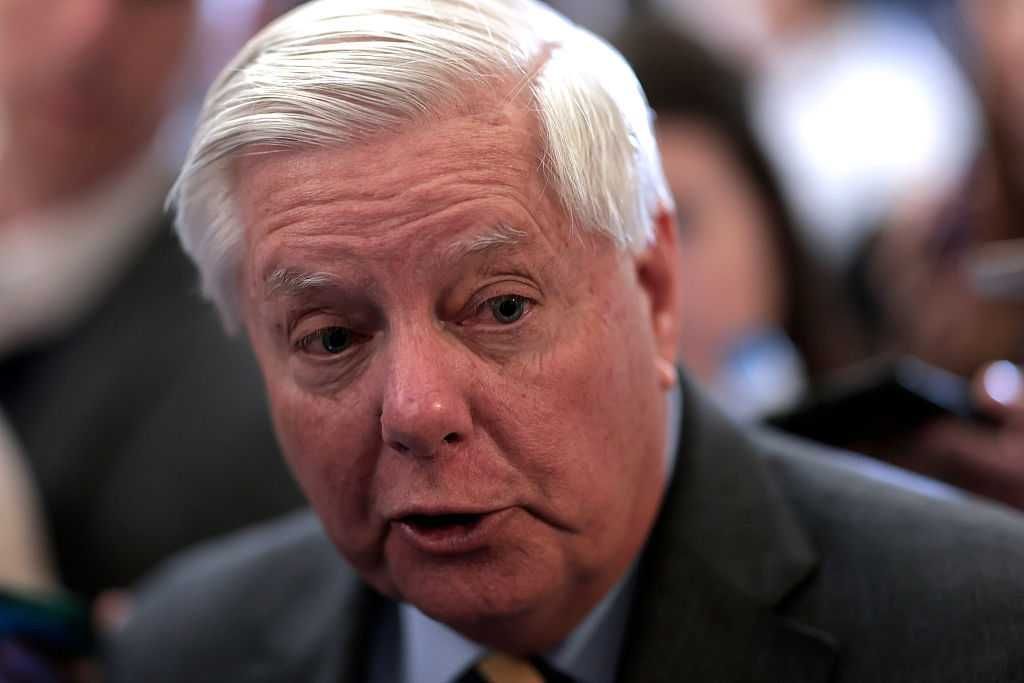
Sen. Lindsey Graham (R-S.C.), among the senators eligible to sue for a payday of at least $500,000, stopped the repeal in its tracks on Thursday, prompting chatter about personal enrichment among some of his colleagues.

The provision

Senate Judiciary Committee Chairman Chuck Grassley (R-Iowa) published damning documents last month revealing that in its years-long campaign to find "anything they could to hook on Trump, put Trump in prison," the Biden FBI not only subpoenaed records for over 400 Republican individuals and entities but secretly obtained the private phone records of numerous Republican lawmakers.

Thune introduced a provision into the continuing resolution that reopened the government to enable senators whose phone records were "acquired, subpoenaed, searched, accessed or disclosed" without his or her knowledge to file a civil lawsuit against the government inside the next five years for at least $500,000 plus legal fees for each instance of a violation.

Senators would be able to take legal action if at the time their records were seized, they were a target of a criminal investigation; a federal judge issued an order authorizing a delay of notice to the senator in question; the government complied with the judge's order; and the subpoena was faithfully executed.

The backlash

The provision caused bipartisan outrage in the House.

House Speaker Mike Johnson (R-La.) said he was "very angry" about the provision, stressing that it had been slipped in at the last minute without his knowledge.

RELATED: A payout scheme for senators deepens the gap between DC and the rest of us
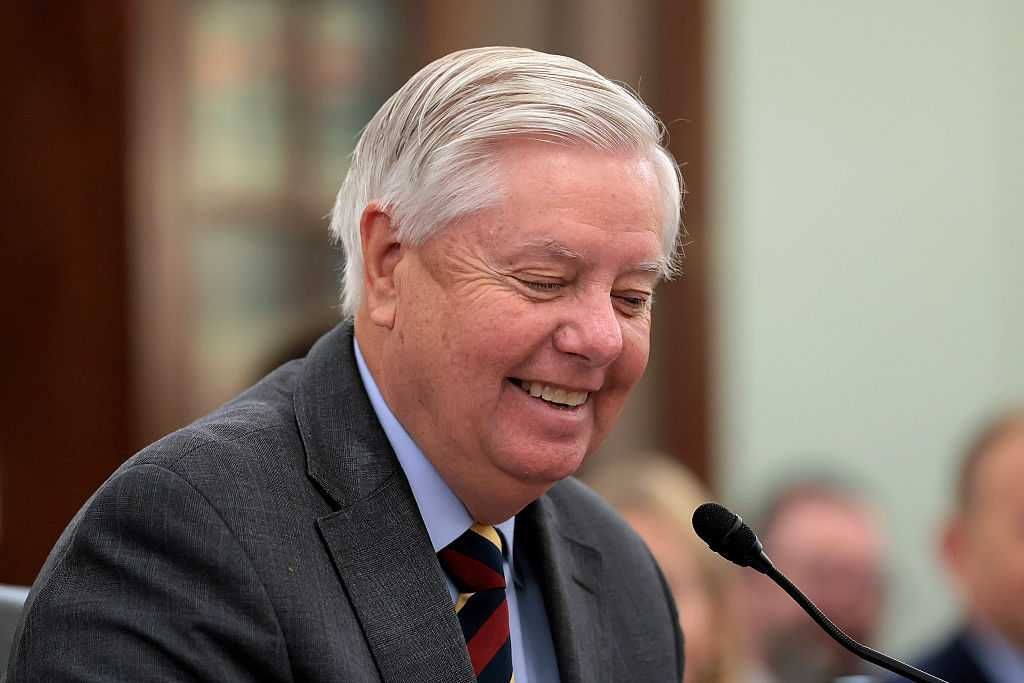
Photo by Heather Diehl/Getty Images

"We’re striking the provision as fast as we can, and we expect the Senate to move it," Rep. Chip Roy (R-Texas) told CNN. "We believe there’s a fairly sizeable growing majority over there that believes that they should strike it."

Democrat Rep. Joe Morelle (N.Y.) said that this kind of "one-sided get-rich scheme at the expense of taxpayers is why Americans are so disgusted with this Congress."

Rep. Austin Scott (R-Ga.), who indicated that the provision was "probably the most self-centered, self-serving piece of language" he had ever seen, introduced a resolution to appeal the provision on Nov. 12.

"Nobody in the House supported this language," Scott said on Wednesday ahead of the vote on his resolution. "This language did not go through any committee in the Senate, did not go through any committee in the House, and could never be passed and signed into law if it was discussed openly."

"For the people who are saying it's $500,000, I want the American citizens to know this: It's not $500,000. It's $500,000 per account per occurrence," continued Scott. "We have one senator — one — who maintains that this provision is good and is currently saying that he is going to sue for tens of millions of dollars."

Scott appears to have been referring to Sen. Graham, who said in a recent Fox News interview that he would sue "the hell out of these people" for "tens of millions of dollars."

Scott added that it was right to open up the government but wrong to put "language in the bill that would make themselves individually wealthy."

The House passed the Georgia Republican's resolution in a unanimous 426-0 vote.

Graham's blockage

U.S. Senator Martin Heinrich (D-N.M.) requested unanimous consent on Thursday for the Senate to follow suit, claiming the provision was "unprecedented in American history."

Others across the aisle were reportedly warming to the idea of killing the legislation, including Missouri Sen. Josh Hawley — among those whose communications were targeted by the Biden FBI — who stated, "I had my phone tapped, so I'm all for accountability, don't get me wrong, but I just, I think taking taxpayer money is not the way to do it. The way to do it is tough oversight."

Desperate to protect the provision, Graham blocked the motion.

"What did I do wrong?" said Graham, who argued that the surveillance of his communications was unlawful and that he deserved a right to have his day in court. "What did I do to allow the government to seize my personal phone and my official phone when I was Senate Judiciary chairman?"

According to reports, federal investigators accessed Graham's phone records. No allegations to date indicate that investigators appropriated Graham's phones.

While Democrat senators attempted to paint the taxpayer-funded payback as unsanctioned by their leadership, Graham reportedly extracted from Thune an admission that the provision had been discussed with Minority Leader Chuck Schumer (D-N.Y.).

"So this wasn't Republicans doing this," said Graham. "This was people in the Senate believing what happened to the Senate need never happen again."

In hopes of alleviating concerns about self-enrichment, Thune proposed on Thursday changing the provision such that any damages awarded under the law would be forfeited to the U.S. Treasury. His corresponding resolution was blocked by Sen. Gary Peters (D-Mich.).

Graham underscored on Thursday, "I'm going to sue."

Like Blaze News? Bypass the censors, sign up for our newsletters, and get stories like this direct to your inbox. Sign up here!
A payout scheme for senators deepens the gap between DC and the rest of us


During the final hours of the shutdown fight earlier this month, Senate Majority Leader John Thune (R-S.D.) slipped a toxic provision into the continuing resolution that reopened the government. The clause created a special pathway for select senators to sue the federal government, bypass its usual legal defenses, and claim large payouts if their records were subpoenaed during the Arctic Frost investigation.

The result? About eight senators could demand $500,000 for every “instance” of seized data. Those instances could stack, pushing potential payouts into the tens of millions of taxpayer dollars. That is not an exaggeration. Sen. Lindsey Graham (R-S.C.) has all but celebrated the prospect.

Graham said he wanted ‘tens of millions of dollars’ for seized records while victims of weaponization still face shattered lives.

No one else would qualify for compensation. Only senators. Anyone who spent years helping victims of political weaponization — often pro bono, while prestige law firms chased billable hours — can see the corruption in plain view. The message this provision sends on the central Trump-era promise of accountability could not be weaker: screw the people, pay the pols.

The surveillance of senators was wrong. It should never have happened. But senators did not face what ordinary Americans endured. Senators maintain large campaign accounts to hire top lawyers. They operate out of official offices, armed with constitutional protections such as the Speech and Debate Clause. They do not lose their homes, jobs, savings, or businesses. Thousands of Americans did. Many still face legal bills, ruined livelihoods, and ongoing cases. They deserve restitution — not the politicians who failed them.

Graham helped push this provision forward. As public criticism grew, he defended it. On Sean Hannity’s show the other day, he said: “My phone records were seized. I’m not going to put up with this crap. I’m going to sue.” Hannity asked how much. Graham replied: “Tens of millions of dollars.”

Democrats will replay that clip across every battleground in the country going into an uphill midterm battle in 2026.

Graham embodies the worst messenger for this fight. He helped fuel weaponization long before he claimed victimhood. He urged the late Sen. John McCain (R-Ariz.) to pass the Steele dossier to the FBI. As chairman of the Senate Judiciary Committee, he did nothing to slow the Justice Department and FBI as they pursued political targets. He even supported many of President Joe Biden’s judicial nominees who later embraced aggressive lawfare tactics. If anyone owed restitution to victims, Graham sits high on the list.

RELATED: Trump’s pardons expose the left’s vast lawfare machine

Photo by Win McNamee/Getty Images

Fortunately, enough Republicans recognize the political and moral disaster of funneling taxpayer funds to senators while real victims remain abandoned. The House advanced a measure today to repeal the provision. Led by Reps. Austin Scott (R-Ga.) and Chip Roy (R-Texas), the House forced the Senate to address in public what it attempted to smuggle through in private.

Thune defended the measure in comments to Axios. He argued that only senators suffered statutory violations and said the provision was crafted to avoid covering House members. He did not explain why any House member who was illegally surveilled should receive no remedy.

The Senate leader also claimed the financial penalty would deter a future Justice Department from targeting lawmakers, citing the actions of special counsel Jack Smith. His emphasis on “future” misconduct glossed over a critical fact: The provision is retroactive and would cover past abuses.

That defense cannot survive daylight. Repeal requires 60 Senate votes, and not a single Democrat will fight to preserve a payout for Graham. Republicans should not try either. Efforts to strike the measure need to begin immediately. Senators — especially Thune — should commit to an up-or-down vote. If they want to send tens of millions of dollars in taxpayer funds to Graham, they should do it in public, with the country watching.

Washington already reeks of grift and self-dealing this year. If senators protect this provision, that smell will spread nationwide.

9 House Republicans are running for House speaker


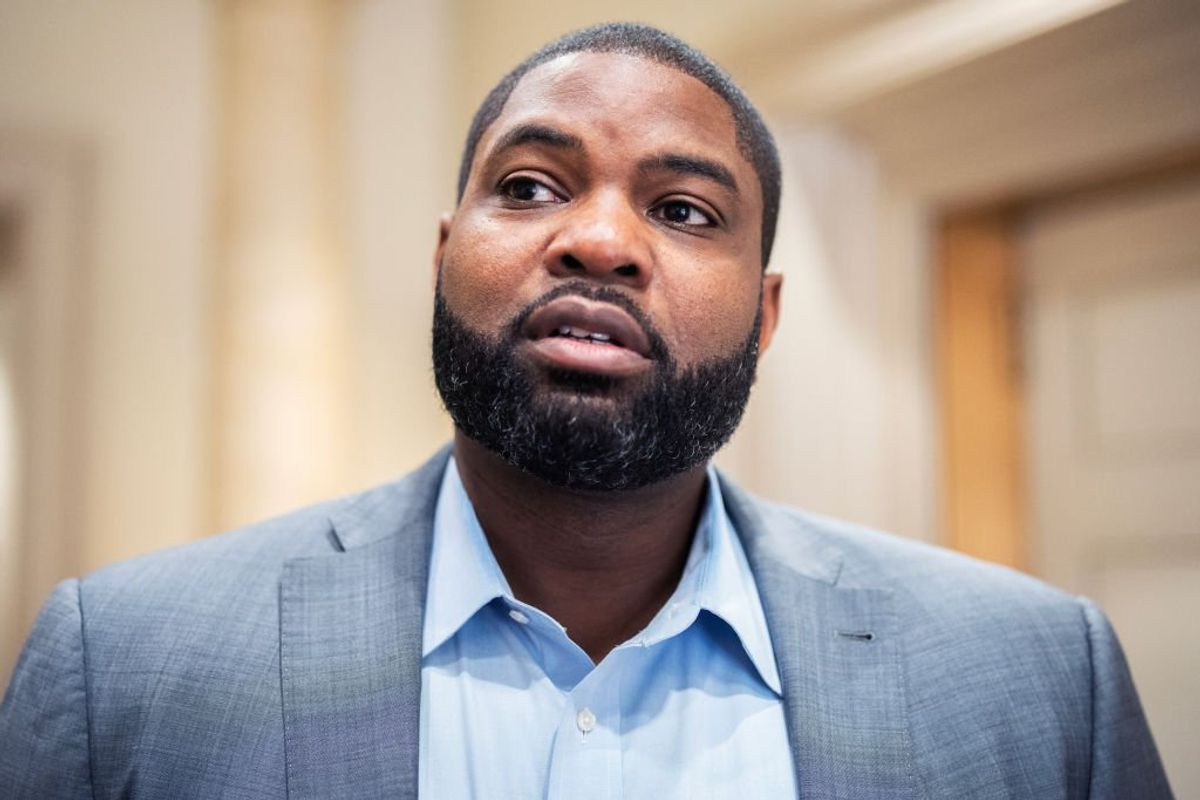
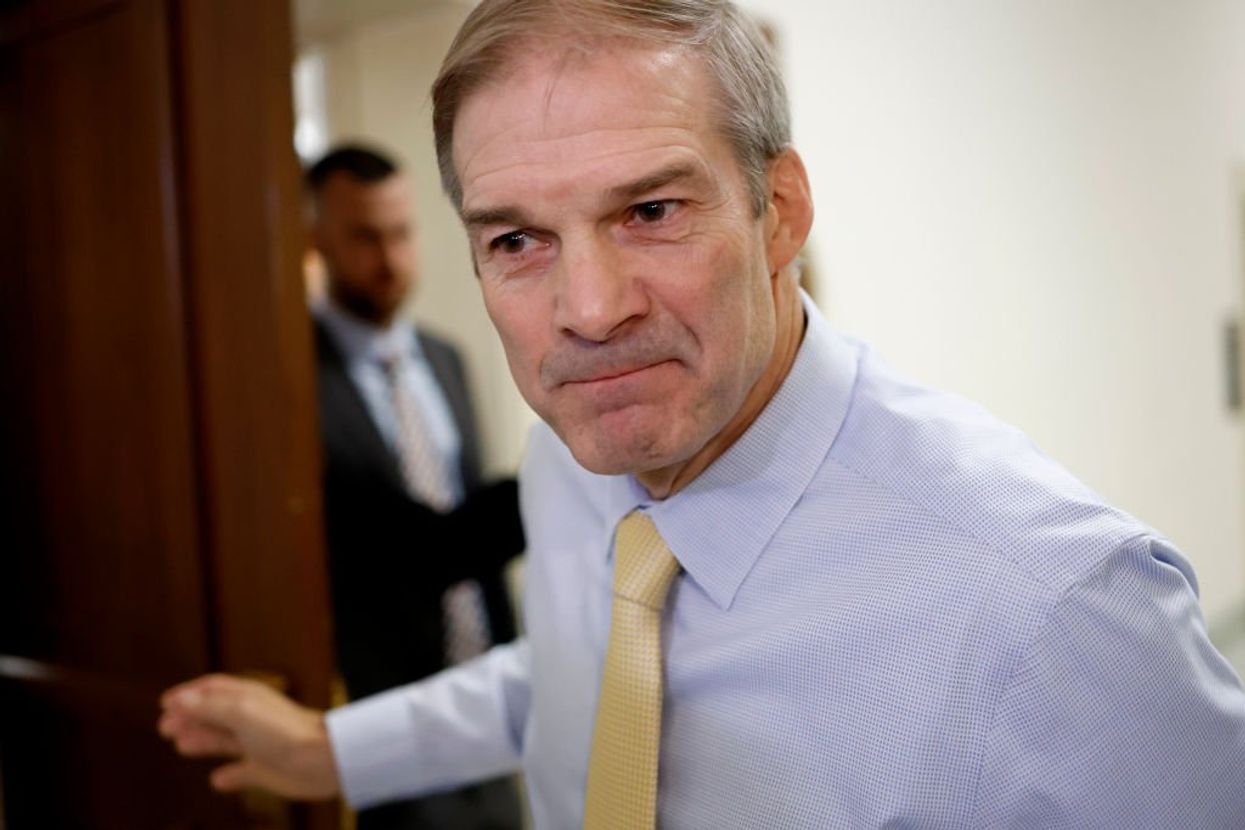
As the House speakership selection saga drags on due to the collapse of GOP Rep. Jim Jordan's bid last week, a whopping nine Republican lawmakers have jumped into the race.

The Republicans who have announced speakership bids include Tom Emmer of Minnesota, Mike Johnson of Louisiana, Jack Bergman of Michigan, Byron Donalds of Florida, Kevin Hern of Oklahoma, Dan Meuser of Pennsylvania, Gary Palmer of Alabama, Austin Scott of Georgia, and Pete Sessions of Texas. Scott ran unsuccessfully against Jordan for the GOP speakership nomination earlier this month.

The House GOP is slated to vote for a new speaker nominee on Tuesday, reports indicate.

— (@)

Republicans hold the majority in the House chamber, but have failed tap a new speaker since Rep. Kevin McCarthy (R-Calif.) was ousted from the role earlier this month. It took McCarthy 15 rounds of voting to win the speakership back in January, but earlier this month, eight Republicans voted with Democrats to boot him from the post.

Jordan, who had been backed by former President Donald Trump, came up short in three House votes last week, unable to cobble together enough support to reach the threshold necessary to secure the speakership. Democrats voted for House Minority Leader Hakeem Jeffries in all three rounds of balloting.

GOP Rep. Chip Roy of Texas, who had been backing Jordan, has now thrown his support behind Donalds.

"While I still believe Jim would have been a strong choice for Speaker, Republicans will now coalesce around another strong leader. I believe that candidate is my friend from Florida, Byron Donalds," Roy said in a statement. "Byron is a strong communicator backed by a conservative voting record who has simultaneously played a central role in bringing together members from across the Republican conference to advance conservative priorities."

— (@)

Democratic Rep. Alexandria Ocasio-Cortez of New York responded to the news of Byron Donalds' speakership bid by tweeting, "Donalds has only served 1 full term in the House. His most recent work involved submitting falsified evidence in an impeachment investigation. These people are not serious."

— (@)

Like Blaze News? Bypass the censors, sign up for our newsletters, and get stories like this direct to your inbox. Sign up here!

Top Opponent Of Jim Jordan Endorses His Bid For The Speakership

'We agreed on the need for Congress to pass a strong NDAA'

House GOP votes to nominate Jim Jordan as speaker


House Republicans have voted 124-81 in favor of nominating Rep. Jim Jordan of Ohio to serve as House speaker, according to reports, with Jordan defeating Rep. Austin Scott of Georgia who announced on Friday that he was throwing his hat into the ring.

"I highly respect Jim Jordan. He is an asset to the Republican Party and our nominee for Speaker. Our conference has spoken, and now we must unite behind Jordan so we can get Congress back to work," Scott tweeted.

— (@)

In a separate vote regarding whether lawmakers would back Jordan for speaker on the House floor, 152 indicated that they would, NBC News reported citing Rep. French Hill of Akansas and an aide. But even with 152 supporters Jordan would fall far short of the votes necessary to clinch the speakership in a full House vote.

Last week Rep. Kevin McCarthy of California — who was tapped as House speaker in January after a whopping 15 rounds of voting — was ousted from the speaker's slot, and said that he would not seek the role again. Eight Republicans voted with Democrats to boot McCarthy out of the speakership.

House Majority Leader Steve Scalise of Louisiana — who survived after being shot in 2017 and is currently battling cancer — and Jordan both mounted bids to take over the role. While Scalise reportedly won the nomination in a 113-99 vote, he ultimately dropped out of contention.

Jordan had been endorsed by former President Donald Trump prior to his loss to Scalise. Trump has indicated that he would be willing to temporarily serve as speaker if the GOP fails to rally behind a candidate for the position.

"They have asked me if I would take it for a short period of time for the party, until they come to a conclusion — I'm not doing it because I want to — I will do it if necessary, should they not be able to make their decision," told Fox News Digital.

Like Blaze News? Bypass the censors, sign up for our newsletters, and get stories like this direct to your inbox. Sign up here!

Jim Jordan Wins GOP Nomination For Speaker Of The House

Jordan won a secret ballot of members by a vote of 124 to 81

Social Media Users Track Stock Trading As Congress Considers Member Ban

Social Media Users Track Stock Trading As Congress Considers Member Ban