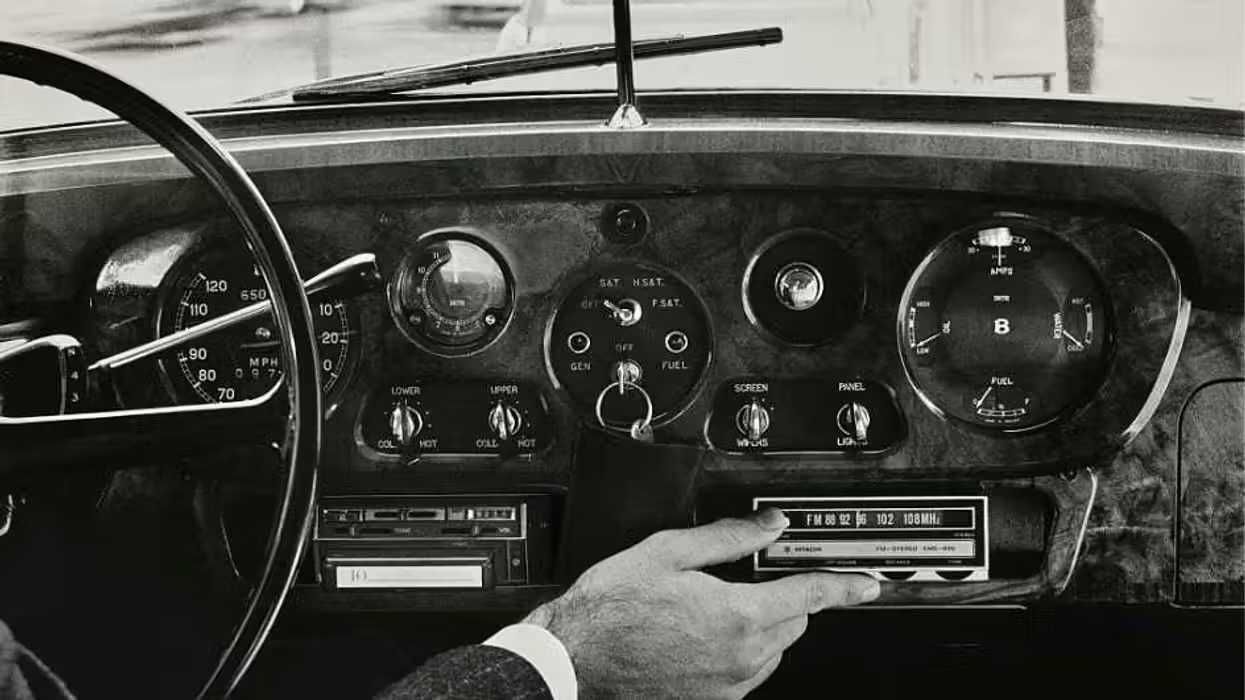
Technology peaked with radio — especially when it comes to catching the game


Remember the radio? Of course you do. It’s not hard to remember. It’s still around. You can buy a little one on Amazon and tune into AM or FM. Cars still have them, for now. You can enjoy classical music on public radio, political commentary on talk radio, the game on a Friday night, or whatever else there is floating around on the airwaves at any given moment on any given day.

Before TikTok there was Facebook, and before Facebook there was MySpace, and before MySpace there was television, and before television there was radio, and before radio there was silence.

'Who else is listening to this right now?' That’s what I wonder a little when I’m driving and scanning the radio. There’s no way for me to know.

Imagine what that transition was like — from silence to radio.

Big world

I’ve been reading “Hello, Everybody! The Dawn of American Radio” by Anthony J. Rudel recently, and in it, Rudel writes at length about that time and transition from silence to radio sound.

The world was so big in those days. Rhode Island was so far from Spain, and Ohio was so far from Rhode Island. In that big world of people without Social Security numbers or anything like our panopticon of 2026, there were millions and millions of little worlds. Towns, blocks, clans, families, and people all in their own little worlds, living and breathing in silence.

Radio was, in some way, a beginning of the modern world as we know it. Of course, there have been many symbols of many beginnings in different and disparate domains, and radio was one of them. The ability to transmit a message across the land to anyone else who might want to listen was the beginning of mass communication and mass modern society. In hindsight, it was the first step in a long march toward Instagram, Facebook, and X.

When media was social

But radio was nothing like today's social media. The people who listened to it still lived primarily in embodied communities — families, churches, neighborhoods, and workplaces. Radio expanded that world; it did not replace it.

Social media has done the opposite. Millions of us now inhabit synthetic networks populated by algorithms, bots, AI-generated content, and strangers selected by recommendation engines rather than real proximity. We are connected to more people than ever while becoming increasingly detached from the human beings physically around us.

Radio felt like a kind of modern magic. Voices traveled across the plains, through the night, and into your living room, making a vast country seem smaller. Yet those voices still pointed back toward a shared human world, answering one of humanity's oldest questions: Is anybody out there?

Beautiful uncertainty

There’s something beautiful about how terrestrial radio isn't completely predictable or reliable. Fishing, not knowing what you might catch when throwing your line in the water is like that. Driving and just letting the road go is like that. Tuning into the radio, passing over static as you turn the dial right, hearing faint music or voices covered by the gray sound, and landing on a station you haven’t heard before is like that.

Driving late at night with one hand on the wheel and the other on the dial, scanning from station to station, seeing if there is anything worth listening to is different from looking through Spotify playlists or flipping through CDs like we once did 20 years ago. Spotify playlists somehow feel like shopping at the store, and CDs felt like something private, while radio stations feel like something almost — almost! — communal.

“Who else is listening to this right now?” That’s what I wonder a little when I’m driving and scanning the radio. There’s no way for me to know. There’s no way for the radio station to know. There’s no way for anyone to know who’s listening in their car or in their bedroom or in their kitchen.

The sound is sent out into the world on a certain frequency, and those who are tuned in hear. There is no history of it marked, there is no documentation logged, there is no surveillance state knowing you listened that night. Ah, the sound of freedom.

RELATED: Goodbye, car radio? Big Tech’s plans to control what you listen to behind the wheel.

Ron Schwerin/Getty Images

Batter up

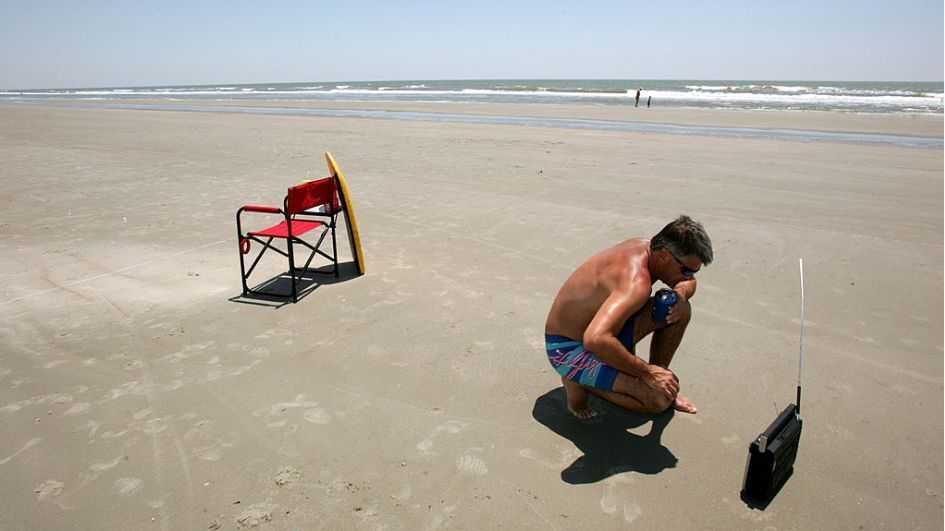
Maybe it’s nostalgia, or maybe it’s aesthetics, but whatever it is, there is something so damn American about listening to a baseball game on the radio. The game sounds better over a little tinny speaker with crackle and static than it looks on a 96-inch flatscreen. The way the announcers sound, the way they describe every detail, the distant cry of the crowd in the background. You imagine sight in your mind behind your eyes as you play out what they tell you.

Maybe the beauty of radio is the fact that we don’t have control once we finally land on a station that’s clear. Someone else chooses the music to play or the words to say, and it’s there in the background, and everyone out there who’s listening listens. Maybe it’s good, maybe it’s bad, maybe it’s all right, but it’s just what there is, and it’s fine. I think we might get sick of making so many choices these days. There’s too many choices. Going on a ride with someone else is nicer than driving ourselves.

If all this is just nostalgia, then it’s a nostalgia for a world that hadn’t quite yet evolved, or rather devolved, into the global cyber panopticon we have today. It was a world teetering on the edge of technological modernity; one still with the magic of the old little worlds; one that was peering over the fence toward the future and everyone else far away. It was a big world out there, and we could only hear just a little of it.

It was tinny, scratchy, and it was magical.

23-year-old umpire gets 'dream' call to Little League World Series after a decade of volunteering


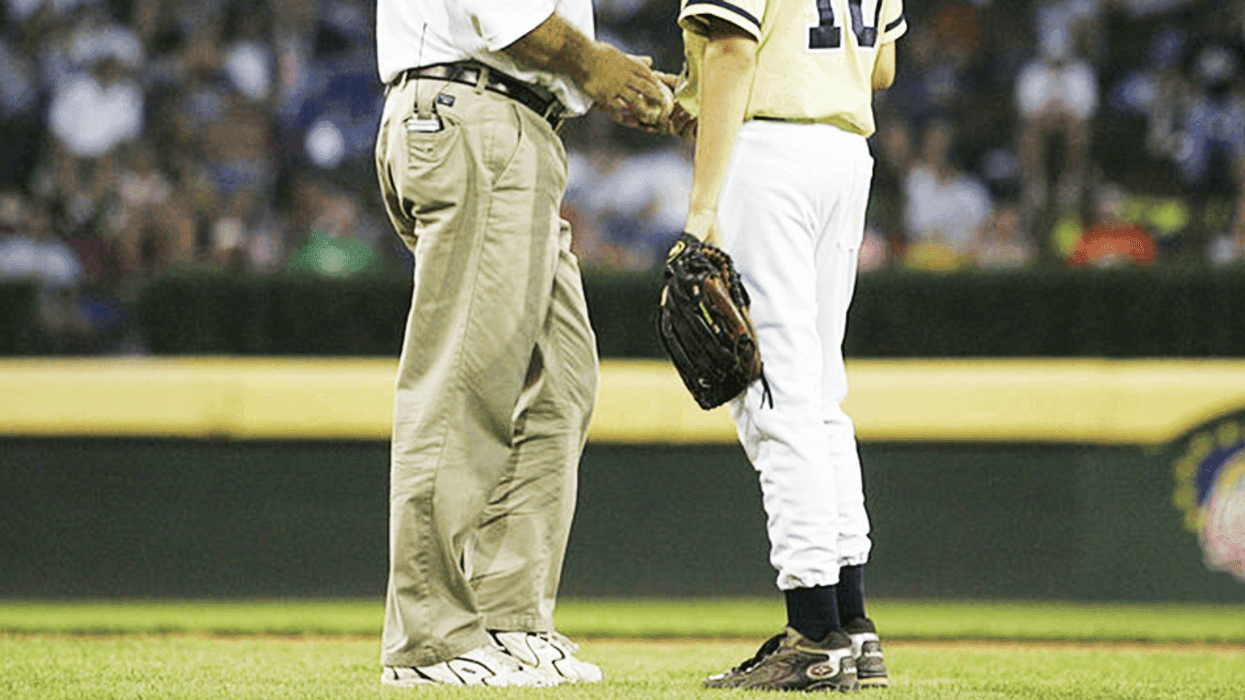
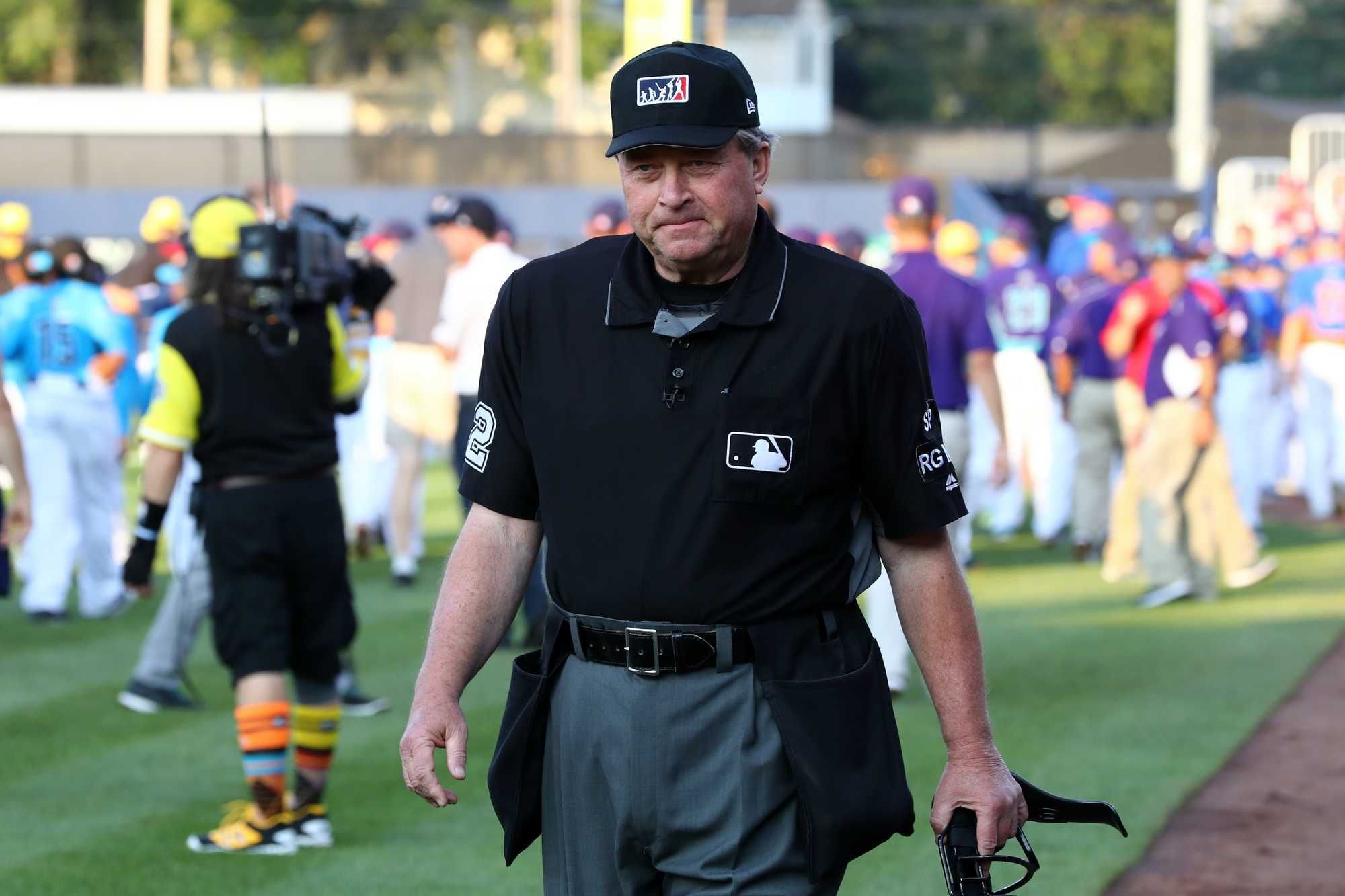
A 23-year-old who has been volunteering as a Little League umpire for a decade is getting rewarded with a chance to officiate the league's World Series in Williamsport, Pennsylvania.

James Farque of Summerville, South Carolina, said he umpired his first game at age 13 after realizing he was not equipped to advance very far as a player in the sport.

'I pride myself on volunteering and giving back to the community.'

"I realized I would not excel at the high school level, so I still wanted to stay connected to the game, so I started umpiring," Farque said. "Umpired my first game [at age 13] and haven't stopped since."

He told WCIV-TV that he's proud to be called up to the Little League Baseball World Series.

"This is every Little League umpire's dream," he added. "It's a tremendous honor; there's only 20 people each year that are chosen."

His performance at four games of the contest will determine whether he gets assigned further spots. He said he is going to try not to be intimidated by the bright lights of the ESPN coverage of the event.

"That's a big aspect of everything. Big mental side of umpiring is being in the spotlight," Farque said. "Then again, it's just another baseball game. Anytime you step on the field, it's just another baseball game. Just a higher stage in front of more people."

He said that volunteering as an umpire is how he gives back to the community.

"Little League is run by volunteers. It prides itself on volunteerism," Farque added. "I pride myself on volunteering and giving back to the community."

RELATED: Actress who played mom in 'Little Big League' now has a son playing Major League Baseball nearly 30 years later

Farque said that he has aspirations to make it to college baseball or the major leagues, but he'll always return to the Lowcountry of South Carolina where he's from.

"I don't think I can ever hang it up. Even if I do the championship game at Williamsport, I still have this to come back to," Farque said.

"The local level is what I enjoy the most, getting to mentor these kids and the sense of community around here," he added.

Like Blaze News? Bypass the censors, sign up for our newsletters, and get stories like this direct to your inbox. Sign up here!

Exclusive Sports Analysis: Kate Upton Is the GOAT of WAGs (and Always Will Be)

Kate Upton, aka America's Sweetheart, made her final appearance at the Major League Baseball All-Star Game on Tuesday. She looked amazing, obviously.

The post Exclusive Sports Analysis: Kate Upton Is the GOAT of WAGs (and Always Will Be) appeared first on .

The surprising history behind 'Take Me Out to the Ball Game' — the anthem of America's pastime


Everyone knows the song.

It’s a warm summer night, the top of the seventh inning has just concluded, and the organ begins to ring throughout the stadium. It’s time to whip out the singing voice for one of America’s most iconic tunes — "Take Me Out to the Ball Game."

At a time when baseball fandom was overwhelmingly male-dominated, the character of Katie stands out as an unusual creation for the era.

Yet few baseball fans, let alone Americans at large, know the true history behind the 118-year-old symbol of our country’s pastime.

To get to the beginning, we must travel back to the time of President Theodore Roosevelt. The year is 1908: The Ford Model T makes its debut in the automobile market; New York City drops the very first New Year’s Eve ball in Times Square; and the Grand Canyon is declared a national monument.

The story goes that Jack Norworth was riding a New York subway train when he was inspired by a sign he saw that read, “Baseball Today — Polo Grounds.” Norworth quickly developed the lyrics to the song, with Albert Von Tilzer composing the music.

The irony? According to reports, neither of these men had ever been to a baseball game. Norworth did not attend a game until 32 years later in 1940.

Norworth and his then-wife Nora Bayes would go on to debut the tune during a vaudeville act at the Amphion Theater in Brooklyn. The song was quickly recorded by multiple different groups, with both the Edward Meeker and the Haydn Quartet versions finding mass success.

Although only the chorus is sung at baseball games today, the original song contains multiple verses that tell the story of Katie Casey (later changed to Nelly Kelly by Norworth) — a “baseball mad” fanatic who would rather have her boyfriend take her to the ballgame than to the theater.

At a time when women did not even have the right to vote, let alone the fact that baseball fandom was overwhelmingly male-dominated, the character of Katie stands out as an unusual creation for the era.

The earliest documented instance of "Take Me Out to the Ball Game" being played at a baseball game was during a Los Angeles high school game in 1934. The song made its Major League debut later that year during Game 4 of the 1934 World Series.

Stadium bands began regularly performing the tune during games in the mid-20th century. However, the way baseball fans engage with the song today — singing it during the seventh-inning stretch — was popularized by Chicago White Sox announcer Harry Caray in the 1970s. Caray later brought the tradition to the Chicago Cubs when he became their announcer in 1982.

In 2001, "Take Me Out to the Ball Game" was ranked #8 on the "Songs of the Century" list, and later in 2010, Edward Meeker's recording was inducted into the Library of Congress' National Recording Registry.

So next time you find yourself indulging in America's pastime, remember to buy some "peanuts and Cracker Jack" so that you can "root, root, root for the home team" — but never forget: "For it's one, two, three strikes, you're out, at the old ball game."

Like Blaze News? Bypass the censors, sign up for our newsletters, and get stories like this direct to your inbox. Sign up here!

Christian fan says she was ejected from Detroit Tigers game over pro-Jesus shirt: 'I have the right to wear that'


A woman says she was treated like a criminal at a Detroit Tigers game because she was wearing a shirt that expressed her faith.

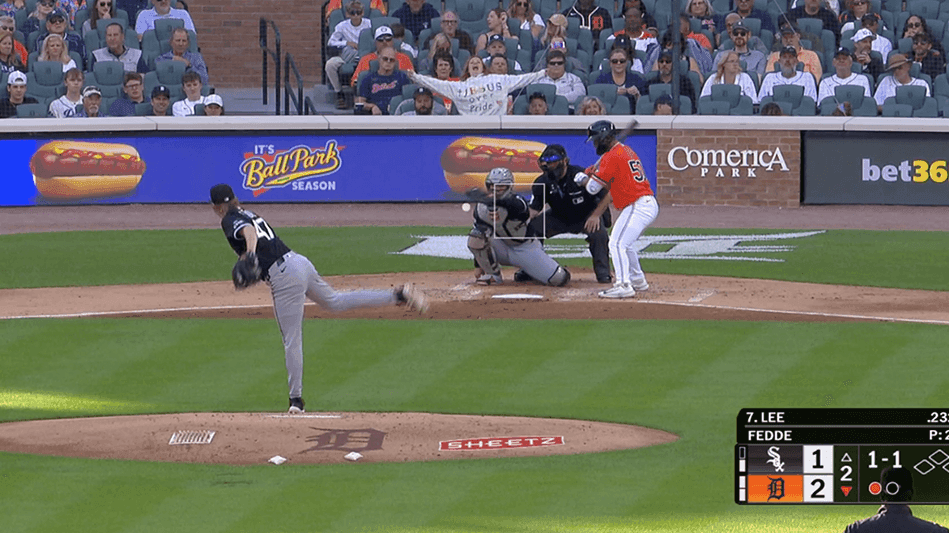
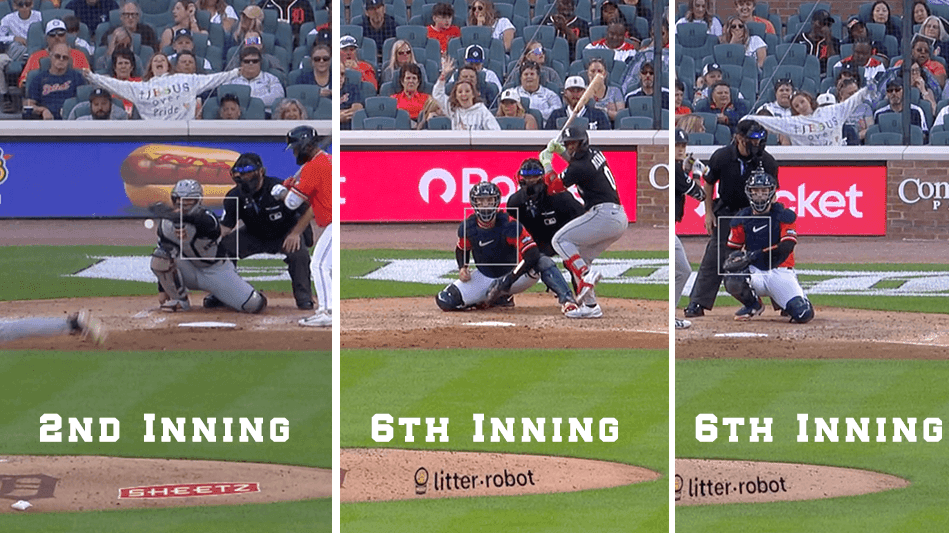
The incident happened on June 19 during a game between the Tigers and Chicago White Sox, where fan Paige Combs-Morgan was seen in the seats behind home plate.

'Put it down, shut off the recording.'

Combs-Morgan told New Media Detroit that she was escorted out of Comerica Park in Detroit after staff told her the message on her shirt was offending other fans.

A video showed Combs-Morgan in the front row behind home plate — typically the most expensive seats — moving left and right with her arms out while wearing a hoodie that read, "Jesus Over Pride."

In a self-shot video, Combs-Morgan can be heard saying, "They’re kicking me out because of my shirt," as she is being escorted through the halls of the stadium.

"We have received a couple complaints," a staff member can faintly be heard telling her.

After entering what appears to be a security office, one individual can be heard telling Combs-Morgan to “put your phone down,” before saying, “We’re not going to tape this.”

"Put it down, shut off the recording," a man is heard saying.

The woman told the Detroit outlet that multiple police officers and stadium representatives escorted her out of the stadium after that.

"They acted like I committed a crime for existing there," she claimed.

The Tigers organization said that Combs-Morgan's ejection was not over her shirt; it was due to her conduct.

RELATED: MLB says warning Christian players was a mistake — but confirms 2 teams are allowed to push Pride propaganda

"We received several complaints from fans seated behind home plate during Friday's game, who reported another fan's behavior as being disruptive to their ballpark experience," the team said in a statement to Blaze News.

The team said that Combs-Morgan not only made "frequent walks and poses" across the front row of seats in camera-visible areas that obstructed the view of others, but she was warned by staff that "she would be ejected if the behavior continued," as it violated Tigers' stadium rules.

The team pointed to their code of conduct, which contains the following directive: "Guests should refrain from any action that disrupts other guests' enjoyment of the game."

The Tigers spokesman concluded, "She was later escorted from the ballpark because the behavior persisted, and not because of her attire."

The ball club provided multiple images of the fan making gestures in the 2nd and 6th inning, seemingly showing her making waving motions with her arms.

This was is in addition to video that showed Combs-Morgan walking across the front row of seats with drinks in her hands.

RELATED: Detroit Lions in the crosshairs for skipping Juneteenth — but an entire major sports league did too

Images courtesy Detroit Tigers/MLB

In her interview with New Media Detroit, Combs-Morgan told the host she did walk to the bathroom and "made my shirt known, but just like everybody else does when they want to make a point."

As for her inspiration, Combs-Morgan said she took issue with the MLB's warning to San Francisco Giants pitchers who wrote Bible verses on their caps and said these types of protests only seem to be an issue when they are supportive of Christianity.

"I have the right to wear that. And just like everybody else, like everyone else flaunts whatever they believe in, but you don't see people wearing anything about religion because this is exactly what happens," the fan stated.

She continued, "And I got kicked out not because of how I was acting in any sort of way. I was told specifically by two people that I was offensive for wearing that shirt."

"I completely got kicked out because it offended people," she added, contradicting the Tigers organization.

Combs-Morgan also said she felt the organization was trying to "intimidate" her and did not want her to "talk about my rights."

Like Blaze News? Bypass the censors, sign up for our newsletters, and get stories like this direct to your inbox. Sign up here!

'Gay Giants fan's heartbreaking letter' reveals major Pride Month win for sports


Like most professional sports, Major League Baseball players have been forced to promote the LGBTQ community — especially during Pride Month.

But this Pride Month things are changing, and gay baseball fans are not happy about it.

In one article for the magazine “Out Sports” titled “Gay Giants fan’s heartbreaking letter shows the cost of the team’s Pride Night failure,” a fan laments the actions of several San Francisco Giants players who chose to do their own thing on Pride Night.

“So this fan wrote a note to the San Francisco Giants ... about this incident that happened at their Pride Night festival,” BlazeTV host Stu Burguiere explains on “Stu Does America.” “Now as you may know, every Major League Baseball team has a Pride Night with the exception of the Texas Rangers.”


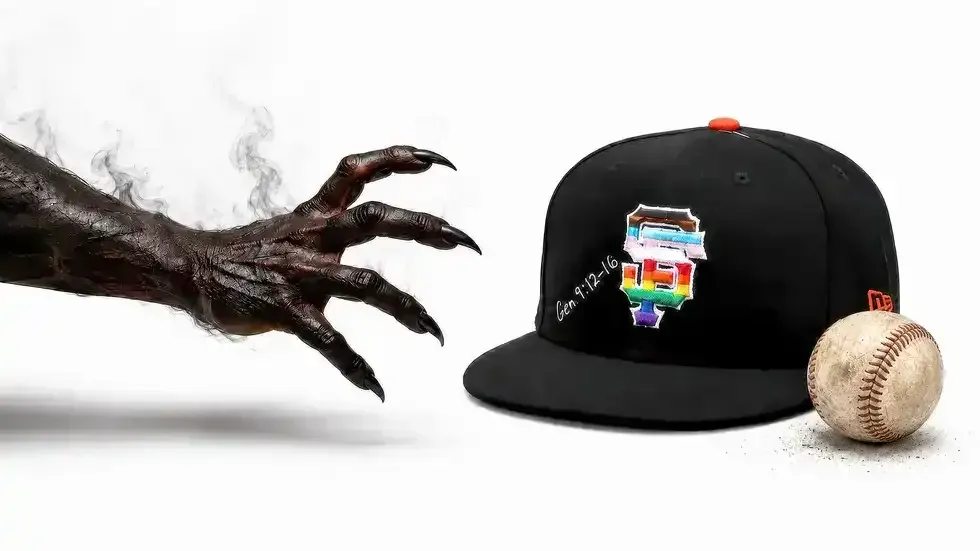
While the team did celebrate Pride Night, multiple Giants players wore hats boasting Bible verses.

“Signifying, ‘Hey, like you know this isn’t a thing that we want to be involved in, and we have a different opinion,’” Stu explains.

The Bible verse in question “talks about the rainbow and how it was God’s sign.”

The disgruntled fan wrote that he has been “a lifelong Giants fan for over 40 years,” beginning when he “attended games as a kid” and “arrived early to get autographs from players.”

“As an LGBTQ athlete, I’ve had the honor of going to a Pride night or day for many years. I’ve also organized 200 plus softball players to attend the game annually,” he said.

“I was unbelievably disappointed by the offensive and disrespectful actions of a few Giants players who chose to write a Bible verse on their hats that was meant to reclaim the rainbow as a Christian/Catholic symbol,” he continued.

“Now, my understanding was the Bible came long before Pride Night. I don’t know if that’s accurate, Dave, historically, but I believe it is,” Stu says.

The gay author went on to explain that in 1978, Gilbert Baker created the rainbow flag in San Francisco as a symbol of pride.

“I will note 1978 is after the Bible came out,” Stu comments, pointing out that “not everything has to be about sex.”

“Like you can actually have a sport where people come out and enjoy the sport,” he adds.

Want more from Stu and Dave?

To enjoy more of Stu and Dave's lethal blend of wit, humor, and insightful commentary subscribe to BlazeTV — the largest multi-platform network of voices who love America, defend the Constitution, and live the American dream.

Pride Night game CANCELED after baseball players refuse rainbow jerseys: ‘This is how you change the culture’


Minor league baseball team the York Revolution forfeited their Pride Night game on June 18 after fewer than nine players on the 28-man roster were willing to wear Pride uniforms — which featured jerseys with rainbow sleeves.

General manager Ben Shipley said that he was “disappointed” the team “was at this point.”

“I recognize the players' plight and their unwillingness to cross their line. I also think tolerance is not acceptance. I was just asking for tolerance from the team, and they were unwilling to navigate that with me,” Shipley explained.

“No,” BlazeTV host Pat Gray comments. “You were asking for them to participate. That is not tolerance. That’s promoting something that they have religious convictions against.”

“They’re not paid to wear rainbow colors,” he adds.


“That was a political statement they were asked to endorse, and they refused to,” executive producer Keith Malinak says.

“And this is how you change the culture. And this is what we’ve been begging young girls, young women to do when faced with dudes that want to compete against them,” he continues.

“And if they have to cancel the event, they have to cancel it. That’s how you change this mindset,” he adds.

“But that’s how committed the officials on the team were to this,” Gray says, “that they’d rather not even play baseball.”

“They still donated 10 grand to some gay charity, too,” Malinak adds.

Want more from Pat Gray?

To enjoy more of Pat's biting analysis and signature wit as he restores common sense to a senseless world, subscribe to BlazeTV — the largest multi-platform network of voices who love America, defend the Constitution, and live the American dream.

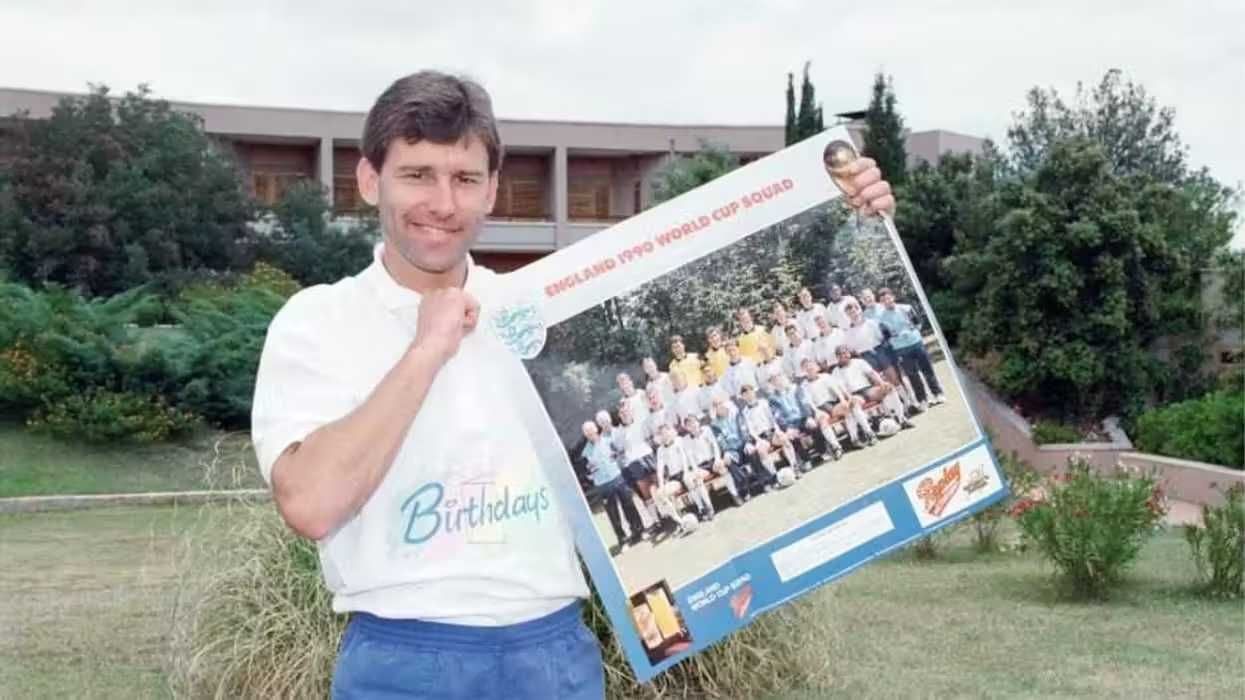
Why Aren’t Any World Cup Players Taking A Knee For Henry Nowak?

The England squad may play in whites, but they certainly don’t play for them anymore. And they absolutely, definitely, don’t kneel for them.

Do Giants fans hate the Christian protest on Pride Night? Attendance numbers reveal the truth


Fans threw a lot of vitriol at three San Francisco Giants players who wrote biblical references on their caps last Friday, leading to turmoil with the league.

Major League Baseball issued a warning to the players while the Giants franchise offered an apology, seemingly pointing to a huge blowback against the team over the protests.

'Baseball should be a place where everyone feels welcome, respected, and valued.'

After pitchers Landen Roupp, JT Brubaker, and Ryan Walker wrote differing forms of "Genesis 9:12-16" on their LGBT-themed Pride hats last Friday against the Chicago Cubs at Oracle Park, fans took to social media to vent their gripes.

The fan page on Reddit was particularly ruthless, where one fan even compared the use of Bible verses to "writing racist s**t on Jackie Robinson night."

"What a bunch of f**king morons," the user added.

Another Redditor called the players "the 4 Bigot pitchers," adding reliever Sam Hentges in the mix, who simply chose to wear a regular Giants cap on the night in question, not the Pride one.

More commenters seemed frustrated that the "locker room leaders" did not express concern over the incident.

However, the outrage seemingly did not affect attendance at the park when compared to the home games that followed Pride Night on Friday, which had an official attendance of 38,115. On Saturday, attendance dipped to 35,142 before jumping to 40,093 on Sunday afternoon, less than a thousand short of a sellout.

RELATED: MLB sends subtle threat to SF Giants pitchers over Pride Night biblical protest: 'We have warned the players'

Andy Kuno/San Francisco Giants/Getty Images

While many factors affect ticket sales — starting pitchers, day of the week, time of day, etc. — one thing is certain: Fans still showed up for the games following the widely discussed protest.

The Giants won't return home until June 23 against the Athletics, when the dust surrounding the MLB warning and team apology may have settled.

In a statement to the Athletic, the league warned the three pitchers, saying, "The writing on the cap violates our rules, and consistent with normal practice, we have warned the players about future violations."

The MLB has remained steadfast in its restrictions on players altering hats, having warned players in the past for writing phrases like "Dad," "Happy Mother's Day," "I Love Mom," or names of family members, the MLB said, per ABC News.

RELATED: Minor league baseball team cancels Pride Night ballgame — but still holds Pride Night to punish players

Thearon W. Henderson/Getty Images

According to the San Francisco Standard, the Giants organization issued a statement reinforcing that "baseball should be a place where everyone feels welcome, respected, and valued."

While the team said it respected the decisions made by its players, the Giants noted, "We understand that the choices by individual players have caused pain and anger to many in the LGBTQ+ community and we are sorry for that."

The protest does not change the Giants' commitment to "inclusion, belonging, and creating a welcoming environment for all," the team added.

Like Blaze News? Bypass the censors, sign up for our newsletters, and get stories like this direct to your inbox. Sign up here!

Minor league baseball team cancels Pride Night ballgame — but still holds Pride Night to punish players


A minor league baseball team was left completely at odds with its own players this week over a gay Pride celebration.

The York Revolution is a team in the Atlantic League of Professional Baseball — an official MLB partner league — at the center of controversy in Pennsylvania.

'This action by the players is completely inconsistent with our vision.'

The Revolution had planned a Pride Night celebration for Thursday, complete with home jerseys with rainbow sleeves set to be worn by players at WellSpan Park.

There was only one problem: The players refused to wear the jerseys.

"It is with great disappointment and [sic] that the York Revolution have issued important changes to our 11th Annual Pride Night on Thursday, June 18th," the organization wrote in a press release.

In a bizarre decision, the franchise decided not to simply cancel the Pride theme for the game, but to cancel the game entirely and submit an official forfeit.

"Out of respect for the Pride Community [sic] and the York community as a whole, the York Revolution has decided that the game on Thursday, June 18, will be forfeited."

At the same time, the organization made it clear it did not agree with the players' decision not to wear the rainbow uniforms, indicating the players were not being "inclusive."

RELATED: MLB sends subtle threat to SF Giants pitchers over Pride Night biblical protest: 'We have warned the players'

Tim Clayton/Corbis/Getty Images

"This decision was not reached lightly. Unfortunately, several of our players have refused to wear the scheduled Pride Night jersey and the club decided that hosting the event is more important than forcing players to wear jerseys they are not comfortable with and playing the game," the team wrote.

The organization went on, "To be clear; [sic] this action by the players is completely inconsistent with our vision as the Most Welcoming Place in York."

The penance shown by the team was multifaceted. Not only did York outright cancel and forfeit the game, the organization said it would treat the game as if it were rained out so fans can redeem their tickets for any future games.

Additionally, the team decided it would host a stand-alone Pride event at the baseball park in place of the game, in support of "our LGBTQIA+ representing partners."

The event will have music, batting practice on the field, and the ability to "enjoy community," the team said.

RELATED: Japanese soccer fans show Texas what being a good foreign guest actually looks like

Tim Clayton/Corbis/Getty Images

The apology did not come without payment, either, as the Revolution also announced the organization would be donating $10,000 to the Rainbow Rose Center to "further their work in making sure the York community is ... inclusive."

The Rainbow Rose Center's mission is to build a "vibrant community of belonging where LGBTQIA+ individuals" are "supported, affirmed, and able to thrive."

On Wednesday, the organization promoted an auction for one of the Revolution's Pride jerseys.

Business will resume as normal on Friday night, when the Revolution host a home game against the Southern Maryland Blue Crabs. The game will include a Juneteenth Celebration and a "Girl Scout Sleepover."

Like Blaze News? Bypass the censors, sign up for our newsletters, and get stories like this direct to your inbox. Sign up here!