From helping hand to five-finger discount
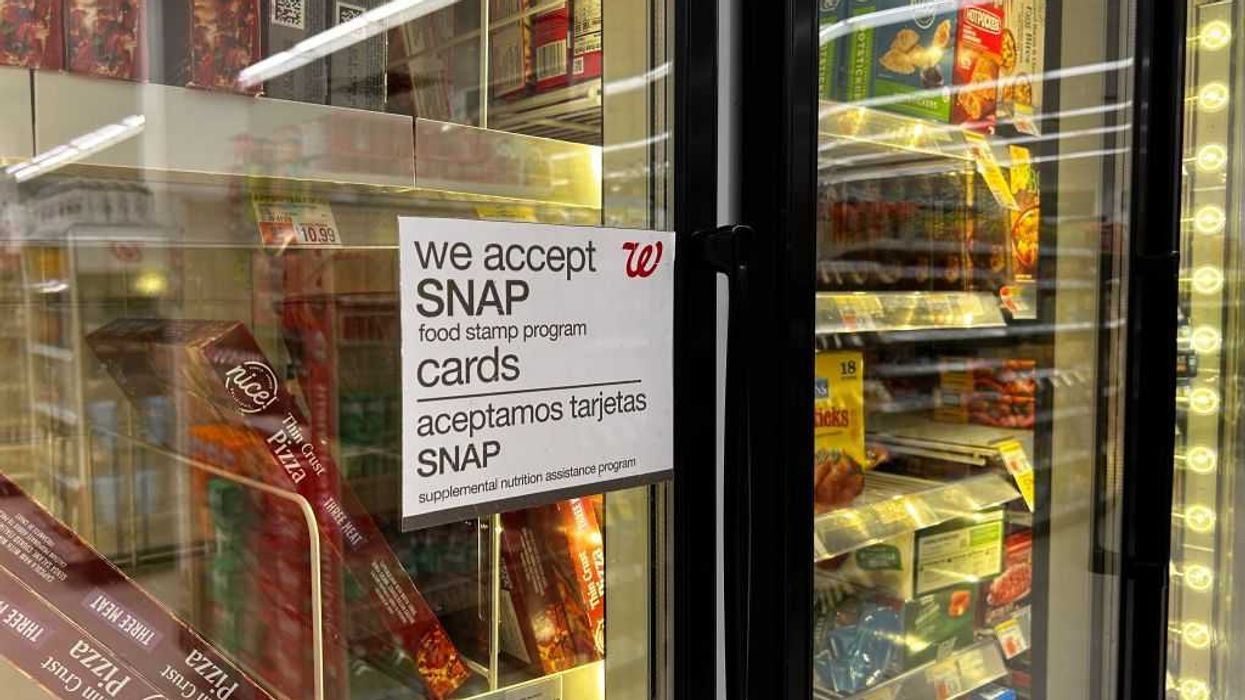


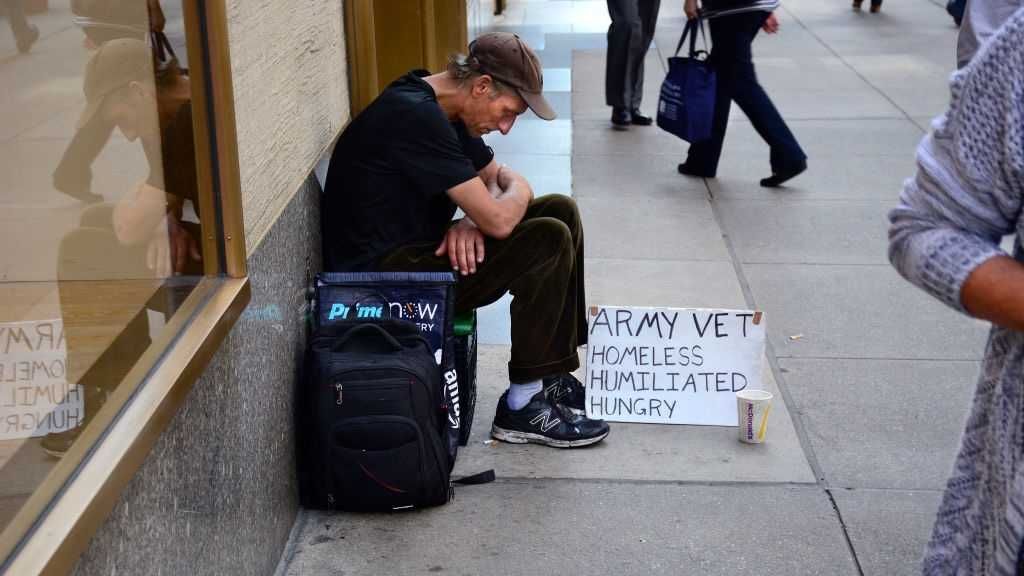
America’s debate over poverty has undergone a remarkable and troubling transformation. Two centuries ago, the central challenge was persuading needy people to accept public assistance. Today, the challenge is preventing people from fraudulently claiming benefits to which they were never entitled.

That trajectory tells us something profound about the nation’s changing moral culture.

What had once been viewed as a last resort gradually came to be seen as an entitlement detached from personal responsibility.

Alexis de Tocqueville noticed something remarkable when he traveled through America in the early 1830s. Unlike Europe, where poverty often produced permanent dependence upon the state or aristocratic patrons, Americans possessed an almost universal determination to remain independent. They formed voluntary associations to care for neighbors in distress, but they regarded prolonged dependence as inconsistent with the character of a free citizen.

That observation reflected a broader understanding shared by the American founders and the generation that followed them.

Every state maintained some provision for public relief, but it was deliberately limited and administered locally. It existed for those genuinely incapable of caring for themselves — the disabled, widows, orphans, and others facing extraordinary hardship. Families, churches, fraternal organizations, and private charities bore the primary responsibility for helping the poor.

Public charity carried a social stigma — not because Americans lacked compassion, but because they believed that independence was itself a form of human dignity.

Justice Joseph Story explained that republican government depended upon a virtuous and independent citizenry. The ideal citizen governed himself before participating in governing others. Economic independence fostered political independence; citizens who could support themselves were less susceptible to manipulation by those dispensing favors or public largesse.

One of the striking features of early America is not that assistance was unavailable, but that many people who qualified for relief were reluctant to seek it.

Contemporary accounts from several states — including New Jersey — describe respectable men and women enduring extraordinary hardship before accepting public charity. To modern ears, such reluctance may seem irrational. To them, it was a matter of preserving self-respect.

That moral instinct — that accepting public assistance should be exceptional rather than ordinary — formed an essential part of the American understanding of citizenship until the 20th century.

The first cracks in that understanding appeared during the Progressive Era and deepened during the New Deal. Faced with industrialization, urban poverty, and the Great Depression, Americans increasingly looked to government to perform functions that earlier generations had entrusted to institutions outside the government.

Much of that expansion responded to genuine crises, and programs such as Social Security reflected the extraordinary circumstances of their time.

Even so, the nation’s underlying philosophy was beginning to change. Government was no longer viewed simply as a safety net for those unable to care for themselves; it increasingly became expected to solve all social and economic problems.

The shift was gradual and often justified by necessity. But it subtly weakened the older assumption that public assistance should remain exceptional, temporary, and closely tied to preserving personal independence.

RELATED: 1776, not 1608: What the Supreme Court got wrong on birthright citizenship
Bill Clark/CQ Roll Call Inc./Getty Images

Then came the Great Society, which transformed that gradual evolution into a new governing philosophy.

It was no longer enough for government to provide a backstop against destitution. Washington now assumed responsibility for eliminating poverty itself, dramatically expanding both the scope of public assistance and the expectation that government would provide it.

Lyndon Johnson’s anti-poverty initiatives promised not merely to relieve poverty, but to eradicate it. The federal government assumed responsibilities that had traditionally rested with families, churches, private charities, and local communities. Welfare increasingly became not an emergency measure but a permanent feature of American life.

Though the Great Society’s architects believed they were expanding compassion, they failed to appreciate that they were also reshaping character. As benefits expanded and eligibility became more complex, government increasingly rewarded dependency rather than independence. Bureaucracies grew. Incentives shifted. Entire industries arose to help people maximize government benefits rather than minimize their reliance upon them.

Most importantly, the moral understanding surrounding public assistance changed.

What had once been viewed as a last resort gradually came to be seen as an entitlement detached from personal responsibility. The question shifted from “Do I truly need help?” to “What benefits can I qualify for?”

Today, we appear to have entered yet another stage.

The headlines are filled not merely with dependency, but with outright theft. Fraudulent unemployment claims. Identity theft used to obtain government benefits. Organized criminal enterprises exploiting Medicare and Medicaid. Billions of dollars in pandemic relief stolen through fake applications and fictitious businesses. International criminal organizations siphoning taxpayer dollars from programs intended to help struggling Americans.

In state after state, investigators have uncovered elaborate schemes involving food assistance, housing subsidies, disability payments, and health care reimbursements.

That is not to say that every welfare recipient is dishonest or even dependent. The overwhelming majority of Americans who receive public assistance are law-abiding citizens, many facing genuine hardship. But a system that steadily weakens the connection between work and reward inevitably creates opportunities — and temptations — for abuse.

RELATED: Will America need a Caesar?

Chudakov2/iStock/Getty Images

Once government benefits come to be viewed less as charity for the truly needy than as a pot of money available for the taking, the moral barrier separating dependence from outright fraud begins to erode.

No society can long endure when the distinction between earning and taking begins to disappear. The welfare state ultimately depends upon trust: trust that recipients are honest, that taxpayers will continue to support programs for those in genuine need, and that government will faithfully safeguard the public treasury. Rampant fraud destroys each of those assumptions.

The greatest victims are often the truly needy. Every dollar stolen by fraudsters is a dollar unavailable to a disabled veteran, a struggling single mother, or an elderly widow living on a fixed income. Every scandal further erodes public confidence in programs that exist for legitimate purposes.

Reforming welfare therefore requires more than better auditing, modernized computer systems, or tougher prosecutors, although all of those are necessary. It requires recovering an older understanding of citizenship.

The founders recognized something that modern policymakers have too often forgotten: Independence is a political virtue. Citizens capable of supporting themselves are more capable of governing themselves. A republic cannot flourish if large portions of the population come to regard government not as the protector of liberty, but as the primary provider of livelihood.

America’s success has historically rested primarily on the character of its people, not on government programs.

Our national journey — from dignity to welfare dependence to thievery — was not inevitable, and it is not irreversible. The same nation that once prized independence above comfort can recover that ethic.

But doing so will require us to remember what earlier generations instinctively understood: There is a profound difference between helping a neighbor in genuine need and constructing a system that slowly erodes the very virtues upon which a free people depend.

Compassion remains indispensable. But so do dignity, self-reliance, and personal responsibility. Lose those, and we will discover that the greatest poverty afflicting America is no longer material. It is moral.

Editor’s note: This article appeared originally at the American Mind.
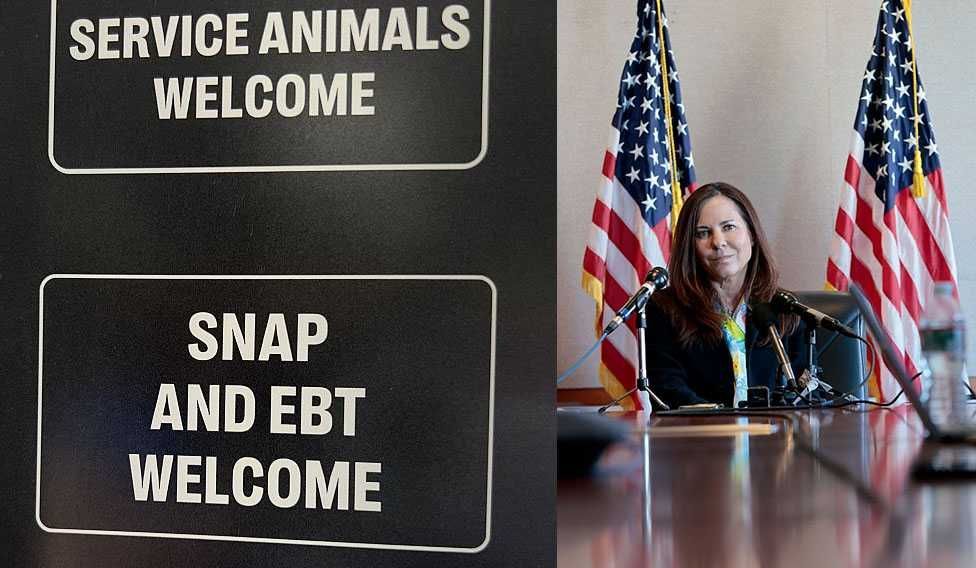
Trump DOJ charges illegal aliens in Boston with nearly $1.5 million in welfare fraud


The Trump Justice Department announced on Thursday in the Democrat-run sanctuary city of Boston that it has charged 11 illegal aliens and four Americans with over $1.4 million in alleged benefit fraud.

The defendants — at least six of whom are illegal aliens from the Dominican Republican and at least one of whom is from India — are accused of defrauding various welfare programs, including the Supplemental Nutrition Assistance Program and MassHealth.

'They allegedly stole tens of thousands of dollars each in benefits for which they are not entitled.'

"These cases highlight a broader, deeply troubling pattern: the exploitation of America’s safety-net by illegal aliens," Assistant Attorney General Colin McDonald for the National Fraud Enforcement Division said in a statement.

The Trump administration, which has in recent months ramped up its crackdown on fraud, has long sought to eliminate the monetary incentive for foreign nationals to steal into the country and to pressure those noncitizens presently taking advantage of citizen supports to wean off them or hit the road.

In his Feb. 19, 2025, executive order titled "Ending Taxpayer Subsidization of Open Borders," President Donald Trump tasked agencies with taking meaningful steps "to prevent taxpayer resources from acting as a magnet and fueling illegal immigration to the United States, and to ensure, to the maximum extent permitted by law, that no taxpayer-funded benefits go to unqualified aliens."

One of the agencies that promptly took action was the U.S. Department of Agriculture, which beefed up the minimum expectations for eligibility verification to prevent "ineligible aliens" from participating in the program.

While the USDA and other agencies were making it more difficult for those who would exploit citizen welfare programs, the DOJ is nabbing numerous fraudsters across the country who have already unlawfully enjoyed a fortune in benefits.

U.S. Attorney Leah Foley, who established a benefit and voter fraud team in March devoted to flushing out fraudsters in Massachusetts, said, "Today’s announcement is just the beginning."

"The defendants charged today stole from a number of programs, including SNAP and MassHealth — which are designed to assist U.S. citizens in need of food and health care," continued Foley. "They allegedly stole tens of thousands of dollars each in benefits for which they are not entitled."

The Massachusetts defendants charged this past week included:

  • Santo Escolastico Cuello, a 56-year-old illegal alien from the Dominican Republic who was living unlawfully in Worcester. Cuello is charged with aggravated identity theft and making false statements relating to a health care program in connection with $162,180 in MassHealth fraud.
  • Mario Baez Romero, a 45-year-old illegal alien from the Dominican Republic who was living unlawfully in Somerville. Romero has been charged with aggravated identity theft and passport fraud in connection with $26,942 in SNAP fraud and $48,785 in MassHealth fraud.
  • Richard Odelis Vallegas Nunez, a 35-year-old illegal alien from the Dominican Republic living unlawfully in Allston. He has been charged with aggravated identity theft and unlawful production of an identification document in connection with $48,865 in MassHealth fraud.
  • Miguel Diaz Matos, a 54-year-old illegal alien from the Dominican Republic living unlawfully in Lynn. Matos is charged with illegal acquisition or use of SNAP benefits, theft of government funds, and aggravated identity theft in connection with $13,431 in SNAP fraud and $50,494 in MassHealth fraud.

If convicted, these and other similarly charged defendants could do some hard time.

SNAP fraud over $100 can result in a sentence of up to five years in prison, and SNAP fraud exceeding $5,000 can result in a sentence of up to 20 years in prison. Both also carry a potential fine of $250,000.

A report published last week by the Center for Immigration Studies provided some startling insights into welfare use and abuse by noncitizens, about half of whom are apparently illegal immigrants.

Citing Current Population Survey Annual Social and Economic Supplement data, the report said that 47% of households headed by noncitizens use one or more traditional welfare programs — 19 percentage points higher than the 28% for U.S.-born households.

"Noncitizens use traditional welfare or are EITC/ACTC eligible at higher rates than the U.S.-born in states with generous welfare systems, such as Massachusetts (61% vs. 36%) and Illinois (51% vs. 30%); and in states with less generous systems, like Arizona (60% vs. 30%) and Florida (53% vs. 30%)," said the report.

Like Blaze News? Bypass the censors, sign up for our newsletters, and get stories like this direct to your inbox. Sign up here!

Minnesota’s fraud scandal has an Arizona sequel


Over the past two months, Minnesota’s widening fraud scandals have drawn national attention. Investigators and watchdogs have uncovered what appear to be major abuses of taxpayer dollars tied to fraudulent day care and health care operations, and Democrat officials who oversaw the programs look, at minimum, asleep at the switch.

Minnesota isn’t alone.

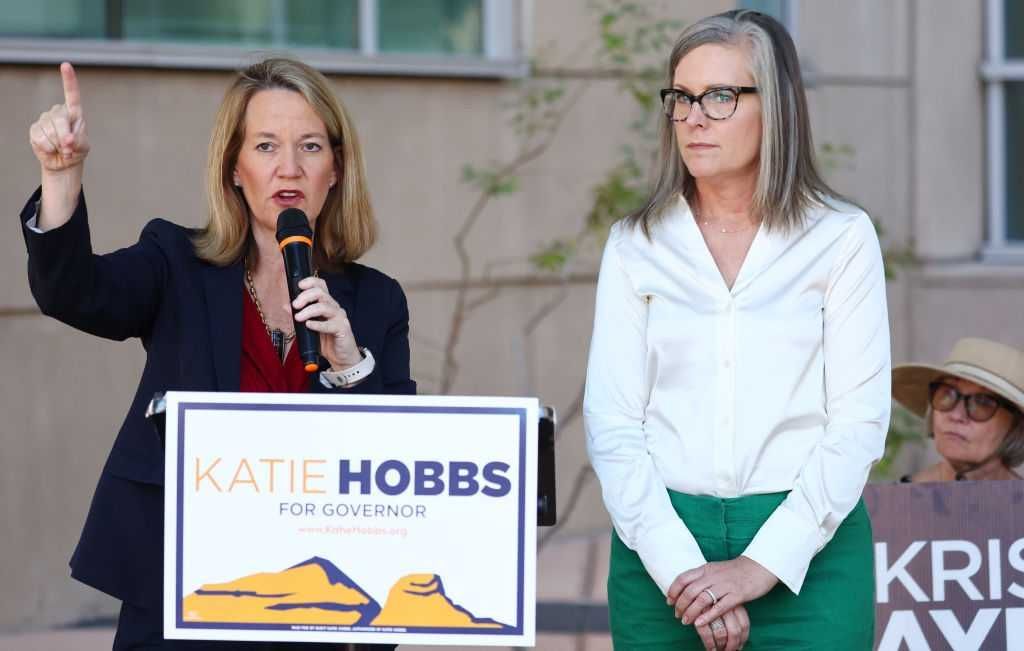
Arizona’s reputation rests on independence and straight dealing. Katie Hobbs and Kris Mayes have replaced that image with stonewalling, favoritism, and excuses.

In Arizona, Gov. Katie Hobbs (D) and Attorney General Kris Mayes (D) have spent the past three years building a record that looks less like competent governance and more like protection for a corrupt status quo. Again and again, their offices have resisted transparency, shielded allies, and resisted oversight — while Republicans in the legislature have tried to drag basic accountability back into view.

Whether in Minnesota, Arizona, or any other jurisdiction across the country, taxpayers deserve better than a government that treats disclosure as optional and oversight as an attack.

Inaugural fund secrecy

Arizona governors often raise private money to cover inaugural expenses and then transfer leftover funds to the state. Hobbs broke that norm. Her office resisted disclosing donor information and withheld more than $1 million that should have gone back to taxpayers, triggering a direct clash with the legislature.

Lawmakers responded by writing the old precedent into law: Future administrations must fully report inauguration fundraising and spending. The bill passed with overwhelming bipartisan support — proof that this wasn’t a partisan gripe. Even Democrats understood that Hobbs had created a mess for herself.

A pay-to-play stench

The most serious cloud over Hobbs’ administration is an alleged pay-to-play scandal involving the Department of Child Safety.

The Arizona Republic reported that Sunshine Residential Homes, a for-profit group home operator with state contracts, received a significant rate increase approved under Hobbs’ administration after donating to Hobbs’ inaugural fund. The same request had been denied under the outgoing Republican administration.

The reporting also noted that Hobbs’ DCS did not approve comparable increases for other group homes. At the same time, the DCS ended contracts with 16 group homes — making Sunshine’s preferred treatment look even more suspect.

Mayes announced an investigation, then tried to push Maricopa County Attorney Rachel Mitchell and the Arizona auditor general off the case — even though legislators had asked those offices to investigate. Arizona Treasurer Kimberly Yee publicly rejected Mayes’ attempt and urged the county and auditor investigations to continue.

Since then, Mayes’ office has offered little public clarity. Nearly two years without meaningful updates invites the obvious question: Was the “investigation” a press release designed to run out the clock?

Hobbs then vetoed a bill last session meant to close loopholes and prevent future executives from gaming the system.

SNAP: Fighting anti-fraud efforts

The Supplemental Nutrition Assistance Program doles out nearly $100 billion a year. It also attracts fraud. The Government Accountability Office flagged $320 million in stolen benefits between October 2022 and December 2024. The U.S. Department of Agriculture in 2023 estimated that around 12% of SNAP benefits were fraudulent.

That should make anti-fraud measures easy to support.

Instead, Mayes sued the Trump administration over efforts to gather more information from states about SNAP beneficiaries. Hobbs refused to comply with data requests. Whatever one thinks about SNAP’s scope, no serious public servant should block reasonable efforts to root out fraud and protect taxpayers.

When elected officials fight transparency in a program that moves billions of dollars, they aren’t defending the vulnerable. They are protecting a system that invites abuse.

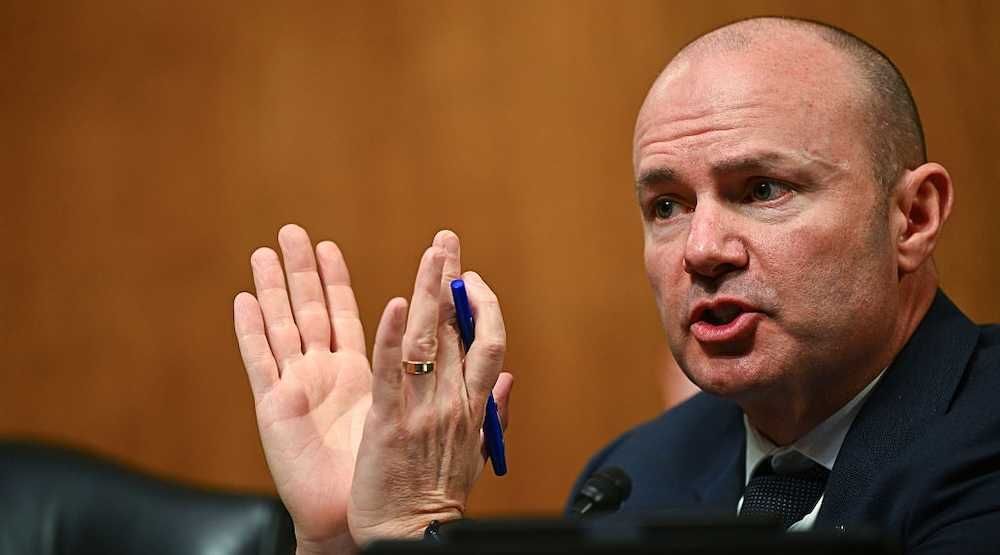
RELATED: Mike Lee reveals the real victims of Somali fraud: ‘It is not the rich people who suffer’

Graeme Sloan/Bloomberg via Getty Images
A shady operator

Kris Mayes has other problems.

U.S. Rep. Abraham Hamadeh (R-Ariz.) has asked the Department of Justice to investigate allegations of a pay-to-play bribery scheme involving Mayes and outside political groups, claiming she traded official actions for political benefits.

And late last year, a top official in Mayes’ State Government Division was arrested on charges related to controlling and trafficking stolen property. The city of Peoria had reportedly warned Mayes’ office nearly two years earlier about serious allegations involving that official, yet she remained in a position of authority until her arrest.

Arizona’s reputation rests on independence and straight dealing. Hobbs and Mayes have replaced that image with stonewalling, favoritism, and excuses.

Voters should take note. If Arizonans want honest government, they will have to demand it — at the ballot box and through aggressive oversight — before the culture of corruption becomes permanent.

'Tip of the iceberg': Venezuelans accused of stealing over 100 identities for massive welfare fraud scheme


Somali fraudsters apparently have some competition from other migrant communities.

A pair of Venezuelan nationals were charged along with two other migrants this week for allegedly stealing and using the identities of over 100 individuals to obtain millions of dollars in federal welfare.

The Venezuelans, both of whom previously enjoyed Temporary Protected Status — Roman Vequiz Fernandez, 32, and Coralba Albarracin Siniva, 24 — and Joel Vicioso Fernandez, a 42-year-old Dominican national and permanent resident of Fitchburg, Massachusetts, were arrested and charged with conspiracy to use, transfer, acquire, and possess Supplemental Nutrition Assistance Program benefits.

'It is not particularly hard to identify these scams.'

Joel Fernandez's brother, Raul Fernandez Vicioso — a 37-year-old Dominican national and naturalized U.S. citizen who also lives in Fitchburg — was charged with conspiracy to commit SNAP fraud, conspiracy to commit wire fraud, SNAP benefit fraud, aiding and abetting, and money laundering.

Charging documents allege that the men and their co-conspirators used 117 stolen identities from individuals in six states and Puerto Rico to create 24 "households" in SNAP applications. The "households" were said on average to contain four to five people, and all of the fraudulent "households" were listed as living in two single-family apartments in Providence, Rhode Island.

While there was already ample cause for the Rhode Island Office of Internal Audit to suspect something was off, the alleged fraudsters also used the same bogus lease agreement in support of 17 of the 24 applications and routinely submitted and accessed the online applications using the same out-of-state IP address.

RELATED: Mike Lee reveals the real victims of Somali fraud: 'It is not the rich people who suffer'

Photo by Scott Heins/Getty Images

The charging document noted that Massachusetts Department of Transitional Assistance records identified the theft of approximately $115,000 in SNAP funds in relation to this scheme; however, the state agency did not appear to bother informing the U.S. Department of Agriculture's Office of Inspector General or any other law enforcement agency.

U.S. Attorney for Massachusetts Leah Foley hammered this point again during a press conference on Tuesday, stating that the USDA OIG "is not aware of the Massachusetts DTA making any referral report to the USDA concerning this theft."

Apparently eager to steal even more, the Dominican nationals allegedly used their own personal information to create additional fraudulent SNAP benefit accounts, which involved the alleged use of fake passports and passport cards.

Investigators found that metadata from images of the counterfeit documents indicated they were taken in Leominster, Massachusetts, at the site of El Primo Restaurant, an establishment operated by the younger brother.

The suspected fraudsters had allegedly been using the stolen welfare benefits to purchase bulk food items for retail sale at the restaurant.

Federal agents raided the restaurant and Vicioso's residence on Sept. 24, 2025, and found approximately 20 fraudulently obtained Rhode Island and Massachusetts EBT cards, fraudulent documents, a handwritten list of identities, SNAP-related mailings, and a machine that enables stolen EBT card information to be loaded on a physical payment card, alleged the charging documents.

The Justice Department noted that in addition to allegedly fraudulently obtaining at least $440,000 in SNAP benefits from Massachusetts and Rhode Island between December 2023 and September 2025, the defendants allegedly also fraudulently secured over $700,000 by submitting bogus applications for Pandemic Unemployment Assistance benefits in Massachusetts, Nevada, New York, Ohio, Pennsylvania, and Washington from 2020 to 2021.

For the alleged PUA fraud, at least 29 different identities were used on the applications, not including Vicioso and Fernandez, who also allegedly issued applications in their own names.

"This is just the tip of the iceberg," Foley told reporters on Friday. "We are investigating many more benefit fraud cases in my office, and today is just the beginning."

In December, Foley's office announced the arrests of two men — Antonio Bonheur, a naturalized U.S. citizen, and Saul Alisme, a Haitian national — who allegedly engaged in a scheme to obtain millions of dollars' worth of SNAP benefits through small retail stores they ran in Boston.

The duo are also accused of selling donated food product intended for starving children overseas.

"It is not particularly hard to identify these scams, but if you don't even care to look or prosecute those involved, essentially allowing criminals to steal vast amounts of taxpayer money with impunity, the scams will continue to proliferate unabated," added Foley.

The U.S Government Accountability Office noted in a September 2024 report that an estimated 11.7% or $10.5 billion of SNAP benefits paid out by the USDA in fiscal year 2023 "were the wrong amount or otherwise should not have been made."

Last year, the USDA indicated that the national payment error rate for fiscal year 2024 was 10.93%.

Like Blaze News? Bypass the censors, sign up for our newsletters, and get stories like this direct to your inbox. Sign up here!

Trump administration halts visas for 75 nations whose people gobble up American welfare


The Trump administration delivered some bad news on Wednesday to would-be migrants from the third world hoping to exploit American beneficence.

The U.S. State Department announced that it is pausing immigrant visa processing from 75 countries "whose migrants take welfare from the American people at unacceptable rates." The pause will apparently remain in effect until "the U.S. can ensure that new immigrants will not extract wealth from the American people."

'Pause migration from all Third World Countries to allow the US system to fully recover.'

"The pause impacts dozens of countries — including Somalia, Haiti, Iran, and Eritrea — whose immigrants often become public charges on the United States upon arrival," said the department.

The Center for Immigration Studies indicated in a report last month than in Minnesota, approximately 54% of Somali-headed households received food stamps and 73% of Somali households had at least one member on Medicaid. By way of comparison, the figures for native households were 7% and 18%, respectively.

The report noted further that 89% of Somali households with children received some form of welfare in the Gopher State.

President Donald Trump recently referred to these statistics on Truth Social and highlighted statistics regarding the high welfare participation rates of other immigrant communities.

RELATED: 'America demands assimilation': BlazeTV's Christopher Rufo and Bessent slam Somali welfare scam 'open secret' in Minnesota

Photo by Alex Wong/Getty Image

On Jan. 4, Trump shared a graph titled "Immigrant Welfare Recipient Rates by Country of Origin," which provided damning insights into the apparent overreliance of various immigrant communities on the generosity of the American taxpayer.

The chart indicated, for example, that the the percentage of immigrant households from Bhutan that received assistance was 81.4%; Yemen was 75.2%; Somalia was 71.9%; the Marshall Islands was 71.4%; the Dominican Republic was 68.1%; Afghanistan was 68.1%; Congo was 66%; and Iraq was 60.7%.

Trump vowed on Nov. 27 to "end all Federal benefits and subsidies to noncitizens of our Country" and to "permanently pause migration from all Third World Countries to allow the US system to fully recover."

The visa processing pause will go into effect on Jan. 21.

It will reportedly also impact the following countries: Afghanistan, Albania, Algeria, Antigua and Barbuda, Armenia, Azerbaijan, Bahamas, Bangladesh, Barbados, Belarus, Belize, Bhutan, Bosnia, Brazil, Burma, Cambodia, Cameroon, Cape Verde, Colombia, Cote d’Ivoire, Cuba, Democratic Republic of the Congo, Dominica, Egypt, Ethiopia, Fiji, Gambia, Georgia, Ghana, Grenada, Guatemala, Guinea, Iraq, Jamaica, Jordan, Kazakhstan, Kosovo, Kuwait, Kyrgyzstan, Laos, Lebanon, Liberia, Libya, Macedonia, Moldova, Mongolia, Montenegro, Morocco, Nepal, Nicaragua, Nigeria, Pakistan, Republic of the Congo, Russia, Rwanda, Saint Kitts and Nevis, Saint Lucia, Saint Vincent and the Grenadines, Senegal, Sierra Leone, South Sudan, Sudan, Syria, Tanzania, Thailand, Togo, Tunisia, Uganda, Uruguay, Uzbekistan, and Yemen.

"We are working to ensure the generosity of the American people will no longer be abused," said the State Department.

Like Blaze News? Bypass the censors, sign up for our newsletters, and get stories like this direct to your inbox. Sign up here!

Washington’s priorities are backward — and veterans know it


When Washington shuts down, it doesn’t just stall politics — it shakes the lives of America’s veterans. At the outset of the government shutdown last month, a veteran named James called VetComm in tears. His question was simple but heartbreaking: “Will I still get paid next week? Because I can’t afford groceries if I don’t.”

James served his country with honor. Yet he worried about feeding his family because Democrats in Washington insist on prioritizing illegal immigrants over the very men and women who defended this nation.

Enough is enough. Stop putting illegal immigrants ahead of the heroes who built and defended this country.

I’ve dedicated my life to fighting for veterans like James — those who bled for this country, only to watch so-called representatives in Washington bend over backward for people who entered it illegally. With this latest government shutdown, Democrats have again slammed the door on veterans while rolling out the red carpet for illegal aliens.

A manufactured crisis

For over a month, Democrats held the entire nation hostage, demanding a $1.5 trillion, poison-pill-stuffed funding bill that includes “free health care” for illegal aliens while programs for veterans teeter on the brink. It’s not just reckless — it’s cruel. These are the same priorities that helped drive a 19% spike in veteran homelessness while illegal migrants got luxury hotel rooms on the taxpayer’s dime.

As the shutdown ends, the facts are clear. The House passed a clean continuing resolution to keep the lights on, maintain VA funding, and avoid chaos. But Senate Democrats — led by Sen. Chuck Schumer and Rep. Hakeem Jeffries of New York — rejected it, choosing to plunge the country into an unnecessary shutdown to appease their left-wing base.

The Democrats’ alternative was loaded with giveaways: subsidies for illegal immigrants’ doctor visits, hospital stays, and “health care rights,” while hundreds of thousands of veterans remain stuck on VA wait lists — some dying before they’re seen.

Staggering hypocrisy

Schumer once said avoiding a shutdown “is very good news for the country, for our veterans … all of whom would have felt the sting.” More recently, he warned that “a shutdown would mean chaos and pain and needless heartache for the American people.”

Alexandria Ocasio-Cortez declared, “It is not normal to shut down the government when we don’t get what we want.” Jeffries said shutdowns are "about the harm.

Those very same politicians ended up leading one — weaponizing activist wish lists and pet projects against the GOP and the nation.

RELATED: Disabled vets denied dignity as VA claim backlog becomes unbearable

Johnrob via iStock/Getty Images

This pattern of betrayal isn’t new. Under Joe Biden and Kamala Harris, the VA was caught reimbursing health care for illegal immigrants and their families, draining resources from veterans. I’ve seen it firsthand in San Diego — hotels packed with migrants while homeless veterans sleep on sidewalks, dodging needles and despair.

Over 10 million illegal crossings have occurred under the Biden administration’s watch. The result: big money for migrants, broken promises for veterans. The audacity to continue putting invaders ahead of patriots is shocking — and unforgivable.

The real human cost

Everyone knows a shutdown hurts troops, veterans, and families. Yet Democrats embraced it anyway, in service to radical ideology over national duty. Americans overwhelmingly oppose this madness.

Enough is enough. Stop putting illegal immigrants ahead of the heroes who built and defended this country. It’s time to restore sanity and start prioritizing America again.

At VetComm, we see the toll every day. The sleepless nights. The panic over missed paychecks. The spiraling PTSD and anxiety triggered by uncertainty. Veterans have already given everything; they shouldn’t have to fight their own government for stability and dignity.

Our mission is simple: Stand in the gap for those who stood for us. We help veterans understand their rights, claim the benefits they earned, and remember that their service still matters. A shutdown tests that mission — but it also steels our resolve.

Because while Washington bickers, we will keep fighting for every veteran, every day, not just Veterans Day.

Trump uses tariff revenue to protect poor mothers and kids hurt by Democrats' shutdown


Using the revenue of some of the tariffs that liberal critics have fought vigorously, President Donald Trump has helped vulnerable American mothers and, in the process, neutralized some of Democrats' supposed "leverage" in what is nearly the longest government shutdown in U.S. history.

House Minority Whip Katherine Clark (D-Mass.) recently admitted that while the Democrat-induced government shutdown has been painful for families across the country, it is somehow necessary because "it is one of the few leverage times [Democrats] have."

In their quest for leverage, Democrats have jeopardized critical food assistance and health care for the nearly seven million poor American pregnant mothers, breastfeeding mothers, infants, and at-risk children who rely on the special Supplemental Nutrition Program for Women, Infants, and Children program known as WIC.

'American families deserve certainty from their government.'

The WIC program, which received roughly $7 billion in fiscal year 2024, is federally funded through the annual appropriations process. The National WIC Association warned last month that unless additional funding was injected into the program, millions of families would lose their benefits as of Nov. 1.

"NWA is calling on the White House to make additional emergency funds available to avoid a short-term crisis for the millions of American families who count on WIC while Congress negotiates full-year funding for FY 2026," Georgia Machell, president of the NWA, said in an Oct. 21 statement.

"WIC is a lifeline for nearly 7 million pregnant and postpartum women, infants, and young children. Even short-term disruption to WIC’s healthy food benefits, lactation support, nutrition education, screenings, and referrals can have long-term negative impacts on families," added Machell.

On Friday, the Trump administration tapped a fund of unused Section 232 tariff revenue in order to make $450 million available for the WIC program, reported Reuters.

RELATED: Here are the 4 Republicans who betrayed Trump AGAIN, joining Democrats to undermine the MAGA agenda

Photo by Andrew Harnik/Getty Images

Federal funding records reportedly show that the money was transferred to the WIC program on Friday from the tariff revenue fund, which was made available to the U.S. Department of Agriculture for commodity disaster assistance. The USDA drew $300 million from the same fund last month to keep the WIC program liquid.

White House press secretary Karoline Leavitt stated last month, "The Trump White House will not allow impoverished mothers and their babies to go hungry because of the Democrats' political games."

Machell noted in the wake of the White House's rescue of the program that "this additional funding is a welcome relief, but it is a stopgap, not a solution," stressing the need for an end to the shutdown.

"American families deserve certainty from their government, not the constant anxiety of short-term fixes, especially when their children's health is at stake," said Machell.

While the administration swooped in to bolster the WIC program, it did not similarly drain its pool of tariff revenues to fully fund Supplemental Nutrition Assistance Program benefits, having indicated that it lacks the authority to use emergency funds for SNAP.

Not only did the transfer temporarily deprive Democrats of the ability to use American pain as political leverage, it served as yet another point in favor of Trump's tariffs.

House Democrats prophesied in April that Trump's tariff policy would lead to economic collapse. Even though such calamity has yet to manifest, Senate Democrats passed resolutions last week to eliminate some of the president's global and country-specific tariffs, namely those imposed under the International Emergency Economic Powers Act.

According to an Oct. 31 report from the Tax Foundation, a nonpartisan think tank focused on tax policy, "Trump's imposed tariffs will raise $2.4 trillion in revenue over the next decade on a conventional basis" and had raised $174 billion in revenue between January and September of this year.

Like Blaze News? Bypass the censors, sign up for our newsletters, and get stories like this direct to your inbox. Sign up here!

Expect Misleading Headlines About The Big Beautiful Bill Leaving 10 Million Americans ‘Uninsured’

The idea that this provision would somehow 'increase the uninsured' seems, if not laughable, at least highly speculative.
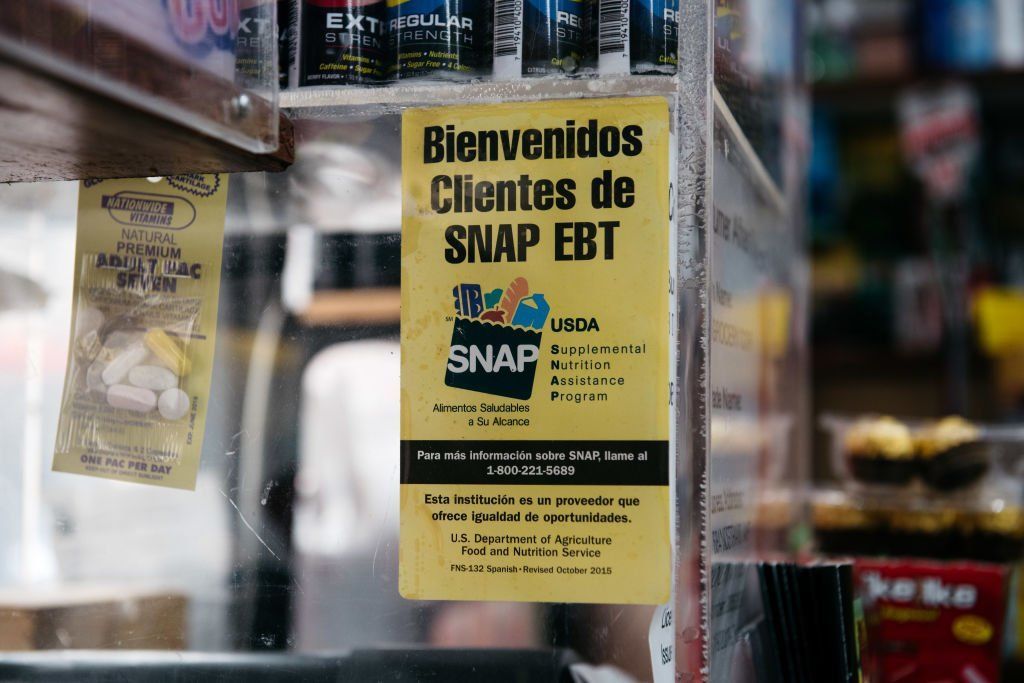

Trump admin making sure illegal aliens don't get food stamps


The Trump administration is working to eliminate the monetary incentive for foreign nationals to steal into the country and to pressure noncitizens presently exploiting citizen supports to wean off or get packing.

Pursuant to President Donald Trump's Feb. 19 executive order "Ending Taxpayer Subsidization of Open Borders," the U.S. Department of Agriculture is now taking steps to ensure that illegal aliens cannot get their hands on food stamps.

"President Trump has made it clear that American taxpayers will no longer subsidize illegal aliens," USDA Secretary Brooke Rollins said in a Thursday statement.

"We are stewards of taxpayer dollars, and it is our duty to ensure states confirm the identity and verify the immigration status of SNAP applicants," continued Rollins. "USDA's nutrition programs are intended to support the most vulnerable Americans. To allow those who broke our laws by entering the United States illegally to receive these benefits is outrageous."

The USDA issued guidance on Thursday to state SNAP agencies nationwide setting out the minimum expectations for eligibility verification to prevent "ineligible aliens" from participating in the program.

Only American citizens and certain lawfully present noncitizens, including individuals granted asylum, are eligible for SNAP benefits. However, the U.S Government Accountability Office noted in a September 2024 report that an estimated 11.7% or $10.5 billion of SNAP benefits paid out by the USDA in fiscal year 2023 "were the wrong amount or otherwise should not have been made."

The report indicated that "states made improper payments related to SNAP mainly because they did not verify recipients' eligibility for program benefits." States apparently often failed to verify whether recipients were citizens or lawfully present noncitizens.

The Center for Immigration Studies revealed in a December 2023 report that 48% of "illegal-headed households" used food welfare programs.

'Taxpayer-funded benefits should be only for eligible taxpayers.'

As of 2022, American taxpayers were on the hook for at least $182 billion annually to provide services and benefits to illegal aliens and their dependents, according to the Federation for American Immigration Reform.

The new USDA guidance requires state agencies to:

  • verify the identity of the applicant, ideally before confirming their immigration status;
  • collect and verify Social Security numbers for all household members applying for SNAP benefits;
  • compare SSNs to the Social Security Agency's Death Master File database and ensure the SSN belongs to the applicant; and
  • check alien applications against the Department of Homeland Security Systematic Alien Verification System for Entitlements — which DHS Secretary Kristi Noem advised governors last week is now available to states for free — to ensure eligibility.

The guidance provided other recommendations and advised state agencies that the Food and Nutrition Service "will assess the effectiveness of identity and immigration status verification practices in regular management evaluations for program compliance."

The USDA issued the new guidance just a week after Trump issued a memo directing his administration to ensure that illegal aliens are not receiving taxpayer funds from Social Security Act programs, including Old-Age and Survivors Insurance, unemployment insurance, disability insurance, Medicare, Medicaid, and Temporary Assistance for Needy Families.

Blaze News previously reported that the memo directed the Social Security Administration to expand its fraud prosecutor programs, investigate earning reports of individuals supposedly 100 years or older with mismatched records, consider reinstating its civil monetary penalty program, and reinforce program integrity measures so only eligible foreign nationals can receive benefits.

White House press secretary Karoline Leavitt told reporters on April 15, "These taxpayer-funded benefits should be only for eligible taxpayers."

Like Blaze News? Bypass the censors, sign up for our newsletters, and get stories like this direct to your inbox. Sign up here!

Weak Republicans may derail Tennessee’s bold move against illegal immigration


We either make illegal immigration illegal — or we stop pretending.

For years, we’ve claimed to oppose illegal immigration while offering taxpayer-funded benefits to those here unlawfully. If life in the United States became less accommodating, many would choose to leave on their own. A logical first step: Stop offering free public education to those who entered the country illegally. That policy has flooded our schools with linguistic chaos, cultural fragmentation, and administrative strain.

Denying free education to those in the country illegally is not a punishment — it’s a refusal to provide benefits to people who have no legal claim to them.

Tennessee is the first state in recent memory to move in the direction of sanity.

Last Thursday, the Tennessee Senate passed SB 836, sponsored by state Sen. Bo Watson (R). The original bill would have required school districts to verify legal residency before enrolling any student. The amended version gives school districts the option to deny enrollment to illegal immigrants or charge a base tuition of $7,000 per student.

The bill passed 19-13 but not before seven Republicans joined all six Democrats in voting to continue free tuition for illegal aliens.

A companion bill, HB 793, is making its way through the House. That version is tougher. It gives districts the authority to deny admission outright and requires them to report undocumented students to the state. Both bills allow families to stay enrolled while appealing a denial. But critically, both also include an opt-out provision — meaning districts with large illegal populations, like Memphis and Nashville, will likely choose not to enforce the law at all.

Target: Plyler v. Doe

This should be an easy one. It’s a disgrace that we continue offering free tuition to the children of illegal immigrants — all because of a flawed 43-year-old Supreme Court ruling. The public would have demanded action decades ago if not for the court’s intervention. Texas, in fact, did act — until Justice William Brennan invented a constitutional right to taxpayer-funded education for illegal aliens in the 1982 decision Plyler v. Doe.

That ruling flatly contradicts a long line of Supreme Court precedents dating back to the 1880s. For more than a century, the court consistently held that illegal aliens stand outside our legal boundaries until they are granted lawful status. In other words, they are not entitled to constitutional protections reserved for citizens or legal residents.

Even if we accept the dubious logic of judicial supremacy, states have every reason to mount a fresh challenge. The Supreme Court has shifted rightward since the days of Brennan’s activist bench. It’s time to put Plyler back on the chopping block.

If Republicans truly believe illegal immigration must end, they should act accordingly. That means removing the incentives to stay here unlawfully. Cutting off free benefits should be the first step, not the last.

Yet, too many Republicans still treat education as a separate, sacred category. Senate Speaker Pro Tem Ferrell Haile, a Republican from Gallatin, voted against the Tennessee bill and tried to justify his position by misapplying Ezekiel 18:19: “The child will not share the guilt of the parent nor the parent share the guilt of the child.” He said, “I believe that we are punishing children for the wrongdoing of their parents.”

Haile’s reasoning is flawed. Denying free education to those in the country illegally is not a punishment — it’s a refusal to provide benefits to people who have no legal claim to them. If the goal is deportation, why should we subsidize their continued presence? No one is proposing to imprison children for their parents’ actions. We’re proposing to send them home.

Republicans claim to support President Trump’s immigration agenda. But if we intend to remove illegal aliens from the country, it makes no sense to pack public schools with hundreds of thousands of noncitizens who require costly language and academic support. The only children being punished under this system are the children of American citizens — the ones to whom our elected officials owe their allegiance.

An uncertain fate

If Haile and other lukewarm Republicans in red states feel so strongly about educating illegal aliens, they are free to open schools overseas and fund them privately. But they have no right to do it at the expense of American families.

So far this year, only Texas, Indiana, Idaho, and Ohio have introduced similar legislation. None of those bills appear likely to pass. Other red states, like Florida, face constitutional hurdles that make it difficult to deny public school admission to anyone living in the state — regardless of legal status.

Even in its watered-down form, the Tennessee bill’s fate remains uncertain. Gov. Bill Lee (R) has yet to signal whether he’ll sign it. Like many Republican governors, Lee often talks tough but governs soft. He’s not known for favoring strong immigration enforcement.

If he vetoes the bill, conservatives likely won’t have the two-thirds majority needed to override him, thanks to multiple GOP defections. He has remained silent while the legislative session barrels toward its end next week. Time is running out for the House to pass its version and reconcile it with the Senate’s.

With federal mass deportation efforts stalled, red states need standing deterrents. The next time a Democrat takes the White House and unleashes a fresh wave of illegal immigration, we need policies in place to keep that flood away from inundating states that still value sovereignty.

That starts with ending incentives — especially taxpayer-funded benefits like public education. Letting illegal aliens tap into the same resources as citizens sends exactly the wrong message.