Tom Brady Should Pick One Job And Stick To It
 If Tom Brady wants to own a piece of the Raiders, more power to him. But then he should stay the heck out of the broadcast booth.
The U.S. Court of Appeals for the D.C. Circuit delivered the Trump administration a "huge victory" on Saturday, blocking the order of a lesser court that required the reinstatement of over 1,000 Voice of America employees.
Kari Lake, senior adviser for the U.S. Agency for Global Media, which supervises Voice of America, the Office of Cuba Broadcasting, and a handful of other state-funded outfits including Radio Free Europe, called the ruling a "BIG WIN in our legal cases at USAGM & Voice of America. Huge victory for President Trump and Article II."
"Turns out the District Court judge will not be able to manage the agency as he seemed to want to," added Lake.
The appeals court's 2-1 ruling, which saw Trump-appointed Judges Gregory Katsas and Neomi Rao pitted against dissenting Obama-appointed Judge Cornelia Pillard, held that "the government is likely to succeed on the merits because the district court likely lacked subject-matter jurisdiction to enjoin USAGM's personnel actions and to compel the agency to restore RFA's and MBN's FY 2025 grants."
President Donald Trump signed an executive order on March 14 aimed at reducing various "unnecessary" elements of the federal bureaucracy "to the maximum extent consistent with applicable law." Among the entities targeted was the USAGM.
'Ensure that taxpayers are no longer on the hook for radical propaganda.'
In a corresponding fact sheet, the White House shared links to articles criticizing the quality and neutrality of the state media outfit's output, as well as a link to a write-up of the American Accountability Foundation's 2022 lawsuit alleging that VOA had "been infiltrated by anti-American, pro-Islamic state interests."
Blaze News previously reported that pursuant to the president's executive order, approximately 1,300 VOA journalists and other employees were placed on administrative leave, and funding was suspended to VOA's sister networks.
U.S. District Judge Royce Lamberth ruled against the administration on April 22, noting that its stated efforts to "ensure that taxpayers are no longer on the hook for radical propaganda" were "arbitrary and capricious" and "likely in direct violation of numerous federal laws," including the VOA's congressionally established charter in the International Broadcasting Act.
Lamberth ordered the administration to "take all necessary steps to return USAGM employees and contractors to their status" prior to Trump's March 14 EO; to restore VOA programming; and to restore fiscal year 2025 grants to Radio Free Asia and Middle East Broadcasting Networks. He also demanded that the administration provide him with monthly status reports "apprising the Court of the status of the defendants' compliance with this Order."
'The injunction threatens its prerogative to "speak with one voice" on behalf of the United States in foreign affairs.'
The appeals court said in its Saturday ruling that Lamberth "likely lacked jurisdiction over the USAGM's personnel decisions" as federal employees may not use the Administrative Procedure Act to challenge agency employee actions.
"Congress has instead established comprehensive statutory schemes for adjudicating employment disputes with the federal government," noted the court.
While the dissenting Obama judge on the appeals court expressed doubt that Congress' chosen administrative methods could properly process agency-wide claims for over 1,000 employees, the majority noted that "administrative agencies are not powerless to issue broad-reaching relief in large-scale personnel matters."
The court said that Lamberth similarly lacked jurisdiction to restore Radio Free Asia and Middle East Broadcasting Networks' grants for fiscal year 2025.
"If a claim against the United States is contractual 'at its essence,' district courts have no power to resolve it," wrote the majority. That authority belongs to the U.S. Court of Federal Claims.
The appeals court also recognized that Lamberth's order requiring the restoration of all employees and contractors is a harmful "intrusion" that implicates the Trump administration's foreign-affairs authority since USAGM is responsible for presenting the views of the government and supporting U.S. foreign policy.
"By depriving the Executive Branch of control over the individuals involved in its international broadcasting, the injunction threatens its prerogative to 'speak with one voice' on behalf of the United States in foreign affairs," said the court.
Margot Cleveland, senior legal correspondent at the Federalist, noted that this "conclusion should have wide-spread ramifications" because many of the legal challenges brought against the Trump administration "are about employment decisions which CONGRESS said are NOT for district courts to decide."
The appeals court's decision landed a day after the Department of Justice notified lawyers representing VOA workers that they could return to work this week.
In a letter obtained by The Hill sent to VOA staffers' lawyers, the DOJ wrote, "USAGM currently expects staff to begin to return to the office next week, as security, building space, and equipment issues require a phased return."
Like Blaze News? Bypass the censors, sign up for our newsletters, and get stories like this direct to your inbox. Sign up here!
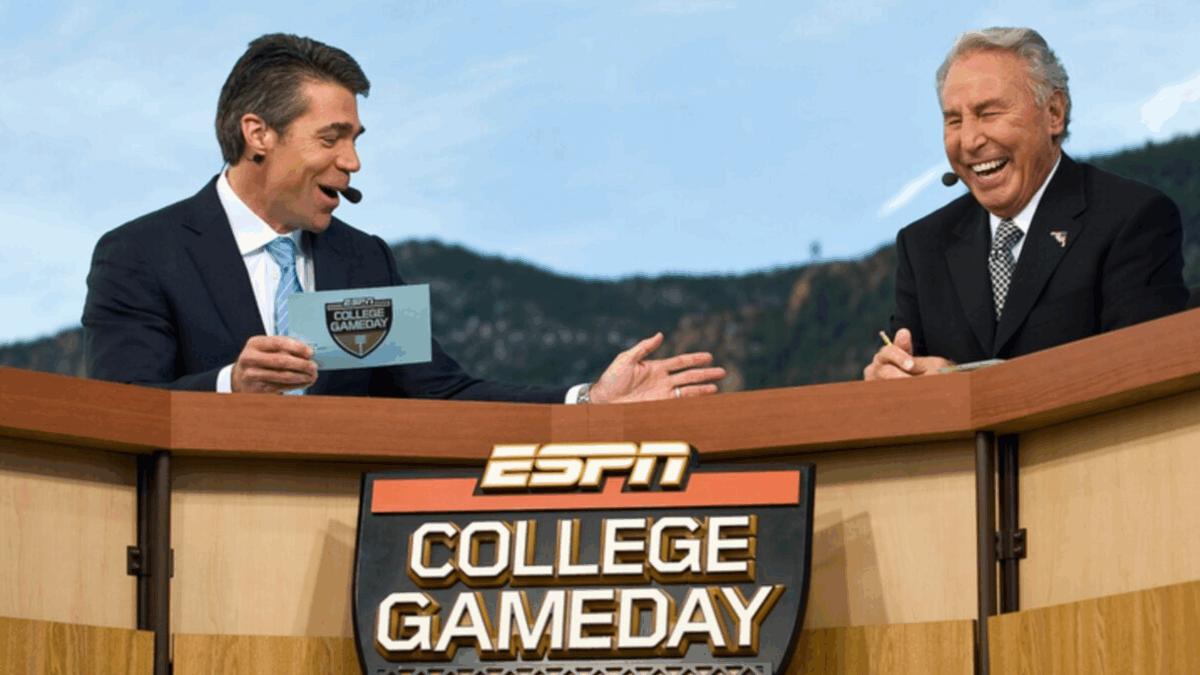 On Saturday, Lee Corso will make his final appearance on College GameDay, the ESPN show he has worked for since its inception in 1987.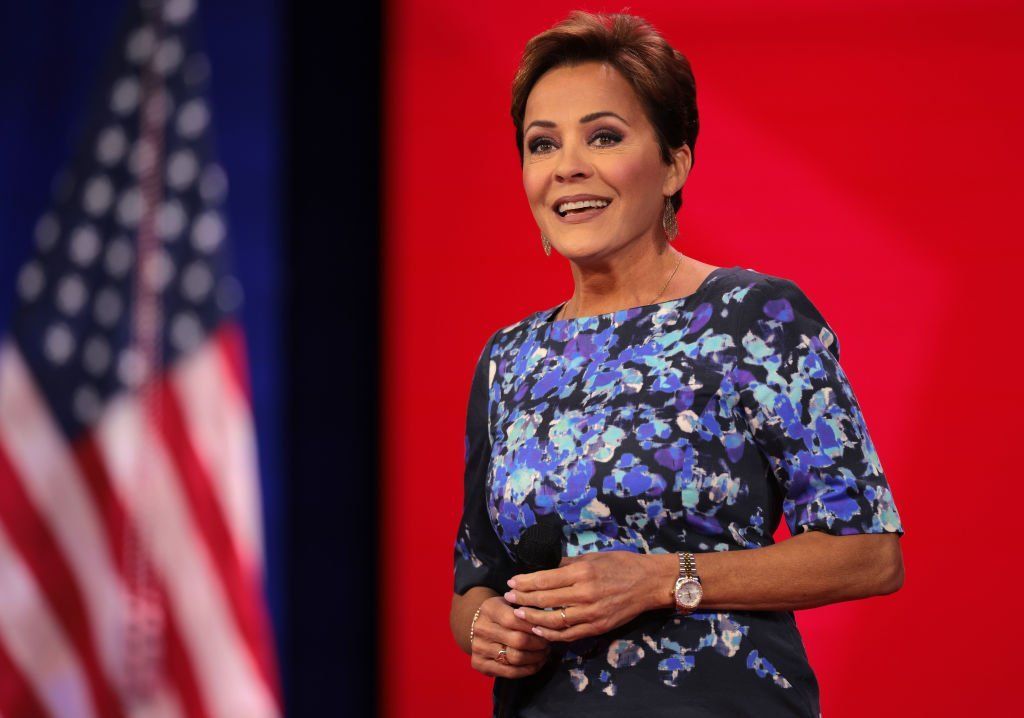
 An FCC commissioner dubbed the rule a product of activists who want ‘to see businesses pressured into hiring people based on their race & gender.’
 In Nebraska, an employer can fire an employee without reason, but I was given one: I was being fired for 'practicing partisan politics.'
 www.theblaze.com