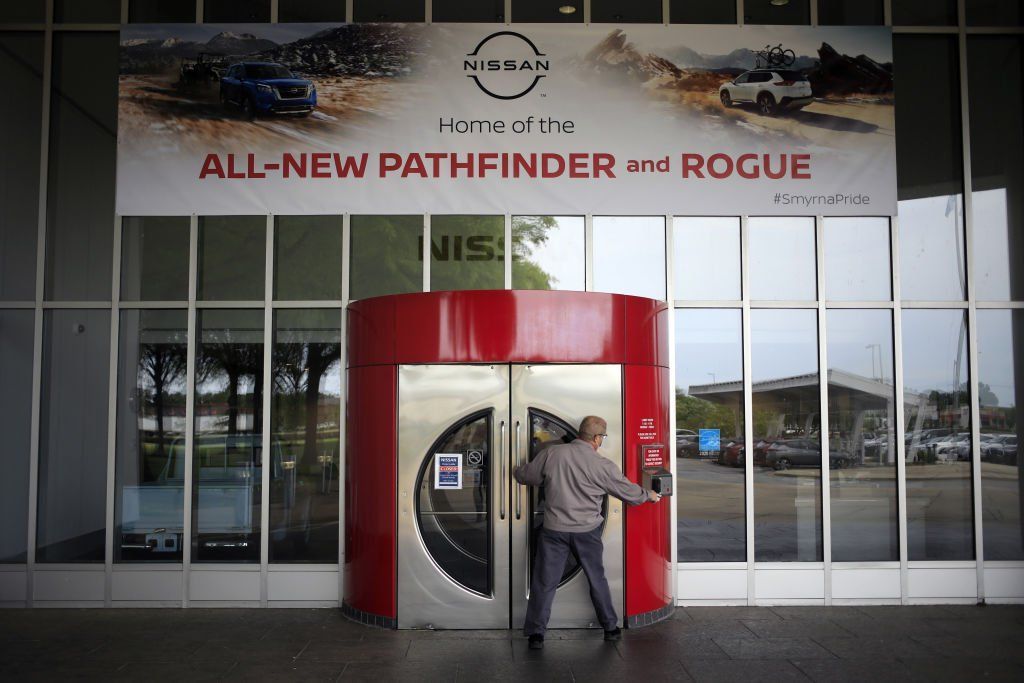
Humbled Nissan gets new CEO — but does Honda still have urge to merge?
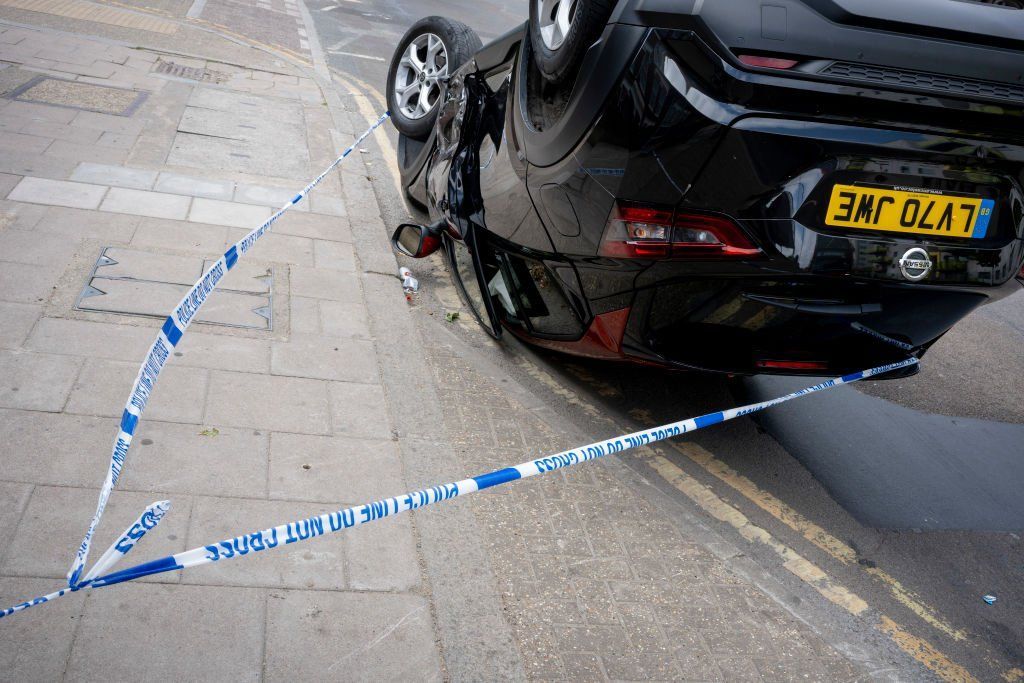


That big Nissan and Honda merger might get another chance.

As I wrote here, the deal fell apart last month. This was especially bad news for Nissan. Thanks to falling sales and high debt, the automaker is in desperate need of a turnaround.

Honda — much like President Trump in his recent negotiations with Ukrainian president Volodymyr Zelenskyy — holds all the cards here.

It was also bad news for Nissan CEO Makoto Uchida, who took the blame for the stalled talks. He is now out. New boss Ivan Espinosa — a real car guy, by the way — may very well revive the merger.

A Nissan veteran to the rescue

Espinosa joined Nissan in 2003 as a product planner in the brand’s Mexican division. He’s held a dozen positions within the brand since, so he brings a massive amount of experience to the CEO’s office, but the problems that he will need to solve are massive as well.

We recently talked about Nissan’s challenges and that insiders admitted that the company had “12 to 14 months to survive” if it didn’t find an investor, as executives announced plans to slash 9,000 jobs and reduce the group’s global production capacity by 20%. Nissan is facing headwinds in the United States and China, two of the biggest markets in the world.

In China, Nissan is among the many global carmakers that have lost ground amid a cutthroat price war and consumers’ shift away from conventional gas-powered vehicles. Its global sales in January fell 5.9% from a year earlier.

A year to live

The merger with Honda blew up, and it still hasn’t found an investor. In theory, Nissan now has less than a year to live. So what’s next?

What Uchida’s resignation means for the canceled merger with Honda isn’t clear yet. Talks could continue after April 1 when Espinosa steps in. The original merger or alliance would have placed Honda and Nissan on equal footing in spite of the vast differences in size and revenue that separate them.

Mitsubishi, which Nissan has a 24% stake in, had decided not to get into the merger. No word if it will reconsider should talks start back up.

Ghosn but not forgotten

Let’s reflect on Nissan for a moment.

In 1999, the ailing company turned to a non-Japanese chief — Carlos Ghosn — for a cure. Ghosn, who was born in Brazil and grew up in Lebanon, went on to serve as chief executive and chairman before he was arrested in Japan in November 2018 and charged with financial crimes that he continues to deny.

Jailed for months, Ghosn eventually fled Japan a little more than a year after his arrest.

The company’s stock price and global sales sank during the whole affair and haven’t recovered since.

Pride goeth before ... a comeback?

I believe that the Japanese government put pressure on Honda to make this merger work in order to save face. Japanese culture is very proud, and the government would prefer a merger versus a potential failure. The impact of such a failure would be a blow to the Japanese economy — and could have a global impact.

On the other hand, a Honda and Nissan merger would farm the world’s third-largest carmaker, behind Toyota and Volkswagen. Toyota has a partnership with Mazda and Subaru, which are Japanese brands.

Honda — much like President Trump in his recent negotiations with Ukrainian president Volodymyr Zelenskyy — holds all the cards here. It can make or break this possible merger, and Nissan is in no place to make any demands. If Nissan wants to survive, it needs Honda's money and business guidance.

Staying afloat

How would that look?

It’s not terribly far-fetched to imagine that Nissan could use Honda’s technology to fast-track hybrids and plug-in hybrids, or that Honda might get some truck experience from Nissan. But this is speculation — at this point, the merger is the life preserver Nissan needs to stay afloat.

Insiders familiar with the past negotiations reported that what started as a merger of equals turned into a full-on takeover by Honda, which is worth nearly five times more than Nissan and in much better financial shape.

Nissan refused to become a Honda subsidiary, quickly ending the conversations. Since then, Taiwanese company Foxconn — best known for building iPhones for Apple — has been circling the company. But so far, its interest hasn't amounted to much.

With Nissan's situation only getting more dire, it may not be so proud this time if it gets another shot with Honda.

We'll be watching to see how Espinosa handles this.
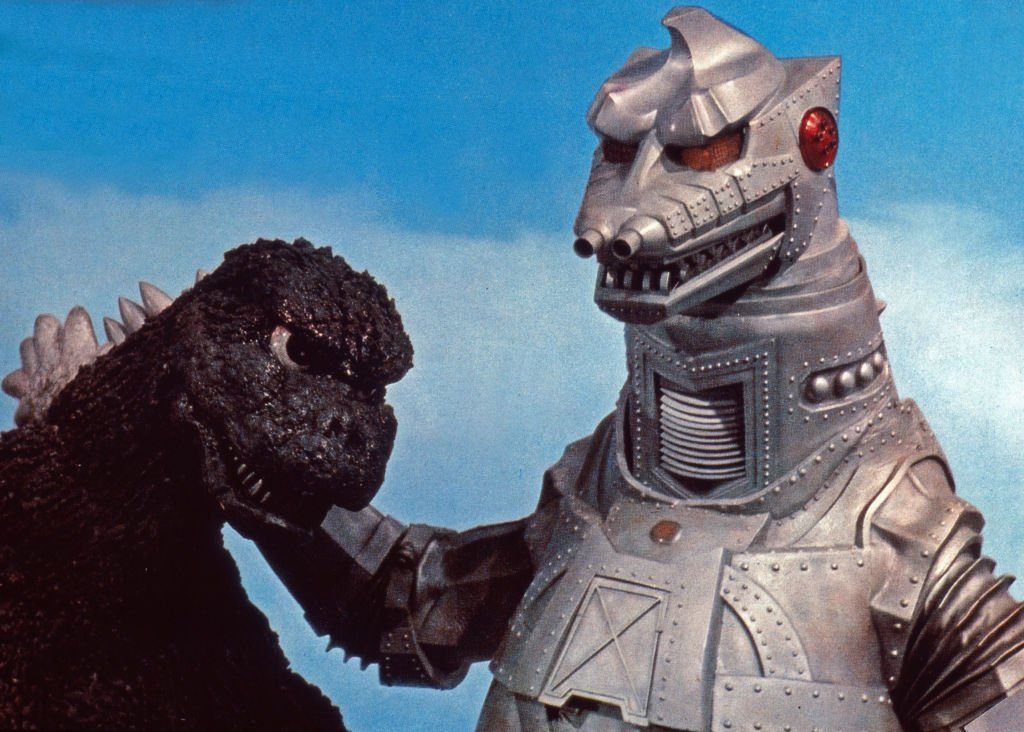
Honda and Nissan on the brink of a MASSIVE merger?


Two Japanese giants are teaming up — an alliance that could eventually have a Godzilla-sized impact on the auto industry.

Honda and Nissan — Japan's second and third-largest carmakers, respectively — have signed a memorandum of understanding to begin exploring strategic partnership in the fields of vehicle electrification and intelligence.

Last year, Honda sold 3.98 million vehicles and Nissan 3.37 million. Their combination could make them the world’s third-largest automaker.

This is not a merger per se, although the close collaboration in software platforms and core EV components that it allows could lead to one in the future.

Honda and Nissan began collaborating early this year on the development of electric vehicles.

A merger could be a lifesaver for Nissan. As I've covered earlier, the company is on the brink of collapse, with insiders saying it has "twelve to fourteen months to survive."

To cut costs, Nissan has slowed production, cut thousands of jobs, and sold a third of its stake in Mitsubishi. But it all may have been too little, too late.

Nissan dealers, who were already selling cars at a loss, suffered a further blow with news that the company intends to shutter most of its stand-alone Infiniti showrooms in America and absorb them into Nissan showrooms. Infiniti is the luxury division of Nissan.

Infiniti dealership owners stand to lose millions while sales, service, and office employees could lose their jobs.

The partnership would be aimed toward a future of electrified and intelligent mobility.

Last year, Honda sold 3.98 million vehicles and Nissan 3.37 million. Their combination could make them the world’s third-largest automaker, behind their Japanese rival Toyota Group, which sold 11.23 million vehicles last year, and Volkswagen Group of Germany, which sold 9.23 million.

Nissan also holds a large stake in smaller Japanese automaker Mitsubishi Motors.

Nissan and the French automaker Renault have been strategic partners for more than two decades, although that relationship seems to be on the rocks, especially after Japan's controversial arrest and imprisonment of Nissan Renault CEO Carlos Ghosn in 2018.

We may never know the real story behind that, but the bad publicity definitely hurt Nissan. At the very least, the partnership with Honda could bring focus back on the product.

We will be watching as this story unfolds.

Can Nissan survive? Automaker slashes US production as bankruptcy looms


The car industry as a whole may be ailing — but Nissan's prognosis is particularly dire, the kind you measure in months, not years.

Sluggish sales — mainly in North America — have been disastrous for the Japanese automaker. In response, dealers are selling cars at a loss and production has been slashed by 20%. More recently, the company cut 9,000 jobs and sold a third of its stake in Mitsubishi.

The Japanese automaker also plans to cut production at its plants in Canton, Mississippi, and Smyrna, Tennessee — which together employ some 13,000 workers — by 100,000 cars.

But all of this may be too little, too late.

Death's door

On paper, at least, it doesn't look good. Nissan's operating profit dropped 85% in the third quarter, with the company recording a net loss of 9.3 billion Yen ($60.1 million at today's exchange rate). On November 7, the company posted a consolidated operating profit for the six months ending in September down over 90% compared with the same period last year.

"We have 12 to 14 months to survive," a senior official close to Nissan recently told the Financial Times. "This is going to be tough. And in the end, we need Japan and the U.S. to be generating cash," he said.

Unfortunately, consumers in those countries are simply not buying. And increased competition from China isn't helping.

Stateside slowdown

Nissan's cost-cutting is part of a large-scale restructuring effort to save $3 billion.

Adding to the uncertainty, major shareholder Renault is looking to offload its holdings in the company. Nissan is reportedly seeking a new long-term investor — and hasn't ruled out longtime rival Honda taking a majority stake. Nissan recently signed a partnership with Honda and Mitsubishi for long-term EV development.

The Japanese automaker also plans to cut production at its plants in Canton, Mississippi, and Smyrna, Tennessee — which together employ some 13,000 workers — by 100,000 cars. Among the models made at those factories are Nissan's Pathfinder SUV and the Frontier pickup truck.

Lost credibility

From my perspective, Nissan's mob-like tactics in ousting former CEO Carlos Ghosn cost the company credibility on the global stage. Ghosn, who spent 13 months in a Japanese jail before making a dramatic escape to Lebanon, claims he was targeted for his plans to merge Nissan with Renault.

Ultimately, a merger with Honda may be the better move; Japanese companies working together to build better cars would make stockholders and customers happy. More important, it may be the only move left for a company rapidly running out of options.