Finally: Vaccine guidelines that make sense for parents


Filmmaker and mother Jessica Solce was frustrated by the difficulty of finding healthy, all-natural products for herself and her family. To make it easier, she created the Solarium, which curates trusted, third-party-tested foods, clothing, beauty products, and more — all free of seed oils, endocrine disruptors, carcinogens, and other harmful additives.

In this occasional column, she shares recommendations and research she has picked up during her ongoing education in health and wellness.

On Wednesday, the CDC moved six childhood vaccines out of the “recommended for all” schedule.

For those of us advocating for the right to oversee our own children's health, it was a day we thought would never come. It is a moment of triumph, but also a reminder of the fear and pressure we have had to overcome.

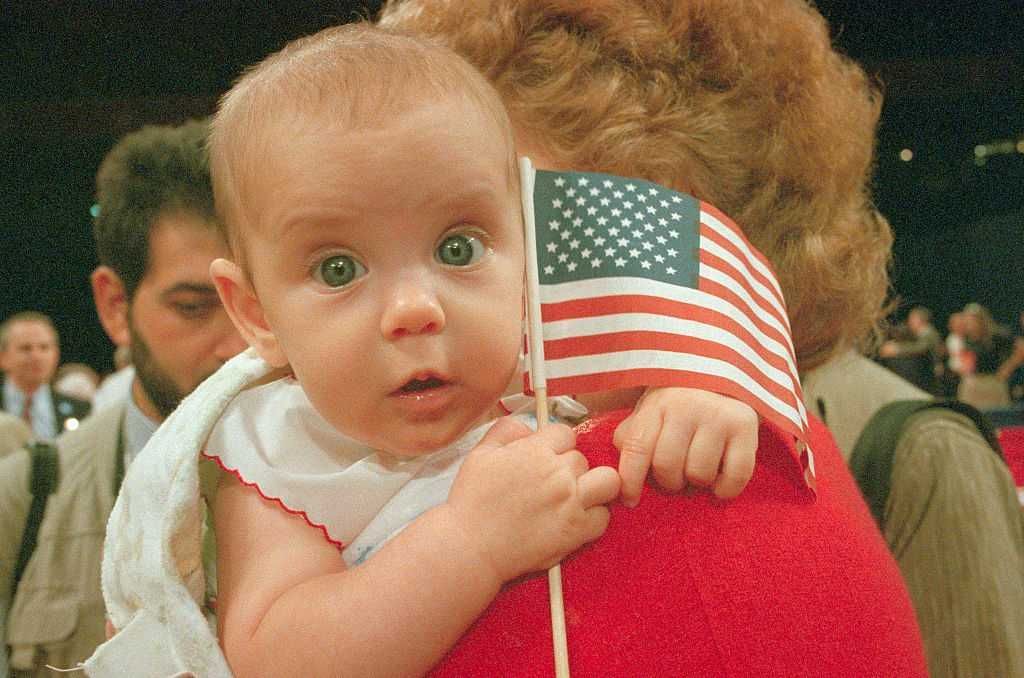
When my child was just three days old, I was yelled at and expelled from a pediatrician’s office for simply asking about delayed vaccination.

I joined the fight in 2009, not long after becoming pregnant with my first child. My parents brought me up to question and test everything; as I prepared to become a parent myself, this tendency quickly found a new target: childhood vaccinations.

While many mothers-to-be were already signing their future babies up for preschools, summer camps, and Mandarin lessons, I was staying up at night immersed in research that challenged conventional wisdom about children’s health. In 2009, that kind of information was far harder to track down than it is today.

Mother lode

But track it down I did. That’s how I found the work of the Weston A. Price Foundation, as well as the writings of Dr. Lawrence Palevsky. I began reading with the intention of writing a kind of thesis paper — something rigorous enough to convince myself and honest enough to defend to my family.

At the time I encountered his work, Dr. Palevsky was not what most people would call “anti-vaccine.” He recommended delaying vaccination until age two, avoiding live-virus vaccines except for smallpox, spacing doses by six months, and administering only one vaccine at a time.

This seemed reasonable to me.

Brain drain

Why? [Checks 2009 notes.] Based on Dr. Palevsky’s work, I believed that vaccines could activate microglia — the brain’s specialized immune cells — and that closely spaced vaccinations might overstimulate this system during early brain development.

The most rapid period of brain development begins in the third trimester and continues through the first two years of life. Vaccinating children under two, according to this line of thinking, could increase the risk of neurological issues, asthma, allergies, autoimmune conditions, and chronic inflammation. By age two, the brain is roughly 80% developed, and the view then was that certain vaccines could be introduced very slowly after that point.

So I weighed risk and reward. With a healthy baby in my care, why would I take what I believed to be a neurological risk?

That was enough to harden my resolve. I armed myself for what became a 10-year battle in New York City.

Dr. Doomer

When my child was just three days old, I was yelled at and expelled from a pediatrician’s office for simply asking about delayed vaccination. I had printed multiple copies of my small “thesis paper,” like a diligent student, and in a moment of panic and adrenaline shoved them into office drawers as I held my newborn and was escorted out.

But the doctor’s tirade — invoking her intelligence, her own vaccinated children, and her authority as a physician, all while calling me an idiot — only strengthened my resolve. To me, it suggested someone constrained by her own choices, guilt, and lack of curiosity.

Even my father, a physician himself, was initially stunned when I began laying out my reasoning. But through heated debate, shared papers, and real discussion — the healthy kind — he eventually reflected on his own training and acknowledged that he had been taught to comply, not to question.

RELATED: Trump administration overhauls childhood vax schedule. Here's the downsized version.

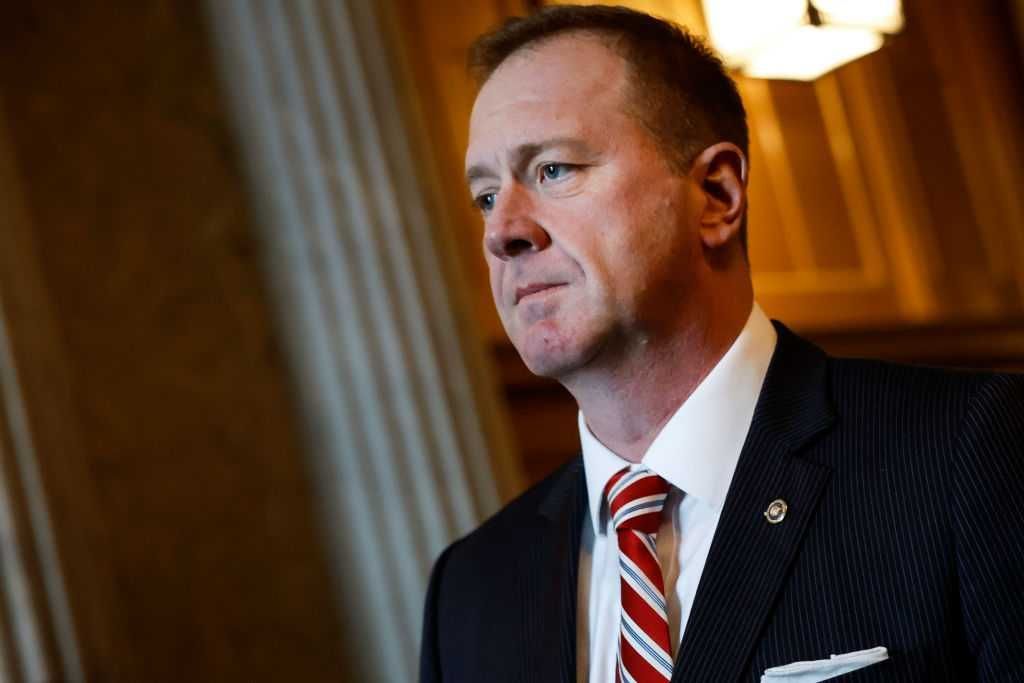
Photo by Kevin Dietsch/Getty Images

Hold the formaldehyde

For anyone ready to do some research of their own, I recommend starting with the CDC's Vaccine Excipient Summary, which lists the inactive ingredients contained in licensed vaccines. Perhaps you'll ask yourself, as I did, whether you want substances like formaldehyde, aluminum phosphate, polysorbate 80, β-propiolactone, neomycin, and polymyxin B injected into your child’s developing body.

Once I began asking that question, it was impossible not to look at how vaccine policy had evolved. A major inflection point, in my view, came in 1986 with the passage of the National Childhood Vaccine Injury Act, which shielded vaccine manufacturers from direct liability and moved injury claims into a federal compensation system. After that, vaccine development accelerated.

Today I'm in a celebratory mood, despite how long it has taken to get here. I don’t regret the fight for a second; I only wish I had had more courage and stamina at times. Still, I rejoice in every freedom of choice returned to parents in the United States.

Let’s go, MAHA. Now do the EPA.

Trump administration overhauls childhood vax schedule. Here's the downsized version.


The United States has long been an outlier among first-world nations in terms of how many vaccines it pushes on its children, recommending that kids receive more than twice as many doses as generally given their European counterparts.

In a decision that has some medical establishmentarians fuming, the Trump administration has greatly reduced the number of vaccines recommended for American children, leaving the decision on the remainder up to families and their doctors.

'We are aligning the US childhood vaccine schedule with international consensus.'

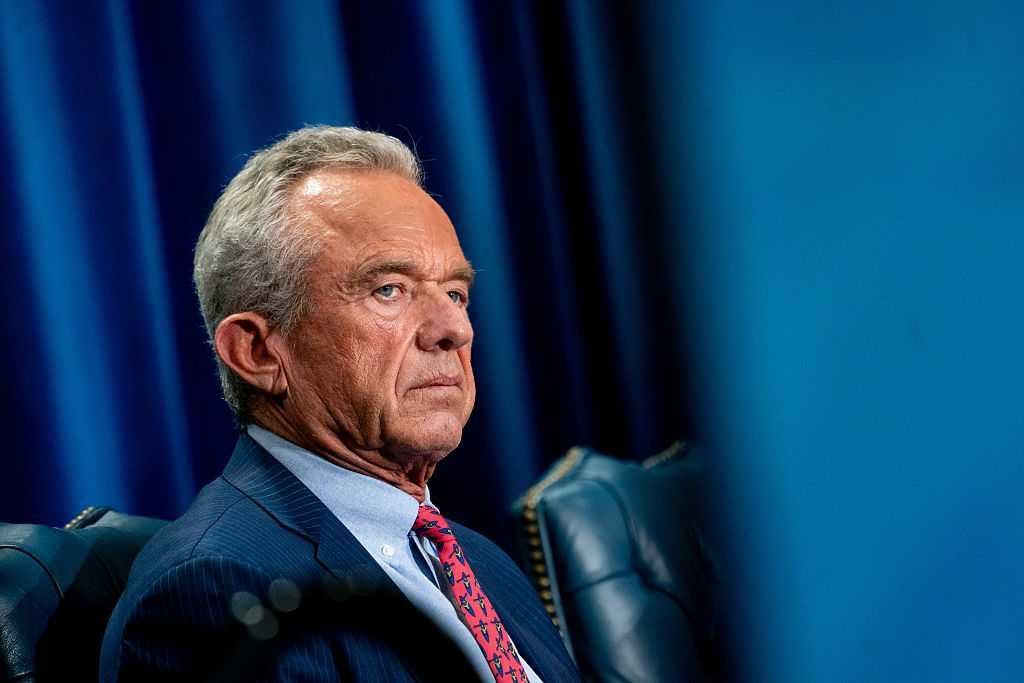
Health and Human Services Secretary Robert F. Kennedy Jr. noted that "after an exhaustive review of the evidence, we are aligning the U.S. childhood vaccine schedule with international consensus while strengthening transparency and informed consent. This decision protects children, respects families, and rebuilds trust in public health."

The agency has reduced its list of vaccination recommendations for all children to jabs for the following 11 diseases: diphtheria, tetanus, acellular pertussis (whooping cough), Haemophilus influenzae type B, pneumococcal conjugate, polio, measles, mumps, rubella, human papillomavirus, and chickenpox.

Here is the new childhood immunization schedule for all children:

Centers for Disease Control and Prevention

The agency now recommends on an individual basis: RSV, hepatitis A, hepatitis B, meningococcal B, meningococcal ACWY, and dengue vaccines for "high-risk groups" and rotavirus, meningococcal disease, influenza, and COVID-19 vaccines.

RELATED: Left melts down after learning babies aren’t at risk of hedonistic needle parties and don’t need hep B shot

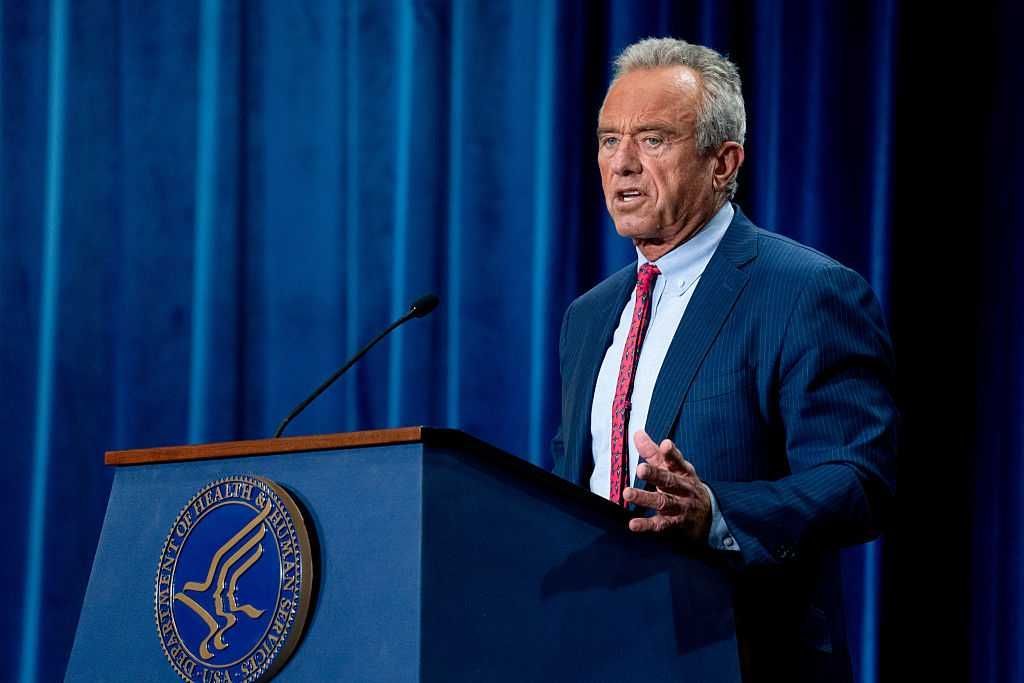
Photo by Joe Raedle/Getty Images

The CDC's child and adolescent immunization schedule previously recommended all American children receive one or more vaccine doses for the following diseases:

  • Respiratory syncytial virus;
  • Influenza;
  • Hepatitis A;
  • Hepatitis B;
  • Rotavirus;
  • Measles;
  • Mumps;
  • Rubella;
  • Diphtheria;
  • Tetanus;
  • Pertussis (whooping cough);
  • Polio;
  • Haemophilius influenzae type B;
  • Pneumococcal disease;
  • Human papillomavirus;
  • Varicella (chickenpox); and
  • Meningococcal disease.

Like Blaze News? Bypass the censors, sign up for our newsletters, and get stories like this direct to your inbox. Sign up here!

Why Hasn’t Trump’s CDC Ditched This Rule That Punishes Neighborhoods For Being Too White?

Race discrimination is illegal and unconstitutional regardless of 'equitable' motives.

‘Children Died’ And 20 Other Shocking Things An FDA Scientist Just Said About Covid Shots

'Like many academic physicians, we felt the FDA and CDC abdicated their duty to the American people,' Prasad wrote.

FDA finally admits COVID-19 vaccine killed kids: 'This is a profound revelation'


Millions of Americans across the country were told during the pandemic to offer up their arms for the COVID-19 vaccines — the first-ever mRNA vaccines approved by the U.S. Food and Drug Administration — if they wanted to keep their jobs, eat in public, stay in school, or visit their loved ones.

Government officials, the establishment media, and pharmaceutical representatives claimed that the vaccines were "safe and effective." Those who dared to suggest otherwise about the experimental drugs that were making liability-shielded vaccine manufacturers record profits were often attacked and censored.

Months after the Department of Health and Human Services concluded that "mRNA technology poses more risks than benefits for these respiratory viruses," the Food and Drug Administration admitted in an internal letter that the COVID-19 vaccines killed numerous children.

'Healthy young children who faced tremendously low risk of death were coerced.'

Dr. Vinay Prasad, chief medical officer at the FDA and director at the Center for Biologics Evaluation and Research, noted in an email to staff on Friday that FDA Office of Biostatistics and Pharmacovigilance career staff "have found that at least 10 children have died after and because of receiving COVID-19 vaccination."

In the email, which was reviewed by multiple publications and shared online by the Washington Post, Prasad indicated that the OBPV performed an analysis of 96 deaths between 2021 and 2024 and concluded "that no fewer than 10 are related. If anything, this represents conservative coding, where vaccines are exculpated rather than indicated in cases of ambiguity. The real number is higher."

"These deaths are related to vaccination (likely/probable/possible attribution made by staff). That number is certainly an underestimate due to underreporting, and inherent bias in attribution," wrote Prasad. "This safety signal has far-reaching implications for Americans, the U.S. pandemic response, and the agency itself."

RELATED: Pfizer COVID shot sales plummet after Trump administration ends universal recommendations

Photo by SAUL LOEB/AFP via Getty Images

Despite the strong improbability of a healthy child getting seriously ill from COVID, former National Institute of Allergy and Infectious Diseases Director Anthony Fauci, former Centers for Disease Control and Prevention Director Rochelle Walensky, and other health officials championed injecting kids with the novel vaccines.

On Nov. 2, 2021, then-President Joe Biden's health officials gave final approval to Pfizer's COVID-19 shot for kids ages 5 to 11. Biden said at the time, "It is a major step forward for our nation in our fight to defeat the virus."

COVID-19 vaccination for children younger than 5 began across the U.S. in June 2022.

"These vaccines are safe, highly effective, and will give parents the peace of mind of knowing their child is protected from the worst outcomes of COVID-19," said Biden.

Prasad noted in his Friday letter that despite evidence that the COVID-19 vaccine put boys and young men at great risk of myocarditis, Biden health officials "did not quickly attempt mitigation strategies such as spacing doses apart, lowering doses, omitting doses among those with prior COVID-19."

Myocarditis is inflammation of the heart muscle that can manifest as various symptoms, including heart palpitations, chest pain, fainting, and weakness, and can also cause fatal cardiac arrest.

"Worse, the FDA delayed acknowledgement of the safety signal until after it could extend marketing authorization to younger boys 12-15," continued Prasad. "Had the acknowledgement come early, these younger boys, who likely did not require COVID-19 vaccination, may have chosen to avoid the products."

The FDA's chief medical officer stressed that the OBPV's finding that the COVID vaccine contributed to the deaths of children amounted to "a profound revelation."

"For the first time, the U.S. FDA will acknowledge that COVID-19 vaccines have killed American children," continued Prasad, whose agency revoked emergency-use authorization for COVID vaccines earlier this year. "Healthy young children who faced tremendously low risk of death were coerced, at the behest of the Biden administration, via school and work mandates, to receive a vaccine that could result in death. In many cases, such mandates were harmful."

Peter Marks, Prasad's predecessor, complained to the New York Times about the "political tone" of Prasad's letter and noted, "I would not be surprised if the attributions turn out to be debatable, as these cases are often quite complex."

FDA commissioner Dr. Marty Makary said in a "Fox & Friends" interview on Saturday that his agency would no longer "rubber-stamp things with no data," adding that such a "mockery of science" was alternatively "the M.O. in the Biden administration with the eternal COVID booster approvals for young, healthy kids."

Like Blaze News? Bypass the censors, sign up for our newsletters, and get stories like this direct to your inbox. Sign up here!

Most Women Are On Crazy Pills, And It’s Bad For Everyone

An entire generation of women is lost amidst engineered anxiety, chasing hollow independence while forsaking the proven anchors of marriage, family, and selfless purpose.

The Left Isn’t Just Marching Through Our Institutions, It’s Imploding Them

When the long march through the institutions gives destructive and ridiculous people control of the institutions, the institutions become destructive and ridiculous, and then they become destroyed and ridiculous.

Taking Meds You Don’t Need To Spite Trump While Pregnant Makes You A Horrible Mother

Using your pregnancy to advance political agendas won’t affect Trump, but it could profoundly affect your child's health and future.

Trump’s health revolution: RFK Jr. takes aim at chemicals, junk food, and overmedication


President Donald Trump, determined to guide the nation into a new golden age, has gone to war with the private-public consensus that has sickened generations of American children and threatens future greatness.

The president's battle strategy has finally come into full view.

'I am so grateful that I work for a president that is willing to run through walls to stop this and to heal our kids.'

Trump's Make America Healthy Again Commission, chaired by Health Secretary Robert F. Kennedy Jr., released on Tuesday its long-awaited directives and strategies for tackling chronic disease, protecting children from toxic exposure, and helping American families flourish.

This report sets the stage for a shake-up that is sure to cause a great deal of consternation among medical establishmentarians, pharmaceutical reps, chemical magnates, and ultra-processed food manufacturers.

"We are now the sickest country in the world. We have the highest chronic disease burden of any country in the world, and yet we spend more on health care than any country in the world," Kennedy said during the public MAHA Commission meeting on Tuesday. "This is an existential crisis for our country."

Kennedy added, "I am so grateful that I work for a president that is willing to run through walls to stop this and to heal our kids."

RELATED: Trump establishes Make America Healthy Again Commission. Here's what it will do.

Quick background

In his Feb. 13 executive order creating the MAHA Commission, President Donald Trump noted, "To fully address the growing health crisis in America, we must redirect our national focus, in the public and private sectors, toward understanding and drastically lowering chronic disease rates and ending childhood chronic disease."

Three months later, Trump's commission released an assessment report identifying four potential drivers of the rise in childhood chronic disease: poor diet largely tied to ultra-processed foods; aggregation of environmental chemicals including microplastics, fluoride, phthalates, bisphenols, and crop protection tools; lack of physical activity and chronic stress; and overmedicalization.

The report suggested that the situation was rather bleak, noting:

  • Over 40% of the roughly 73 million kids in the U.S. have at least one chronic health condition;
  • 1 in 5 kids over the age of 6 is obese;
  • 1 in 31 kids is impacted by autism spectrum disorder by the age of 8;
  • Childhood cancer incidence has skyrocketed by over 40% since 1975;
  • Pesticides, microplastics, and dioxins "are commonly found in the blood and urine of American children and pregnant women — some at alarming levels";
  • Nearly 70% of an American child's calories come from ultra-processed foods; and
  • Stimulant prescriptions for ADHD, antidepressant prescription rates, and antipsychotic prescriptions for teens and/or children have exploded in recent decades.

RELATED: The fruit of the US pesticide industry is poison

Photo by Chip Somodevilla/Getty Images

A Department of Health and Human Services spokesperson told Blaze News earlier this year that the May assessment was a "diagnosis," and the next step was to "develop policy recommendations, grounded in gold-standard science and common sense."

Next steps

In the newly released "Make Our Children Healthy Again" report, the MAHA Commission broke its strategic plan into four pillars: advancing research, realigning incentives, fostering private sector collaboration, and increasing public awareness.

Deeper dives

The first pillar tasks various federal agencies with pursuing "rigorous, gold-standard scientific research to help ensure informed decisions that promote health outcomes for American children and families, as well as drive innovative solutions."

For instance, the Department of Health and Human Services will — through the National Institutes of Health and in collaboration with the Centers for Disease Control and Prevention — study the root causes of autism.

The HHS, again working with the NIH, will also kick off a new vaccine injury program, investigating vaccine injuries "with improved data collection and analysis." Although this program will initially be housed at the NIH Clinical Center, the report indicated it could expand to centers around the country.

Other research initiatives include:

  • Closer looks at water contamination, including an Environmental Protection Agency review of new scientific information on the potential health risks of fluoride;
  • A concerted effort by the HHS, NIH, and EPA to complete an evaluation of the risks and exposures of microplastics and synthetics;
  • An HHS evaluation of the therapeutic harms and benefits of "current diagnostic thresholds, overprescription trends, and evidence-based solutions"; and
  • The formation of a mental health diagnosis and prescription work group at the HHS tasked with evaluating "prescription patterns for selective serotonin reuptake inhibitors (SSRIs), antipsychotics, mood stabilizers, stimulants, and other relevant drugs for children."

Blowing up the status quo

The realignment pillar of the MAHA Commission's strategy is by far the biggest and potentially the most consequential in the report.

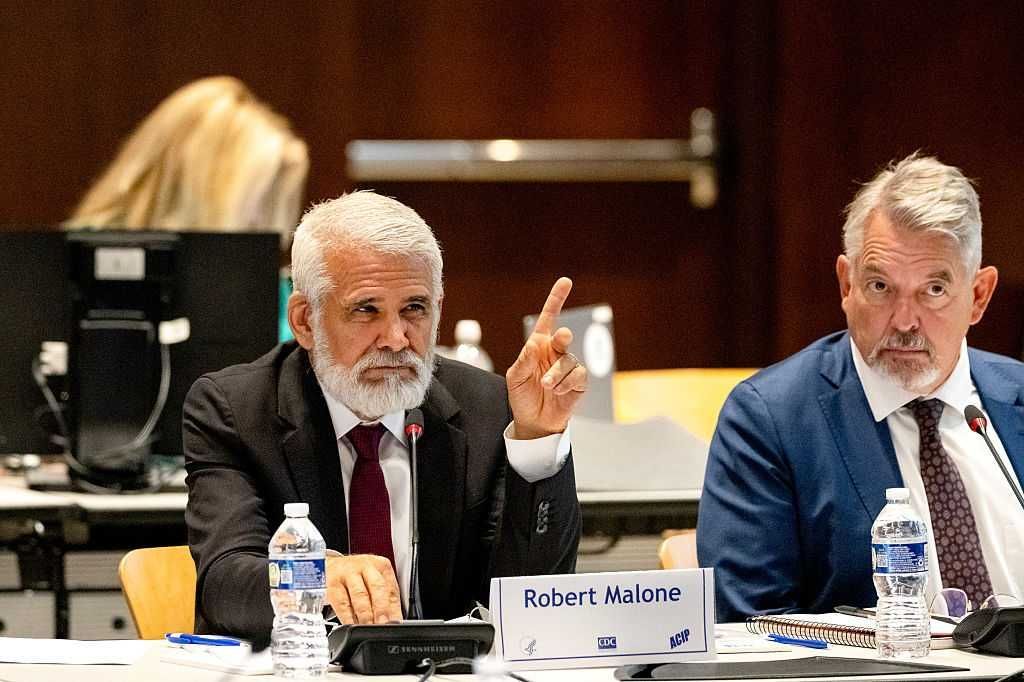
The report indicated that the HHS will continue its current work of eliminating harmful synthetic dyes and other additives from the food supply, addressing possible conflicts of interest at health-related federal agencies — such as those that prompted Kennedy's purge of the CDC's Advisory Committee on Immunization Practices in June — and protecting "public health from corporate influence."

The administration apparently also has a slew of regulatory and deregulatory initiatives in the works.

Among the changes on the deregulatory front that Americans might soon see the fruits of is the elimination of mandatory reduced-fat requirements in federal nutrition programs; the elimination of barriers to small dairy operations selling their own milk products; and the FDA's abandonment of animal testing requirements.

On the regulatory front and as foreshadowed in a Kennedy op-ed last year, the HHS will be pushing for greater accountability where direct-to-consumer pharmaceutical advertising is concerned.

The HHS will work with the FDA, the Department of Justice, and the Federal Trade Commission to "increase oversight and enforcement under current authorities for violations of DTC prescription drug advertising laws."

In a similar vein, the HHS and FTC will also explore potential industry guidelines to limit advertisements of unhealthy foods that target children.

RELATED: RFK Jr. did what GOP cowards won’t

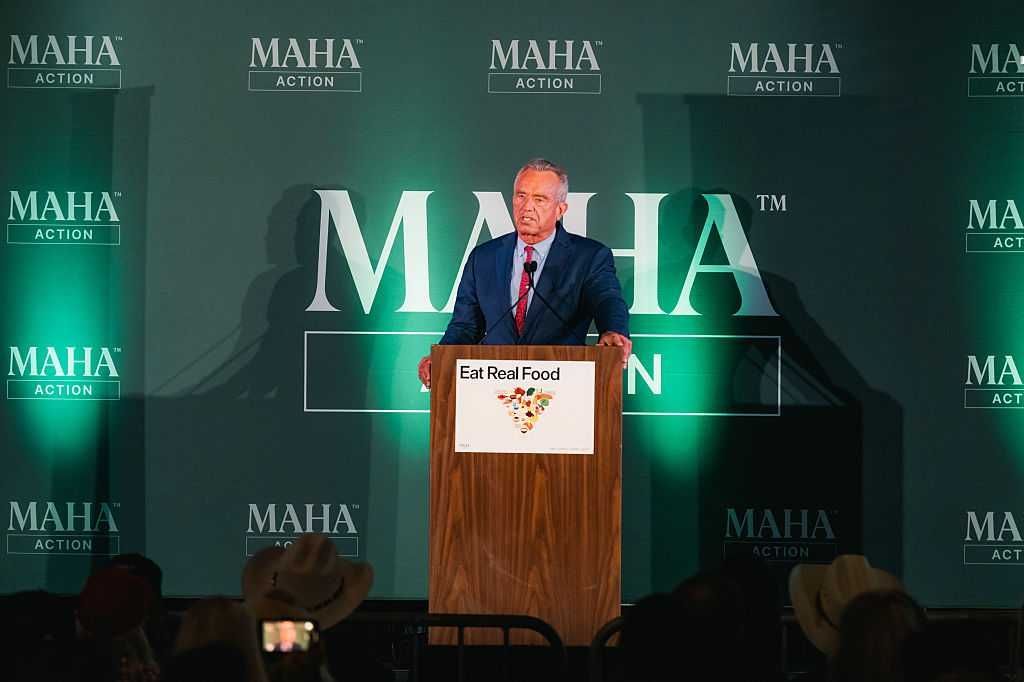
Photo by Tasos Katopodis/Getty Images

While the FDA will, on the one hand, update nutrient requirements for infant formula and ramp up screening for contaminants, it will also encourage companies to roll out new infant formulas. Meanwhile, the USDA and HHS will work to increase breastfeeding rates.

The commission appears especially keen on ensuring that foods are accurately labeled; dietary guidelines are reflective of the current nutritional science; Supplemental Nutrition Assistance Program benefits are used for healthy food; and the legal loophole that apparently enables the food industry to add potentially unsafe substances to the food supply without government oversight is closed for good.

The report indicated further that the CDC will update recommendations regarding fluoride — which has a retarding effect on children — and forever chemicals in the American water supply.

Besides regulatory changes, the commission indicated that the HHS is set to undergo a "comprehensive reorganization" to create the Administration for a Healthy America, an outfit that will lead the federal government's response to the chronic disease crisis through "integrated prevention-focused programs."

Blasting facts and shaking hands

The other two pillars in the MAHA strategy report concerning the promotion of public awareness and MAHA collaboration with elements of the private sector are both afforded relatively little real estate. Nevertheless, they contain a handful of proposals that could prove transformative.

The planned efforts to raise awareness about the potential harms posed by exposure to pesticides, fluoride, sedentary lifestyles, drug abuse, and too much screen time may, for instance, end up yielding more immediate effects than some of the corresponding regulatory initiatives, which are sure to face legal challenges.

RELATED: Study warns of possible link between world's most popular painkiller and autism

Photo by Jennifer Polixenni Brankin/Getty Images

The section on fostering private-sector collaboration, the most diminutive section in the document, contains two plans that stand out. The first involves an education campaign aimed at improving health and fertility in men and women who are seeking to start families.

In the interest of helping American families grow and remedying America's abysmal fertility rate, which hit an all-time low last year, the HHS is initiating the "Root Causes of Infertility Award Challenge Competition," which "seeks to identify new and existing solutions to prevent, diagnose, and treat root causes of infertility, including chronic reproductive health conditions, and provide answers to families, improve health outcomes, and ensure a brighter future for parents and infants across the U.S."

The HHS will also develop an Infertility Training Center to help Title X clinics identify and treat for the underlying causes of infertility.

The second plan that stands out in the private-sector collaboration section concerns working with the agricultural industry on new approaches and technologies that could reduce the amount of pesticides needed. This appears to be a consolation prize for those who wanted certain harmful pesticides banned outright.

"A lot of these 128 recommendations are things that I've been dreaming about my whole life," Kennedy said. "We have accomplished more already than any health secretary in history, and the accomplishments we're going to have by the end of the year are going to be historic and unprecedented."

Like Blaze News? Bypass the censors, sign up for our newsletters, and get stories like this direct to your inbox. Sign up here!