Rural health is the next MAHA frontier


As a Virginia farmer, I have spent years fighting regulatory overreach and corporate consolidation that hollow out rural America.

So when Rep. Anna Paulina Luna (R-Fla.) recently led the effort to remove a pesticide-liability shield from the House farm bill, rural families had reason to cheer.

If we are serious about children’s health in rural America, we should examine whether newer technologies can reduce toxic exposures.

The provision would have given pesticide manufacturers such as Bayer broad protection from “failure to warn” lawsuits brought by Americans who allege glyphosate caused their cancer. It also would have limited the ability of states and local communities to establish no-spray zones near schools and weakened protections for waterways.

In other words, it was top-down federal overreach and a corporate handout disguised as “regulatory uniformity.” It had no place in legislation meant to serve farmers and rural families.

Luna’s amendment passed 280-142, with more than 70 House Republicans joining all but six Democrats.

Republicans such as Luna deserve credit for refusing to grant blanket immunity to corporations at the expense of American families. They also showed that Make America Healthy Again can become a governing philosophy — one that puts children, families, and farmers ahead of well-connected industries.

More than three years after Robert F. Kennedy Jr. announced his presidential campaign and later joined forces with President Donald Trump, the MAHA movement continues to secure policy victories with consequences that families may feel for decades.

The pesticide fight is only one part of a much larger question. Once policymakers begin examining preventable chemical exposures, the issue does not stop at the edge of the field.

Former Rep. Renee Ellmers (R-N.C.), a nurse and Tea Party leader, has noted that many of the same rural children whose schools and waterways Luna’s amendment would protect also spend hours each week riding older diesel school buses. Exposure to diesel exhaust has been linked to pediatric asthma, ADHD, and other health and developmental concerns.

If we are serious about children’s health in rural America, we should examine whether newer technologies can reduce those exposures.

That does not mean Washington should dictate transportation choices to rural districts. It means farmers and small-town families should have a seat at the table and access to resources when cleaner options, including electric school buses, become practical.

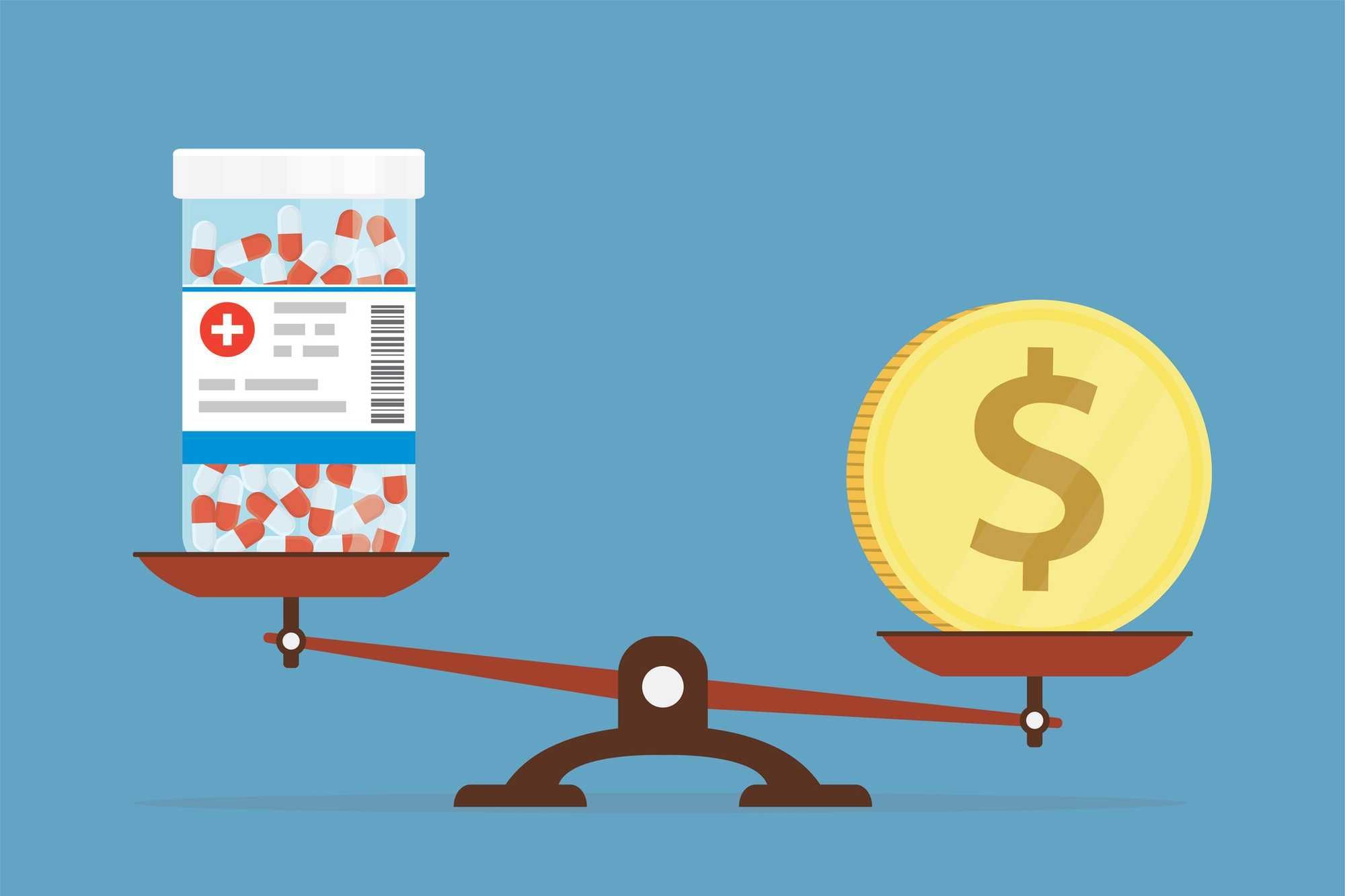
RELATED: Big Pharma’s miracle drugs have a nasty side effect
Bagira22/Getty Images

The American Lung Association projects more than $43,000 in health savings per electric bus through reductions in asthma attacks and respiratory illness. Electric buses are also substantially quieter than diesel models, which could benefit students with autism or sensory sensitivities.

Each community should weigh the costs and benefits for itself. But the issue deserves serious local consideration.

Rural water quality deserves the same attention.

A recent national analysis found that more than one in five Americans receive drinking water from systems with elevated nitrate levels associated with cancer and birth defects. Many of the hardest-hit communities are in agricultural regions.

Researchers and public health advocates have also raised concerns about PFAS “forever chemicals” contaminating farmland and groundwater, sometimes forcing farming operations to shut down.

Farmers understand better than anyone that stewardship has consequences. The land, water, and infrastructure we pass to the next generation will shape rural health long after today’s political battles are forgotten.

Reducing unnecessary exposures and modernizing aging infrastructure where it makes sense are practical, pro-family goals that fit squarely within the MAHA vision.

Luna and her colleagues showed that Congress can still deliver for rural American families when lawmakers put them ahead of corporate interests.

They should keep going.

We all want healthy lunches for our kids — so why the partisan food fight?


The government shouldn’t be in the business of buying junk food for school children.

Of all the positions splitting Americans today, you wouldn’t expect this one to be controversial. And yet this is the plate we've been served.

Each side accuses the other of not caring about disadvantaged children — while both sides insist that no one should dictate what counts as 'healthy' food.

The Healthy SNAP Act of 2025 is currently awaiting action in the Senate Agriculture Committee, where it has sat since Sen. Mike Lee (R-Utah) introduced it in February, with no markup or vote scheduled.

Even so, the bill — now championed by Republicans — has revived a familiar argument: Who should decide what children eat, and why do voters reverse their positions depending on which party proposes the rules?

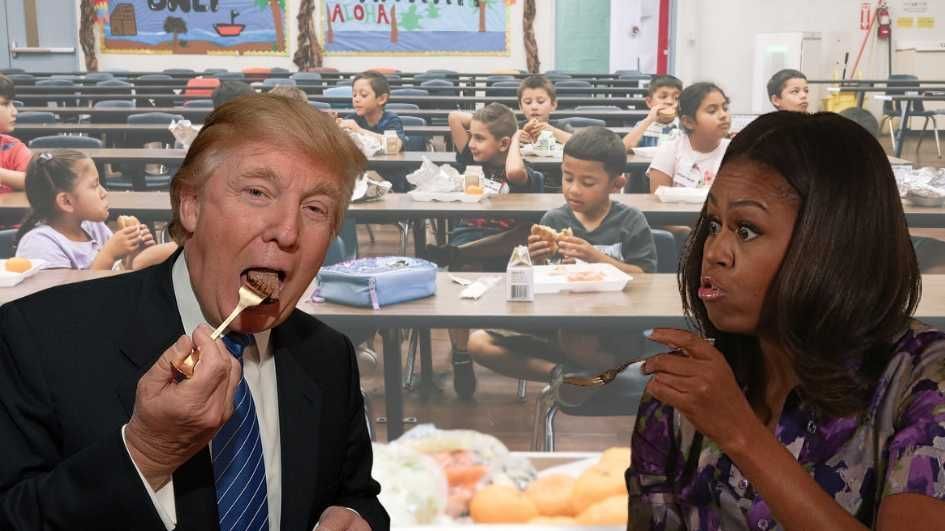
Lunch lady

President Obama enacted his wife’s Healthy, Hunger-Free Kids Act in 2010 with the stated goal of providing USDA-approved nutritious meals to school children and combating childhood hunger and obesity. Michelle Obama advocated for children to have access to more vegetables, fruit, whole grains, and milk — and less sugary soda and junk food — which she claimed were especially hurting impoverished children.

“Think about why someone is OK with your kids eating crap,” she said at the time. “Because here is the secret — if someone is doing that, they don’t care about your kid.”

Conservatives pushed back, suspecting Mrs. Obama of ulterior motives and calling the law an instance of government overreach. Whose business was it what children ate? Surely not the first lady's.

There was a lot of fear (or hope) that when Trump got into office, he would overturn all that the Obamas had done and “simplify” the lunch menu.

No (burger) kings

The new president did not disappoint. Throughout his first term, President Trump steadily rolled back Obama-era school-nutrition standards. The USDA first relaxed rules on whole grains, sodium, and flavored milk in 2017 and finalized those changes in 2018. In early 2020, it proposed further revisions to ease fruit and vegetable requirements and expand options like pizza and burgers, drawing renewed national scrutiny.

Those efforts were partially blocked in court, and the underlying Healthy, Hunger-Free Kids Act remained intact. But the political terrain shifted over the next few years: Rising concern about obesity and chronic disease, new dietary-guideline updates, and state-level experiments with SNAP restrictions created an opening for conservatives to reframe nutrition policy as a matter of fiscal responsibility and public health rather than federal overreach.

Menu change

Fast-forward to 2025, and the same movement that once dismissed “nanny-state” lunch rules now promotes the Healthy SNAP Act — an initiative that mirrors Michelle Obama’s nutrition goals almost point for point.

All that's changed is the politician behind the policy. That alone seems to be enough to flip public opinion. Voters who once said junk food was victimizing impoverished children now attack nearly identical proposals coming from the Trump administration.

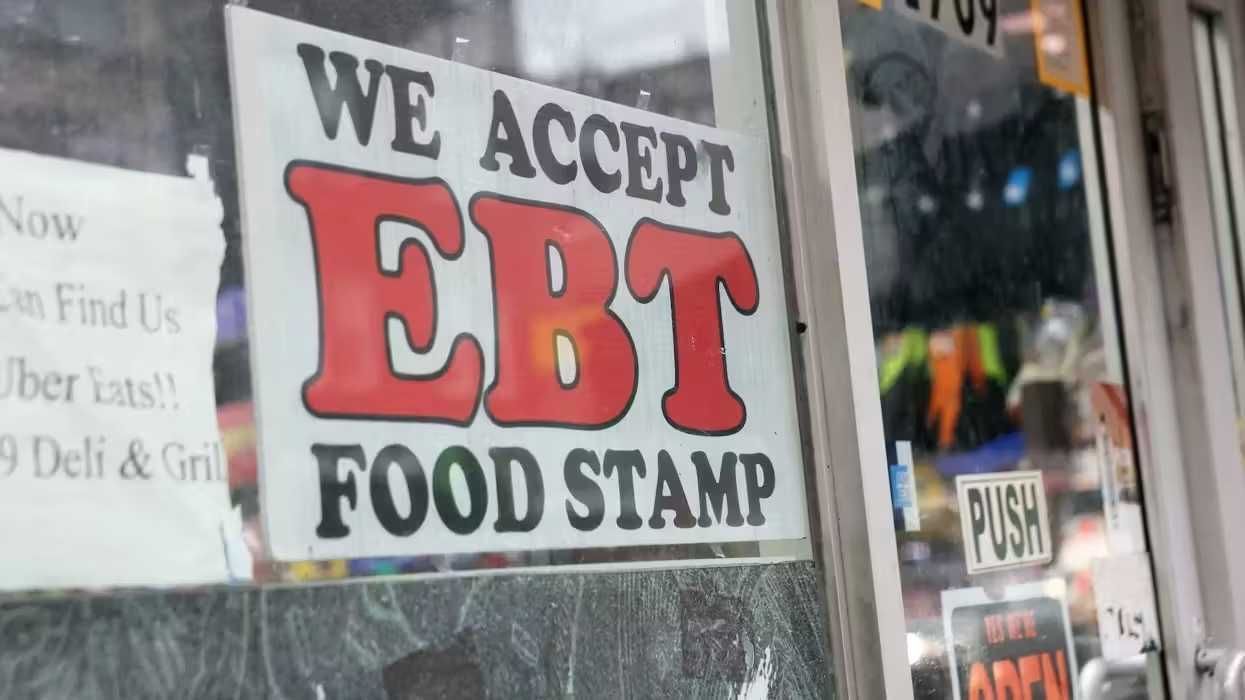
The Healthy SNAP Act of 2025 would bar SNAP benefits from being used for the very same foods Michelle Obama targeted in 2010. According to Congress.gov, SNAP recipients would not be able to use benefits for “soft drinks, candy, ice cream, or prepared desserts, such as cakes, pies, cookies, or similar products.”

RELATED: $500 million in SNAP funds is reportedly spent on fast food because of state program

Photo by Michael M. Santiago/Getty Images
Where's the beef?

Foods purchased with SNAP would have to meet nutritional standards based on sugar, fat, and salt content. In structure, the bill is strikingly similar to the Obama-era reforms. The only real difference is whose name is on it.

The same people who supported Michelle Obama’s restrictions now vehemently oppose nearly identical measures from Trump. Meanwhile those who once denounced government interference now applaud the idea when framed as a conservative reform. Each side accuses the other of not caring about poor children — while both sides insist that no one should dictate what counts as “healthy” food, unless their politician is doing the dictating. Party comes first, safety second, liberty somewhere further down the list.

Some liberals now argue that children deserve a treat — that SNAP should not limit junk-food purchases at all. But SNAP has always been regulated. In most states, fast food, hot deli meals, vitamins, alcohol, and tobacco have long been prohibited. WIC is even more restrictive to ensure mothers receive high-quality, protein-rich foods.

SNAP decision

Government aid will always come with rules. Whether it should include “treats” is a matter of personal philosophy. SNAP already provides incentives to buy fresh produce at farmers markets. Families can still make simple desserts within existing guidelines.

And any parent can spend a dollar on an occasional donut or soda if that is truly important to them — while still ensuring that children have reliable access to nutritious meals funded by taxpayers, who can rest easier at night knowing we are ensuring a better future for children.

Reasonable readers at this point should be asking themselves what they, as voters, really care about when it comes to policies like this. Would any of this be a discussion if voters thought less about who was in office? We all should be asking ourselves what it is we truly value and act accordingly.

Sen. Rand Paul (R-Ky.) — who in March introduced a similar, and in some respects even broader, bill of his own — put it this way:

"It makes no sense that taxpayer dollars are being used to fund an epidemic of obesity and diet-related illness in low-income communities. My bill ensures that this assistance program actually supports health and wellness, not chronic disease.”

His words sound eerily interchangeable with what Michelle Obama was saying 15 years ago. It makes one wonder if perhaps we don’t need to bicker over politics as much as we do. Maybe our differences aren't as pronounced as we think — at least when it comes to the health of American children.

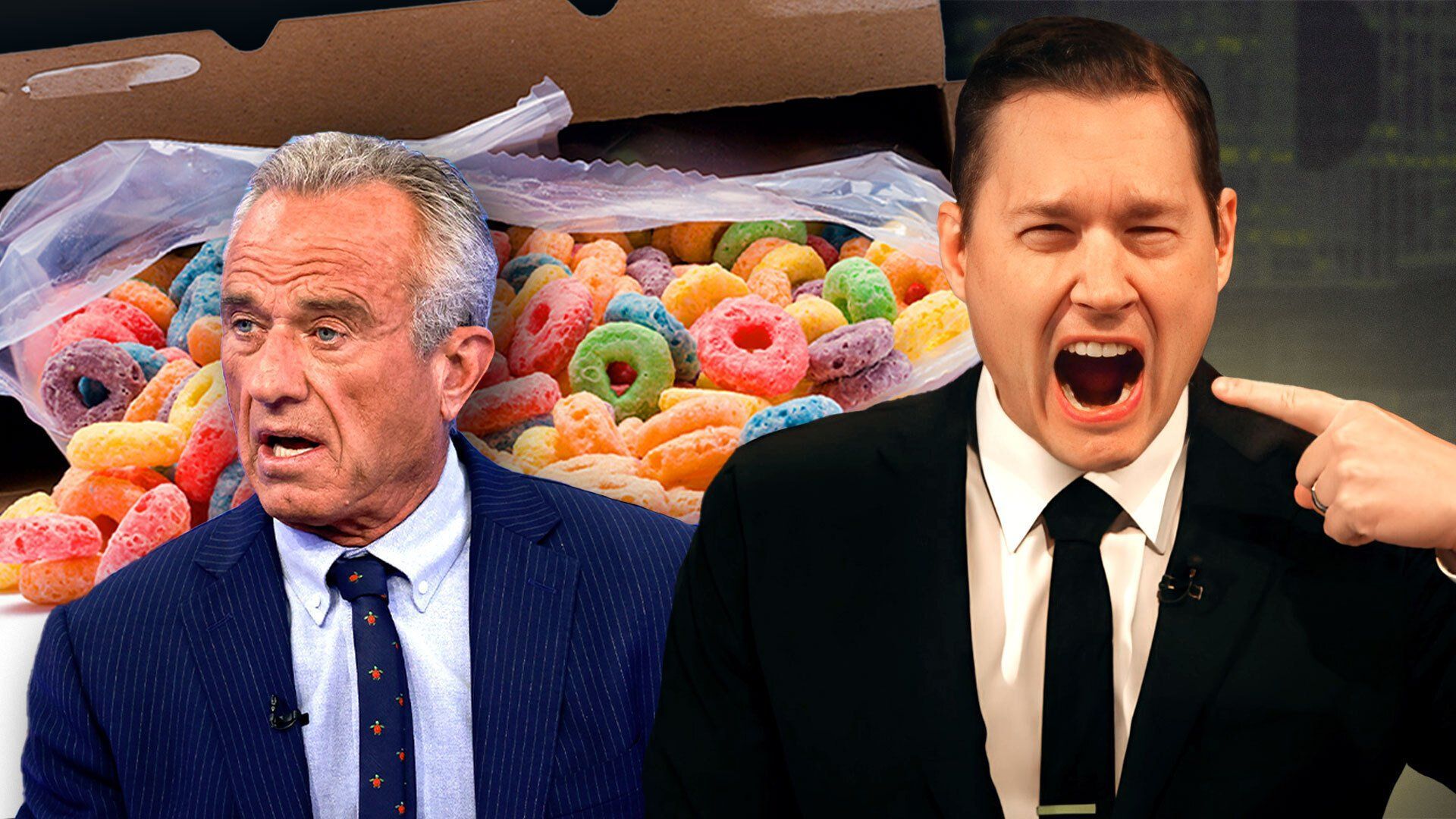
Kraft Heinz, General Mills Join List Of Companies Removing Artificial Dyes From Their Products Amid MAHA Efforts

Kennedy has argued that the removal of artificial coloring is a crucial step in improving the health of American children.
YOU are in charge of your health— NOT the government


The “Make America Healthy Again” spin on Trump’s original slogan has undoubtedly stolen the hearts of health-minded Americans everywhere, but Stu Burguiere of “Stu Does America” isn’t completely sold.

“I think most people really like that idea,” he says. “We are going down a road, we’re not necessarily the healthiest people. Obesity is through the roof. There are a lot of long-term diseases out there. And so you have to kind of look at this and say, ‘Well, you know, how can we solve these problems?’”

Burguiere, who admits that he has just eaten Cheez-Its himself and gave his son Welch’s fruit snacks, doesn’t believe he’ll “make it in the ‘Make America Healthy Again’ world.”

“I can’t survive in that world, I have too much processed food,” he says, noting that healthy food isn’t the only thing RFK Jr. would be overseeing. “There are a lot of really important decisions being made by the HHS secretary as it relates to something like abortion.”


“If you’re a pro-life person, a lot of those funding decisions, the ease of being able to get chemical abortion pills mailed to you, those are all decisions that were at the HHS level. When Donald Trump was president the first time, he made decisions to restrict those efforts for abortion. Will RFK Jr. do the same thing?” Burguiere asks.

RFK Jr. has also critiqued products like Banana Boat sunscreen for children, which Burguiere isn’t quite on board with either.

“I’m going to go out on a limb here and say you should put sunscreen on your kids when they’re out in the sun. That’s just my opinion. Again, I might be out of the mainstream now,” he explains.

“So many people live in a constant state of fear trying to avoid every ingredient,” he continues. “Relax, live a little, enjoy your life. Indulge occasionally, like on Thanksgiving. Outside of really limited exceptions like allergies, you’re a pretty resilient creature. You can eat fun things and you can be perfectly fine.”

“I’m a conservative. I want smaller government. I don’t want Michael Bloomberg telling me what size soda I can drink, I don’t want Michelle Obama telling me when to move, and I don’t want RFK Jr. micromanaging my micronutrients,” he adds.

Want more from Stu?

To enjoy more of Stu's lethal wit, wisdom, and mockery, subscribe to BlazeTV — the largest multi-platform network of voices who love America, defend the Constitution, and live the American dream.

Is MrBeast's 'healthy' Lunchly just the same old slop?


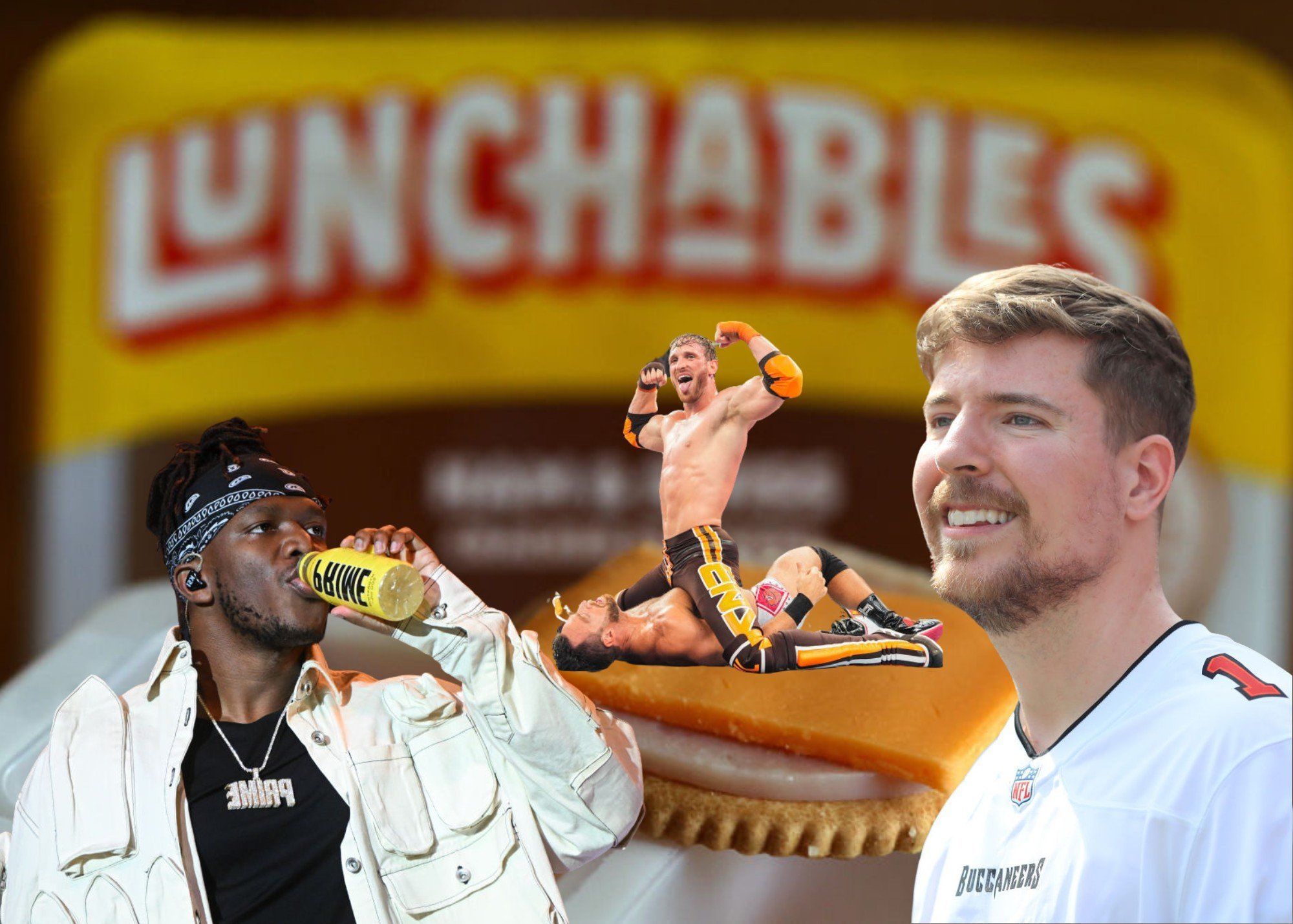
Influencers MrBeast, Logan Paul, and KSI aim to dominate the lunchroom with their new brand, Lunchly — which they say offers “healthier” fare than Oscar Mayer’s snack-time superstar Lunchables.

Some nutrition experts, however, say they’re full of it.

'This crap is not what kids need. The ingredients are nothing but sugar, seed oils, processed grains, and chemicals.'

Lunchly’s lunch kits combine MrBeast’s Feastables chocolate bars and Logan Paul and KSI’s Prime hydration drink along with pizza, nachos, or turkey and cheese cracker stacks for what the brand describes as “reimagined lunchtime fuel.”

Dubious claims

A visit to the Lunchly website shows a side-by-side comparison of the Lunchly products with the Lunchables version. Each Lunchly product contains less sugar, fewer calories, and additional electrolytes when measured against the competitor, seemingly supporting claims that the lunches are a healthier option for kids.

But according to health and nutrition advocate Calley Means, these numbers just mean Lunchly is pushing a smaller dose of poison.

“This crap is not what kids need,” the author and speaker posted on X. “The ingredients are nothing but sugar, seed oils, processed grains, and chemicals. There's a childhood chronic disease crisis. We have allies ready to work with you at any time on healthier options.”

Fellow wellness influencer Christopher McIlvaine, better known on social media as Cooking with Chris, was even more blunt: “Please don’t let your kids eat this,” he posted.

Sugar bomb

Align asked leading childhood nutrition researcher Dr. Michael Goran to give his take on the Lunchly lunches.

“I’m not going to have great things to say about this,” said Goran immediately after looking at the ingredients and nutrition label for “The Pizza” Lunchly. “It’s not something I would give my kids.”

Goran’s first critique was the added sugar in almost every component of the meal. He said items like pizza sauce did not need added sugar, and there are plenty of pizza sauces without them on the market. In place of a chocolate bar with added sugars, Goran recommends a whole fruit or unsweetened yogurt.

Moving to the Prime electrolyte drink, Goran called it "a bit of a mess,” noting that he advises against kids consuming alternative sweeteners such as the sucralose found in Prime. Instead, he offers water or sparkling water as a healthier option.

Brain drain

“Kids are particularly susceptible to added sugars, not just for the obvious effects like body weight or long-term risk for diabetes, but also for memory, concentration, ability to learn,” said Goran.

He elaborated that studies show energy spikes and dips from added sugars, making it difficult for kids to make it through the school day without feeling exhausted. Alternative sweeteners like sucralose show similar impacts on energy. Goran also noted that some oils in the ingredient list cause inflammation.

“I don't think there'd be many moms out there who would want to give these products to their kids,” concluded Goran, while acknowledging that many parents could be deceived by Lunchly’s dubious health claims.

“I think there's a problem because kids generally aren't taught nutrition in school. So there's this big mismatch,” said Dr. Goran.

Nutrition 101

This information gap is one of the reasons Dr. Goran wrote the book “Sugarproof,” which reveals the dangers of sugar to children’s health and teaches parents what to do about it. He hopes the book helps bridge the gap between nutrition research and parents’ understanding.

To make the information in his book more available, Dr. Goran has started hosting workshops and giving presentations at parent meetings. He is also looking into making a school-based program to teach about sugar consumption and nutrition.

As for influencers like the Lunchly trio, Goran said he’d like to see them use their reach more thoughtfully. “[They have the] potential to have a huge positive influence on future health and nutritional development and nutritional IQ of kids. Marketing these kinds of products is only going to make that worse.”

He also proposed “more guidelines and regulations on what can be marketed to kids nutritionally” as in other countries.

While Goran’s resident state of California will soon require school lunches to limit added sugars and other additives, products outside of school remain unregulated.

Adding that Lunchly kits did not look any better than school cafeteria meals, Dr. Goran said he would be happy to talk to the creators and help them with a redesign.

Ultimately, said Goran, parents rather than influencers and nutritionists have the final say. If you don’t think these lunches are healthy for your kids, don’t buy them, even if they ask. Your dollars influence the product marketplace. If creators keep expecting to profit off ultra-processed food like Lunchly, it’s only because consumers have yet to prove them wrong.