Where evil tried to win: How a Utah revival turned atrocity into interfaith miracle


Intense feuds over theological differences between traditional Christians (Protestants, Catholics, and Orthodox) and members of the Church of Jesus Christ of Latter-day Saints date back to 1830, immediately after Latter-day Saints founder Joseph Smith launched his church.

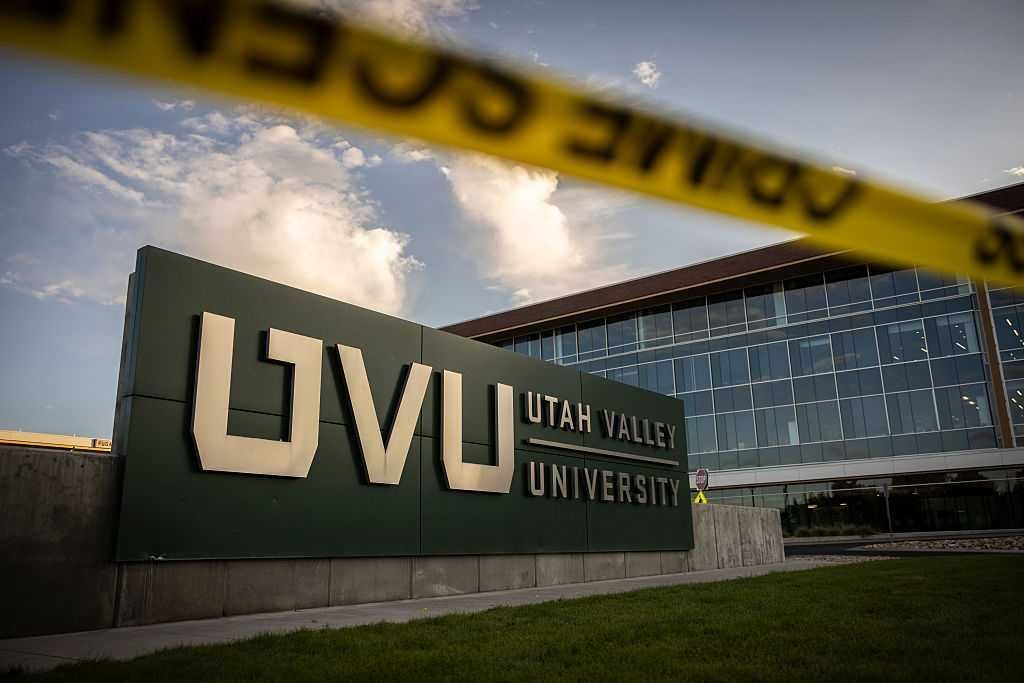
After nearly 200 years of strife, that fierce debate transformed into an unprecedented, inspiring moment of interfaith healing on Sunday night at Utah Valley University — a predominantly Latter-day Saints campus and the largest university in the state — where prominent evangelical Protestant Pastor Greg Laurie hosted a revival event called “Hope for America.”

'We’re going to go to that place of darkness, and we’re going to turn on the radiant light of Jesus Christ and proclaim the gospel that Charlie believed.'

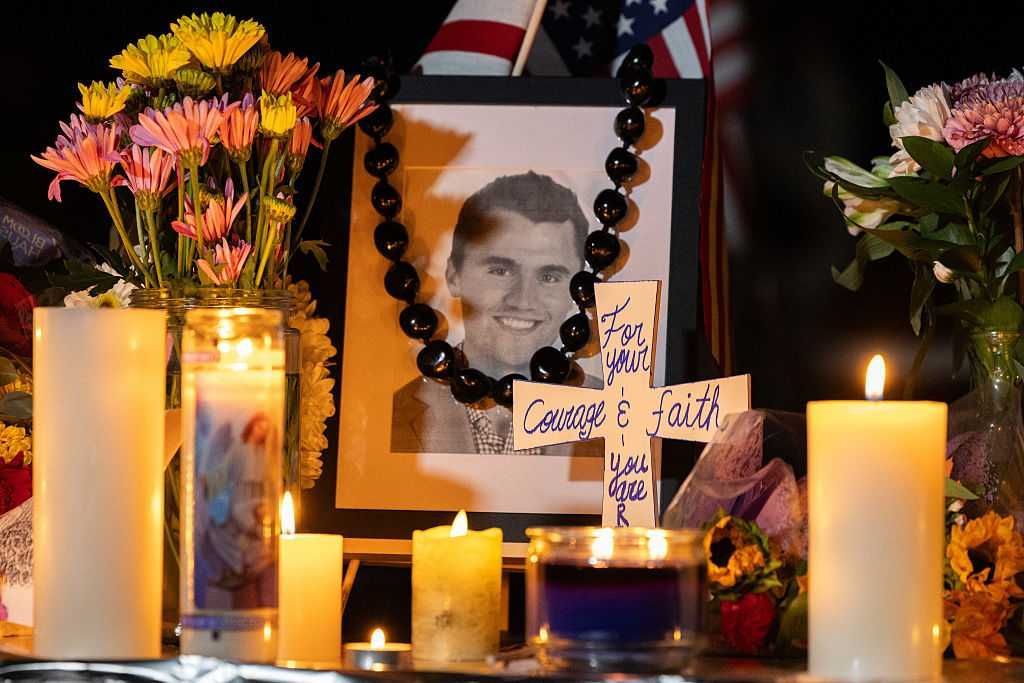
Organizers created the event to rebuild spirits at the site of Charlie Kirk’s assassination in September. Students and faculty felt distraught after the trauma of Kirk’s murder, which happened in broad daylight, shortly after students returned to campus from summer break.

Kirk — a prominent conservative activist, confidant of President Trump, and founder of Turning Point USA — was brutally gunned down, allegedly by a deranged gunman from southern Utah, while Kirk spoke outdoors near the UVU student services building.

For many Americans, the first time they had heard of UVU was for this infamous, gut-wrenching reason.

"We’re going to go to that place of darkness, and we’re going to turn on the radiant light of Jesus Christ and proclaim the gospel that Charlie believed," Laurie said in a press statement announcing the exciting gathering, organized with just six weeks' prep time for an event that typically takes six months.

RELATED: Why the Bible is suddenly flying off shelves across America
Chet Strange/Getty Images

Laurie, 72, is the founder of Harvest churches in California and Hawaii and of Harvest Crusades. A prolific evangelist who fills up stadiums around the world in massive Billy Graham-style revival events, Laurie is a best-selling author and movie producer. His 2023 film "Jesus Revolution" tells the story of his conversion away from the drug-infused culture of 1970s California.

Laurie planned to come to Utah in 2027, but Kirk’s assassination sped up the timeline to offer a timely balm to the community. He was also co-hosted by pastors from more than 100 local Protestant churches who helped promote the gathering. Tickets were free, all quickly snapped up by attendees for the 8,500-seat UCCU Center, the basketball arena on campus. Laurie said there were an additional 67 overflow sites in the area to watch. The revival featured music from renowned Protestant Christian artists Chris Thomlin and Phil Wickham.

UVU president Astrid Tuminez said 70% of UVU's students identify as Latter-day Saints, according to Courtney Tanner at the Salt Lake Tribune. Utah Valley has the highest concentration of practicing Latter-day Saints in the world.

I grew up in the Latter-day Saints tradition, and my ancestors worked with Smith and other early pioneer leaders like Brigham Young. As a child, I attended an elementary school down the road from UVU. Back then, it was the much smaller Utah Valley Community College.

As I share in my memoir, "Motorhome Prophecies," released last year, at that school we had only one non-LDS student in my class (a Catholic). I felt suspicious of her and afraid to attend her birthday slumber party.

But such is the suspicion of many who grow up in the majority of any dominant culture against the minority.

I stopped practicing the Latter-day Saints faith after my Brigham Young University graduation in 2005 at age 22. I later formally resigned from the Latter-day Saints organization in 2010 and got baptized as a Protestant, eight years ago this Dec. 3.

'You meant it for evil; God meant it for good.'

So I am thrilled to see these bridges being built in real time. This type of unity ripened years prior under the leadership of the late Latter-day Saints leader Russell Nelson, who passed away in late September.

Laurie asked me to help him workshop his remarks prior to delivery. I was honored to provide whatever insight I could in hopes of serving Laurie’s profound desire to share the message of Christ’s redemption for all mankind.

“Why did Charlie Kirk die in such a tragic way, only a short distance from where we are right now?” Laurie wrote in his remarks. "I do not know the answer to that question, but I know Charlie is in heaven. But this event tonight would not be happening if not for that horrific event.”

Indeed, life’s most wrenching crucibles can propel us to our greatest moments of growth and freedom. In his remarks, Laurie also quoted from the book of Genesis: “But Joseph said to them, ' ... you meant evil against me, but God meant it for good.'"

“This your moment. Don’t wait for a tragedy. Don’t scroll past this one more time. Come to the Father, tonight!” Laurie said.

It’s miraculous to see how evangelicals and Latter-day Saints — groups with such a long history of heated disagreements — came together to unite in service of healing in God’s name.

My prayer is that Hope for America is just the first in a long series of interfaith reconciliation gatherings among Latter-day Saints, Protestants, and Catholics that will cultivate shared bonds among people of faith — all children of our heavenly Father.

Why Gen Z is rebelling against leftist lies — and turning to Jesus


Picture it: 8,000 college students packed into an arena. Not to watch basketball but baptisms. Hundreds stepped into portable tanks while their friends cheered, with 500 professing faith in Christ that night alone.

This scene unfolded recently at the University of Tennessee, a major state university. It wasn’t an isolated incident. The Unite US revival movement, which began at Auburn University two years ago, has now spread to more than 20 college campuses nationwide.

The problem with building your worldview on sand is that eventually people notice that they’re sinking.

Here’s what’s happening: For decades, secular progressives positioned themselves as countercultural rebels against the oppressive Christian tradition. But they overplayed their hand. They became the establishment.

The result? Young people are now rebelling against them by turning to Jesus Christ in record numbers.

Since Charlie Kirk’s assassination on Sept. 10, churches report attendance increases of 15% and campus ministries are seeing even higher numbers. Bible sales in 2025 have surged past 10 million copies, already over a million more than last year.

The establishment's overreach

The secular left didn’t just ask for “tolerance” of its beliefs — leftists demanded total capitulation. Over the past six decades, they captured universities, media, entertainment, corporations, and government agencies, then wielded these institutions like weapons.

They told young men their masculinity was toxic. They told young women that marriage and motherhood were a trap. They flooded schools with gender ideology and characterized objecting parents as “domestic terrorists.” University DEI offices became enforcement arms for ideological conformity. During COVID, they locked down churches while keeping abortion clinics and strip clubs open. They promised liberation and delivered loneliness, anxiety, and existential despair. Then they called Christianity oppressive.

The problem with building your worldview on sand is that eventually people notice that they’re sinking.

Scripture tells us that God has written His law on every human heart (Romans 2:15). You can suppress that truth, but you cannot erase it. When a generation has been fed nothing but lies dressed as progress, the hunger for truth becomes overwhelming.

Why young men are leading

Research from Pew shows that for decades, each age cohort was less Christian than the one before it. But that trend has stopped with Gen Z. Americans born in the 2000s are just as Christian as those born in the 1990s, the first generation in decades not to show further decline.

Even more striking: Gen Z men now attend weekly religious services more often than Millennials and younger Gen Xers. The gender gap in religious participation has closed, with young men flooding back even as some young women leave.

The secular progressive vision has been particularly hostile to biblical masculinity. Men were told that their natural inclinations toward strength, protection, and leadership were “toxic,” that the desire to work hard and keep your feelings private promoted aggression toward women and the vulnerable, that embracing traditional marriage roles reinforced gender power imbalances and made society less safe.

Kirk recognized that men who fear God more than they fear man build the foundations of civilization.

By contrast, the church doesn’t tell young men that they’re inherently evil. Instead, it calls them to be servant leaders after the pattern of Christ, to lay down their lives as He laid down His for the Church (Ephesians 5:25), and to be strong and courageous in the face of evil (Joshua 1:9).

Scripture has always offered a vision of masculinity that is both strong and sacrificial. When a generation of young men have been told they’re “toxic” simply for being masculine, the gospel’s call to biblical manhood becomes irresistibly attractive.

Charlie Kirk understood this. He often told young men: “Get married. Have children. Build a legacy. Pass down your values. Pursue the eternal. Seek true joy.”

Kirk recognized that men who fear God more than they fear man build the foundations of civilization.

His assassination, meant to silence a voice calling people back to faith and family, had the opposite effect. As one pastor noted, “Charlie Kirk started a political movement, but he ended it as a Christian movement.”

His memorial, attended by 100,000 and viewed by millions, became a gospel proclamation. Young people decided they wanted what Kirk had found: purpose, meaning, and hope anchored in Jesus Christ.

Expect a backlash

Amid all this good news, Christians should never underestimate the resistance that will come from the cultural elites.

Expect increased persecution on campuses. Institutions that previously celebrated every sexual deviation will now express concern about “cultlike behavior” when students undergo baptism. University administrators, who previously ignored the Black Lives Matter riots, will now seek to restrict Christian gatherings. Media outlets that praised “mostly peaceful protests” will warn about the dangers of “religious fervor.”

That’s because spiritual warfare is afoot, and the enemy knows what’s at stake. When young people turn to Christ, they don’t just become saved, they also become transformed. They get married, have children, and raise the next generation in biblical truth. Civilizational renewal begins with revival.

True revival or cultural moment?

It’s also crucial not to mistake enthusiasm for revival. True revival brings conviction of sin, genuine repentance, hunger for God Himself, and hearts transformed by the gospel, not just increased church attendance.

Time will tell whether these professions of faith endure. Jesus warned that many hear the word with initial enthusiasm but fall away when trials come (Matthew 13:1-23). We must pray that these young believers sink roots deep into scripture and persevere.

But we should also recognize what God may be doing. When thousands pack arenas across multiple campuses to worship Christ, that’s not normal in modern America. As Paul wrote, “What does it matter? Only that in every way, whether from false motives or true, Christ is proclaimed, and in this I rejoice” (Philippians 1:18).

RELATED: Charlie Kirk's legacy exposes a corrosive lie — and now it's time to choose

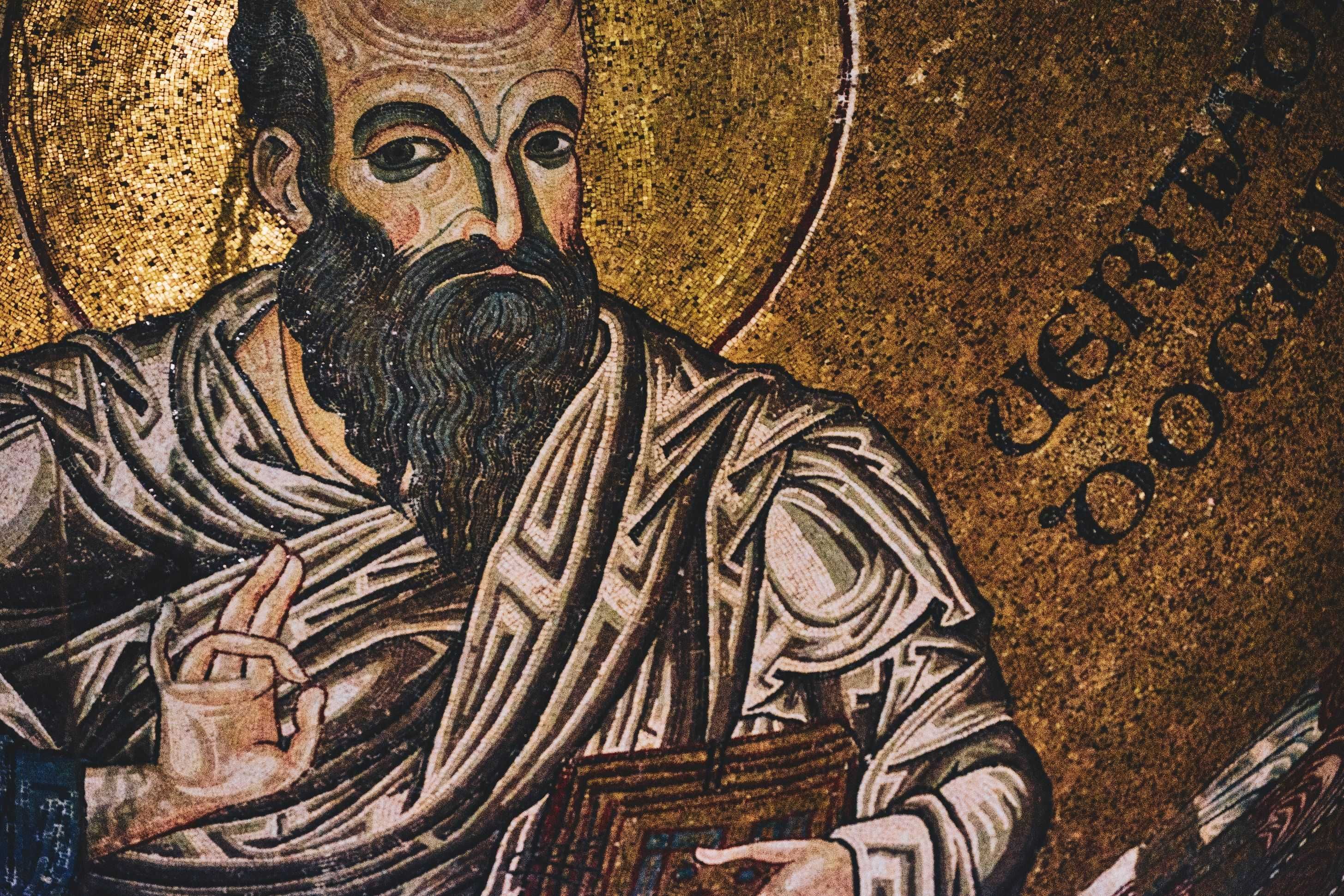
The apostle Paul. Wirestock/iStock/Getty Images Plus
This isn’t just about individual souls, though. It’s about Western civilization itself. Strong families produce stable societies. If this revival takes root, we’ll see the reversal of family collapse, demographic decline, and cultural decay.

The secular left knows this. Leftists built their project on the destruction of the family, the confusion of gender, and the rejection of biblical authority.

Every young person who turns to Christ, gets married, and raises godly children is a defeat for their vision. Every young man who embraces biblical masculinity is a threat to their power. Every young woman who chooses motherhood over careerism is a rebellion against their ideology.

The gospel offers what secular humanism never could: forgiveness through Christ’s sacrifice, transformation through the Holy Spirit, adoption into God’s family, and a purpose that echoes into eternity.

Most importantly, it offers Jesus Himself: the way, the truth, and the life (John 14:6). Not a system of self-improvement or a political ideology, but a Savior and friend who loved us enough to die for us and who conquered death and rose again.

What we must do now

At key points, there is always a moment when God’s mercy is clearly apparent. This is one of those moments, and Christians must seize on it and fan the flames.

How? Take the following steps:

  1. Preach the full gospel: Not a therapeutic version that makes Jesus your life coach but the biblical truth that we are sinners under God’s just wrath, that Christ died in our place, that He rose conquering death, and that all who repent and believe in Him will be saved.
  2. Live lives that reflect what we proclaim: Young people are watching. If we want this generation to take Christianity seriously, they need to see Christians who love faithfully, raise children in the Lord, and stand for truth — even when it costs them.
  3. Disciple intentionally: It’s not enough for young people to make a profession at a revival event. They need scripture, mentorship, and biblical thinking for every area of life. This is the Great Commission: Make disciples, not just converts (Matthew 28:19-20).

Finally, if you’re a student reading this, recognize that your campus could be next for real revival. How can you help advance it? Start a regular prayer meeting. Invite your skeptical friends to church. Be bold when professors mock Christianity. Defend biblical truth.

You’ve been trained for this moment. Now step into it.

The victory is already won

The gates of hell will not prevail against Christ’s church (Matthew 16:18). We don’t fight for victory — we fight from victory.

The secular left’s project was always doomed because it was built on lies — and lies cannot ultimately triumph over truth Himself. The same God who sparked the Great Awakening, who raised up Luther to reform His church, who turned the persecutor Saul into the apostle Paul is still at work today.

The question isn’t whether God will prevail. That’s already settled. The question is whether we’ll have the courage to stand with Him while He does.

If He chooses to use the overreach of secular progressives and the hunger of a desperate generation to turn society back to Him, that’s precisely how God works. He uses the wrath of man to praise Him (Psalm 76:10). He takes what enemies meant for evil and works it for good (Genesis 50:20).

So let the secularists tighten their grip on their failing institutions. Every act of overreach, every attempt to silence the gospel only makes Christianity’s countercultural appeal stronger.

They made rebellion against God the establishment position. Now, young people are rebelling by turning back to Him.

The age of comfortable, culturally acceptable Christianity is over. What’s rising in its place is something far more dangerous to the powers of this world: a generation that has counted the cost and chosen Christ anyway. A generation that knows following Jesus might cost them jobs, friends, and status and has decided He’s worth it.

This is how reformation begins. This is how revival spreads. This is how civilizations are rebuilt from the rubble of failed ideologies.

The question isn’t whether God will prevail. That’s already settled. The question is whether we’ll have the courage to stand with Him while He does.

The revolution has already begun. The only question left is: Which side of history will you be on?

This article is adapted from an essay originally published at Liberty University's Standing for Freedom Center.

Young people are FLOCKING to the Catholic Church — here’s why


According to several recent reports, including one from the National Catholic Register, we’ve seen a huge surge in Catholic conversions — especially among younger generations. A recent New York Post article highlighted the “growing number of young people turning to the Catholic Church from other denominations, religions and even no faith at all.”

What’s behind this sudden flocking to Catholicism?

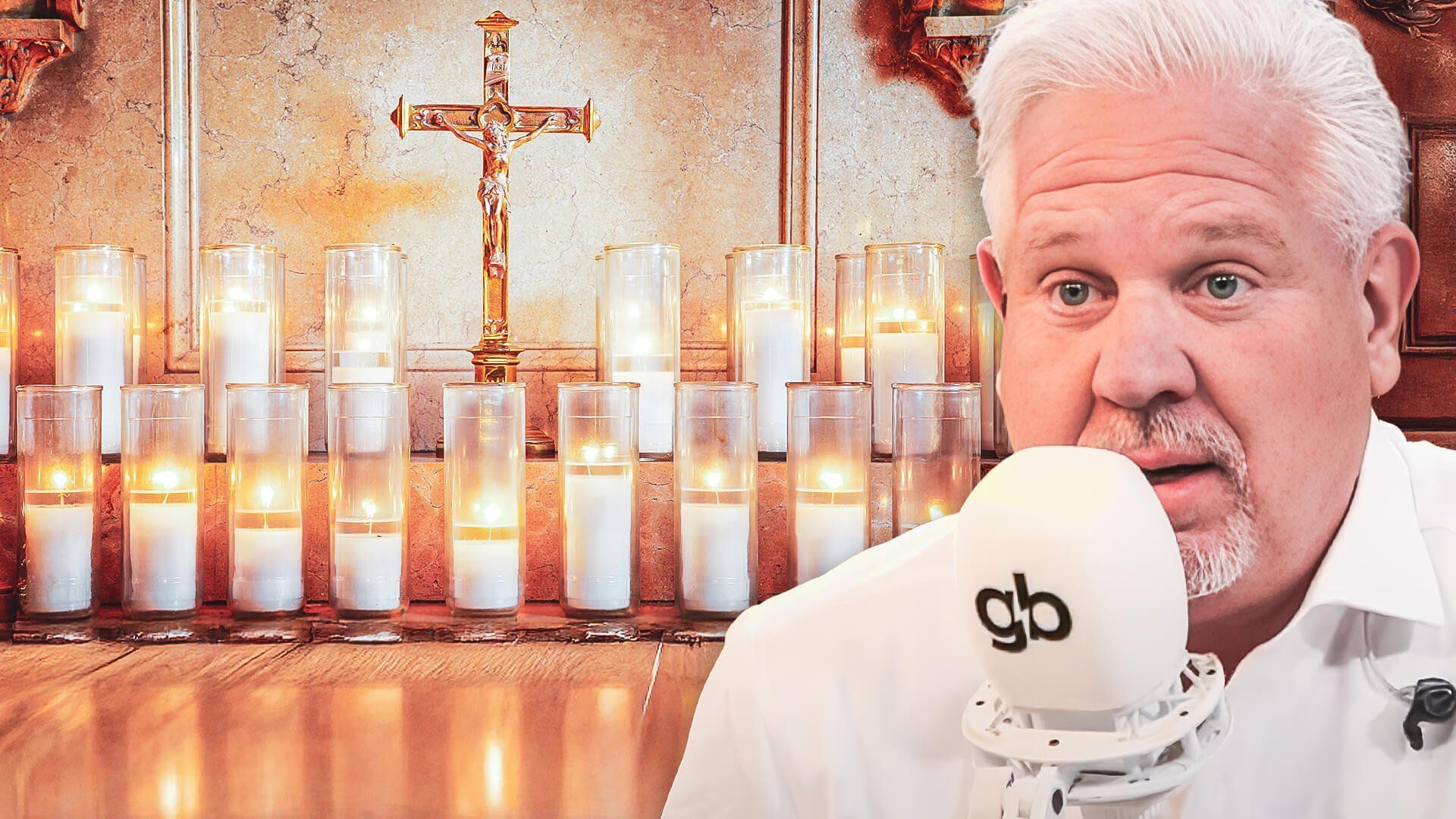
Glenn Beck says that people are drawn to Catholic rituals because they offer order and meaning in this era of progressive chaos.

He reflects on Michelle Obama’s infamous 2008 speech, during which she claimed that “we are going to have to change our conversation; we’re going to have to change our traditions, our history.”

A decade and a half later, and it’s clear that uprooting tradition results in division, displacement, and disorder.

Tradition, Glenn explains, is “deeply human” and serves to “mark moments that matter in our lives” and “helps organize things in our mind.”

Catholicism, which is predicated on tradition, can restore the emptiness our current culture has adopted.

“Rituals in Catholicism — the Eucharist or the confession — elevate this instinct, this need to the sacred, so it’s not just a routine; it is a bridge to meaning,” says Glenn. “That matters because when you have meaning and there's a storm in your life, it gives structure so it doesn't feel like the storm is just going to wipe you out entirely.”

Modern worship doesn’t seem to offer the same stability as traditional worship. The Post article notes that “Gen Z crave clarity and certainty” and are therefore “rejecting lax alternatives of modern worship.”

“Why? Because modern worship tells you you can believe anything; there are no real rules,” says Glenn.

The problem is, that kind of progressive doctrine lacks substance, which is what the human soul is designed to thirst for. Ritual and tradition can offer a solution because they “build communities — like a congregation singing together in unison or a neighborhood block party,” says Glenn.

“We now live in a world of screen and rush,” he explains. But rituals and traditions “will slow you down, make you present in the moment.”

“They're not about rules; they're all about meaning if you do it right. This isn't about recognizing one faith over another. This is about recognizing what rituals do for us.”

To hear more of Glenn’s analysis, watch the clip above.

Want more from Glenn Beck?

To enjoy more of Glenn’s masterful storytelling, thought-provoking analysis, and uncanny ability to make sense of the chaos, subscribe to BlazeTV — the largest multi-platform network of voices who love America, defend the Constitution, and live the American dream.