If SCOTUS Upholds ‘Birthright Citizenship,’ It Will Do So At Its Own Peril

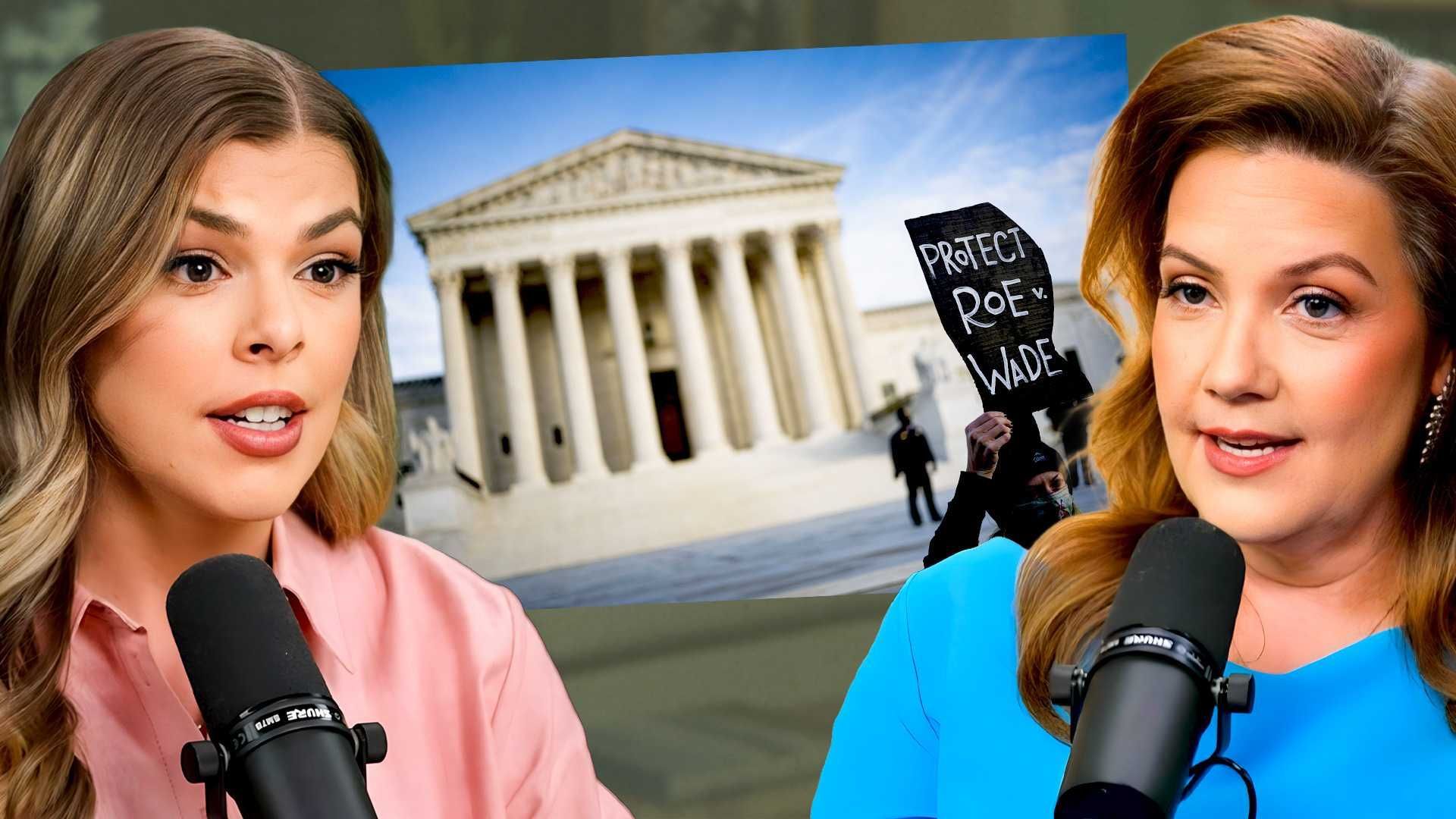
The U.S. Supreme Court heard oral arguments Wednesday on the Trump administration’s challenge to the decades-long practice of interpreting the 14th Amendment to allow foreigners to obtain American citizenship simply by being born within the boundaries of the country. If the Supreme Court rules in favor of this view, allowing any foreigner circumstantially (or intentionally) […]
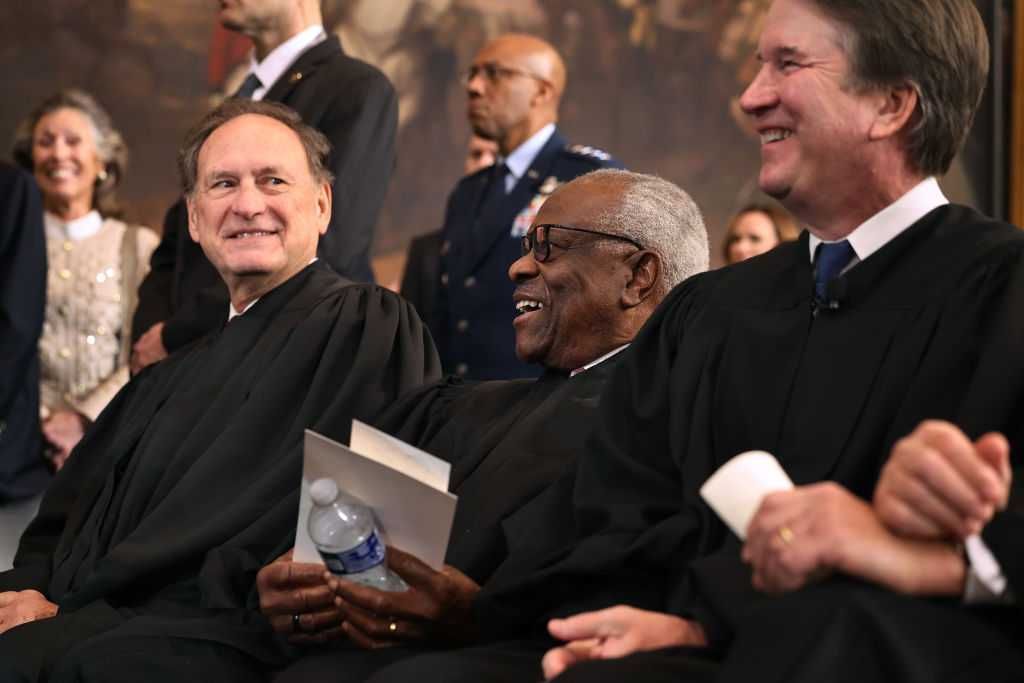
Trump should not fill Alito’s seat with a ‘meh’ in robes


At the beginning of the year, one of my crystal-ball predictions for 2026 was that Samuel Alito and/or Clarence Thomas would retire so President Trump could replace them before the midterms.

Recent reporting suggests that prediction may prove correct, especially with speculation that Alito is considering stepping down. So I checked with some sources to see which names are circulating as possible replacements.

Why should our side ever put a judge on the Supreme Court who sides with the left on the sanctity of life for any reason?

The reality is Alito is not easily replaced. He has been one of the best Supreme Court justices of this century. His successor cannot be some C-plus or B-minus judge with a fuzzy record and a habit of folding at the wrong moment. The stakes are too high.

That is why one name worries me: Judge Andrew Oldham.

Trump already passed on Oldham for the Supreme Court in 2020 and for good reason. What remains of our constitutional republic does not have time for a “meh” nominee.

Oldham, a former general counsel to Texas Gov. Greg Abbott (R), now serves on the 5th U.S. Circuit Court of Appeals. A quick look at his record shows a pattern that should alarm anyone hoping for another Alito.

Let’s start with life.

Alito authored the phenomenal majority opinion in Dobbs v. Jackson, which overturned Roe v. Wade, one of the most wicked decisions in American history. Oldham’s record points the other way. In 2000, Bill Clinton’s FDA treated pregnancy as an “illness” to justify accelerated approval of abortion drugs as the supposed “cure.” Years later, a Trump-appointed district judge rightly rejected that decision, and a Trump-appointed circuit judge backed him. Oldham, however, became the first circuit judge to side with the Clinton FDA’s position on procedural grounds.

The American Family Association called that decision “shockingly weak” at the time. The Supreme Court effectively vindicated that criticism in 2024 when it overturned Oldham by a 6-3 vote.

Why should our side ever put a judge on the Supreme Court who sides with the left on the sanctity of life for any reason?

The concerns do not stop there.

AFA, which tracks judicial nominations as well as any group on the right, has also described Oldham as “soft” on COVID shot mandates. He earned that reputation when he wrote an opinion saying schools need not require children to wear masks, not because masks do not work, but because schools could instead adopt other COVID policies involving vaccines, plexiglass, hand sanitizer, distancing, and more.

The opinion was so weak that no other judge joined it.

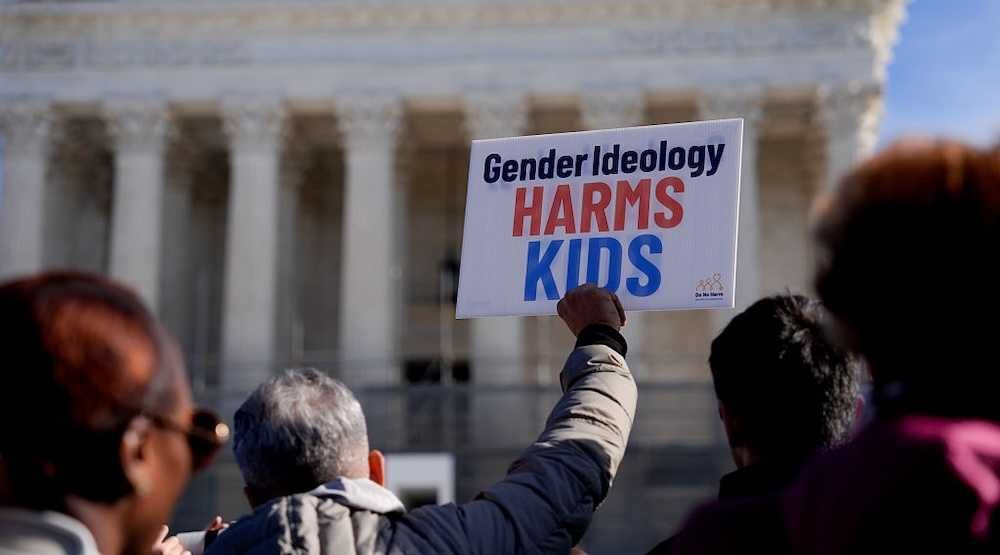
Then came gender ideology. Last year, my Blaze Media colleague Daniel Horowitz reported on Oldham siding against doctors and with the Biden administration’s edict that they must perform gender-transition procedures on children by refusing even to hear their challenge. Oldham had a chance to join a Trump-appointed judge who rejected Biden’s grotesque mandate. He passed.

His immigration record raises more red flags.

RELATED: Supreme Court sides with Catholic parents against California on student gender notification — for now

Photo by Kent Nishimura/Bloomberg via Getty Images

Oldham declined to back a Trump-appointed district judge who ruled against allowing illegal aliens to receive cheaper in-state college tuition than out-of-state Americans. That alone should have disqualified him from serious consideration.

Thankfully, Trump’s Justice Department sued last year to end that practice in Texas, where Oldham’s former client is governor. Once the Justice Department sued, Texas finally conceded the point. Now left-wing groups want the courts to restore that anti-American policy. And which legal precedent are they citing? Oldham’s.

You cannot make it up.

Nor was that his only immigration failure. Oldham also ruled against Abbott when the governor declared an invasion at the southern border two years ago. Does that sound like a judge ready to overturn Plyler v. Doe, the disastrous precedent that for illegal immigration serves much the same function Roe once served for abortion?

Now sensing that his moment may have arrived, Oldham appears to be trying to retcon himself as a reliably based jurist. Even Slate has noticed the pattern — the judicial equivalent of a comb-over meant to hide an obvious weakness. The result has been embarrassing. He now gets overturned with some regularity by one of the most right-leaning Supreme Courts in recent memory.

That tends to happen when ambition outruns conviction.

Oldham once lobbied Barack Obama to appoint Elizabeth Warren, of all people, to head the Consumer Financial Protection Bureau. Now he wants conservatives to view him as Alito’s natural heir. That kind of ideological shape-shifting should make everyone nervous. When a man’s career seems driven more by advancement than by principle, it becomes hard to know where he actually stands.

That was never a question with Alito.

Replacing a sure thing requires another sure thing. Oldham is not that. Maybe he has good explanations for parts of his record. But maybe Trump can do better.

This may be Trump’s last chance to appoint a Supreme Court justice. It would amount to a self-own of historic proportions for the most based president of modern times to replace Alito with someone appreciably weaker than a George W. Bush appointee turned out to be.

What To Know About SCOTUS’s Mirabelli Decision And How It Protects Parents And Kids

Mirabelli offers important signals regarding the state of our highest court, but its most important effect is making sure that vulnerable kids are not abandoned to the state.
Striking Down Tariffs, SCOTUS Gives Congress Permission To Be Useless

The judges let Congress off the hook, further incentivizing the legislature’s dereliction while effectively usurping power from the political branches of government.
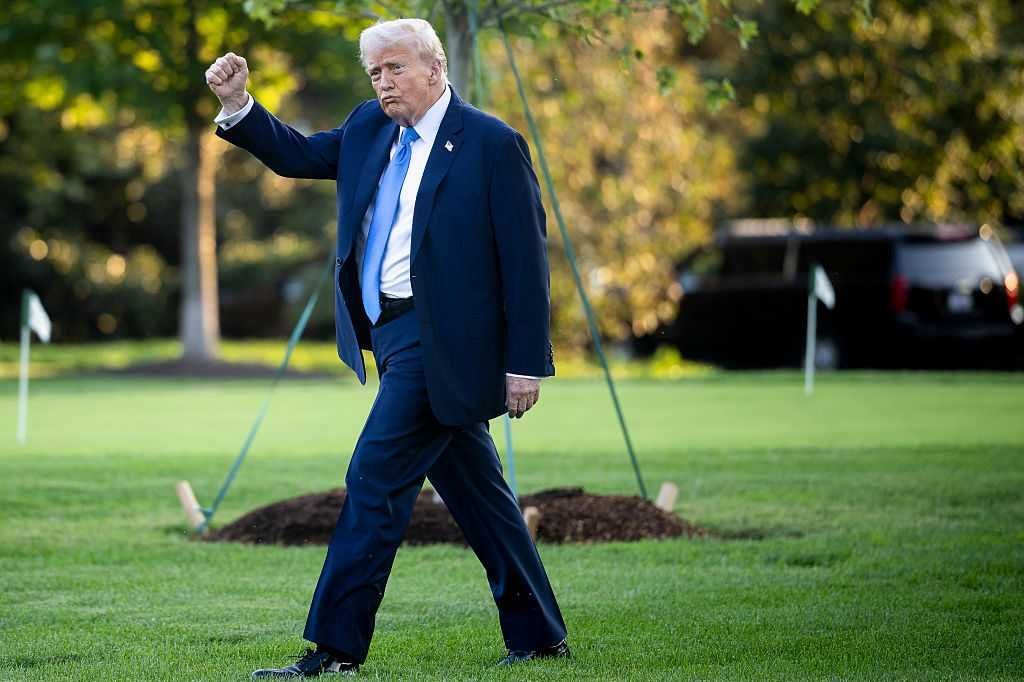
How the Supreme Court’s tariff split gives Trump an opening


On the question of President Trump’s emergency tariffs, the Supreme Court has spoken. In the court’s view, the International Emergency Economic Powers Act does not authorize the president to impose tariffs during a declared emergency, namely, the massive trade deficits that threaten our economic security.

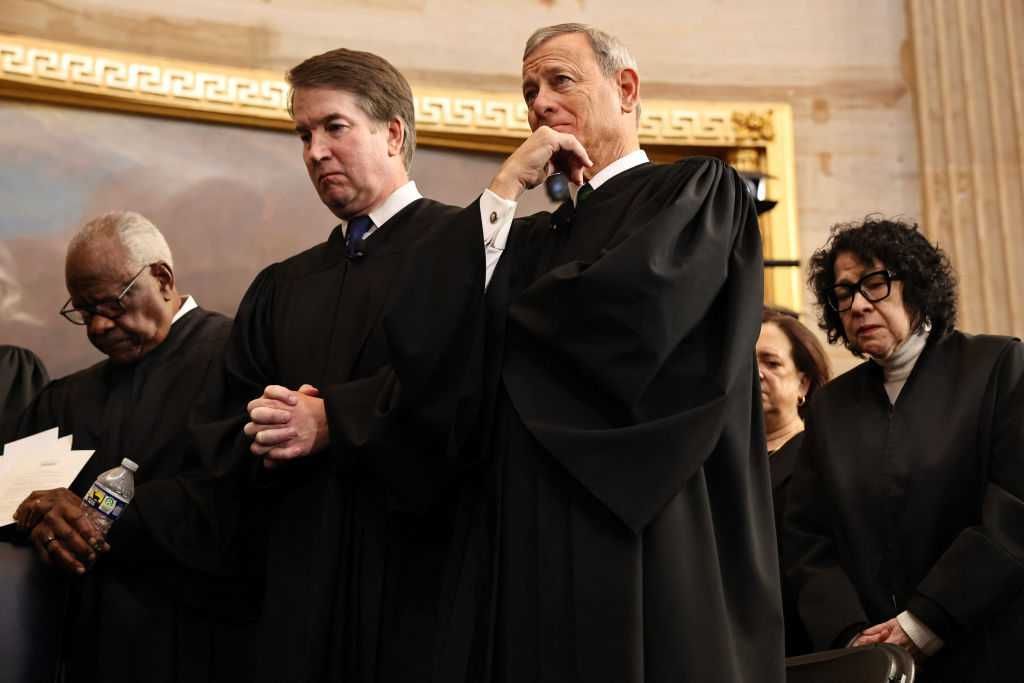
But the court’s decision in Learning Resources, Inc. v. Trumpwas highly fractured. Only three justices — Elena Kagan, Sonia Sotomayor, and Ketanji Brown Jackson — held that the law, under normal principles of statutory construction, does not give the president authority to impose tariffs.

A tariff wears two hats. It can function as a tax, but it can also operate as an instrument of foreign policy.

Justice Brett Kavanaugh’s dissent, joined by Clarence Thomas and Samuel Alito, quite persuasively demonstrates why that is not the case. As Justice Thomas noted in his separate dissent, the power to “regulate … importation” has throughout American history “been understood to include the authority to impose duties on imports.”

The other three justices who formed the majority — Chief Justice John Roberts and Justices Neil Gorsuch and Amy Coney Barrett — resorted to the major questions doctrine. This principle of statutory interpretation holds that Congress must speak with super clarity on issues of “economic and political significance” for the Court to approve a delegation to the executive.

The turn to the major questions doctrine implies that the statute, under normal principles of statutory construction, authorizes the president’s action, a point that Justice Gorsuch explicitly conceded in his concurring opinion.

But here’s the rub. The court has never previously applied the major questions doctrine in the foreign policy arena — and for good reason. Under Article II of the Constitution, the president has the core responsibility for foreign policy. Chief Justice Roberts acknowledged as much, stating in the part of his opinion that garnered only three votes that “as a general matter, the President of course enjoys some ‘independent constitutional power[s]’ over foreign affairs ‘even without congressional authorization.'”

That’s quite an understatement. The failure to recognize the full measure of that fundamentally important piece of constitutional law is the first fatal flaw in the chief justice’s opinion.

The key Supreme Court case on this point is United States v. Curtiss-Wright Export Corp. (1936), which Roberts does not mention. In that case, Justice George Sutherland, writing for a near-unanimous court, articulated the principled distinction between foreign and domestic powers: “In this vast external realm, with its important, complicated, delicate and manifold problems, the President alone has the power to speak or listen as a representative of the nation.”

Then, quoting John Marshall’s “great argument of March 7, 1800, in the House of Representatives,” Sutherland added, “The President is the sole organ of the nation in its external relations, and its sole representative with foreign nations.”

The main issue in the case was whether Congress could delegate to the president the authority to prohibit the sale of arms to either side in a war between Bolivia and Paraguay. But Sutherland did not rely solely on the act of Congress. He wrote:

It is important to bear in mind that we are here dealing not alone with an authority vested in the President by an exertion of legislative power, but with such an authority plus the very delicate, plenary and exclusive power of the President as the sole organ of the federal government in the field of international relations — a power which does not require as a basis for its exercise an act of Congress.

In other words, President Roosevelt had the power to ban the sale of arms even without the act of Congress at issue.

The same should be true in Learning Resources, Inc. v. Trump. Thomas’ dissenting opinion convincingly demonstrates why that is the case. While the chief justice claimed that Solicitor General D. John Sauer conceded that “the President enjoys no inherent authority to impose tariffs during peacetime,” that’s not exactly what Sauer said. Rather, he argued that the statute delegated such authority to the president. Under Curtiss-Wright, a claim of inherent authority over foreign policy should still be viable.

In the part of the Curtiss-Wright opinion I elided above, Sutherland noted that the president’s power over foreign affairs, “like every other governmental power, must be exercised in subordination to the applicable provisions of the Constitution.”

For Roberts, the fact that the taxing power is vested exclusively in Congress — and that any bill “for raising revenue” must originate in the House of Representatives — further confirmed that Congress had not delegated to the president any authority to impose tariffs. The point lands a bit oddly, given Roberts’ earlier willingness to treat Obamacare as a tax even though the bill originated in the Senate.

RELATED: ‘Even stronger’: President Trump optimistic even after SCOTUS strikes down tariffs

Photo by Chip Somodevilla/Getty Images

That move exposes the court’s second fatal flaw: a tariff wears two hats. It can function as a tax, but it can also operate as an instrument of foreign policy.

President Trump’s tariffs plainly fell into the latter category, even if they also happened to raise substantial revenue. This dual character is not unique to presidential tariffs; the Constitution itself recognizes it in a related provision. Article I, Section 10, Clause 2 provides that “No State shall, without the Consent of the Congress, lay any Imposts or Duties on Imports or Exports, except what may be absolutely necessary for executing its inspection Laws.”

That clause reflects the same two-hat reality. An impost or duty — akin to a tariff — can be a revenue measure, but it also can serve a regulatory end tied to a state’s police power. Congress’ exclusive authority to impose taxes under Article I, Section 8, does not erase the states’ limited ability to levy duties for a different purpose: enforcing inspection laws to protect health and safety.

So too with tariffs. The fact that duties and imposts fall within Congress’ taxing power does not negate the president’s authority to use tariffs as an instrument of foreign policy — a “plenary and exclusive” power that Curtiss-Wright describes as vested in the president as the nation’s “sole organ” in external affairs.

That distinction drives Thomas’ characteristically insightful dissent. He points, in effect, to a path by which the president may continue using tariffs while negotiating with and responding to foreign nations in his role as the sole organ of American foreign policy. Time will tell whether the court, if the president takes that route, will remain faithful to its landmark Curtiss-Wright precedent. It should.

Editor’s note: A version of this article appeared originally at the American Mind.

'Even stronger': President Trump optimistic even after SCOTUS strikes down tariffs


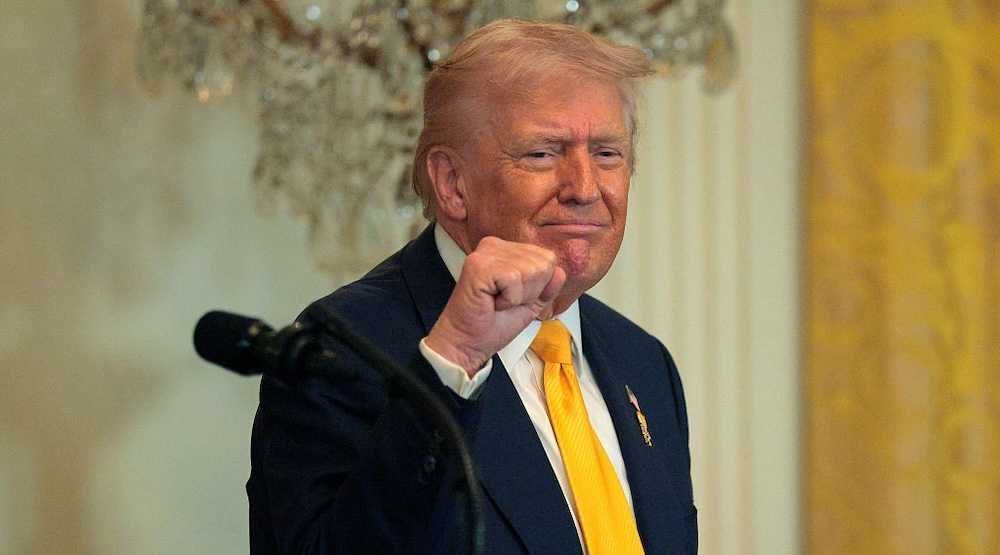
Mere hours after the Supreme Court handed down its decision on Trump's tariffs under the authority of the International Emergency Economic Powers Act, President Trump responded with a lengthy Truth Social post. Though the court ruled against him, Trump was not nearly as angry with the decision as might be expected.

On Friday afternoon, President Trump posted an unexpectedly optimistic message in the wake of SCOTUS' decision. Trump's layered response, which echoed very closely his live reaction in a press conference, spilled into two separate posts.

'Today I will sign an Order to impose a 10% GLOBAL TARIFF, under Section 122, over and above our normal TARIFFS already being charged.'

Trump began by praising the "Strength, Wisdom, and Love of our Country" exhibited by dissenting Justices Clarence Thomas, Samuel Alito, and Brett Kavanaugh before attacking those in the majority:

"The Democrats on the Court are thrilled, but they will automatically vote 'NO' against ANYTHING that makes America Strong and Healthy Again. They, also, are a Disgrace to our Nation. Others think they’re being 'politically correct,' which has happened before, far too often, with certain Members of this Court when, in fact, they’re just FOOLS and 'LAPDOGS' for the RINOS and Radical Left Democrats and, not that this should have anything to do with it, very unpatriotic, and disloyal to the Constitution."

RELATED: Trump finally gets his answer on legality of tariffs in new SCOTUS decision

Trump then suggested that the court "has been swayed by foreign interests" who are "dancing in the streets" as a result of the ruling.

However, Trump then said that the decision was largely a positive development because it clarified the president's authority under the IEEPA only, while leaving open several other avenues for imposing tariffs: "All of those TARIFFS remain, but other alternatives will now be used to replace the ones that the Court incorrectly rejected."

He drew from Justice Kavanaugh's dissenting opinion to illustrate the "different direction" that he will pursue, "which is even stronger than our original choice." As Trump noted, Kavanaugh wrote,

Although I firmly disagree with the Court's holding today, the decision might not substantially constrain a President's ability to order tariffs going forward. That is because numerous other federal statutes authorize the President to impose tariffs and might justify most (if not all) of the tariffs issued in this case. ... Those statutes include, for example, the Trade Expansion Act of 1962 (Section 232); the Trade Act of 1974 (Sections 122, 201, and 301); and the Tariff Act of 1930 (Section 338).

Trump omitted Kavanaugh's mention of "a few procedural steps" that may be required with these other avenues for tariffs that the IEEPA does not require.

Nearing the end of his post, Trump argued that the Supreme Court had unintentionally made the president's "ability to both regulate TRADE, and impost TARIFFS, more powerful and crystal clear, rather than less."

As a result, Trump issued several orders at the end of his post, indicating his intention to continue the tariffs, including a "10% GLOBAL TARIFF," under the existing statutory authorities cited earlier in the post:

"Therefore, effective immediately, all National Security TARIFFS, Section 232 and existing Section 301 TARIFFS, remain in place, and in full force and effect. Today I will sign an Order to impose a 10% GLOBAL TARIFF, under Section 122, over and above our normal TARIFFS already being charged, and we are also initiating several Section 301 and other Investigations to protect our Country from unfair Trading practices," Trump wrote.

Like Blaze News? Bypass the censors, sign up for our newsletters, and get stories like this direct to your inbox. Sign up here!

Here Are 10 Great Justice Scalia Quotes To Mark A Decade Since His Passing

Here are some of Justice Scalia's best moments in remembrance of the 10-year anniversary of his passing.

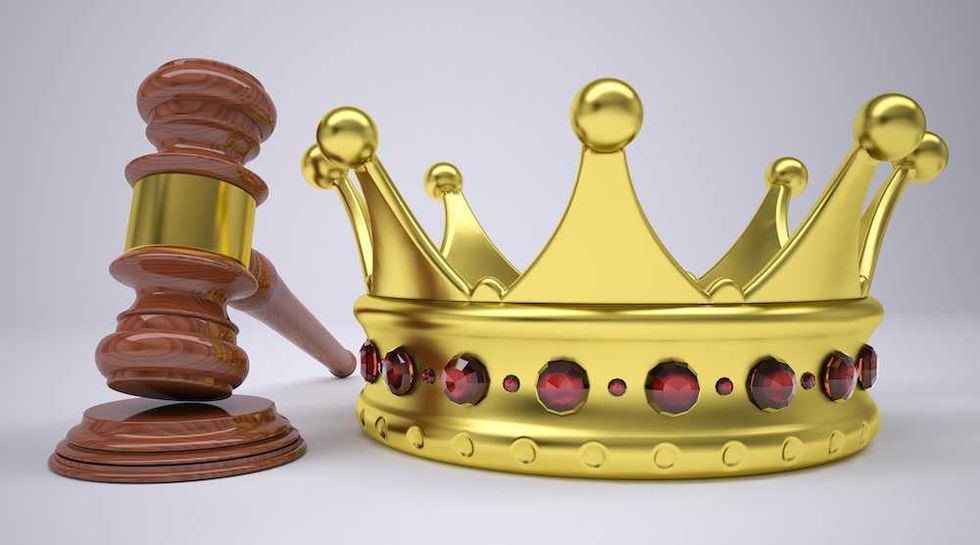
We escaped King George. Why do we bow to King Judge?


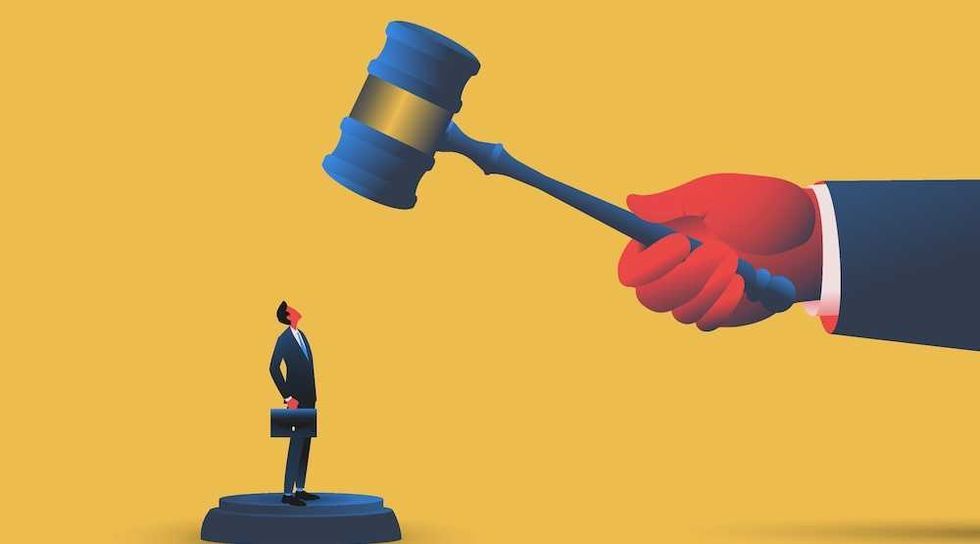
What do you call an official who claims the final say over the limits of his own power — and everyone else’s? Someone who can slap a “yes” on anything the elected branches do, or a “no” on anything they attempt, and treat his decree as the last word? That kind of power would have shocked America’s founders. In practice, it can exceed anything King George III exercised over the American colonies. Yet we keep granting it to federal judges by treating their overreach as binding even when Congress has said otherwise.

The founders worried most about the branches that wield force and money. The president commands the sword. Congress holds the purse. Both stand for election. Judges do not. Life tenure exists to protect judges while they decide cases, not to hand them an independent mandate to run the country. Judges possess no army and control no appropriations. Their influence depends on the political branches giving lawful effect to their rulings.

No individual right exists to use the courts as a substitute legislature to remain in the country. Judges cannot confer amnesty by injunction.

Those lawful bounds are not mysterious. Congress established the lower federal courts, and Congress defines their jurisdiction. Even the Supreme Court’s appellate jurisdiction is subject to congressional regulation. Article III, Section 2 makes it subject to “such Exceptions, and under such Regulations as the Congress shall make.”

Justice Clarence Thomas put it plainly in Patchak v. Zinke: “When Congress strips federal courts of jurisdiction, it exercises a valid legislative power no less than when it lays taxes, coins money, declares war, or invokes any other power that the Constitution grants it.”

Immigration offers the clearest test case because it sits at the heart of sovereignty. Over no issue do the political branches hold more constitutional authority than determining which foreigners may enter and remain.

As Justice Felix Frankfurter wrote in Galvan v. Press (1954), policies on entry and removal are “peculiarly concerned with the political conduct of government,” and Congress’ exclusive control over them has become “about as firmly imbedded in the legislative and judicial tissues of our body politic as any aspect of our government.”

Congress, then, holds plenary authority over immigration policy and sweeping authority over federal court jurisdiction — especially the lower courts. Yet now, every loser district judge routinely grants standing to illegal aliens to challenge detention and removal, even when Congress has restricted review.

RELATED: The courts are running the country — and Trump is letting it happen

cherezoff via iStock/Getty Images

Take Temporary Protected Status. The Ninth Circuit ordered the Trump administration to continue TPS for Venezuelans, despite the Supreme Court staying the original injunction. Another district judge issued a similar mandate for Haitians — 16 years after Haitians received that “temporary” status under President Obama. What often goes unsaid: Congress barred judicial review over TPS determinations. Federal law states, without qualification: “No court shall have jurisdiction to review any determination” of DHS “in granting or withdrawing TPS.” Other provisions restrict review of many deportation-related challenges — limits judges often treat as suggestions.

Over the past year, judges who view themselves as latter-day Martin Luther Kings have used legal fog to hear cases Congress barred, even after signals from the Supreme Court. That brings the Trump administration to its decision point.

Administration officials argue — correctly — that courts lack authority to issue certain orders. But judges have neither force nor will beyond what the executive supplies. The executive’s job includes enforcing the jurisdictional limits Congress enacted. A court that lacks jurisdiction cannot establish it by decree.

If this judicial coup runs to its logical end, any district judge becomes the final arbiter of any political question: grant standing to any plaintiff, announce standing rules that override statutes, take jurisdiction Congress withheld, then command the elected branches to act. That is not the Supreme Court’s role, let alone a trial judge’s.

It also outstrips anything King George could do at the founding. He needed Parliament for matters like citizenship. We are now told a judge can dictate immigration policy regardless of the law.

Waiting on the Supreme Court to clean up the mess is a fool’s errand. District judges return with a slightly modified case and restart the process. During Trump’s first term, an immigration lawyer summed up the strategy: “May a thousand litigation flowers bloom.”

The numbers tell the story. In Minnesota alone, federal court sees an average of one habeas petition filed every hour. A judge even ordered a previously deported alien brought back. These petitions do not claim Immigration and Customs Enforcement mistakenly detained U.S. citizens. They aim to use courts to stall enforcement in bulk.

RELATED: The imperial judiciary strikes back

Moor Studio via iStock/Getty Images

Finality binds parties in cases; it does not bind the political branches into permanent policy submission. Lincoln drew that distinction in his 1858 debates with Stephen Douglas. Courts may decide individual cases. But if courts try to turn those decisions into national political rules, elected officials should not treat them as binding “political rules” that forbid any measure that does not “concur” with a judicial decision.

Lincoln practiced that view as president. His attorney general, Edward Bates, explained the judiciary’s proper scope: Judicial power is ample for justice “among individual parties,” but “powerless to impose rules of action and of judgment upon the other departments.”

Applied to immigration, the point is simple: No individual right exists to use the courts as a substitute legislature to remain in the country. Judges cannot confer amnesty by injunction. Congress has not passed a legislative amnesty in four decades for a reason: It requires majorities in both houses and the president’s signature, and the politicians who vote for it must face the voters. Yet the current judicial pattern grants amnesty through procedure — without hearings, without votes, and without accountability. Life tenure was designed for the opposite purpose.

No shortcut exists. The political branches must stop treating lawless judicial opinions as if they carry the force of law — especially when those opinions ignore statutes, exceed jurisdiction, and attempt to seize control of core sovereign functions.

Media Silent On KBJ Attending Anti-ICE Grammys After Inventing ‘Scandals’ About Her Colleagues

Where is the media outrage at Justice Jackson attending an overtly partisan awards show where the attendees trashed the Trump admin?

10 predictions that could define 2026 — and upend expectations


Each January, I dust off the crystal ball and offer my top 10 predictions for the year ahead. If you want to see how last year’s fared, you can find them here.

Now, on to what I expect to see in 2026.

Trump rallies a demoralized base, but, barring a massive economic boom, history and opposition energy prevail.

1. China and the U.S. effectively swap Venezuela for Taiwan.

I predicted this weeks ago on Glenn Beck’s final Wednesday Night Special on Blaze TV, and the early contours are already visible following President Trump’s arrest of Venezuelan dictator Nicolás Maduro.

One of last year’s quieter stories involved China’s mounting unrest and economic instability. As Beijing grows more desperate, its pressure to resolve Taiwan increases. One way to avoid a world war over Taiwan involves a tacit bargain: The United States consolidates influence in its own hemisphere while China moves on Taiwan.

Venezuela holds the world’s largest crude oil reserves and has been sending nearly 80% of its exports to China. What America would lose in technology via Taiwan, it could gain in energy via Venezuela. Each superpower gains leverage, ideally enough to trade rather than fight. Regional hegemony comes first for both.

2. At least one sitting elected official claims communication with non-human intelligence.

The UFO/UAP psychological operation escalates in 2026. Steven Spielberg’s return with “Disclosure Day” only adds cultural fuel. The stage is set for someone “respectable” to come forward and give the narrative new legitimacy.

3. The Buffalo Bills defeat the Philadelphia Eagles in Super Bowl LX.

This season has defied prediction. With young and inexperienced teams dominating the standings, the door is open for a veteran squad to rev up. Josh Allen remains arguably the best football player on the planet. Why not Buffalo?

4. Christopher Nolan’s “The Odyssey” tops the box office.

An A-list director, an all-star cast, and a July release give Nolan’s adaptation a decisive edge over “Avengers: Doomsday,” which won’t arrive until Christmas. Add superhero fatigue and Marvel’s audience-alienating woke escapades, and the path clears.

5. Clarence Thomas or Samuel Alito retires.

Ideally both do.

This prediction will anger people I love and respect, but the future of the republic outweighs hurt feelings. Conservatives cannot afford a Ruth Bader Ginsburg-style miscalculation with hostile midterms looming.

6. Pam Bondi does not survive the year as attorney general.

Frankly, she should not have survived last year.

7. Trump’s foreign policy marginalizes the dissident right.

In 2025, figures such as Tucker Carlson, Candace Owens, and Nick Fuentes capitalized on anti-Zionist and anti-Semitic tropes, conspiracism, and the grievances of young men in desperate need of a dad and a direction.

That window narrows fast as Trump reasserts American power abroad. An “America Only (except Islam)” MAGA faction collapses once Trump himself acts aggressively on the world stage. It turns out that building a brand on hating Israel gets harder when Trump is the one moving the chess pieces.

Try growing an audience by calling Trump a schmuck anywhere outside BlueSky. Good luck.

RELATED: Trump’s agenda faces a midterm kill switch in 2026

Douglas Rissing via iStock/Getty Images

8. The Trump administration blocks the Netflix-Warner Bros. merger.

Trump will not allow Netflix — the most ideologically aggressive streamer in the industry — to consolidate Apple-scale control over pop-culture IP.

9. Trump engineers a split midterm decision.

Trump will nationalize the midterms around his presidency and agenda, not congressional Republicans. He rallies a demoralized base, but, barring a massive economic boom, history and opposition energy prevail.

Republicans narrowly hold the Senate. Democrats narrowly flip the House.

10. We make this happen.