The campus isn’t ‘misunderstood.’ It’s mismanaged — on purpose.
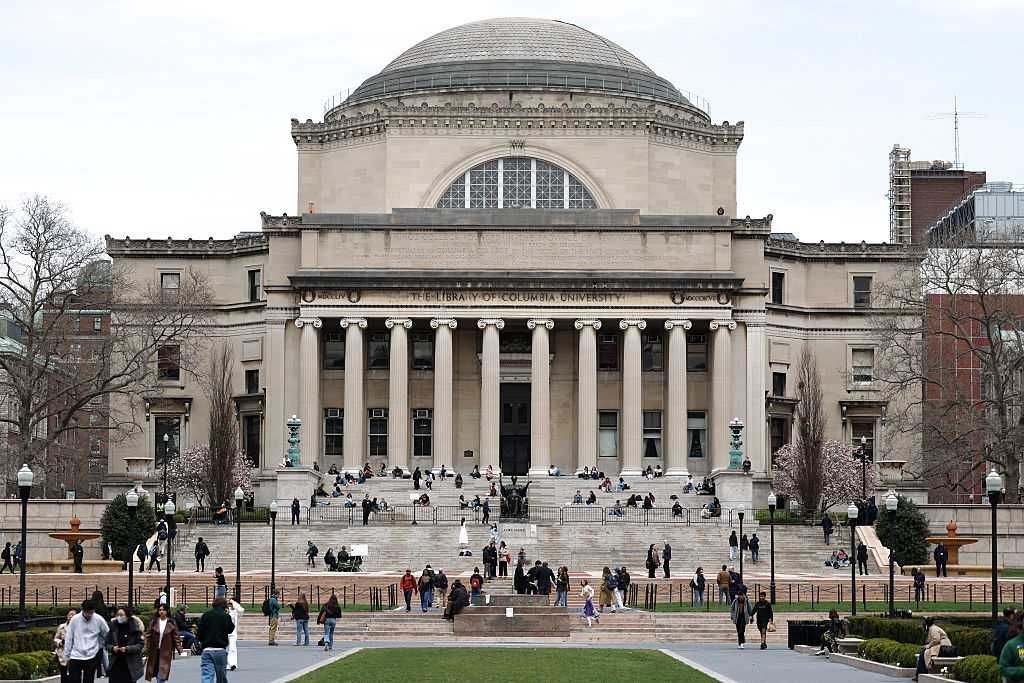


Former Columbia University President Lee C. Bollinger has produced a slender, puzzling book. It glides past the central problems facing campuses — weak leadership, weak accountability, and ideological capture — and lingers instead on nostalgia and the “community of scholars.”

It also prompts a blunt question: Why do university presidents publicly dissemble? Not in the chest-thumping manner of a cable-news partisan, but in the lubricated, bureaucratic manner that says almost everything except what matters most.

Bollinger presents a university with virtually no blemishes — blameless, well-run, noble — and then points outward, toward Trump and the federal government, as the true threat.

Bollinger was recruited by W.W. Norton editor in chief Dan Gerstle to adapt lectures delivered in spring 2025 into a book. He aims to remind readers that the American university occupies a critical place in society. In the abstract, he’s right, and parts of the argument work.

As a constitutional law scholar, he also tries to weave the First Amendment into the university’s institutional identity, suggesting the two are inseparable. That claim needs more force than this book provides. The prose reads like speech material polished for print. The ambition outruns the substance.

But the real center of gravity arrives quickly: Bollinger casts the primary threat to higher education as “outsiders,” especially the federal government and, most of all, Donald Trump. Yes, it’s another Trump-as-villain entry in the culture wars, and likely the reason this book was rushed into print. Whatever Bollinger’s hygienic tone, this is hatchet work in a gentleman’s suit.

Bollinger is no detached man of letters offering serene judgment from above the fray. He remains a prominent operator inside elite academic and political networks. His calm posture functions less as neutrality than as insulation.

The book is divided into three parts: “The University,” “The First Amendment,” and “The Fifth Branch.” If the press is the “fourth branch” of government, Bollinger argues the university deserves branch status too.

I write often about the university’s high mythology — the version parents and alumni carry around because universities actively sell it. Bollinger indulges that mythology. His university is a place of serious minds, noble purpose, and largely blameless governance, with only the occasional “organized anarchy,” the predictable messiness of complex institutions.

He offers this earnest passage:

I challenge anyone to spend a day, a week, or more in any university — sitting in on classes, attending lectures, meeting with students, visiting a laboratory, being part of a seminar — and not come away deeply impressed, indeed invigorated, about the human potential to know and to grasp something of our existence.

Many readers will want to believe it. Bollinger counts on that desire.

And here’s where the trouble begins.

RELATED: How America’s universities embraced anti-American ‘blood and soil’
Photo by Selcuk Acar/Anadolu via Getty Images

The book’s best section is its opening chapter, which promises an insider’s look at how universities actually function. Bollinger divides the institution into multiple levels of analysis — individual, university, and system — in a way that will feel familiar to anyone trained in serious political science. The intent looks analytic. The presentation sounds authoritative.

Then he leaves out the single biggest operational reality on most campuses.

Bollinger describes academic affairs — faculty, curriculum, and the traditional governance story — and effectively ignores student affairs, often rebranded as “student success.” That omission is not a minor gap. It’s the whole fight.

Modern universities are not simply faculty-driven institutions with a few administrative appendages. They are sprawling managerial systems in which student affairs bureaucracies routinely outnumber faculty and operate as an ersatz ideological faculty through what they call the co-curriculum: workshops, trainings, mandatory seminars, “wellness” programming, diversity offices, identity centers, residence-life systems, conduct regimes, orientation pipelines, and retention machinery.

This is education by parallel authority.

Student affairs is frequently staffed, trained, and ideologically shaped by external nonprofits such as ACPA, NASPA, NADOHE, and NACADA. These groups do not simply offer best practices. They often function as ideological conduits, pushing “critical pedagogy” and “critical consciousness” as an institutional mission. One of them literally advertises the goal of “boldly transforming higher education.”

That transformation is not a side story. It is the story. It’s how the modern university moved from the “shared governance” myth to a bureaucratic reality where the faculty increasingly serves as a decorative legitimacy layer.

Bollinger never deals with it. Not directly. Not honestly. Not at all.

Contemporary scholarship has already documented how student affairs increasingly designs, delivers, and assesses structured educational experiences parallel to the faculty curriculum. The same bureaucracy often serves as a channel for activism infrastructure that has helped fuel campus chaos since 2020.

Student affairs is wholly under the control of the extremist left. Yet Bollinger presents a university with virtually no blemishes — blameless, well-run, noble — and then points outward, toward Trump and the federal government, as the true threat.

It’s hard not to conclude that the nostalgia is doing work. Bollinger affirms the version of the university that parents and alumni want to believe still exists: the citadel of learning devoted to truth, stewarded by wise leaders, occasionally messy but fundamentally righteous.

RELATED: How to muzzle the three-headed diversity monster
Photo by Bill Pugliano/Getty Images

That image now functions as cover.

It shields what many universities have become: money-making and idea-laundering operations that give lip service to the people paying the bills — parents, students, donors — while empowering internal bureaucracies that answer to their own ideological class.

Bollinger’s personal position makes this posture easier to spot. He belongs to the wealthy mandarin class that runs elite higher education. His Columbia compensation reportedly topped $5 million annually. Columbia’s assets were roughly $23.5 billion at the end of 2022.

He also guards his own record with careful selection.

While he was president of the University of Michigan, the school was involved in two affirmative action cases decided by the Supreme Court in 2003. Bollinger highlights the win (Grutter v. Bollinger) but gives scant attention to the loss (Gratz v. Bollinger). In places, his wording blurs them together in a way that can leave casual readers thinking Michigan prevailed across the board.

It didn’t. In Gratz, Michigan’s admissions policy violated the Equal Protection Clause. That case foreshadowed the eventual collapse of the broader regime in Students for Fair Admissions v. Harvard two decades later.

At Columbia, Bollinger helped lay the groundwork for the institution’s later disorder by expanding and empowering DEI bureaucracies in response to the 2020 “racial reckoning.” Many presidents issued pro forma statements they now quietly regret. Bollinger went further: He built and strengthened the permanent infrastructure.

My view is straightforward: Bollinger represents the ascent of the new mandarins — administrators who guard prerogatives, expand PR machinery, and grow their internal empires against faculty authority, all while presenting themselves as the guardians of scholarly life. He is the living, breathing antithesis of what the university and its presidents should be in the 21st century.

In “University: A Reckoning,” Bollinger wants readers to see a university that largely no longer exists. His lack of candor ensures that readers learn little about how universities actually function — and even less about why so many are failing.
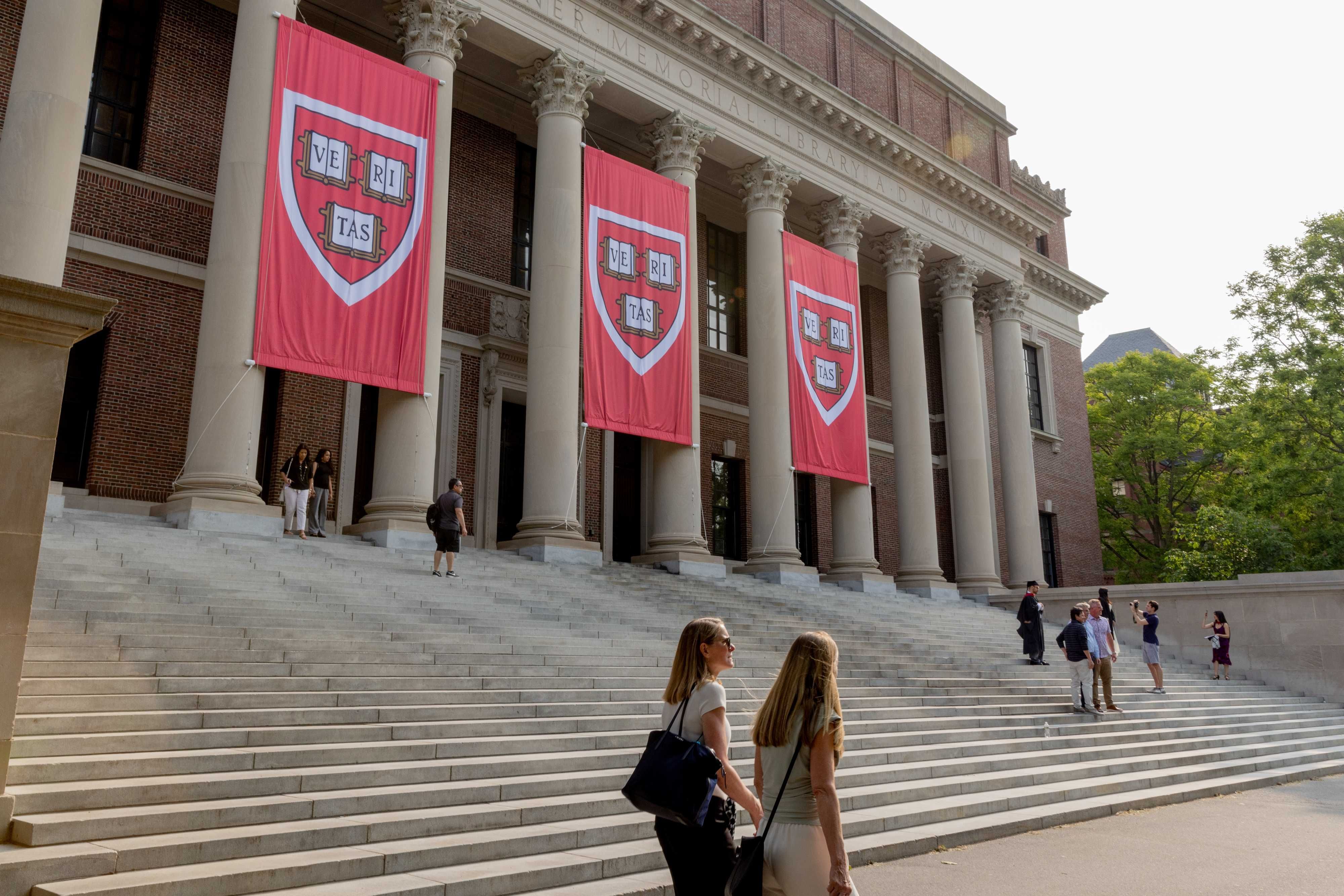
2 suspects flee 'intentional' 3 a.m. explosion at Harvard Med School


Law enforcement is investigating an explosion at Harvard University medical school building that appeared to be "intentional," according to multiple reports.

A police officer responded at 2:48 a.m. on Saturday after a fire alarm was activated in the Goldenson building.

The officer reported seeing two people fleeing the scene before locating a fire on the building's fourth floor where there appeared to be an "intentional" explosion. The officer tried to approach and the pair before entering the building.

RELATED: 'Jihadi' terror attack planned for Halloween weekend leads to multiple arrests, FBI says

Photo by Erica Denhoff/Icon Sportswire via Getty Images
No injuries were reported and the Boston police swept the building for "any additional devices" but found none.

The FBI also confirmed that they are assisting local law enforcement with the investigation.

This is a developing story and will be updated.

Like Blaze News? Bypass the censors, sign up for our newsletters, and get stories like this direct to your inbox. Sign up here!

Charlie Kirk assassination timeline: What we know so far


In the wake of the assassination of Charlie Kirk on a Utah college campus Wednesday, a clearer and more substantive timeline has been developing as officials gather additional information about the shooting and continue a manhunt for the shooter.

What happened Wednesday?

KTVX-TV reported that Kirk’s American Comeback Tour commenced at noon local time at Utah Valley University in Orem, which is about 10 minutes north of Provo and about 45 minutes south of Salt Lake City.

Mason said the individual they're after 'blended in well' with the university and 'appears to be of college age.'

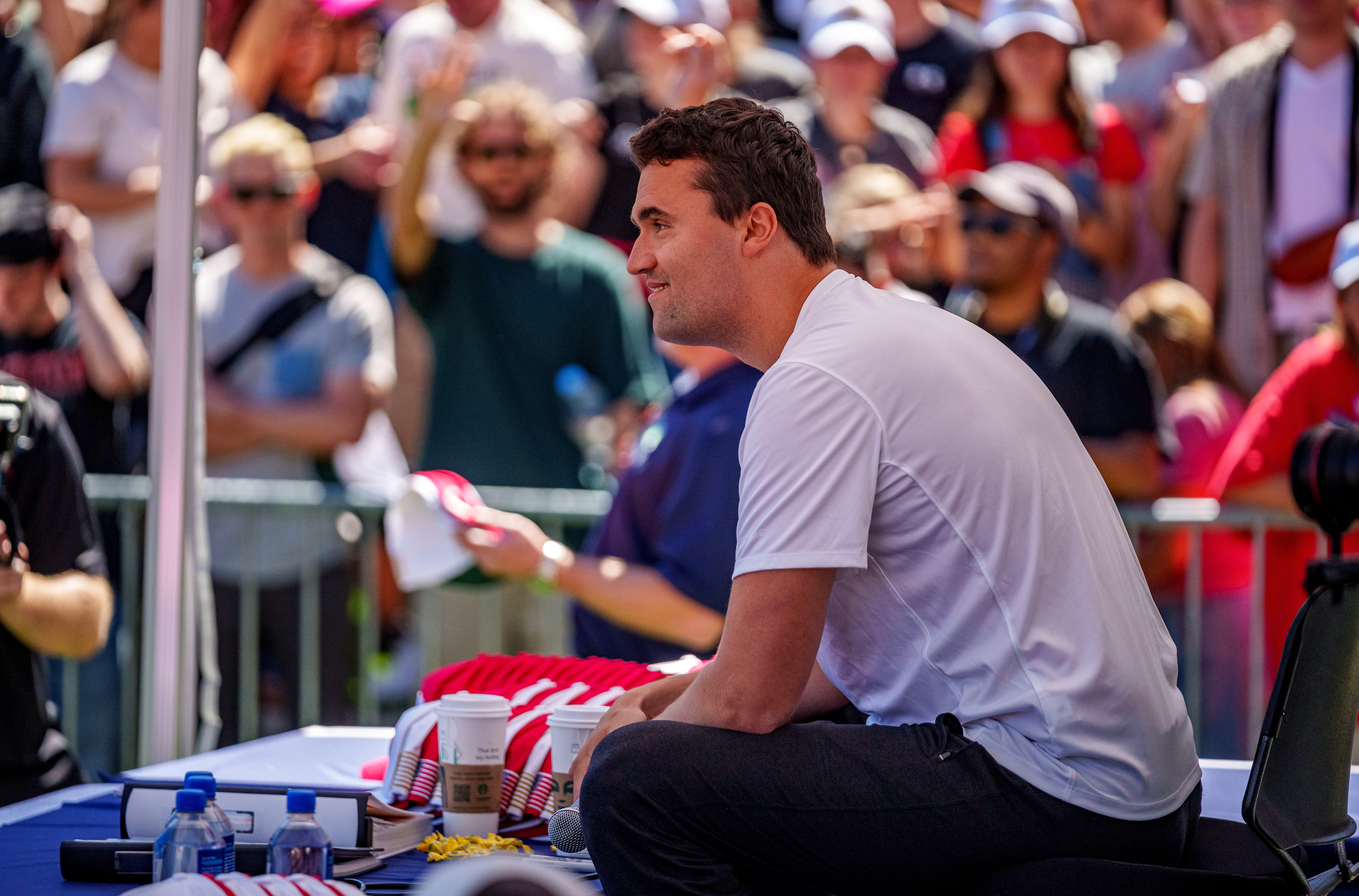
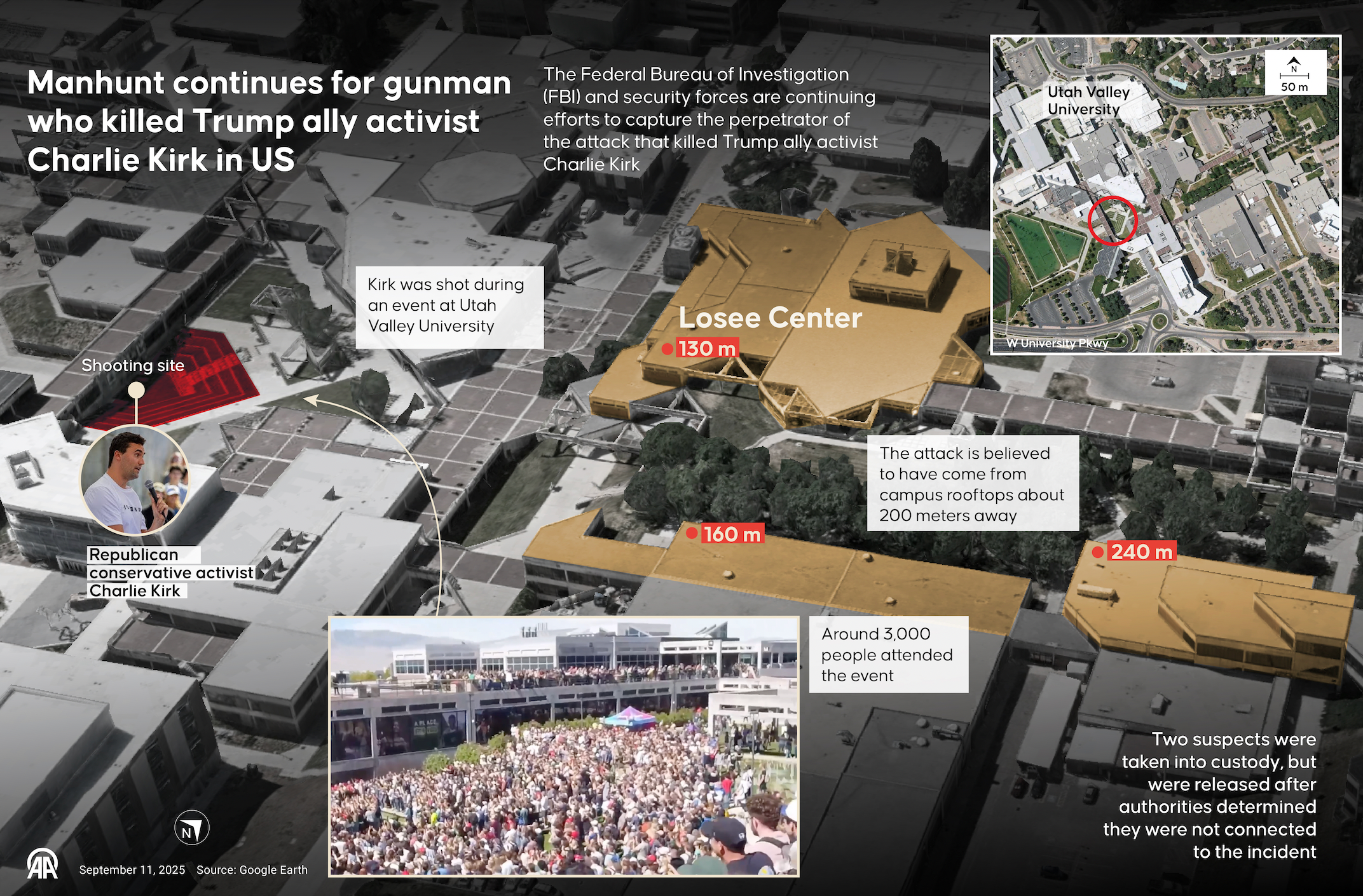
The station said Kirk was hosting a “Prove Me Wrong” table in the UVU courtyard. As was typical for the TPUSA founder and his events on college campuses, Wednesday's event took place outside, and anyone was invited to debate him and ask questions. KTVX reported that around 3,000 people attended the event.

Around 12:20 p.m., Kirk — who was seated under a tent — was in the middle of a question-and-answer exchange when he was struck by a bullet, the New York Times reported. Kirk was hit in the neck, blood gushed from the wound, and he slumped from his seated position. As those in attendance scattered and took cover, Kirk was rushed to a local hospital.

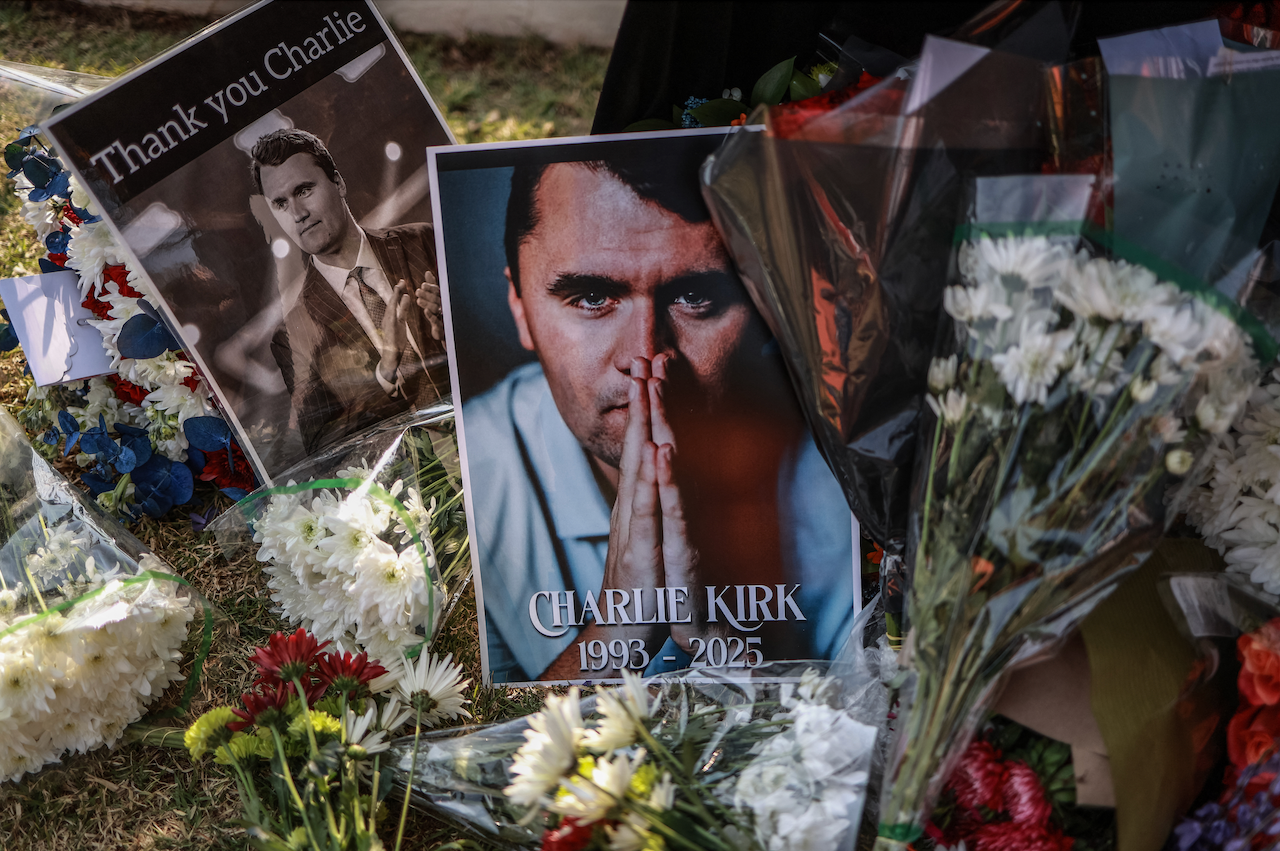
RELATED: Charlie Kirk: Loving father, fearless communicator, happy warrior — 1993-2025

Charlie Kirk speaks at Utah Valley University on Sept. 10 in Orem, Utah. Photo by Trent Nelson/The Salt Lake Tribune/Getty Images
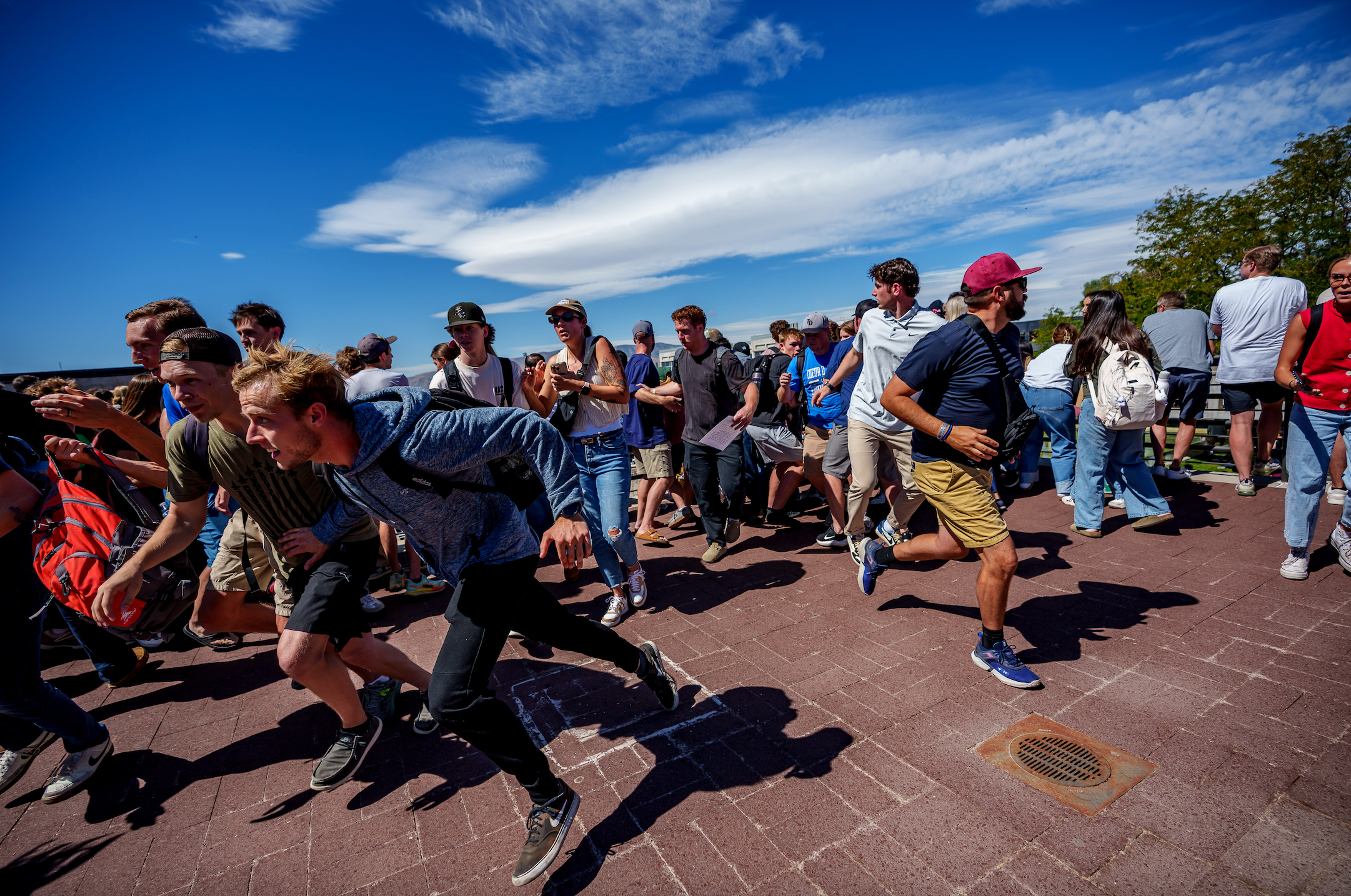
At 12:42 p.m., UVU sent an alert stating that a suspect was in custody and police were investigating, KTVX said.

RELATED: Leftists show their true colors after Charlie Kirk is shot — and it's absolutely sickening

Photo by Trent Nelson/The Salt Lake Tribune/Getty Images
By 1:10 p.m., a UVU spokesperson confirmed that Kirk was shot but said his condition was unknown, KTVX noted, adding that the spokesperson said a suspect actually was not in custody.

At 1:37 p.m., UVU announced that the campus was closed and classes were canceled until further notice, KTVX reported, adding that all students were ordered to leave the school immediately.

At 2:40 p.m., President Donald Trump confirmed that Kirk was dead, KTVX said. Trump announced the following on Truth Social, "The Great, and even Legendary, Charlie Kirk, is dead. No one understood or had the Heart of the Youth in the United States of America better than Charlie. He was loved and admired by ALL, especially me, and now, he is no longer with us. Melania and my Sympathies go out to his beautiful wife Erika, and family. Charlie, we love you!"

The Associated Press said a single shot was fired from a rooftop. UVU spokeswoman Ellen Treanor told the Wall Street Journal, "We think the shot was fired from the Losee Center building, which is about 200 yards from the courtyard where Charlie Kirk was speaking."

RELATED: Police: We have images of suspected Charlie Kirk assassin

Photo by Kadri Suat Celik/Anadolu via Getty Images
FBI Director Kash Patel later on Wednesday posted the following updates on X, after which the AP complained on its live feed that "it wasn’t immediately clear whether anyone remained in custody, or if the shooter was still at large as law enforcement provided evolving and difficult-to-reconcile information."

— (@)

Utah Department of Public Safety Commissioner Beau Mason said at a news conference Thursday morning that "a couple of persons of interest were located" in the shooting aftermath. However, after officials interviewed them, Mason said they were cleared of suspicion and were released. Mason urged the public "to be patient with the investigative process" and said the pair unjustly "faced scrutiny" and "threats" and "don't deserve that harassment."

KTVX said George Zinn was the first individual taken into custody and Zachariah Qureshi was the second individual taken into custody; the station echoed Mason's report, saying both of them were released. However, the New York Times, citing officials, said Zinn was booked and accused of obstruction of justice.

By 7:54 p.m., the Utah Department of Public Safety confirmed that a manhunt was under way for the shooting suspect, KTVX said.

What has happened so far Thursday?

At Thursday morning's news conference, Mason said Kirk's body was "moved to the state office of the medical examiner" on Wednesday night and that "we'll continue to facilitate movements to get him home today with his family."

Mason also announced some "breakthroughs" in the investigation.

He said officials were able to track the shooting suspect's movements starting at 11:52 a.m. Wednesday when the individual arrived on campus — and all the way through "stairwells" and to the roof "across from the shooting location." Mason said the individual "jumped off" the building and "fled" from the campus and "into a neighborhood."

Mason added that investigators spoke to people in the neighborhood to see if any of them have doorbell cameras.

He also emphasized that "we have good video" of the individual in question but that it won't be released "at this time." Mason said investigators are using technology to identify the shooting suspect and that "we will catch this individual."

Around 10 a.m. local time Thursday, the FBI in Salt Lake City posted the following on X:

— (@)

Robert Bohls, FBI special agent in charge at the Salt Lake City Field Office, added during Thursday morning's news conference that investigators "recovered" what they believe "is the weapon" used in Kirk's assassination. Bohls said it's a "high-powered, bolt-action rifle" found in a "wooded area" and that an FBI lab is analyzing it.

Bohls also said a "footwear impression, palm print, and forearm imprints" are being analyzed as well. He also said members of the public can submit their own "video or images" related to the shooting to the agency's digital media website — www.fbi.gov/utahvalleyshooting — or call 800-CALL-FBI.

Mason said the individual they're after "blended in well" with the university and "appears to be of college age."

Like Blaze News? Bypass the censors, sign up for our newsletters, and get stories like this direct to your inbox. Sign up here!

Pro-Palestinian students can’t name the ‘river’ or ‘sea’ they’re chanting about


College students were quizzed by social media influencer Zach Sage Fox, and despite offering them a $100 prize for correct answers, they weren’t able to pull it off.

“Have you guys chanted, ‘From the river to the sea'?” Fox asks one student, who answers, “Yes.”

“Okay, which river? Which sea?” He presses. This particular student is attending Sarah Lawrence, where the tuition is over $85,000 a year.

“She knows it's Jordan and Mediterranean,” Pat Gray says. “She knows that.”

“Because the state of education right now, with Biden in office, is so good that you would think she’d immediately know,” he jokes.

While Gray had hope, the girl, who was holding a pro-Palestinian sign, did not know the answer.

“What does Hamas say their number one goal is according to their charter?” Fox asked another pro-Palestinian student.

“They just want to free Palestine,” the student answers. “No,” Fox says. “Murder all Jews around the world.”

“How many years did Israel occupy Gaza?” he asks more students, who all get it wrong.

“It was actually under Egyptian control for the first twenty or so years, and then Israel actually left Gaza in 2006,” Fox explains to the clueless students, before asking one of the most chilling questions of all.

“How much have our foreign adversaries donated to American universities in the last decade?” he asks, to which again, no one knows the answer. “The answer was over six billion,” he says.

“That says everything right there. You don’t think they have influence over your kid’s education?” Keith Malinak says.


Want more from Pat Gray?

To enjoy more of Pat's biting analysis and signature wit as he restores common sense to a senseless world, subscribe to BlazeTV — the largest multi-platform network of voices who love America, defend the Constitution, and live the American dream.

Can Frat Bros Can Save The Republic?

After weeks of appalling demonstrations by college students, the character displayed by these young men should give us a glimmer of hope.
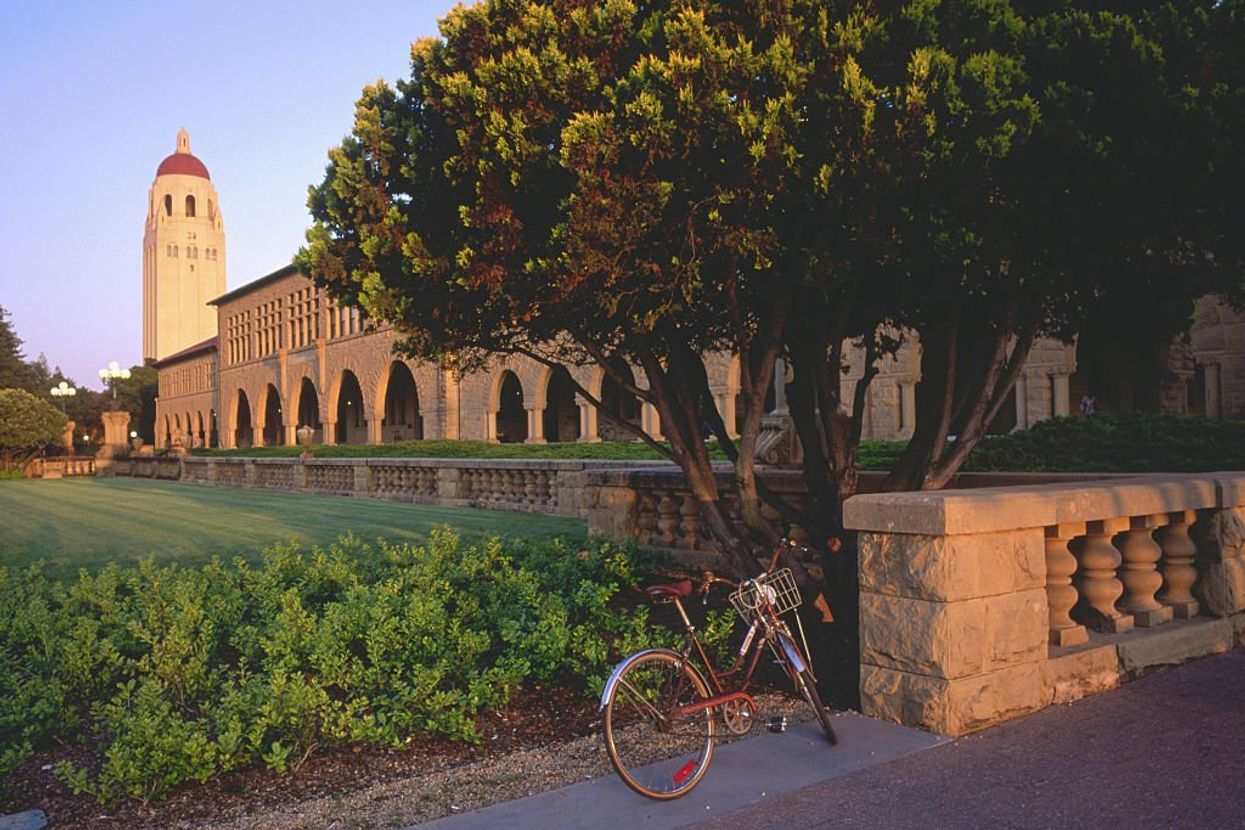
Stanford University teacher suspended for allegedly separating Jewish students, calling them colonizers, downplaying the Holocaust


A Stanford University teacher has been suspended for allegedly separating Jewish students from the rest of the class, calling them colonizers, and downplaying the Holocaust.

Just days after the Hamas invasion that killed more than 1,300 Israelis, a Stanford University lecturer is accused of "identity-based targeting" of Jewish students. The disturbing alleged actions took place on Tuesday during two "Civil, Liberal and Global Education" classes – a course for undergraduate students on campus.

Senior Nourya Cohen and junior Andrei Mandelshtam – co-presidents of Stanford’s Israeli Student Association – caught wind of the troubling accusations and interviewed several students who were in the classroom.

The lecturer allegedly began one of the classes by announcing that the lesson would be about colonialism. The teacher blamed the war on Zionists and excused the barbaric atrocities committed by Hamas terrorists because their actions were part of a "resistance."

The lecturer – who was not identified – reportedly asked Jewish students to raise their hands. The teacher then ordered the Jewish students to leave their belongings at their seats and go stand in a corner.

Rabbi Dov Greenberg – director of the Chabad Stanford Jewish Center – said three students in the class informed him that the instructor told the class, "This is what Israel does to the Palestinians."

The lecturer then asked, "How many people died in the Holocaust?" A student responded by saying, "Six million." The teacher replied, "Colonizers killed more than six million. Israel is a colonizer."

The San Francisco Chronicle reported, "Cohen and Mandelshtam said students told them that the lecturer asked if anyone knew who 19th-century Belgian King Leopold was. When no one responded, he said the king, who colonized Congo, had killed some 12 million Africans. Students reported that the lecturer told them that more people died from colonization than from the Holocaust and that colonization was what happened to the Palestinians, Cohen and Mandelshtam said.

The instructor allegedly asked every student where their ancestors were from. The teacher then purportedly labeled each student as a "colonizer" or someone who was "colonized."

A student allegedly said his ancestors were from Israel, and the teacher shot back, "Oh, definitely a colonizer."

Cohen said, "I feel absolutely dehumanized that someone in charge of students and developing minds could possibly try and justify the massacre of my people. It's like I’m reliving the justification of Nazis 80 years ago on today’s college campus."

Joshua Jankelow – President of the Jewish organization Chabad at Stanford – noted, "It sounds like a vile form of hatred."

Stanford University suspended the teacher and launched an investigation into the alarming allegations.

Stanford University said in a statement:

We have received a report of a class in which a non-faculty instructor is reported to have addressed the Middle East conflict in a manner that called out individual students in class based on their backgrounds and identities. Without prejudging the matter, this report is a cause for serious concern. Academic freedom does not permit the identity-based targeting of students. The instructor in this course is not currently teaching while the university works to ascertain the facts of the situation.

The students who exposed the teacher remained anonymous because the atmosphere had gotten toxic on campus following the start of the Israel-Hamas war.

There were posters and slogans written in chalk that read: "Israel Is Dead," "Long Live The Intifada," "From The River To The Sea," and "2-4-6-8, Smash The Zionist Settler State."

The Stanford Daily reported, "Multiple banners were hung on campus buildings over the weekend. One at Tresidder Memorial Union read, 'The Illusion Of Israel Is Burning.' Another banner at the clock tower on Sunday read, 'The Land Remembers Her People,' accompanied by a drawing of the Palestinian flag. The banners were taken down before Monday."

— (@)

Requests were made to increase security at Hillel at Stanford – the self-described "Jewish home for 550 Jewish undergraduate and 1100 Jewish graduate students, and a center to share the wisdom and beauty of Jewish life with the university community as a whole."

Rabbi Jessica Kirschner – executive director of Stanford Hillel – said Jewish students are "feeling invisible" and are experiencing a real sense of uncertainty and fear.

Originally, Stanford President Richard Saller and Provost Jenny Martinez issued a statement on Monday that described the bloody Hamas invasion of Israel as a "Middle East conflict." The press release did not use the word "Hamas" at all.

After blowback to the milquetoast statement, the president and provost delivered a second statement that was much more sympathetic to the murdered and kidnapped Israelis.

Like Blaze News? Bypass the censors, sign up for our newsletters, and get stories like this direct to your inbox. Sign up here!