At its core, the abortion debate is very simple
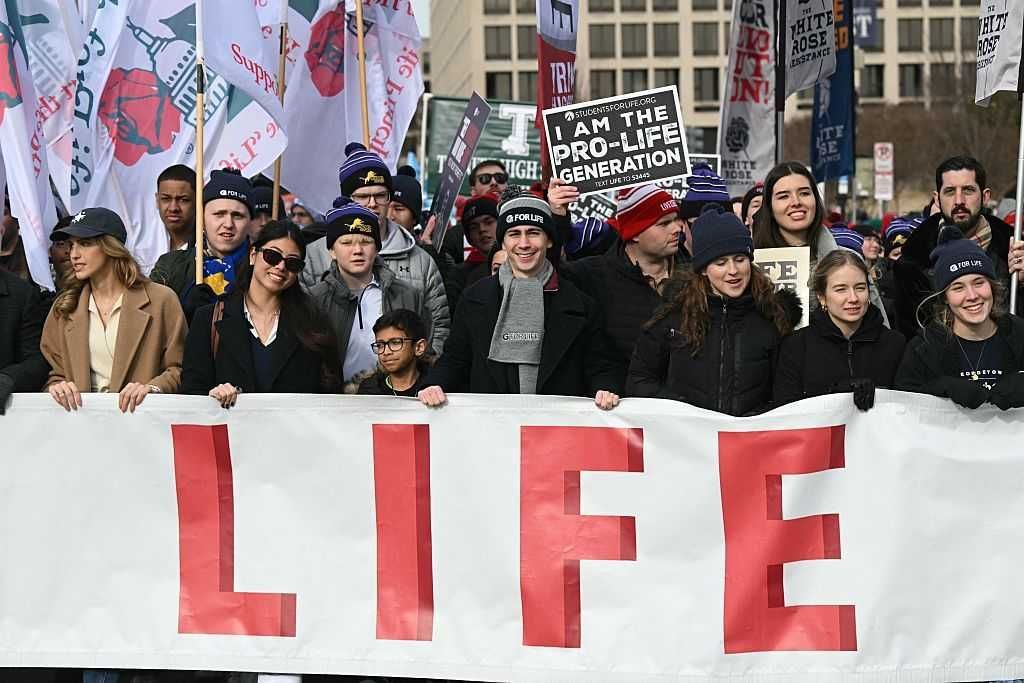
For decades, the abortion debate has revolved around a single question: When does life begin? Scientists are asked to answer it. Legislators argue over it. Courts try to define it. Activists debate heartbeats, brain waves, viability, and development.
But while this question is important, it is not the most important question. The real question is what gives human life value.
The abortion debate will never be settled by science, politics, or emotional arguments. It is ultimately about where human value comes from.
If human life has no intrinsic value, then it does not really matter when life begins. And if human life does have intrinsic value, then the moment a human life exists, it must be protected. The entire issue hinges not on biology, but on value.
Biology shows life, not value
Modern science has made one fact undeniable: from the moment of conception, a new human organism exists. This is basic embryology. A distinct human life begins at fertilization with its own DNA, its own development, and its own biological trajectory.
Science is very good at describing life. It can measure heartbeats, detect brain activity, and observe development in remarkable detail. But science has a limitation: It can describe life, but it cannot assign value to it.
A microscope cannot tell us that murder is wrong. DNA cannot tell us that humans have rights. A heartbeat cannot tell us that a life is sacred.
Science describes what is. It cannot tell us what ought to be. Value, morality, and justice must come from somewhere else.
The image of God
The Bible answers the value question in the very first chapter. Genesis 1:27 says that God created man in His own image. This is one of the most important statements in all of Scripture, because it explains why human life has value at all.
Human beings are not valuable because they are intelligent, strong, independent, or useful. Human beings are valuable because they are made in the image of God.
This is not poetry. It is ontology — a statement about what man is. The image of God is the foundation of human dignity, human rights, and justice itself. Remove the image of God, and there is no objective reason why humans should be treated differently from animals. Rights become preferences, and justice becomes power.
The image of God is what makes human life sacred.
RELATED: We must resist a culture that redefines death as dignity
Value comes from what something is
One of the great errors of modern thinking is the idea that human value comes from ability or development. Our culture often assigns value based on intelligence, awareness, or productivity. But abilities exist on a spectrum. Some humans are more intelligent than others. Some are stronger than others. Some are more developed than others.
If value comes from ability, then human rights belong only to the strong, the intelligent, and the capable. But justice requires something far more stable than ability. Justice requires that human value be tied to what a human is, not what a human can do.
And what is man? Man is the creature made in the image of God.
The image of God does not grow over time. It is not earned by development. It is not granted by government. It does not appear at birth or increase with intelligence. It is inherent to what man is from the moment he exists.
If a human exists, the image of God exists
Once we understand that human value comes from the image of God, the abortion debate becomes much clearer. The question is no longer about heartbeats or brain waves or viability. It becomes much simpler: When does a human begin to exist?
And the answer to that question is at conception. All things begin at their beginning.
We do not say a tree begins halfway through its growth or that a river begins miles downstream. Things are defined by their beginning, not by later stages of development.
From the moment a human exists, the image of God exists, human value exists, and justice demands protection for that human life.
The issue is not development, location, or independence. The only issue is what the child is: a human being made in the image and likeness of God.
RELATED: James Talarico found a verse — and twisted the meaning

The debate is about value
This is why the abortion debate will never be settled by science, politics, or emotional arguments. It is ultimately about where human value comes from.
If value comes from society, then society can decide who has value and who does not. If value comes from ability, then the strong will always rule over the weak. If value comes from preference, then power decides everything.
But if value comes from God, then every human life — born or unborn, strong or weak, wanted or unwanted — has equal worth because every human bears the image of the Creator.
Once we understand that human value comes from the image of God, the conclusion becomes unavoidable. To destroy that life is not merely to end a biological process — it is to destroy a human being who reflects the Creator Himself.
The doctrine of the imago Dei does not allow for partial justice, developmental value, or conditional protection. The image of God demands that every human life be treated with equal justice from the moment that life begins.
Because human value does not come from development, ability, or location. Human value comes from God.
 Nobody passed a robust statute protecting religious freedom for the purpose of ensuring people could use the law to kill their unborn children.
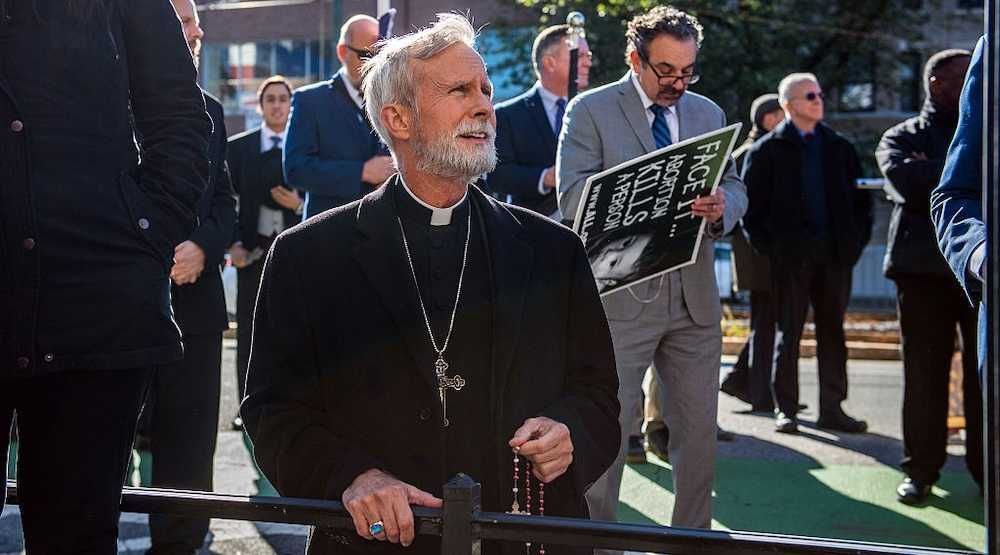 Photo by JOSEPH PREZIOSO/AFP via Getty Images
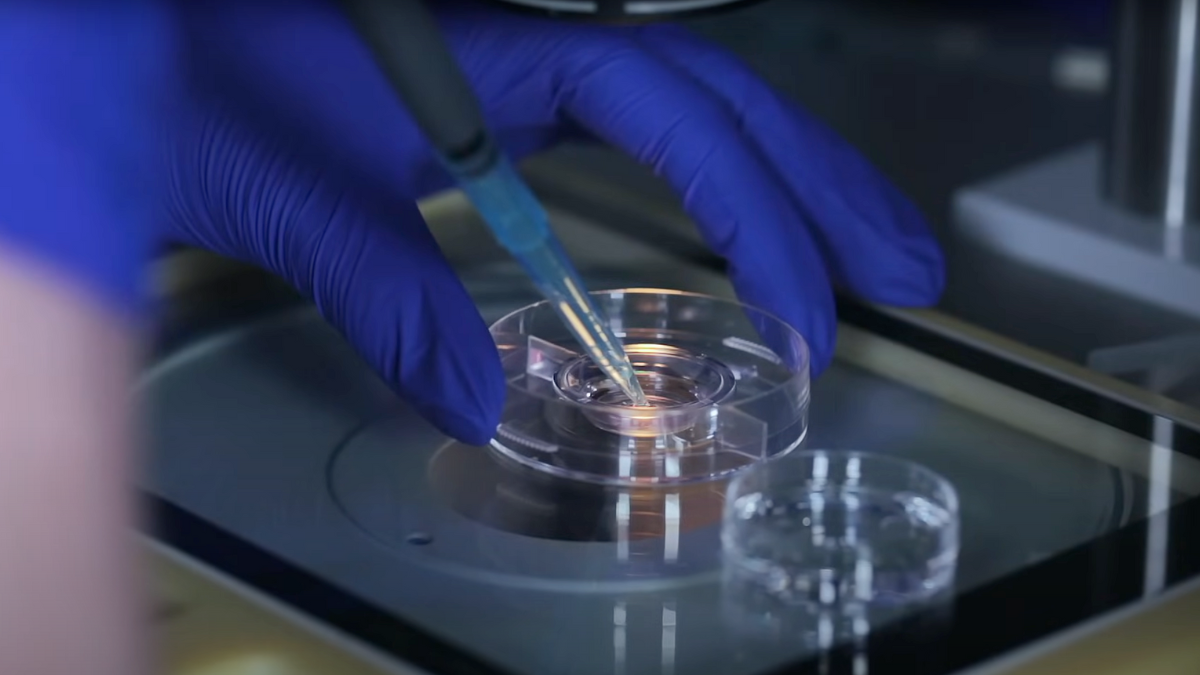 'If I believe life begins at conception, and I do, there are nine lives sitting on ice in a freezer that bear my DNA.'
 Alternative fertility treatments are not for every ailment, but are important alternatives to consider before turning right to IVF.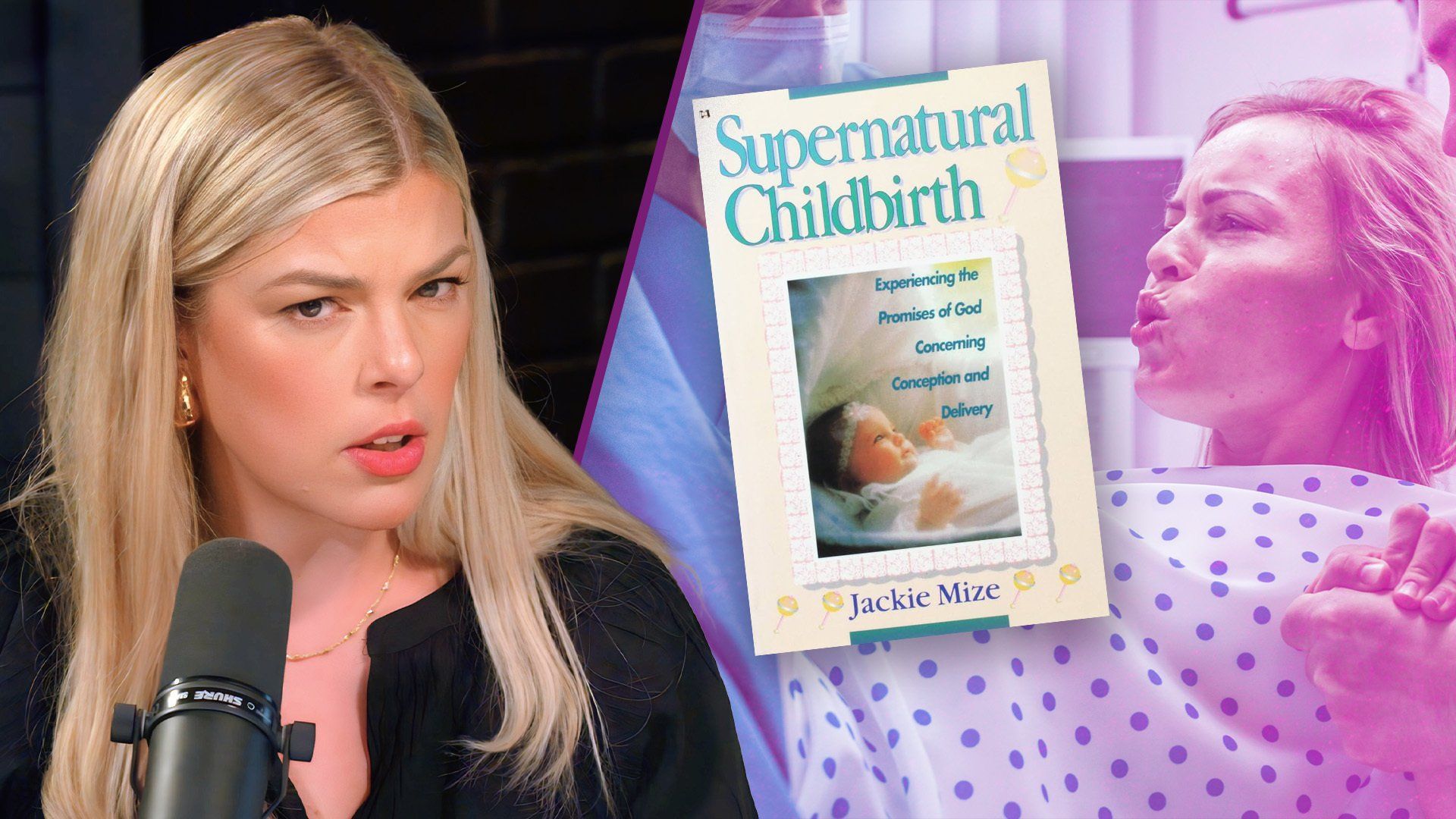
 It’s time to acknowledge the IVF elephant in the pro-life war room.
 Until now, corporate media haven’t blinked an eye over the destruction of hundreds of millions of innocent embryos.
 www.theblaze.com
 www.theblaze.com