NEW LOW: The internet has found a way to monetize broken marriages
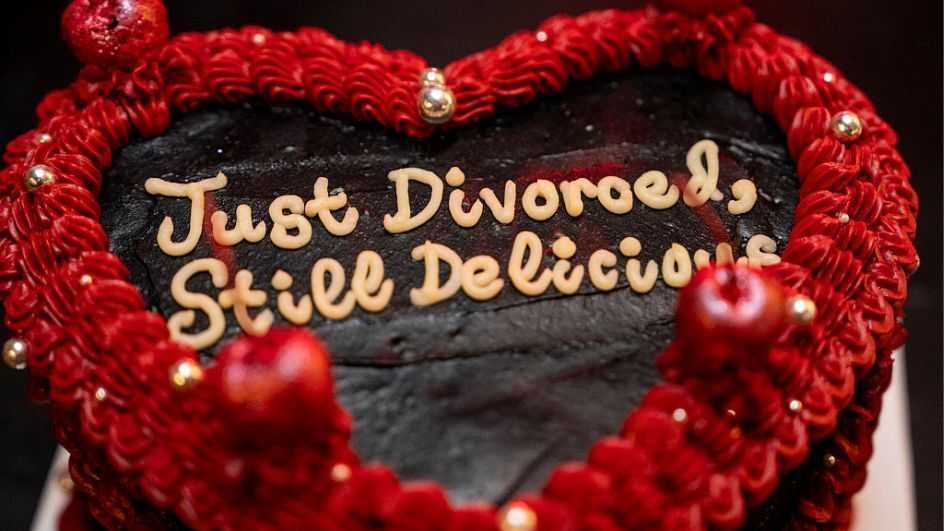
Marriage rates in the United States have reached historic lows. To compound matters, about one-third of Americans who say "I do" file for divorce. Watching this crisis unfold is depressing enough. Watching corporate marketers turn family dissolution into a luxury consumer category makes it darker still.
Let me be extremely clear: Some marriages are absolute disasters, full of physical violence and emotional cruelty. Escaping a truly toxic partner is a matter of self-preservation, and some people need guidance in finding the best way out.
Transforming the end of a supposedly sacred union into a curated social media event makes something solemn feel frivolous.
The problem begins when divorce itself becomes a product to brand, package, and sell, a disturbing transformation now taking hold in America and beyond.
Splitsville
A painful family breakdown now functions as online content. Unhappy spouses transform personal misery into podcasts and book deals. Sponsored Instagram posts and paid Substack subscriptions follow. What used to be a private nightmare quickly becomes a lucrative career pivot.
When a 20-year marriage ends after months of screaming matches over unpaid bills, social media feeds instantly reframe the wreckage as a fabulous spiritual awakening. Deep personal isolation gets repackaged as radical independence. Selling the family home to pay legal retainers becomes a chic minimalist aesthetic. The destruction of a household becomes definitive proof of personal growth. It’s gross, but not entirely unexpected.
In 1969, California Governor Ronald Reagan signed the nation's first no-fault divorce bill, intending to eliminate perjury and blackmail from courtroom proceedings. He later called it one of his greatest political regrets, having failed to foresee how a legal tweak would morph into a multibillion-dollar lifestyle industry. Reagan meant well, but the road to hell is paved with good intentions.
Eliminating the legal stigma of divorce was a much-needed civil reform. Nobody should be forced to endure flying fists or endless tongue-lashings just to satisfy a local pastor. Financial autonomy and genuine safety are good things. Eliminating the seriousness of divorce is an entirely different matter.
The stakes change completely when children enter the legal equation.
RELATED: Matthew Perry, child of divorce

Kids suffer most
For a 35-year-old spouse, signing divorce papers might feel like being rescued from an active war zone. For a 6-year-old, it means packed suitcases, split holidays, and perpetual background noise from two stressed-out parents arguing over child support checks.
Longitudinal studies show that children raised in divorced households are less likely to graduate from high school and score lower on academic exams. They also show higher rates of anxiety and greater risk of suicide. Girls from broken homes also have an increased risk of teenage pregnancy, and boys are more likely to be incarcerated. Many children are resilient, that is for sure. But resilience comes from necessity, not necessarily choice. Barely keeping your head above water while running on pure adrenaline is no way to spend your formative years.
These realities make the current commercialization of family breakups feel utterly revolting. Divorce parties are at an all-time high, with Las Vegas leading the global trend for customized "single again" weekend packages complete with tailored cakes and bottle service.
Everyone remains free to live as they wish, and walking away from a destructive marriage may well justify popping champagne. The problem lies with the public broadcasting and the celebration of failure. Transforming the end of a supposedly sacred union into a curated social media event makes something solemn feel frivolous. When a major domestic tragedy becomes photogenic fodder for online engagement, it’s perfectly reasonable to raise an eyebrow (rather than a glass of bubbly).
Nothing to celebrate
We must be able to hold two simple facts in mind at the very same time. Divorce can be an essential escape route from abuse. Divorce also inflicts massive emotional and economic costs on everyone involved. Defending a person's legal freedom to walk away from a contract doesn’t require pretending that breaking up a family is a triumph.
The fundamental flaw in the modern divorce economy is not that professionals are paid to help people sort out the practical consequences when a marriage ends. Human misery has created administrative employment since ancient Rome. The problem is watching tech platforms and marketing agencies incentivize people to treat marital separation as a desirable milestone.
When a bitter custody battle goes viral on TikTok, content creators have a financial incentive to escalate the drama for their audience. Influencers build subscriber bases on continuous conflict. They turn private litigation into serialized public theater. Millions of viewers tune in every day, gradually coming to believe that ending a marriage is no different from ending a job.
This dynamic reveals a deep sickness, and the explosion of the breakup market reflects an increasingly broken society.
Marriage is far from perfect, and pretending otherwise is delusional and disingenuous. Nevertheless, it remains a vital human institution built on sacrifice and mutual duty. A husband and wife separating, even if they come to hate each other, represents a genuine tragedy. The end of a marriage calls for introspection and self-reflection, not a shameless victory lap for strangers on the internet.

 Mike Windle/Getty Images
 Joe Raedle/Getty Images
 To the extent that anyone should care that a few people at The Washington Post are losing their jobs, it’s only to assess the reaction from their colleagues at the paper. Those colleagues just inadvertently reminded the public how delusional and detached from reality they can be, while at the same time swearing you should […]
 Donaldson’s brand and wealth have been built off of a squeaky-clean, family-friendly image and his ability to eschew politics and personal controversy. Over the past year, however, scandals have emerged.

 One gauge of our decline is the vanishing of public intellectuals and a swelling number of wired celebrities, influencers, and pitchmen.

 www.theblaze.com