As legislative season begins, lawmakers should be careful about PBM 'reform'


As state lawmakers begin to return to office this week, a number of issues will be clamoring for their attention. One of the most important — but perhaps overlooked due to its technical and less attention-grabbing nature — is pharmacy benefit manager reform.

Reform-minded leaders should work with PBMs, leveraging their market power to achieve lower costs for consumers.

Last year, Arkansas became the first state in the nation to ban PBMs, and other states heavily regulated the industry. These efforts are expected to continue in 2026, even as courts raise constitutional questions about the Arkansas law and regulations in Iowa.

I’m a health care broker, so I know PBMs pretty well. They’re easy targets because of the complex process by which they work, as well as the pharmaceutical industry’s years-long campaign to put blame for drug pricing on the industry.

At its core, PBMs’ basic function is straightforward. Because they represent hundreds of thousands or even millions of patients who cannot negotiate with drugmakers on their own, PBMs are able to use their size as leverage to push for lower prices. When the big players reject a high price, a manufacturer has to decide whether it wants to lose access to those patients.

That negotiating leverage also keeps drugmakers from unilaterally dictating the cost of medications, from commonly used drugs like insulin to newer medications like Zepbound and Wegovy. For example, companies gave consumers a New Year’s present of increasing prices for 350 products — but the final costs to patients won’t be known until PBMs have their say.

U.S. health care pricing can be confusing, with even seasoned observers getting lost amid the jargon of rebates, formularies, and spread pricing. Critics often accuse PBMs of adding unnecessary layers of administrative cost or of exaggerating savings. Some of these concerns are legitimate, and the industry’s lack of transparency makes it easy for critics to portray PBMs as the villains keeping patients from being able to afford the medications they need.

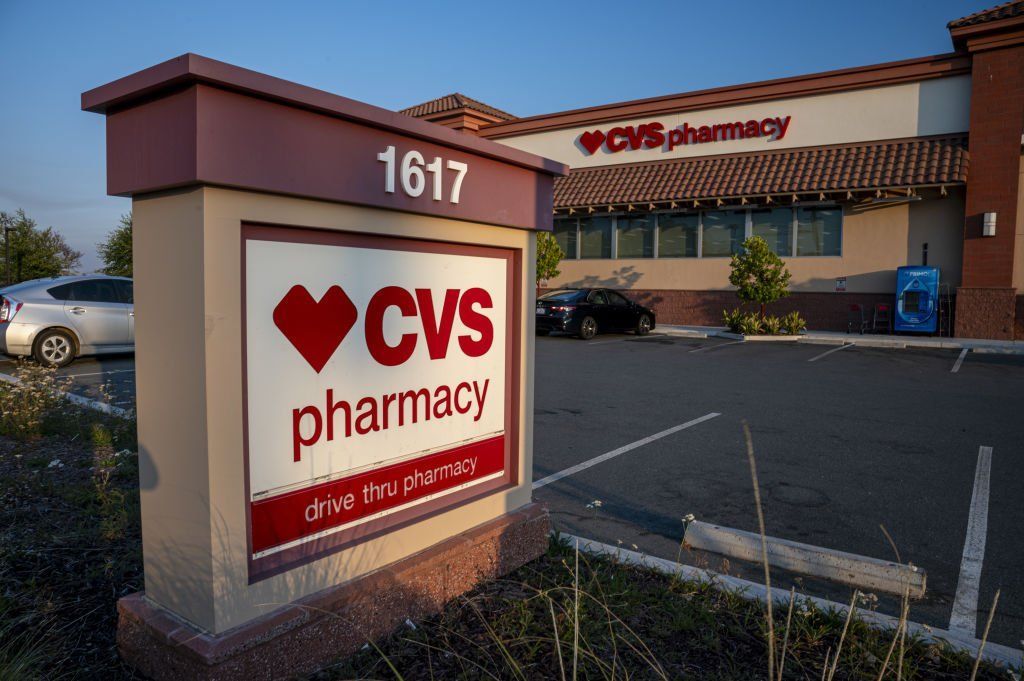
But this criticism is better leveled at the drugmakers. They often insist they cannot lower prices because of research costs or regulatory burdens. Yet when Eli Lilly, the first trillion-dollar drug company, found itself boxed out of the CVS network, it suddenly found a way to make its products available more cheaply.

On December 1, drugmaker Eli Lilly cut the consumer cost of its popular weight-loss injection Zepbound, bringing its prices in line with competitor Novo Nordisk’s popular and recently reduced drug Wegovy.

Lilly’s move should be instructive for state and federal lawmakers because it came after Novo Nordisk agreed to lower prices of Wegovy under pressure from pharmacy giant CVS. CVS — through its PBM division, CVS Caremark — had initially tried to negotiate with Lilly, but the drugmaker refused to budge on its pricing, leading CVS Caremark to stop offering Zepbound to clients. But once Novo Nordisk agreed to reduce the price of Wegovy, Eli Lilly suddenly changed its tune.

RELATED: Taxpayers are funding California’s Medicaid shell game
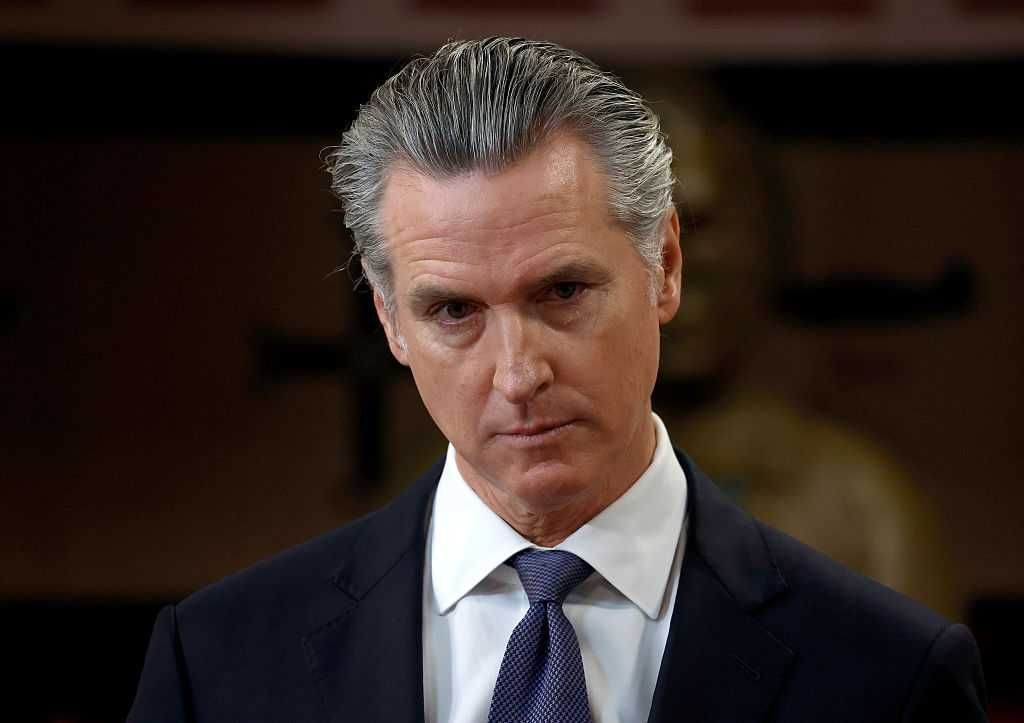
Photo by Justin Sullivan/Getty Images

Lawmakers looking to reduce prescription drug prices should take note.

Like all industries, PBMs have their flaws, but this case showed CVS forcing a needed price correction. And it should be front of mind for lawmakers who, yes, should insist on greater PBM transparency, but also mustbe aware of both the constitutional limitations on so-called “reforms” and how overregulating PBMs will impact constituents’ drug prices.

As lawmakers look for solutions to Americans’ record-high health care costs, they should realize that any cost-reduction effort must include prescriptions — and that means working with PBMs. Reform-minded leaders should work with PBMs, leveraging their market power to achieve lower costs for consumers while insisting on price transparency and other reforms that reinforce how PBMs are using fundamental market principles to keep drug companies from causing even more harm to Americans’ finances.
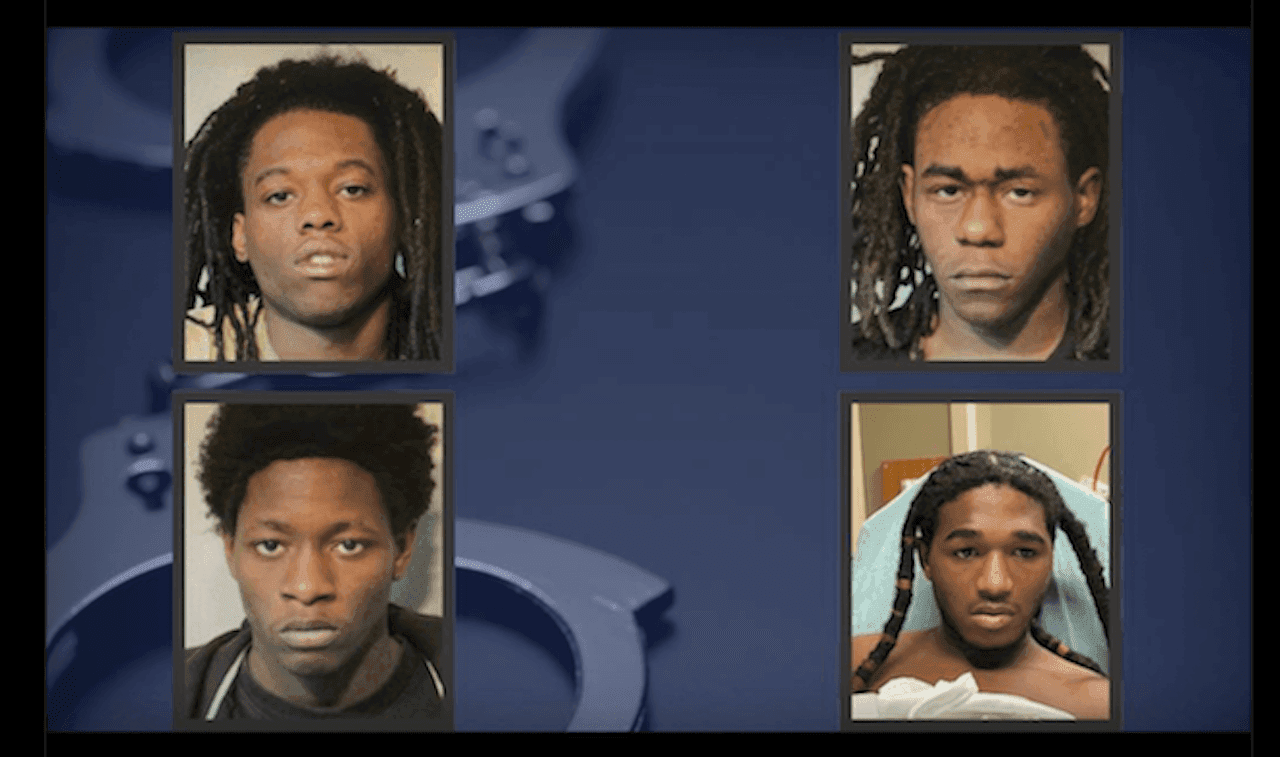
4 violent robbery suspects arrested; but when jailer opens cell to check on 1 suspect, more violence — and an escape — ensues


Police in Sugar Land, Texas, said four males physically attacked a clerk at a CVS store in the 1400 block of Crabb River Road in the Greatwood area and made off with a bag of cash just before 2 a.m. Sunday. Sugar Land is just under 30 minutes southwest of Houston.

The clerk suffered minor injuries but required no hospital transport, police said, adding that four suspects in the aggravated robbery were soon located and taken into custody.

'I hope they get the justice they deserve! Clearly they cannot be trusted to live in society!'

However, a police department jailer checked on one of the four prisoners later on Sunday — around 4:50 p.m. — and the jailer was assaulted when he opened the cell, police said.

With that, the suspect was able to release the other prisoners, and they all escaped, police said.

But the four suspects — 19-year-old Edmound Guillory, 18-year-old Devontae Simon, and 17-year-olds Desean Dillard and Clayton Johnson — were located around 6:20 p.m. and taken back into custody. KTRK-TV reported that they were found at the First Colony Church of Christ.

Police said their jailer was taken to a hospital and is in stable condition.

Police told KTRK that all four suspects will be transported to Fort Bend County Jail. Police said in addition to the initial charges of aggravated robbery, the suspects now face charges ranging from escape to attempted murder.

Commenters underneath the police department's Facebook post about the jail escape weren't thrilled with the suspects, to say the least:

  • "Please put these idiots away," one commenter wrote, adding that "we don't need them on the street; that's what's wrong with things these days; [teenage] punks have no respect."
  • "Fathers please help your sons when they are young," another user urged.
  • "Oooh, that FAFO is about to come back on them," another commenter remarked.
  • "Thugs!" another user exclaimed before adding "prayers for the officer who was injured and for those who caught these incorrigibles."
  • "I hope they get the justice they deserve!" another commenter stated. "Clearly they cannot be trusted to live in society!"

Like Blaze News? Bypass the censors, sign up for our newsletters, and get stories like this direct to your inbox. Sign up here!

Drug middlemen launch attacks against MAGA allies pushing for health care reforms


Pharmacy benefit managers like CVS are going after President Donald Trump's allies who are seeking meaningful health care reforms for their constituents.

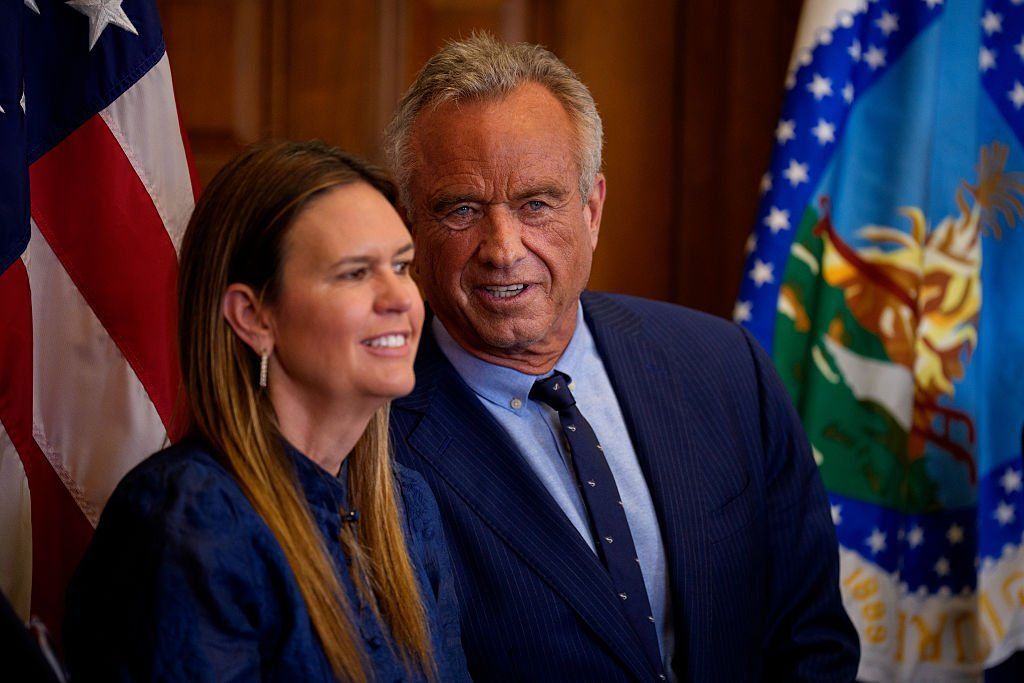
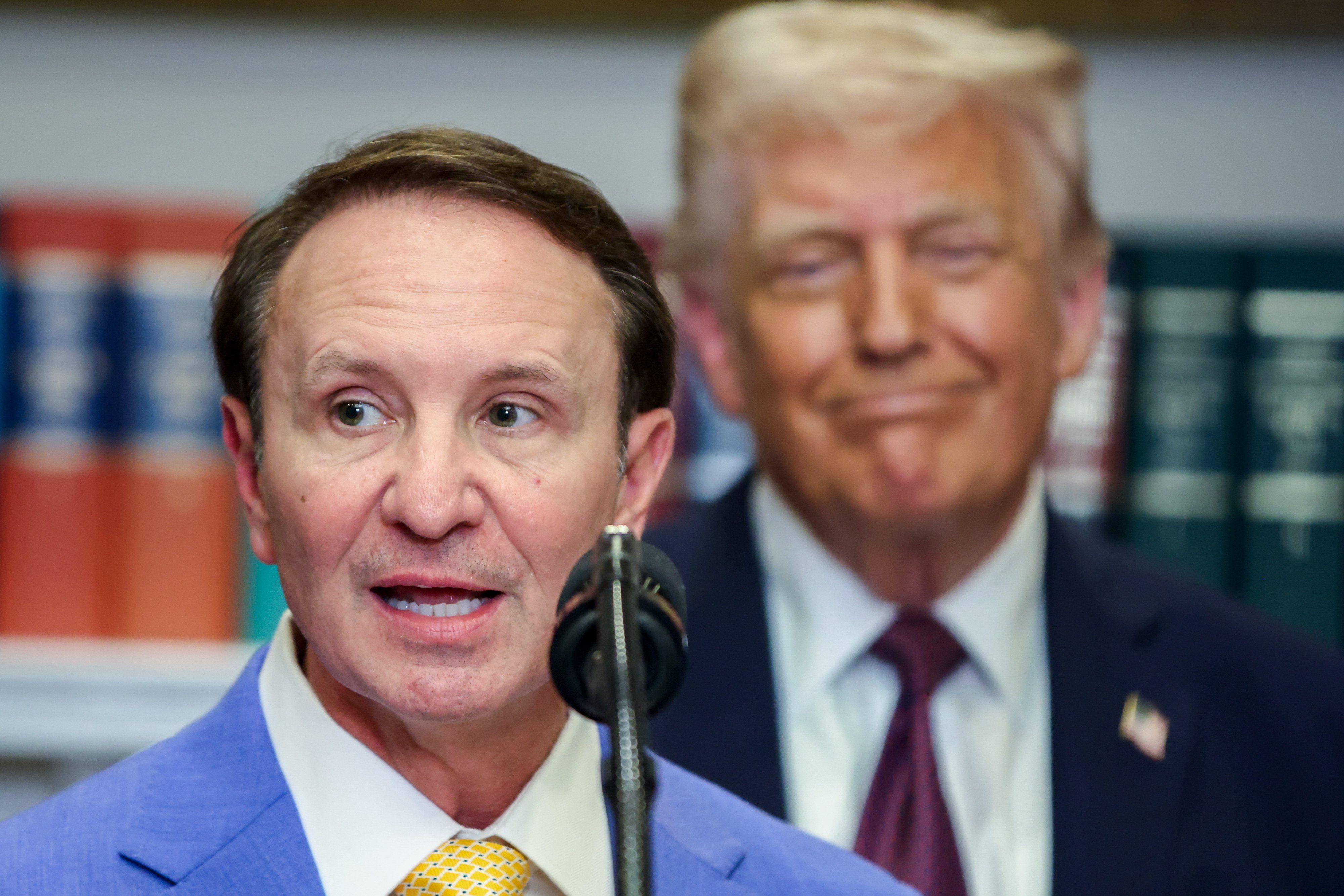
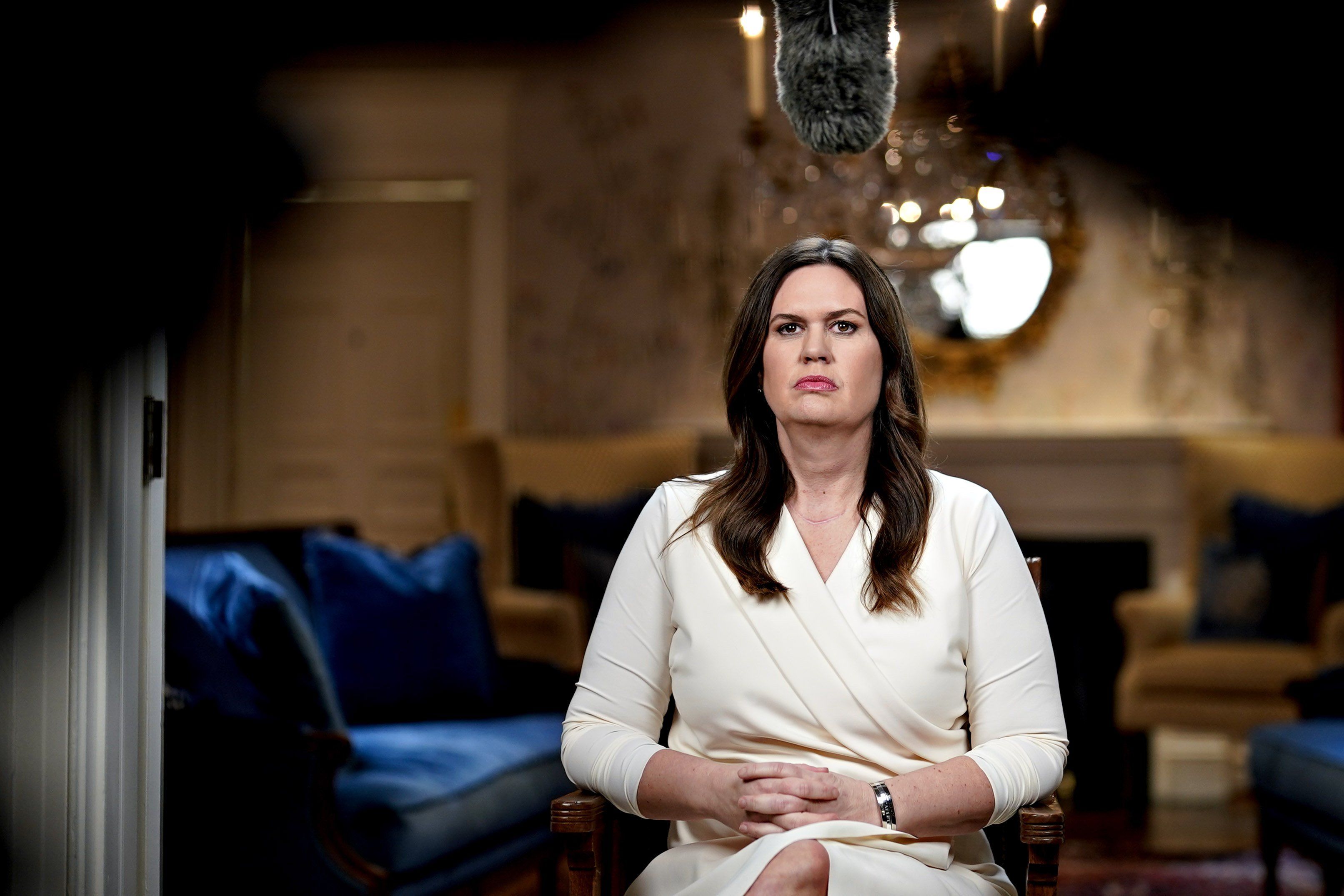
Arkansas Gov. Sarah Huckabee Sanders (R) and Louisiana Gov. Jeff Landry (R) have become the primary target of PBMs, which are threatened by their push to implement reforms in drug costs. Threatened by MAGA allies, PBMs have now escalated these conflicts to legal disputes.

'These massive corporations are attacking our state because we will be the first in the country to hold them accountable.'

RELATED: Who is bankrolling the anti-MAHA movement?

Photo by Andrew Harnik/Getty Images

In April, Huckabee Sanders signed legislation banning PBMs from "engaging in anticompetitive practices" by owning pharmacies. PBMs are tasked with negotiating drug prices between pharmacies and insurance companies, but by buying up pharmacies, they are able to take advantage of the health care system and inflate the cost of pharmaceuticals, pushing competitors out of business, according to Huckabee Sanders' press release.

“For far too long, drug middlemen called PBMs have taken advantage of lax regulations to abuse customers, inflate drug prices, and cut off access to critical medications," Huckabee Sanders said in a statement. “Not any more. These massive corporations are attacking our state because we will be the first in the country to hold them accountable for their anticompetitive actions, but Arkansas has never been afraid to be a conservative leader for America.”

The Pharmaceutical Care Management Association promptly retaliated and filed a lawsuit challenging the legislation, calling it a "fundamentally flawed law" that they say "could shutter pharmacies, restrict access to critical medications for patients and families, increase health care costs, and eliminate jobs."

RELATED: Pharmacy middlemen didn’t break health care — the feds did

Samuel Corum/Sipa/Bloomberg via Getty Images
Landry has become involved in his own legal disputes with PBMs. Landry, alongside Louisiana Attorney General Liz Murrill, filed three separate lawsuits against CVS in June for allegedly interfering with legislation that also would have prevented PBMs from owning and simultaneously operating pharmacies.

"PBMs are not health care providers," Landry said. "They are corporate profiteers inserted into the most intimate part of your life and your health."

Although several of Trump's allies have been targeted by PBMs, criticism of the pharmaceutical industry is generally bipartisan.

Mark Cuban recently called out Democratic Sen. Elizabeth Warren of Massachusetts for claiming that Big Pharma is responsible for high drug costs when, he says, PBMs are the real culprit.

"It's because PBMs corrupt healthcare," Cuban said in a post on X. "Big Pharma wishes they could set their own pricing. They don't. PBMs control formularies and manipulate prices, in exchange for providing pharma access to patients. It's how they maximize rebate revenue. In fact, 3 PBMs NEGOTIATE MORE THAN 90% OF REBATES for commercial insurance plans. That's your area of expertise, and you have done nothing."

Cuban's criticisms promptly earned the unlikely praise of some of the most prominent voices in MAGA world.

"Didn’t think I’d be RTing Mark for a while, but he’s 100% right on this issue," Donald Trump Jr. replied in a post on X.

Like Blaze News? Bypass the censors, sign up for our newsletters, and get stories like this direct to your inbox. Sign up here!

New York business owners torch Assembly Speaker Heastie for refusing to back stronger penalties for violent shoplifters


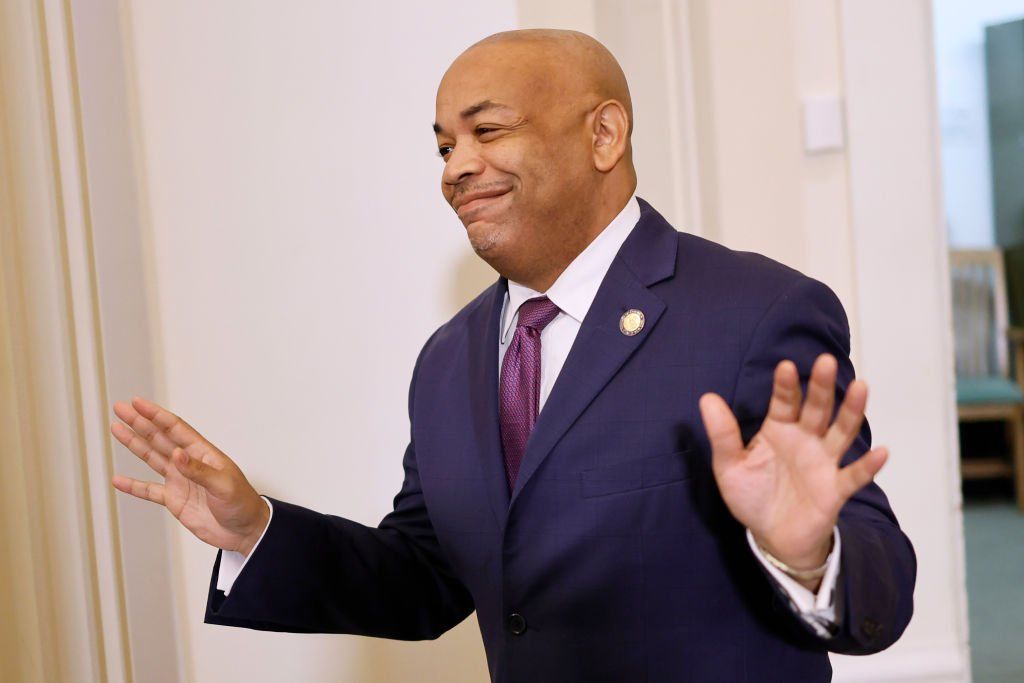
New York business owners are fed up with state Assembly Speaker Carl Heastie (D) after he refused last week to back Democrat Governor Kathy Hochul's plan to strengthen penalties for violent shoplifters, the New York Post reported.

In an effort to curb rampant theft, Hochul's budget proposal called for increased sentences for shoplifters who assault retail workers. Heastie rejected the plan, claiming that it would not be effective at preventing retail theft, Blaze News previously reported.

"All the other times that we've raised penalties on different classes of people, that hasn't stopped assaults. We still need to get to the root issues of what's going on. We'd be open to talking about the organized crime rings that people have, but I just don't believe raising penalties is ever a deterrent on crime," Heastie stated last week. "You can stop anybody in the street and ask them what is the penalty for assaulting anybody, and they probably won't be able to give you an answer."

"I don't want to make it sound like we're not concerned about stemming what's happened to retail workers," he continued. "We care very deeply about that. We just have other ideas of how to get there."

Heastie's refusal to implement tougher jail sentences for violent shoplifters ignited outrage among New York City business owners battling the retail theft crisis.

Nelson Eusebio, who heads the National Supermarket Association and Coalition to Save our Supermarkets, told the Post, "How do you deter crime except by penalty?"

"Our workers are on the front line dealing with shoplifters and criminals," Eusebio added. "It's open season on retail workers in the city."

A CVS retail worker explained to the news outlet that the thieves were "not taking one or two" items but "taking the whole shelf."

"Nobody wants to deal with it," the employee stated, noting that even "low-price products" are being locked up.

"Now the items get locked up, and the people don't," the worker added.

Kenneth Giddon, co-owner of Rothman's New York in Union Square, told the Post on Monday that a violent flash mob targeted his clothing store twice over a three-week period in December 2021. He called Heastie's stance on increased penalties "ridiculous."

"I'd be glad to talk to him so he can learn what it's like firsthand dealing with these problems and getting the same people who come back over and over and over again to rob us," Giddon told the news outlet. "He's completely out of touch."

"We've had employees punched during shoplifting instances," he added. "Retail jobs are important for the economy, but why should people work in a dangerous situation and not be protected?"

"Common sense says that stiffer penalties deter crime," Giddon continued. "People believe now that they can shoplift and not be punished for it, and that is really, really bad for our society. So what's the next crime that you're not going to be punished for?"

New York retailers lost approximately $4.4 billion in 2022 due to rampant shoplifting and organized retail theft rings.

Former Governor David Paterson (D) told WABC that he was "kind of surprised" Heastie did not support Hochul's plan to boost criminal sentencing.

"These are people who are not high wage earners. Most of them are not unionized. … When people come in to rob the stores … that there should be any leniency for this type of thing, I really don't understand that," Paterson said. "People like myself who have always been advocates for a fair trial for people — not let the deck get stacked against them as it used to be in the past — are having to recognize that there's going to have to be a greater sense of punishment than there is right now."

Heastie did not respond to the Post's request for comment.

Like Blaze News? Bypass the censors, sign up for our newsletters, and get stories like this direct to your inbox. Sign up here!

CVS partners with AGs to curb retail crime: Thieves 'not being prosecuted, and they need to be'


CVS recently announced that it is partnering with law enforcement agencies and attorneys general to curb surging organized retail crime, Fox Business reported.

On Wednesday, CVS CEO Karen Lynch told "CBS Evening News" that the chain pharmacy store is doing all it can to crack down on shoplifting, stating that thieves have been "ripping through the entire counter."

Lynch stated that a lot of items in the store are locked up because burglaries have been a problem for the retailer. In 2022, American retailers lost approximately $112.1 billion to shoplifters, according to a National Retail Security survey.

"Organized retail theft is a big problem," she added. "They're coming in; they're clearing shelves off, and then reselling [the items]. What I'm most concerned about is the safety of our colleagues and the safety of our customers."

Over the last couple of years, the retailer has rolled out additional safety measures, Lynch noted.

"We're working very closely with law enforcement and with attorneys general because they're not being prosecuted, and they need to be," she continued. "I actually had a video the other day where it was late at night and a car went through our front door."

Lynch explained that the video showed a vehicle driving through the front door of one of the pharmacy locations. Six males then jumped out of the car and "ransacked the entire CVS."

A CVS spokesperson referred to the retailer as a "national leader in the fight against [organized retail crime]," Fox Business reported.

"We partner with federal, state, and local law enforcement — as well as with other retailers — to identify and dismantle these criminal operations," the CVS representative said, noting that the retailer has already successfully dismantled dozens of large criminal organizations.

CVS stated that it supports the Combating Organized Retail Crime Act, a new bipartisan bill that would enhance coordination between law enforcement agencies. If passed by lawmakers, the measure would create a federal Organized Retail Crime Coordination Center.

David Johnston, the National Retail Foundation vice president, told Fox Business, "We have to take a really good look at what got us here. And there are a lot of things that got us to this point, some of them inclusive of individual states making changes to how they react to shoplifting."

Johnston called for "appropriate consequences" for individuals caught stealing from retail establishments.

In January, a CVS location in Washington, D.C., announced that it would close its doors, likely due to the area's retail theft problem, despite staffing armed security guards. A CVS spokesperson told WTOP that the retailer is working with law enforcement agencies to "identify and dismantle several major shoplifting rings."

CVS revealed plans in 2021 to close 900 store locations over a three-year period, citing "local market dynamics, population shifts, and a community's store density." The closure represents almost 10% of all its locations in the United States.

Common items in CVS stores nationwide are increasingly being locked up due to a rise in burglaries. CVS CEO Karen Lynch says "it\u2019s a problem" and tells @NorahODonnell that the company is implementing new safety measures in response.\n\nSee more tonight at 6:30 p.m. ET on the CBS\u2026
— (@)

Like Blaze News? Bypass the censors, sign up for our newsletters, and get stories like this direct to your inbox. Sign up here!

Selling Abortion Pills Bloodies The Hands Of Walgreens And CVS

After more than two decades on the medical market, the go-to abortion pill has caused countless infant and several mother fatalities.

CVS’s Shift In Drug Markups Could Stop Big Pharma’s Price Gouging

If other companies follow CVS’s lead, patients should benefit from lower prices.

Walgreens Says It Won’t Sell Abortion Pills In Kansas After State AG Threatens Legal Action

Walgreens said it does not plan to dispense abortion pills in Kansas after the AG threatened legal action if it proceeds with Biden's scheme.

CVS and Walgreens to pay $10.7 billion for their roles in the deadly opioid crisis


Attorneys generals from several states around the country recently announced that CVS and Walgreens have agreed to a whopping $10.7 billion settlement for their roles in the opioid crisis.

CVS and Walgreens have agreed to pay a combined $10.7 billion to settle lawsuits brought against them. The lawsuit accuse the national pharmacy chains of not adequately facilitating opioid prescriptions.

NBC News reported, "CVS will pay $4.9 billion to states and political subdivisions and approximately $130 million to tribes. Walgreens will pay $4.95 billion, plus more than $750 million in fees for attorneys and costs."

CVS will make payments spread out over 10 years. Walgreens will pay the settlement across 15 years.

The settlement money will be distributed to states, local governments, and federally recognized tribes for opioid treatment, recovery, and abatement.

The settlement was negotiated by attorneys generals from California, Colorado, Connecticut, Delaware, Illinois, Indiana, Iowa, Kentucky, Louisiana, Massachusetts, Nebraska, New York, North Carolina, Ohio, Pennsylvania, Rhode Island, Tennessee, and Texas.

Oregon Attorney General Ellen Rosenblum stated, "Pharmacies were a key link in the supply chain that contributed to the greatest drug-induced public health crisis in modern America. This may seem like a lot of money –and it is – but compared to the harm caused by America’s largest pharmacy chains, it barely scratches the surface."

Wisconsin Attorney General Josh Kaul said, "The hundreds of millions of dollars coming to Wisconsin through agreements like these will have a major impact on efforts to curb substance-use disorder in communities across the state. Fighting the opioid epidemic is a top priority at the Wisconsin Department of Justice."

Tennessee Attorney General Jonathan Skrmetti reacted by saying, "The opioid crisis continues to plague Tennesseans and we will continue to pursue its contributors. While no amount of money will be enough to heal broken communities, we will send settlement money to the Opioids Abatement Trust Fund to assist in bringing the epidemic to a halt. This office will not let up on holding pharmaceutical companies accountable, and I commend our Consumer Protection team for their diligence."

New York Attorney General Letitia James added, "In New York and across the nation, communities continue to mourn family, friends and loved ones lost to the opioid crisis. Though we cannot reverse the devastation, my fellow attorneys general and I are committed to holding those who allowed this epidemic to run rampant through our country to account."

Neither pharmacy company admitted to any wrongdoing.

Walgreens issued a statement in November that read: "As one of the largest pharmacy chains in the nation, we remain committed to being a part of the solution, and this settlement framework will allow us to keep our focus on the health and wellbeing of our customers and patients, while making positive contributions to address the opioid crisis."

Last month, Walmart also settled for its role in the opioid crisis, but "strongly" disputed any wrongdoing. Walmart agreed to a $3.1 billion settlement.

In February, four pharmaceutical companies – Johnson & Johnson, AmerisourceBergen, Cardinal Health, and McKesson — agreed to pay $26 billion to settle lawsuits stemming from the deadly opioid addiction crisis.

"In total, corporations have had to pay $54 billion in settlements," according to NPR.

Between 1999-2020, over 564,000 people died from overdoses involving opioids, including prescription and illegal opioids, according to the Centers for Disease Control and Prevention (CDC).

The CDC reported opioids were involved in 68,630 overdose deaths in 2020 – 74.8% of all drug overdose deaths.

The CDC found, "Opioids were involved in more than 68,000 deaths in 2020, which was 8.5 times the number of opioid-involved overdose deaths in 1999."