'Stay the hell away from our kids!' Vance puts the American family and 'shared birthright' center stage
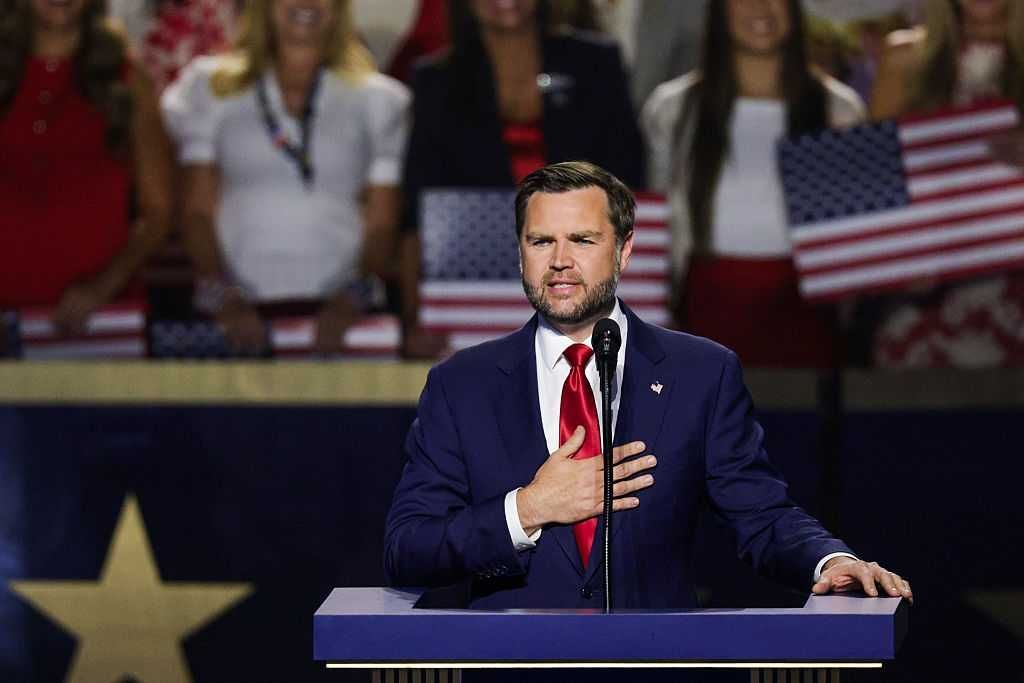


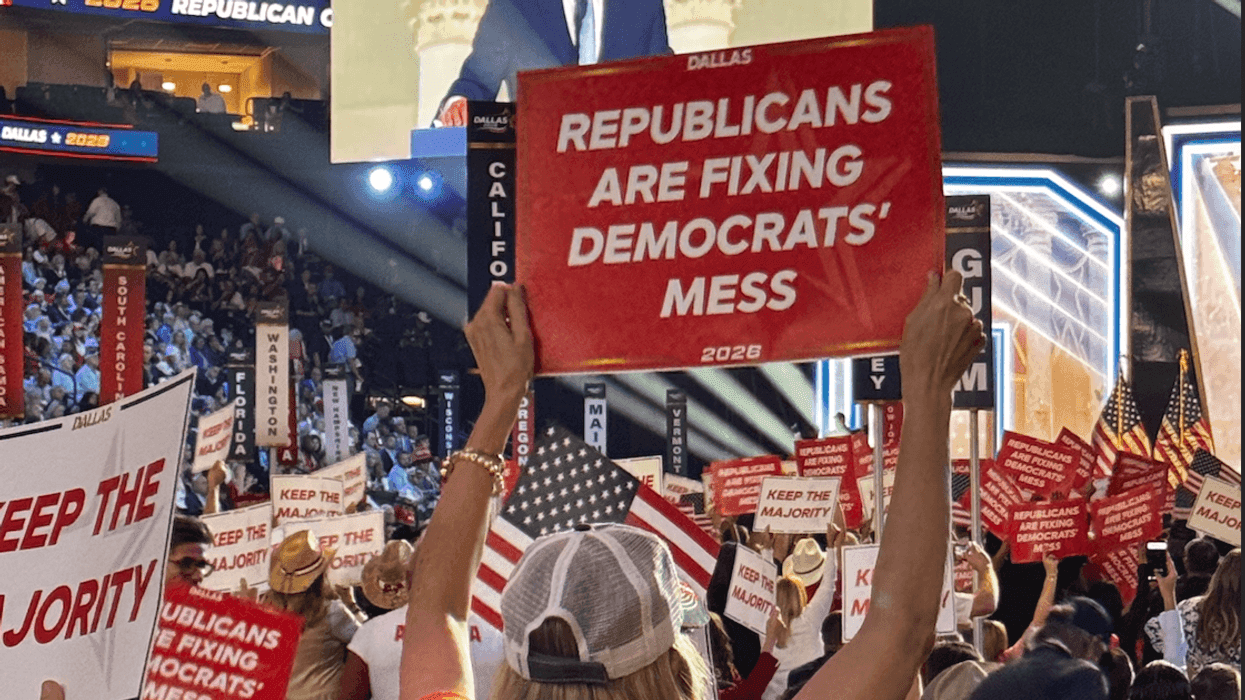
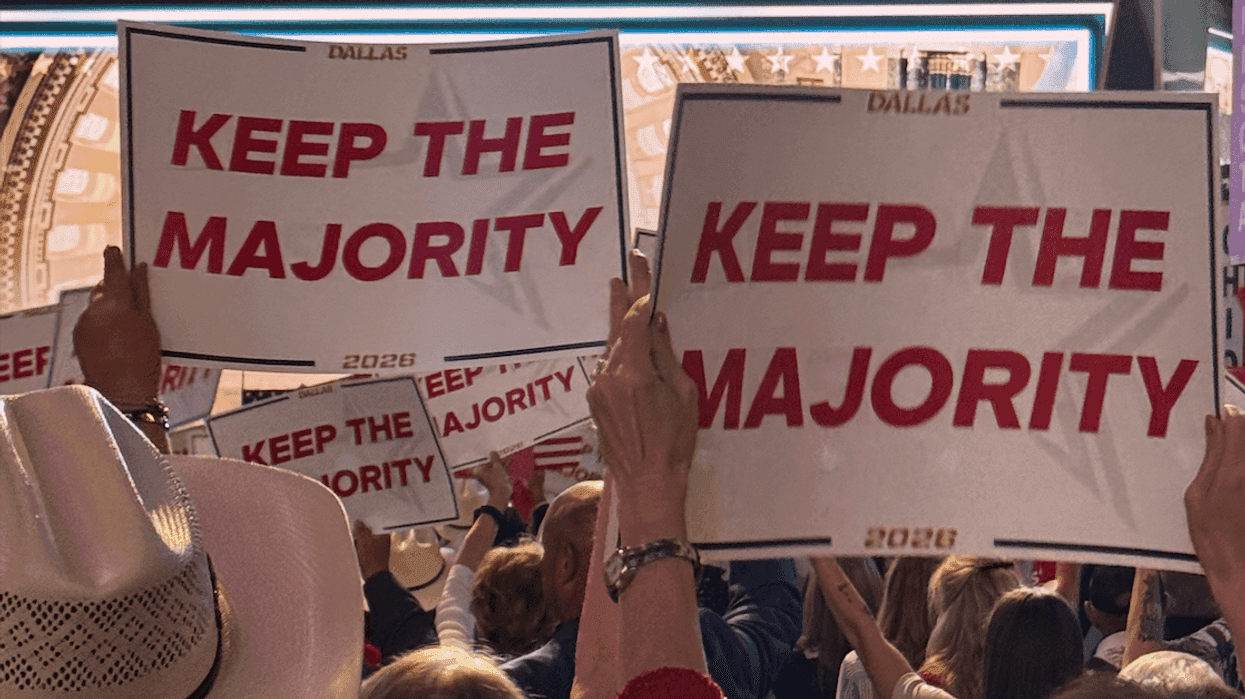
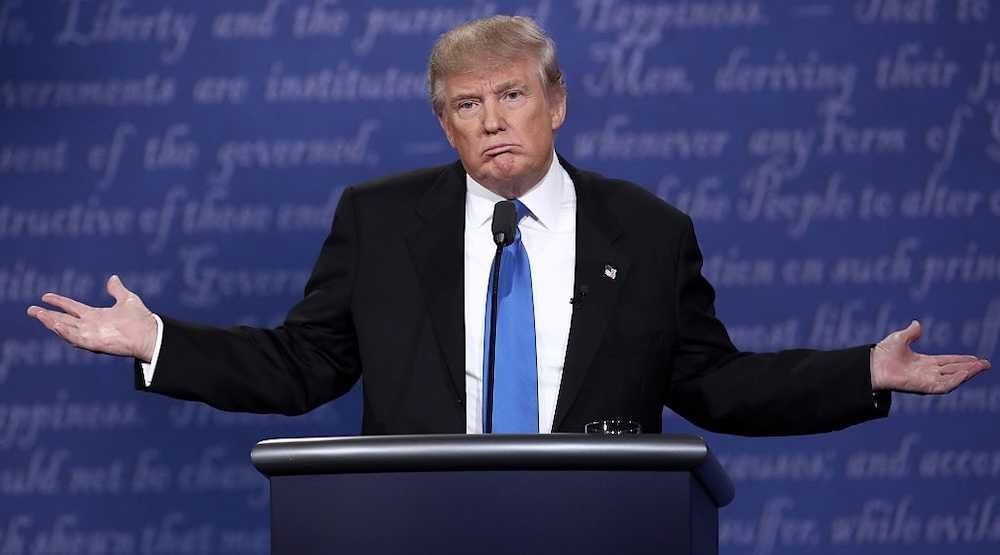
Vice President JD Vance celebrated the American family and our national "birthright" as he and President Donald Trump brought the 2026 Republican Midterm Convention in Dallas to a close Thursday night.

Vance focused his speech on the American family, touting the Trump administration's pro-family policies and attacking Democrat positions on health care. "I want to live in a country where doctors answer to parents and to the Hippocratic oath, not to a bunch of far-left bureaucrats," he said.

'He loves our country. He wants a great future for our generation and for future generations.'

Vance went on to highlight America's history and the American way of life, referring to it as our "shared birthright." He also noted the importance of the Trump administration's border enforcement and deportation accomplishments to help maintain that way of life.

"This country was handed down to us," Vance said.

"We received this birthright, and we are going to fight for it by electing Republicans this November."

Vance not only claimed that Democrats reject this birthright, but he also had a clear message for those radicals who threaten it and the traditional family: "Stay the hell away from our kids!"

Trump spoke as well, highlighting his administration's accomplishments: "Less than two years ago, the American people gave us a mandate to save America, and in 19 months, I have delivered on every promise I have made."

Trump also urged Republicans to "pretend" that he is up for re-election again when they go out to vote this November.

"I’m not on the ticket. You got to pretend. You got to do me the biggest favor you’ve ever done me," Trump said with his signature sense of humor. "You got to pretend I’m on the ticket. I’m on the ticket — I’m on the ticket!”

"If the Democrats get in, they’ll destroy everything we’ve built," he continued. "So on November 3, you’ve got to do me a favor and vote like I’m on the ballot."
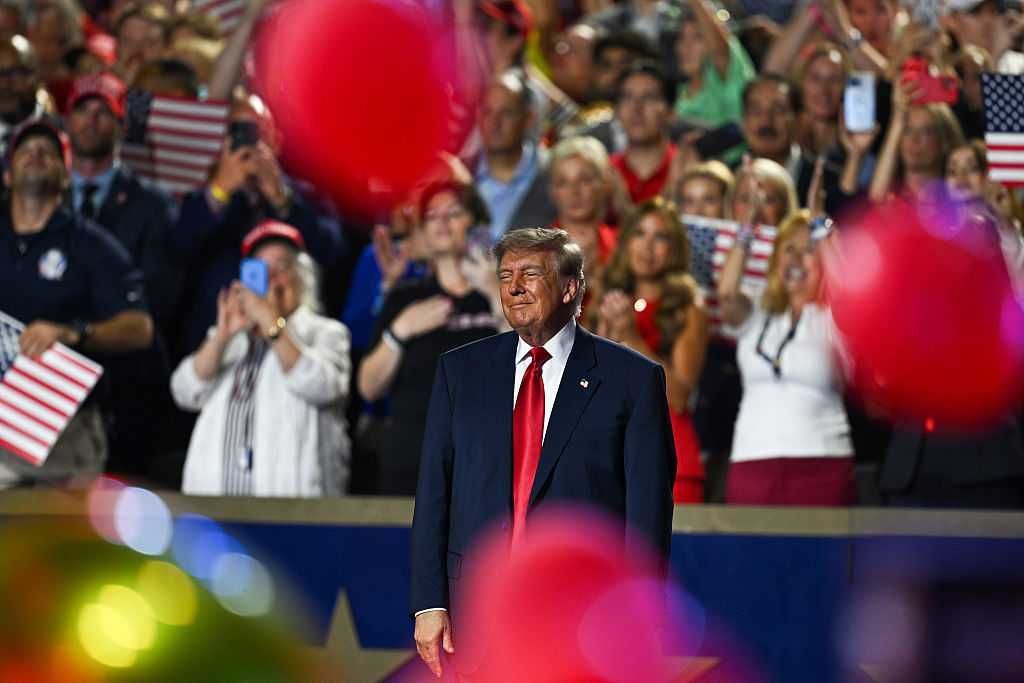
RELATED: 'Do me the biggest favor': President Trump keeps the crowd laughing as he makes the case for Republicans

Photo by Brandon Bell/Getty Images

After the speeches, opera singer Christopher Macchio ended the night with renditions of "America the Beautiful," "Nessun Dorma," and "All I Ask of You."

The crowd was explosive throughout the night, frequently erupting into applause and patriotic chants.

Holly Ham, an attendee from Houston, told Blaze News she was thoroughly impressed with the vice president's speech: "JD is eloquent. His speech was great. ... He loves our country. He wants a great future for our generation and for future generations."

Ham said she thought the convention did its job as far as motivating Republican voters. "This election is going to be important. ... We are getting the vote out. Everyone here is going to vote, vote, vote!"

Like Blaze News? Bypass the censors, sign up for our newsletters, and get stories like this direct to your inbox. Sign up here!
‘Vintage Trump’: Delegates rave about the president's convention speech


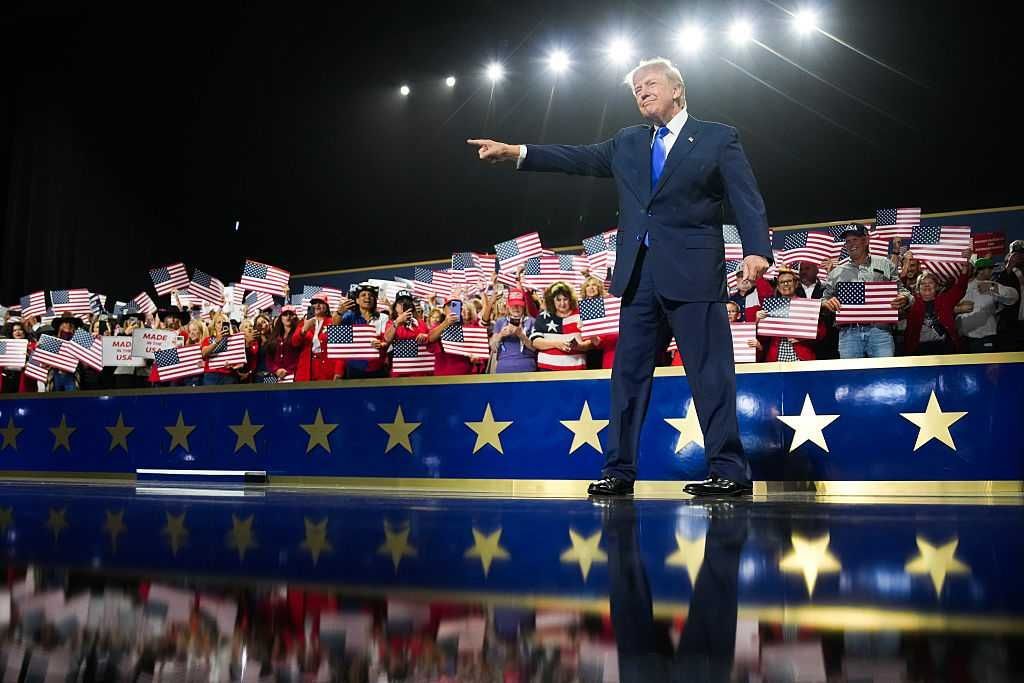
The atmosphere at the 2026 Republican Midterm Convention reached a crescendo on Wednesday as President Donald Trump took the stage. The president spoke for roughly an hour and a half, touting the accomplishments of his first two years but warning against complacency going into the midterms.

"If we lose," Trump said, in reference to the impending midterm elections in November, "you're going to lose your border. You're going to lose your tax cuts. You're going to lose your safety and security. ... You will be going through hell."

'He has a great sense of humor. People forget that.'

The crowd was fired up throughout the speech, which began just after 8 p.m. Central Time, frequently breaking into chants of "USA! USA! USA!"

Afterward, attendees said they felt energized by the president's commitment to winning in November. Randy Berholtz, a delegate from California, called the speech "vintage Trump."

Another attendee from Idaho told Blaze News she was encouraged by Trump's effort to turn out additional midterm voters and added that Trump's rhetorical style made the speech thoroughly enjoyable.

"He has a great sense of humor," she said. "People forget that."

RELATED: The mood is high as midterm convention gets under way

Blaze News

During the speech, Trump announced a plan to use tariff revenue to pay American adults $5,000 each, so long as Republicans maintain control of Congress after the midterms. "We'll call it the Trump dividend," the president said.

The announcement caused quite a stir both in the arena and online. One attendee from Washington told Blaze News he was encouraged by the dividend, adding that he thought it would be "good for families."

The arena remained full throughout the speech, prompting the president to comment on the "fake news media" searching for empty seats to photograph.

Leaning into the energy from the crowd, Trump spoke confidently about his administration's plan to continue pushing the GOP agenda forward through the next two years. He returned again and again to the importance of preventing Democrats from returning to power.

"America is not for sale. ... We do not negotiate with communists, with socialists, or with radical left lunatics."

Like Blaze News? Bypass the censors, sign up for our newsletters, and get stories like this direct to your inbox. Sign up here!

The mood is high as midterm convention gets under way


Energy is high in the American Airlines Center in downtown Dallas on Wednesday evening as the Republican Midterm Convention gets under way.

A near-constant stream of speakers, including candidates, politicians, and Trump administration officials have been highlighting GOP accomplishments and emphasizing the importance of turning out voters in November. Even though it is some time until President Donald Trump is scheduled to take the stage at 8 p.m. Central Time, the arena is already full.

'We absolutely will not go back to open borders, but we absolutely will go back to common sense.'

On the convention floor, delegates from across the country have expressed enthusiasm and loud cheers.

Jan Lowry, a delegate from Virginia, told Blaze News the experience has been great so far: “I’m excited. I’m fired up. It’s been great to be here.”

Her message to GOP leadership echoed the general atmosphere of the convention: “Keep it up. Don’t listen to the naysayers. Just keep doing what you’re doing.”

Congressman Brandon Gill (R-Texas) received some of the loudest applause for his speech highlighting the differences between Republicans and Democrats: "It's the mainstream vs. the extreme."

Gill emphasized the GOP's commitment to permanent results in electoral victories: "We absolutely will not go back to open borders, but we absolutely will go back to common sense."

RELATED: Politeness is white supremacy? Republican catches woke Smithsonian director in her own anti-white trap

Blaze News

The midterm convention has the same upbeat, festive atmosphere of a regular national party convention traditionally held before presidential elections. The floor is loud as the different delegations try to outdo each other in enthusiasm.

In the halls outside the arena, food stalls, press tables, and a busy merch store vie for the attention of thousands of guests, media, and various staff members circulating throughout the building.

Law enforcement presence is high, as resources from ICE, HSI, and the Dallas Police Department have been surged to the area to assist the Secret Service. Entire blocks around the American Airlines Center have been cordoned off to ensure safety for the president and other high-profile guests who will address the convention.

Trump is scheduled to take the stage this evening and is also expected to speak tomorrow as well, along with Vice President JD Vance.

Like Blaze News? Bypass the censors, sign up for our newsletters, and get stories like this direct to your inbox. Sign up here!

Dallas is the GOP’s last chance to remember why Trump won


The battle for the soul of the Republican Party and the America First coalition is already under way. The midterm convention in Dallas this week gives anxious voters a chance to see what the party thinks it is fighting for now — and what comes next.

Democrats are building a case around what might be called Republican DEI: data centers, Epstein, and the Iran war. The examples differ, but the attack line is the same. Republicans, Democrats say, are beholden to special interests and major corporations, indifferent to the struggles of ordinary Americans and increasingly consumed by self-dealing and vanity projects.

Republicans have a chance to get their groove back before the midterms — the last federal election cycle that will shape Trump’s presidency.

Politics is a contact sport, and the Democratic Socialists of America are ascendant. Their critique will not be answered by dismissing it or by pursuing policies that seem to validate it.

The accusation is simple: Republicans protect the people who finance them. They will do unpopular things if donors want them done and avoid popular things if donors object. That critique has worked before — remember Mitt Romney’s collapse — and it can work again.

The Dallas convention is an opportunity to reconnect the Republican Party with the insurgency Donald Trump launched in 2015: opposition to a special-interest-dominated GOP, a focus on the economic and cultural condition of forgotten Americans, and resistance to mass migration that intensified those pressures.

Somewhere along the way, that focus shifted — in policy and in tone. Consider President Trump’s post last week on Truth Social, touting data centers: “The only reason that communities throughout the U.S.A. should not want Data Centers is if they want to end up being backwards and poor.”

That sounds uncomfortably close to Barack Obama’s notorious quip about struggling small-town Pennsylvanians who “cling to guns or religion” because their communities had been left behind. Obama’s mistake was not noticing the economic pain. It was treating the people living through it with contempt. Republicans should not repeat it.

RELATED: The left uses primaries. The right wastes them.

id-work/iStock/Getty Images

Data centers are polling disastrously across party lines. Candidates are flipping positions and racing to oppose them. Put aside the merits of any individual project. The political signal is obvious: Americans do not trust the political and economic system to protect them from another massive technological transformation.

Their anxiety is not a messaging problem. It reflects lived conditions. Many Americans have watched factories close, wages stagnate, housing costs soar, communities deteriorate, and successive technological revolutions enrich people somewhere else. When they hear promises that AI infrastructure will make everyone richer, they remember how often “everyone” turned out not to include them.

That is why the socialist critique has traction. Too many Republicans reinforce it by behaving like the government-relations arm of Fortune 100 companies. Americans who feel abandoned by institutions will rage against the machine — and increasingly, against the machines themselves.

So Dallas arrives at the right time. To borrow an underrated movie title, Republicans have a chance to get their groove back before the midterms — the last federal election cycle that will shape Trump’s presidency. The convention should answer a basic question: What and whom does the Republican Party stand for?

RELATED: Republicans keep losing because they won’t take hostages

Win McNamee/Getty Images

The answer does not require a new slogan. It requires remembering the old promises. Trump’s rise was built on reindustrialization, immigration enforcement, hostility to corrupt special interests, and a conviction that government should pay more attention to the people who live in hollowed-out towns than to the institutions that profited from hollowing them out.

That agenda should again be squarely focused on working Americans whose finances have worsened, whose communities have been transformed, and whose confidence in the country’s institutions has collapsed. Reindustrialize. Enforce the border and remove the millions of people who have no lawful right to remain. Break the grip of special interests over the political class.

The midterm convention is an opportunity to assure voters that the Republican program is still about getting their country back — not telling them they are backward or poor for objecting to what Washington and corporate America have planned for them.

Taking the scenic route to a very serious Republican problem


By the time you read this, my friend and managing editor Rob Eno and I should be somewhere in the Mountain West, headed southeast toward Dallas.

We are taking the scenic route.

The Republican Party is a house divided.

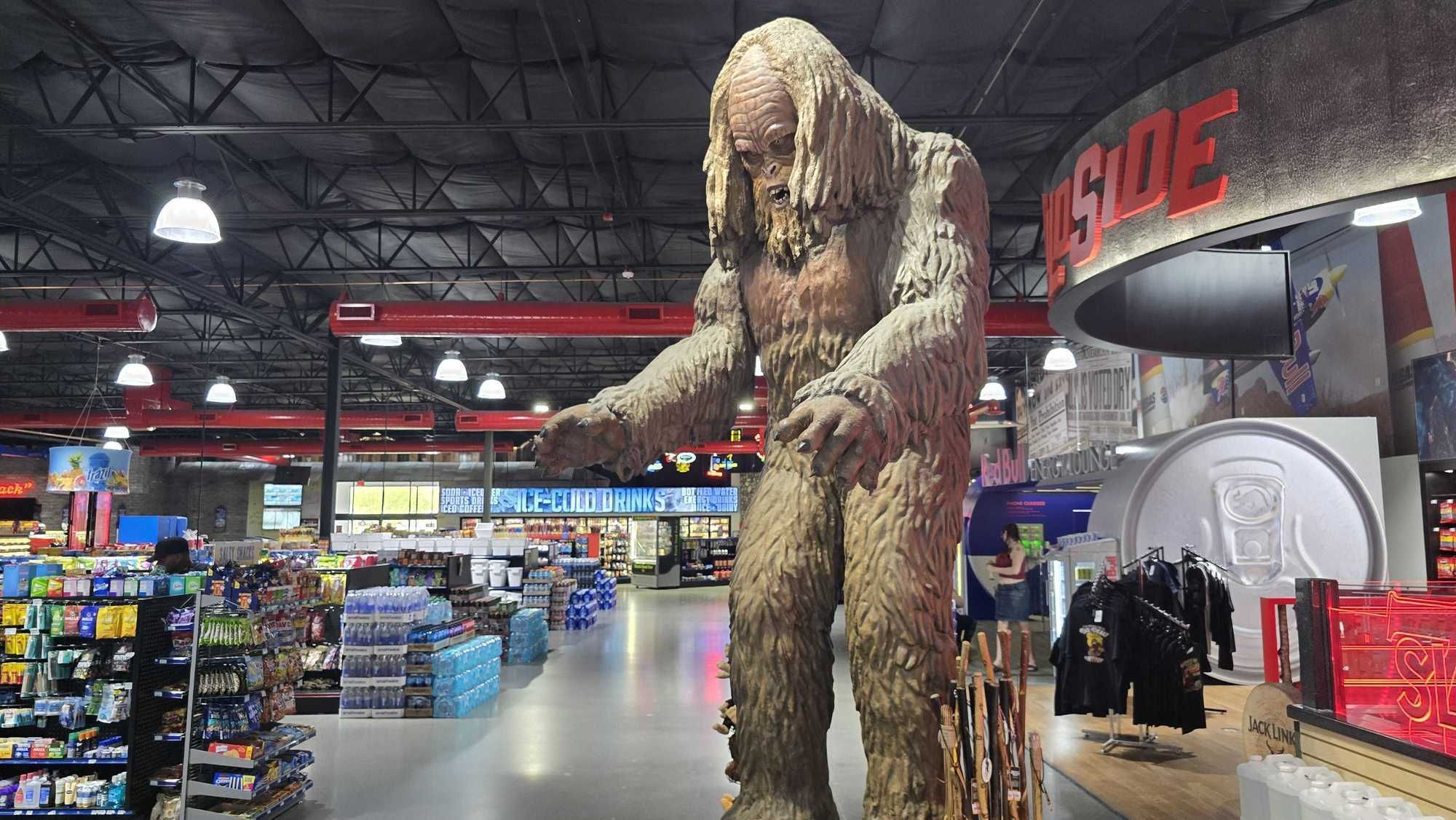
We took off Friday in a rental car from Inland Southern California. This was not entirely my idea. My doctor advised me not to fly for the time being, on account of a “blood pressure-induced event” in late March. Eno required remarkably little persuasion to turn a business trip into an expedition. He collects counties. He loves Buc-ee’s. He is weirdly excited about a 13-foot Sasquatch at a Terrible’s in Jean, Nevada.

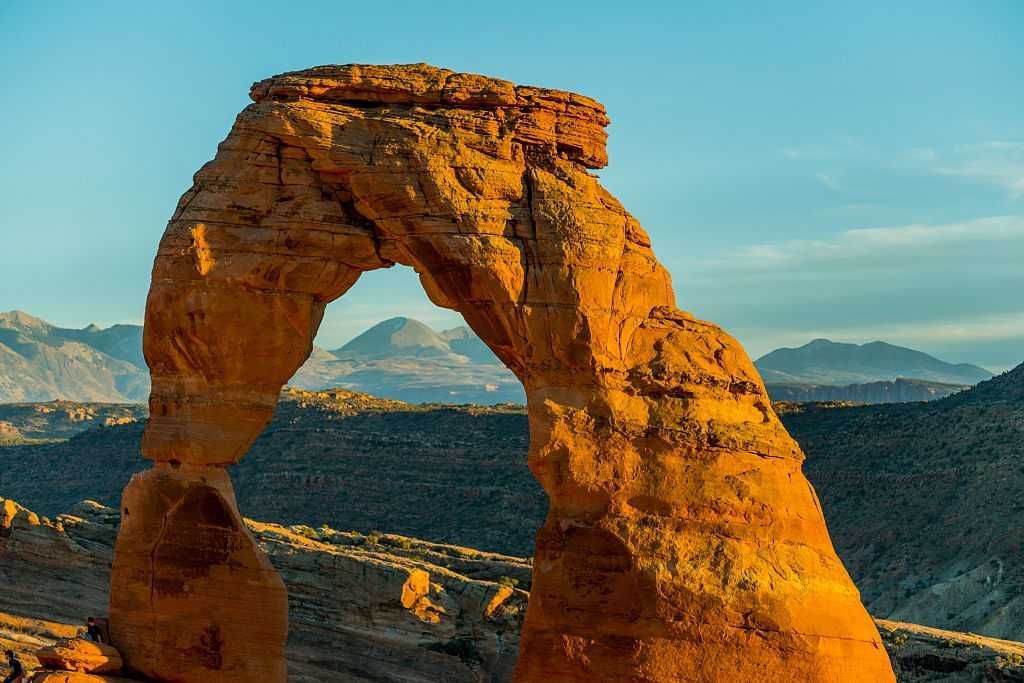
We are also stopping in Moab, Utah, on purpose.

I have owned Edward Abbey’s “Desert Solitaire” for years and have never read it — an oversight I have always assumed I would get around to correcting eventually.

So naturally, we’re going to Moab to pay homage to a writer I respect but haven’t read.

There will be plenty more levity along the way. I expect Rob and I will have developed three podcasts and sketched out a couple of book proposals before the trip is over.

The destination calls for a bit more gravitas, however.

We're going to Dallas as part of Blaze Media’s coverage of the Republican National Committee’s first-ever midterm convention, a two-day spectacle at the American Airlines Center. President Trump will appear both nights. Vice President JD Vance will keynote the first night.

This is a big deal. Not necessarily because the convention needs to happen. Good Lord, no.

Nobody is being nominated for anything. There are no delegates fighting over a platform or credentials. Republicans are spending a princely sum of money to stage something resembling a presidential nominating convention two years before the next presidential election.

It’s political theater, pure and simple.

Donald Trump, of course, understands the business of show very well. He wants a spectacle ahead of a midterm election that could be very bad for Republicans.

Notice the conditional: could.

RELATED: Sorry, socialists: The internet saved your homework

Rob Eno

I offer no predictions. The conventional wisdom says the president’s party loses seats in a midterm. Republicans have a razor-thin House majority. Trump has political problems. Nobody likes the war in Iran. Nobody likes the high cost of living. Nobody wants to pay $20 for a burrito, assuming such a thing exists. Republicans know they need to persuade voters that the country is moving in the right direction. Those anxieties are part of the reason Dallas is happening at all.

But Democrats possess a remarkable talent for self-immolation.

We have seen it with Graham Platner in Maine. We may be watching it in Michigan, where Abdul El-Sayed has spent precious weeks creating problems for himself with Jewish Democrats that Republicans would be foolish not to exploit.

Then again, Democrats can be ruthlessly effective when they choose to be. They have killed candidacies that became liabilities and cleared paths for stronger nominees. Anyone who remembers what the party establishment did to Bernie Sanders in 2016 — or how quickly Democrats jettisoned Joe Biden in 2024 — should hesitate before assuming they will simply stand around while Republicans win.

The Republicans have problems of their own, and they run deeper than any generic ballot.

Like it or not, the Republican Party is very much a house divided.

What remains of the Bush-Romney establishment still possesses considerable institutional power, especially in Congress. It is conservative in the least attractive sense of the word: hidebound, risk-averse, and frequently several election cycles behind its own voters.

MAGA defeated that establishment without entirely replacing it.

Trump transformed the Republican electorate. He changed its language, its priorities, its geographic base, and its relationship with the working class. But he also made himself indispensable to the coalition he created.

That’s dangerous.

Trump is 80. The Constitution bars him from another term. Sooner rather than later, Republicans will need to answer a question they have spent a decade avoiding: What is Trumpism without Trump?

RELATED: Who gets the GOP when Trump is gone?

Win McNamee/Getty Images

If the answer is “nothing,” the Republican Party is in much worse trouble than any poll can measure.

Maybe Dallas will provide a glimmer of an answer. Maybe JD Vance will be the heir. Maybe, just maybe, economic nationalism, immigration restriction, and a less interventionist foreign policy can become a durable governing program rather than the preferences of one extraordinary political personality.

Or maybe the convention will simply be a very expensive show about Donald Trump.

Eno and I should have a better idea by Wednesday.

But first we need to traverse the mountains and the desert.

And see the Sasquatch.

'Our Friend Can't Even Defend Himself': Jasmine Crockett's Pastor, Tapped To Replace Her in Congress, Defends Killer Karmelo Anthony as a 'Little Boy'

Retiring Rep. Jasmine Crockett's (D., Texas) pastor—who is the Democratic nominee to replace her in the House—referred to convicted killer Karmelo Anthony as a "little boy" and a "friend" on Sunday during a fiery Father's Day sermon at his Dallas church.

The post 'Our Friend Can't Even Defend Himself': Jasmine Crockett's Pastor, Tapped To Replace Her in Congress, Defends Killer Karmelo Anthony as a 'Little Boy' appeared first on .

England's World Cup team puts Christian faith first


When England begins its World Cup run against Croatia in Dallas today, millions of fans will be watching every move, hoping that Thomas Tuchel’s side can win the Three Lions' their first title since 1966.

Such a victory would make good on the squad's famous rallying cry, "It's coming home." For a growing number of England’s stars, however, it's a heavenly home that keeps them driven to excel.

Guéhi returned for the next match wearing the same rainbow armband but with a different motto: 'Jesus loves you.'

The phenomenon was on display in March when defender Marc Guéhi captained England for the first time in a friendly against Senegal. After the match, Guéhi posted a message on Instagram thanking God for the milestone: “Thank you to the Most High.” It was entirely in keeping with a player who has previously written “I love Jesus” and “Jesus loves you” on his captain’s armband and who has spoken openly about putting God at the center of his life.

Guéhi is hardly alone.

God Squad

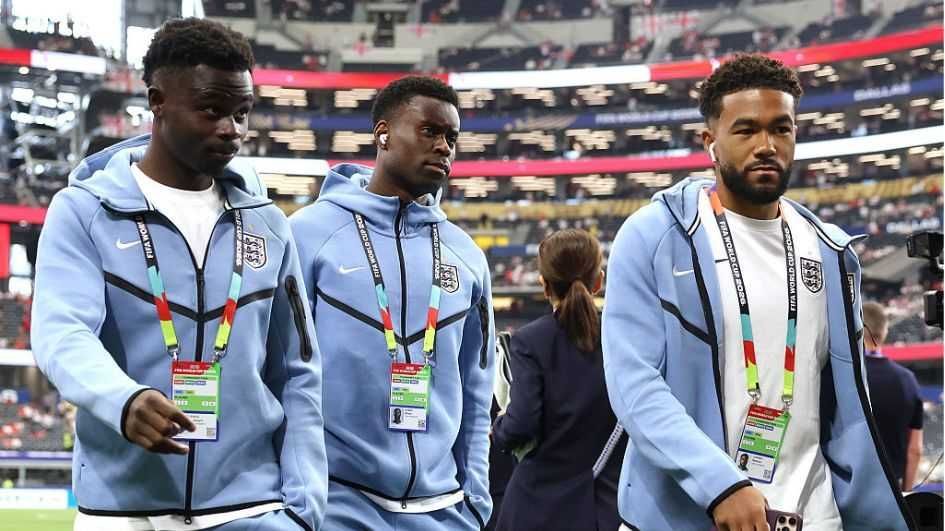
England’s current squad includes a cluster of openly Christian players — including midfielder Eberechi Eze and forwards Ivan Toney, Noni Madueke, and Bukayo Saka — whose habits of praying together and speaking publicly about their beliefs have earned them nicknames such as the “God Squad” and the “Bible Brothers” in parts of the British press.

To American audiences, the phenomenon may come as a surprise. The enduring stereotype of English football is one of raucous supporters, celebrity culture, and the hooliganism that scarred the game’s reputation decades ago. Yet beneath the surface, Christianity has become a visible and accepted part of life for many elite players.

Saka, one of England’s biggest stars, has made his faith central to his public identity. His Instagram bio identifies him as “#GodsChild,” and in interviews, he has spoken about reading the Bible every night and relying on prayer before matches. "God’s plan is perfect so I can go on the pitch and know that God has my back,“ he has said, explaining that his faith allows him to play with freedom rather than fear.

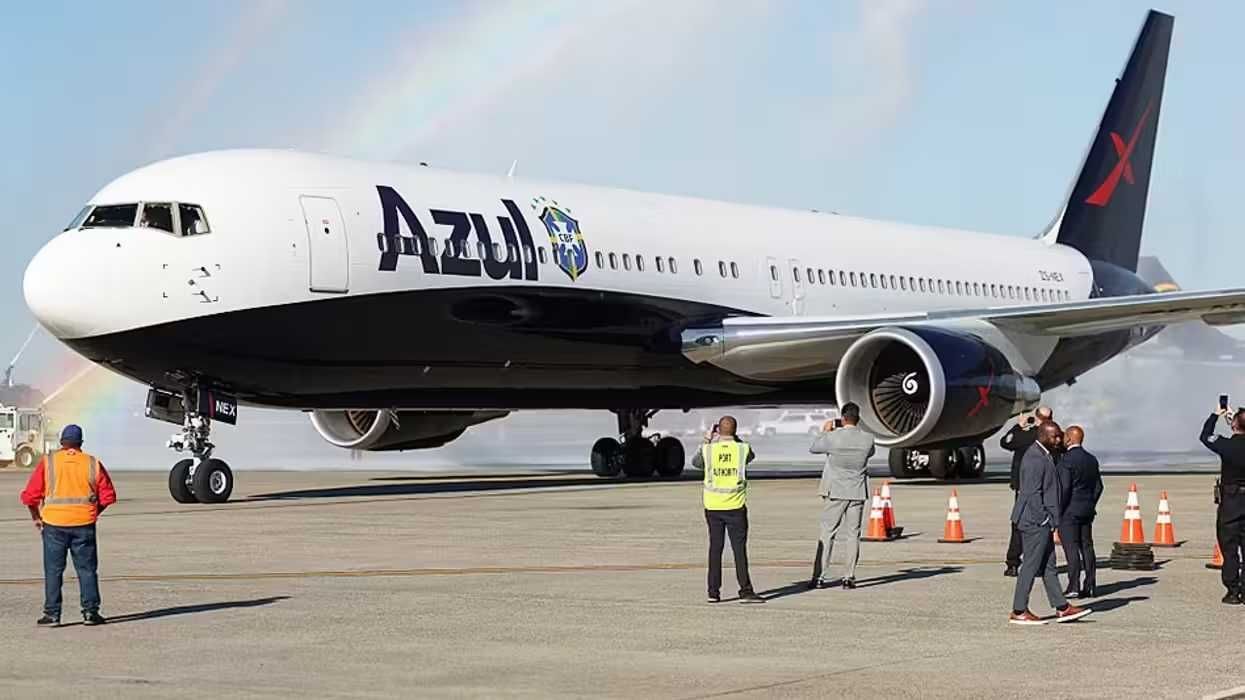
RELATED: Brazil sends off its World Cup team in the most Catholic way possible

Jordan Bank/Getty Images

Prayer on the pitch

The story, however, extends well beyond England’s national team. Across the Premier League, an increasingly visible Christian fellowship has emerged among players from different clubs and nationalities. Arsenal, in particular, has attracted attention for a number of openly Christian stars.

One of them is Saka's England teammate Madueke. After scoring against Bayern Munich last season, his first words to reporters were: “I just want to thank my Lord and Savior Jesus Christ.” Explaining the bond he shared with his Christian teammates (there are "about 10 of us," he estimated), he told the New York Times: “We believe we have God fighting for us."

Arsenal defender Jurrien Timber regularly posts Bible verses before matches and has earned the nickname “Pastor Timber.” “For me, it is a way of life, my faith,” he told the Athletic. “I try to live by it. We pray before games because we have a few Christians in our team, which is amazing. It brings unity and understanding because you kind of live the same life.”

Football fellowship

According to reporting by the Religion Media Centre, roughly half of Premier League clubs engage with Christian ministries, while about 80% have access to chaplaincy support. Those chaplains are not there to discuss tactics or team selection. Instead, they provide pastoral care — meeting players and staff through injuries, family crises, contract disputes, loneliness, and the intense psychological pressures of professional sports.

As Rev. Graham Daniels, a former professional footballer who now leads the organization Christians in Sport, wrote earlier this month, "At a time when many Christians feel increasingly isolated in their workplaces, there is something deeply encouraging about believers opening the Scriptures together in football clubs up and down the country."

For players like Guéhi, faith is more than private devotion. It is something to be expressed publicly, even at personal cost.

In 2024, Guéhi was serving as captain of Crystal Palace during the Premier League’s annual LGBTQ Rainbow Laces campaign, in which players are encouraged to wear rainbow armbands. Guéhi wore his, but wrote “I love Jesus” on it for a match against Newcastle United. After the Football Association reminded the club that its rules prohibit religious messages on playing equipment, Guéhi returned for the next match wearing the same rainbow armband but with a different motto: “Jesus loves you.”

Although the FA again contacted Crystal Palace to reiterate the regulations and Guehi faced the prospect of disciplinary action, the governing body ultimately declined to take formal action against either the player or the club.

Imported faith

The prominence of openly Christian players also reflects the increasingly international makeup of English football. Many stars with African and Caribbean family backgrounds have brought traditions of public worship, prayer, and church involvement into dressing rooms, where such expressions might once have been unusual. Prayer circles before kickoff and post-match thanksgiving have become familiar sights rather than oddities.

None of this, of course, means the Premier League has become a religious institution. It remains one of the world’s most commercialized and closely scrutinized sporting competitions. But beneath the billion-dollar television deals and transfer fees lies a quieter story: Bible studies, pastoral mentorship, and players who openly credit Jesus Christ with sustaining them through triumph and disappointment alike.

More Brewpubs And Museums Won’t Revive Cities Like Dallas, But Better Schools And More Cops Will

Dallasites need to focus on good schools, low crime, cheaper housing, and low taxes before culture and lifestyle.

Dear airlines, please stop pitching your credit cards at 33,000 feet


I have never considered flying to be a luxurious experience, and this trip was no exception. I don’t think I’m speaking out of turn when I say that all I or anyone else on the flight from Dallas to Detroit on Christmas morning wanted was for it to be over as quickly as possible.

I had waited in the inevitable jetbridge backlog, found my seat, dutifully ignored the safety briefing, and was ready to see if I could manage an hour or so of sleep. As the plane reached cruising altitude, I — having momentarily gained the upper hand in the case of Pestritto v. airline seat — began to slip into a light doze.

In the back of my mind, I knew it was coming, but that didn't make it any more bearable. The crackle of the PA system, the monotone, forced cheerfulness of the flight attendant as he delivered the fateful words: “We’d like to take this chance to tell you about a special promotion being offered on this flight.”

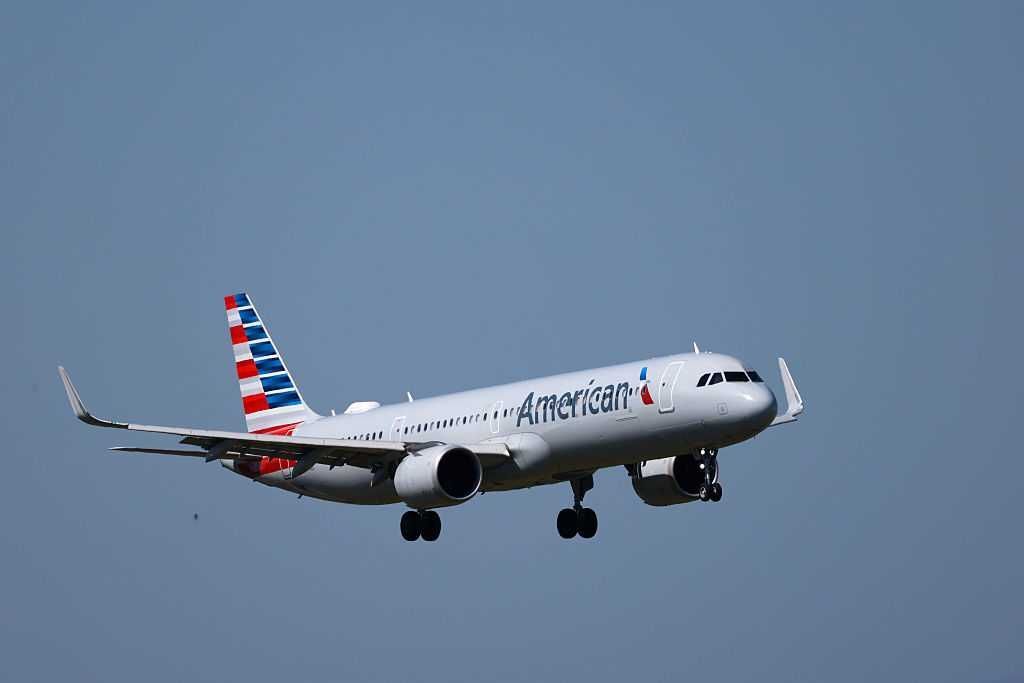
For a brief instant, some small part of me considered pulling the emergency door handle. Surely the icy blast of air at 33,000 feet couldn’t be any worse than enduring the dreaded American Airlines credit card pitch.

When I arrive at the airport, I am prepared to suffer.

After this brief instant of nihilism, the better angels of my nature prevailed, and I contented myself with a silent sigh, listening to the pitch as I meditated on the script’s use of the passive voice. As if the airline were saying, “This promotion is being pitched without your consent. By whom? No idea. We would certainly never inflict such an indignity upon our paying customers.”

Let me take a moment to make my position clear. I understand that air travel is an unpleasant experience. Anyone who has taken a flight more than once in his life almost certainly understands this fact.

I have shrugged my shoulders for two hours straight in a middle seat. I have sat on the tarmac for longer than I thought possible. I have nearly missed my flight because it took four TSA officers to handle the bomb threat posed by the pink sippy cup belonging to the toddler in front of me.

All that to say: When I arrive at the airport, I am prepared to suffer.

However, air travel and I used to have an agreement. Once I made it through the ritual humiliation of the airport process and actually got to my seat on the plane, I was left more or less alone to endure the next few hours as best I could.

I grew up making two-day road trips in a Suburban with my parents and seven siblings, so I consider myself something of an expert at enduring hours of cramped travel conditions. The trick is just sort of retreating within yourself, ignoring your surroundings, and letting the dull misery of the situation become a sort of vague background noise.

This strategy is why I support Delta’s recent decision to end in-flight refreshments on trips of less than 350 miles. Unless the flight is long enough to warrant it, I don’t want my restless slumber disturbed by a voice asking if I want apple juice like it’s lunchtime at the day care or, if I’m the hapless occupant of an aisle seat, my elbow socket being rearranged by the passage of the snack cart.

I want it to just be me, my popping ears, and my very sore rear end until such time as we touch down and I can begin the "Mad Max: Fury Road" experience of trying to get off the plane.

I should have known, though, that modernity is never content to rest on its laurels. Like a roaring lion, it goes about constantly seeking whom it might devour — if by “devour” we mean “deprive of both money and will to live.” Since most airline passengers are neither sober nor watchful, the airlines are as good a place for devouring as any.

RELATED: Artemis II proves America still knows how to reach for the heavens

Jim WATSON/AFP/Getty Images

American Airlines is not alone in its quest to eliminate any and all in-flight respite. I have sat through what can only be described as lottery drawings on Spirit Airlines (may she rest in peace), heard random promotions for goodness knows what on Frontier, and been pitched on the same Delta credit card I had in my wallet at the time.

I understand, to a certain degree, why the airlines see fit to inflict these announcements on their passengers. If you look into it, you’ll find that most airlines today are basically just “banks that happen to fly planes.” They actually lose money on the flying part of the operation, which probably has something to do with the incessant attempts to bring customers over to the profitable side of the business.

The details of airline loyalty programs and how they have changed the industry is a story for another time. My concern is twofold.

First: How long can I endure these incessant credit card pitches before I commit self-harm or — far worse — break down and get one of them?

Second: What’s to stop this most heinous of sales methods from spreading to other forms of transportation? How long will it be before I have to endure automated pitches for the Honda GroundMiles Card whenever I stop at a red light?

I don’t expect much when I travel. Whether I’m sitting in Dallas traffic or at cruising altitude over Oklahoma, my greatest desire at this point is to endure the agony unassisted by the vicissitudes of corporate marketing.

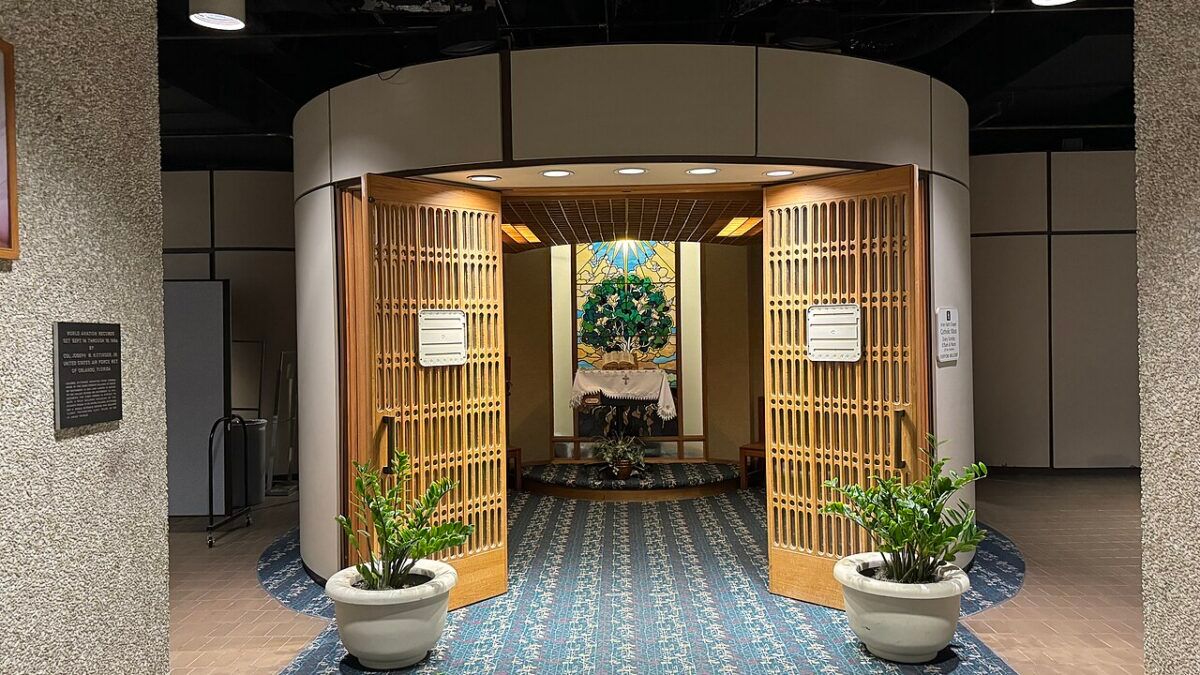
DFW Airport’s ‘Interfaith Chapels’ Replace Crosses With Muslim Prayer Rugs

So-called 'interfaith’ chapel at airports are essentially mini-mosques. There was not a single cross in two chapels I visited.