Satan has a mix tape — and Taylor Swift is on the playlist
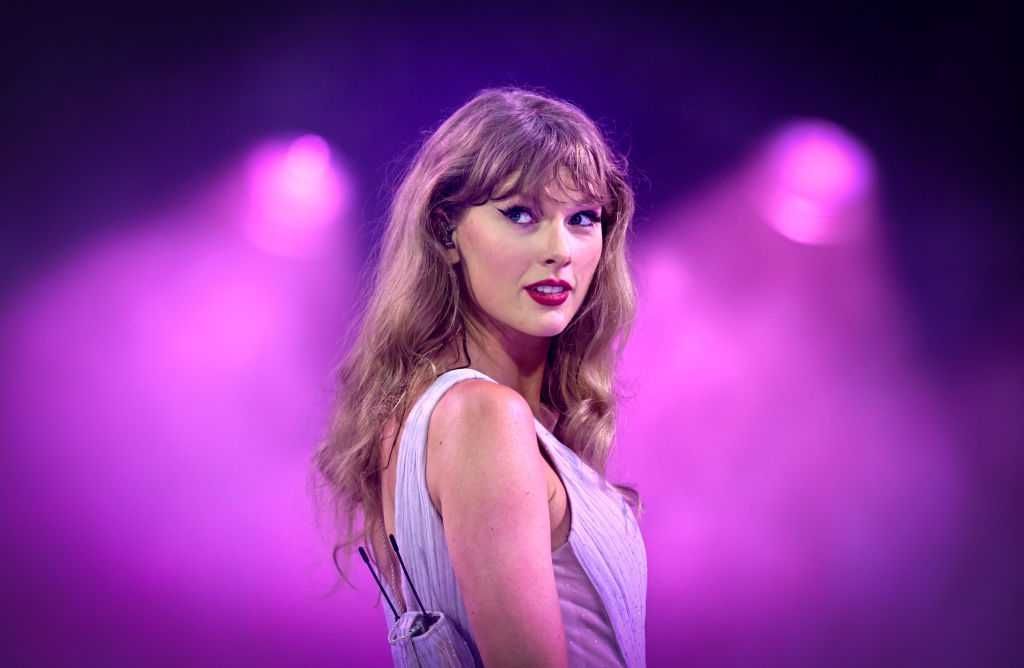


Taylor Swift is back with a new record, and with her return come the old accusations.

For years, people have suggested that she hides strange symbols in her songs and videos. Even other pop stars have said the same thing — and they’re not wrong. From the serpent motif that slithered through her "Reputation" era to the witchy forest rituals of "Willow" and the tarot-like imagery of "Midnights," Swift has long played with the language of mysticism.

What faith once offered in family and devotion, the industry now mimics through sexualization and self-display.

It’s seductive, deliberate, and deeply disturbing.

Rock once wore its rebellion openly. Ozzy Osbourne feasted on bats. Led Zeppelin flirted with the occult. Alice Cooper strutted across stages like the devil in drag. But pop is subtler, sweeter — and far more dangerous. Rock shouted “Hell!” for the shock of it. Pop smiles, takes your hand, and leads you there.

Billie Eilish, the Beetlejuice of pop, floats through a fog of depression, her music drowning in melancholy: songs about mutilation, numbness, and detachment from reality. Lil Nas X, a raving homosexual who seems to revel in depravity, enjoys grinding on Satan. Doja Cat smears herself in blood and calls it expression.

None of this is random. The industry has learned that darkness sells because emptiness is a vacuum that needs to be filled. Rhythm reaches where reason can’t, and belief can be rewritten one beat at a time.

Unfortunately, no audience is more vulnerable than young girls.

They listen on repeat, absorbing lyrics like liturgy. Pop has always known how to reach them. In the 1960s, the Beatles sang of love as liberation. By the 1980s, Madonna turned it into a marketing campaign. Britney Spears wore innocence like a costume, then tore it off — literally and figuratively — knives in hand. There is something unmistakably demonic in her descent, a possession of the spirit that fame so often brings.

The same story repeats itself across the pop pantheon.

Once the cherubic choirboy of global pop, Justin Bieber now fluctuates between repentance and relapse, his body scarred by tattoos and abuse. There’s also Miley Cyrus, Demi Lovato, Katy Perry, and Ariana Grande, each one a pathetic version of their former selves.

The pop idol is no longer a musician but a model for imitation. The results are visible: depression, anxiety, disordered eating, and a generation that sings about love but cannot define it or identify it. Young people are raised on a rotation of heartbreak and hedonism, told to celebrate the very things that destroy them.

Pop today preaches a gospel of transaction. Every desire is for sale. Love is no longer a covenant but a contract. Sex is not intimacy but advertisement. Artists sing about bodies the way brokers talk about stocks — measured in clicks, hype, and fleeting returns.

The message is clear: Everything is currency, even the body.

RELATED: Taylor Swift's 'Life of a Showgirl': The same sad sound and fury
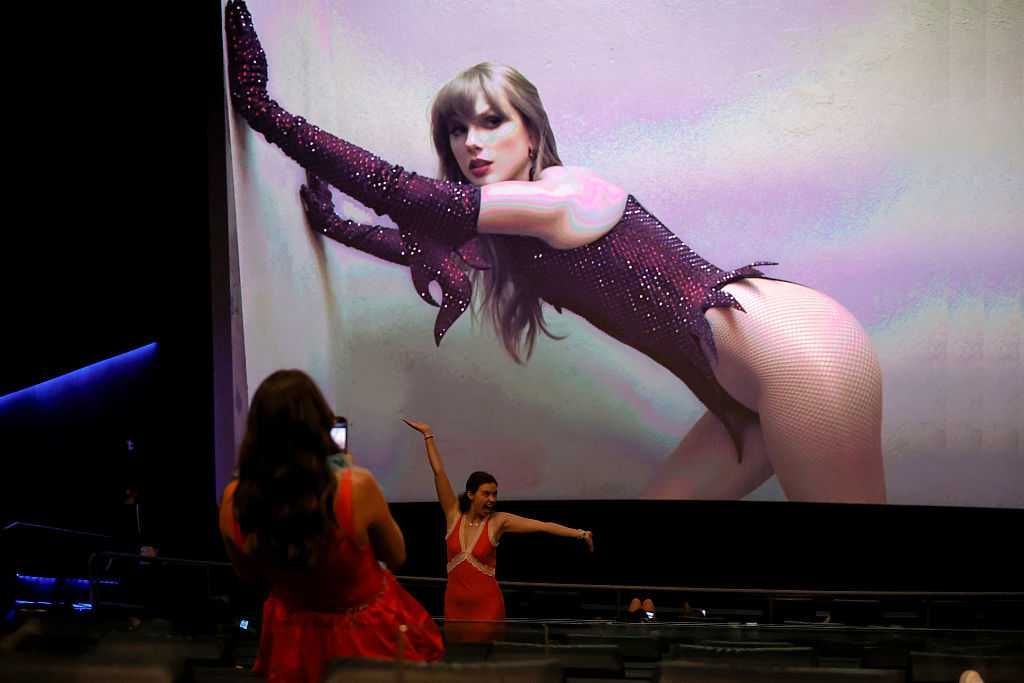
Frazer Harrison/Getty Images

What began as entertainment has evolved into indoctrination. The language of romance has been replaced by the “logic” of the marketplace. Pleasure is product, people are platforms, and purity is just another brand to discard once it stops selling. The line between pop music and OnlyFans is straighter than most want to admit. Both peddle illusion — connection without commitment, desire without depth.

What faith once offered in family and devotion, the industry now mimics through sexualization and self-display. The result is a culture fluent in indulgence, obsessed with pleasure but ignorant of purity. What once pointed upward now drags us down. The language of heaven has been rewritten in the dialect of hell.

Even the visuals echo it. Neon crosses. Angel wings stitched from latex. Horns hidden beneath halos. The symbolism, evident to anyone with functioning vision, is always dismissed as “art.” But art without virtue stops telling the truth and starts selling the lie. And history reminds us that deception has always been the devil’s favorite instrument.

Pop’s greatest trick is pretending it’s harmless. Rock scared parents into vigilance. Pop lulls them into complacency. It sounds innocent enough, but beneath the cute choruses lies the same poison. When every song preaches self-worship, when every lyric mocks modesty, when every beat celebrates bondage, the playlist becomes a pilgrimage into perdition.

The industry calls it entertainment. But look closer and you’ll see a darker design: music that numbs, not nourishes, and beats that bind, not liberate.

It’s no accident that the idols of this age are called “idols.”

Tens of millions stream them, worship them, and defend them with evangelical ecstasy. They shape the moral mood of the young more than any preacher ever could. And yet while they sell songs about love and light, the world they create grows darker by the day. Broken homes. Hookup culture. Teenage pregnancies. Gender confusion. Isolation and self-harm. Faith mocked. Fatherhood maligned. Motherhood treated as an outdated inconvenience.

The irony is that Swift and several other artists were raised in the church. They know the cadence of a hymn, the thrill of a crowd, the longing for transcendence. They just redirected it. The altar became a stage, and the worship didn’t stop but changed direction.

But here's the truth: Mocking religion is a poor substitute for meaning. You can dance in devil horns for only so long before realizing there’s nothing on the other side of derision and disdain. No culture that mocks the sacred can remain strong.

The industry calls it entertainment. But look closer and you’ll see a darker design: music that numbs, not nourishes, and beats that bind, not liberate. The melodies are catchy because the message must be smuggled in softly. That’s the genius — and the evil — of pop music.

And so we arrive where we began. Taylor Swift has released another record. Millions have listened. But few have stopped to wonder what’s being worshipped.

Satan no longer hides in the dark. He performs under a spotlight.
Our Cultural Surrender To Screens Has Bred An Entirely Unserious Generation

One gauge of our decline is the vanishing of public intellectuals and a swelling number of wired celebrities, influencers, and pitchmen.
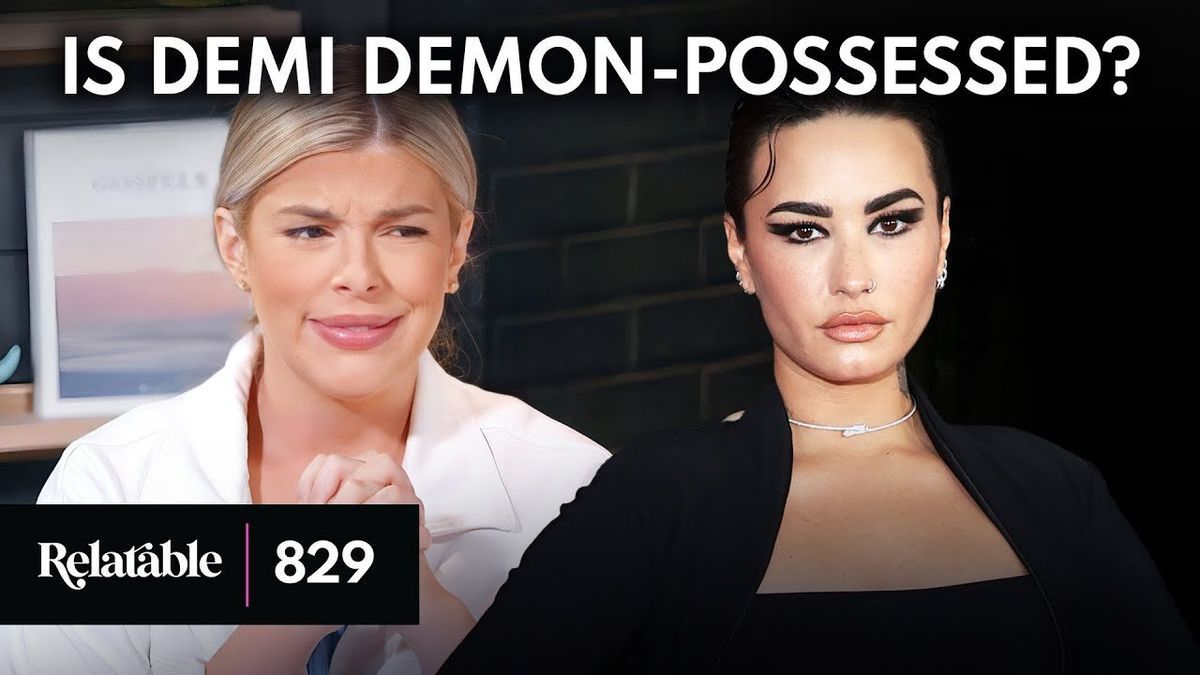
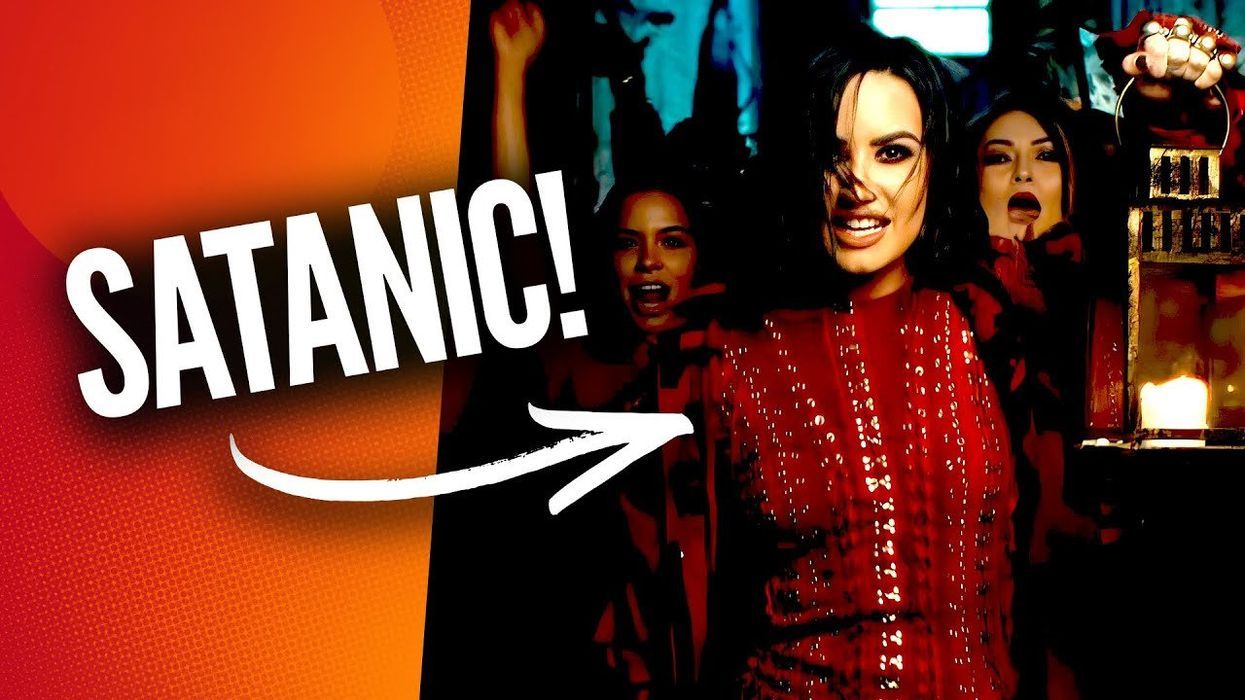
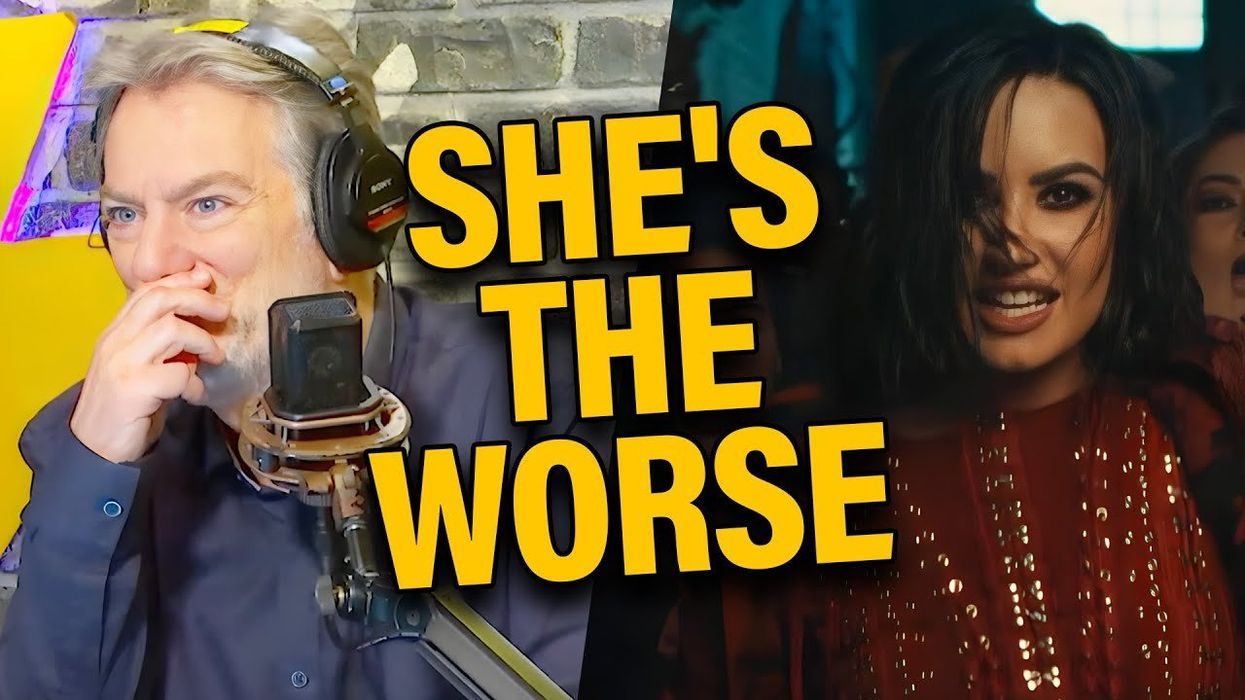
Allie Beth Stuckey: Demi Lovato needs Jesus


If Demi Lovato releasing a song celebrating abortion was on your bingo card for 2023, you can cross it off now.

Lovato’s new song “Swine” protests the one-year anniversary of the overturning of Roe v. Wade and features vulgar lyrics like, “God forbid, I wanna suck whatever the f**k I wanna / God forbid, I wanna f**k whoever the f**k I wanna.”

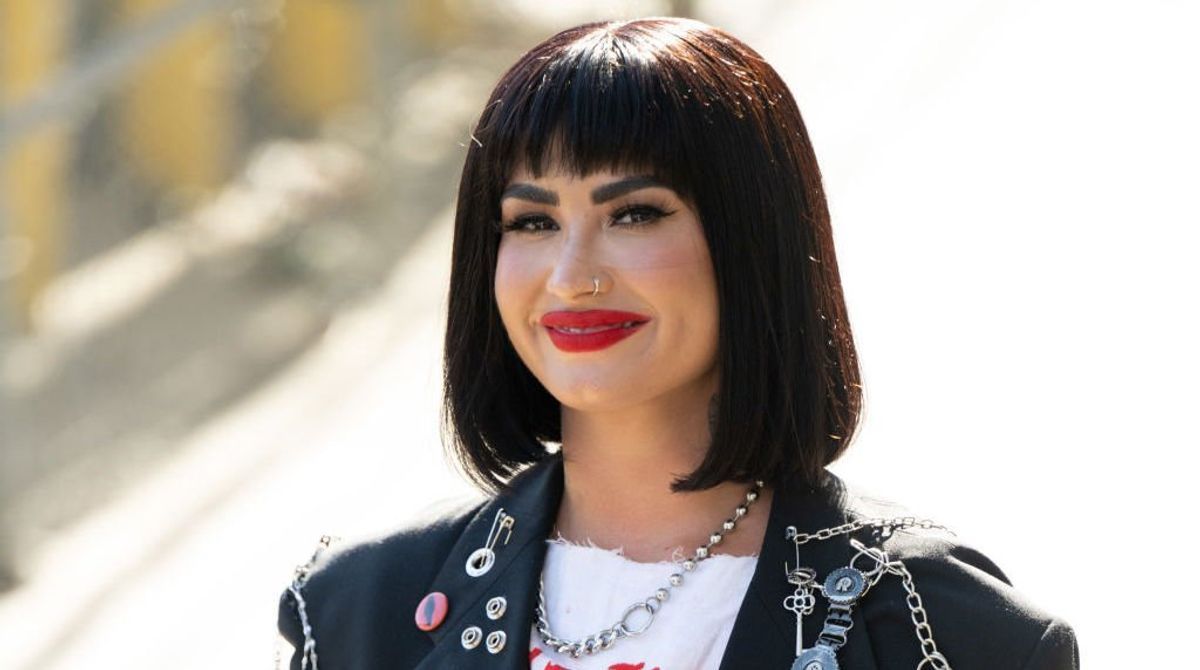
Lovato has also recently changed her pronouns back to she/her, as she claims it was too exhausting having to correct people as a “they.” Allie Beth Stuckey thinks Lovato desperately needs to find Jesus.

In a tweet, Lovato explained that “Swine” was meant to “empower not only the birthing people of this country, but everyone who stands up for equality, to embrace their agency and fight for a world where every person’s right to make decisions about their own body is honored.”

“I want to empower you right now, Demi Lovato,” Stuckey responds, “you do not have to have unprotected sex. That is a choice that you can make.”

In cases of rape, which many abortion activists cling to as why abortion is necessary, Stuckey believes that “we should give the death penalty to the rapist and not the child.”

However, Lovato doesn’t quite make that argument in her song. Rather, her lyrics show a much more vain reason for not wanting to give the child a life.

Toward the end of the song, she sings, “We gotta’ grow and we gotta’ raise them / We gotta’ feed and bathe them / And if you won’t they call you a witch to burn at the stake in Salem.”

“It’s just completely – not just morally bankrupt – but intellectually bankrupt, like she doesn’t know what she’s talking about,” Stuckey says.

“In all 50 states, abortion is legal to a certain extent. In a lot of states it is legal through all nine months with very few stipulations,” she continues, “so, like, what exactly is she talking about here?”

Stuckey answers that question herself.

Lovato isn’t quite talking about any issues that she’s particularly knowledgeable on, but rather “glorifying selfishness” and a “crass, promiscuous lifestyle.”

“I think that there’s something very deep that she’s fighting, very demonic that she’s fighting,” Stuckey reasons.

While Stuckey believes the song is abhorrent, she isn’t concerned.

“It's not going to change anyone’s mind; it’s not going to turn anyone from pro-life to being pro-choice. I don’t even think it’s going to encourage anyone to, you know, abort their child. It’s just adding to the noise, and it really kind of makes me sad for her.”

“I just pray that Demi Lovato, that God works on her heart,” she adds.


Want more from Allie Beth Stuckey?

To enjoy more of Allie’s upbeat and in-depth coverage of culture, news, and theology from a Christian, conservative perspective, subscribe to BlazeTV — the largest multi-platform network of voices who love America, defend the Constitution, and live the American dream.

Demi Lovato wages war against the unborn in her new single, 'Swine'


Demi Lovato released a new song called “Swine” to protest the one-year anniversary of the Roe v. Wade overturn — and Sara Gonzales of "The News & Why It Matters" is disturbed, to say the least.

The video shows Lovato clad in red, thrashing around in front of men dressed in black and features lyrics like, “God forbid, I wanna f*** whoever the f*** I want / And if he cums, I guess I gotta be a mother.”

“It’s not lost on me that everyone there was in black and she was dressed in red. I wonder what the significance of that is?” Gonzales asks.

“She’s dancing for the overlord,” guest Jaco Booyen explains, “she’s in red because she’s the sacrificial lamb. She is literally telling you ‘I trade my soul for fame.’”

“Scripture says, ‘Don’t cast your pearls before swine.’ OK? They will cast children before Satan,” Booyen continues.

Booyens believes she has sadly sold her soul, commenting that she seems to be in “serious trouble.”

Gonzales agrees, adding that it was “downright satanic.”

She notes that there was also clearly a lot of anger in Lovato’s performance, mentioning that she even looked “possessed” throughout.

“It’s just that you really shouldn’t be that angry about not having the ability to kill your own child.”

Lovato had written an Instagram post to accompany her new song, in which she wrote that “we must continue to be united in our fight for reproductive justice,” adding that she “created ‘Swine’ to amplify the voices of those who advocate for choice and bodily autonomy.”

“I feel so bad,” Gonzales says, “and also infuriated with the next generation, with these younger females who are so easily manipulated and tricked into thinking that like, ‘Oh, abortion is banned!’”

“I would love it if that were the case, but it’s not. You can go to states that will literally fund your entire trip there,” she adds.


Want more from 'The News & Why It Matters'?

To enjoy more roundtable rundowns of the top stories of the day, subscribe to BlazeTV — the largest multi-platform network of voices who love America, defend the Constitution, and live the American dream.

Demi Lovato drops pro-abortion song during anniversary of Roe v. Wade overturning – the lyrics will leave you SPEECHLESS


This isn’t the first time Demi Lovato has done something that’s resulted in severe backlash. The artist’s choices have caused much scrutiny over the years, and it’s no surprise.

Her last album, “Holy Fvck,” for example, was banned in the U.K. after being deemed extremely offensive. The cover features the artist dressed in a racy, lingerie-esque ensemble as she lies on a cross.

Now Lovato strikes again, leaving many, including Pat Gray, outraged. While conservatives across the country celebrated the anniversary of the overturning of Roe v. Wade on June 24, Lovato dropped a new song titled “Swine.”

Here are a few of the lyrics:

The government knows my body
No, it's okay, it's better this way, I'm only a carbon copy
Even if I'm dying, they'll still try to stop me.
[...]
My life, my voice
My rights, my choice
It's mine, or I'm just swine.

“I like killing babies,” Gray mockingly sings.

Watch the clip here.


Want more from Pat Gray?

To enjoy more of Pat's biting analysis and signature wit as he restores common sense to a senseless world, subscribe to BlazeTV — the largest multi-platform network of voices who love America, defend the Constitution, and live the American dream.

Demi Lovato admits she uses 'she/her' pronouns again because policing 'they/them' was 'absolutely exhausting'


Singer Demi Lovato revealed this week that she returned to using "she/her" pronouns because she found it "exhausting" to tell everyone all the time that she was a "they/them."

In 2021, Lovato came out as "non-binary" and requested that fans use "they/them" pronouns when referring to her. One year later, Lovato added "she/her" to her list of personal pronouns because she had been "feeling more feminine."

Now, Lovato says she resumed using "she/her" pronouns for an entirely different reason.

"I constantly had to educate people and explain why I identified with those pronouns. It was absolutely exhausting," Lovato told GQ Hype Spain in a recent interview. "I just got tired. But that is why I know that it is important to continue spreading the word."

Still, Lovato expressed feelings of oppression because, for example, most public spaces do not have gender-neutral bathrooms.

"I face this every day. For example, in public toilets. Having to access the women's bathroom, even though I don't completely identify with it," she continued. "I would feel more comfortable in a genderless bathroom. Or it also happens when filling out forms, such as government documents or any other where you have to specify your gender. You only have two options, 'male' and 'female,' and I feel like none of that makes sense to me."

Ironically, Lovato admitted she feels pressured to identify as a "woman."

"I see myself conditioned to choose 'woman' because there are no more options. I think this has to change. Hopefully with time there will be more options," she said.

Lovato's reflections demonstrate the inherent problems with connecting grammar and gender theory.

Language, as a means of communication, naturally derives a way to talk about observable singular and plural categories. English, for instance, uses "they/them" pronouns to communicate plurality (i.e., more than one person) when referring to the subject or object of a verb.

It makes sense, then, that Lovato would have difficulty policing people to ensure they referred to her, a singular entity, using plural referents.

Like Blaze News? Bypass the censors, sign up for our newsletters, and get stories like this direct to your inbox. Sign up here!

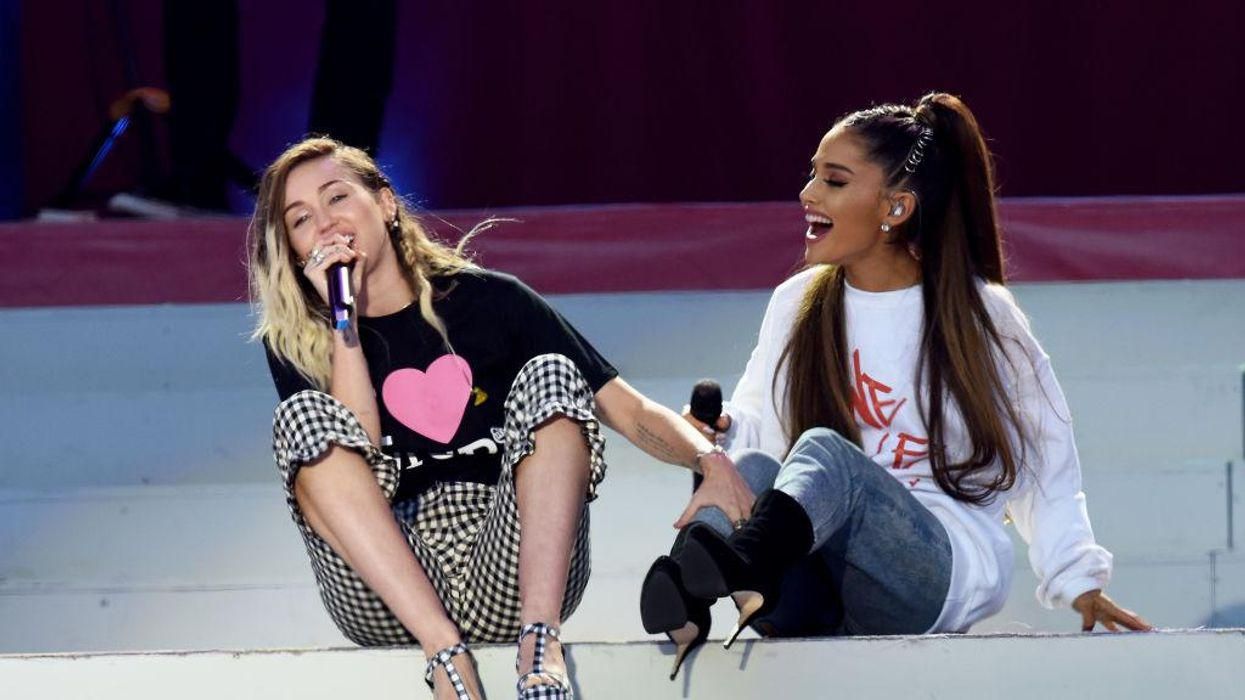
Miley Cyrus, Ariana Grande, and others join  Planned Parenthood in ad campaign promoting the right to kill unborn children


Dozens of entertainers and musical artists — including big names like Ariana Grande, Billie Eilish, Megan Thee Stallion, and more — have signed on to an ad from Planned Parenthood declaring they are being "robbed of our power" by losing the right to kill their unborn children.

The full-page ad ran in the New York Times Friday days after a leaked Supreme Court draft majority opinion for Dobbs vs. Jackson Women's Health Organization indicated the court will uphold Mississippi's 15-week abortion ban and overrule its landmark Roe v. Wade decision. This action by the court would end the constitutional right to kill unwanted children before they are born and activate so-called trigger laws in 26 states that would ban or restrict abortion access.

In response, Planned Parenthood, the nation's number one abortion provider, has launched a "Bans Off Our Bodies" campaign to oppose the Supreme Court's expected decision and pro-life laws. The New York Times ad is part of that campaign.

"Our power to plan our own futures and control our own bodies depends on our ability to access sexual and reproductive health care, including abortion," the ad states.

"We are Artists. Creators. Storytellers. We are the new generation stepping into our power. Now we are being robbed of our power. We will not go back — and we will not back down," the signatories declare.

In addition to those mentioned, the ad was signed by numerous celebrities including Kendall Jenner, Selena Gomez, Olivia Rodrigo, Shawn Mendes, Camila Cabello, Demi Lovato, Halsey, Hailey Bieber, Camila Mendes, Lili Reinhart, Madelaine Petsch, Karlie Kloss, Ariana DeBose, Madelyn Cline, Hailee Steinfeld, Dove Cameron, FINNEAS, Hayley Kiyoko, Madison Beer, Phoebe Bridgers, Joey King, Peyton List, Lauren Jauregui, Jenna Ortega, Storm Reid, Tinashe, Meghan Trainor, Tommy Dorfman, Melanie Martinez, Liza Koshy, and Maia Mitchell.

"These young artists are encouraging their fans to join them in speaking out in support of the right to access sexual and reproductive health care, including abortion," Planned Parenthood said in a statement.

"Should the Supreme Court take away the constitutional right to safe, legal abortion, young people stand to lose the most. So many of us — who grew up with the understanding that Roe was settled law — could have never imagined that our own children would have fewer rights and less freedom over their own bodies and futures," said Planned Parenthood President Alexis McGill Johnson.

"What we see in young people from all walks of life is that they aren’t backing down — not today, not ever. Like the artists who signed on to this ad, their resolve to keep bans off their bodies is a source of hope during a dark time, and we are determined to keep fighting alongside them, for them," she added.