
EXCLUSIVE: Here’s How Trump Prepared For Historic State Of The Union Address
'The president is very detail oriented'
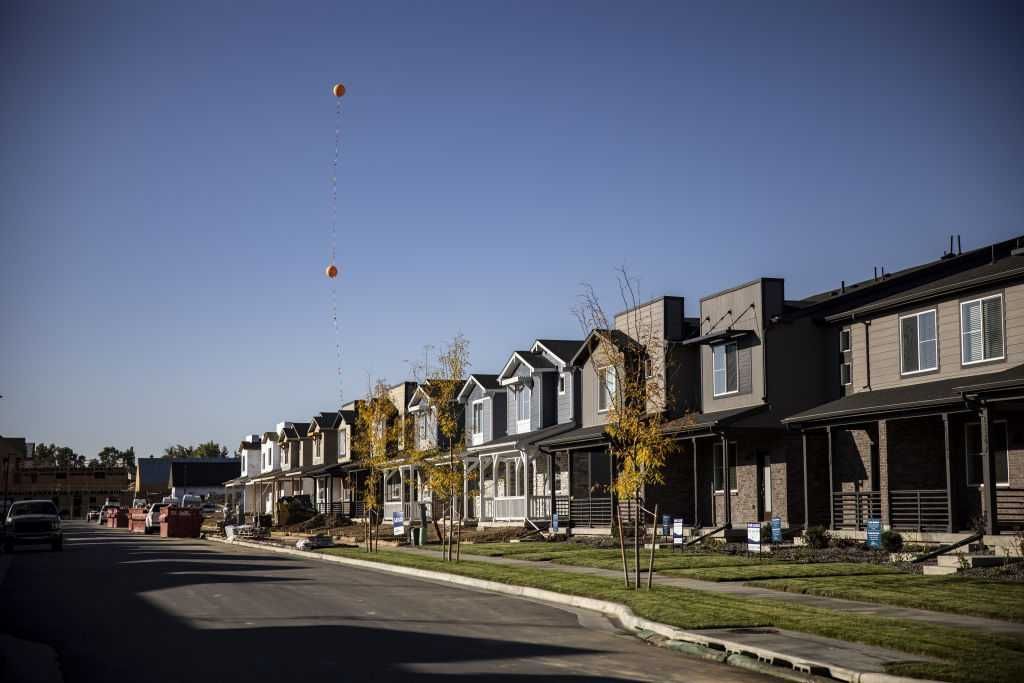
More than 300 residents in Colorado received federal housing benefits despite being ineligible, including over 200 deceased individuals, according to an audit.
The New York Post reported on Thursday that an audit by the Department of Housing and Urban Development found that 221 deceased individuals and another 87 ineligible residents received taxpayer-funded housing benefits.
'From deceased tenants to individuals receiving HUD housing benefits who were never supposed to, the Department has questions for HUD-supported housing providers in Colorado, and we expect prompt answers and enforcement action.'
The department is requiring an additional 2,519 beneficiaries to undergo verification to confirm their eligibility.
A source told the Post that HUD found that the fraud involved most of Colorado’s 59 public housing agencies and was “particularly pronounced in the Denver Housing Authority,” the news outlet wrote.
HUD provides approximately $440 million in taxpayer funds to Colorado’s PHAs, which oversee 38,000 leased units. These units are either public housing or covered by housing choice vouchers. Beneficiaries are typically required to contribute roughly 30% of their income toward housing.
HUD is expected to require PHAs to ramp up their beneficiary vetting efforts and remove ineligible recipients. Additionally, PHAs that provide benefits to ineligible beneficiaries will be required to reimburse the misused taxpayer funds. Those who fail to comply will face additional sanctions, the Post reported.
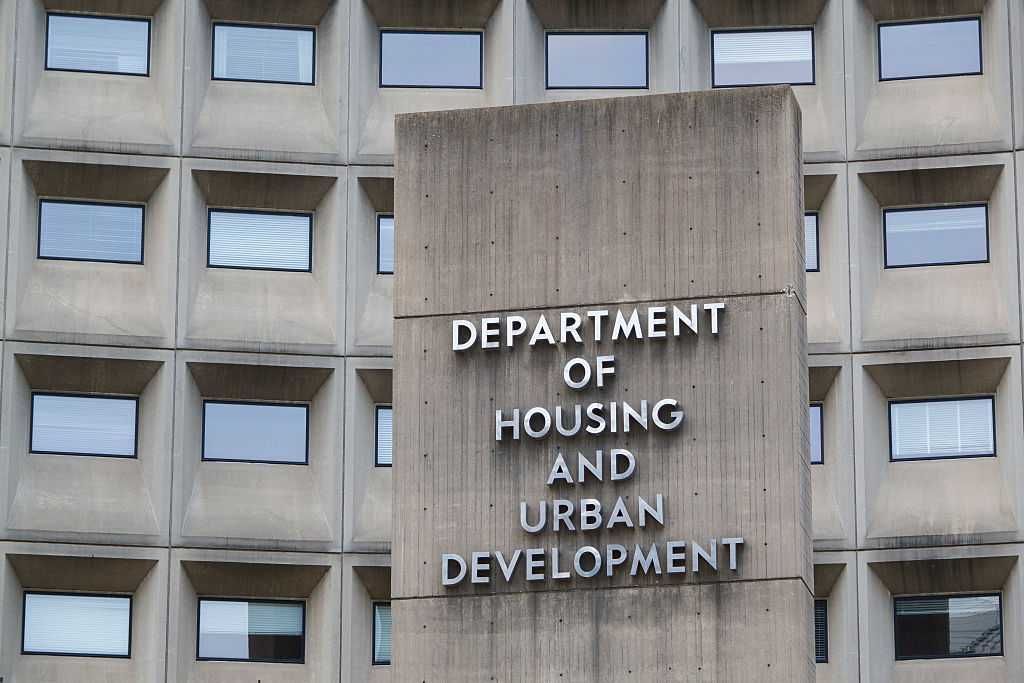
The department’s findings have reportedly prompted a federal investigation into Colorado’s housing providers.
“From deceased tenants to individuals receiving HUD housing benefits who were never supposed to, the Department has questions for HUD-supported housing providers in Colorado, and we expect prompt answers and enforcement action,” a HUD spokesperson told the Post.
RELATED: Democrat-led city's alleged ‘race-based’ housing strategy prompts federal investigation
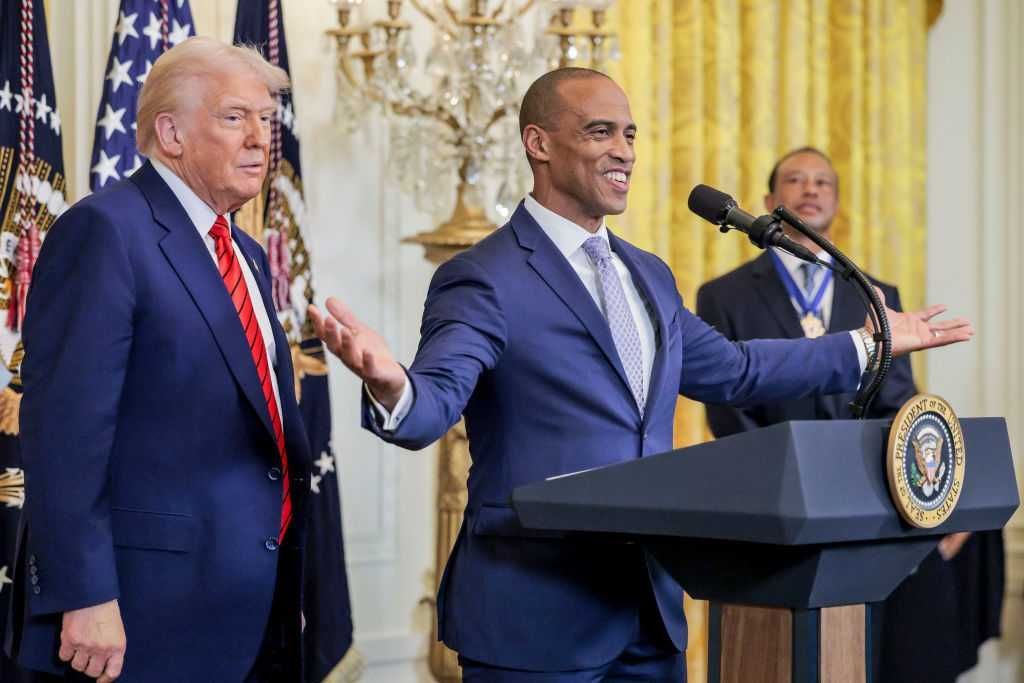
Earlier this week, the Washington Examiner reported that HUD sent federal investigators to Minnesota to look into potential housing fraud amid reports that $1 billion in taxpayer funds was funneled primarily to those of Somali descent.
HUD launched an investigation last week into Boston’s alleged “race-based” housing program, claiming that the city’s diversity, equity, and inclusion practices may “violate civil rights protections under the Fair Housing Act and Title VI.”
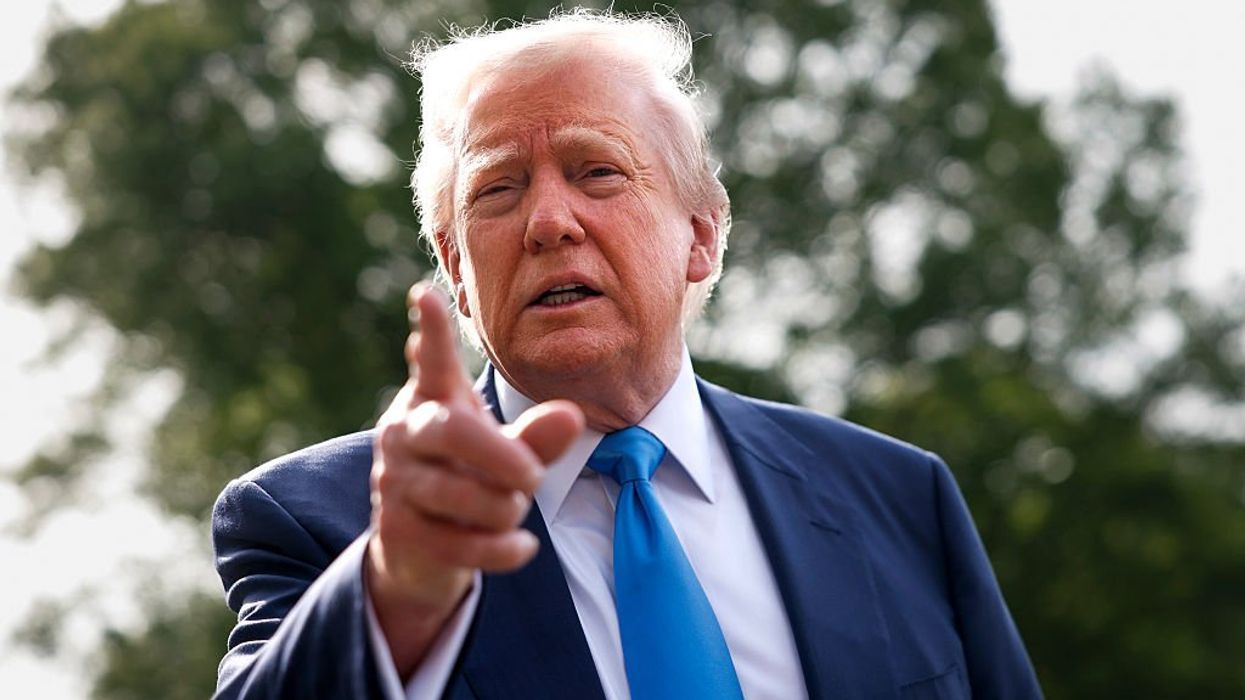
President Donald Trump unveiled a budget plan in May that proposed drastically cutting HUD’s discretionary funding by over 40%.
Denver Housing Authority did not respond to a request for comment.
Like Blaze News? Bypass the censors, sign up for our newsletters, and get stories like this direct to your inbox. Sign up here!
One Democratic-led city’s housing plan is facing scrutiny from the Trump administration’s Department of Housing and Urban Development.
On Thursday, HUD announced that it had opened an investigation into Boston’s “race-based” housing program, claiming that the city’s diversity, equity, and inclusion practices may “violate civil rights protections under the Fair Housing Act and Title VI.”
'This warped mentality will be fully exposed, and Boston will come into full compliance with federal anti-discrimination law.'
HUD sent a letter to Boston’s Office of Housing in mid-September, stating that the department had reason to believe the city was using federal grants to support a race-based housing plan. The letter cited the city’s website, which described Boston Housing Strategy 2025 as “provid[ing] tools to … reduce racial disparities through homeownership and development opportunities for BIPOC-led organizations.”
Boston’s housing strategy states that its goal is to ensure at least 65% of home-buying opportunities are awarded to “BIPOC” households.
HUD requested numerous documents from Boston to investigate the matter.
The department informed Democratic Mayor Michelle Wu’s office on Thursday that it had opened an investigation into its housing strategy.
“To further its racialist theory of housing justice, the City’s Fair Housing Assessment promises to ‘target homebuyer outreach’ at ‘Black and Latinx families’ and pressure ‘banks and mortgage lenders to increase their lending in communities of color,’” read HUD’s notification to Boston.
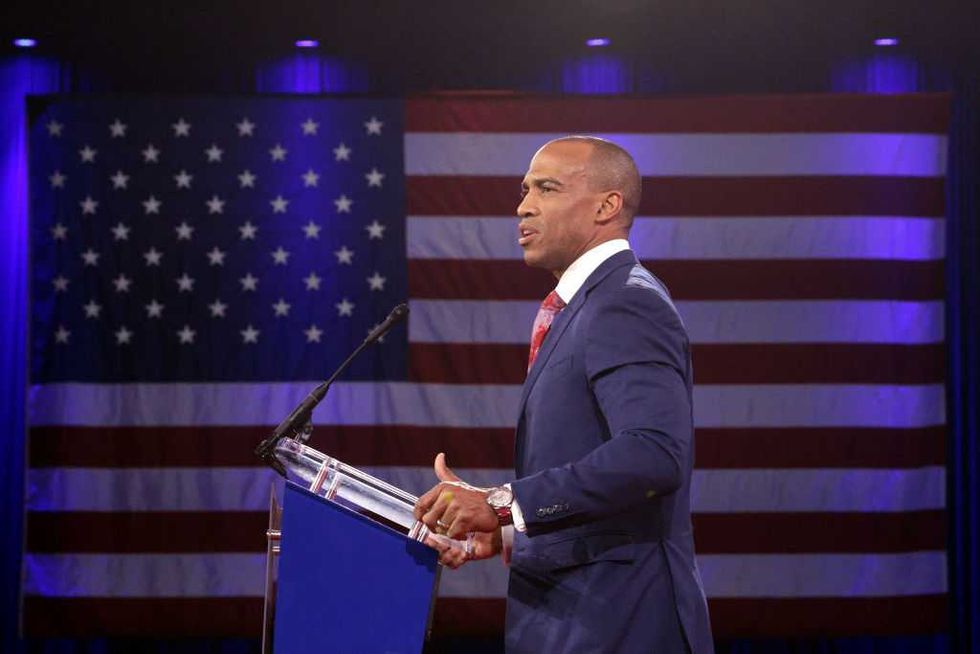
HUD Secretary Scott Turner stated that the department believes the city ”has engaged in a social engineering project that intentionally advances discriminatory housing policies driven by an ideological commitment to DEI rather than merit or need.”
RELATED: Trump proposes drastic cuts to 'dysfunctional' Section 8 housing program
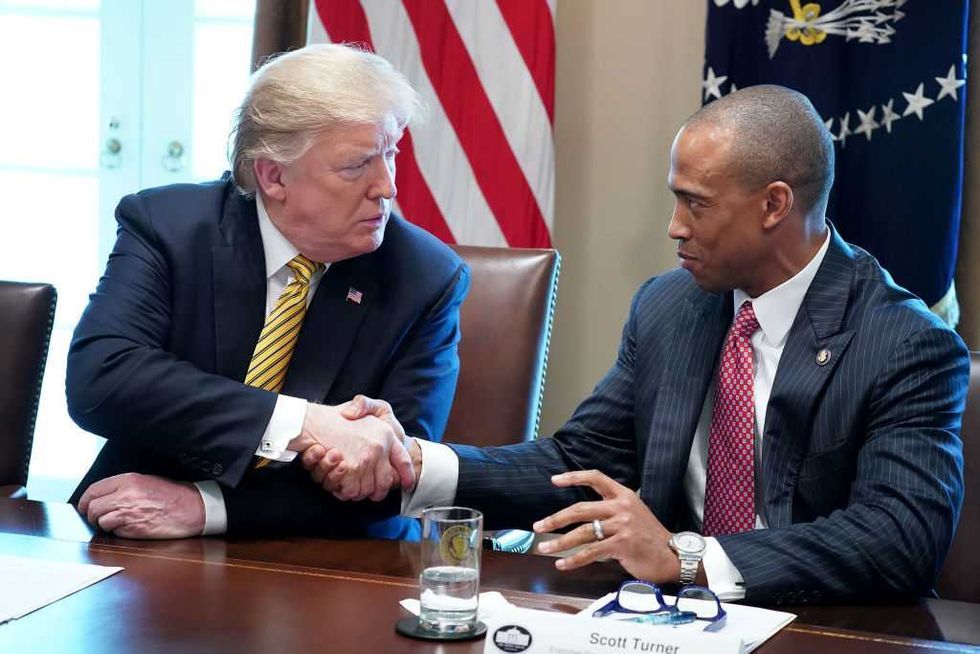
“HUD is committed to protecting every American’s civil rights and will thoroughly investigate the City’s stated goal of ‘integrating racial equity into every layer of city government,’” Turner said. “This warped mentality will be fully exposed, and Boston will come into full compliance with federal anti-discrimination law.”
A city spokesperson told Blaze News, “Boston will never abandon our commitment to fair and affordable housing, and we will defend our progress to keep Bostonians in their homes against these unhinged attacks from Washington.”
Like Blaze News? Bypass the censors, sign up for our newsletters, and get stories like this direct to your inbox. Sign up here!
What is it about the National Defense Authorization Act that makes it a dumping ground for every dumb liberal pet project?
First the Trump administration pushed an AI data-center amnesty that would have stripped states of authority over massive, power-hungry facilities. Then lawmakers tried to slip in Sen. Elizabeth Warren’s housing bill, a package built to subsidize Section 8 tenants and builders and to fuel the very forces driving the current housing bubble. After a backlash, both provisions came out of the NDAA. Now congressional leaders plan to pass the Massachusetts Democrat’s housing bill on its own.
The real crisis comes from government debt and the inflation it fuels. This is not a shortage of lumber or land. It is a monetary chokehold created by government policy.
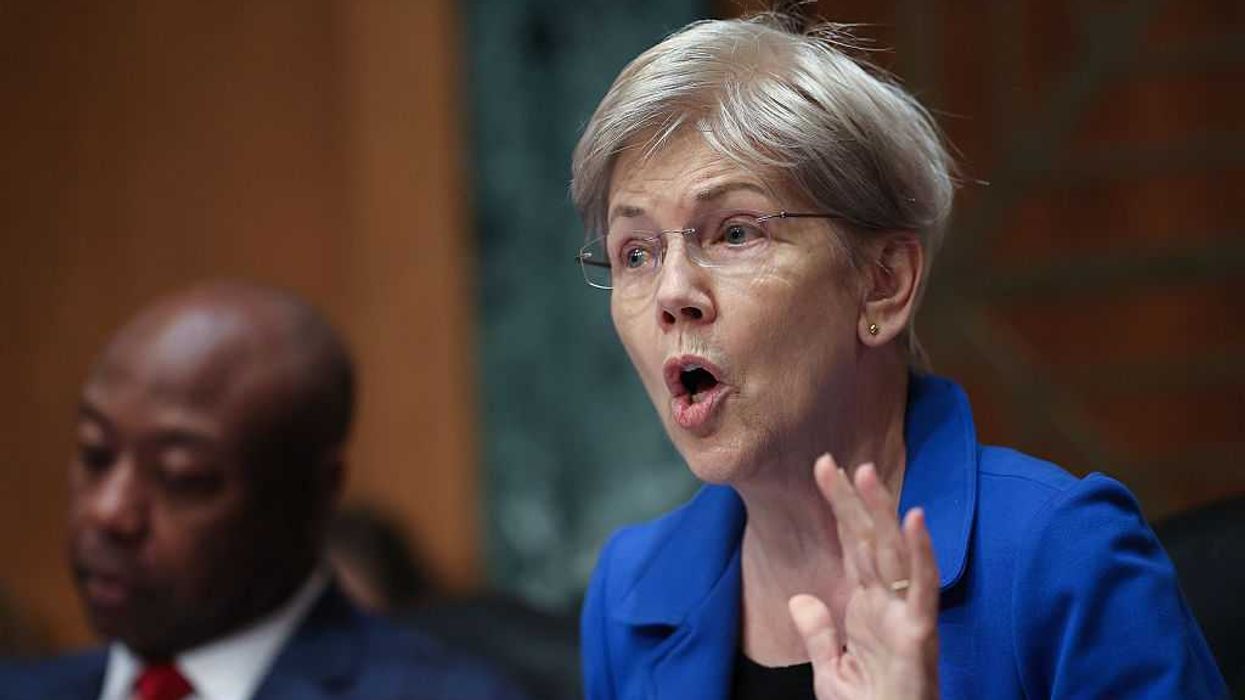
Earlier this year, Senate Banking Committee Chairman Tim Scott (R-S.C.) worked with Warren to move S. 2651, an omnibus housing package that expands every federal program Trump previously vowed to cut. They attached the legislation to the Senate’s NDAA, then lobbied House conservatives to adopt it in their version of the defense bill. At the last minute, House leaders stripped the language. The House Financial Services Committee now plans to mark up the bill next week.
Here’s the trouble: The bill misdiagnoses the housing crisis. It treats high prices as a supply shortage instead of a government-fueled asset bubble and inflationary pricing distortion.
The result is predictable. Its 40 provisions would expand Section 8, loan subsidies, “affordable housing” grants, and even looser mortgage programs for people priced out of the market. Every one of these items pours accelerant on the factors that drove the 2008 bubble and the post-COVID spike.
Government subsidies for overbuilding and for buyers who cannot afford homes created the crisis. Yet like a dog returning to its vomit, Scott, the president, and Senate Democrats are endorsing Warren’s 2020 campaign platform to revive the same model. The bill promises builders and activist groups federal cash in exchange for regulatory concessions. The trade-off is disastrous.
Section 202 creates a new federal grant program to fund local housing projects in designated zones — a warmed-over version of the community-engineering schemes Obama’s Department of Housing and Urban Development pushed a decade ago.
Meantime, Section 209 establishes a $200 million yearly fund at HUD to award “innovative housing reforms” to localities that reshape zoning to favor dense, subsidized units.
Conservatives would call these incentives an invitation to replicate failed urban policies in red suburbs. The bill rewards grifting nonprofits and community organizers who treat federal housing programs as political infrastructure.
At the same time, the administration is pushing rules that limit red-state zoning authority to clear the way for data-center construction while promoting Section 8 expansion with new incentives and zoning guidance. It revives, in effect, Obama’s Affirmatively Furthering Fair Housing regime — the same racial-gerrymandering tool Trump killed in his first term. Supporting the Scott-Warren bill would revive it in practice.
Worse, the bill rests on a false premise. America doesn’t have a housing shortage. According to Redfin, as of October sellers outnumbered buyers by 36.8% — about 529,000 more sellers — the largest gap since 2013. Census data shows about 148 million housing units for roughly 134 million households, a surplus of around 14 million units. When Trump took office, the vacancy count stood near 11 million, yet prices were far more affordable.
The real crisis comes from government debt and the inflation it fuels. Construction costs surged with inflation. Interest rates spiked to service that debt, creating an interest-rate cliff that locked millions of homeowners into sub-3% mortgages. They cannot sell without doubling their monthly costs. High rates froze the existing inventory in place. This is not a shortage of lumber or land. It is a monetary chokehold created by government policy.
RELATED: Why the kids are not all right — and Boomers still pretend nothing’s wrong

Federal housing policy adds another layer. Fannie Mae and Freddie Mac long prioritized “access to credit” over price stability. By guaranteeing high-risk loans and encouraging low down payments, they allow buyers to bid more than their incomes justify. Subsidized credit lifts prices for sellers, not buyers.
S. 2651 makes the problem worse by expanding the Community Development Block Grant and similar programs, encouraging activist groups and corporate developers to overbuild units no one can afford without subsidies. That process pushes prices upward and strengthens corporate buy-ups of suburban neighborhoods.
The administration previously acknowledged these distortions. In Trump’s FY 2021 budget, the Office of Management and Budget proposed eliminating CDBG and the HOME Investment Partnerships Program, arguing that states and localities were better positioned to address affordability challenges. This new bill reverses that logic entirely.
The Federal Reserve’s rate whiplash — a decade of near-zero borrowing costs followed by sudden hikes — froze supply by trapping owners inside artificially cheap mortgages. Washington’s policies created the gridlock. The inventory exists. Monetary policy quarantined it.
What the administration needs to do is allow prices to fall back toward alignment with median incomes. That adjustment would restore affordability without new federal intervention. Instead, the FHFA is pushing lower credit-score requirements for subsidized mortgages. That mistake will repeat the pattern of enticing families into overpriced homes they cannot sustain.
Housing policy should stop trying to prop up inflated prices. The market must correct. A federal “solution” built around 40 expansionary programs will intensify the crisis, not solve it. Doing nothing would spur more affordability than this bipartisan blunder.
President Donald Trump's administration released a budget plan on Friday that proposed drastic cuts across the federal government, including slashing the Department of Housing and Urban Development's discretionary funding by more than 40%.
The budget referred to the federal government's current rental assistance program as "dysfunctional." NPR reported that it essentially called to end the Housing Choice Voucher Program, also known as Section 8, noting that it would slash rental aid by roughly 40%.
'It furthers our mission-minded approach at HUD of taking inventory of our programs and processes to address the size and scope of the federal government, which has become too bloated and bureaucratic to efficiently function.'
According to the administration's budget plan, the proposal aims to empower states to provide housing assistance "by transforming the current federal dysfunctional rental assistance programs into a state-based formula grant which would allow states to design their own rental assistance programs based on their unique needs and preferences."
If adopted, the budget would place a two-year cap on rental assistance for able-bodied adults. It would also ensure that "a majority" of the funding went toward the elderly and disabled.
"A state-based formula program would also lead to significant terminations of federal regulations," the budget continued. "In combination with efforts related to opening up federal lands, this model would incentivize states and the private sector to provide affordable housing."
Additionally, the budget would earmark $25 million in housing grants for individuals aging out of the foster care system.
HUD Secretary Scott Turner released a statement responding to Trump's proposed budget, calling it a "bold ... reimagining of how the federal government addresses affordable housing and community development."
"It rightfully provides states and localities greater flexibility while thoughtfully consolidating, streamlining, and simplifying existing programs to serve the American people at the highest standard," Turner said. "It creates the opportunity for greater partnership and collaboration across levels of government by requiring states and localities to have skin in the game and carefully consider how their policies hinder or advance goals of self-sufficiency and economic prosperity."
He added, "Importantly, it furthers our mission-minded approach at HUD of taking inventory of our programs and processes to address the size and scope of the federal government, which has become too bloated and bureaucratic to efficiently function."
Critics of the plan have argued that it would lead to a spike in homelessness.
Kim Johnson, policy manager with the National Low Income Housing Coalition, told NPR, "We would see, I think, homelessness escalate in a way that has been really unprecedented and unheard of."
NLIHC argued that the budget would "decimate HUD's vital affordable housing, homelessness, and community development funding."
"In total, the 'skinny' request foreshadows a full request that will aim to slash HUD spending by 44% from FY25, including a proposal that would result in an unprecedented 43% cut to HUD's rental assistance programs," the nonprofit stated.
NLIHC noted that 200,000 households currently depend on the HCV program.
Others supported Trump's move to reduce Section 8 funding significantly.
Conservative commentator Ann Coulter wrote in a post on social media, "Section 8 housing is a scam for slumlords to charge the government exorbitant rents on behalf of non-paying welfare recipients. Can't imagine anyone OTHER THAN a slumlord defending it."
Like Blaze News? Bypass the censors, sign up for our newsletters, and get stories like this direct to your inbox. Sign up here!

 www.theblaze.com
 www.theblaze.com