How RFK’s New Dietary Chart Will Save American Lives
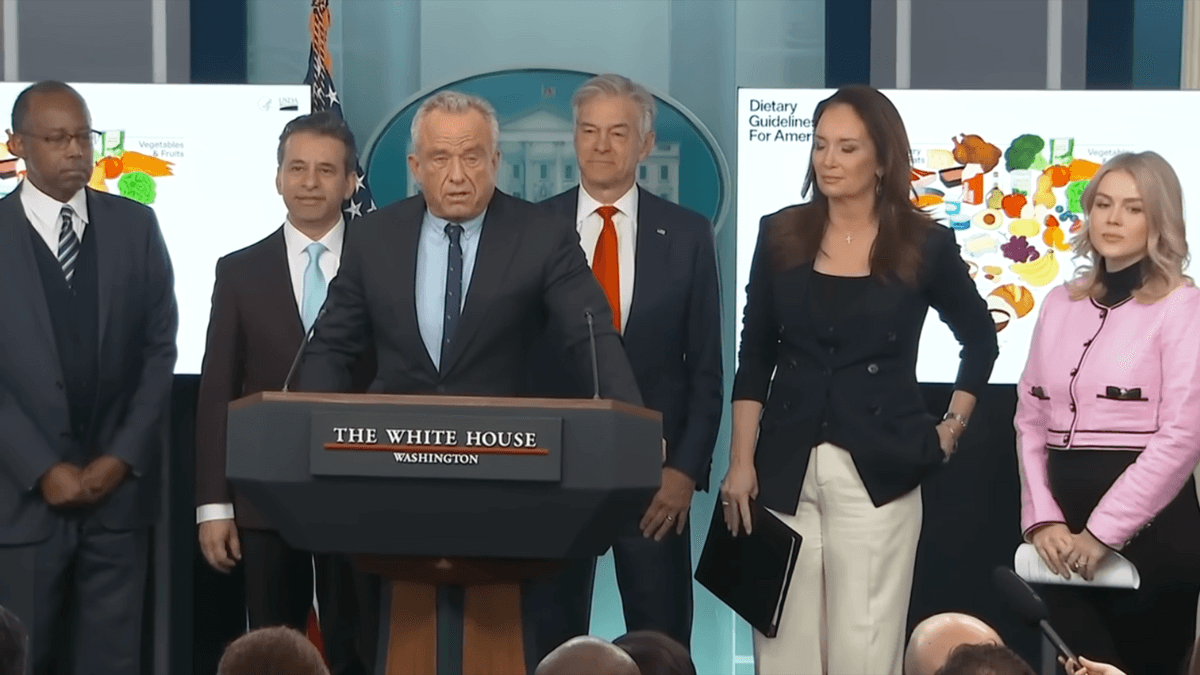 These new dietary guidelines aren't just about food; they’re about restoring credibility and aligning policy with science.
The media is either playing dumb when it comes to the Department of Health and Human Services’ recent changes to the federal dietary guidelines — or the media is actually just dumb.
“Kennedy’s nutrition guidelines raise questions,” one article from Axios is headlined.
“They are so disingenuous with, I mean, literally everything. ... I do believe that they’re dumb, but it makes them look so dumb that they can’t understand just basics, just the basics,” BlazeTV host Sara Gonzales says on “Sara Gonzales Unfiltered.”
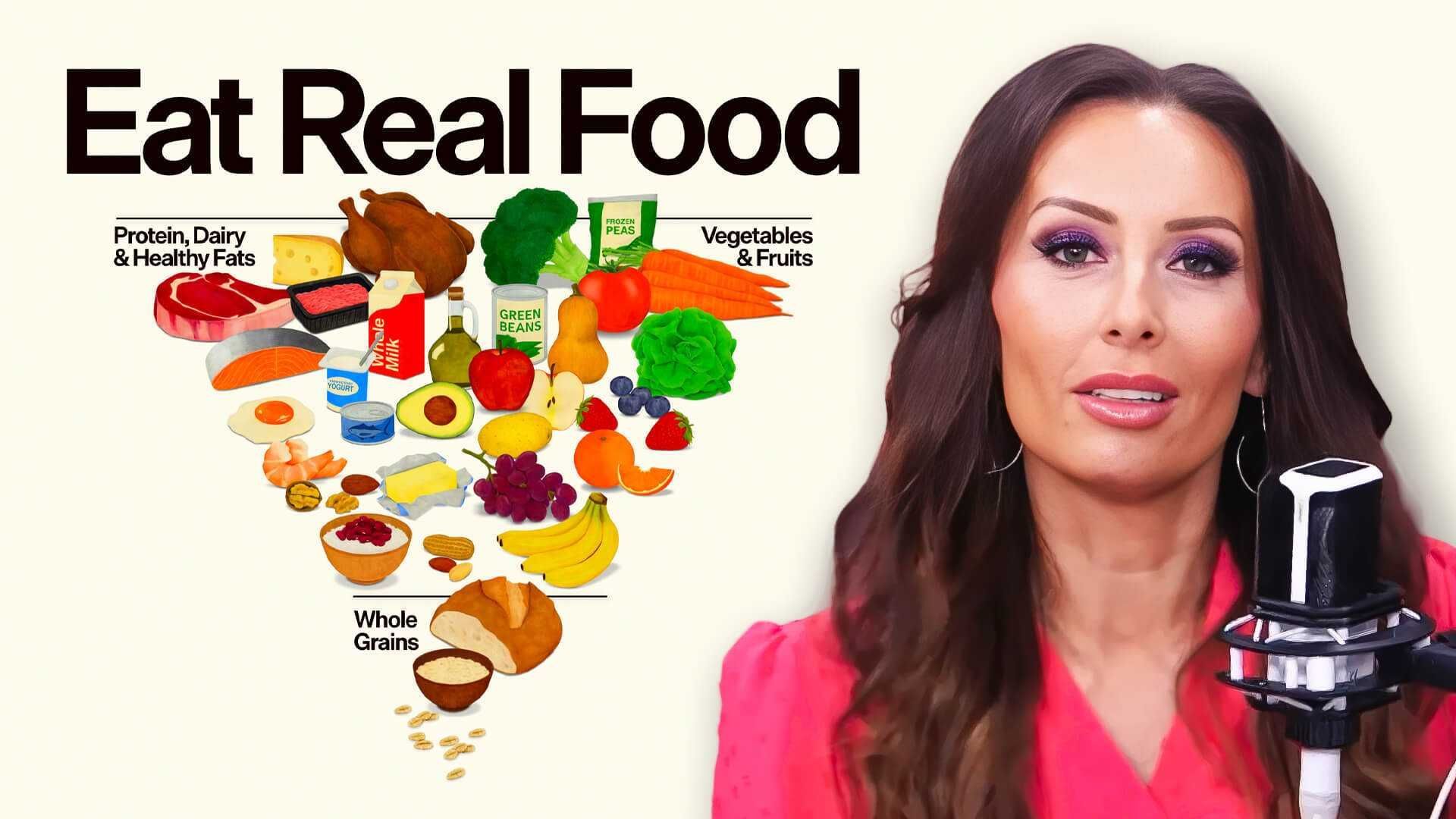
As for HHS Secretary Robert F. Kennedy Jr., Gonzales explains, “He’s just taking the classic food pyramid and turning it upside down.”
“It’s what we needed to do this whole time. It prioritizes eating real, whole foods, way more protein and healthy fats and vegetables and fruits. It’s OK to eat healthy fats and limit carbs and grains, especially the ultra-processed ones. That should not be confusing to, I don’t know, anyone who’s been paying attention. Like, eat real food,” she says.
“That’s three words. Three words. None of them are complex. Eat real food. Each have one syllable actually. So it’s three words, three syllables. ... What they should have been confused with is the old pyramid that we were given because like, oh, we should actually eat what, 11 servings of bread, cereal, rice, and pasta a day. I mean, that’s always been absolutely absurd,” she adds.
While the left often calls RFK Jr. a “crazy conspiracy crackpot nut job” who is neither a scientist nor a doctor, Gonzales points out that “he’s a 71-year-old with a six pack.”
“Something tells me I should trust that guy with my diet. I’m going to trust him on what to eat, especially considering that this country has been getting fatter and sicker for years under the previous guidance,” she adds.
To enjoy more of Sara's no-holds-barred takes on news and culture, subscribe to BlazeTV — the largest multi-platform network of voices who love America, defend the Constitution, and live the American dream.
For decades, the government’s dietary guidelines have dictated what Americans eat, and surprise, surprise — we’re sicker than ever.
Today, 60% of the American population have at least one chronic disease, and roughly 85% of the nation's $5.3 trillion annual health care spending goes toward treating chronic diseases, such as diabetes, hypertension, high cholesterol, obesity, heart disease, and cancer.
We know that the number-one factor in chronic disease is poor diet, and yet the government has long pushed the very highly processed foods that make us sick, while promoting pharmaceutical drugs as the magic answer.
For example, it’s not uncommon to hear the government debate how to lower insulin prices.
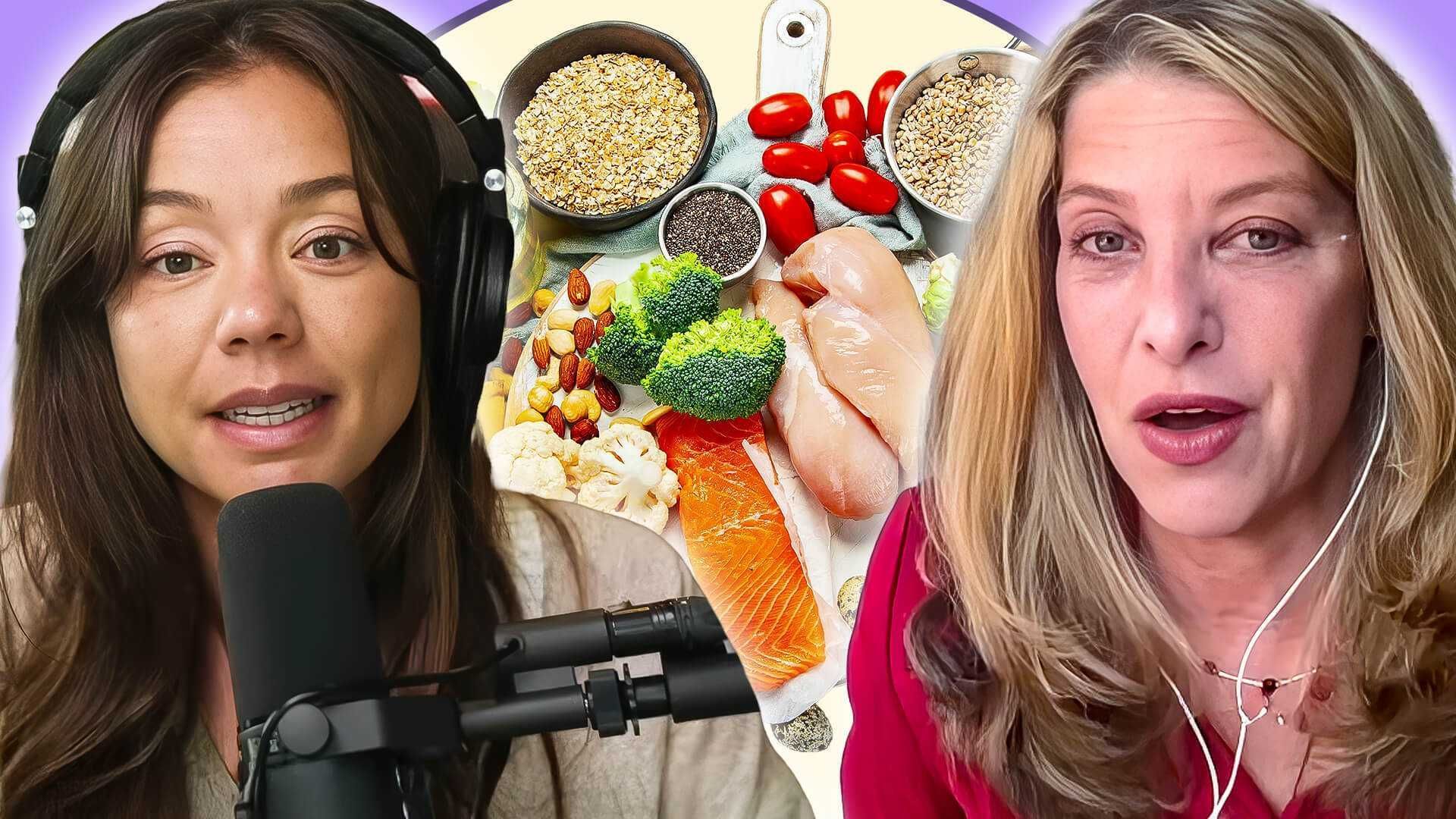
“You can just eliminate the need for insulin by just getting people off the one macronutrient that causes blood sugar to spike, and that is carbohydrate,” investigative science journalist Nina Teicholz told BlazeTV host Nicole Shanahan on a recent episode of “Back to the People.”
“The current thinking is: Don't restrain yourself — eat the cake, eat the bread, but then you have to cover it with insulin. How about just don't eat the bread, don't eat the cake, and reverse your condition?” she asks.
Nina expresses frustration that such a simple fix — one that would save us “almost a billion dollars a day” and “reverse other chronic conditions” — has been so impossible to push in the public square.
“Nobody discusses this. It's like a taboo subject,” she laments.
Nicole agrees. “No, we have a president [Joe Biden] and a senator, Bernie Sanders, standing together hugging one another, talking about reducing the cost of drugs. … There’s not a single politician out there that is charting a path for people to get off of drug reliance.”
The duo reflect back on the disappointing White House Conference on Hunger, Nutrition, and Health hosted by the Biden-Harris administration in 2022, which Nicole helped raise funding for.
Sugar — perhaps the biggest contributor to chronic diseases — wasn’t even mentioned.
“What came out of that [conference] was a huge amount of investment in the fake-food sector. It was fake protein, fake seafood, more fake meats, fake dairy, fake eggs. Those are ultra-processed foods that replace natural whole foods,” says Nina.
The other result of the conference was “a total doubling down on the dietary guidelines, which have been shown to not work.”
Nicole was hopeful that the 2018 Farm Bill, which governs agricultural and food programs, including farm subsidies, crop insurance, nutrition assistance (like SNAP), and rural development, would "[support] farmers who are producing really great, clean food,” but sadly, the Farm Bill has “made virtually no progress” when it comes to health.
“If anything ... it's added protections to the agrochemical businesses,” she laments.
Further, “SNAP has grown so enormously and without any restrictions or caps on how SNAP is spent. Soda remains the largest single item that consumers purchase with their SNAP benefits.”
Why is the government so resistant to moving toward the simple adjustments that would reverse chronic diseases? As Nicole and Nina see it, it's obvious: “Pretty much every member of Congress is supported by the pharmaceutical industry.”
“They make profits when people are unhealthy, not healthy,” Nina says frankly.
To hear more of the conversation, watch the full interview above.
To enjoy more of Nicole's compelling blend of empathy, curiosity, and enlightenment, subscribe to BlazeTV — the largest multi-platform network of voices who love America, defend the Constitution, and live the American dream.
 Processed food is processed food, and using so-called science to try to circumvent criticism of it is what the three-letter agencies do best.
 Maybe Republicans should have slipped the milk measure into the NDAA just as they did with the reauthorization of warrantless surveillance.
 www.theblaze.com
 www.theblaze.com
 www.theblaze.com
 www.theblaze.com
 www.theblaze.com