Your lawmakers’ big drug-price stunt could strand millions without meds
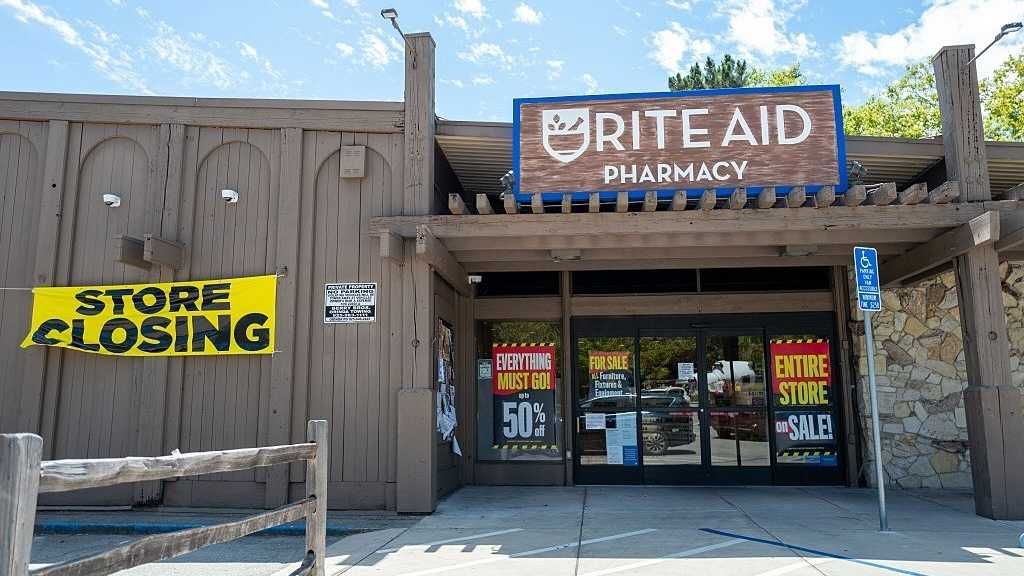
State lawmakers, desperate to address America’s sky-high drug prices, have turned their fire on pharmacy benefit managers. Their chosen tools — outright bans in Arkansas and suffocating regulations in Indiana — will not rein in drug costs. They will close pharmacies, however. And disabled Americans will feel the pain first and worst.
For millions of people living with disabilities or chronic illnesses, the neighborhood pharmacy isn’t just a place to pick up a prescription. It is a medical anchor — often the only dependable access point in a fragmented health care system.
Policy leaders must hold three truths at once: Drug prices are too high, access is too fragile, and for disabled Americans, both problems collide.
When states make it harder for pharmacies to operate, they aren’t tightening consumer protections. They are tightening a noose around the patients they claim to protect.
Proximity is key
Healthy, mobile adults can switch pharmacies with mild frustration. Disabled Americans can’t. They rely on stable, nearby pharmacy relationships to manage complex regimens, limited transportation, and conditions that make in-person care indispensable.
A person with epilepsy juggling multiple medications cannot suddenly travel to a pharmacy two towns over. A disabled veteran with hearing loss cannot sit on hold for an hour to fix a refill problem. A parent caring for a child with developmental disabilities needs a pharmacist who knows her family and can explain changes — especially potential interactions — face to face.
For disabled patients, proximity isn’t convenience. It is continuity, safety, and sometimes survival.
Long before I served as commissioner for the Administration on Disability at Health and Human Services, I was a teacher who learned that real service depends on presence. You must know the person in front of you. The same holds true in every field: the banker who helps you fix a missed payment, the pastor who walks beside his congregation. Their influence comes from relationship.
Pharmacists are no different. They cannot be replaced with apps, compliance checklists, or centralized call centers. Their work depends on knowing their patients — and being close enough to serve them.
What happens when pharmacies disappear?
Imagine telling a cancer patient he now needs to drive 20 miles for treatment because a state ban forced his local pharmacy to close.
Imagine telling a parent managing her child’s seizure medications that she must start over with a new pharmacy because the compliance burden became too much to stay open.
Imagine telling a stroke survivor who no longer drives that “it’s only a few minutes farther.” For many disabled Americans, a few minutes farther means losing independence — or tipping into crisis.
Pharmacies provide far more than prescriptions. They monitor complex drug regimens and catch dangerous interactions. They manage refills when cognitive disabilities make self-management difficult. They offer immediate, walk-in guidance when something feels wrong. They coordinate with doctors on sudden changes. And maybe most importantly, they provide calm, in-person clarity that no software platform can match.
Lawmakers say they want to help, but they are ignoring what disabled Americans need most: stable, nearby pharmacies that can remain open.
RELATED: The maligned and misunderstood player that Big Pharma wants gone

Access is a crisis
Drug prices in America are too high. Disabled Americans feel that burden more than anyone because they use more medications, more often, and for longer durations. Many rely on mail-order programs and already face delays and shortages.
So yes, policymakers should push for lower prices. They should demand transparency from pharmacy benefit managers so patients know what they are paying. They should pressure pharmaceutical companies to create pricing structures that serve consumers instead of shareholders.
But none of that will matter if the pharmacies disabled Americans depend on are regulated out of business.
Policy leaders must hold three truths at once: Drug prices are too high, access is too fragile, and for disabled Americans, both problems collide.
You cannot help vulnerable people by making their closest health care providers harder to reach. If states want to protect patients, they should create a regulatory environment where pharmacies can survive — and where the communities that depend on them can too.
 Edna Hong's 'Bright Valley of Love' shows how a Lutheran community named Bethel cared for those with severe physical and mental challenges.
 www.theblaze.com
 thefederalist.com