The rate cliff is real — and Washington created it

It’s never been more unaffordable to buy and finance a home in America. And yet, government officials seem confused about the cause, chasing “solutions” that will only make things worse. They want more building, lower rates, and more subsidies. But none of that fixes the core problem.
We don’t have a shortage of homes. We have an affordability crisis driven by government intervention — one that’s inflated yet another asset bubble. Housing, like education and health care, has been hijacked by easy money, fake pricing signals, and federal subsidies designed to mask structural rot.
You can’t paper over decades of distortion with another round of Fed intervention.
The solution isn’t more easy money. It’s pulling the plug on government policies that distort markets. Enough with near-zero interest rates. Enough with the Federal Reserve buying mortgage-backed securities. Enough with Fannie, Freddie, and the FHA inflating demand that the market can’t sustain.
Cause and effect
Remember the late ’90s? Mortgage rates sat between 7% and 8%. Nobody panicked or complained much about the cost of living. People bought homes. Prices were reasonable. Inflation was low because deficits were shrinking and money wasn’t being printed into oblivion.
Then came the dot-com crash, George W. Bush’s post-9/11 spending spree, and the Clinton-era “affordable housing” schemes coming due. The Department of Housing and Urban Development’s footprint expanded. The Fed, under Chairman Alan Greenspan, dropped rates to near zero — the same path Trump wants now — and we inflated the first major housing bubble of the 21st century.
From 2001 to 2006, Washington juiced the market at every turn. M2 money supply growth topped 10% and stayed above 8% into 2003. The Fed funds rate plummeted from 6.25% to 1%, where it stayed for a full year. Real rates were negative for two and a half years.
No surprise what followed: Real estate loans at commercial banks surged at a compound annual rate of 12.26%. Cheap money and inflated supply pushed prices through the roof. The result was a bubble built not on demand but distortion.
Then came the collapse.
And what did Washington do? Bailouts for big banks. Bailouts for Fannie and Freddie. Dodd-Frank. Obamacare. Trillions in new debt. The Fed held rates near zero for six more years, planting the seeds for the next wave of asset inflation — especially in housing.
Then came COVID.
The government printed $7 trillion and subsidized nearly everything. Rates dropped back near zero. The Fed bought trillions more in mortgage-backed securities. Freddie, Fannie, and the FHA expanded their subsidies even further. By 2021, we had the biggest housing bubble in American history.
Welcome to the rate cliff
Now, we’ve hit the wall. The Fed had to raise rates to fight inflation. That created a generational rate cliff. Sellers don’t want to give up their 2% and 3% mortgages. Buyers can’t afford homes at today’s prices — prices that are still artificially high thanks to 15 years of easy money and government meddling.
And yet, housing starts have held up decently. The problem isn’t inventory — it’s liquidity and affordability.
In June, existing home sales dropped to their slowest pace since 2009. But it’s not because no one’s selling. Redfin reports 500,000 more sellers than buyers — a 33.7% gap, the widest since 2005. Total inventory rose to 1.53 million units, up nearly 16% from last year. Vacancies have spiked 28% since the second quarter of 2022. New home supply has ballooned to 9.8 months.
RELATED: Government broke the housing market — only this will fix it

In a real free market, prices would drop sharply. But when government, either directly or indirectly, backs 90% of the U.S. mortgage market, that’s not how it works. Subsidized mortgages and distorted demand keep prices frozen — even as sales crater.
Sellers want prices buyers can’t afford. According to the Atlanta Fed, a household now needs $124,150 in “qualified income” to afford the median home. But the median household income is just $79,223.
Lowering interest rates again won’t fix this. It’ll just stoke inflation and feed the next bubble. And with the Treasury dumping trillions in debt onto the market, 10-year yields — and therefore 30-year mortgage rates — aren’t coming down anytime soon.
Absent a 2008-level crash, housing prices aren’t dropping meaningfully. We’re stuck.
You want lower rates? Cut spending
If you want rates to fall, slash spending and debt. That’s how you bring prices down. You can’t paper over decades of distortion with another round of Fed intervention.
Live by Fed money printing, die by Fed money printing.
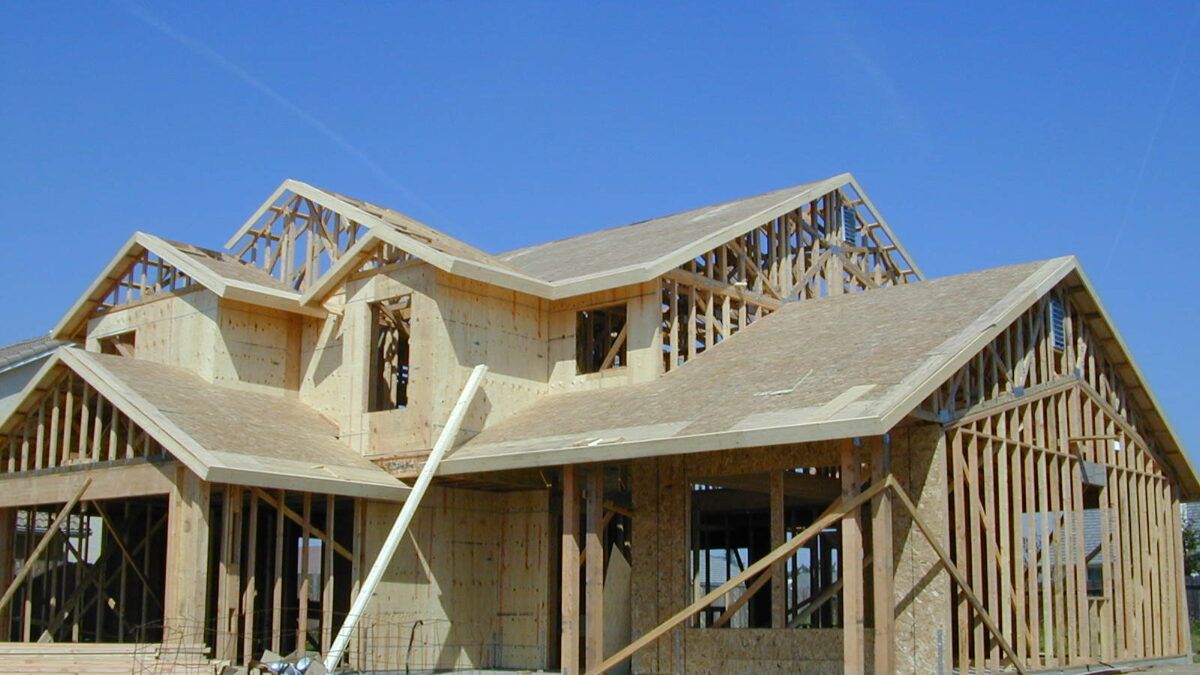 Though the government purports to have solutions to the housing shortage, much of the problem can be traced back to government policies.
 The Fifth Circuit took a hammer to Democrats' attempt to insulate their pet programs from the voters in our democratic republic.
 www.theblaze.com