The GOP can’t blame Biden forever for pain at the pump
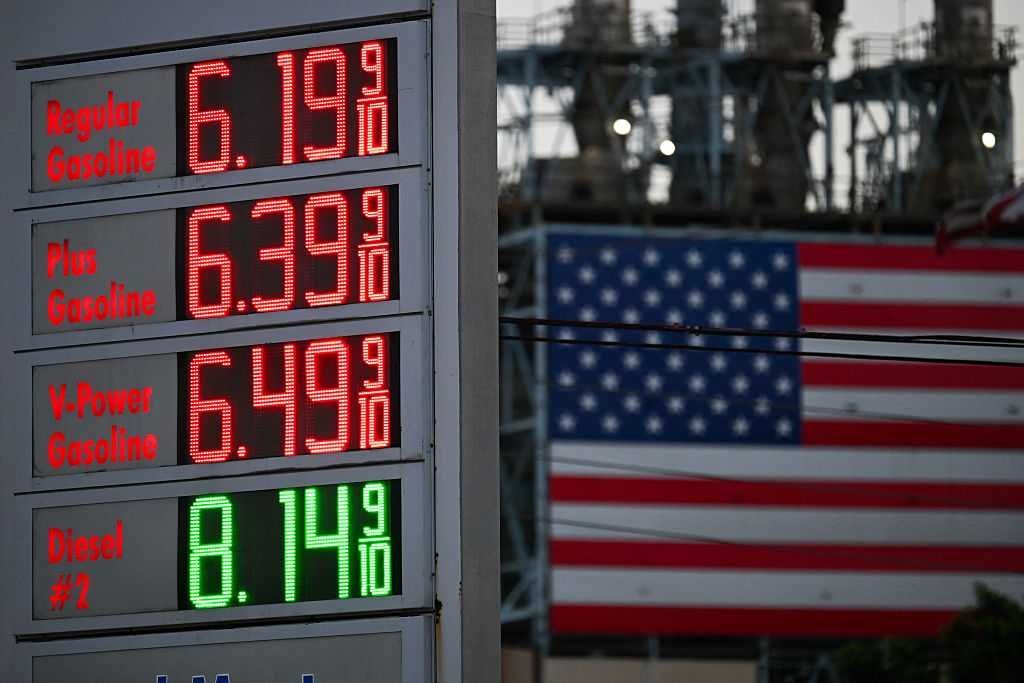
A few months in Manhattan have made me part of the city’s bubble. I pay $3 for the subway, worry about rent and groceries, and rarely think about the cost of filling a gas tank. Then I went home to South Jersey and saw the price posted outside a station. I had almost forgotten what the rest of the country pays to get around.
New York City makes that easy. Apartment renters and subway riders experience housing, transportation, and energy policy differently from families who drive to work, take their children to school, and run errands by car. Nine in 10 Americans say they drive at least sometimes. They cannot simply stop paying attention to the price of gasoline.
The election is November 3, and voters won't grade fuel prices on a curve just because the occupant of the White House has changed.
As of October 14, the national average for regular gas stood at $4.33 a gallon. California topped $6, and several other states exceeded $5. New Jersey, where I grew up, averaged about $4.29 a gallon. Even where prices are lower, a family's weekly fill-ups eat into money needed elsewhere.
For years, Republicans hammered President Biden over gas prices. Motorists slapped “I Did That” stickers bearing his face on pumps. Looking at that station in South Jersey, I realized Republicans now face a similar reckoning. The election is November 3, and voters won't grade fuel prices on a curve just because the occupant of the White House has changed.
The administration has moved to ease energy rules. For example, the EPA has repealed vehicle greenhouse gas standards. But regulations alone cannot explain the price at the pump. The conflict around the Strait of Hormuz has disrupted oil markets, and years of delayed infrastructure projects have constrained domestic capacity. A proposed diesel export ban would create its own problems rather than solve the underlying shortage.
Yet the White House has offered little comfort to motorists. Trump called higher gasoline costs a “very inexpensive price” to pay for what the United States had done in Iran. Energy Secretary Chris Wright pointed to the end of the summer driving season and weaker demand as reasons to expect prices to fall. Seasonal demand may ease, but families still need to drive in October. They need relief, not reassurance that summer is over.
Gas prices cannot be waved away until the next news cycle. They present a real political problem for Republican incumbents in November. Democrats bear responsibility for decades of energy restrictions that have hindered pipelines and domestic production, but Republicans now govern in Washington. Voters have every right to demand results from them.
RELATED: Democrats may ride a blue wave on a red script

Democrats have made public transit, walkable cities, and climate policy central to their energy vision. Republicans have sold a different promise: Families should have the freedom and means to live in safe communities, raise children, and drive the pickup truck or minivan that fits their lives. Expensive gasoline makes that promise harder to keep.
From my Manhattan apartment, gasoline prices can look remote. For parents in Pennsylvania, Ohio, or Michigan, driving is neither a luxury nor a political statement. They cannot skip the trip to work or the school pickup because the pump reads $5. A city dweller may be able to substitute a subway ride. Most suburban families cannot.
The administration can point to two possible long-term gains. Trump has promoted a long-planned Alaska gas pipeline, although financing and other details remain unresolved. And four senators from both parties have introduced permitting reform intended to speed construction of energy infrastructure. Those are potentially useful moves, not substitutes for lower prices today. Nor should a natural gas project be confused with an immediate fix for gasoline.
RELATED: Democrats can’t erase the price shock of the Biden years
The administration has made progress rolling back regulations and encouraging domestic production. Yet Americans still face the costs of delayed projects, inadequate infrastructure, and international instability. The president cannot control every oil shipment or every price sign. He can explain what the government is doing to expand supply, make projects easier to build, and reduce costs over time.
Republicans have spent years arguing against climate mandates and forced dependence on electric vehicles. Opposition alone will not persuade a family paying more to get to work. The affirmative case is straightforward: Americans should decide how to heat their homes, power their businesses, and travel, while government clears obstacles to producing abundant, affordable energy.
I had to leave Manhattan to remember what a gallon of gas costs. Millions of Americans do not have that luxury. They see the cost every time they pull into a station. Republicans who want their votes in November had better see it, too.
 Frederic J. BROWN/AFP/Getty Images
 Neither the law firms nor their massive energy clients responded to requests for comment on the potential conflict of interest, except one.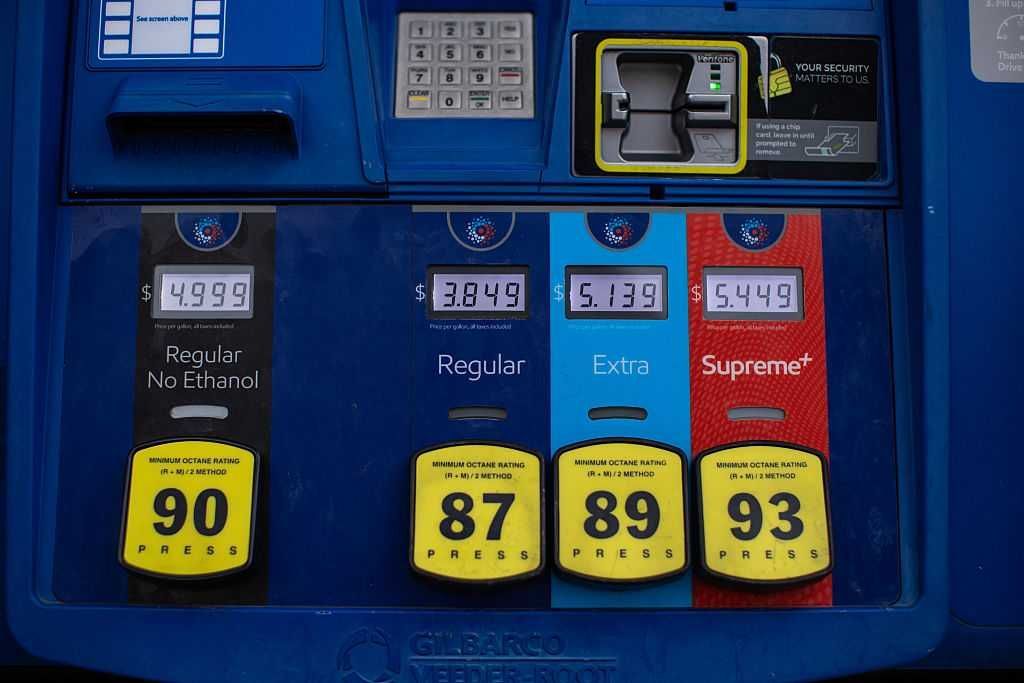
 Brandon Bell/Getty Images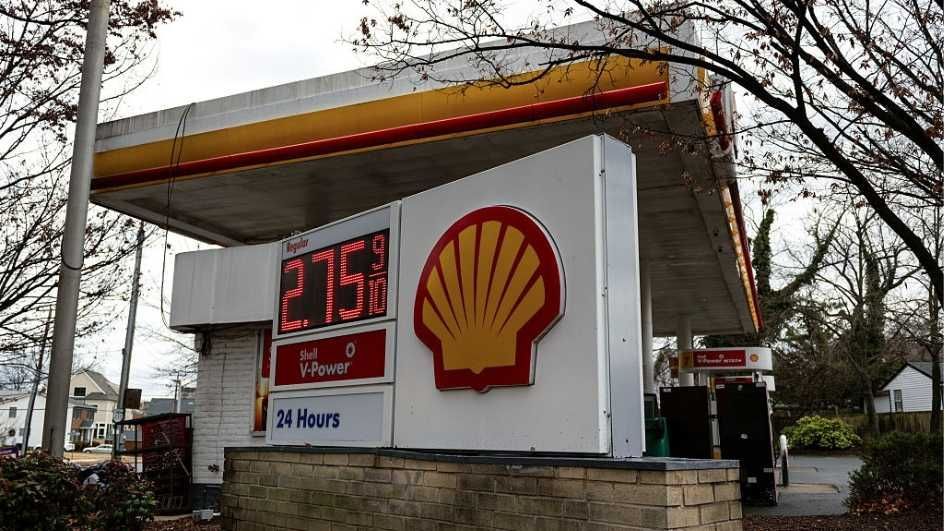
 Photo by Brandon Bell/Getty Images
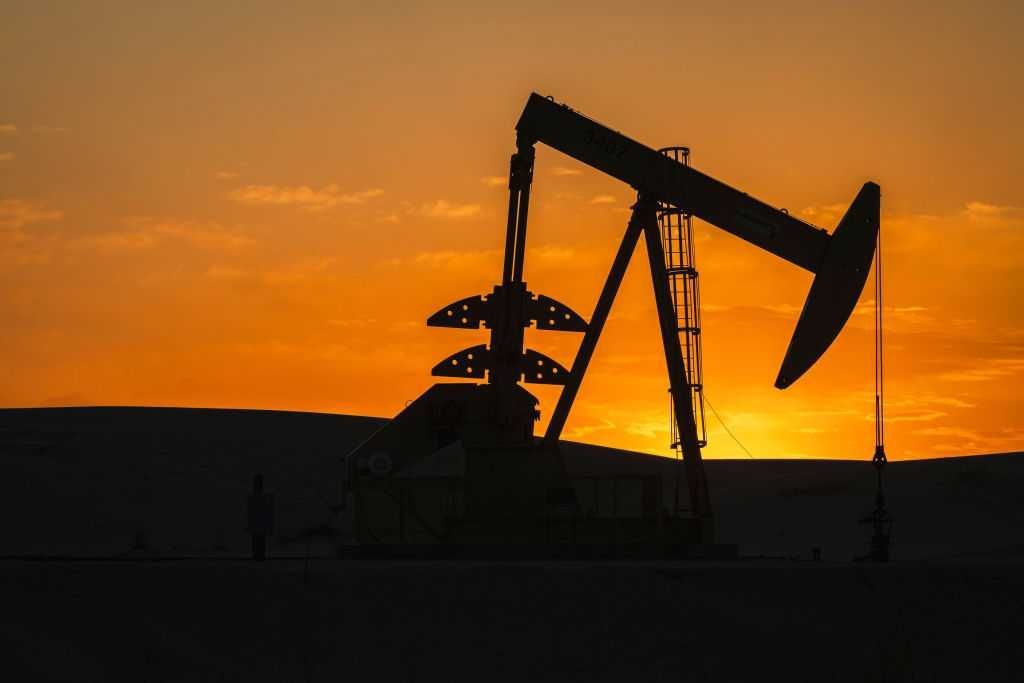 Justin Hamel/Bloomberg via Getty Images
 One locality’s attempt to subvert the democratic process could metastasize into a nationwide regulatory free-for-all.
 www.theblaze.com
 thefederalist.com
 www.theblaze.com
 www.theblaze.com