'Make a lot of money': Trump administration has a job opportunity for adult video gamers


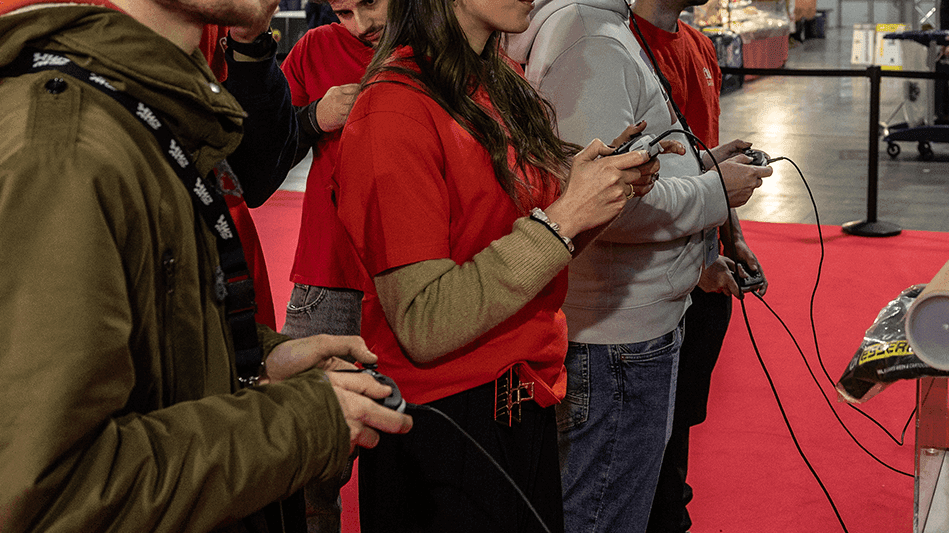
The Trump administration is looking to tap a seemingly untouched resource: video game-playing adults.

A federal agency put out a call on Friday using a video that literally starts like an Xbox game.

'It's not a game. It's a career.'

After a series of short video-game clips, text on the screen asks, "Are you up for the challenge?"

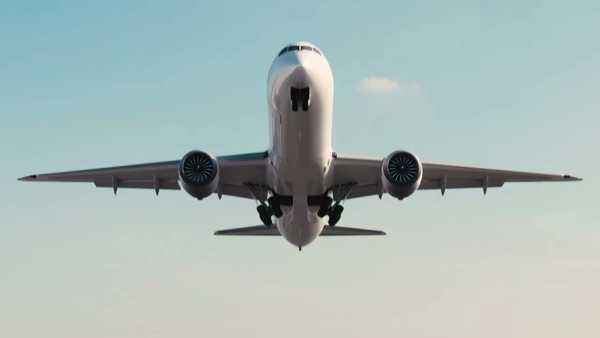
"You've been training for this," it continues, building suspense, before a gamer sitting in front of his computer screens is transported into his new career: ensuring that passenger planes take off and land safely and without incident.

"Become an air traffic controller," the ad says, with a club remix of the 2009 Yeah Yeah Yeahs hit "Heads Will Roll" playing in the background.

"It's not a game," the upbeat recruitment spot declares. "It's a career."

The 70-second video told prospective applicants that not only would they keep "millions of people safe" every day, but they would "make a lot of money" doing so.

RELATED: Floppy discs and copper strips: Newark failures hint at looming threat of another FAA disaster

Per the ad, gamers making the jump to an air traffic controller career could look forward to an "average salary" of "$155,000 per year after 3 years."

Air traffic controller was just one of the roles at the Department of Transportation and FAA that was revealed to be sorely out of touch when President Trump took office for his second term in 2025.

Last year, Transportation Secretary Sean Duffy reported that a near hour-long grounding of planes could be linked to "incredibly old technology" that utilized floppy discs and copper wires.

Earlier in 2025, documents about FAA hiring practices showed that the federal agency had been specifically looking to hire people with disabilities, which included "hearing, vision, missing extremities, partial paralysis, complete paralysis, epilepsy, severe intellectual disability, psychiatric disability, and dwarfism."

This appears to be a stark contrast to the Transportation Department under Duffy, who once called the department's systems "not effective to control the traffic that we have in the airspace today."

RELATED: Investigator of LaGuardia plane crash suggests 'multiple failures' caused the collision; survivors respond

Luke Hales/Getty Images

Last September, Duffy met his goal to recruit at least 2,000 new air traffic controllers by bringing in 2,026. This was coupled with a stated goal of hiring at least 8,900 new air traffic controllers through 2028.

"To reach the next generation of air traffic controllers, we need to adapt," Duffy said about the ad targeting gamers. "This campaign's innovative communication style and focus on gaming taps into a growing demographic of young adults who have many of the hard skills it takes to be a successful controller," he told the Daily Caller News Foundation.

According to a 2025 audit from the Office of Inspector General, the FAA employs about 13,000 traffic controllers in over 300 facilities across the U.S. Nearly 10,600 of those are "certified professional controllers."

Like Blaze News? Bypass the censors, sign up for our newsletters, and get stories like this direct to your inbox. Sign up here!

'I messed up': LaGuardia Airport shut down after deadly collision


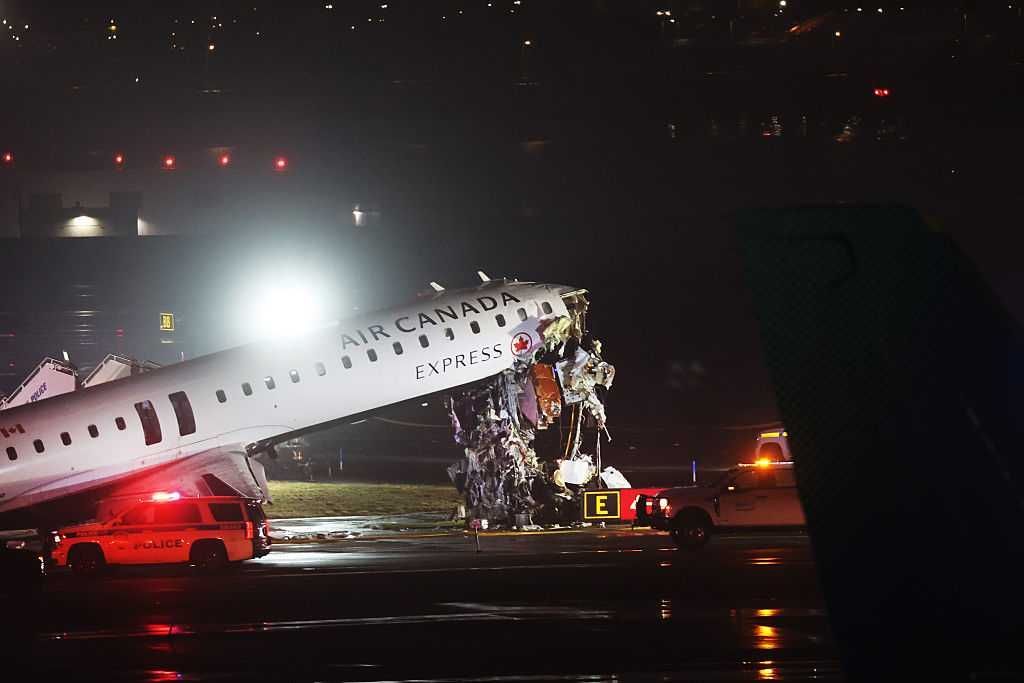
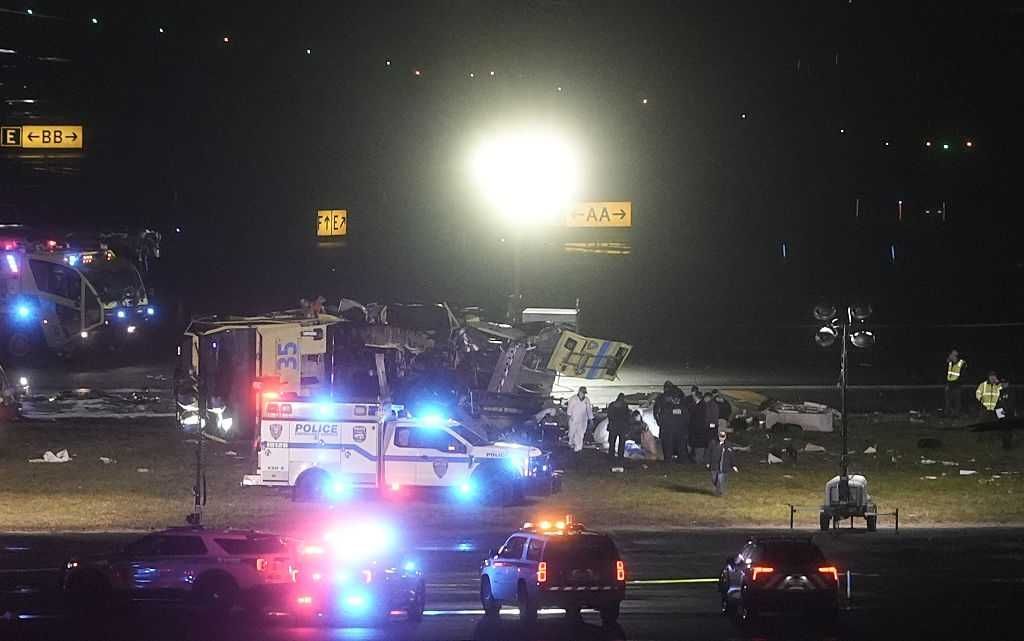
Two are dead and scores more are injured after a plane collided with a fire truck at New York's LaGuardia Airport.

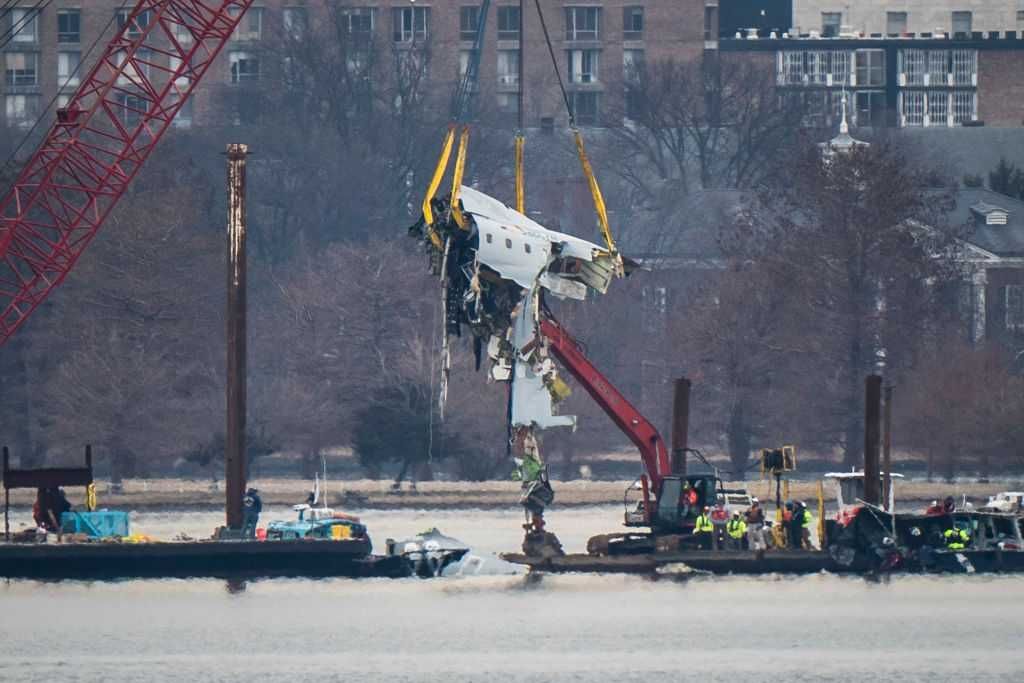
When touching down on Runway 4 at approximately 11:40 p.m. on Sunday, an Air Canada Express CRJ-900 plane operated by regional partner Jazz Aviation struck a Port Authority Airport Rescue and Firefighting vehicle that was responding to a separate incident, said the airport.

'That wasn't good to watch.'

Jazz Aviation confirmed that flight 8646 was en route to LaGuardia from Montreal and carrying 72 passengers and four crew members.

Kathryn Garcia, executive director of the Port Authority of New York and New Jersey, said during a press conference early Monday morning that "initial numbers indicate that 41 passengers and crew were transported to the hospital as well as the [Airport Rescue] officers. At this time, we understand that 32 have been released, but there are also serious injuries."

Garcia confirmed that the pilot and first officer of the Air Canada flight were killed in the collision. The sergeant and the officer who were inside the truck are in stable condition with no life-threatening injuries.

Air Canada said in a statement, "We are deeply saddened by the loss of two Jazz employees, and our deepest condolences go out to the entire Jazz community and their families."

RELATED: One crash, one derailment — and Congress still can’t follow the data

Selcuk Acar/Anadolu via Getty Images

Jack Cabot, a passenger on the ill-fated flight, said, "We went down for a regular landing. We came in pretty hard. We immediately hit something, and it was just chaos in there. About five seconds later, we had come to a stop, but in that short period, I mean, everybody was hunkered down and everybody was screaming pretty quickly," reported Canadian state media.

"We didn't have any directions because the pilot's cabin had been kind of destroyed, so somebody said, 'Let's get the emergency exit and get the door and let's all jump out,' and that's exactly what we did," added Cabot.

In audio capturing LaGuardia tower communication in the moments leading up to the collision, a ground controller can be heard instructing the truck, "Just stop there. ... Stop, stop, stop, Truck One, stop, stop, stop! Stop, Truck One! Stop!"

The two-man vehicle was headed to a United flight that had reported an issue with an odor, according to Garcia.

"Jazz 646, I see you collide with a vehicle, just hold position," continues the controller. "I know you can't move. Vehicles are responding to you now."

By that point, the cockpit was shorn off, with its occupants almost certainly dead.

An individual in the recording states, "That wasn't good to watch."

The controller who told the truck to stop responds, "Yeah, I know, I was here. I tried to reach out to 'em and stop 'em. We were dealing with an emergency earlier, and I messed up."

Garcia noted that where port authority rescue vehicles operating on the tarmac are concerned, "the procedure always is in deference to the control tower any time anyone is moving on any of our runways or taxiways," and "they have to get clearance from the tower to move on our runways and our taxiways."

The National Transportation Safety Board is investigating the collision.

LaGuardia, which warned travelers days earlier of "longer than usual wait times" at security checkpoints "due to staffing impacts from the federal funding lapse," announced that the airport will remain closed until at least 2 p.m. on Monday — the first day of U.S. Immigration and Customs Enforcement agents' expected nationwide deployment to help with security lines at airports.

The New York Police Department announced Monday morning that all streets and highway exits into the airport have been closed until further notice.

According to Federal Aviation Administration data, LaGuardia was the 19th busiest American airport in 2024.

Like Blaze News? Bypass the censors, sign up for our newsletters, and get stories like this direct to your inbox. Sign up here!

One crash, one derailment — and Congress still can’t follow the data


After a midair collision and a train derailment, Congress faces a simple test: Will it follow the evidence?

In aviation, the Senate’s ROTOR Act would mandate improved aircraft surveillance technology after last year’s deadly midair collision involving a military helicopter and a passenger jet. Yet earlier this month, the House failed to advance the bill after Pentagon opposition — sidelining broader use of Automatic Dependent Surveillance-Broadcast, a system that likely would have prevented that tragedy.

Rail risks being locked into prescriptive labor mandates, while aviation safety is undermined by incomplete adoption of proven technology. Neither sector is getting what it needs.

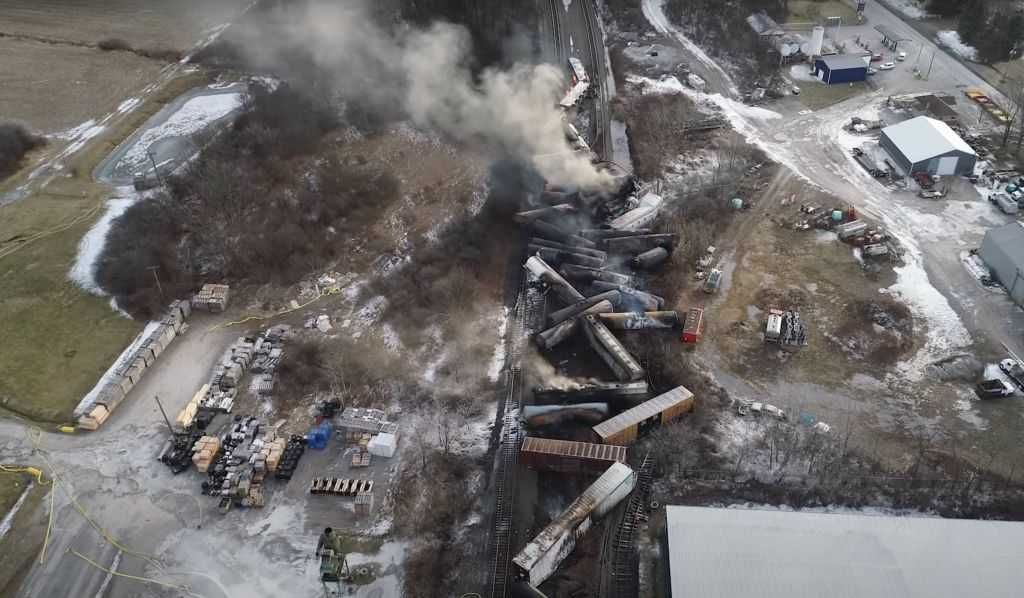
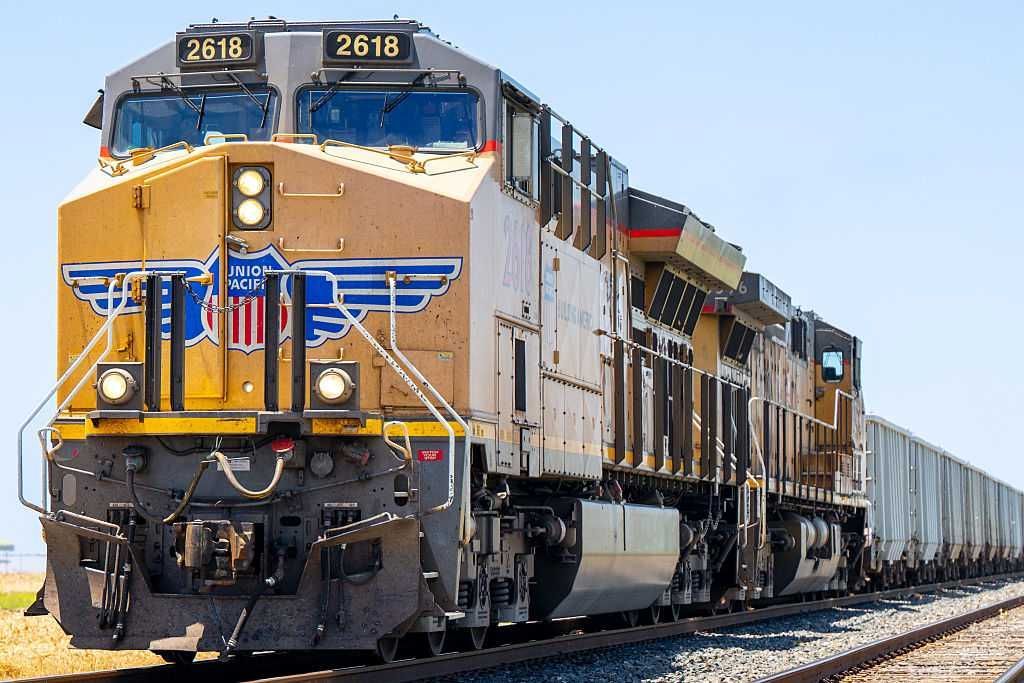
At the same time, a group of senators reintroduced the Railway Safety Act, branding it “data-driven” while again pushing minimum crew mandates — despite no empirical evidence that larger crews reduce accident rates — in response to the 2023 East Palestine derailment.

The impulse is understandable. When tragedy strikes, Washington acts. But acting quickly is not the same as acting on evidence.

If safety is truly the goal, Congress needs to ask a harder question: What actually reduces risk?

The data point in a clear direction. Human error dominates transportation accidents. And the most consistent safety gains in modern transport have come not from adding more people into systems but from improving system design, automation, and structured safety management.

Human error is the core problem

In 2024, roughly 40,000 Americans died in motor vehicle crashes — far outpacing most developed countries on a per-capita basis, according to the National Highway Traffic Safety Administration.

By contrast, aviation and rail — sectors that have embraced automation and safety management systems — post dramatically lower fatality rates. Commercial aviation in developed countries now experiences fatal accidents at rates below 0.1 per million departures. Federal Railroad Administration data show train accident rates have fallen 33% since 2005, with derailments down significantly and human-factor incidents continuing to decline.

The lesson is straightforward: When systems are designed to reduce human error, safety improves.

RELATED: Female Black Hawk pilot didn't follow orders before horrific crash: Report

Photo by Jabin Botsford/The Washington Post via Getty Images

Automation works — with caveats

Fully autonomous and semi-autonomous vehicle systems have posted lower crash rates in controlled environments. These results require continued scrutiny and larger data sets, but the direction is clear: Reducing reliance on human reaction time reduces collisions.

The same logic applies in aviation and rail.

Automation now governs the vast majority of routine commercial flight operations. Positive train control has sharply reduced train-on-train collisions and overspeed derailments.

Consider last year’s midair collision. Broader, uninterrupted use of ADS-B In and Out would have provided precise real-time traffic awareness to pilots and controllers. The technology exists to prevent exactly this type of conflict, a point highlighted in the BlazeTV documentary “Countdown to the Next Aviation Disaster,” which presaged the January 2025 Reagan National Airport tragedy. Yet expanded deployment has failed to advance despite bipartisan Senate support.

In rail, meanwhile, some lawmakers are moving in the opposite direction — toward mandates for more personnel.

Symbolic safety vs. structural safety

The East Palestine derailment stemmed from a mechanical failure — an overheated bearing — not a shortage of crew members. There were three crew members on board.

Adding personnel would not have prevented a bearing from overheating. Predictive maintenance systems, sensor networks, and better data integration are the tools designed to catch precisely that kind of failure.

Yet the RSA would codify minimum crew requirements across freight rail operations, regardless of route, cargo type, or level of automation.

This isn’t primarily about risk analysis. It reflects political incentives.

Organized interests exert concentrated influence. Diffuse beneficiaries — consumers, shippers, taxpayers — do not.

Labor interests can organize to protect jobs. The Pentagon can block safety rules it opposes. But the public — which wants safer transportation — is too diffuse to mobilize around specific, technical policy choices. The result is a grab bag of special-interest “safety” measures rather than coherent, risk-targeted reform.

RELATED: Trucks destroy roads, but railroads — yes, rail! — can save taxpayers billions

Photo by Brandon Bell/Getty Images

Focus on what works

Freight railroads in the United States are privately funded and capital intensive, investing billions annually in track upgrades, advanced detection systems, and predictive maintenance. Rail remains one of the safest ways to move goods over land because sustained technological improvement compounds over time.

By contrast, the Federal Aviation Administration — a government-run system — has struggled to modernize needed surveillance and air-traffic technologies at speed and at scale. In civil aviation, the FAA has deployed ADS-B across controlled airspace, dramatically improving traffic surveillance and situational awareness. But gaps remain where some defense aviation actors are not required to fully transmit or receive ADS-B data.

Rail now risks being locked into prescriptive labor mandates, while aviation safety is undermined by incomplete adoption of proven collision-avoidance technology. Neither sector is getting the policy it needs.

As Congress considers the RSA, lawmakers should prioritize provisions that directly reduce accident probability. Decades of transportation data point to a consistent lesson: Safety improves when systems are engineered to anticipate and correct human limitations — not when policymakers assume more humans automatically mean more safety. One-size-fits-all crew mandates don’t meet that test.

Nor should Washington abandon expansion of ADS-B and other proven collision-avoidance technologies. The system exists to prevent the very type of tragedy we witnessed. It shouldn’t take another collision for Congress to act.

The evidence isn’t ambiguous. Technology-driven risk reduction works. Symbolic mandates do not. If lawmakers are serious about safety, they need to focus on what demonstrably prevents accidents — and have the discipline to follow the data.
Cartel and Chinese Drones Demand Immediate FAA Action

The Border Patrol and the military need clear authority to deploy counter-drone systems in sensitive areas without endless FAA vetoes.
Mexican cartel drones in El Paso to blame for airspace closure: DOW


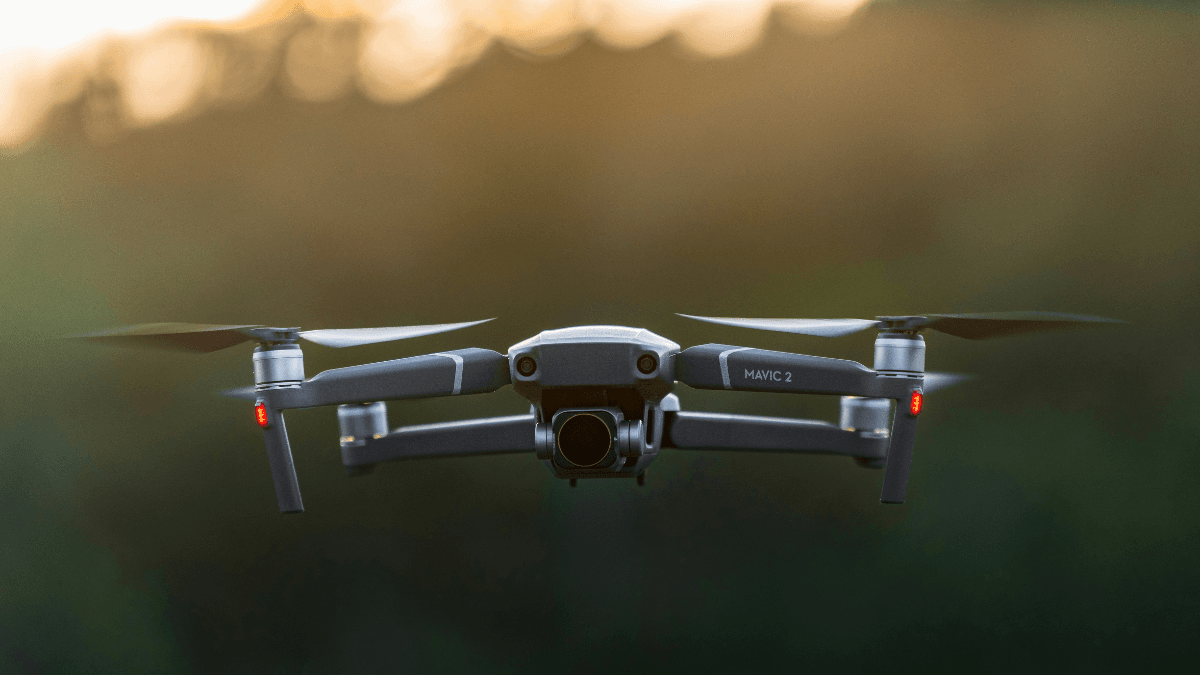
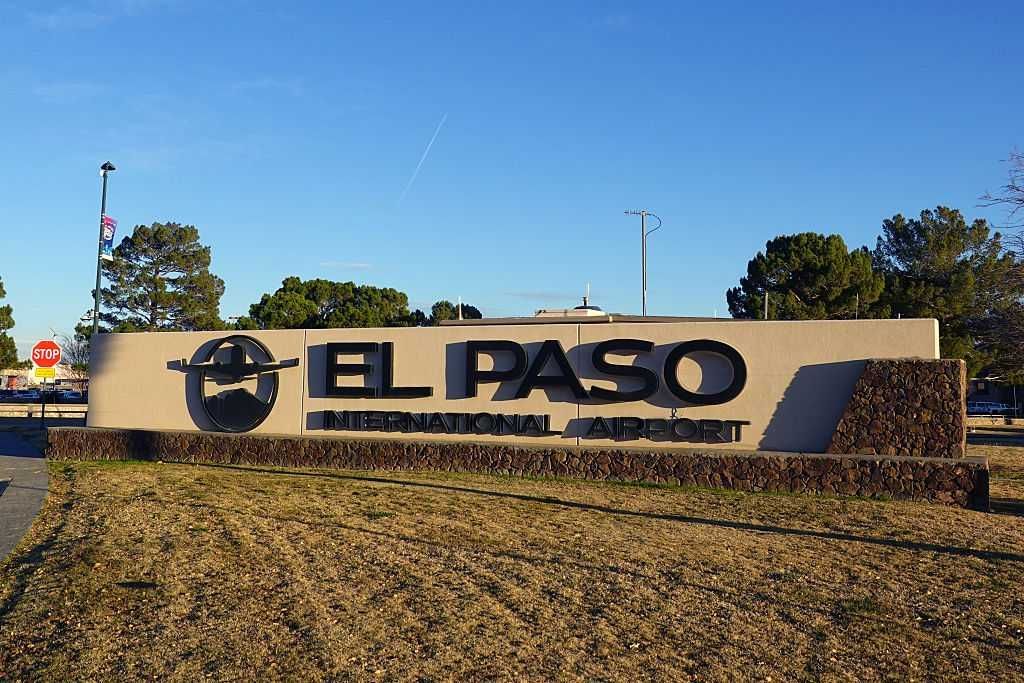
The Federal Aviation Administration briefly shut down El Paso flights after Mexican cartel drones "breached" American airspace on Tuesday.

The FAA lifted the flight restrictions Wednesday morning, less than 24 hours later, after initially establishing a 10-day closure due to "special security concerns."

'All flights will resume as normal.'

An official from President Donald Trump's administration later clarified the security concern to Blaze News, noting the Department of War's involvement.

"Mexican cartel drones breached U.S. airspace," the official told Blaze News. "The Department of War took action to disable the drones. The FAA and DOW have determined there is no threat to commercial travel."

RELATED: 'Impossible to deal with': Pete Hegseth reveals the real culprit behind defense contractor delays

Photo by Anna Moneymaker/Getty Images
The FAA reiterated that flights have resumed as normal in a statement posted on X.

"The temporary closure of airspace over El Paso has been lifted," the statement reads. "There is no threat to commercial aviation. All flights will resume as normal."

RELATED: Exclusive: ICE busts pedophile, abuser, and fentanyl trafficker despite ongoing shutdown

Photo by Andrew Harnik/Getty Images

Like Blaze News? Bypass the censors, sign up for our newsletters, and get stories like this direct to your inbox. Sign up here!

Police identify 4 victims of fatal private jet crash tied to top 'anti-ICE' law firm


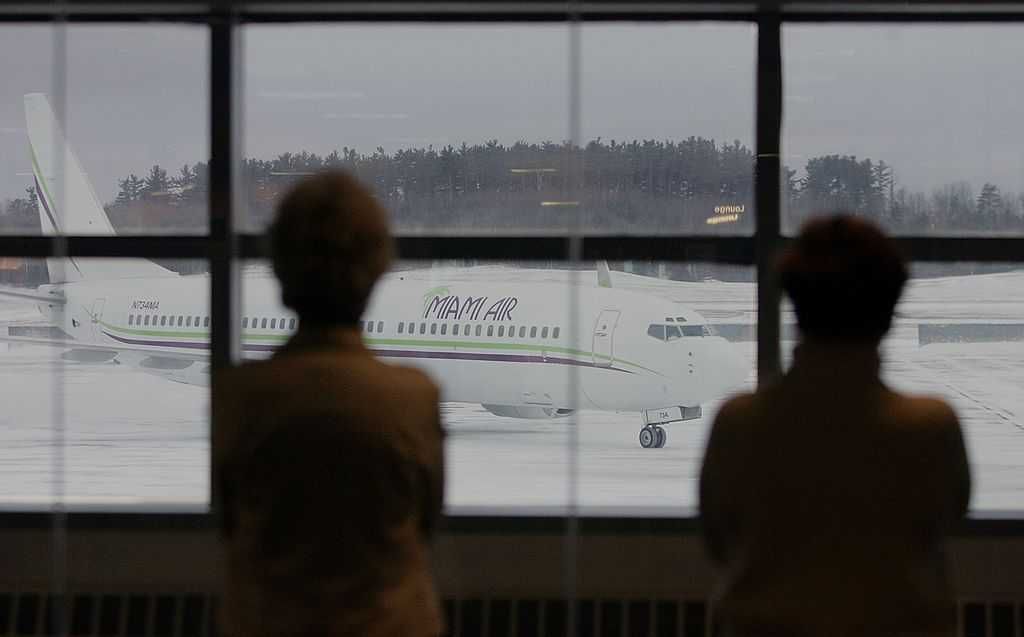
Police have identified four of the passengers on board a private jet that crashed shortly after takeoff on the evening of January 25 from Maine's Bangor International Airport.

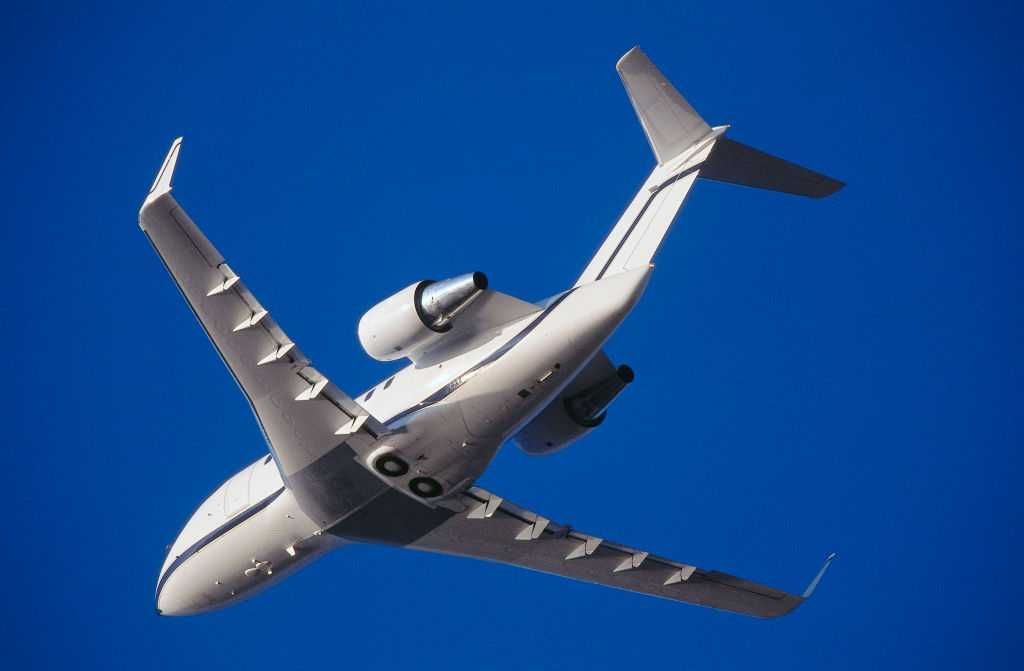
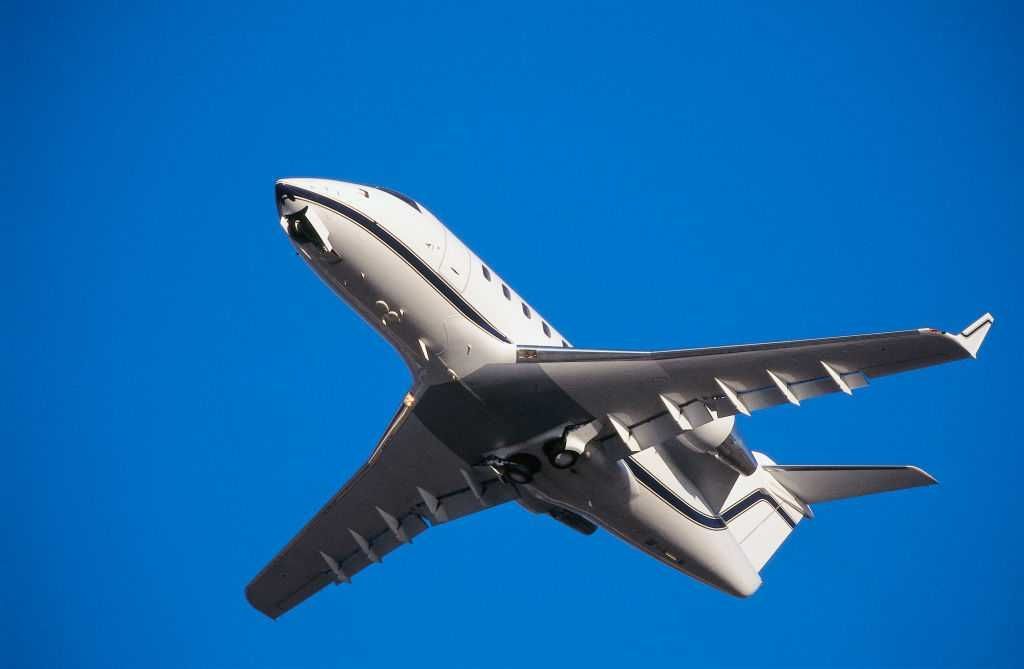
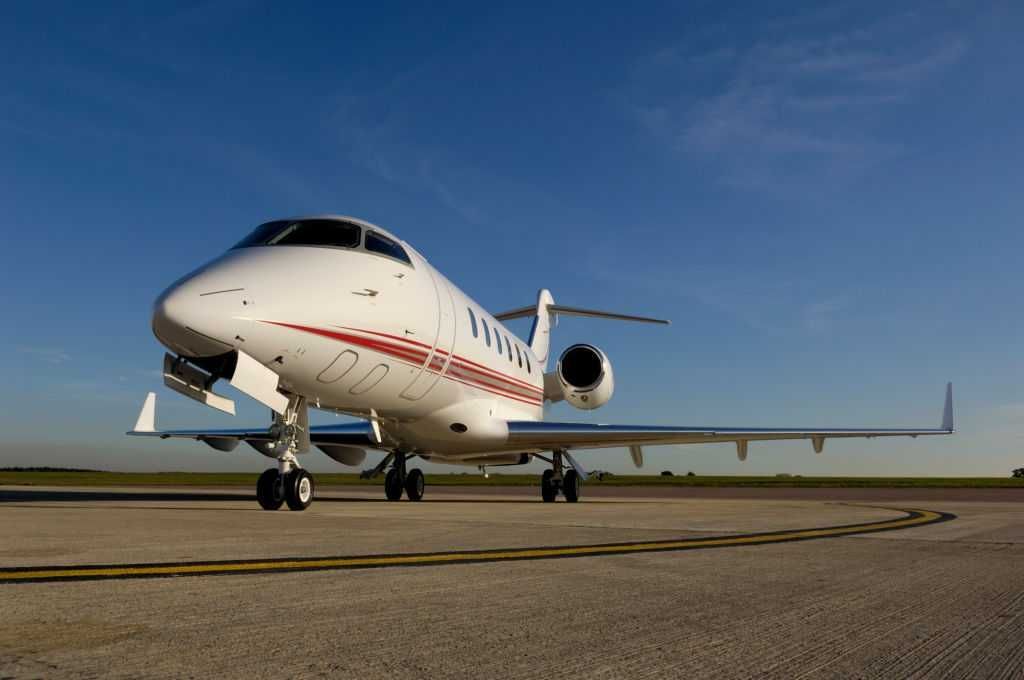
The Bombardier Challenger 600 belonged to KTKJ Challenger LLC, which is registered to the Arnold & Itkin law firm in Houston, Texas. The firm is led by Kurt Arnold and Jason Itkin, two "top anti-ICE/anti-Trump lawyers" who have "made waves fighting conservatives in Texas and defending illegal aliens," according to Steve Robinson, the editor in chief of the Maine Wire.

'He is in Heaven now with Jesus.'

The plane flipped over and caught fire moments after taking off from the airport. The incident occurred as a winter storm rolled through the region, causing heavy snowfall, though it is unclear whether this contributed to the crash. The National Transportation Safety Board's investigation is ongoing.

The initial Federal Aviation Administration crash data claimed that at least seven passengers had died and one flight crew member was seriously injured. However, an updated FAA report stated there were six passengers, all of whom were killed.

KTRK-TV reported that the plane took off from Hobby Airport in Houston on the afternoon of January 25, landed safely in Maine, and was set to reach its final destination in France.

A press release from the Bangor Police Department obtained by Blaze News revealed that the Maine Office of Chief Medical Examiner had positively identified four victims, including Kurt Arnold's wife, Tara, an attorney herself. Police also identified Jacob Hosmer, a 47-year-old pilot from Texas; Jorden Reidel, a 33-year-old pilot from Texas; and Shelby Kuyawa, a 34-year-old sommelier from Hawaii.

The OCME is still working to identify the final two victims, the police department stated.

RELATED: Private jet linked to 'top anti-ICE / anti-Trump' lawyers crashes, resulting in 6 fatalities

Photo by Kiran RIDLEY / AFP via Getty Images
"I'm close friends with Kurt and Tara Arnold, and we're still waiting for additional information," Harris County Commissioner Lesley Briones previously told KTRK. "Unfortunately, the plane went down [that] evening in Maine, and my heart hurts for them, for their children, and for their families."

"She was a phenomenal person, a bold leader, and someone with a heart of service," Briones added.

A member of Hosmer's family told KTRK, "He is in Heaven now with Jesus."

RELATED: Video shows deadly plane crash at Arizona airport involving jet of '80s rocker

Photo by Joe Raedle/Getty Images

The Associated Press reported that family or others identified the two remaining victims as Shawna Collins, a 53-year-old event planner from Texas, and Nick Mastrascusa, a 43-year-old chef from Hawaii.

Lakewood Church in Houston, which is run by Joel Osteen Ministries, confirmed that Collins, a longtime employee, was one of the victims.

"Everybody loved her. She just had that kind of personality," Donald Iloff Jr., a church spokesperson, told the AP.

Mastrascusa's family told the news outlet, "Nick loved life. He embraced it with joy, humor, compassion, and soul. He believed in connection — in gathering people together, in shared meals, stories, laughter, and simply being there for one another."

Like Blaze News? Bypass the censors, sign up for our newsletters, and get stories like this direct to your inbox. Sign up here!

Private jet linked to 'top anti-ICE / anti-Trump' lawyers crashes, resulting in 7 fatalities


A private jet linked to a Texas-based law firm crashed at Maine's Bangor International Airport on Sunday evening.

The aircraft, a Bombardier Challenger 600 belonging to KTKJ Challenger LLC, was reportedly carrying eight people when it crashed around 7:45 p.m., shortly after takeoff. The crash prompted the airport to close.

'AIRCRAFT CRASHED UNDER UNKNOWN CIRCUMSTANCES ON DEPARTURE, CAME TO REST INVERTED AND CAUGHT ON FIRE.'

The incident occurred as a winter storm rolled through the region, causing heavy snowfall.

Steve Robinson, the editor in chief of the Maine Wire, stated that the plane belonged to "top anti-ICE / anti-Trump lawyers."

Robinson stated that KTKJ Challenger LLC "is registered to Jason Itkin and Kurt Arnold, two trial attorneys who've made waves fighting conservatives in Texas and defending illegal aliens."

The Texas Voice previously reported that the Arnold & Itkin law firm has claimed to have obtained the "largest settlement for an undocumented worker in the United States history." It described Arnold & Itkin as a "major" donor of a "left-wing" political action committee during the 2024 election.

RELATED: Video shows deadly plane crash at Arizona airport involving jet of '80s rocker

Photo by Joe Raedle/Getty Images

According to the Federal Aviation Administration's preliminary crash data, at least seven passengers are dead, and one flight crew member was seriously injured.

The identities of those on board the aircraft have not been released to the public.

"AIRCRAFT CRASHED UNDER UNKNOWN CIRCUMSTANCES ON DEPARTURE, CAME TO REST INVERTED AND CAUGHT ON FIRE, BANGOR, ME," the FAA's summary of the incident read.

RELATED: Trump ousts Biden’s Democratic NTSB vice chair amid aviation crisis

Photo by: aviation-images.com/Universal Images Group via Getty Images
The National Transportation Safety Board is investigating the crash.

"The preliminary information we have is the plane crashed upon departing Bangor International Airport and experienced a postcrash fire," a press release from the NTSB read.

The NTSB's preliminary report will be available within 30 days and will include a probable cause of the crash.

"The airport remains closed at this time. There are numerous flight cancellations and diversions. Passengers are encouraged to contact their airlines for information regarding impacts to their travel plans," Bangor International Airport stated.

Arnold & Itkin did not respond to a request for comment.

— (@)

Like Blaze News? Bypass the censors, sign up for our newsletters, and get stories like this direct to your inbox. Sign up here!

Scare at Mar-a-Lago after yet another plane violates airspace, causing F-16 fighter jets to scramble


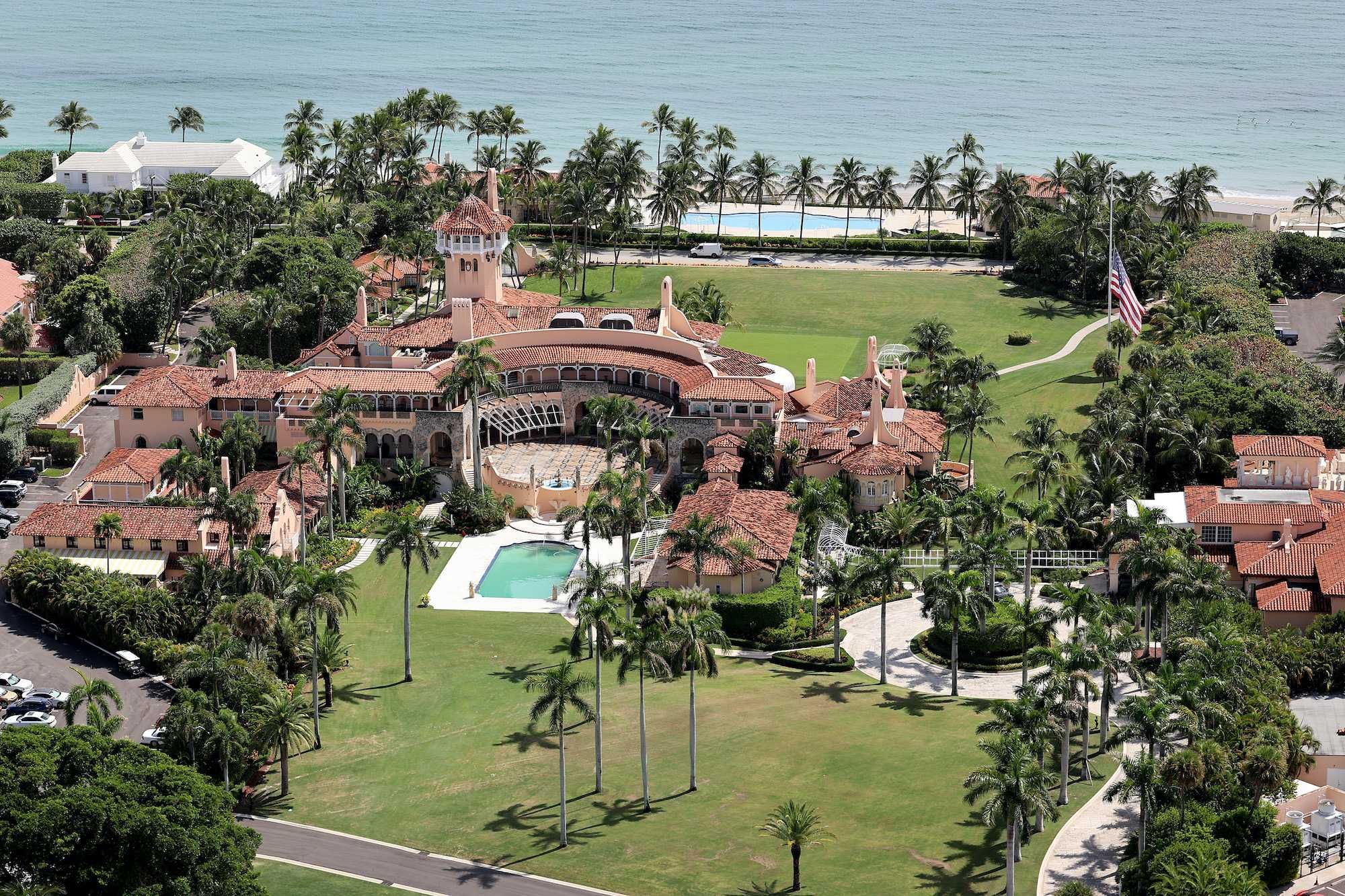
A civilian aircraft violated the restricted airspace above Mar-a-Lago in Palm Beach on Saturday, according to military officials.

Two F-16 fighter jets scrambled to respond to the plane at about 4:20 p.m., and flares were also fired to get the pilot's attention, according to the North American Aerospace Defense Command.

'Adherence to [temporary flight restriction] procedures is essential to ensure flight safety, national security, and the security of the president.'

The aircraft was escorted out of the restriction zone.

"The flares, which may have been visible to the public, are used with the highest regard for safety, burn out quickly and completely, and pose no danger to people on the ground," read a statement from NORAD.

NORAD said that there had been multiple violations of the restricted airspace by "general aviation aircraft" earlier in the week.

The temporary flight restrictions are issued by the Federal Aviation Administration whenever the president is visiting his residence in Florida. When a violation is detected, air traffic controllers warn pilots, and fighter jets are scrambled to intercept planes if they do not respond.

There have been about 40 instances of airspace violations near Mar-a-Lago since Trump took office in January, NORAD says.

After one violation in March, NORAD commander Gen. Gregory Guillot expressed frustration that pilots aren't attentive enough to the alerts about avoiding restricted airspace, called NOTAMs.

"Adherence to [temporary flight restriction] procedures is essential to ensure flight safety, national security, and the security of the president," said Guillot in a statement at the time. "The procedures are not optional."

RELATED: 'Radar anomaly' triggers airspace closure; senator warns of EMP risks

"Trust us on this ... you don't want to spend your Thanksgiving explaining to the #FAA or local law enforcement that you didn't check your NOTAMs," read a statement from NORAD on Wednesday. "#NORAD has already escorted one general aviation pilot out of the #FAA restricted airspace near Palm Beach today. Don't be next, check NOTAMs before every flight."

NORAD is a joint organization between Canadian and U.S. forces to monitor and defend North American airspace. It was first established in 1957 and includes high-ranking members of the Royal Canadian Air Force as well as the U.S. Air Force.

Like Blaze News? Bypass the censors, sign up for our newsletters, and get stories like this direct to your inbox. Sign up here!