Why I Wasn’t Offended When An Airline Pilot Called Me An ‘SOB’ When Landing A Plane On Fire
During an emergency onboard, a Delta airline pilot called me an SOB, and here's why I'm grateful that he did.The fight over free expression in American higher education reached a troubling milestone in 2025. According to data from the Foundation for Individual Rights and Expression, efforts to censor speech on college campuses hit record highs across multiple fronts — and most succeeded.
Let’s start with the raw numbers. In 2025, FIRE’s Scholars Under Fire, Students Under Fire, and Campus Deplatforming databases collectively tracked:
That’s 958 censorship attempts in total, nearly three per day on campuses across the country. For comparison, FIRE’s next-highest total was 477 two years ago.
The 525 scholar sanction attempts are the highest ever recorded in FIRE’s database, which spans 2000 to the present. Even when a large-scale incident at the U.S. Naval Academy is treated as just a single entry, the 2025 total still breaks records.
The common denominator across these censorship campaigns is not ideology — it’s intolerance.
Twenty-nine scholars were fired, including 18 who were terminated since September for social media comments about Charlie Kirk’s assassination.
Student sanction attempts also hit a new high, and deplatforming efforts — our records date back to 1998 — rank third all-time, behind 2023 and 2024.
The problem is actually worse because FIRE’s data undercounts the true scale of campus censorship. Why? The data relies on publicly available information, and an unknown number of incidents, especially those that may involve quiet administrative pressure, never make the public record.
Then there’s the chilling effect.
Scholars are self-censoring. Students are staying silent. Speakers are being disinvited or shouted down. And administrators, eager to appease the loudest voices, are launching investigations and handing out suspensions and dismissals with questionable regard for academic freedom, due process, or free speech.
RELATED: Liberals’ twisted views on Charlie Kirk assassination, censorship captured by a damning poll

Some critics argue that the total number of incidents is small compared to the roughly 4,000 colleges in the country. But this argument collapses under scrutiny.
While there are technically thousands of institutions labeled as “colleges” or “universities,” roughly 600 of them educate about 80% of undergraduates enrolled at not-for-profit four-year schools. Many of the rest of these “colleges” and “universities” are highly specialized or vocational programs. This includes a number of beauty academies, truck-driving schools, and similar institutions — in other words, campuses that aren’t at the heart of the free-speech debate.
These censorship campaigns aren’t coming from only one side of the political spectrum. FIRE’s data shows, for instance, that liberal students are punished for pro-Palestinian activism, conservative faculty are targeted for controversial opinions on gender or race, and speaking events featuring all points of view are targeted for cancellation.
The two most targeted student groups on campus? Students for Justice in Palestine and Turning Point USA. If that doesn’t make this point clear, nothing will.
The common denominator across these censorship campaigns is not ideology — it’s intolerance.
RELATED: Teenager sues high school after tribute to Charlie Kirk was called vandalism

So where do we go from here?
We need courage: from faculty, from students, and especially from administrators. It’s easy to defend speech when it’s popular. It’s harder when the ideas are offensive or inconvenient. But that’s when it matters most.
Even more urgently, higher education needs a cultural reset. Universities must recommit to the idea that exposure to ideas and speech that one dislikes or finds offensive is not “violence.” That principle is essential for democracy, not just for universities.
This year’s record number of campus censorship attempts should be a wake-up call for campus administrators. For decades, many allowed a culture of censorship to fester, dismissing concerns as overblown, isolated, or a politically motivated myth. Now, with governors, state legislatures, members of Congress, and even the White House moving aggressively to police campus expression, some administrators are finally pushing back. But this pushback from administrators doesn’t seem principled. Instead, it seems more like an attempt to shield their institutions from outside political interference.
That’s not leadership. It’s damage control. And it’s what got higher education into this mess in the first place.
If university leaders want to reclaim their role as stewards of free inquiry, they cannot act just when governmental pressure threatens their autonomy. They also need to be steadfast when internal intolerance threatens their mission. A true commitment to academic freedom means defending expression even when it is unpopular or offensive. That is the price of intellectual integrity in a free society.
Editor’s note: This article was originally published by RealClearPolitics and made available via RealClearWire.
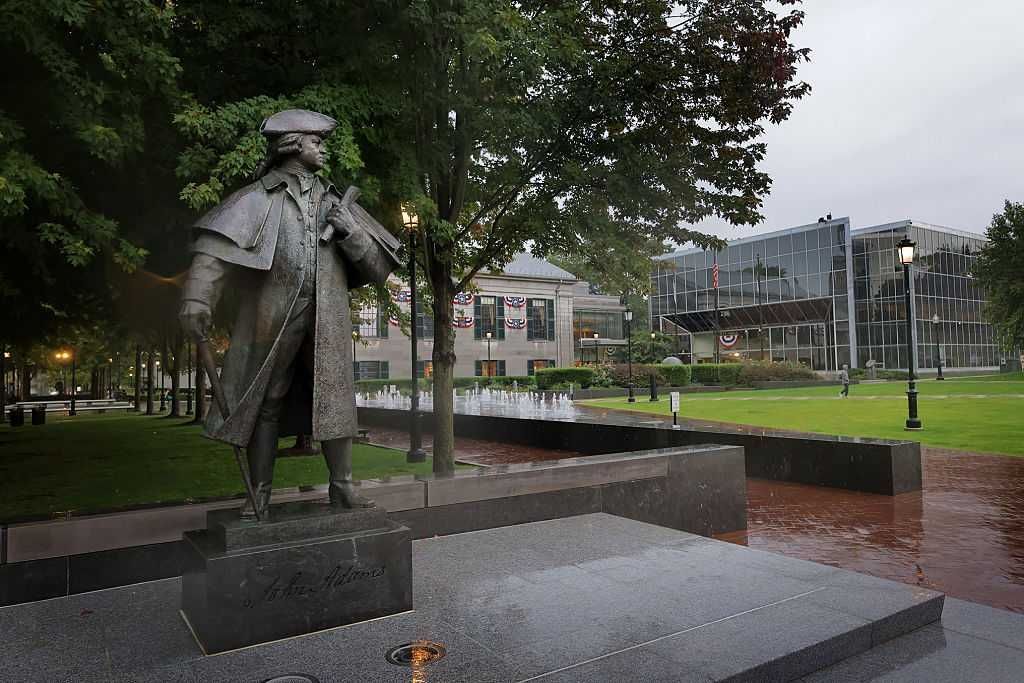
Thomas Koch, the mayor of Quincy, Massachusetts, commissioned two 10-foot-tall bronze statues to complement his city's new public safety headquarters, a 122,000 square-foot facility that will ultimately house both the police department and the fire department's administration offices.
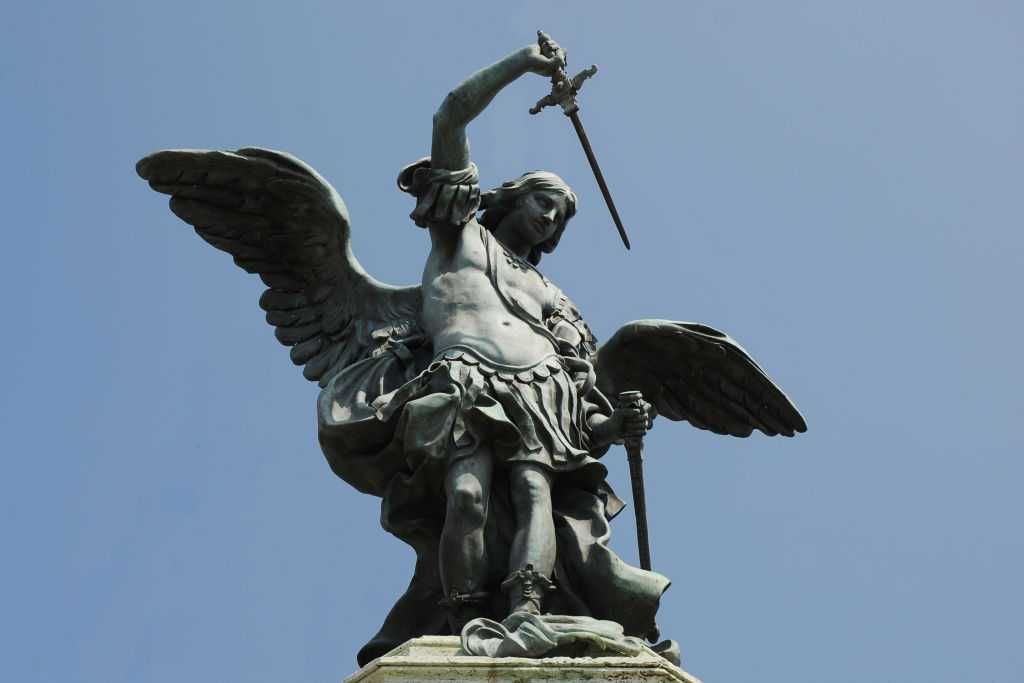
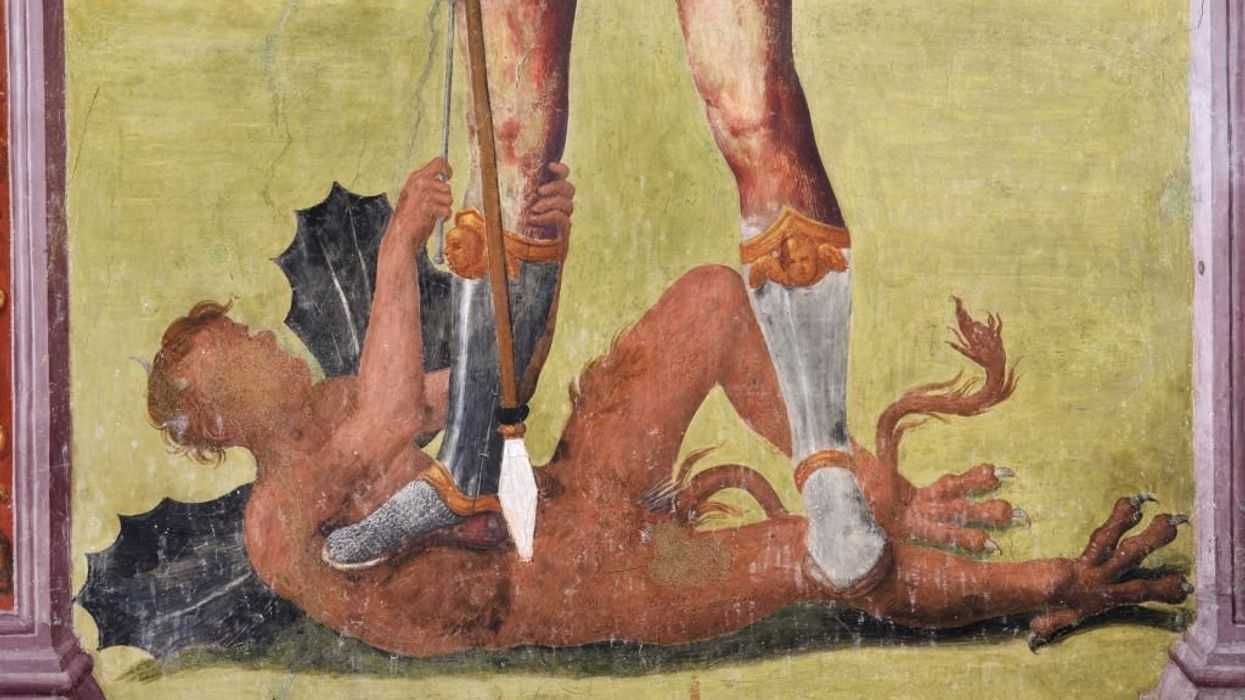
One of the statues that the city asked renowned sculptor Sergey Eylanbekov to design depicts the winged archangel Michael stepping on the head of a demon. The other statue depicts Florian, a third-century firefighting Roman soldier, dumping water on a burning building.
'The statues of Michael and Florian honor service — not a creed.'
Despite the broader cultural significance of both figures and their longstanding association with first responders, groups loath to see any public signs of Christianity joined a number of local residents in suing to block the installation of the statues.
While the Norfolk Superior Court granted a preliminary injunction last week blocking the installation of the two statues, the city of Quincy, evidently unwilling to surrender to iconoclastic secularists, has teamed up with the Becket Fund for Religious Liberty to file an appeal.
"We respect every citizen's beliefs, religious or not. But the statues of Michael and Florian honor service — not a creed," Quincy Mayor Thomas Koch said in a statement to Blaze News. "We’re hopeful that the court will reverse this order and allow our city to pay tribute to the men and women who keep our city safe."
The lawsuit filed in May by the American Civil Liberties Union, the ACLU of Massachusetts, the Freedom from Religion Foundation, and Americans United for Separation of Church and State, names a number of Quincy residents as plaintiffs including
The lawsuit states that "affixing religious icons of one particular faith to a government facility — the City's public safety building, no less — sends an alarming message that those who do not subscribe to the City's preferred religious beliefs are second-class residents who should not feel safe, welcomed, or equally respected by their government."
RELATED: Exposing the great lie about 'MAGA Christianity' — and the truth elites hate

The complaint hammers home the significance of Michael in Catholicism, where he is recognized as the patron saint of police, yet neglects to note that Michael also features prominently in Christian, Jewish, and Islamic religious texts and traditions as well as in the Western literary canon and pop culture.
While the suit hints at possible civic or professional accomplishments on the part of Florian that could be recognized with a statue, it again suggested that as the patron saint of firefighters, a statue of the historical figure would similarly "send a predominantly religious message."
The plaintiffs alleged in their lawsuit that the city violated Article III of the Massachusetts Declaration Rights, and suggested that the installation of the statues "will not serve a predominantly secular purpose," but rather to "promote, promulgate, and advance one faith, subordinating other faiths as well as non-religious traditions."
The allegation of a violation of state law as opposed to a violation of the Establishment Clause of the U.S. Constitution appears to have been strategic. After all, the U.S. Supreme Court has made expressly clear that "simply having religious content or promoting a message consistent with a religious doctrine does not run afoul of the establishment clause."
Mayor Koch rejected the plaintiffs' thesis, underscoring in a sworn affidavit that he regarded it as "appropriate to erect statues of two internationally recognized symbols of police and fire service, an act which would also serve to inspire the men and women who work in the building."
"There was nothing religious about this decision," continued Koch. "The fact that Michael and Florian each happen to be saints venerated in the Catholic Church is ancillary to their significance in the Police and Fire services, respectively."
Quincy suggested in the suit that the plaintiffs lacked standing because they were "simply offended by the planned statues, and, unwilling to confine themselves to the ordinary means for airing ideological disagreements with the government — the political process — have sought to make a lawsuit out of it."
Norfolk Superior Court Justice William Sullivan, who was put on the court by former Democratic Gov. Deval Patrick, was evidently not persuaded.
On Oct.14, Sullivan denied the city's motion to dismiss the lawsuit and granted a preliminary injunction against the erection of the statues, noting that the plaintiffs had demonstrated "that they are likely to succeed at proving that the permanent display of the oversized overtly religious-looking statutes have a primary effect of advancing religion."
RELATED: Clinton labor secretary panics after Trump asks the archangel Michael for help fighting evil

Speaking to Koch's suggestion that the statues have secular significance and purpose, Sullivan wrote, "To the extent a statue of Saint Michael provides inspiration or conveys a message of truth, justice, or the triumph of good over evil, it does so in his context as a biblical figure — namely, the archangel of God. It is impossible to strip the statue of its religious meaning to contrive a secular purpose."
Rachel Davidson, a staff attorney at the ACLU of Massachusetts, celebrated the ruling, stating, "We are grateful to the court for acknowledging the immediate harm that the installation of these statues would cause and for ensuring that Quincy residents can continue to make their case for the proper separation of church and state."
"Massachusetts citizens are free to practice their personal religious views by placing statues of saints or other religious iconography on private property," said Annie Laurie Gaylor, co-president of the Freedom from Religion Foundation. "But such religious iconography emphatically does not belong on government buildings where all must feel welcome."
Becket, a firm focused on protecting religious liberty, announced on Tuesday that it will join the city of Quincy in appealing Sullivan's decision.
"If allowed to stand, the decision would push cities across the Commonwealth to strip historic symbols from civic life whenever they carry religious associations," the firm said in a statement. "But the Supreme Court has upheld the use of symbols with religious roots in public life, including a World War I memorial featuring a cross, when they carry historical, cultural, or commemorative significance."
Using private funding in the 1920s, the American Legion constructed the 40-foot-tall Peace Cross in Bladensburg, Maryland, to honor soldiers who perished in World War I. The sight of the cross evidently enraged iconoclastic secularists, who sought to have it toppled. While the Fourth Circuit proved more than happy to oblige them, the U.S. Supreme Court determined in its 2019 American Legion v. American Humanist Association ruling that the cross did not violate the Establishment Clause.
The court also rejected the relevance of the test articulated by SCOTUS in its 1971 Lemon v. Kurtzman ruling as a way of guiding the court in identifying Establishment Clause violations, noting that the Lemon test presented "particularly daunting problems" in such cases that "involve the use, for ceremonial, celebratory, or commemorative purpose, of words or symbols with religious associations."
While the Supreme Court has effectively rejected the Lemon test, Justice Sullivan leaned heavily on it in the Quincy case.
"Everyone is free to have their own opinions about public art, but in America, the fact that something may have religious associations is not a legitimate reason to censor it," said Joseph Davis, senior counsel at Becket.
"Our nation, like many others, has long drawn on historic symbols — including those with religious roots — to honor courage and sacrifice. The court should reject this lawsuit’s attempt to block these symbols of bravery and courage," added Davis.
Quincy Police Chief Mark Kennedy's office indicated the police department will have no comment as the issue remains in the hands of the court.
Like Blaze News? Bypass the censors, sign up for our newsletters, and get stories like this direct to your inbox. Sign up here!
When a judge’s home in South Carolina caught fire on Saturday, those on the left were quick to claim arson, blaming President Donald Trump’s deputy chief of staff, Stephen Miller, for fueling right-wing extremism and violence.
However, since those initial reports, the South Carolina governor and the South Carolina Law Enforcement Division have largely debunked this assertion by stating that the fire does not appear to be a result of arson.
'At this time, there is no evidence to indicate the fire was intentionally set.'
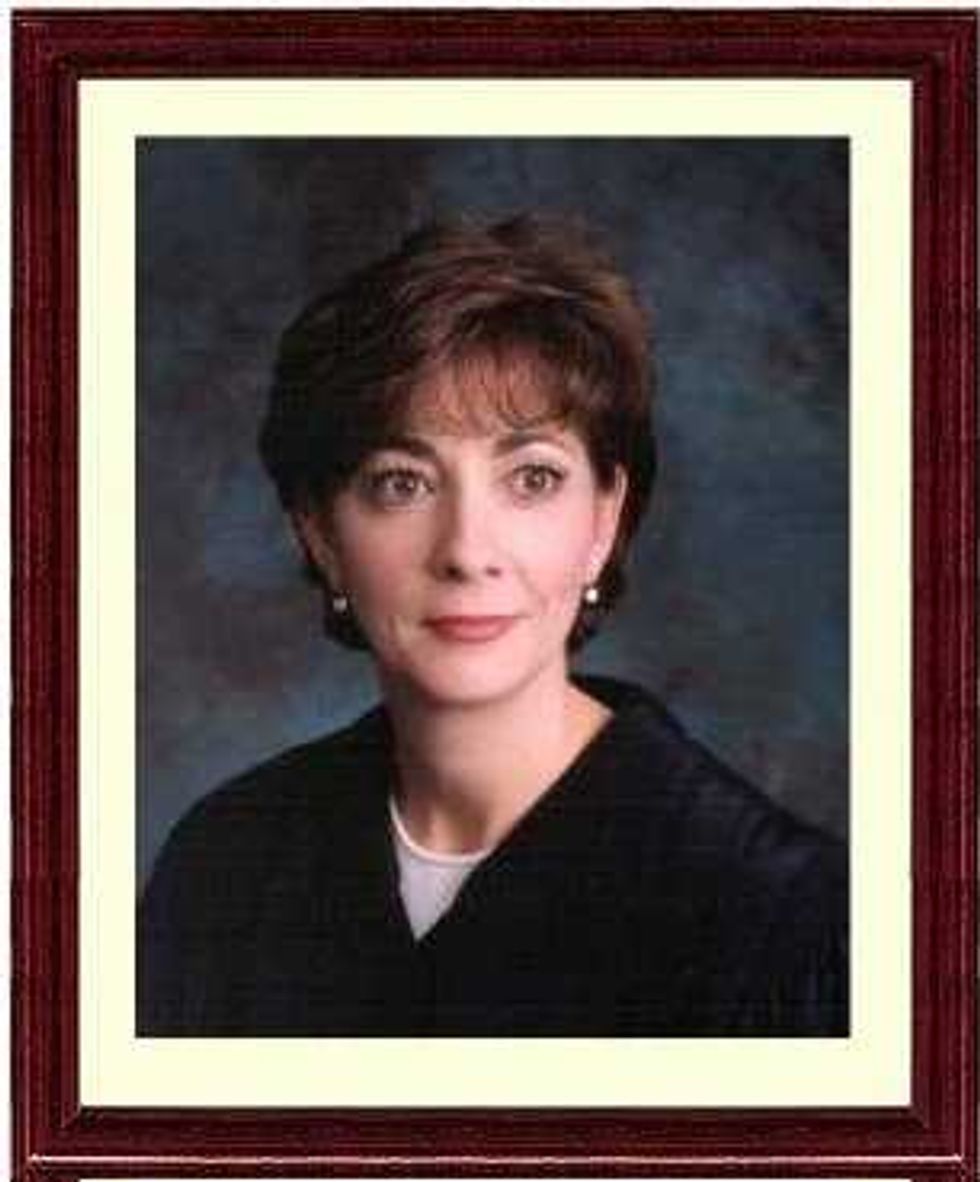
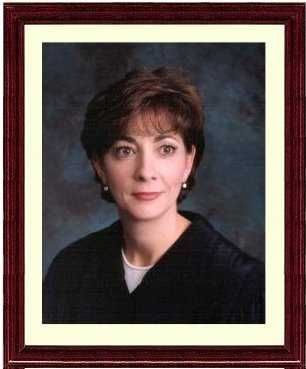
Circuit Court Judge Diane Goodstein was out on a walk with her dogs when her home went up in flames on Saturday afternoon. Her husband, former South Carolina Sen. Arnold Goodstein (D), was inside the house and was forced to escape out a first-story window, resulting in multiple injuries. Mr. Goodstein and two others were hospitalized.
Democrat politicians immediately started suggesting that the tragic incident may have been the result of arson and, if so, by right-wing extremists.
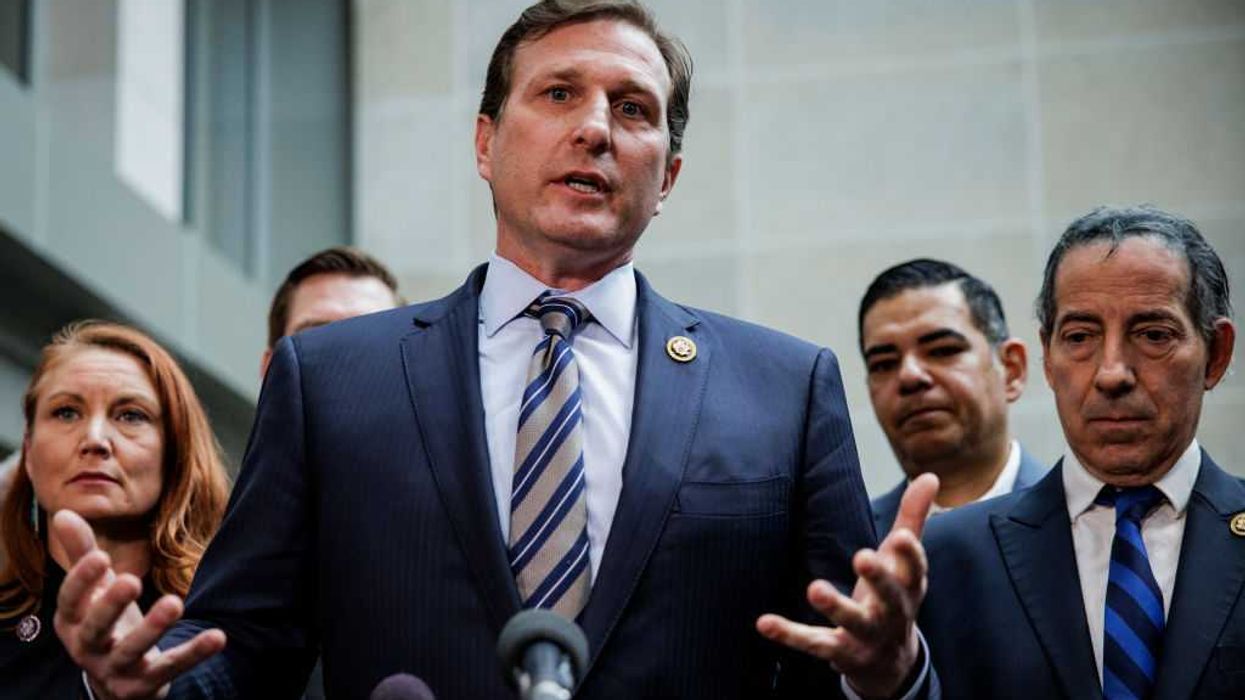
“Trump, @StephenM and MAGA-world have been doxxing and threatening judges who rule against Trump, including Judge Goodstein,” Rep. Daniel Goldman (D-N.Y.) wrote in a post on X. “Today, someone committed arson on the Judge’s home, severely injuring her husband and son. Will Trump speak out against the extreme right that did this??”
Rep. Yassamin Ansari (D-Ariz.) made a similar connection between Miller and the fire.
“Just yesterday @StephenM called judges ‘terrorists.’ Now a judge’s home has burned after an explosion,” Ansari stated. “We need a full investigation, but it’s undeniable that this rhetoric is dangerous & it makes violence feel permissible. Is @realDonaldTrump going to say or do anything??”

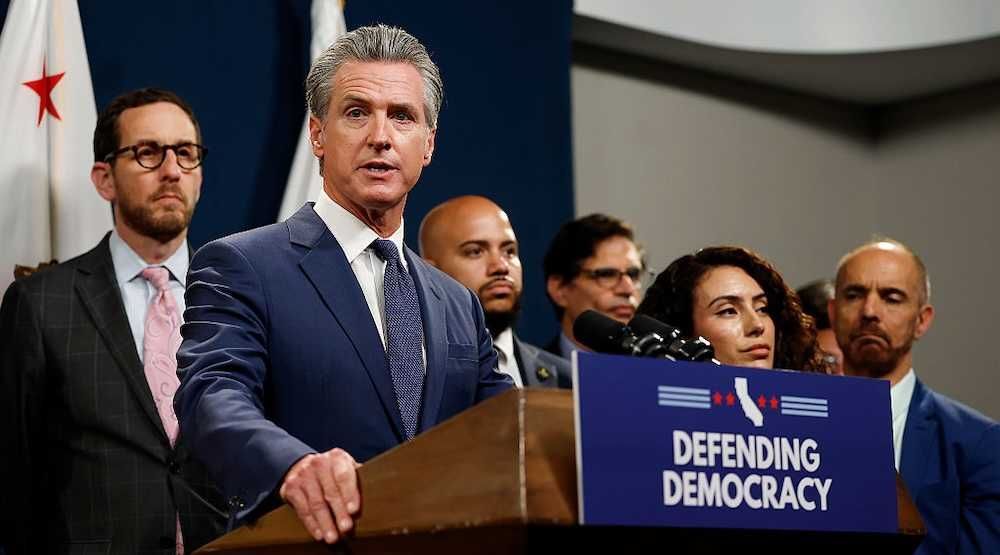
Izzy Gardon, California Democrat Governor Gavin Newsom’s director of communications, also appeared to blame Trump.
“A few weeks ago, one of Trump’s top DOJ officials publicly targeted this judge,” Gardon wrote. “Today, the judge’s home is on fire.”
On Monday, SLED provided an update on the ongoing investigation.
RELATED: Federal judges refuse to detain Rhode Island man indicted for alleged Trump assassination threats

“At this time, there is no evidence to indicate the fire was intentionally set. SLED agents have preliminarily found there is no evidence to support a pre-fire explosion,” SLED Chief Mark Keel stated.
Gov. Henry McMaster (R) confirmed those preliminary findings.
“SLED Chief Mark Keel has announced that at this point in the investigation there is no evidence the horrific fire at Judge Goodstein’s Edisto home was intentionally set. I echo Chief Keel’s call for everyone to exercise good judgment and avoid sharing unverified information while the investigation continues,” McMaster said.
Blaze News contacted Goldman, Ansari, and Gardon to ask whether they plan to issue revised comments or clarification following SLED’s update.
Like Blaze News? Bypass the censors, sign up for our newsletters, and get stories like this direct to your inbox. Sign up here!
A judge's South Carolina home went up in flames on Saturday afternoon, reportedly resulting in three hospitalizations.
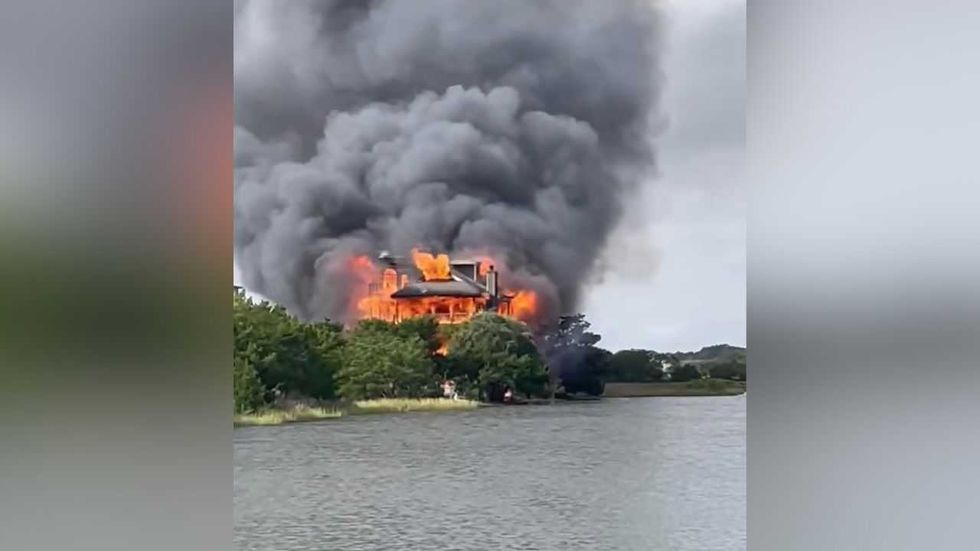
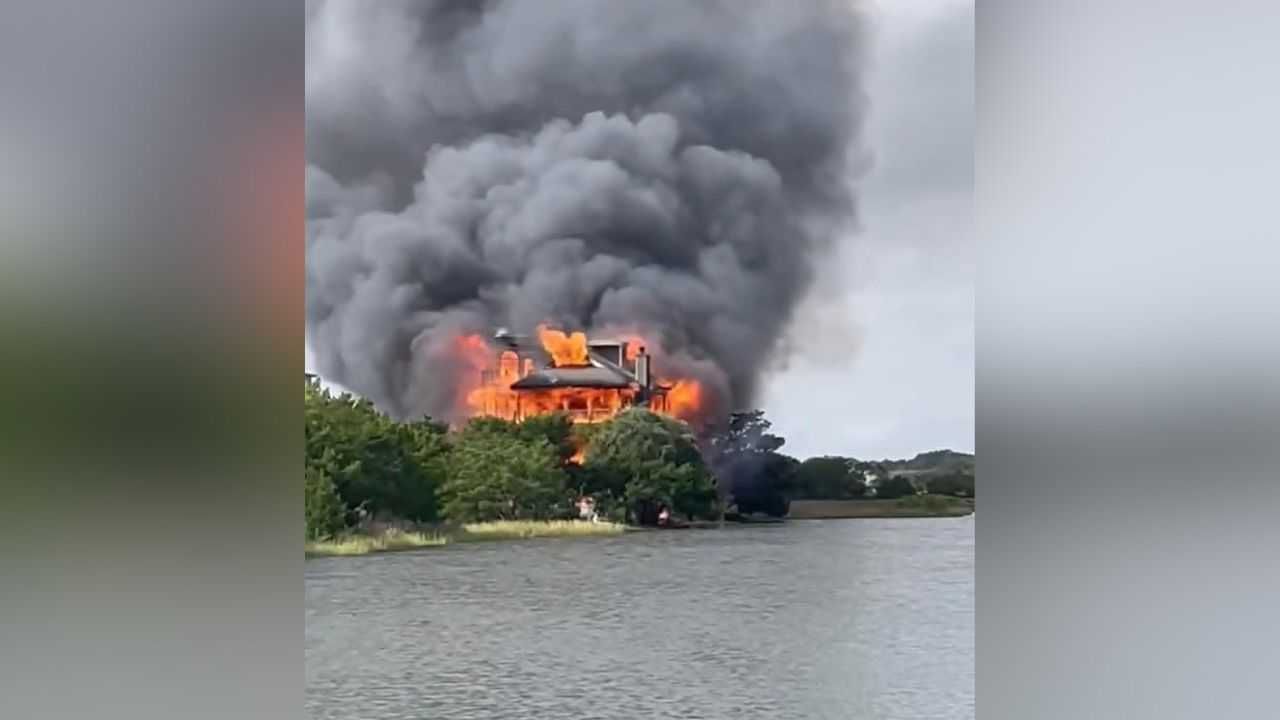
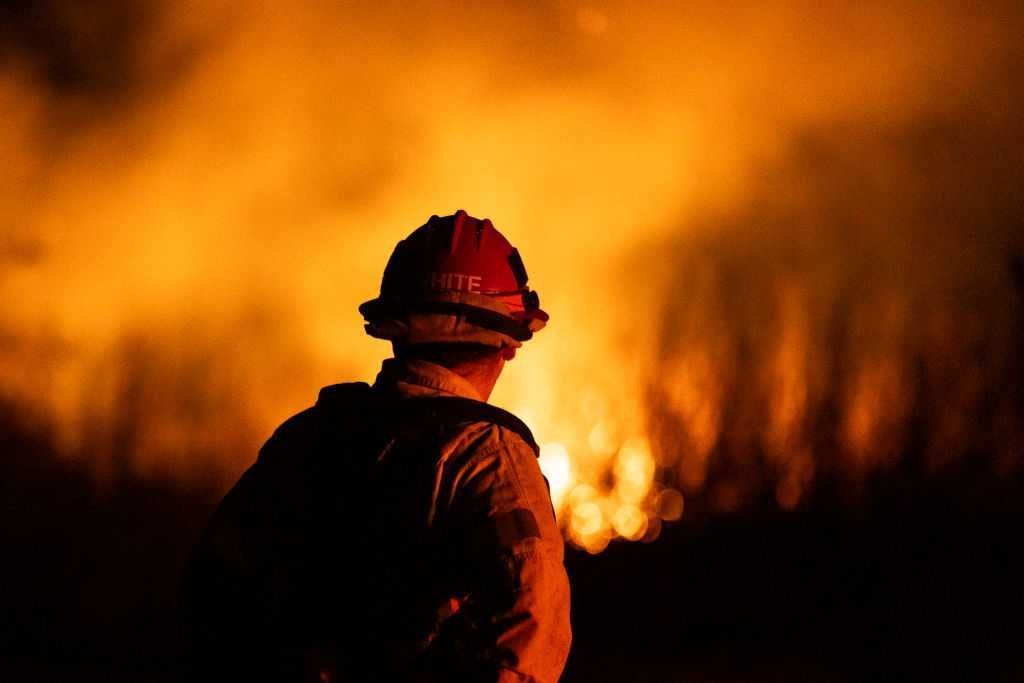
Photos and videos of the incident showed large black plumes of smoke engulfing the four-story property. Circuit Court Judge Diane Goodstein and her husband, former South Carolina Sen. Arnold Goodstein (D), are the owners of the beachfront house, according to local reports.
Judge Goodstein was reportedly out for a walk with her dogs when the blaze broke out. Her husband, who was inside at the time, was forced to jump out a first-floor window, a neighbor told the Post and Courier. According to reports, he sustained multiple injuries, including broken bones in his hips, legs, and feet. He was airlifted to the hospital.
'The family had to escape by jumping from a window or balcony.'
Two other individuals, one of whom is believed to be the couple's son, were also reportedly hospitalized. The extent of their injuries has not been reported.
The South Carolina Supreme Court stated, "Chief Justice John W. Kittredge is aware of an incident involving Circuit Court Judge Diane Goodstein. At this time, [South Carolina Law Enforcement Division] is on the scene and will begin investigating as soon as the fire has been contained. Local law enforcement partners have been alerted and asked to provide extra patrols and security. The Judicial Branch will remain in close communication with SLED."
While the cause of the fire remains unknown as the investigation continues, Kittredge indicated it was the result of an "apparent explosion."
RELATED: From lawfare to ‘barfare’: Another way to target Trump allies

"Judge Goodstein was walking on the beach when the fire started," Kittredge said. "Her husband, Arnie, was in the house with children and perhaps grandchildren. The family had to escape by jumping from a window or balcony. I'm told there were injuries from the fall, such as broken legs."
"Arnie's injuries may have been the most serious, for he was airlifted to the hospital," he added.
Critics of President Donald Trump have attributed the fire to right-wing extremism, despite the absence of any initial evidence amid the ongoing investigation.
Rep. Daniel Goldman (D-N.Y.) slammed Trump's deputy chief of staff, Stephen Miller, and others in "MAGA-world" for supposedly "doxxing" judges, including Goodstein.
"Trump, @StephenM and MAGA-world have been doxxing and threatening judges who rule against Trump, including Judge Goodstein," Goldman wrote in a post on X. "Today, someone committed arson on the Judge's home, severely injuring her husband and son. Will Trump speak out against the extreme right that did this??"
Officials have not, at this point, indicated that the fire was the result of arson.
RELATED: Federal judges refuse to detain Rhode Island man indicted for alleged Trump assassination threats

Miller fired back, calling Goldman "deeply warped and vile."
"While the Trump Administration has launched the first-ever government-wide effort to combat and prosecute illegal doxing, sinister threats and political violence you continue to push despicable lies, demented smears, malicious defamation and foment unrest. Despicable," Miller responded.
"Meanwhile, the Democrat AG nominee in Virginia is fantasizing about murdering his opponents," Miller continued, referring to text messages that nominee Jay Jones admitted to sending about former political rival Todd Gilbert, "and a Biden federal judge is showing radical leniency to a monster who tried to assassinate a Supreme Court Justice."
"While you post your libelous madness, we will keep focused on delivering public safety and fighting domestic terror," Miller added.
Like Blaze News? Bypass the censors, sign up for our newsletters, and get stories like this direct to your inbox. Sign up here!
Freedom of speech on university campuses has collapsed. Left-leaning college administrators, faculty, and students have been silencing conservative voices, and conservative students are increasingly adopting the left’s errant ways. The Trump administration has launched a strong counterattack that also seems poised to suppress speech.
The First Amendment’s free speech guarantees are at the core of our liberties. As Justice Louis Brandeis explained in Whitney v. California(1927), “If there be time to expose through discussion, the falsehoods and fallacies, to avert the evil by the processes of education, the remedy to be applied is more speech, not enforced silence.”
Conservatives debate and debunk bad ideas — they don’t silence those with whom they disagree.
Though set out in a concurring opinion, Justice Brandeis’ counter-speech doctrine has become the bedrock of free speech jurisprudence. In the milestone First Amendment case of United States v. Alvarez (2012), Justice Anthony Kennedy cited Justice Brandeis, opining, “The remedy for speech that is false is speech that is true. This is the ordinary course in a free society. The response to the unreasoned is the rational; to the uninformed, the enlightened; to the straight-out lie, the simple truth.”
Many in Gen Z and younger Millennials would beg to differ. To many of these students and recent graduates, particularly — but not only — on the left, offensive speech is violence that should be silenced — and with physical violence, if necessary.
For the last six years, the Foundation for Individual Rights and Expression has surveyed tens of thousands of students at hundreds of American universities to evaluate the status of free speech on campuses. Its most recent survey, in collaboration with pollster College Pulse and RealClearEducation, included 68,510 students at 257 universities.
The results are troubling. Together with other surveys, campus activism, and social media invective, a considerable decline in support for free speech is manifest, particularly among younger Americans on the left.
FIRE’s scores are based on 12 components, including student perceptions of six factors, three areas of campus speech policies, and three types of speech controversies. FIRE generates a blended score on a 100-point scale, which it converts to letter grades. Claremont McKenna College (not affiliated with Claremont Institute) received the highest score, 79.86, and Columbia University’s Barnard College the lowest, 40.74. My alma mater, Columbia College, was next lowest at 42.89.
Just 11 of the 257 schools surveyed received a grade of C or higher; 14 received a C-minus; 63 ranged from D-minus to D-plus; and 168 institutions — nearly two-thirds —received an F. Of the top-10 schools, only Claremont McKenna did better than a C grade, scraping by with a B-minus, though FIRE observed that but for rounding scores, the college would have received a C-plus. Each of the other nine top-ranked schools received a C.
According to FIRE, the lowest-ranked schools are home to restrictive speech policies, threats to student press freedom, speaker cancellations, and the quashing of student protests. Only 36% of students said that their school’s administration protects free speech. To the contrary, the great majority of campuses are inhospitable to faculty and students who oppose diversity, equity, and inclusion, observe religious tenets, are pro-life, favor Israel in its struggle with Hamas, or otherwise fall on the conservative side of the political spectrum (see here, here, here, here, here, here, here, here, here, and here).
The most troubling result of FIRE’s survey and other recent studies is that educators in both K-12 and higher education are indoctrinating students in ideologies that are completely adverse to free speech.
FIRE warned that there has been a “steady erosion of free expression at colleges and universities,” adding that “the atmosphere isn’t just cautious — it’s hostile.” To stop speakers with whom they disagree, at least 71% of students surveyed (a high) support shouting; 54% (a high) endorse blocking other students from attending a speech on campus; and 34% (also a high) support the use of violence at least some of the time.
The FIRE survey found that 76% of students would stop someone from saying that Black Lives Matter is a hate group; 74% would stop a speaker from saying that transgender people have a mental disorder; and 60% would not allow a speaker to say that abortion should be completely illegal. These numbers suggest almost universal support from left-leaning students to bar speakers with whom they disagree, and at least some support from conservatives. American liberals used to champion free speech, which was the message of those angered by Disney’s suspension of late-night host Jimmy Kimmel.
Our rights are under attack. The remedy for the excesses of the radical left is to restore an understanding of why America is a beacon of liberty — not to adopt the left’s worst impulses.
Smaller majorities, comprised chiefly of conservative students, would bar speakers from advocating that the Catholic Church is a pedophilic institution (62%), that the police are just as racist as the Ku Klux Klan (62%), or that children should be allowed to transition without parental consent (51%). While I disagree with these perspectives, it is not conservative doctrine to bar speakers who have bad ideas.
Conservatives debate and debunk bad ideas — they don’t silence those with whom they disagree.
A more careful review of Claremont McKenna’s scores and the national data demonstrates the fervor of left-leaning students to suppress speech with which they disagree. Claremont McKenna ranked only 24th for tolerance of conservative speakers and 186th in the closely correlated category of tolerating differences. Overall, most campuses received higher marks for tolerating controversial liberal speakers than for tolerating controversial conservative speakers.
On a positive note, 79% of respondents thought their college protects free speech, and about half would feel comfortable disagreeing with their professors on controversial political topics. However, anecdotal evidence and surveys suggest that conservative students would feel less secure in speaking candidly than liberals.
RELATED: Gavin Newsom’s ‘fascist’ slur echoes in the streets

A decline in support for free speech and an increase in support for violence to suppress opposing views go hand in hand in authoritarian regimes. According to a recent report from Vanderbilt University’s the Future of Free Speech project, over the past decade, the number of countries limiting speech has far outnumbered those expanding it. Of the countries surveyed, the United States had the third-largest decline in support for free speech since the last study was published in 2021.
According to Jacob Mchangama, executive director of the Future of Free Speech, the decline in the U.S. represents fundamental shifts in values within a short period. While older Americans (ages 55 and over) have maintained relatively stable attitudes, showing only single-digit declines in most categories, the steep drops among younger cohorts raise profound questions about the future of free expression in America. College-educated Americans show another surprising shift. This group, traditionally associated with openness to diverse viewpoints, has markedly decreased its support for controversial speech since 2021.
The Free Speech study found that younger Americans are especially hesitant to defend speech that offends minority groups. Only 57% say such speech should be permitted, a result driven by those on the left. Tolerance for religiously offensive speech declined from 71% in 2021 to 57% this year, a result driven by those on the right.
In a recent YouGov poll, 25% of those who are very liberal agreed that violence is acceptable to achieve political goals, as did 17% of liberals, but only 6% of conservatives and 3% of those who are very conservative approved. Eleven percent of adults said that political violence can be justified, while 72% disagreed. By contrast, for those ages 18 to 29, 19% believe violence can be justified, and just 51% disagreed. Ironically, while 65% of all adults believe violence is justified for self-defense, just 60% of those ages 19 to 20 agree. Their views may be associated with sympathy for criminals as perceived victims of systemic oppression.
In April, the nonpartisan Network Contagion Research Institute at Rutgers University issued a report based on its extensive polling that concluded “widespread justification for lethal violence — including assassination — among younger, highly online, and ideologically left-aligned users.” NCRI reported that these “attitudes are not fringe — they reflect an emergent assassination culture, grounded in far-left authoritarianism and increasingly normalized in digital discourse. Cyber-social platforms — particularly Bluesky — play a strong predictive role in amplifying this culture.”
More than 2,100 students were arrested during campus protests last year. Though demonstrations continue, they have been smaller in 2025 since the Trump administration’s crackdown on universities that have enabled anti-Semitic demonstrations.
The administration is pressuring universities to end anti-Semitism and take down barriers to free speech by revoking visas for foreign students who have endorsed Hamas or used violence to support Palestinian causes, and by suspending funding for leading universities that fail to defend the rights of Jewish students and faculty, including Columbia, Harvard, Brown, UCLA, and the University of Pennsylvania. At least 60 colleges and universities are being investigated by the Department of Education under Title VI of the Civil Rights Act for their handling of anti-Semitic discrimination.
The Washington Postrecently reported that the Trump administration is developing a plan that would give an advantage for research grants to schools that pledge to adhere to administration policies on DEI and combating anti-Semitism. According to the Post, universities could be asked to affirm that admissions and hiring decisions are based on merit, that specified factors are taken into account when considering foreign student applications, and that college costs are not out of line with the value students receive.
RELATED: Make college great again: Trump ‘has the spine’ to declare war on woke universities

While a requirement that universities adhere to the law to receive funding is sound, a requirement that they adopt discretionary policies preferred by the administration, or avoid criticizing its objectives, is not. Much as I would likely support the administration’s policies, the time will come when Democrats reclaim the presidency.
I don’t want them to impose a radical left agenda on universities as a condition of funding. Particularly because Democrats would encounter a sympathetic audience, their effectiveness would be far greater than any benefits that the Trump administration might achieve by suppressing dissent.
Numerous educators have been suspended or terminated for blaming Charlie Kirk’s assassination on Kirk or MAGA, or even openly endorsing Kirk’s murder. A Washington Post columnist was fired, Jimmy Kimmel was suspended for four nights, and investigations are proceeding against members of the military and federal agents who posted intemperate thoughts on X and Bluesky.
I have written extensively on loyalty tests, cancel culture, and radical left bias at American universities, as well as the Biden administration’s collaboration with, and coercion of, social media platforms to silence conservative views. I opposed those actions not because of my agreement with those who were censored but rather because I support the First Amendment.
For many years, the rot on American campuses has spread as the radical left has pummeled and marginalized conservative voices. Under intensive indoctrination about safe spaces, intersectionality, and oppressor ideology, too many Americans under 35 have lost track of American exceptionalism and the beauty and meaning of free speech.
Our rights are under attack. The remedy for the excesses of the radical left is to restore an understanding of why America is a beacon of liberty — not to adopt the left’s worst impulses.
Editor’s note: This article was originally published on the American Mind.
A comedian lands at Heathrow and finds himself met by officers as though he posed a terrorist threat. His offense? A social media joke about trans people. He’s released on bail on the condition he doesn’t post on X.
Another man prays silently outside the “safe zone” of an abortion clinic and is hauled off, given a two-year conditional discharge, and fined £9,000 (just over $12,000).
We hope Britain pulls up from its nosedive, but let’s not delude ourselves. America faces the same temptations.
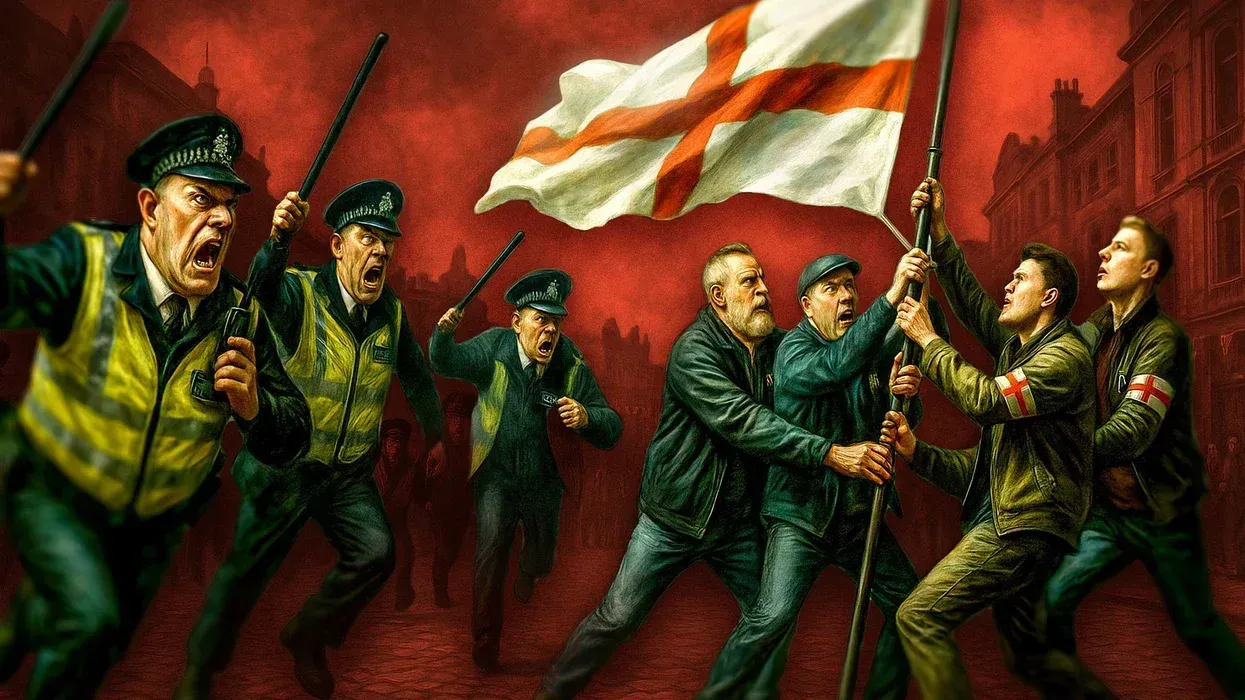
A third man waves the Union Jack at a pro-Palestinian march in England — only to be arrested. Reuters quickly ran interference: not for the flag, they said, but for a “racially aggravated public order offence” and “homophobic abuse.” As if that makes it better.
And we’re still not mentioning the Islamic child-rape scandal that grows worse with every new revelation. The United States watches Britain collapse into a kind of Reformation-era persecution, this time in the name of Islam, paganism, and sexual license. Americans shake their heads, maybe reassure themselves: We fought a revolution to escape this. Charles II jailed Christians. Charles III praises Islam. And we have the First Amendment. Case closed.
Not so fast. We may be on the same road. Once you begin policing speech to protect feelings, the end point looks very much like the UK. And we have plenty of warning signs.
Universities may be the clearest early indicator. Professors tell us every profession must “look like” society — except their own. If a field is 97% male, they call it systemic bias. But in the academy itself, where atheists and leftists dominate, they see no problem.
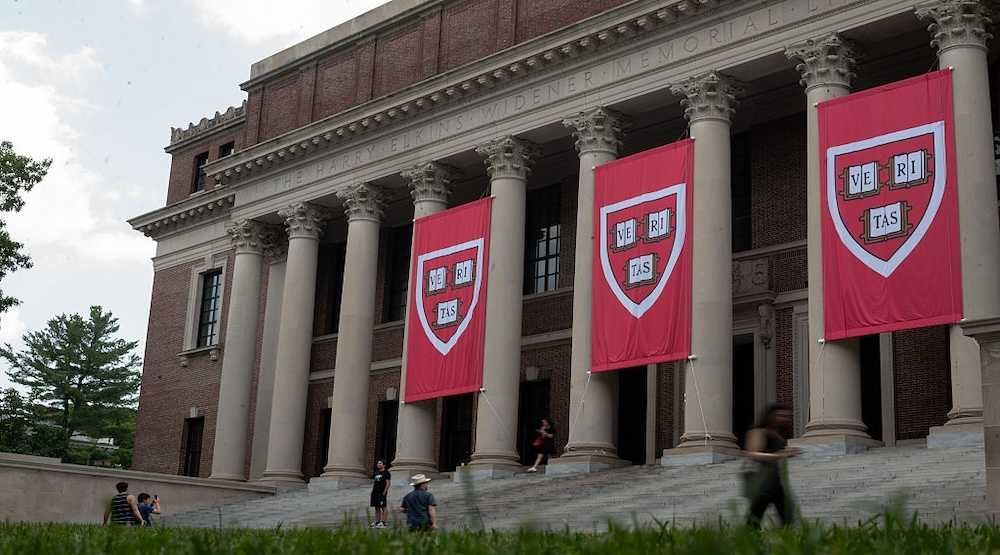
The numbers don’t lie. At Arizona State University, a December 2024 survey found just 19 Republicans among 544 faculty members. At the University of Arizona, only eight Republicans out of 369. Entire departments lacked a single Republican. A 2023 Harvard Crimson study found only 2.5% of Harvard faculty identify as conservative. If any other profession looked this skewed, professors would scream about bias. In their case, they call it “normal.”
And the consequences? They’ll defend freedom of speech for burning an American flag. Burn a trans flag, and suddenly you’ve committed a hate crime. That is one step removed from Graham Linehan’s arrest in the UK for an X post.
Students already know what this means. A 2022 FIRE survey found they self-censor in class. They parrot leftist slogans on gender and race, not because they believe them, but because they want the grade. We are teaching them to lie to advance. No one is being asked to confess Christ; they are being asked to confess Ibram Kendi and John Money.
I’ve seen it firsthand. At ASU’s Honors College, faculty blocked Charlie Kirk, Dennis Prager, and Robert Kiyosaki from speaking, smearing them as “white supremacists.” That label alone was enough to push the event off campus. These professors weren’t interested in argument. They wanted silence.
RELATED: Why the English flag now terrifies the regime

How do they justify it? With “hate crimes.” Not crimes that incite violence, but crimes of opinion. Disagree with LGBTQ ideology? That’s hate. Straight to jail. Professors sleep well at night because we’ve accepted their framework: society divided into oppressors and oppressed. Bad outcomes aren’t the result of choices, but of systemic injustice. Victims must be coddled, even at the expense of truth.
Once you accept that, feelings erase the First Amendment.
We need a spine. Sexual sins are real and destructive. Abortion ends a life. A comedian may say this through jokes; a philosopher may say it through essays. Either way, it’s the truth. The mob can gnash its teeth, plug its ears, strip away free speech, and jail comedians, but reality doesn’t change.
We hope Britain pulls up from its nosedive, but let’s not delude ourselves. America faces the same temptations. We must pray for the end of abortion, speak plainly about the damage sexual ideology inflicts on children, and reject the false frame of “oppressors and oppressed.” The real categories are truth and lies. Choose wisely, while you still can.
Vice President JD Vance visited East Palestine, Ohio, on the second anniversary of the Feb. 3, 2023, Norfolk Southern train disaster, which darkened the sky over the village with hazardous chemicals, poisoned the surrounding environment, and threatened the health of nearby residents.
"President Trump just wanted to deliver a message that this community will not be forgotten, will not be left behind, and we are in it for the long haul in East Palestine," Vance told locals in the village's firehouse.
Vance confirmed Thursday that the Trump administration is returning in search of answers and results.
Vance joined the Department of Health and Human Services Secretary Robert F. Kennedy Jr. and National Institutes of Health Director Jay Bhattacharya Thursday in announcing a five-year, $10 million research initiative to "assess and address" the health fallout from the derailment.
According to HHS, this multi-disciplinary series of studies will seek to understand the health impacts of chemical exposures on short- and long-term health outcomes, "including relevant biological markers of risk"; monitor the community's health in order to take preventative measures and support their health care decisions; and connect community members with relevant experts and officials in order to properly address their health concerns.
'We basically nuked a town with chemicals so we could get a railroad open.'
When the Norfolk Southern freight train consisting of 141 packed cars, nine empty cars, and three locomotives derailed in East Palestine in early 2023 due to a failed wheel bearing, 38 cars, 11 containing hazardous materials — including vinyl chloride, benzene residue, hydrogen chloride, ethylene glycol monobutyl ether, ethylhexyl acrylate, and isobutylene — went off the tracks.
RELATED: Who is bankrolling the anti-MAHA movement?

For fear that the fires engulfing the wreckage might trigger a "catastrophic tanker failure," railroad emergency crews conducted a vent and burn of five tanks of vinyl chloride, producing hydrogen chloride and phosgene gas — the latter of which was used to kill soldiers en masse in World War I.
The resulting columns of smoke that drifted over the village, which forced 2,000 residents to flee their homes, formed what the National Transportation Safety Board called a toxic "mushroom cloud."
After the controlled burn and amid reports of thousands of dead fish and dying livestock, hazardous materials specialist Silverio Caggiano told WKBN-TV, "We basically nuked a town with chemicals so we could get a railroad open."
The NTSB indicated in a June 2024 report that the decision to execute the controlled burn "was based on incomplete and misleading information provided by Norfolk Southern officials and contractors. The vent and burn was not necessary to prevent a tank car failure."
Not only was the decision misguided; it was ruinous.
Thousands of local creatures were killed, nearby waters were heavily contaminated, and possibly cancer-causing airborne toxins were sent into the air across multiple states well beyond.
Blaze News previously reported that the Environmental Protection Agency's preliminary data in 2023 found that "concentrations for nine of the approximately 50 chemicals measured were relatively high in comparison to the levels considered safe for lifetime exposure."
"Overall, if ambient levels persisted for these chemicals, they could pose health concerns, either individually (e.g., acrolein, a known respiratory irritant) or cumulatively. Thus, subsequent, spatiotemporal analysis was pertinent," added the report.
RELATED: JD Vance joined liberal Twitter knockoff Bluesky. Things went off the rails REALLY fast.

East Palestinians reported various health issues in the wake of the derailment, including headaches, gastrointestinal illness, and respiratory and skin irritations.
Owing to the nature of the chemicals and the duration of their exposure, many in East Palestine feared that there could also be long-term health impacts, especially on mothers and children.
The vice president said in a video shared to social media on Thursday that despite significant concerns from those in the area impacted by the derailment, the Biden administration "refused to do anything to actually study the effects of these long-term exposures on the people of East Palestine. Well, now we have a new president and a great new secretary of health and human services."
'Once again, this administration is showing the American people what true leadership looks like.'
"The people of East Palestine have a right to clear, science-backed answers about the impact on their health," said Kennedy.
— (@)
The National Institute of Environmental Health Sciences indicated that it will distribute the committed $10 million in tranches of $2 million a year over the next five years for one to three awards. Experts have until July 21 to submit research proposals in hopes of securing funding.
NIH Director Jay Bhattacharya teased the initiative last month, telling Fox News' host Bret Baier he was looking forward to addressing "the health questions and the health needs of the American people with excellent, gold-standard research."
The initiative was celebrated by Ohio Gov. Mike DeWine (R), Republican Sens. Bernie Moreno and Jon Husted, and Republican Reps. Mike Rulli and Dave Joyce.
"This funding will enable the people of East Palestine to have the peace of mind that comes from knowing that any potential for long-term health effects will be studied by the scientists at the National Institutes of Health," said DeWine. "I thank President Trump, Vice President Vance, and Secretary Kennedy for their commitment now and into the future."
"Once again, this administration is showing the American people what true leadership looks like — putting Americans first," said Rulli.
Like Blaze News? Bypass the censors, sign up for our newsletters, and get stories like this direct to your inbox. Sign up here!