The debt bomb is ticking, and DC spent the blast shield

America is edging toward a major economic crisis. Not a routine downturn or a mild recession, but something far worse. The Big One. We haven’t hit it yet, and we still have time to change course. But if Washington stays on its current track, trouble is coming.
You don’t need insider access to see it. It isn’t hidden. You only need to look at the numbers.
If Americans insist on responsible budgeting and smaller government, elected leaders will follow. That is how representative government works.
Federal budget documents describe an unsustainable path. Economists across the spectrum say the same. Credit rating agencies have issued warnings. The basic point is simple: We spend far more than we take in, year after year, and the bill keeps compounding.
What makes this moment dangerous is that we have little room left to respond when the next shock hits. We have nearly exhausted our fiscal space, which limits how much more we can borrow without triggering serious consequences. When the next crisis arrives, Washington won’t have the flexibility it relied on in the past. That’s when a bad situation turns into a true break.
Markets are already sounding alarms. Gold and silver prices have climbed. The dollar has weakened. Long-term rates have risen even as short-term rates fall. Foreign governments and major funds have reduced their appetite for U.S. debt. Investors don’t do that out of ideology. They do it when they see risk.
The hard part is not explaining the fix. The hard part is getting the country to accept it.
Too many Americans assume we are immune to the limits that bind every other nation. We are the biggest economy, the world’s reserve currency issuer, the greatest military power. So the thinking goes: Nothing can really happen to us.
That belief is the trap.
If we wait until the crisis becomes obvious to everyone, we will pay a much higher price. The damage will land on ordinary households first, and it will not be easily reversed. It is also immoral to hand our children and grandchildren a country buried under obligations it cannot meet.
RELATED:Washington printed promises. Gold called the bluff.

The remedy starts with first principles.
America’s founders did not build a system designed for permanent deficits and permanent expansion. They assumed limited government, manageable levels of debt, fiscal balance over time, and rules that protect the public without choking growth.
The economy has two broad parts: the public sector and the private sector. The public sector enforces law, protects the country, and provides basic administration. The private sector produces the goods and services that create real prosperity. When government grows beyond what taxpayers can support, it crowds out growth, drives up costs, and invites the temptation to paper over deficits with money creation.
Fiscal balance means spending and revenue align over time. When spending consistently exceeds revenue, debt rises. When debt becomes too large, governments lean on the central bank, and inflation follows. Inflation pushes interest rates higher and erodes purchasing power.
A growing government paired with chronic deficits becomes a slow-motion squeeze on the middle class through higher prices, higher borrowing costs, and higher taxes.
Regulation has a legitimate role. But today’s regulatory state has expanded into a sprawling, unelected bureaucracy that writes rules with little accountability. Burdensome regulation raises costs, slows productivity, and makes the economy less resilient.
RELATED:Congress needs to go big or go home
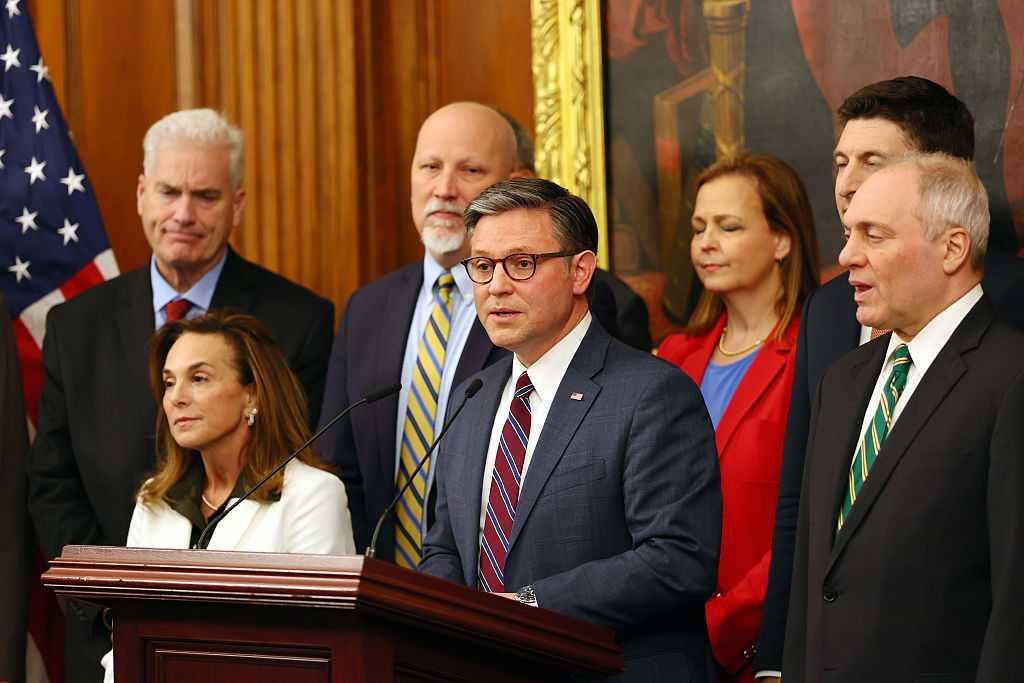
We need to bring the size of the federal government back in line with what the tax base can support. That means controlling spending, reforming programs that drive long-term obligations, and reining in regulation that serves bureaucracy more than citizens.
None of this is easy politically. Elected officials won’t act if voters demand ever more benefits and services without acknowledging the costs. That’s why public understanding matters.
Reform will require hard choices. It will require changes to benefits. But we can protect those who truly need help while restoring sanity to federal finances. The alternative is allowing events to impose those choices on us in the worst possible way — through crisis.
If Americans insist on responsible budgeting and smaller government, elected leaders will follow. That is how representative government works. The window for orderly reform is still open. It won’t stay open forever.
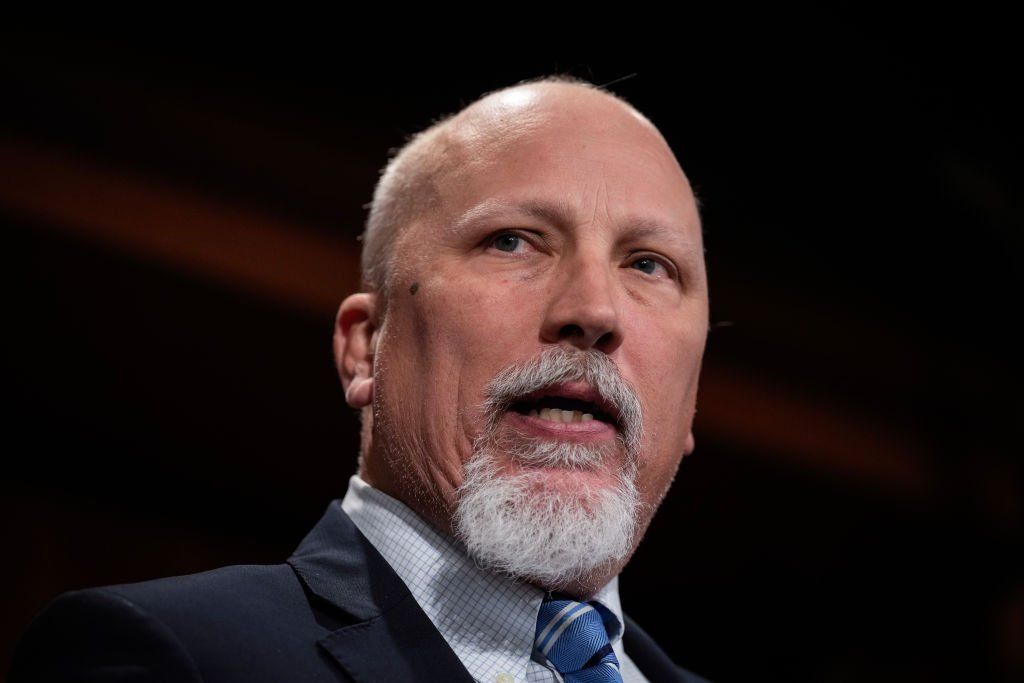
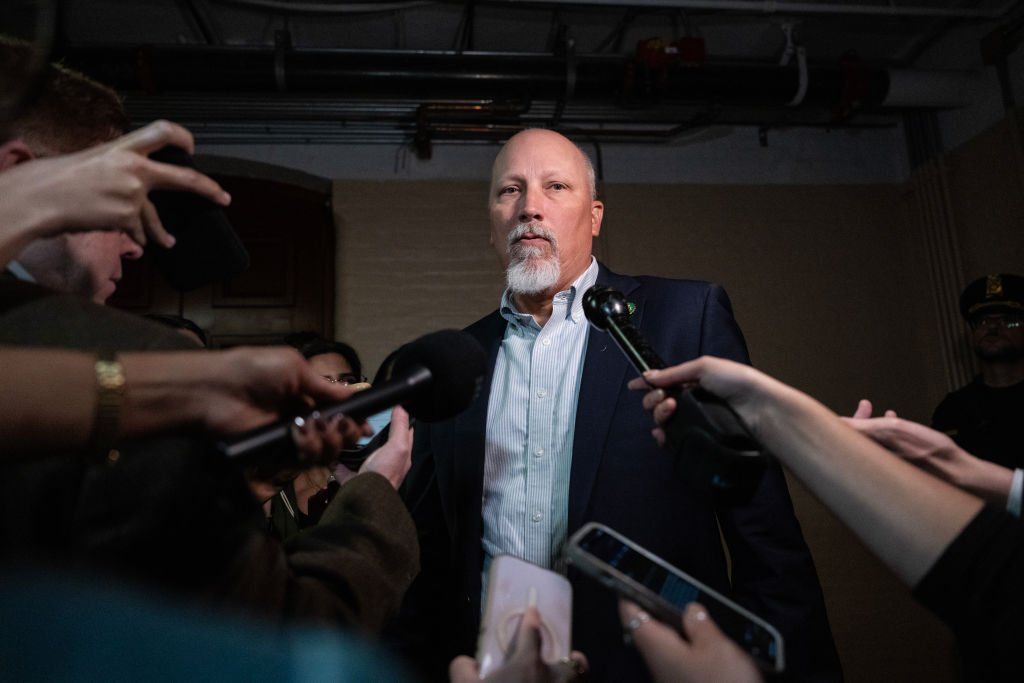 Photo by Drew Angerer/Getty Images
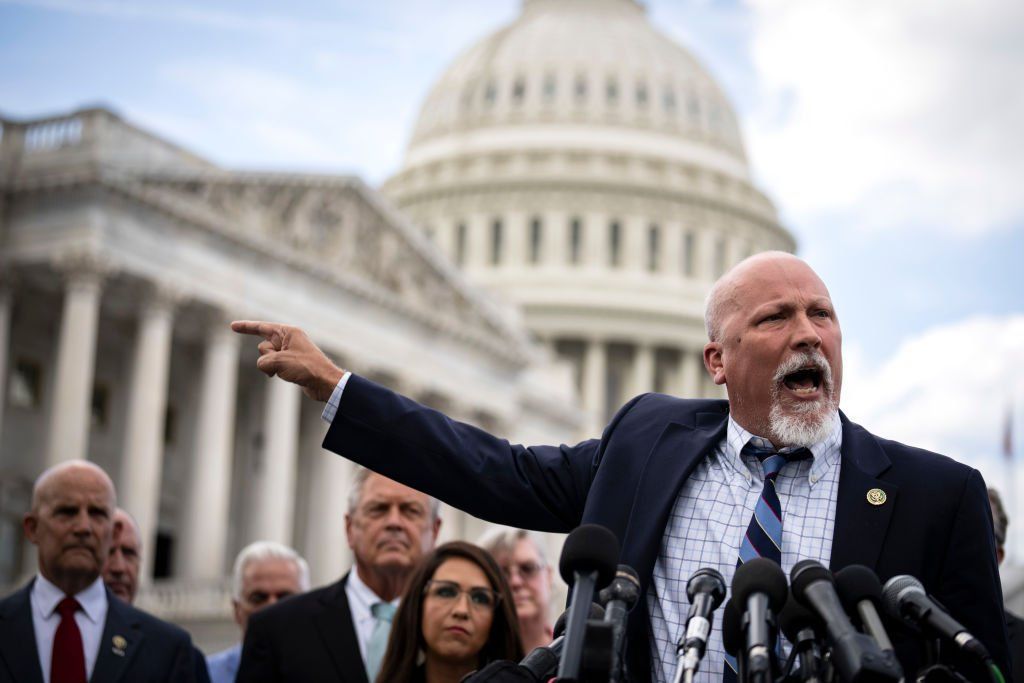 Photo by Drew Angerer/Getty Images
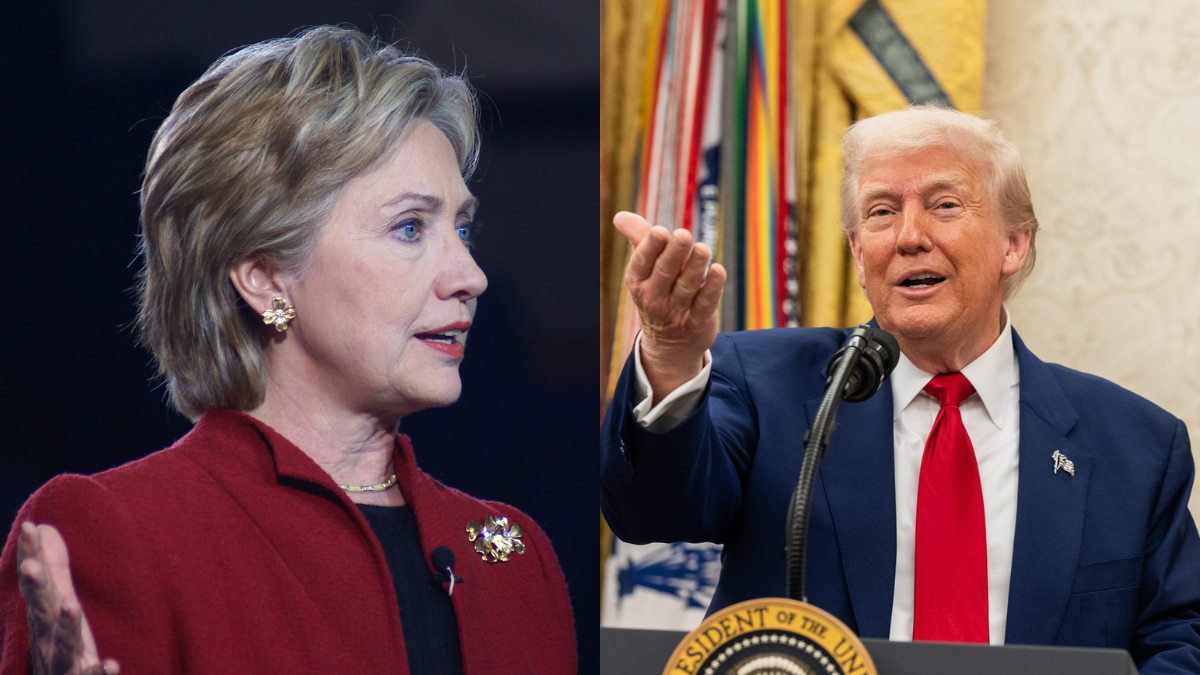 Republicans called it pandering when Hillary proposed it. That assessment was correct then, and it remains correct now.
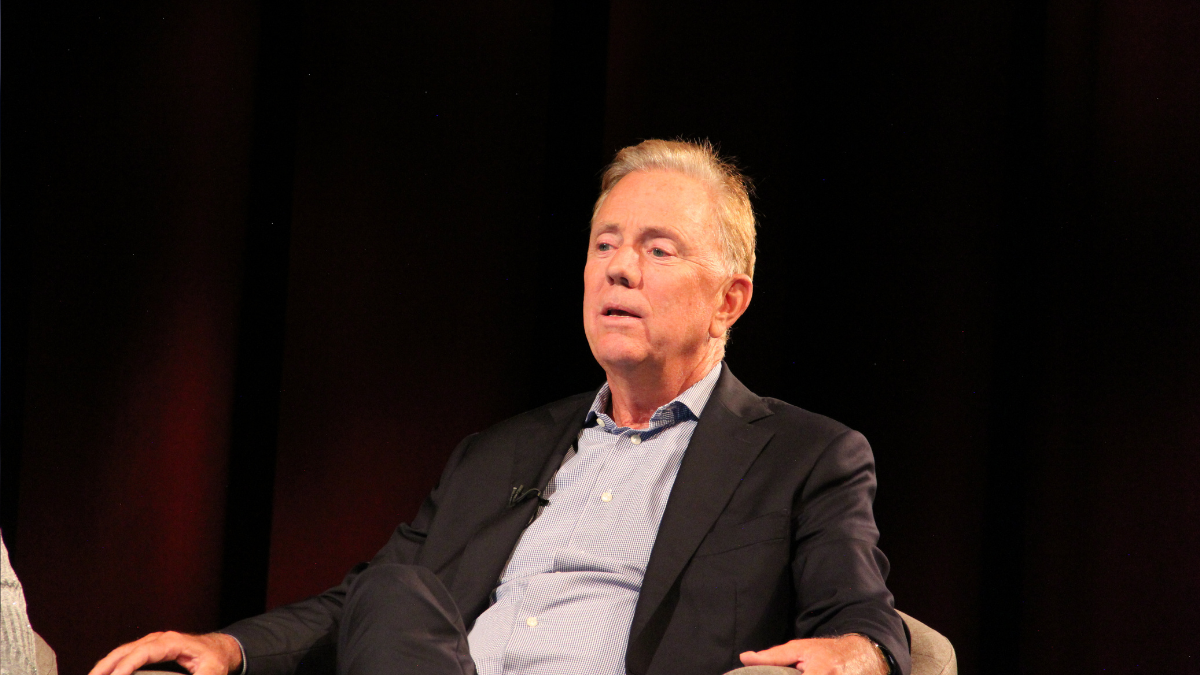 It’s time for Connecticut’s officials to commit to an audit of government spending and honor state and federal law by prioritizing those living here legally.
 By rejecting federal dollars, red states' relationship with Uncle Sam can have no strings attached.
 www.theblaze.com
 www.theblaze.com
 thefederalist.com
 thefederalist.com
 www.theblaze.com
FACT CHECK: Did Dan Goldman Call for Trump’s ‘Elimination’ After a 2024 Assassination Attempt?