Meet The Georgia Pastor Suing His School District For ‘Discrimination’ Against Christian After-School Program
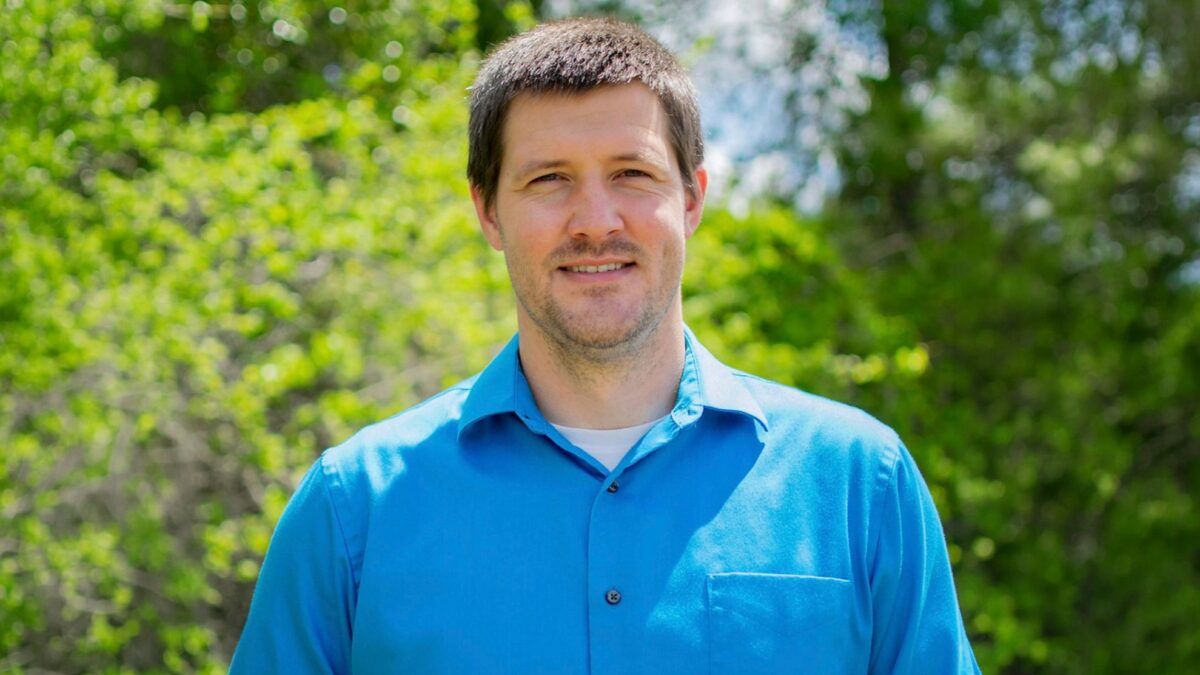 'If we don't stand up for our freedoms at home, then when does it stop? If we just let it go, we'll never stay free.'
The fight over free expression in American higher education reached a troubling milestone in 2025. According to data from the Foundation for Individual Rights and Expression, efforts to censor speech on college campuses hit record highs across multiple fronts — and most succeeded.
Let’s start with the raw numbers. In 2025, FIRE’s Scholars Under Fire, Students Under Fire, and Campus Deplatforming databases collectively tracked:
That’s 958 censorship attempts in total, nearly three per day on campuses across the country. For comparison, FIRE’s next-highest total was 477 two years ago.
The 525 scholar sanction attempts are the highest ever recorded in FIRE’s database, which spans 2000 to the present. Even when a large-scale incident at the U.S. Naval Academy is treated as just a single entry, the 2025 total still breaks records.
The common denominator across these censorship campaigns is not ideology — it’s intolerance.
Twenty-nine scholars were fired, including 18 who were terminated since September for social media comments about Charlie Kirk’s assassination.
Student sanction attempts also hit a new high, and deplatforming efforts — our records date back to 1998 — rank third all-time, behind 2023 and 2024.
The problem is actually worse because FIRE’s data undercounts the true scale of campus censorship. Why? The data relies on publicly available information, and an unknown number of incidents, especially those that may involve quiet administrative pressure, never make the public record.
Then there’s the chilling effect.
Scholars are self-censoring. Students are staying silent. Speakers are being disinvited or shouted down. And administrators, eager to appease the loudest voices, are launching investigations and handing out suspensions and dismissals with questionable regard for academic freedom, due process, or free speech.
RELATED: Liberals’ twisted views on Charlie Kirk assassination, censorship captured by a damning poll
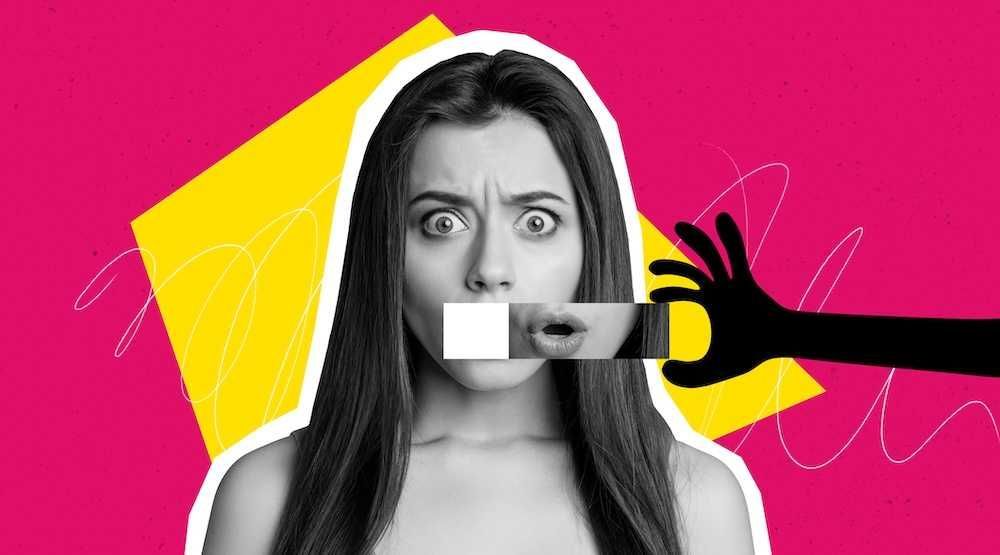
Some critics argue that the total number of incidents is small compared to the roughly 4,000 colleges in the country. But this argument collapses under scrutiny.
While there are technically thousands of institutions labeled as “colleges” or “universities,” roughly 600 of them educate about 80% of undergraduates enrolled at not-for-profit four-year schools. Many of the rest of these “colleges” and “universities” are highly specialized or vocational programs. This includes a number of beauty academies, truck-driving schools, and similar institutions — in other words, campuses that aren’t at the heart of the free-speech debate.
These censorship campaigns aren’t coming from only one side of the political spectrum. FIRE’s data shows, for instance, that liberal students are punished for pro-Palestinian activism, conservative faculty are targeted for controversial opinions on gender or race, and speaking events featuring all points of view are targeted for cancellation.
The two most targeted student groups on campus? Students for Justice in Palestine and Turning Point USA. If that doesn’t make this point clear, nothing will.
The common denominator across these censorship campaigns is not ideology — it’s intolerance.
RELATED: Teenager sues high school after tribute to Charlie Kirk was called vandalism
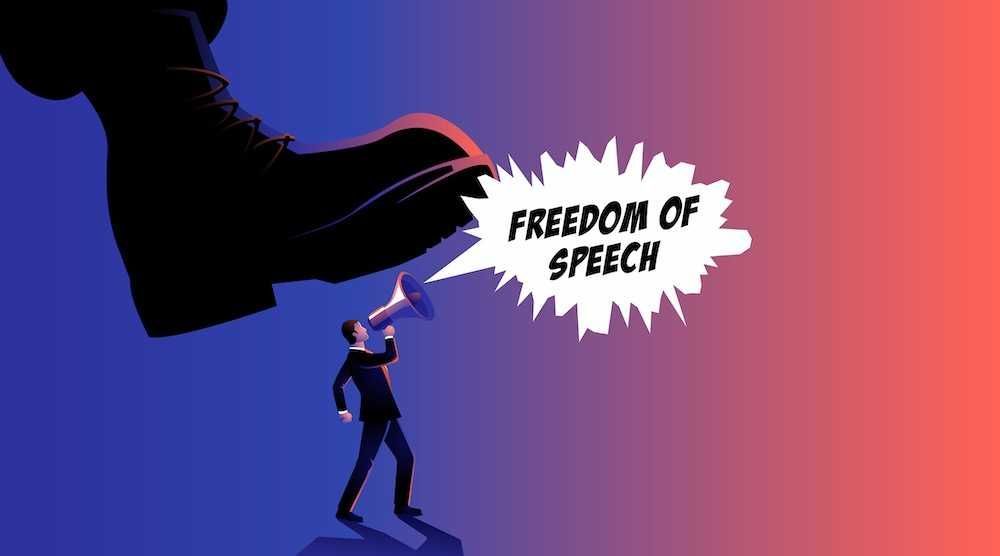
So where do we go from here?
We need courage: from faculty, from students, and especially from administrators. It’s easy to defend speech when it’s popular. It’s harder when the ideas are offensive or inconvenient. But that’s when it matters most.
Even more urgently, higher education needs a cultural reset. Universities must recommit to the idea that exposure to ideas and speech that one dislikes or finds offensive is not “violence.” That principle is essential for democracy, not just for universities.
This year’s record number of campus censorship attempts should be a wake-up call for campus administrators. For decades, many allowed a culture of censorship to fester, dismissing concerns as overblown, isolated, or a politically motivated myth. Now, with governors, state legislatures, members of Congress, and even the White House moving aggressively to police campus expression, some administrators are finally pushing back. But this pushback from administrators doesn’t seem principled. Instead, it seems more like an attempt to shield their institutions from outside political interference.
That’s not leadership. It’s damage control. And it’s what got higher education into this mess in the first place.
If university leaders want to reclaim their role as stewards of free inquiry, they cannot act just when governmental pressure threatens their autonomy. They also need to be steadfast when internal intolerance threatens their mission. A true commitment to academic freedom means defending expression even when it is unpopular or offensive. That is the price of intellectual integrity in a free society.
Editor’s note: This article was originally published by RealClearPolitics and made available via RealClearWire.
Corporate America is bending to conservatives’ market influence. Not out of sudden ideological sympathy, but because conservatives have more economic power than the left — and they’ve stopped pretending not to notice.
For years, corporations ignored conservative concerns. Worse, they often went out of their way to antagonize them, stripping away team mascots like the Redskins and Indians, embracing diversity quotas, and saturating entertainment with left-wing tropes. The squeaky wheel got the grease, and the left made all the noise.
Free markets punish bad bets more effectively than Washington ever could. Let them.
Conservatives, meanwhile, were taken for granted. Corporate leaders assumed they would keep buying no matter how many insults were thrown their way. For a long time, they were right.
That ended when conservatives started fighting back. Bud Light’s Dylan Mulvaney stunt turned into a disaster. Victoria’s Secret collapsed under its “new image” campaign. Cracker Barrel’s woke makeover backfired so badly its chairs stopped rocking. And when employees mocked Charlie Kirk’s assassination, corporations finally began to realize that “the customer is always right” still applies.
Corporations aren’t embracing conservatives because they’ve had a change of heart. They’re doing it because they need to survive.
The 2024 election was a wake-up call: Conservative voters outnumbered liberals 35% to 23%. Add moderates, and non-liberals outnumbered liberals more than three to one.
Conservatives overwhelmingly vote Republican. Ninety percent cast ballots for Trump. Pew data shows a majority of middle- and upper-middle-income Americans lean Republican — and 51% of Americans identify as middle class. That’s a lot of disposable income.
Family size makes the math even stronger. The Institute for Family Studies reports that counties where Trump won big also have higher birth rates: 1.76 compared to the national average of 1.63. Harris counties, by contrast, averaged just 1.37. Republicans also want bigger families: half want three or more kids, compared to only 31% of Democrats.
Bigger families and higher incomes mean bigger market clout. And the left’s most extreme advocates — the loudest drivers of corporate wokeness — are a small minority inside an already shrinking ideological bloc.
So why did corporations bow to the left for so long? Two reasons.
First, executives themselves lean left. Pew Research found upper-income Americans tilt Democrat, and CEOs have marched steadily leftward over the last two decades. Second, conservatives tolerated it. They didn’t punish woke messaging, making it appear costless for companies to indulge their leadership’s politics.
That illusion is gone. Conservative consumers are awake. And companies are finally capitulating to reality.
RELATED: The right message: Justice. The wrong messenger: Pam Bondi.
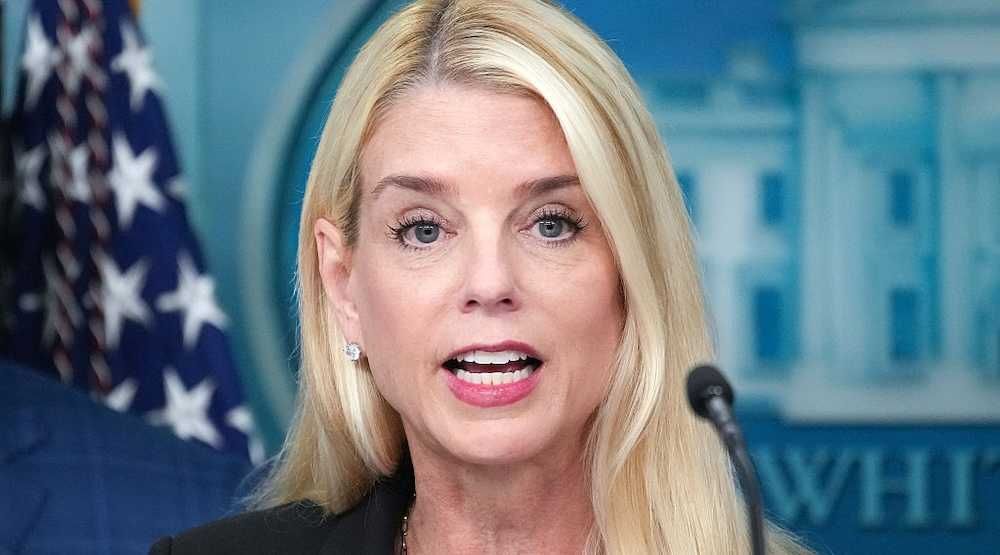
This is why Republicans should resist the urge to meddle. FCC Commissioner Brendan Carr made a mistake threatening ABC over Jimmy Kimmel. “We can do this the easy way or the hard way”? Let’s not.
That kind of government action obscures the real shift — a market correction, not a political one.
Markets speak louder than regulators. If conservatives let economics do the work, corporations will continue adjusting out of necessity. But if government steps in, companies will chalk the change up to political coercion, not consumer demand, and drift back toward the left as soon as administrations change.
Already the left is trying to spin it that way, casting Jimmy Kimmel as a martyr for “free expression” instead of what he is: a bad business decision. The left wants companies to believe government, not consumers, forced the pivot.
Conservatives know better. Free markets punish bad bets more effectively than Washington. Let them.
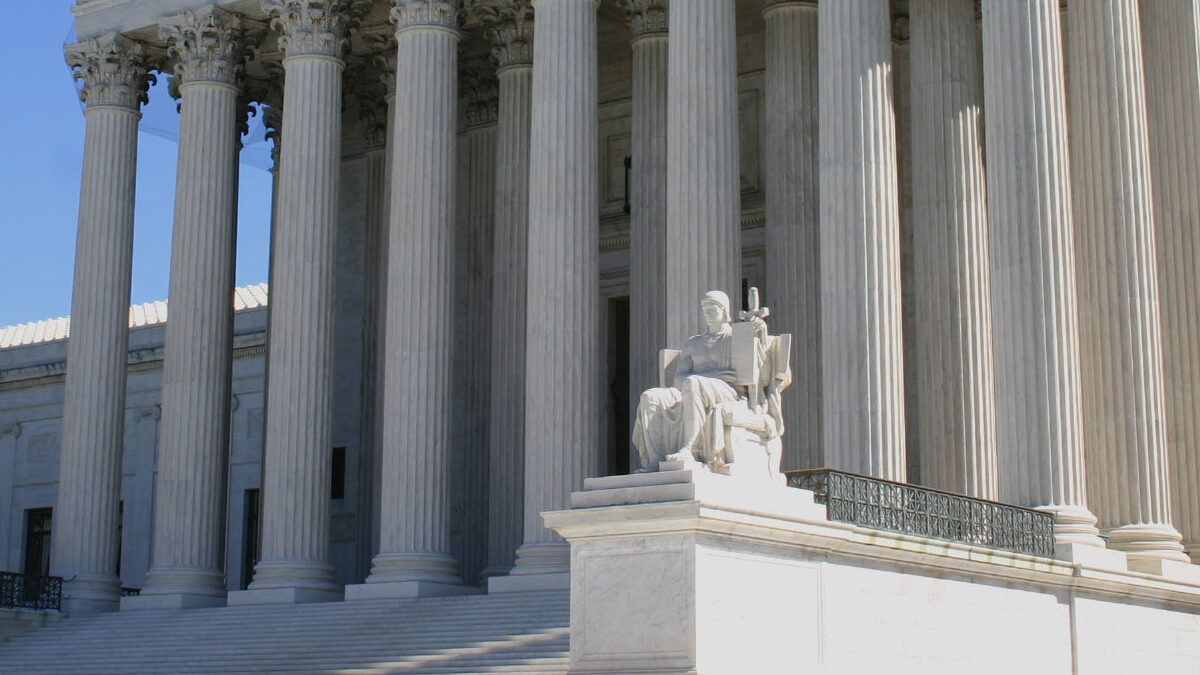 The First Amendment does not allow the government to restrict political speech because change might be disruptive.
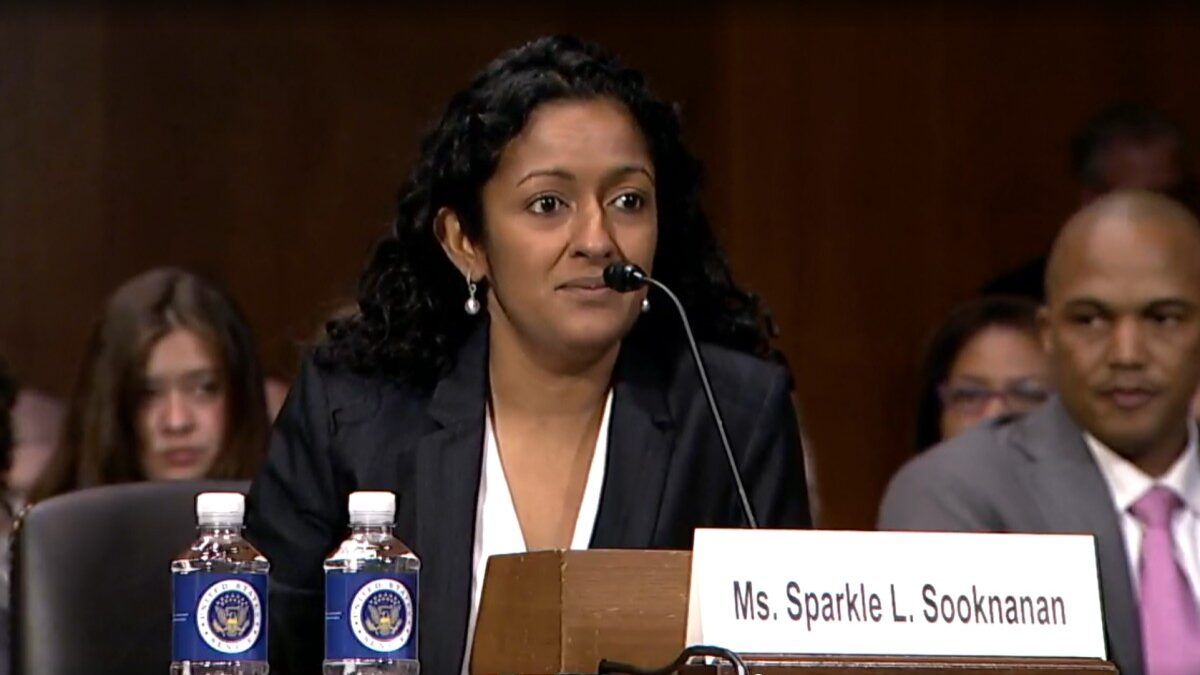 The amazingly named Sparkle Sooknanan was rewarded with judicial robes for helping violate the law and Constitution.
 In a case with global implications, Finland's high court rules discussing what the Bible says about sexuality is 'hate speech.'
 'European laws [are] now being exported by the European Union. ... American speech is already being affected.'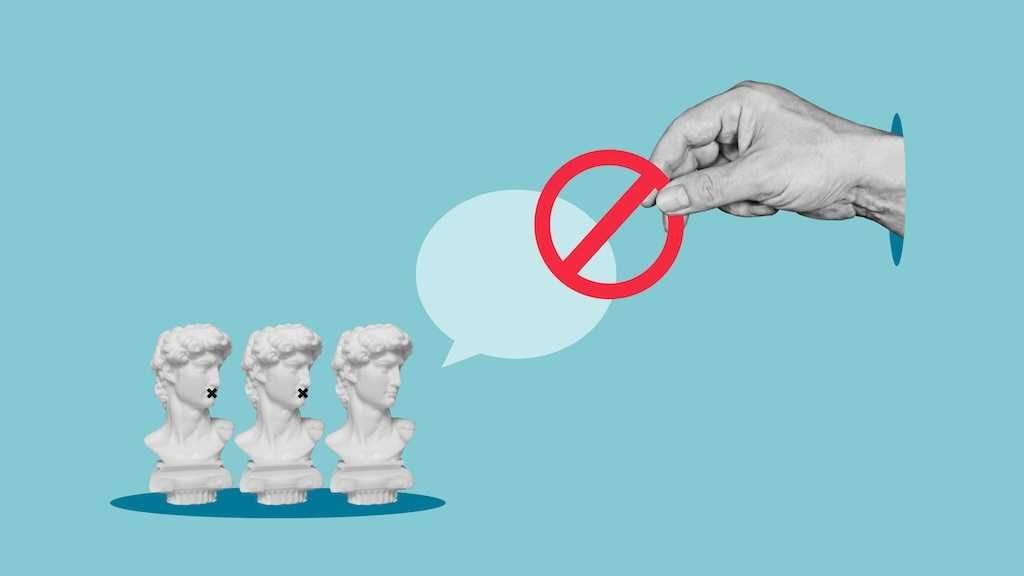
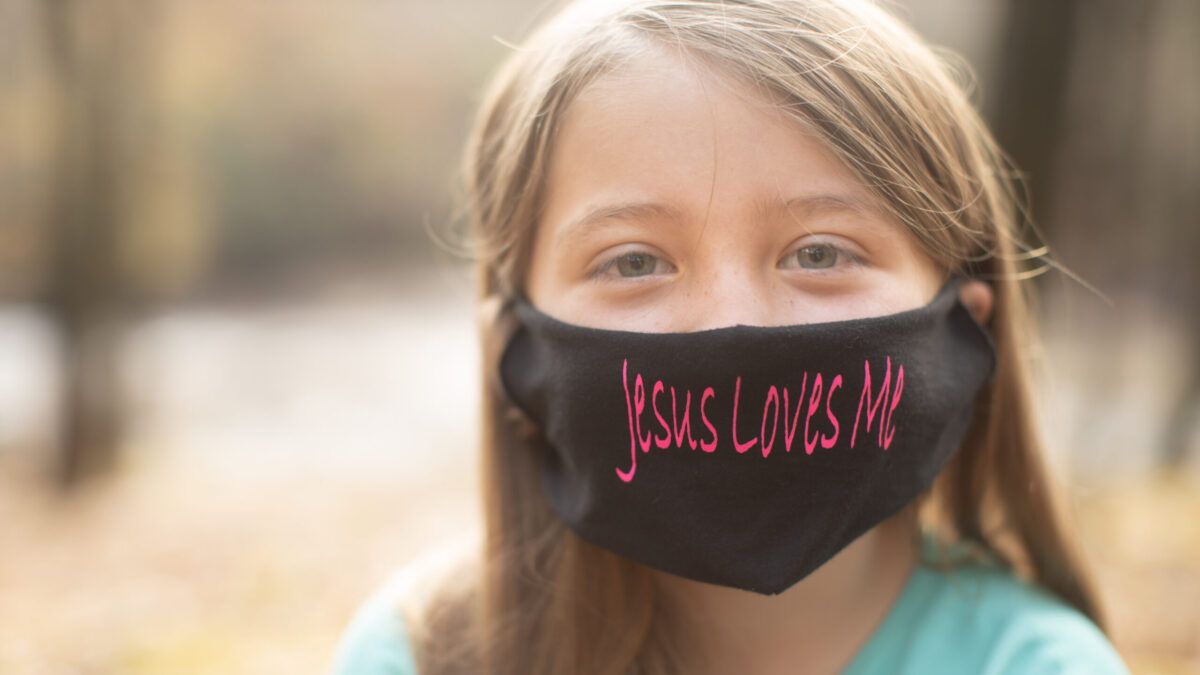 Isaiah 7:9 says, 'If you do not stand firm in your faith, you will not stand at all.'
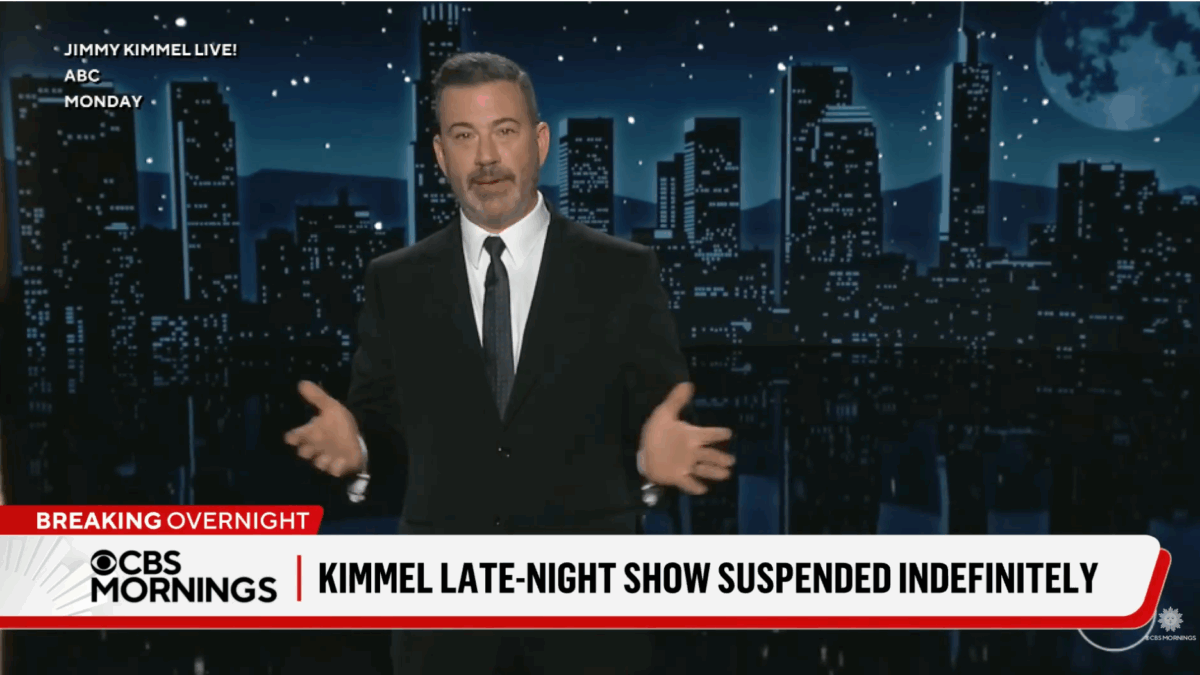 Jimmy Kimmel is not a free speech victim. He's a leftist joke who said something really stupid and is now paying a professional price.
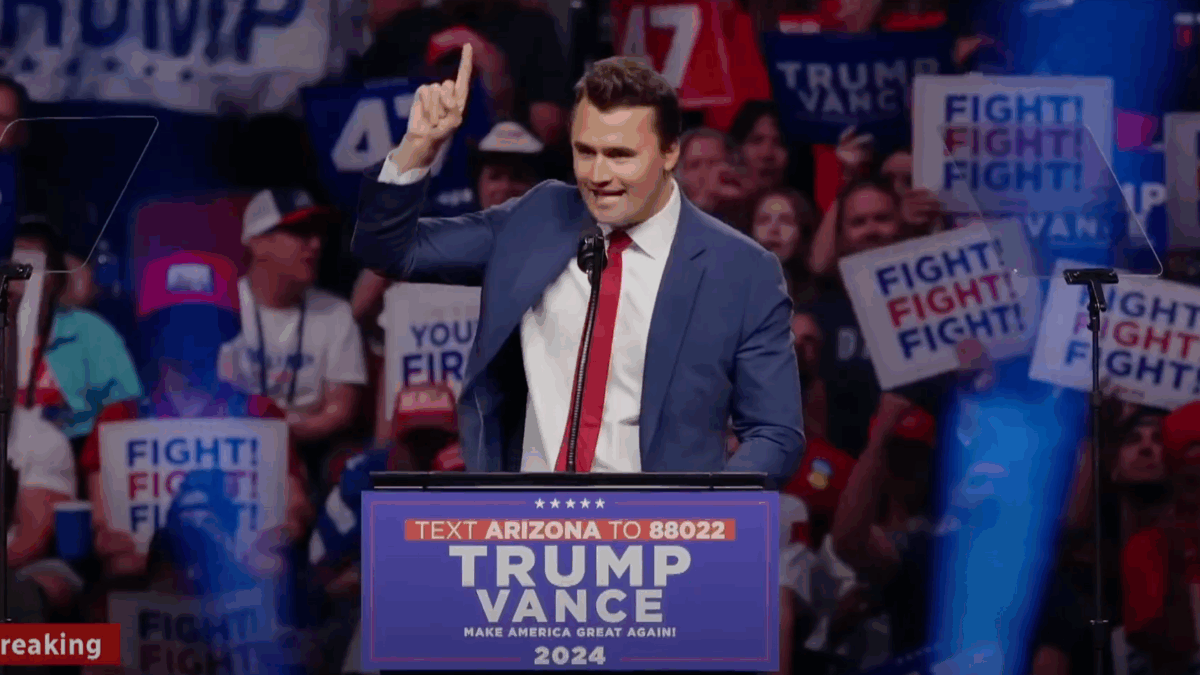 “If the targets had been Democrats, there’d be arrests by now. This double standard is unacceptable," PILF's J. Christian Adams said.
 www.theblaze.com
 thefederalist.com
 www.theblaze.com