Mamdani sells socialism — and Republicans peddle the Temu version


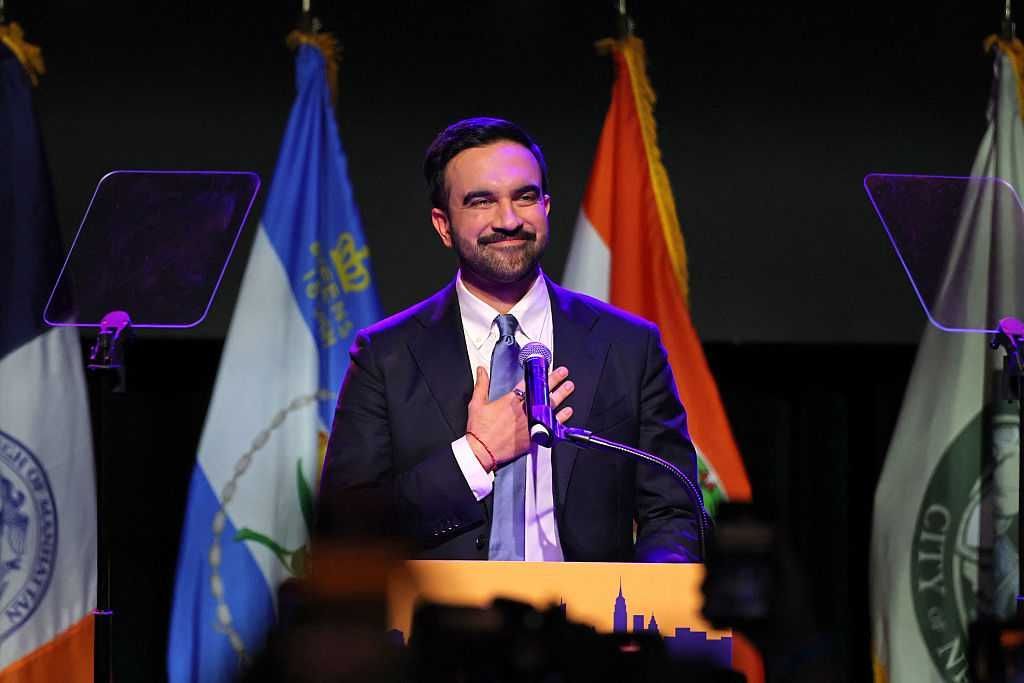
New York City has elected a self-professed socialist as mayor. Critics worry about Zohran Mamdani’s inexperience, his approach to law and order, and his views on Israel and Islamic radicalism. But the most urgent issue inside the walls of City Hall is his economic agenda.

Mamdani promises “free” bus transit, a freeze on rent increases, a $30 minimum wage, government-run grocery stores, free child care, and higher taxes in a city already crushed by some of the nation’s highest tax burdens. His brand of socialism isn’t subtle. It’s explicit — and guaranteed to fail.

A movement confident in free enterprise can beat socialism — first in the arena of ideas, then at the ballot box. But only if we choose clarity over imitation.

Many on the right treat Mamdani’s victory as cosmic justice for a deep-blue city that keeps moving left. Others welcome his rise, convinced that showcasing a hard-left mayor will repel voters nationwide. That might be true. It might also be fantasy.

New Yorkers didn’t elect Mamdani so conservatives could score a talking point. His win advances ideas — and conservatives must decide whether they still believe ours are better.

When the right copies the left

Mocking government-run grocery stores is easy. Yet national Republicans just embraced government ownership in Intel — a massive corporation that dwarfs any Manhattan supermarket. Some even support a federal sovereign wealth fund to buy equity across private industry, handing Washington the power to pick winners.

Mamdani demonizes Wall Street and high earners who keep the city solvent. Republicans respond by demonizing “big pharma” and pushing policies that treat major U.S. innovators as villains.

Mamdani wants to redistribute income with New York’s already-extreme tax code. Some on the right now call for $2,000 government checks to lower-income households — financed with borrowed money and paid back by business owners already hit with $350 billion in new tariff taxes this year.

Mamdani would freeze rents because, in his telling, landlords “make a killing.” His economics ignore taxes, insurance, utilities, and maintenance costs that devour margins across New York’s rental market. Yet GOP proposals on health care routinely blame insurers for “making a killing while the little guy suffers.” The overlap with left-wing rhetoric isn’t coincidence. It’s drift.

High grocery prices fuel Mamdani’s push for government-run grocery stores. He blames “capitalistic greed.” Republicans answered high beef prices by accusing meat companies of “price fixing.” Again, the same logic — just delivered with a different logo.

Resurrecting failed policies

Mamdani’s worldview mirrors the same interventionist thinking that powered the Affordable Care Act. Subsidies, mandates, and price controls promised relief. They delivered higher premiums, higher costs, and lower-quality care.

Conservatives should highlight that failure. Instead, too many mimic the left’s solutions — regulation dressed up as populism, government expansion sold as “tough on corporations,” and class warfare renamed as “standing up for workers.”

If Mamdani’s win teaches anything, it’s that conservatives must draw a bright line: free enterprise or the road to socialism. Blurring that line weakens the argument and cedes the moral ground socialism feeds on.

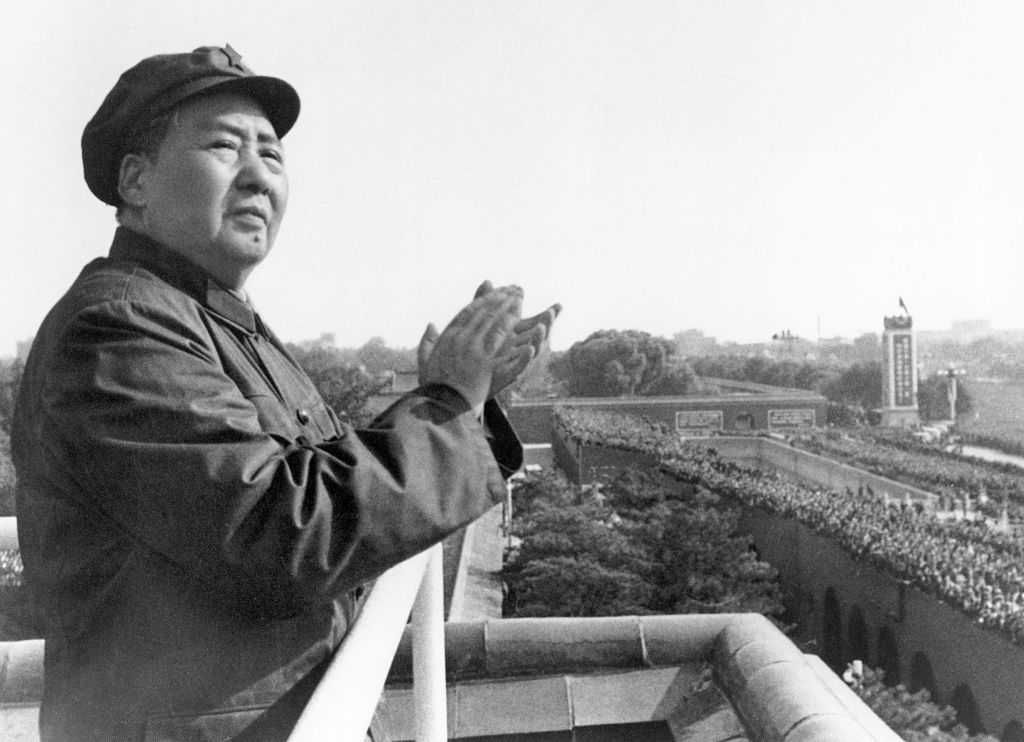
RELATED:Mao tried this first — New Yorkers will not like the ending

Bettmann/Getty Images

The real fight

The conservative movement faces serious internal debates — debates worth having. But Mamdani’s election exposes one fight we cannot dodge: the fight for limited government and competitive markets.

We cannot counter socialism with lighter versions of the same policies. We cannot attack Mamdani’s economic program while pushing our own price controls, government takeovers, and redistribution schemes. A movement that refuses to defend free enterprise won’t defeat socialism. It won’t even understand the threat.

Mamdani comes into office with plenty of flaws. New Yorkers will feel the consequences soon enough. But conservatives face a choice: defend our own principles or mimic the left and call it “the new right.”

A movement confident in free enterprise can beat socialism — first in the arena of ideas, then at the ballot box. But only if we choose clarity over imitation.

The right needs bigger ideas than tax cuts


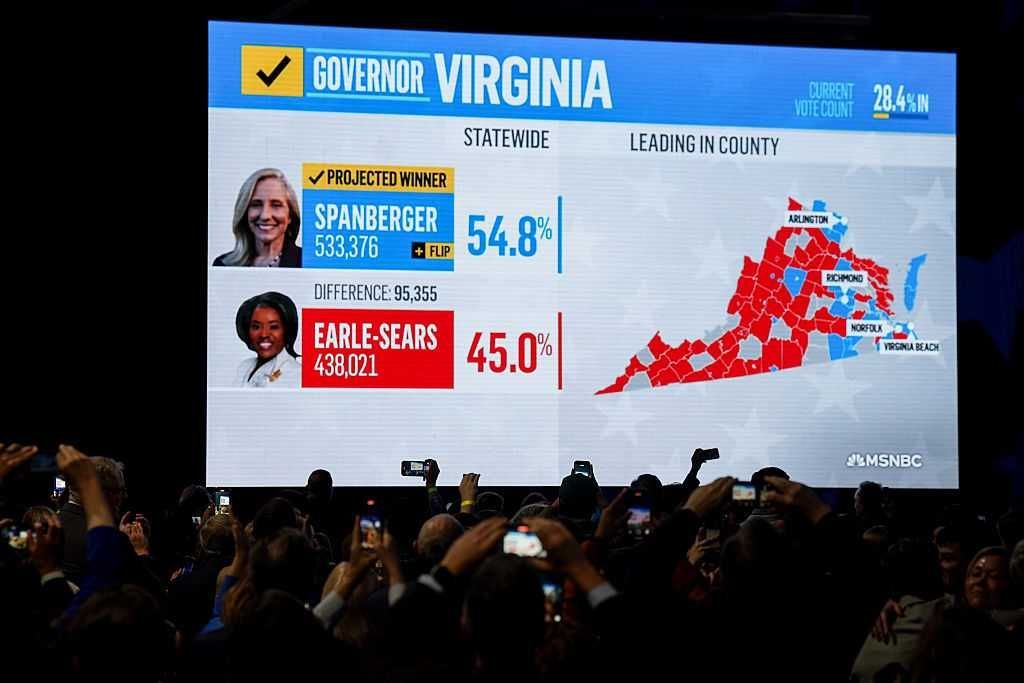
New York City voters last week elected socialist Zohran Mamdani as their next mayor. It wasn’t an isolated win. Across the country, progressives dominated key races, including the gubernatorial contests in New Jersey and Virginia.

In race after race, conservative, moderate, and establishment Democrats were swept aside by aggressive, hard-left challengers. The message could not be clearer: Conservative messaging — and in some cases, conservative policy — is failing to connect with ordinary voters.

Socialists like Mamdani promise utopia through government control. Conservatives cannot counter that with spreadsheets and slogans.

Mamdani and his progressive allies succeeded because they campaigned on issues that hit home for millions of Americans: the cost of housing, food, personal debt, and the lack of good jobs.

Ironically, those were the very same issues that powered Donald Trump’s 2024 victory and brought working-class voters back to the Republican fold. Now those same voters are drifting back toward socialism, and the reason is painfully simple: It’s still the economy, stupid.

Economic pain drives voters left

Conservatives have not convinced enough Americans — especially voters under 40 — that their policies will improve daily life. Consumer prices remain high, grocery bills keep climbing, and inflation continues to outpace wage growth.

Housing costs are near record levels. The average home now costs seven times the median income, compared to roughly 5.5 times during Trump’s first term. Total household debt has topped $18 trillion for three consecutive quarters — another all-time high.

Millions of Americans feel trapped. And when voters are desperate, they make disastrous choices — like putting a socialist in charge of the nation’s largest city.

What Trump got right

The Trump administration has taken important steps to fight rising costs. Promoting affordable, domestic energy — especially natural gas — has reduced reliance on foreign suppliers. Cutting regulations has also delivered real savings.

In January, Trump ordered federal agencies to repeal 10 rules for every new one adopted. The White House estimates that his deregulation push avoided more than $180 billion in costs in 2025 alone.

He has also pledged to ease housing regulations to increase the supply of affordable homes, while Republicans in Congress have fought to preserve the 2017 tax cuts — a major victory for middle-class taxpayers.

These are important wins. But they lack the sweeping vision that socialists like Mamdani are offering to voters who want transformation, not tinkering.

Socialism’s empty promises

Mamdani’s platform reads like a socialist wish list: 200,000 city-built apartments, a citywide rent freeze, universal childcare, and even government-run grocery stores. It’s a fantasy financed by taxpayers and destined to collapse under its own weight — but it sounds big. It sounds bold.

Conservatives, by comparison, often sound procedural. Deregulation is important but abstract. Tax cuts matter but feel distant. To compete, conservatives must present a clear, moral vision — one that shows how free markets can improve life for working families faster and more permanently than socialism ever could.

So what can conservatives do to counter socialism’s siren song? Here’s a start.

1) Make housing affordable again
Congress should require states and cities to open up millions of lots for homebuilding as a condition of receiving federal funds. Vast stretches of usable land sit idle while housing prices explode. Opening that land to development would lower prices without touching national parks or sensitive ecosystems.

2) Reinvent higher education
The cost of college has soared because of government-backed student loans that inflate tuition and trap young people in debt. Washington should phase out federal lending and restore market discipline to higher education.

In the meantime, Congress can lower loan caps, expand skilled-trade training in high schools, and require public universities that receive federal loan funds to offer extremely low-cost online degrees. That would give students a path to higher education without lifelong debt.

3. Cut taxes — and waste
Lowering sales, gas, and business taxes would immediately ease the cost of living. But real fiscal discipline requires cutting government waste, not inflating the money supply.

The Biden administration admits the federal government has lost $2.4 trillion over the past two decades through payment errors alone. That’s not “spending” — it’s hemorrhaging. Conservatives should treat it as proof that vast savings can be achieved without touching vital programs.

RELATED: Explaining Mamdani’s appeal to the young, with polling

Photo by Andrew Lichtenstein/Corbis via Getty Images
Competing with the socialist vision

Socialists like Mamdani promise utopia through government control. Conservatives cannot counter that with spreadsheets and slogans. They must meet grand promises with grander purpose — rooted in freedom, self-reliance, and opportunity.

America needs a new conservative economic agenda that speaks to the anxieties of working families, not just to Wall Street or Washington. Deregulation and tax reform are essential, but they must serve a larger story: rebuilding an economy that rewards work, expands ownership, and restores faith in the American dream.

Until conservatives reclaim that moral high ground, voters will keep turning to the false hope of socialism.

Jamie Dimon’s ‘cockroach’ economy is eating Main Street alive


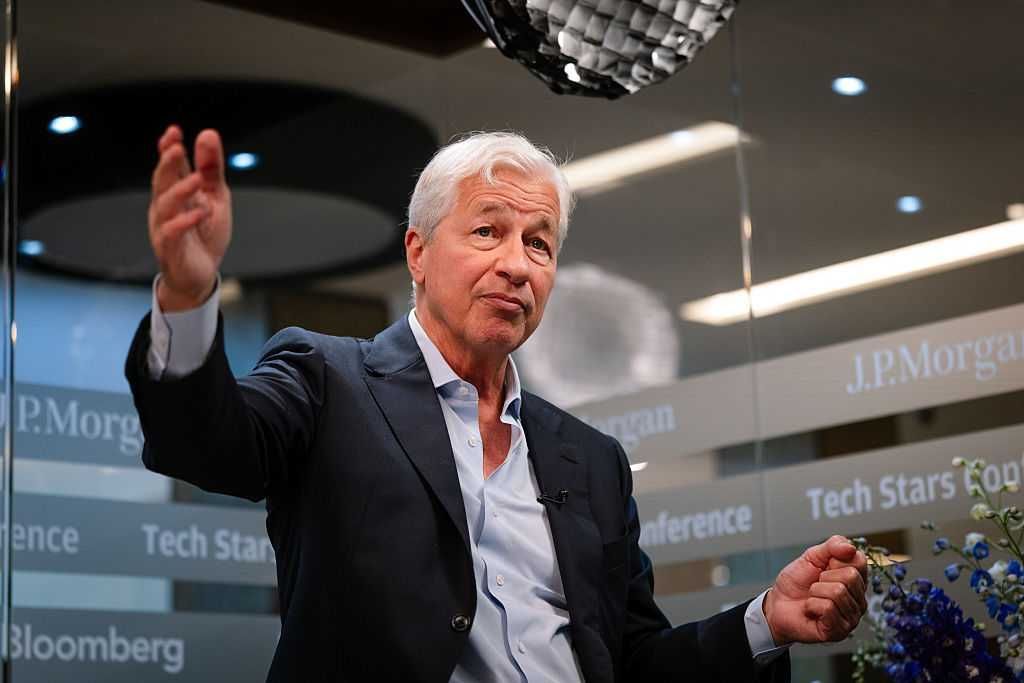
Jamie Dimon has been running JPMorgan Chase for nearly two decades. The business press still hails him as the man who steered the bank through the 2008 financial crisis.

I’m less impressed. It’s easy to look steady at the helm when you’re floating on a $29 trillion sea of taxpayer bailouts.

This is what half a century of bipartisan corruption produces: a crony capitalist system that privatizes profit, socializes loss, and lets the rest of us drown.

Yes, Dimon saw the 2008 crash coming and made some smart adjustments ahead of the collapse. Credit where it’s due — barely. But once the dust settled, JPMorgan rewarded itself handsomely for surviving the storm.

JP Morgan said yesterday that its earnings "fell short" of their potential last year — but it still felt able to hand its investment bankers a 22 per cent increase in their bonuses.

Kicking off what could be a stormy reporting season, America's second-largest bank paid them $9.3bn, compared with $7.7bn in 2008. Total pay for its 222,315 employees came in at $26.9bn — 18 per cent from $22.7bn the year before — largely because of a sharp increase in bonuses paid throughout the bank. The announced sparked outrage among critics who described the figures as "obscene."

"Obscene" doesn’t begin to cover it.

So when Dimon made headlines a couple of weeks ago with his “cockroaches” comment, I didn’t rush to celebrate another round of supposed insight.

“When you see one cockroach, there are probably more, and so everyone should be forewarned of this one,” Dimon told analysts, referring to the bankruptcies of subprime auto lender Tricolor and auto-parts maker First Brands.

Dimon’s metaphor was awkward enough — he mentioned two cockroaches while warning about seeing just one. But worse, he got caught by the same kind of subprime rot that tanked the global economy in 2008.

“Dimon said that JPMorgan is reviewing its controls after the Tricolor bankruptcy and said the $170 million loss is ‘not our finest moment.’”

No kidding. His “cockroach detector” still doesn’t work.

Now Dimon is back in the headlines again for another round of supposed “foresight.”

“JPMorgan Chase CEO Jamie Dimon warned in an interview that the stock market could be in line for a significant correction within the next few years amid heightened uncertainty. Dimon told the BBC that there is an elevated risk of a stock market correction in the next six months to two years, saying, ‘I am far more worried about that than others.’”

Glad to meet you, Mr. Dimon. Some of us have been worried for decades.

RELATED: America’s debt denial has gone global

Photo by Jemal Countess/Getty Images

Back in 1989, when my high-school history teacher asked the class to name America’s biggest problem, I said “the federal debt.” Not just because debt is bad, but because Washington was pretending deficits didn’t matter — and voters let them.

Nearly 40 years later, nothing has changed. The numbers are bigger. The lies are the same. Ignore a problem long enough, and it grows until it devours you.

Our economy isn’t a Mr. Potato Head toy, where government spending sits neatly apart from everything else. It’s one big pile of money — and the federal government keeps shoveling from the productive side to the wasteful side.

Every dollar borrowed for political vanity projects is a dollar you can’t use to start a business or buy a home. As the federal machine consumes more and more of the pool, it’s not the elites who get crowded out. It’s everyone else.

Poor people’s home mortgages are down 46%. Rich people’s art-collection loans are up 30%.

This is what half a century of bipartisan corruption produces: a crony capitalist system that privatizes profit, socializes loss, and lets the rest of us drown.

Look at Walmart. The company pulls tens of billions of taxpayer dollars a year through the SNAP program — the same program many of its employees rely on to eat because Walmart won’t pay them enough to live.

Independent research confirms it: Thousands of Walmart workers depend on Medicaid and food stamps.

Big government lets big business pocket our tax money on both ends — profits in private, losses in public. Even their labor costs get offloaded to us.

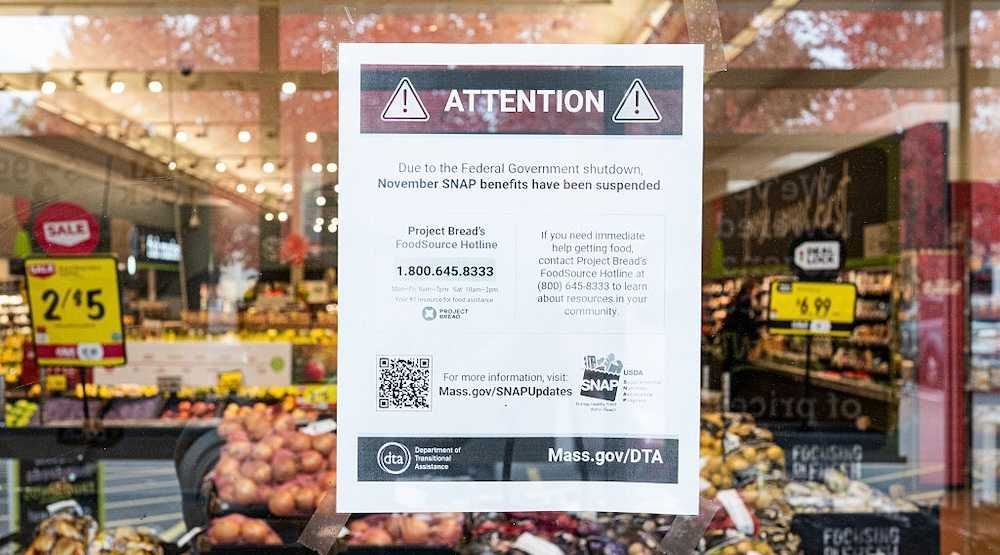
So when politicians wail about a “government shutdown” disrupting SNAP payments, remember who they’re really worried about. It’s not the families at the grocery store. It’s the corporations cashing in.

RELATED: Trump admin blames Senate Democrats for SNAP debacle: ‘The well has run dry’

Photo by Mel Musto/Bloomberg via Getty Images
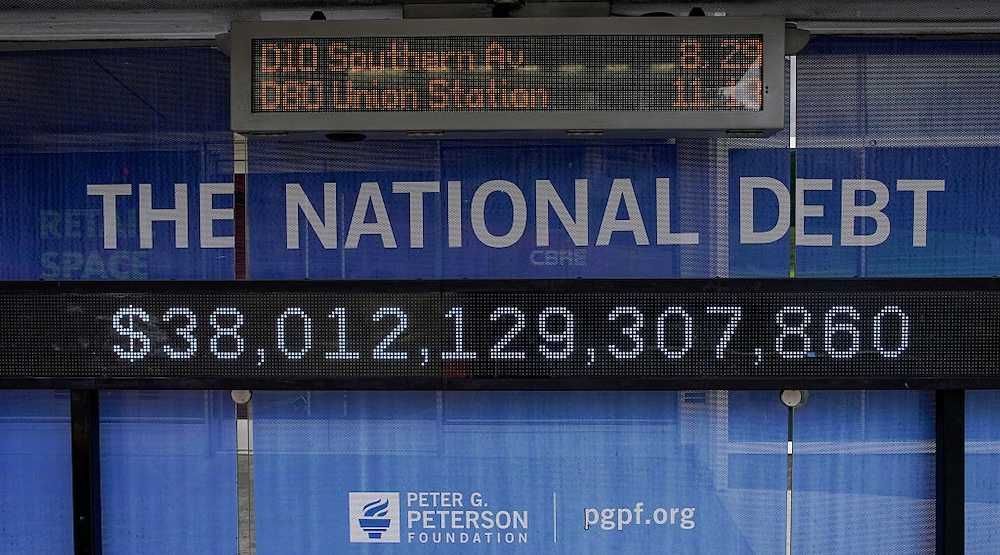
A system this warped can’t last. You can call America the greatest nation in history if you like, but greatness doesn’t square with more than $38 trillion in government debt and record levels of personal debt.

Household debt, credit-card debt, mortgage debt — all at historic highs. Nearly a quarter of Americans are buying food on layaway. And 42% have zero emergency savings.

Meanwhile, Washington keeps inflating Wall Street’s floaties.

Main Street drowns while Big Government keeps Big Business comfortably above the surface.

Jamie Dimon thinks he’s just spotted the first cockroach. But the infestation started long ago — right inside the marble halls of Washington, D.C.

And if no one finally fumigates the place, the rot will force-condemn the entire country.

Stop feeding Big Tech and start feeding Americans again


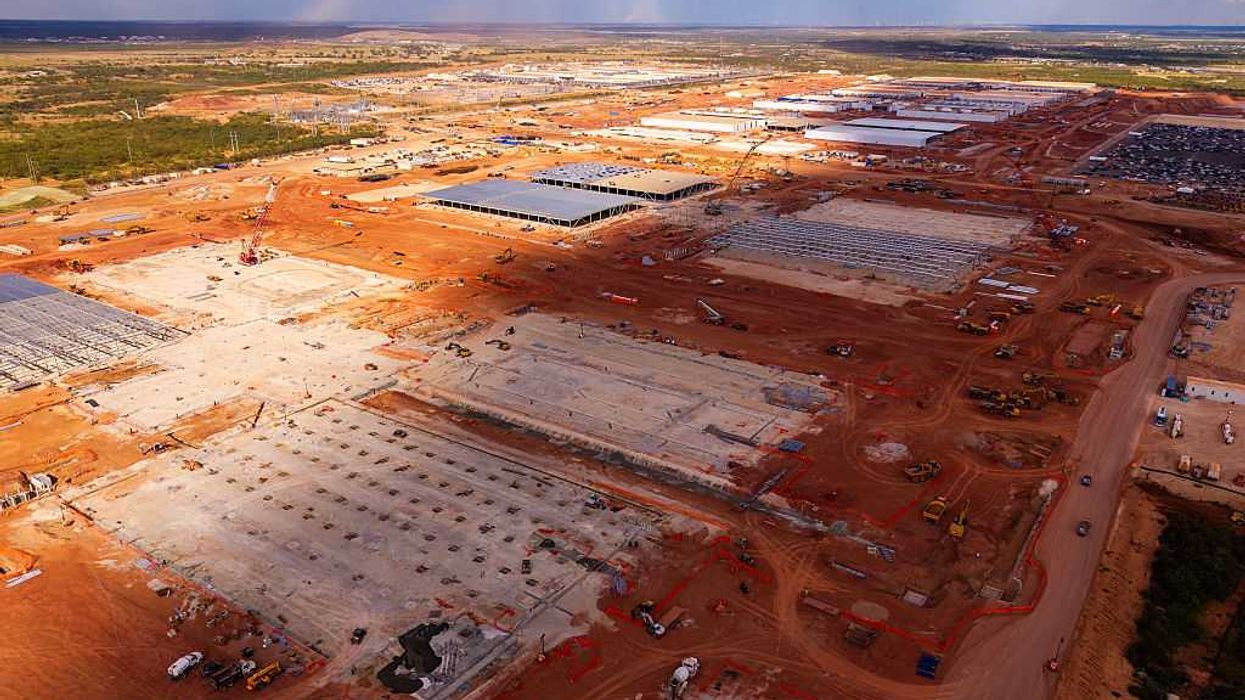
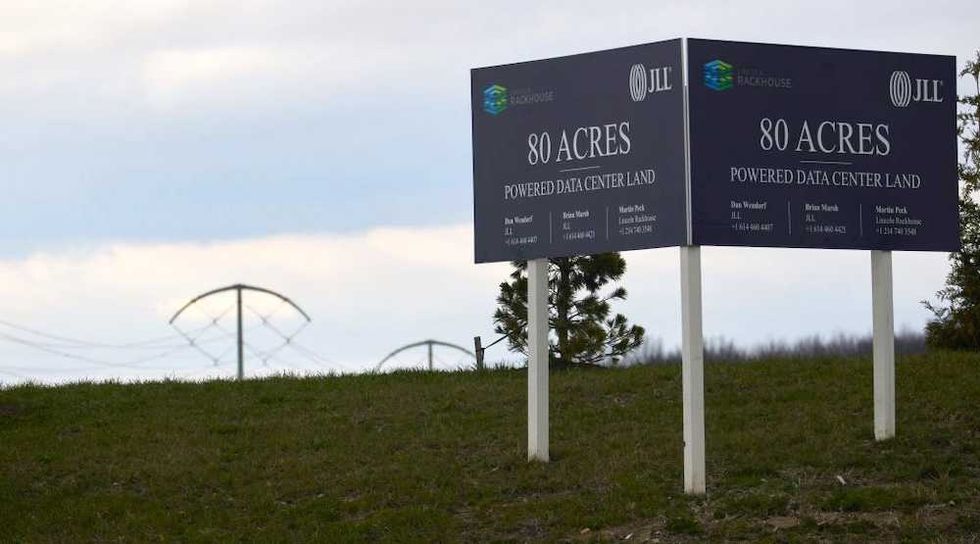
America needs more farmers, ranchers, and private landholders — not more data centers and chatbots. Yet the federal government is now prioritizing artificial intelligence over agriculture, offering vast tracts of public land to Big Tech while family farms and ranches vanish and grocery bills soar.

Conservatives have long warned that excessive federal land ownership, especially in the West, threatens liberty and prosperity. The Trump administration shares that concern but has taken a wrong turn by fast-tracking AI infrastructure on government property.

If the nation needs a new Manhattan Project, it should be for food security, not AI slop.

Instead of devolving control to the states or private citizens, it’s empowering an industry that already consumes massive resources and delivers little tangible value to ordinary Americans. And this is on top of Interior Secretary Doug Burgum’s execrable plan to build 15-minute cities and “affordable housing.”

In July, President Trump signed an executive order titled Accelerating Federal Permitting of Data Center Infrastructure as part of its AI Action Plan. The order streamlines permits, grants financial incentives, and opens federal properties — from Superfund sites to military bases — to AI-related development. The Department of Energy quickly identified four initial sites: Oak Ridge Reservation in Tennessee, Idaho National Laboratory, the Paducah Gaseous Diffusion Plant in Kentucky, and the Savannah River Site in South Carolina.

Last month, the list expanded to include five Air Force bases — Arnold (Tennessee), Davis-Monthan (Arizona), Edwards (California), Joint Base McGuire-Dix-Lakehurst (New Jersey), and Robins (Georgia) — totaling over 3,000 acres for lease to private developers at fair market value.

Locating AI facilities on military property is preferable to disrupting residential or agricultural communities, but the favoritism shown to Big Tech raises an obvious question: Is this the best use of public land? And will anchoring these bubble companies on federal property make them “too big to fail,” just like the banks and mortgage lenders before the 2008 crash?

President Trump has acknowledged the shortage of affordable meat as a national crisis. If any industry deserves federal support, it’s America’s independent farmers and ranchers. Yet while Washington clears land for billion-dollar data centers, small producers are disappearing. In the past five years, the U.S. has lost roughly 141,000 family farms and 150,000 cattle operations. The national cattle herd is at its lowest level since 1951. Since 1982, America has lost more than half a million farms — nearly a quarter of its total.

Multiple pressures — rising input costs, droughts, and inflation — have crippled family farms that can’t compete with corporate conglomerates. But federal land policy also plays a role. The government’s stranglehold on Western lands limits grazing rights, water access, and expansion opportunities. If Washington suddenly wants to sell or lease public land, why not prioritize ranchers who need it for feed and forage?

The Conservation Reserve Program compounds the problem. The 2018 Farm Bill extension locked up to 30 million acres of land — five million in Wyoming and Montana alone — under the guise of conservation. Wealthy absentee owners exploit the program by briefly “farming” land to qualify it as cropland, then retiring it into CRP to collect taxpayer payments. More than half of CRP acreage is owned by non-farmers, some earning over $200 per acre while the land sits idle.

RELATED: AI isn’t feeding you

Photo by Brian Kaiser/Bloomberg via Getty Images

Those acres could support hundreds of cattle per section or produce millions of tons of hay. Instead, they create artificial shortages that drive up feed costs. During the post-COVID inflation spike, hay prices spiked 40%, hitting $250 per ton this year. Even now, inflated prices cost ranchers six figures a year in extra expenses in a business that operates on thin margins.

If the nation needs a new Manhattan Project, it should be for food security, not AI slop. Free up federal lands and idle CRP acreage for productive use. Help ranchers grow herds and lower food prices instead of subsidizing a speculative industry already bloated with venture capital and hype.

At present, every dollar of revenue at OpenAI costs roughly $7.77 to generate — a debt spiral that invites the next taxpayer bailout. By granting these firms privileged access to public land, the government risks creating another class of untouchable corporate wards, as it did with Fannie Mae and Freddie Mac two decades ago.

AI won’t feed Americans. It won’t fix supply chains. It won’t lower grocery bills. Until these companies can put real food on real tables, federal land should serve the purpose God intended — to sustain the people who live and work upon it.

Consumer prices are down — why can’t Democrats admit it?


The latest inflation report is in — and for the first time in nearly five years, the Consumer Price Index has dropped.

According to data released April 10, gas prices led the decline, falling 6.3% from February to March and nearly 10% year over year. That’s real relief for working families.

It’s easy to claim every success as earned and every failure as someone else’s fault. But that’s not leadership — it’s childishness.

But don’t expect Joe Biden to credit Donald Trump. That would mean acknowledging the obvious: These results aren’t from Biden’s policies — they’re from Trump’s.

Psychologists call it the “locus of control.” People with an internal locus believe they shape their own destiny. People with an external one think they’re at the mercy of circumstance.

Most people pick one or the other. But Democrats? They flip depending on who happens to sit in the Oval Office.

When inflation stayed low under Trump, they called it luck. When inflation hit a 40-year high under Biden, they blamed Vladimir Putin. And landlords. And grocery stores. And payment processors. Anyone but Biden.

That spin didn’t pay the bills — especially in minority communities hit hardest by inflation.

Federal Reserve data shows that black and Hispanic households spend a higher share of income on gas, groceries, and rent than white households. In cities like Atlanta, Detroit, and Charlotte, black renters saw double-digit rent hikes between 2021 and 2023.

What did we hear from the White House? Excuses. Deflection. “We’re building back better” — but for whom?

Trump gave us the answer. On day one, he signed executive orders to fast-track energy permits, cut red tape, reopen federal lands for drilling, and establish a new National Energy Council.

The results are clear. Energy prices are dropping. Inflation is cooling. And Americans — at long last — are catching a break.

Biden took the opposite approach. He vowed to “end fossil fuel,” killed the Keystone XL Pipeline, blocked offshore drilling, and even sold oil from the Strategic Petroleum Reserve — to China.

When energy prices surged, he pointed fingers. Biden blamed the war in Ukraine. But by January 2022 — before the invasion — gas prices were already up 40% year over year, and inflation had hit 7.5%.

The “Putin price hike” was a convenient distraction from Biden’s failed energy agenda.

And the scapegoating didn’t stop there.

When inflation hit every corner of the economy, Attorney General Merrick Garland pointed at Visa, accusing debit card fees of fueling the crisis. The fees in question? Fourteen cents on a $60 purchase.

Never mind that businesses willingly pay those standard fees. If they had a real problem with them, they could easily switch to any number of alternative companies or payment methods.

If Garland wanted real answers, he should have looked at Biden’s regulatory agenda. One study estimates those rules will cost the average family $47,000 over a lifetime.

When rents spiked, Biden and the Justice Department pointed fingers at landlords and pricing algorithms. They ignored the real drivers: millions of illegal immigrants increasing demand and federal mandates that jacked up compliance costs for builders. And the algorithms they blame? Those same tools recommend lower prices when inflation and demand cool down.

As grocery bills climbed, Biden blamed “shrinkflation” and greedy grocers and meatpackers. He ignored the real culprits: trillions in wasteful spending from the American Rescue Plan and the so-called Inflation Reduction Act.

This is the pattern: Jack up costs, then blame someone else. Spin doesn’t fill a gas tank in Jackson or put groceries on the table in Memphis. A press release won’t pay the electric bill in Columbia.

It’s easy to claim every success as earned and every failure as someone else’s fault. But that’s not leadership — it’s childishness. No kindergarten teacher would tolerate it. Voters shouldn’t either.

And they aren’t. Democrats are polling at 29% for a reason.

While the media tracks the stock market, Main Street is what matters. When gas prices jump 60%, hedge fund managers don’t suffer. It’s the single mom in Detroit, the delivery driver in Atlanta, and the grandmother in Baltimore stretching her Social Security check.

This isn’t academic. It’s survival.

Americans are done with excuses. They want results — and President Trump is delivering.

He didn’t just talk tough. He cut gas prices, cooled inflation, and restored energy independence. For communities crushed by elite policy failures, those results aren’t just political. They’re life-changing.

WATCH: Youngest press secretary in history serves up master class on destroying the mainstream media


Karoline Leavitt may be the youngest press secretary in history at 27 years old, but that doesn’t mean she’s any less prepared for the task.

The blonde bombshell left mainstream media speechless on her first day as they tried their best to break her down, hurling accusations at the new Trump administration for illegal immigration, as well as not solving every issue Biden left him in just his first week.

“3,500 arrests ICE has made so far since President Trump came back into office. Can you just tell us the numbers: How many have a criminal record versus those who are just in the country illegally?” one reporter asked Leavitt.

“All of them, because they illegally broke our nation’s laws, and therefore, they are criminals as far as this administration goes. I know the last administration didn’t see it that way, so it’s a big culture shift in our nation to view someone who breaks our immigration laws as a criminal, but that’s exactly what they are,” Leavitt responded, unfazed.


Leavitt was also grilled on the egg shortage, which she also handled perfectly.

“You mentioned the inflation executive order the president signed, but egg prices have skyrocketed since President Trump took office, so what specifically is he doing to lower those costs for Americans?” a reporter asked.

“Really glad you brought this up, because there is a lot of reporting out there that is putting the onus on this White House for the increased cost of eggs. I would like to point out to each and every one of you that in 2024, when Joe Biden was in the Oval Office, or upstairs in the residence sleeping, I’m not so sure, egg prices increased 65% in this country,” Leavitt responded.

“We also have seen the cost of everything, not just eggs, bacon, groceries, gasoline, have increased because of the inflationary policies of the last administration. As far as the egg shortage, what’s also contributing to that is that the Biden administration and the Department of Agriculture directed the mass killing of more than 100 million chickens, which has led to a lack of chicken supply in this country,” she continued. “Therefore, lack of egg supply, which is leading to the shortage.”

Sara Gonzales of “Sara Gonzales Unfiltered” is in awe, calling Leavitt’s handling of the situation “a master class in communicating with the mainstream media.”

“Watching her do it, it’s just such a breath of fresh air,” she adds.

Want more from Sara Gonzales?

To enjoy more of Sara's no-holds-barred take to news and culture, subscribe to BlazeTV — the largest multi-platform network of voices who love America, defend the Constitution, and live the American dream.

CBS anchor tries to blame Trump for grocery prices; JD Vance shuts her down


In a recent interview on “Face the Nation,” reporter Margaret Brennan attempted to throw Vice President Vance off his game — but it appears that it backfired.

“You campaigned on lowering prices for consumers. We’ve seen all of these executive orders. Which one lowers prices?” Brennan asked Vance.

“We have done a lot, and there have been a number of executive orders that have already caused jobs to start coming back into our country, which is a core part of lowering prices. More capital investment, more job creation in our economy, is one of the things that is going to drive down prices for all consumers, but also raise wages so that people can afford to buy the things that they need,” Vance answered.

“So grocery prices aren’t going to come down,” Brennan interrupted, laughing.


“No, Margaret, prices are going to come down, but it’s going to take a little bit of time. The president has been president for all of five days. I think that in those five days he’s accomplished more than Joe Biden did in four years. It’s been an incredible breakneck pace of activity,” Vance responded, unfazed.

Sara Gonzales of “Sara Gonzales Unfiltered” is impressed with Vance, but Brennan, not so much.

“It’s been five days, dumba**. What do you want him to do? Sign an executive order that says, ‘You must lower the cost of groceries right now'? How do you think that happens?” Gonzales asks, dumbfounded.

“It’s the same mentality that I saw on X, where they were like, ‘Look at Donald Trump, he’s playing golf,’” Blaze contributor Matthew Marsden chimes in. “I’m like, the dude was in North Carolina in the morning; he was in L.A. in the evening. The one thing you cannot criticize Donald Trump for is his energy levels.”

“He also, by the way, while he was playing golf, forced the Colombian leadership, the Colombian president, to accept their criminals back. While he was playing 18 holes,” Gonzales says, laughing.

“He’s not in bed like Sleepy Joe would do at 4:00,” Marsden adds.

Want more from Sara Gonzales?

To enjoy more of Sara's no-holds-barred take to news and culture, subscribe to BlazeTV — the largest multi-platform network of voices who love America, defend the Constitution, and live the American dream.

Unlike Harris, Trump Sees Women As More Than Reproductive Parts

Abortion may be the first thing Democrats want to talk about, but it doesn't crack the top eight issues affecting Americans every day.
Middle-Class Americans Don’t Care What Paul Krugman’s Charts Say About Inflation

Paul Krugman cares little about these price variations, making him an economist seemingly unconcerned about the details of his own finances.

White House Pretending TikTok ‘Disinformation’ Stokes Price Fears Is An Insult To Americans

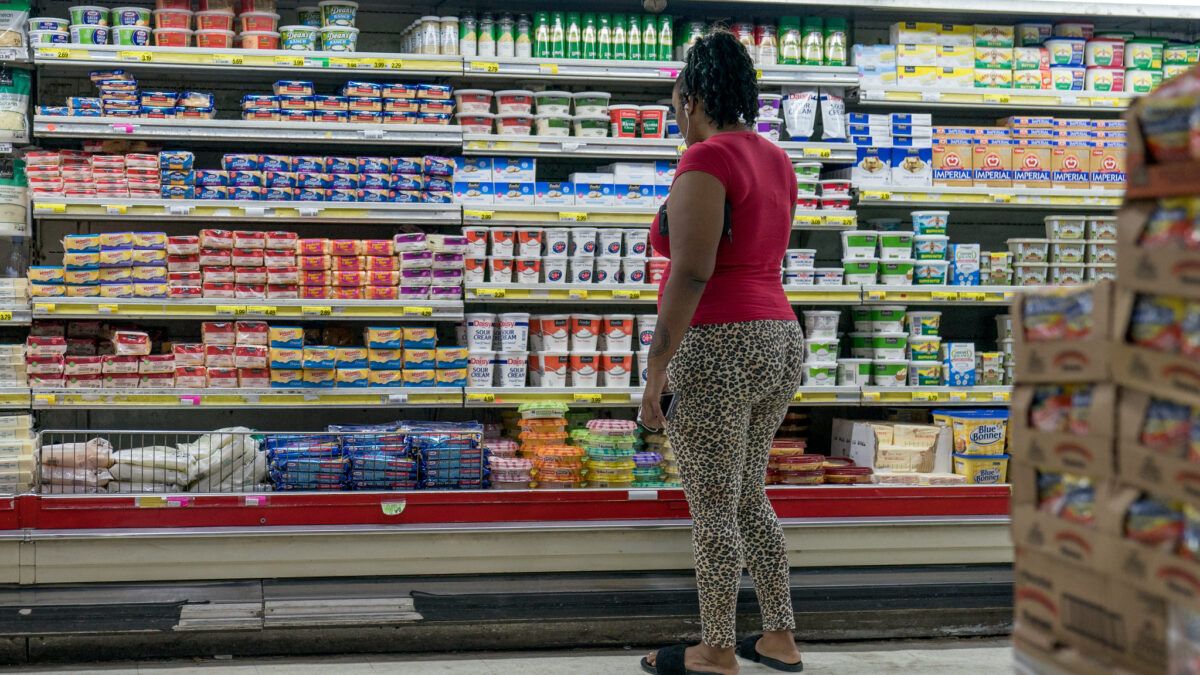
I’ve been grocery shopping for 20 years, and I have the regular and sale prices of all my staples memorized. It’s not TikTok, it’s the prices.