More People Watched The TPUSA Halftime Show Than Tuned In To The Oscars
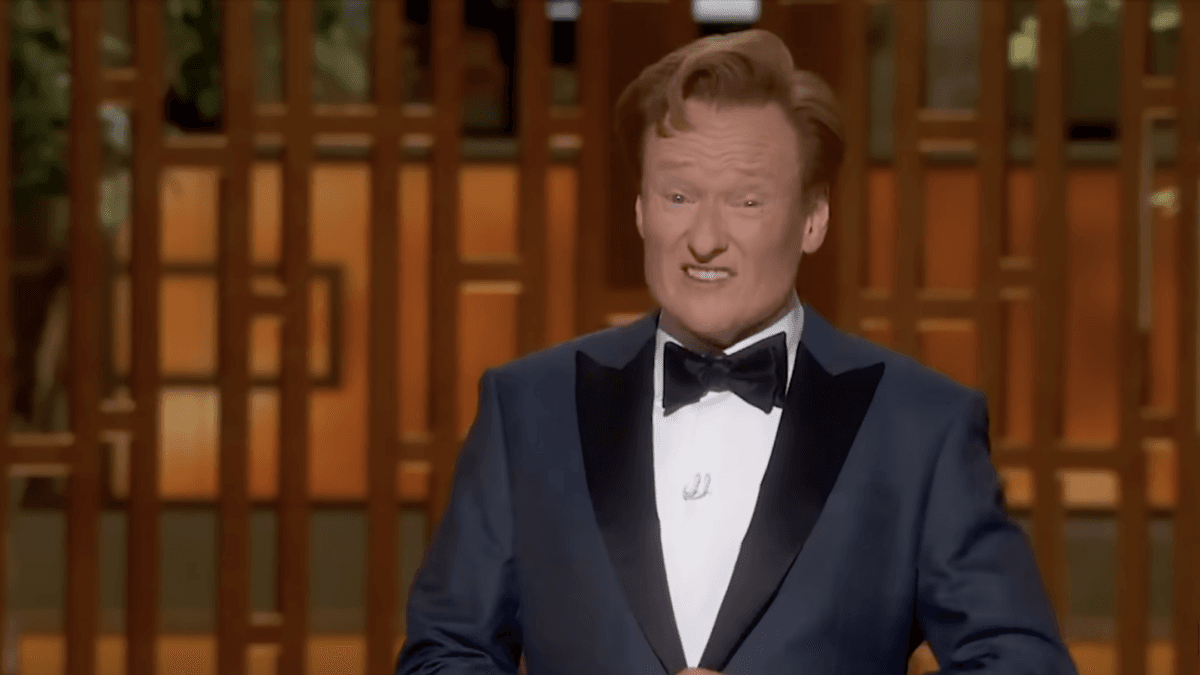 O’Brien’s potshot about the All-American Halftime Show may have landed at the time, viewership data says TPUSA gets the last laugh.
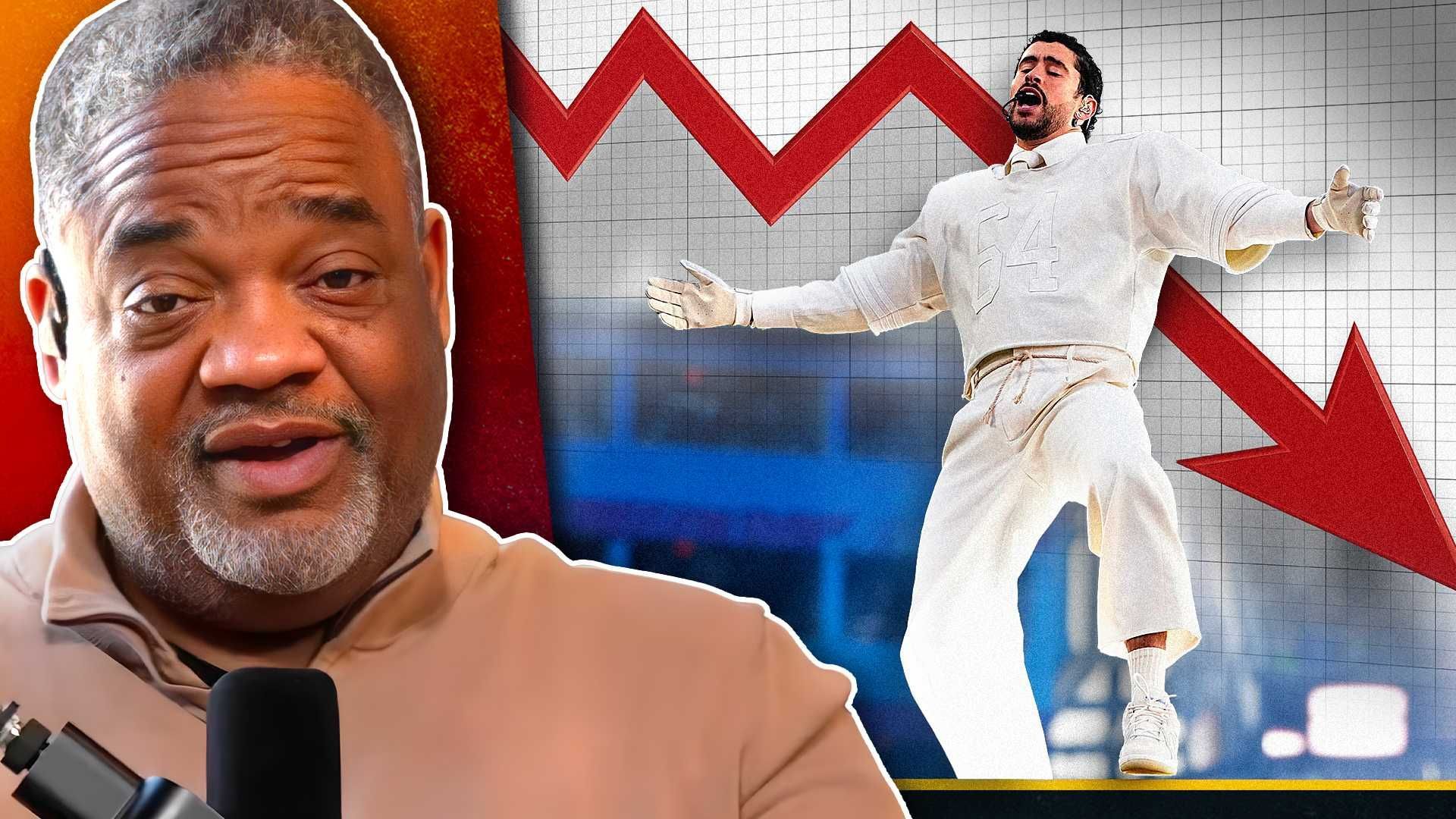
The NFL may be touting Super Bowl LX as another ratings success, but BlazeTV host Jason Whitlock believes the fine print tells a very different story.
“The ratings dropped for the Super Bowl and for Bad Bunny, and they got to spin it in some sort of way,” he says, though he notes there is “no positive spin on what just happened.”
“The viewership’s down 2% to 124 million,” Whitlock points out.
“If you read the fine print of the stories that are coming out and trying to spin these Super Bowl ratings, it actually tells the real story,” he explains, before reading an excerpt from a Front Office Sports report.
“Notably, this was also the first Super Bowl with Nielsen’s Big Data + Panel measurement process. The methodology, first introduced last September, brings in millions of additional data points from set-top boxes and smart TVs. That expanded view of the market has helped produce viewership gains across much of live sports, and particularly pro and college football — but not with the Super Bowl,” the article reads.
“What that means is since September, when we rigged up this new accounting system at Nielsen that counts all of these extra people, we’ve boosted up the TV ratings for football. And since September, everybody in live sports has been benefiting from this new calculation and new system that keeps producing these record ratings,” Whitlock explains.
“They had a system in place designed to boost the ratings of the Super Bowl and didn’t boost the ratings of the Super Bowl. That’s an indicator. That’s an indicator that the NFL and the Super Bowl are losing their grip. They’ve become too arrogant,” he continues.
Whitlock believes that the drop in ratings means that “people are finally starting to wake up to the diminished content.”
“They’re producing more content, and they’re giving us more content, but the content is no good,” he adds.
To enjoy more fearless conversations at the crossroads of culture, faith, sports, and comedy with Jason Whitlock, subscribe to BlazeTV — the largest multi-platform network of voices who love America, defend the Constitution, and live the American dream.
Turning Point USA's All-American Halftime Show and the Super Bowl LX halftime show was a battle of David vs. Goliath, Jack Posobiec said.
Posobiec, who has worked with Charlie Kirk's organization over the years as a contributor, said on Wednesday that there were a lot of hurdles, blocking, and gatekeeping going on as TPUSA planned the All-American Halftime Show.
'I don't think we realized the ways they can get you.'
Posobiec joined "The Glenn Beck Program" on Wednesday, where he described the Super Bowl LX halftime show featuring Puerto Rican artist Bad Bunny simply as "globalism."
It was an attempt to "compete on the global stage," Posobiec said, with the NFL expanding its audience by "dividing" the core of what the United States is built on.
The "NFL is middle America," Posobiec continued.
When it came to booking the halftime show though, Posobiec did his best to reveal the roadblocks TPUSA was up against.
"So here's what I can say ... I knew that by picking a fight with the biggest cabal in America, bigger than the Democrats ... that we were going up against Goliath," he told Beck.
Posobiec continued, "I had no idea what would happen, I don't think we realized the ways that they can get you. The ways that they can gate-keep you and block you."
While the TPUSA contributor admitted the story was not as cut and dry as having "emails from Roger Goodell" that told him "you shall not do this," he described the process as a trickle-down system with endless connections. Whether it is through restricting music usage rights, limiting song choices, or prohibiting what artists can participate in, "something would always happen," Posobiec said.
Posobiec claimed he was told by insiders that NFL brass were allegedly furious at the numbers TPUSA was able to produce on YouTube, which turned out to be record-setting.
The New York Post reported more than five million tuned in to TPUSA's halftime show live on YouTube, while the New York Times reported 6.1 million live concurrent viewers. Blaze News observed well over five million concurrents on TPUSA’s main channel alone with more watching on partner YouTube channels.
At the same time, the Post Millennial and Posobiec boasted 6.17 million viewers concurrently for TPUSA. That final digit is key as it would definitively push TPUSA's stream to second all-time in terms of concurrent viewership on a YouTube live broadcast.
According to Dexerto, this puts TPUSA behind the Indian lunar landing mission in 2023, which had a reported eight million viewers, and ahead of the 2022 World Cup quarterfinal between Brazil and Croatia, which had 6.1 million. Posobiec reported more specifically that the game had 6.15 million at its peak.
RELATED: Why everything sucks now: ‘It is not made for you anymore’
According to the NFL, Super Bowl LX set an all-time viewership record for Super Bowls on TV with 137.8 million viewers who were watching during the second quarter.
The halftime show averaged 128.2 million viewers, which is the fourth-most watched ever. Kendrick Lamar's 2025 performance (133.5 million), Michael Jackson's 1993 show (133.4 million), and Usher's 2024 halftime (129.3 million) all ranked higher, per ESPN.
In the days following the Super Bowl live broadcast, the NFL garnered nearly 70 million views for the halftime show, while TPUSA had more than 21 million views on its main channel alone. This is a strong showing as the NFL has nearly two and a half times the YouTube subscriber base as TPUSA.
The NFL did not respond to multiple requests for comment regarding the claims made by Posobiec.
Like Blaze News? Bypass the censors, sign up for our newsletters, and get stories like this direct to your inbox. Sign up here!
The Seattle Seahawks trampled the New England Patriots in Super Bowl LX, but the postgame chatter barely touched football. Fans and pundits argued about anthems, halftime, commercials, and what the whole spectacle “said” about America.
For better or worse, the Super Bowl serves as the premier civic liturgy of the American empire, a night when strangers share the same screens and offices share the same small talk. When that ritual becomes another front in the culture war, the country loses one more place to breathe.
Americans once used the game to share food, laugh at ads, and pretend for a night that they still belonged to one people. This year, the country used the game to rehearse separation.
Families fight. Politics intrudes. Resentments pile up. Holidays still force a pause. Thanksgiving and Christmas push people back to the same table, reminding them that the argument cannot become the relationship.
When even the ritual itself turns into the argument — when Thanksgiving and Christmas are no longer about gratitude or celebrating the birth of Christ but rather who can win a political debate — the family slides from conflict toward rupture. A nation works the same way. Shared ceremonies do not solve deep disagreements, but they keep disagreement from becoming total separation.
Americans rarely stop living their separate lives to watch the same thing at the same time. Streaming splinters audiences. Social media isolates communities. Even big films and best-selling books now fall into ideological silos.
The Super Bowl remains one of the few national events that still compels common attention. People who hate sports tune in for the ads so they can follow the conversation at work the next day. A shared celebration, however frivolous, still binds people who otherwise share little else in common.
This year’s Super Bowl looked like a country at war with itself.
The broadcast opened with two national anthems: the familiar Francis Scott Key standard and the newer “black national anthem” that appears at more NFL events each season. The league has leaned hard into woke activism, from corporate rituals to social campaigns, and it rarely hides the moral it wants viewers to absorb. Two anthems signal two constituencies. Two constituencies begin to behave like two nations.
The halftime show sharpened that divide. The NFL chose Bad Bunny, a Puerto Rican artist who performs almost entirely in Spanish, and the set centered on Hispanic identity. The stage recreated a bodega, complete with an “EBT welcome” neon sign. The performance leaned into sexual provocation, with dancers simulating sex acts and same-sex grinding played for shock and applause. The show ended with performers hoisting foreign flags, a tableau that read less like cultural flair and more like a victory lap.
RELATED: Bad Bunny preached in Spanish. The NFL hides behind tax perks in English.
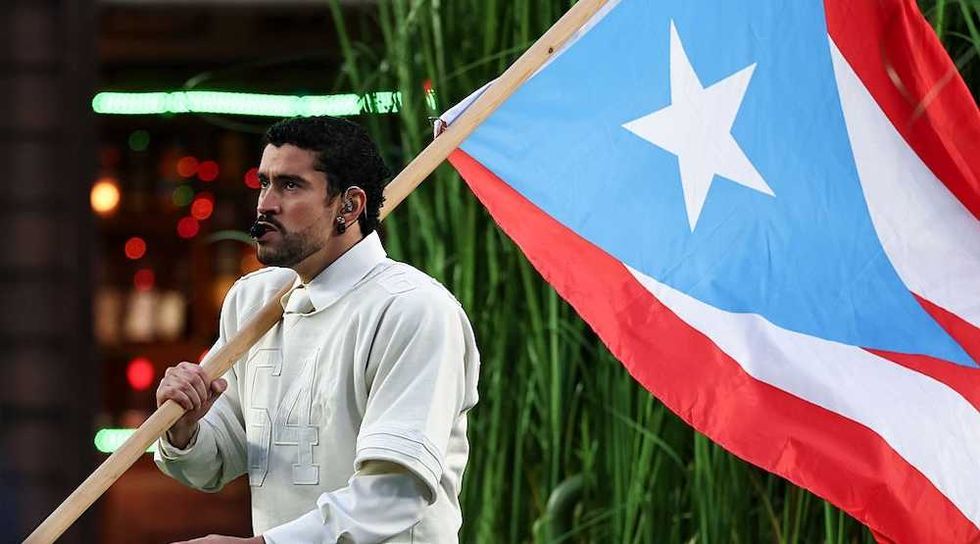
A large portion of the audience did not buy what the league sold. Ratings suggested many viewers tuned out during the set. Some did so out of prudishness, others out of irritation at the message, others out of confusion. Either way, the halftime show did not function as a shared moment. It became a sorting mechanism.
Turning Point USA offered a competing halftime program featuring country artists singing about America and Jesus Christ. The stream broke records and reportedly became YouTube’s largest live broadcast. The accomplishment deserves credit. The need for it should worry anyone who wants a coherent nation. Instead of one shared celebration, Americans built parallel ceremonies, then congratulated themselves for avoiding each other.
The commercials followed the same pattern. One spot from a mortgage lender portrayed a family of color moving into a mostly white neighborhood and encountering casual racism until they instructed the residents on diversity and inclusion. The ad did not wink. It preached.
Another strange commercial, backed by Patriots owner Robert Kraft, aimed to address rising anti-Semitism. It showed a Jewish student harassed in a school hallway as classmates mocked him and stuck a note reading “dirty Jew” to his backpack. The boy reached his locker, where a black student offered solidarity based on shared experience with hatred from whites. The ad then unveiled a “blue square” social media campaign modeled on the "black square" campaign that followed George Floyd’s death in 2020.
NFL owners did not back away from the woke script. They turned the dial higher.
The next day I went to my barber, and he described the shift in real time. Small talk drives that job. For most of his life, the Monday after the Super Bowl brought lively chatter about the best plays and the funniest ads. This year, customers wanted to talk politics. They complained about the anthems, the halftime, the messaging, the moral scolding. The game itself barely came up. Friendly banter about the MVP and next season’s prospects gave way to arguments about what kind of country this still is.
That exchange captured the larger problem. Conservatives and liberals increasingly inhabit different worlds. They share geography, but they do not share premises. They do not share authorities. They do not share the same media diet, the same moral language, or the same sense of what counts as a fact. When they occupy the same room, they talk past each other. When they can avoid the room, they do.
RELATED: Americans aren’t arguing any more — we’re speaking different languages
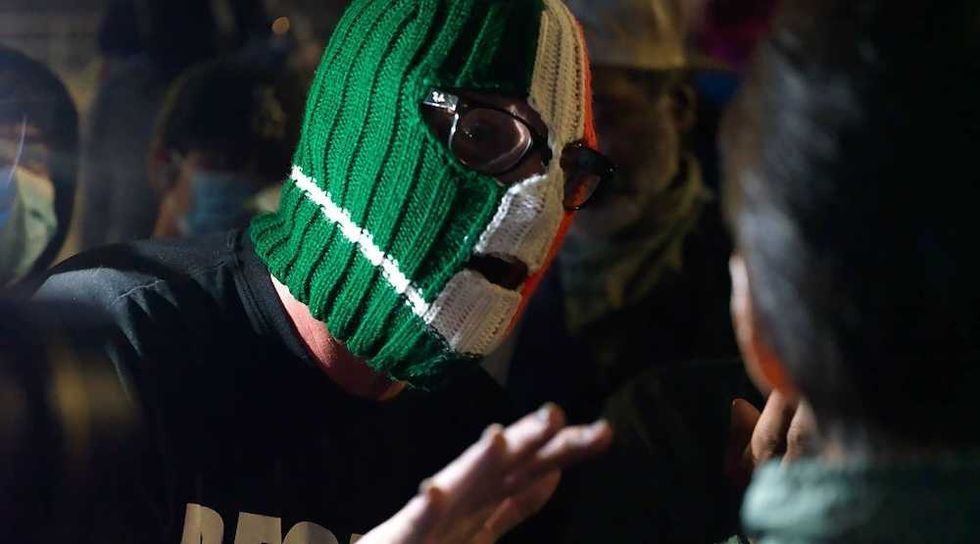
The old American civic fracture ran along a map. The new fracture runs through families, workplaces, churches, and neighborhoods. The country did not divide into North and South. It divided into competing moral nations layered on top of the same territory. Each tribe builds its own institutions, its own entertainers, its own narratives, and, increasingly, its own rituals.
No stable regime can endure that kind of division indefinitely. One side will eventually impose cultural dominance on the other, with power used to punish dissent and enforce conformity. Or the country will choose some form of national divorce, formal or informal, with communities separating as much as law and logistics allow.
The Super Bowl did not create this crisis. It revealed it. A shared civic ritual lets people practice unity without requiring uniformity. Americans once used the game as a harmless excuse to share food, laugh at ads, and pretend for a night that they still belonged to one people. This year, the country used the game to rehearse separation.
A nation that cannot share a football game cannot share much else for long.
 If Democrats are this bold when their anti-white zeal can still jeopardize campaigns, what will happen when they no longer fear losing elections?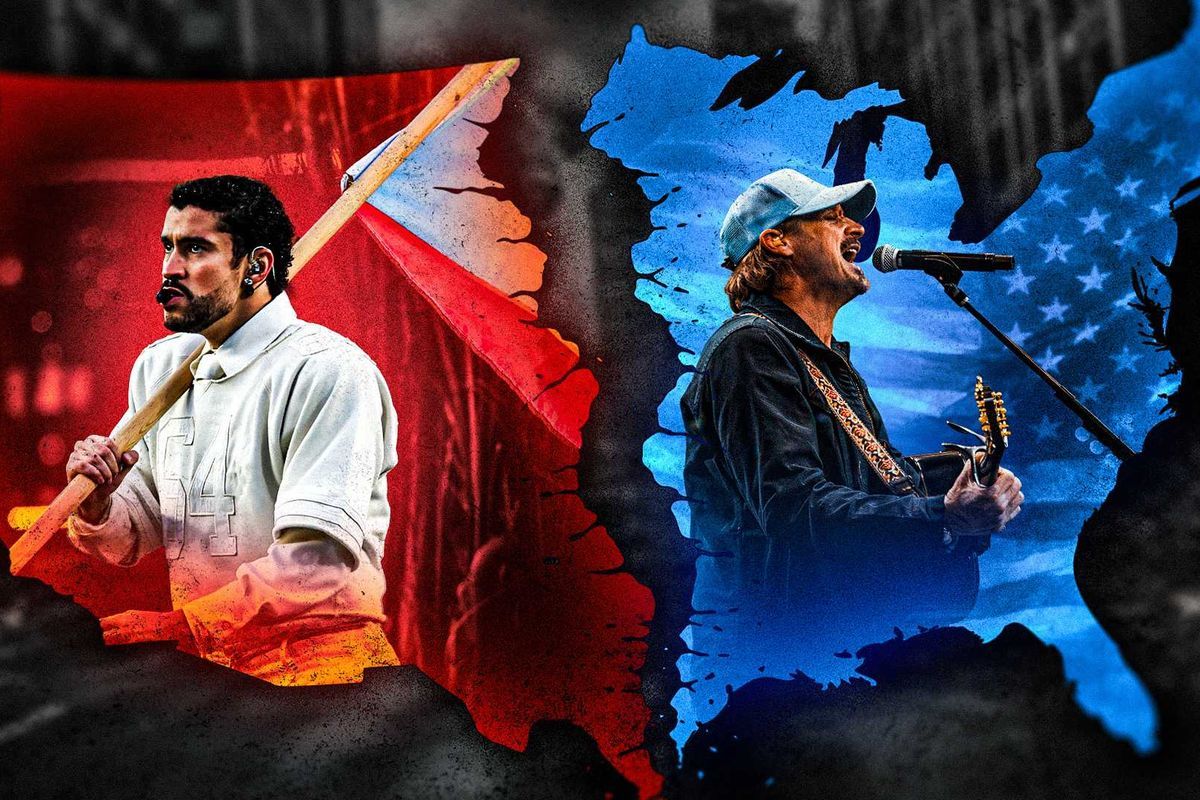
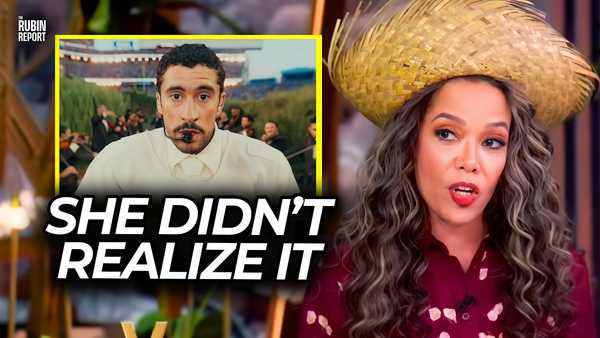
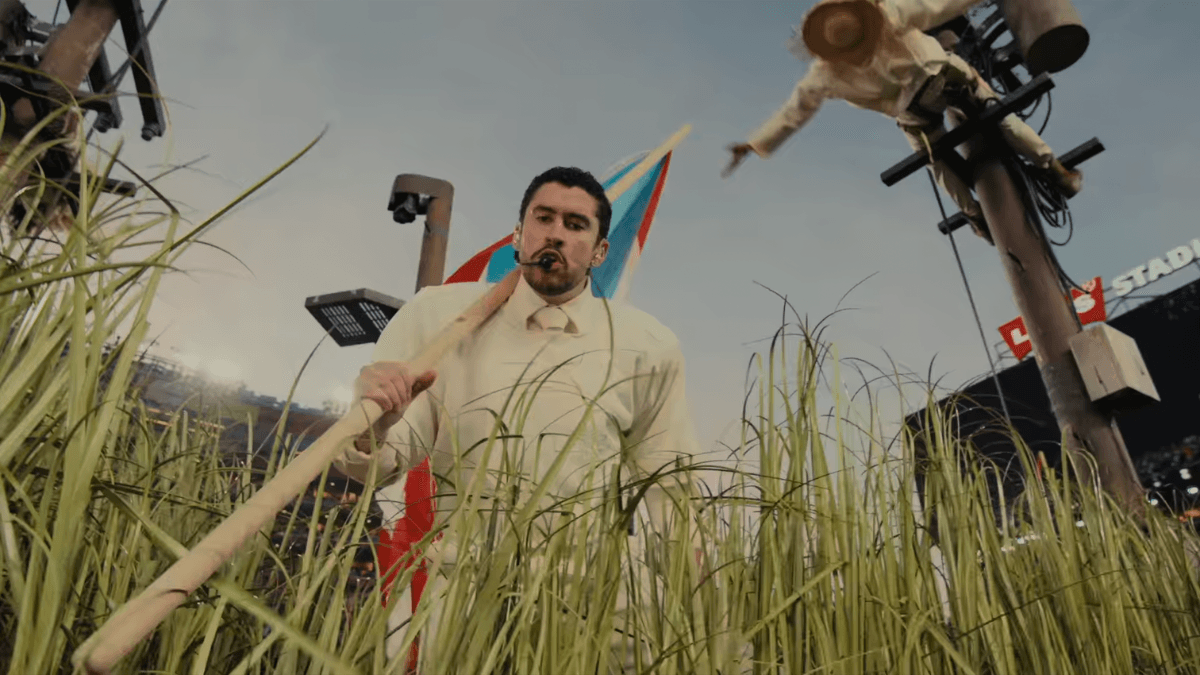 The media's political attacks are meant to confuse and demoralize conservative resistance to a political halftime show whose messaging targeted American culture and Christian values.
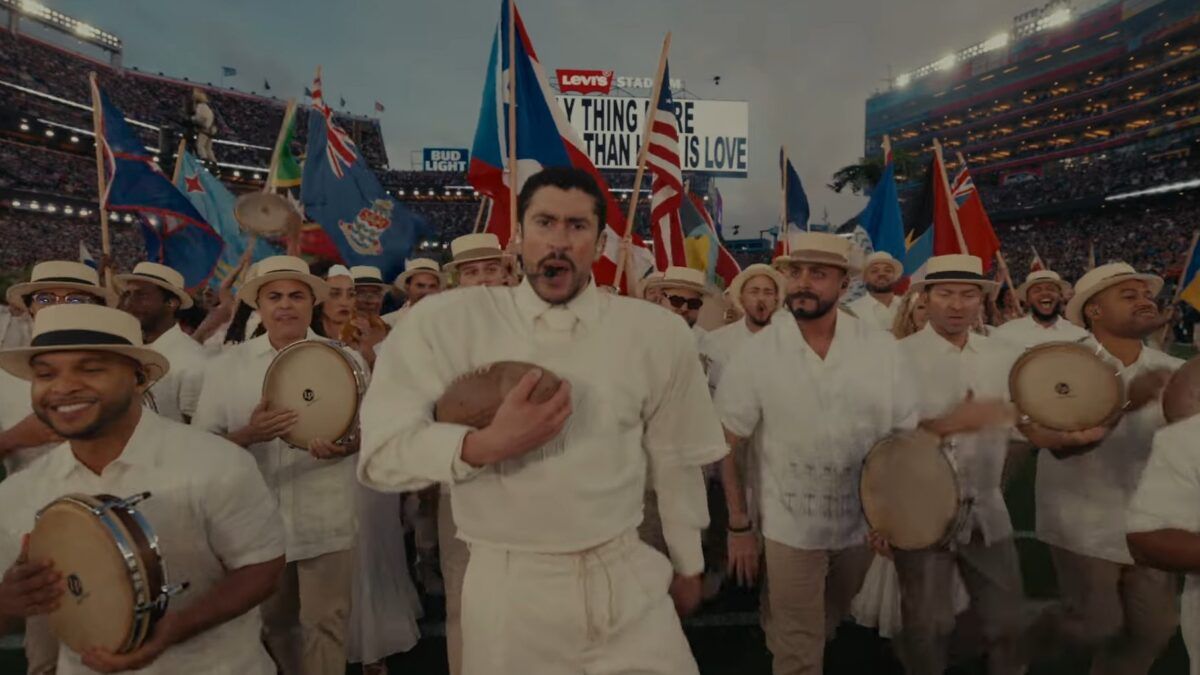 Despite Bad Bunny's arrogance, Puerto Rico would probably more resemble a hellscape than anything else without the patronage of the American people.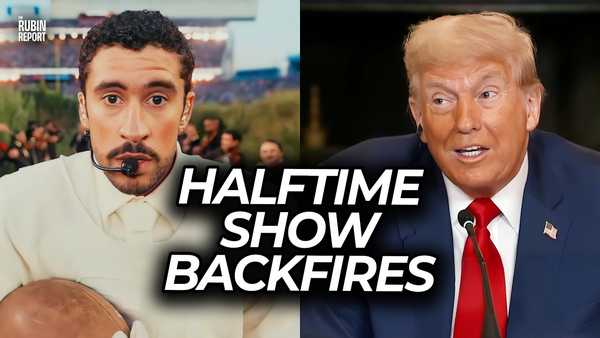
 www.theblaze.com
 www.theblaze.com
 thefederalist.com